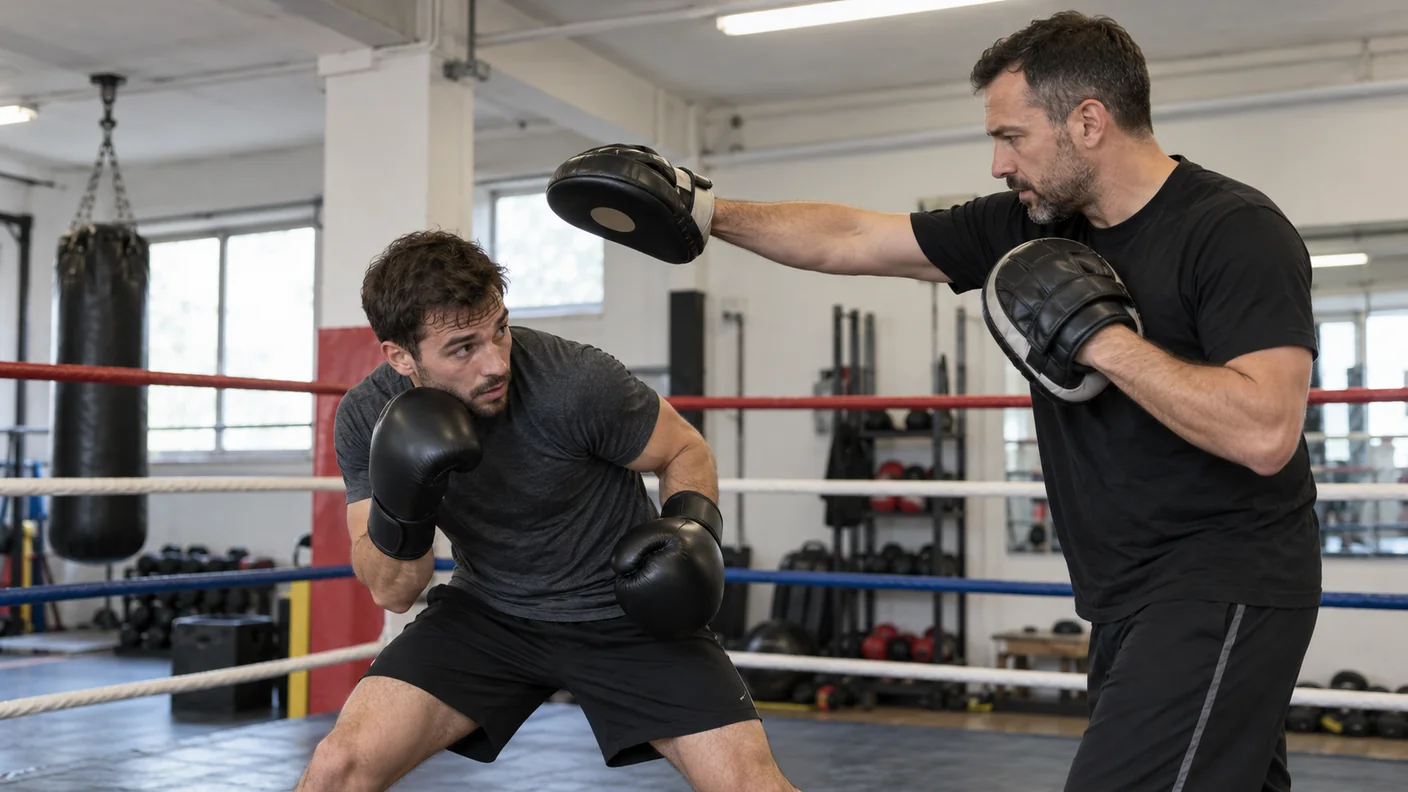
A jab is often the punch that stops a shorter boxer getting close. It gives the other person a straight line, keeps their feet organised and makes every rushed entry feel expensive.
One answer is to slip just outside that line, then use the short rear uppercut only when the jab has brought the other boxer close enough. It is a narrow, useful counter. It is not a licence to duck at every jab or throw an uppercut from the far side of the gym.
The important part is the decision. Your slip must keep you balanced and able to see. The uppercut has to be short enough that you can return your hand to guard before the next punch arrives.
Watch the pad-work demonstration below, then work through the slower version with a coach or a trusted partner.
Why this counter needs close range
For an orthodox boxer facing another orthodox boxer, the jab usually travels down the line from the opponent's lead hand. A small slip to your own right takes your head outside that line and puts the rear side in a position to work. Southpaws reverse the picture.
That does not mean you should throw as soon as you have moved. The rear uppercut becomes possible only if the jabber has committed enough distance for their head and chest to be genuinely close. If they have pulled the jab back, stayed long or shown a second punch, there is no uppercut to chase.
A review of boxing performance and biomechanics describes effective punches as connected movements involving the legs, trunk and upper body. In this drill, that connection starts with the defensive movement. The slip has to leave your feet useful enough to turn the hip and return to stance. If it leaves your chest hanging over the front knee, it has not set up anything useful.
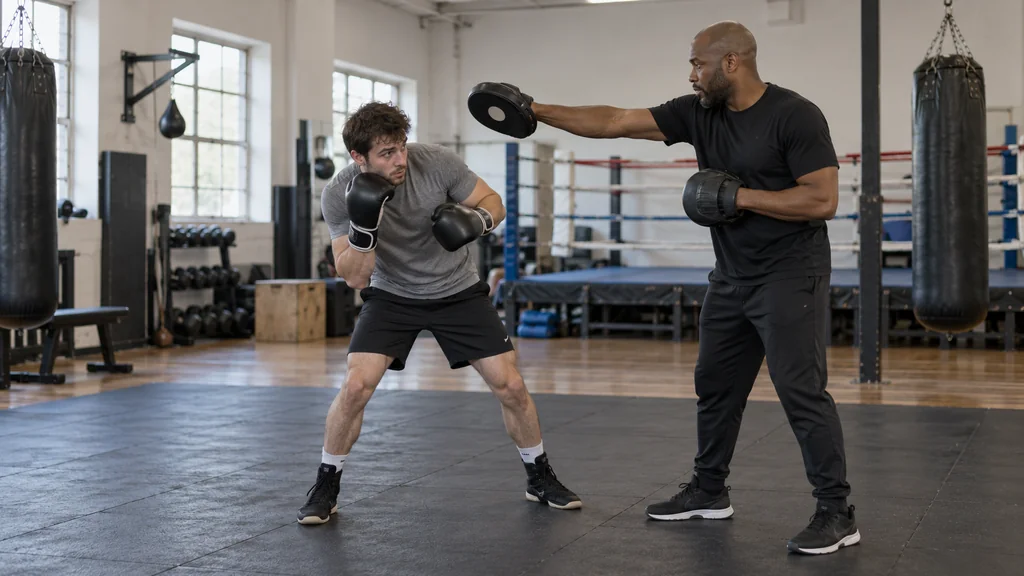
The range rule is simple: if the uppercut needs a reach, it is not there. Reset, jab, cover or take a small step out instead. A short uppercut at honest range is a far better lesson than a long one thrown because you promised yourself a counter.
For the wider choices available against the lead hand, start with how to defend the jab in boxing. A catch, parry or exit can all be better responses than a slip, especially if the other boxer is working behind more than one punch.
Slip small and keep the lead glove home
The outside slip should move the head by inches, not turn into a bow from the waist. Soften the knees, take the nose just beyond the jab line and keep the eyes on the chest and shoulders in front of you. Your back stays long. Your feet stay staggered.
Keep the lead glove close to the cheek while you slip. You are moving away from the jab, but you are not untouchable. The lead glove still matters if a hook follows or if the jab was a feint for a different line.
Do not pull the rear glove down before the counter. That exposes the side of the head and tells the other boxer exactly what is coming. The rear hand starts from guard, travels on a compact rising line, then returns straight home.
England Boxing's coaching handbook puts stance, balance and controlled technical progressions at the centre of learning. Use that as the test here. At the end of the slip, could you cover, step or jab without rearranging your feet? If not, make the movement smaller before adding the uppercut.
The rear uppercut is a short lift, not a scoop
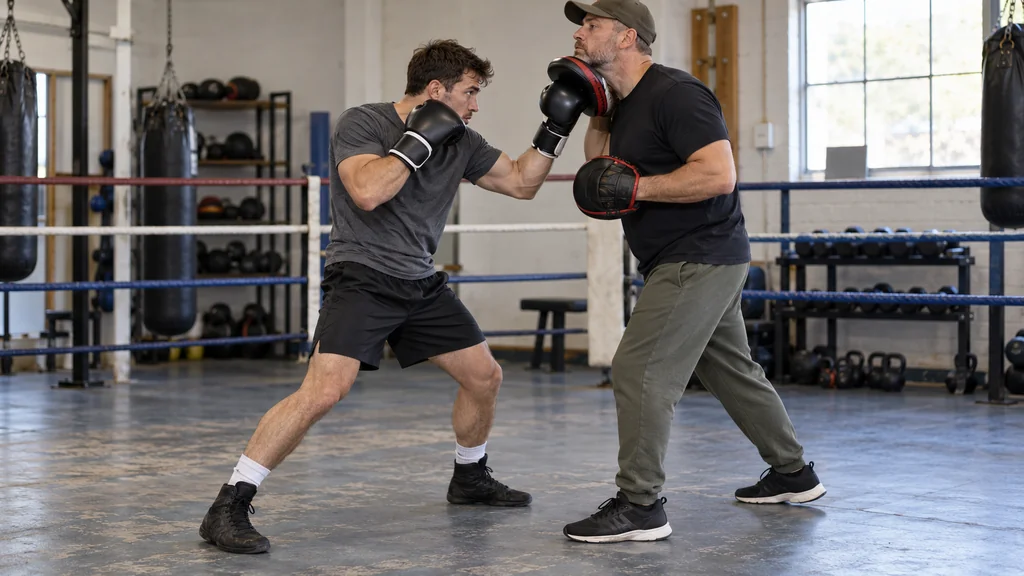
A good rear uppercut rises through the centre from a settled base. The rear knee and hip contribute to the lift, the shoulder turns with the hand, and the elbow stays beneath the fist. You are not trying to pick a punch up from the floor.
Keep the target close and high enough that the glove can travel in a short line. A coach-held mitt is useful because it makes the range honest. If the mitt has to be reached for, the coach should remove it and you should return to guard.
This is different from a jab-rear-uppercut entry. In that pattern, your own jab helps you take ground before the uppercut. Here, the other boxer's jab has created a defensive read. Both need a sound uppercut, but the timing and decision are different. Our guide to how to throw an uppercut is worth revisiting if the punch itself still feels loose.
The uppercut should never be automatic. A jab can be followed by a rear hand, a hook, a step back or nothing at all. The correct response to some clean slips is simply a high guard and a calm reset.
Build the slip-to-uppercut in three rounds
Use gloves, a coach with mitts or a trusted partner giving one slow, agreed jab cue. Keep the touch light. This is not a live-sparring test.
Round one: slip and freeze
Stand at a distance where a controlled jab mitt would touch your forehead if you did nothing. The coach sends the jab line slowly. Slip to your own right, then freeze for one count.
Check the finish each time. Your eyes are forward. Your lead glove is near the cheek. Your feet have not narrowed or crossed. Your head is off the line without falling towards the floor.
There is no uppercut yet. You are building the defensive position that makes every later choice possible.
Round two: see the close mitt
Now the coach gives the same jab line, then sometimes presents a second mitt at close uppercut range. Only when the mitt is there, make the small slip and place a light rear uppercut on it.
The mitt should appear after the defensive movement, not before it. That stops you loading the punch early and teaches you to see whether the position has earned the counter. Return both gloves to guard after every touch.
If the coach does not show the second mitt, do not punch at empty space. Slip, hands home, reset. That is a successful repetition.
Round three: choose the safe finish
In the last round, the coach gives three pictures: a single jab and a close uppercut mitt, a jab with no second mitt, or a jab followed by a slow second line.
On the first picture, slip and touch the uppercut mitt. On the second, bring the gloves home and reset. On the third, cover or leave as your coach has instructed. Do not force the counter just because the first jab missed.
Four mistakes that spoil the drill
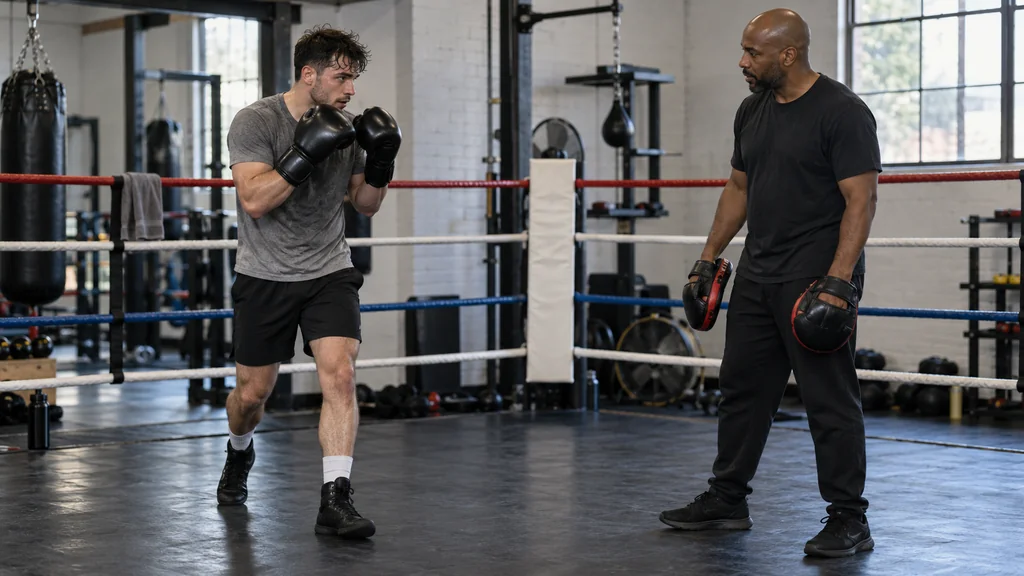
The first is dipping too deeply. A big movement can take you out of jab range, but it can also make you slow, blind and too far away for the uppercut. Make the jab miss by a small margin.
The second is throwing before the jab has committed. If you decide on the uppercut first, you will often slip a feint, lower your guard and walk into the next punch. Let the jab give you the information.
The third is reaching for a retreating target. A rear uppercut belongs in close. If the other boxer has stepped away, take the information and start again rather than following with your chin.
The fourth is staying there to admire the touch. Bring the rear hand home. If you remain close, cover or make a small coached exit. A counter only helps if you are ready for the reply.
Where this belongs in training
This is an intermediate pad drill for someone who already understands a basic guard, stance and uppercut. It belongs after a warm-up, before faster bag rounds or controlled partner work. It does not need hard contact to teach the important parts: range, timing, posture and restraint.
For adults in Kidbrooke, Greenwich and nearby, Recreational Adults boxing classes use controlled pads and partner drills to build those decisions before pace and pressure are added.
The coaching cue is simple: slip small, see the space, lift short, leave organised.
H&G Team
Writer at Honour & Glory Boxing Club, a community boxing gym in Kidbrooke, South East London.
KEEP READING
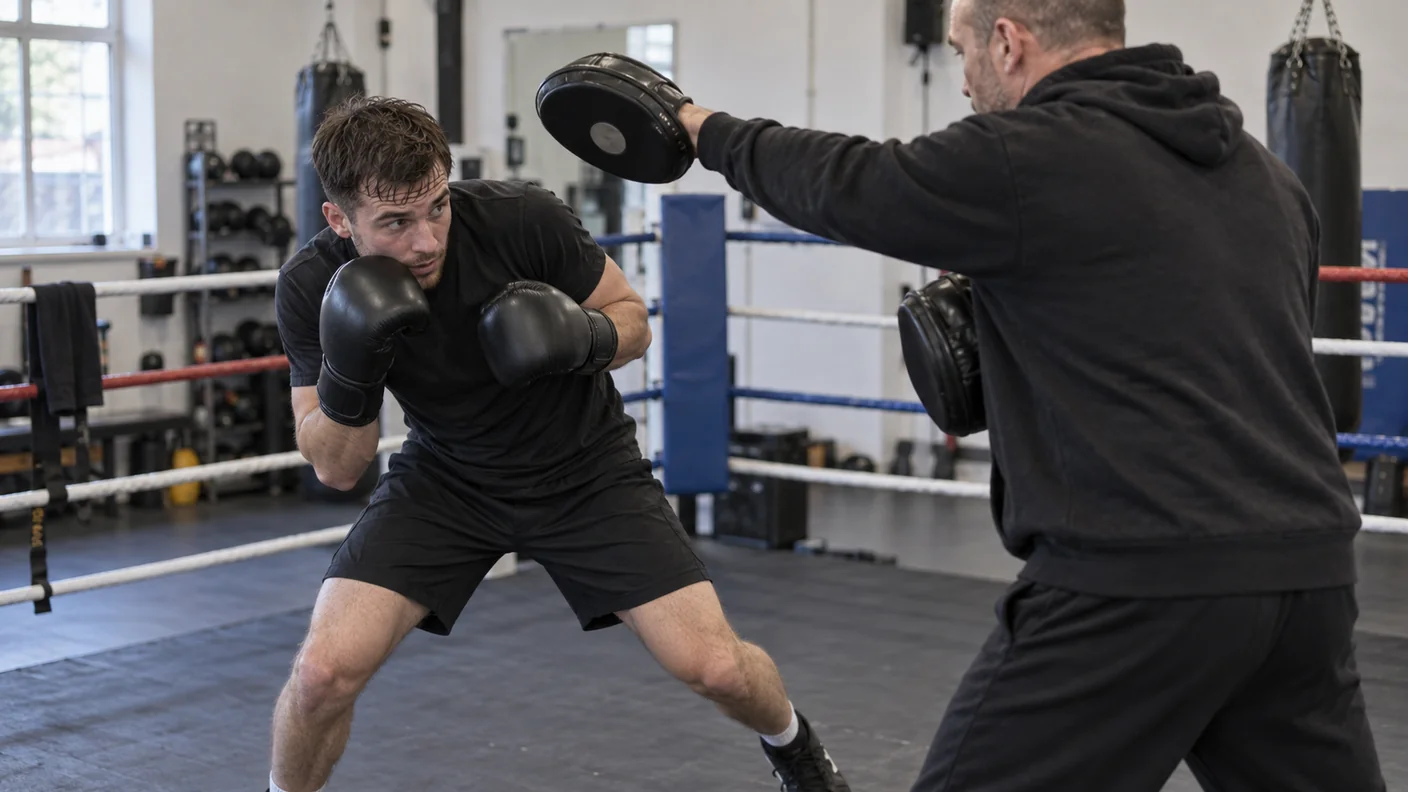
Outside Slip a Cross: Rear Uppercut Counter
Use an outside slip against a straight rear hand, then decide whether a short rear uppercut is truly there.
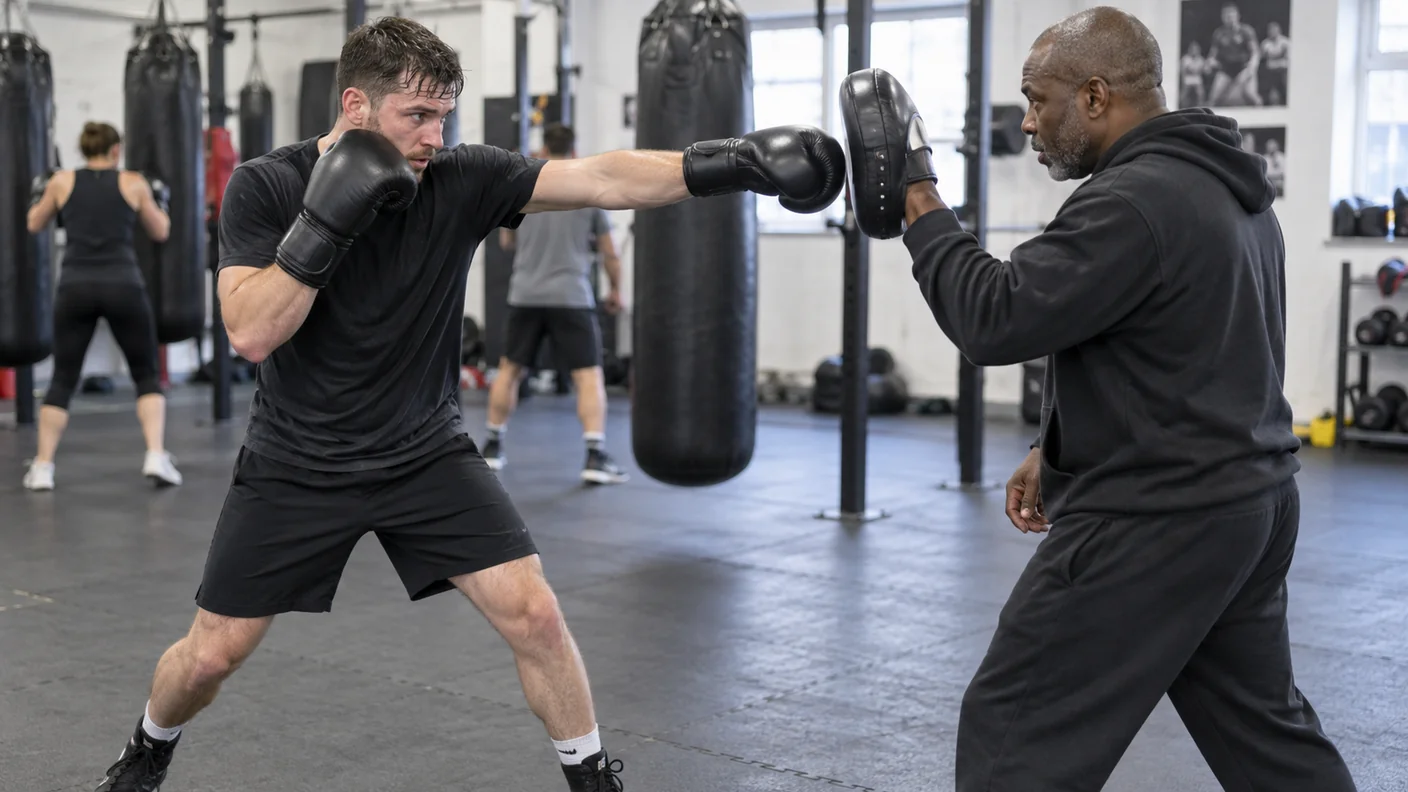
Jab to Rear Uppercut: Find Middle Range
Use a measured jab to enter middle range for a compact rear uppercut without leaning, reaching or losing your guard.
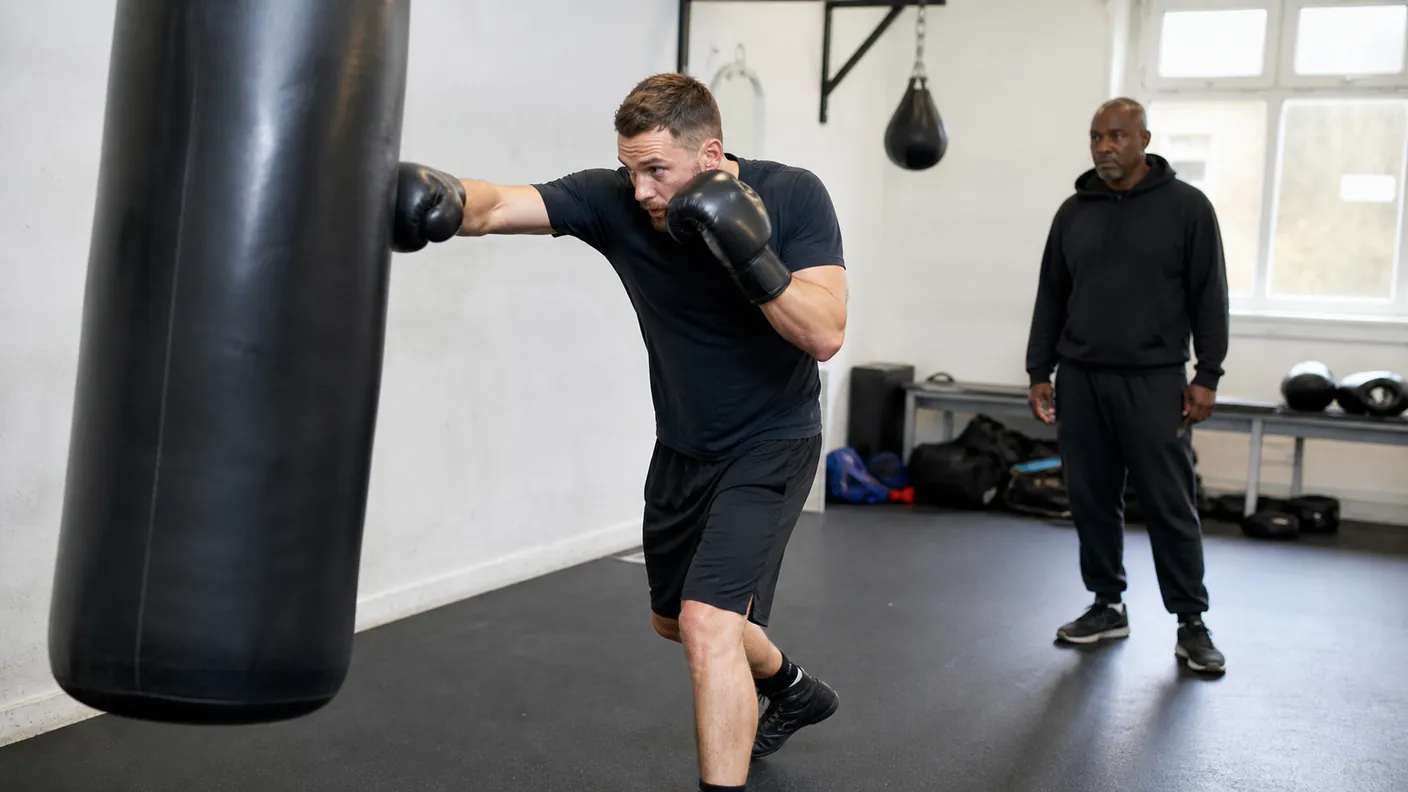
Angle Step to Rear Uppercut Boxing Drill
Use a small angle step after a lead hook to create room for a compact rear uppercut without losing your stance or chasing the target.
Was this page helpful?
It takes one tap, and it genuinely helps.
Choose your next step
Turn this article into the right action
Some readers are ready to book. Some need the class route first. Pick the route that matches what you actually want.