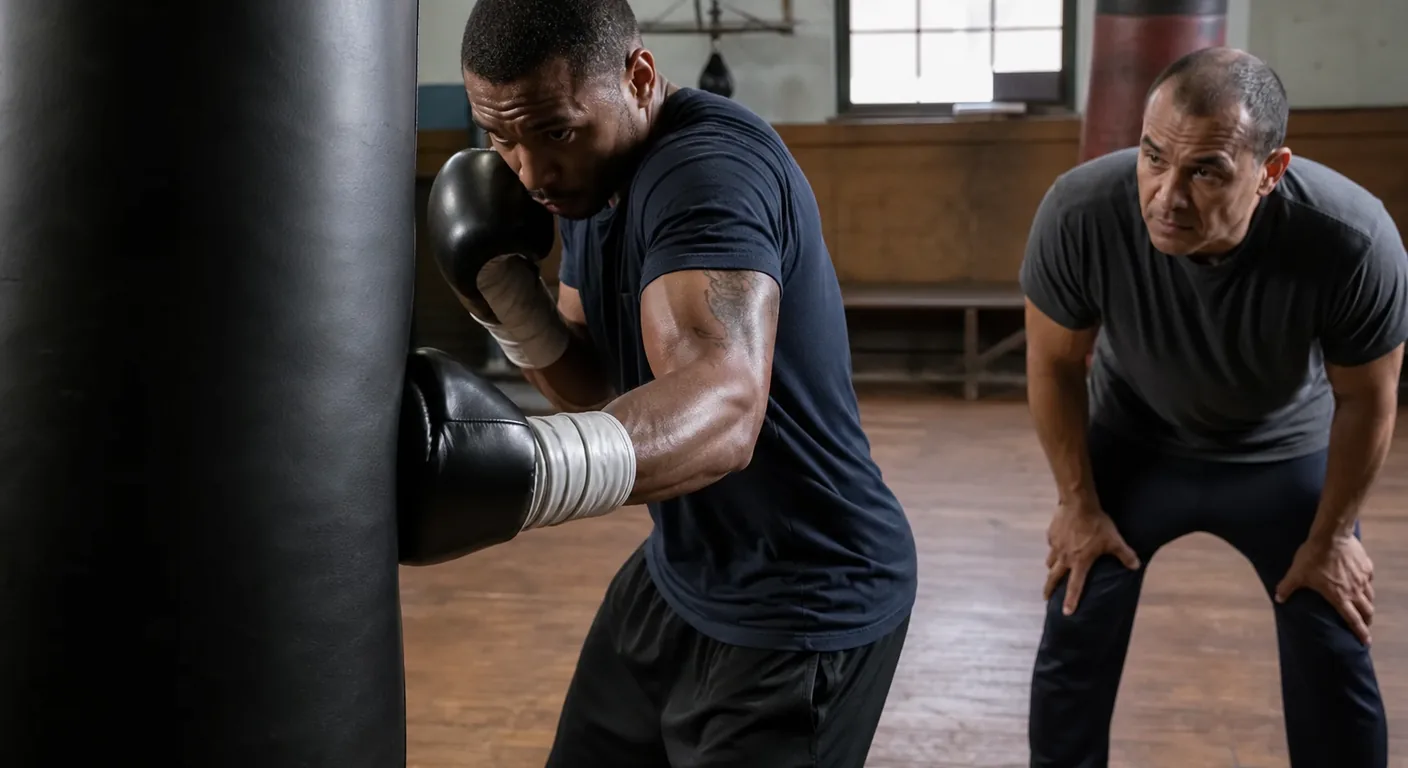
The uppercut is the punch beginners either ignore or ruin.
They ignore it because it feels awkward on the bag. Then they ruin it by swinging it up from the floor like a shovel. The result is usually a lifted chin, a dropped guard and a punch that travels too far to be useful.
A proper uppercut is shorter than that. It comes through the centre, uses the legs and hips, and fits the range you are actually standing in. You do not throw the same uppercut from chest-to-chest range that you throw when somebody is stepping in from further away.
The clip below is useful because it shows the main lesson: the uppercut changes by range. Short, mid-range and longer uppercuts have different jobs, but the same rules still apply. Bend the knees, turn the body, keep the opposite hand home and do not punch across your own face.
A 2020 biomechanics study of the cross, hook and uppercut found that stronger punch execution depends on better use of the whole body, not only the arm. The uppercut is not a biceps curl. It is a short line of force from the floor, through the turn, into the glove.
Here is how to build it without turning yourself into an easy target.
What an uppercut is really for
An uppercut is a punch that travels up through the centre line.
It is not a hook turned sideways and it is not a straight punch aimed at the ceiling. The target is usually the chin, sternum or body line when the other boxer has come forward, dipped their head, covered high, or given you the inside space.
Most boxers expect straight shots from the front and hooks from the side. The uppercut attacks a different lane. It comes under the guard rather than around it. That makes it useful in close exchanges, against a high guard or when someone rushes in with their head low.
If the punch becomes too long, your elbow drifts away, your chin lifts and your opposite hand often falls. That is when the counter hook or straight shot arrives.
Think of the uppercut as a compact rising punch, not a big upward swing.
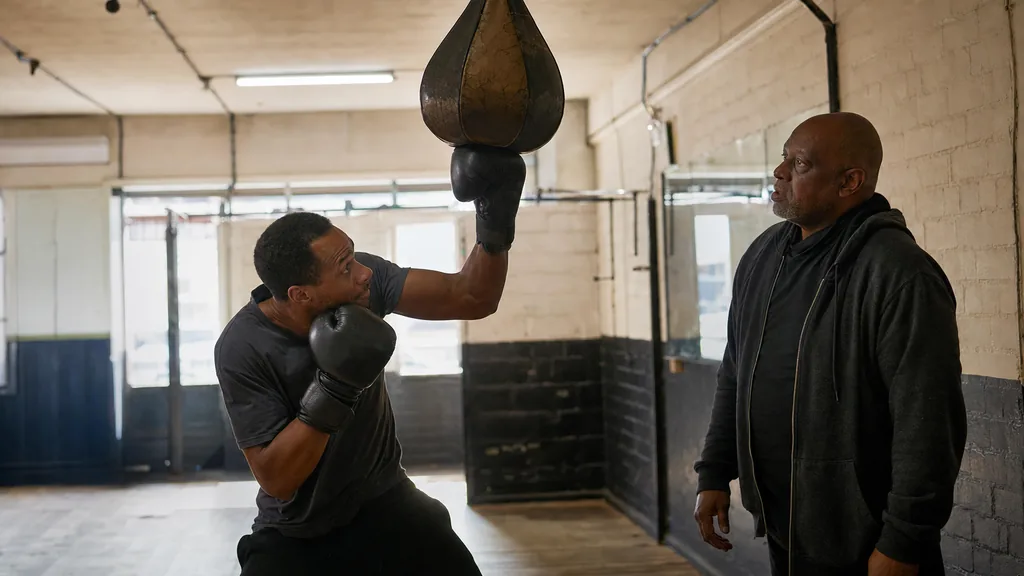
Start with short range
The short uppercut is the first one to learn because it teaches the shape.
Imagine you are close enough to touch shoulders or work on the inside. There is no room for a long arm. Your elbow stays bent and the punch rises a short distance through the middle.
The power comes from a small dip and turn. Bend the knees slightly, load the side of the punch, then drive up as the hip turns. The hand follows the body. It does not leave first and drag the rest of you behind it.
Keep your head protected. If you throw the right uppercut, the left glove should stay near the face. If you throw the lead uppercut, the rear glove stays home.
A useful cue is: sit, turn, punch, recover.
Do not drop the hand to your hip before throwing. It tells the other boxer what is coming and opens your face while the punch travels.
The mid-range uppercut catches the entry
The mid-range uppercut is the one you use when the other boxer is coming in.
You are not smothered yet, but you are not at long jab range either. They step in with their head over the front foot or close distance after their own jab. That is when the uppercut can meet them before they get fully set.
This version still has to be compact. If you reach, your weight spills over the front knee and your head becomes the easiest target in the room.
Instead, let the feet put you in range. Small step if needed. Knees bent. Chin tucked. Then the punch rises as the body turns. The glove should feel as if it is travelling through the centre of the opponent, not looping around the side of them.
The mid-range uppercut pairs well with a jab or body jab because those punches change the opponent's guard. Our guide to boxing combinations for beginners explains the basic punch numbering. Once the numbers are clear, the real work is making the range fit the punch.
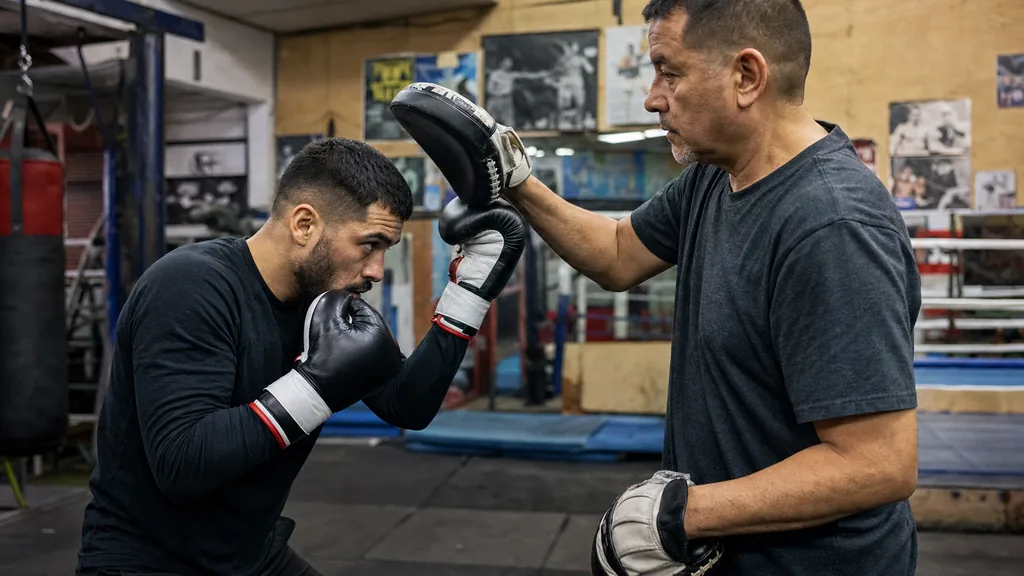
The longer uppercut is a riskier punch
There is a longer uppercut, but it needs respect.
It is usually a counter or timing shot. You use it when the other boxer lowers their head, overreaches, or falls in behind a punch. Done badly, it becomes a huge swing from too far away.
The mistake is throwing a long uppercut from outside range with no set-up. The punch travels upward for too long, the shoulder cannot cover the chin and the feet freeze because all the effort has gone into the arm.
If you want to practise the longer version, build it from a simple trigger:
- Jab to make them react.
- Let the head or guard change level.
- Step only enough to stay balanced.
- Fire the uppercut through the centre.
- Recover the hand and move your head.
The last step matters. A long uppercut without a defensive finish is asking for trouble. Finish with a high guard, a small roll or a step out.
That is why counter punching basics matter here. The uppercut is often the answer to a mistake you have drawn or seen.
Keep the punch under your own chin
The cleanest uppercuts stay under the face.
If your glove finishes across the far side of your head, the punch has crossed your centre line too much. You have thrown around yourself rather than through the target.
A coach can spot this quickly. The boxer dips, swings, turns the head away and finishes with the hand outside the frame. It might look dramatic on a bag, but the recovery is too slow.
Use the mirror or a phone on a tripod. Throw ten lead uppercuts at half speed. After each one, freeze. Your elbow should still be bent, your chin down, your opposite glove near your cheek and your feet still in stance.
The England Boxing coaching handbook treats boxing skill as something coached through stance, balance, movement and control, not isolated arm actions. If the punch breaks the stance, the punch is not ready.
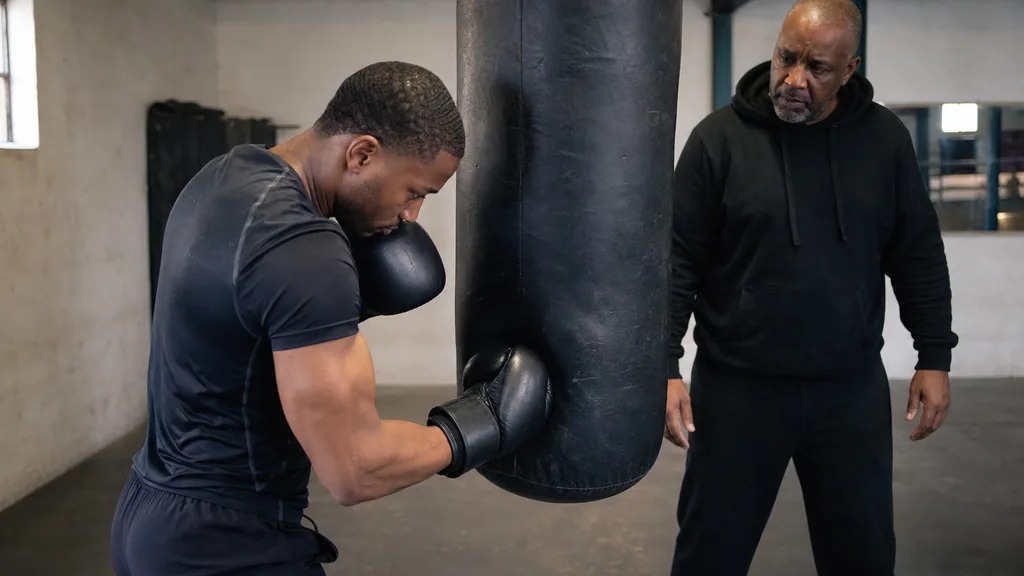
A three-round uppercut drill
Use this on pads or a bag. Keep it slow enough that the coach can see the details.
Round 1: short uppercut mechanics
Work from close range. Throw single lead uppercuts for one minute, then single rear uppercuts for one minute. Freeze after each punch and check chin, opposite hand, elbow position and feet.
Round 2: mid-range entry
Start just outside uppercut range. Step in with a jab, then throw the rear uppercut as if the opponent has dipped forward. The step should create range. The uppercut should not reach for it.
Round 3: uppercut and exit
Throw jab, rear uppercut, lead hook, then either step out or roll under. If the feet are gone after the uppercut, remove the hook and rebuild the balance first.
Common uppercut mistakes
The first mistake is dropping the hand before throwing. The second is lifting the chin with the punch. The third is reaching from too far away. The fourth is punching across your own face rather than up through the centre.
The fifth is admiring the shot. Uppercuts can feel satisfying on the bag, but the bag does not counter. Recover the hand, move the head and finish in stance.
The coaching cue
Short uppercuts are built inside. Mid-range uppercuts catch the entry. Long uppercuts need a trigger and a clean finish.
That is the whole lesson. Do not make the punch bigger than the range allows. Sit into the legs, turn the hips, keep the other hand home and bring the glove back before you celebrate.
If you are in Kidbrooke, Greenwich or nearby, our Recreational Adults boxing classes teach uppercuts through pads, bag rounds and controlled partner drills. You learn the punch as part of stance, guard, range and recovery.
H&G Team
Writer at Honour & Glory Boxing Club, a community boxing gym in Kidbrooke, South East London.
KEEP READING
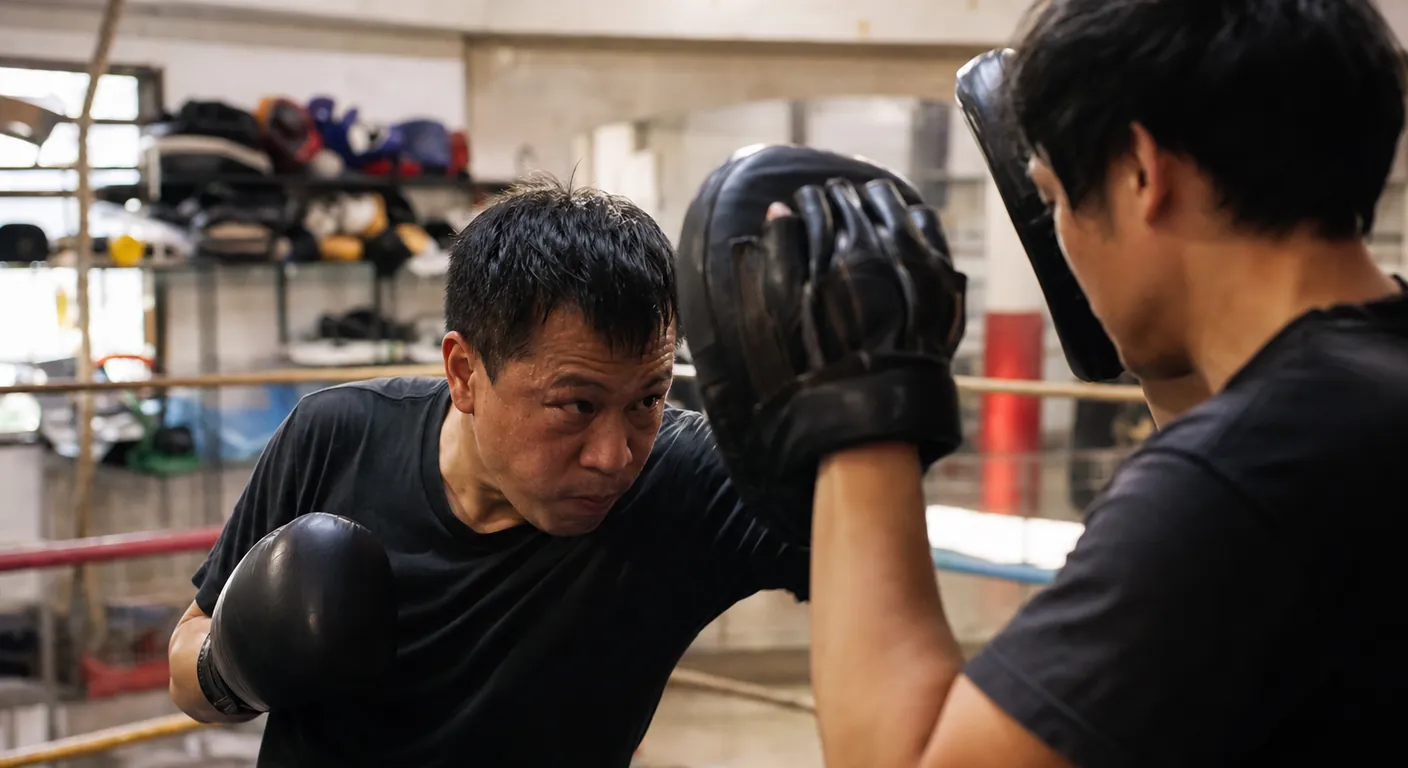
How to Throw an Uppercut in Boxing
Learn the short, mid and long uppercut ranges, with footwork, hip rotation and drills that stop beginners swinging from too far away.
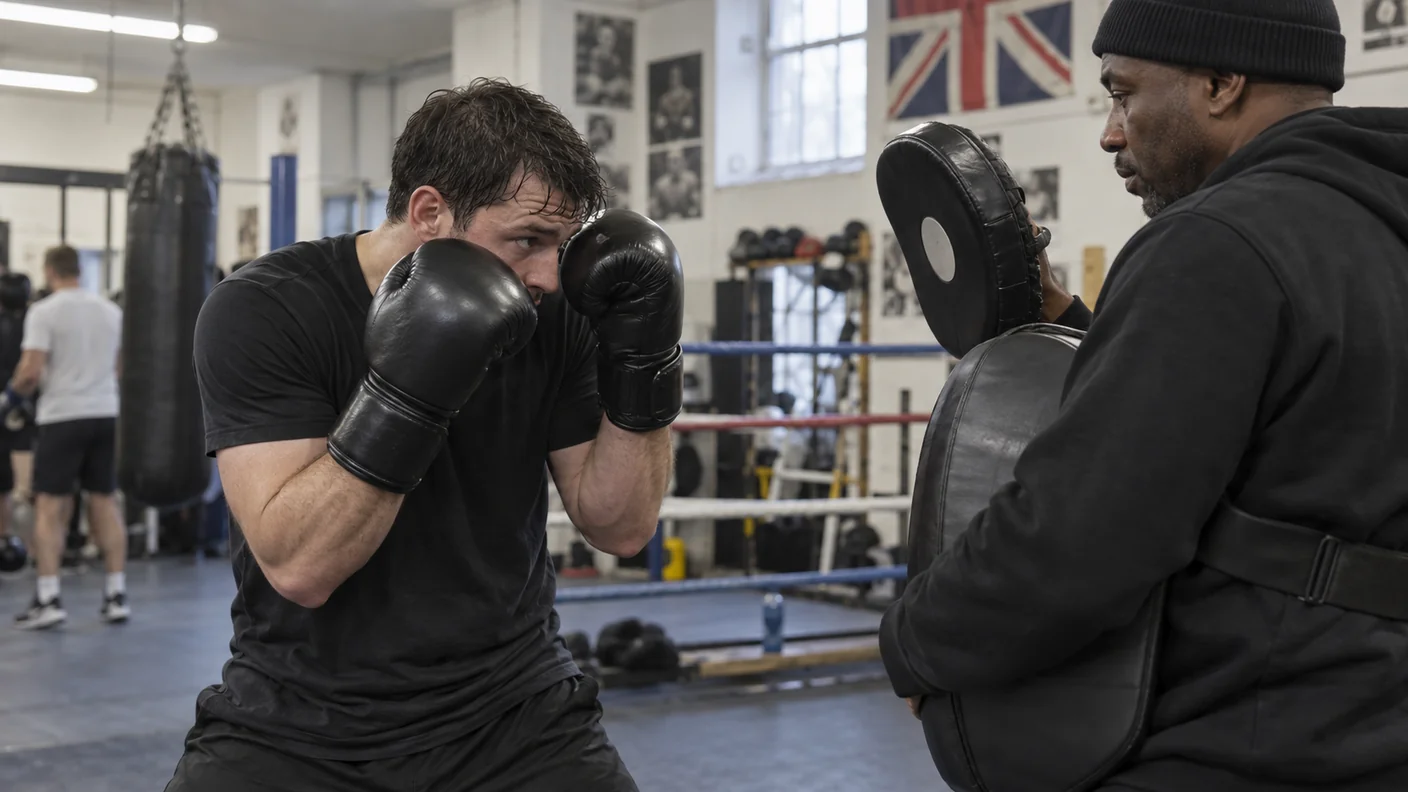
How to Defend an Uppercut in Boxing
Learn how to stay protected against an uppercut with a compact guard, sensible distance and calm exits from close range.
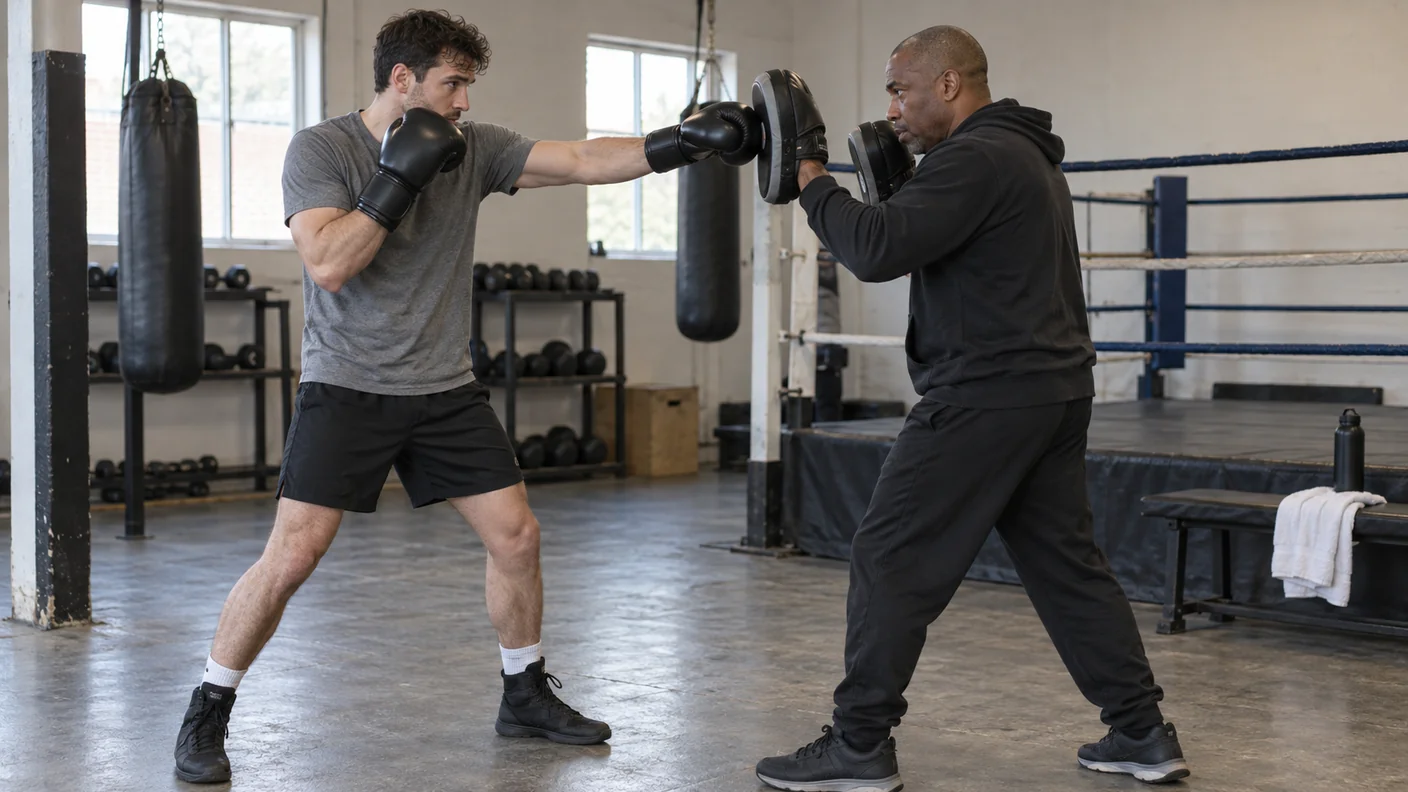
Lead-Hand Frame to Lead Uppercut: A Safe Drill
Use a brief lead-hand frame to find close range for a compact lead uppercut without pushing, holding or losing your guard.
Was this page helpful?
It takes one tap, and it genuinely helps.
Choose your next step
Turn this article into the right action
Some readers are ready to book. Some need the class route first. Pick the route that matches what you actually want.