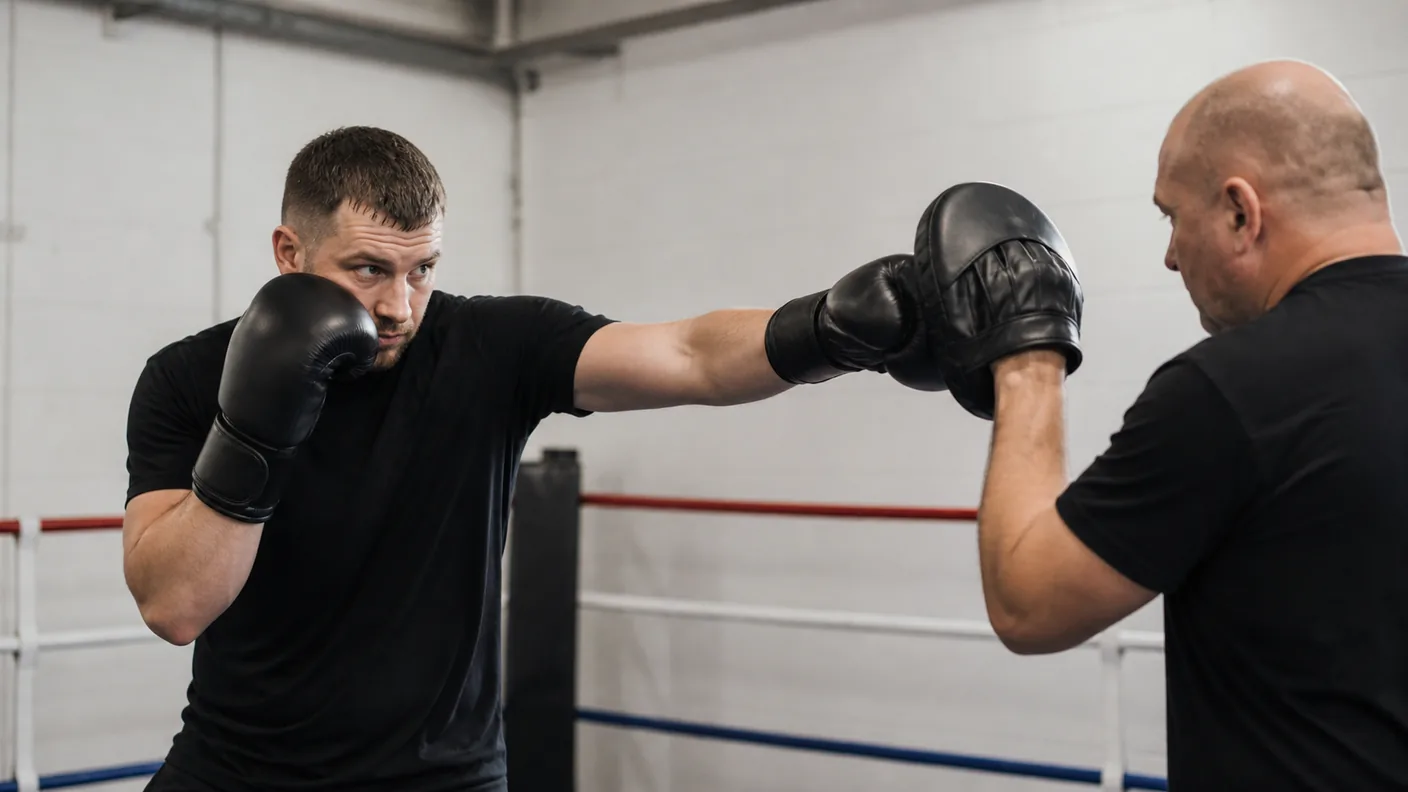
A punch can be technically correct in one place and useless two steps away.
That is why a clean jab at long range feels simple, while the same reaching shape makes a hook weak or an uppercut ridiculous. Beginners often learn the punch names first, then try to use all of them from wherever they happen to be standing. The result is predictable: long hooks, bent-over uppercuts and straight shots thrown with no base underneath them.
The better question is not, "Which punch do I know?" It is, "What range am I in, and which punch still lets me stay organised?"
The short demonstration below is a useful reminder that boxing has more than a basic four-punch list. A hook has short, middle and longer versions. A jab can touch, score, measure or set up the next movement. The useful version is the one that fits the space, rather than the most dramatic version you have seen on a bag.
A biomechanical study of the cross, hook and uppercut treats them as distinct whole-body actions, not interchangeable arm swings. That is the sensible starting point in the gym. Your feet, hips, shoulder, guard and target distance need to agree before the glove leaves.
Start by reading the gap
Range is the gap between your target and where your punch can land without you having to fall, reach or square up.
At long range, the lead hand can reach the target while your stance still works. At middle range, the elbow can stay bent while a hook turns through. At close range, the hands do not need a long path at all, so short hooks and uppercuts become possible.
Those ranges change every second. A partner steps back. You finish a jab too close. A body shot brings you inside. The right answer is not to force the planned punch anyway. It is to notice the new distance and make the next sensible choice.
England Boxing's Level 2 coaching handbook separates the teaching of straight punches and defence from hooks, uppercuts and their defensive decisions. That order is useful because range control comes before fancy combinations. If you cannot tell whether you are too close or too far away, more punch names will not fix the problem.
Long range: straight punches do the honest work
At long range, use the jab first.
The jab gives you a direct line, lets the lead shoulder cover part of the chin, and tells you whether the other boxer is standing still, moving back or ready to answer. It is not a throwaway punch. It is how you test the distance without gambling your balance.
A cross can follow if the jab has brought you to the right place or made the target react. But do not throw the rear hand simply because the sequence says one-two. If the target has drifted away after the jab, take another step or reset. A cross thrown from too far out usually pulls the head over the front knee and leaves the rear hand taking a long journey home.
The cue is simple: touch from stance, return to stance.
For a closer look at the punch itself, read our guide to throwing a proper boxing jab. The range rule makes that basic punch more useful. If you need to lean to land it, you are not at jab range yet. Move your feet first.
Middle range: the hook needs room to turn
A hook is not a wide arm thrown because the target is nearby. It is a compact turning punch with a bent elbow, a settled base and enough room for the lead shoulder and hip to rotate.
Middle range is where the hook belongs most naturally. You are too close for a fully extended jab to feel tidy, but you still have enough space that the elbow can travel around the target rather than being crushed against your own ribs.
The error is trying to solve a range problem by making the arm longer. A long hook arrives slowly, pulls the shoulder away from the chin and often finishes with the boxer square in front of the target. If you feel the arm straightening, you are probably too far away. Jab your way back into range, step closer with control, or leave it alone.
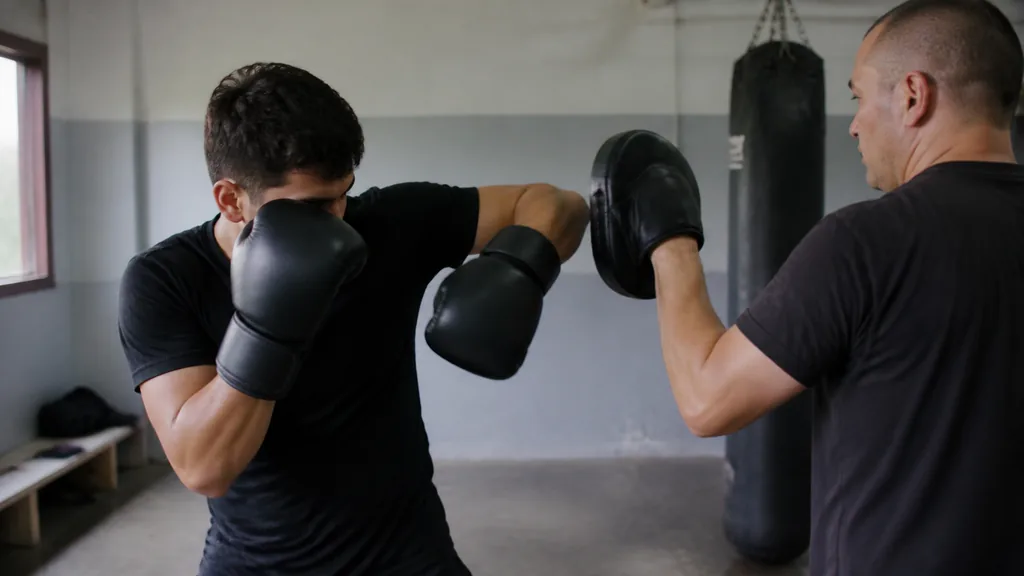
The opposite mistake is throwing the same hook when you are chest-to-chest. At that point there may not be room to turn it properly. The glove smothers against the target, the elbow flares and the head comes forward. You have not thrown a short hook. You have tried to force a medium-range punch into close range.
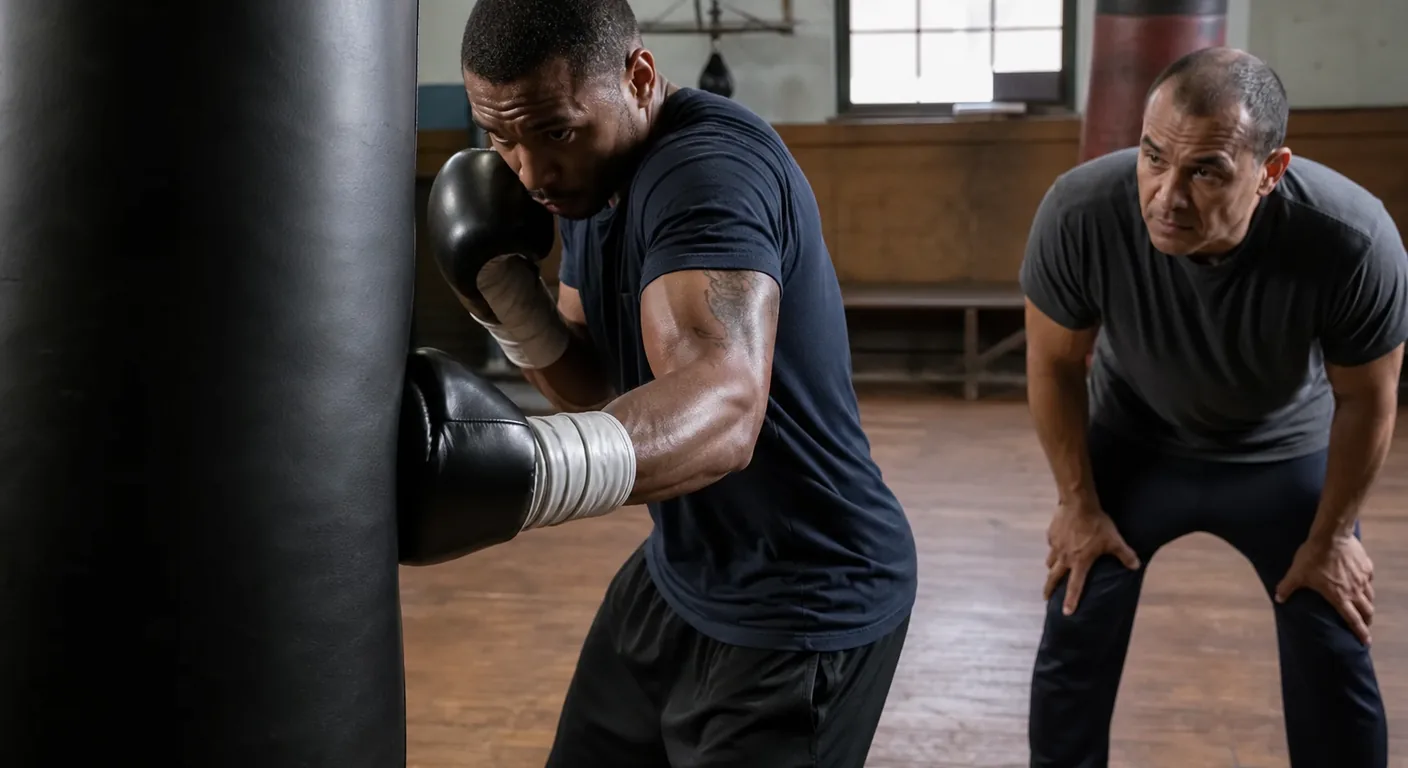
A good bag round exposes this quickly. If you keep leaning into the bag after hooks, slow the round down and use the heavy bag work that transfers to sparring approach: punch from range, step away when you are too close, then begin again. The reset is technical work, not lost time.
Close range: make the uppercut short
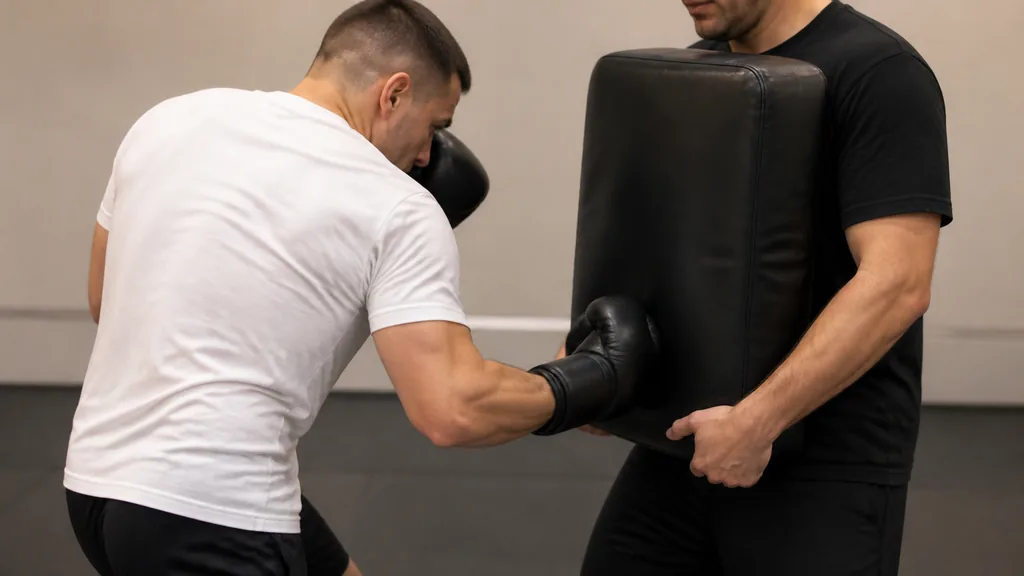
At close range, a short uppercut can be the cleanest punch available. The target is already near enough that the glove does not need to travel from the floor or loop around the side.
Bend the knees slightly, keep the spine tall enough to see, and let the glove rise on a tight line. The elbow stays bent. The opposite hand stays close enough to protect the face. You are not digging a hole in the floor and you are not lifting your chin to watch the punch land.
The useful uppercut is compact because close range gives you no time for decoration. If the punch needs a big dip, a long wind-up or a heroic swing, it is too slow for the position you are in.
This does not mean every close exchange needs an uppercut. Sometimes the right answer is to cover, make a little space, clinch under supervision or step out. A punch is only available if you can land it without giving away your balance and guard.
Our guide to throwing an uppercut in boxing covers the mechanics in more detail. Start there before trying to add the punch to faster partner work.
A three-round range drill
Keep this drill controlled. Use pads, a bag or light partner cues. It is about choosing the right shape, not proving that you can throw every shot at full pace.
Round one: one range, one punch
Pick one range at a time. At long range, jab only. At middle range, use a single lead hook on the pad. At close range, use a short uppercut on a body shield.
After every punch, freeze for a second. Ask whether your feet, guard and head would still let you box. If the answer is no, shorten the punch or change the distance.
Round two: coach calls the range
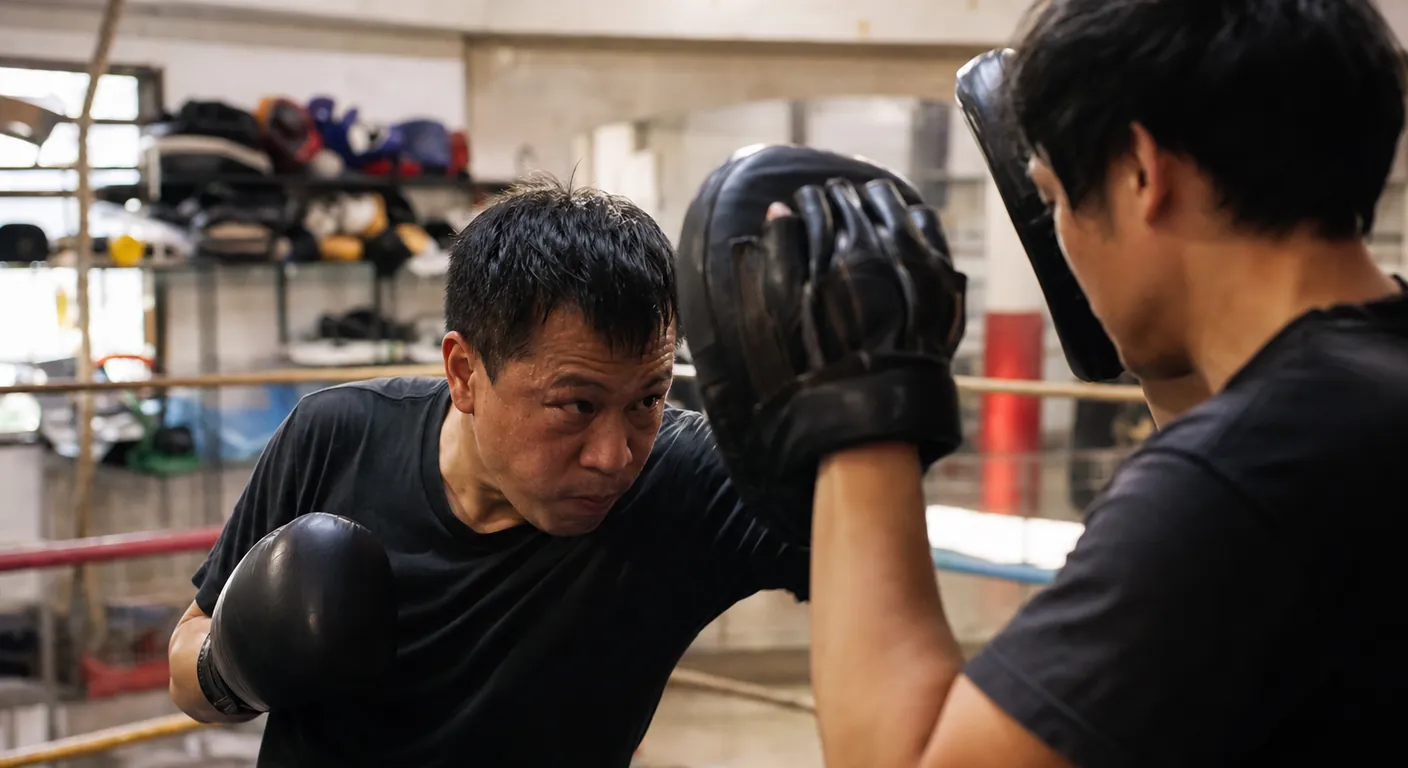
A coach or partner shows one of three targets: a long mitt, a middle mitt or a close body shield. The boxer takes a calm step to the correct place, then throws one suitable punch.
Do not chase speed. The useful habit is seeing the distance before selecting the punch. A clean jab at long range is a better repetition than a rushed hook from nowhere.
Round three: finish with a decision
Now add one finish after every punch. Jab and step out. Hook and recover the guard. Uppercut and cover or turn away from the line.
The finish matters because boxing does not stop at contact. The target may move, the partner may answer, or you may have landed yourself too close. A punch that leaves you able to decide again is the one worth keeping.
Three range mistakes to catch early
The first is reaching for the jab. If the head goes farther forward than the front knee, take a small step instead of stretching the arm.
The second is turning a hook into a windmill. Keep the elbow bent, the rear glove useful and the turn compact. If the glove arrives after your whole body has spun, slow down.
The third is throwing uppercuts from too far out. Uppercuts belong inside. If there is a hand-width of air between you and the target, use a jab, cross, step or feint to change the picture before you throw one.
The coaching cue
Match the punch to the gap.
Long range asks for a straight line. Middle range gives the hook room to turn. Close range rewards short, compact work. Learn those three pictures and your combinations stop being memorised numbers. They become choices you can make while still balanced enough to defend.
At Honour and Glory, Recreational Adults boxing classes build these decisions through pad work, bag rounds and controlled partner drills. If you are in Kidbrooke, Greenwich or nearby, we can help you turn basic punch names into useful boxing choices.
H&G Team
Writer at Honour & Glory Boxing Club, a community boxing gym in Kidbrooke, South East London.
KEEP READING
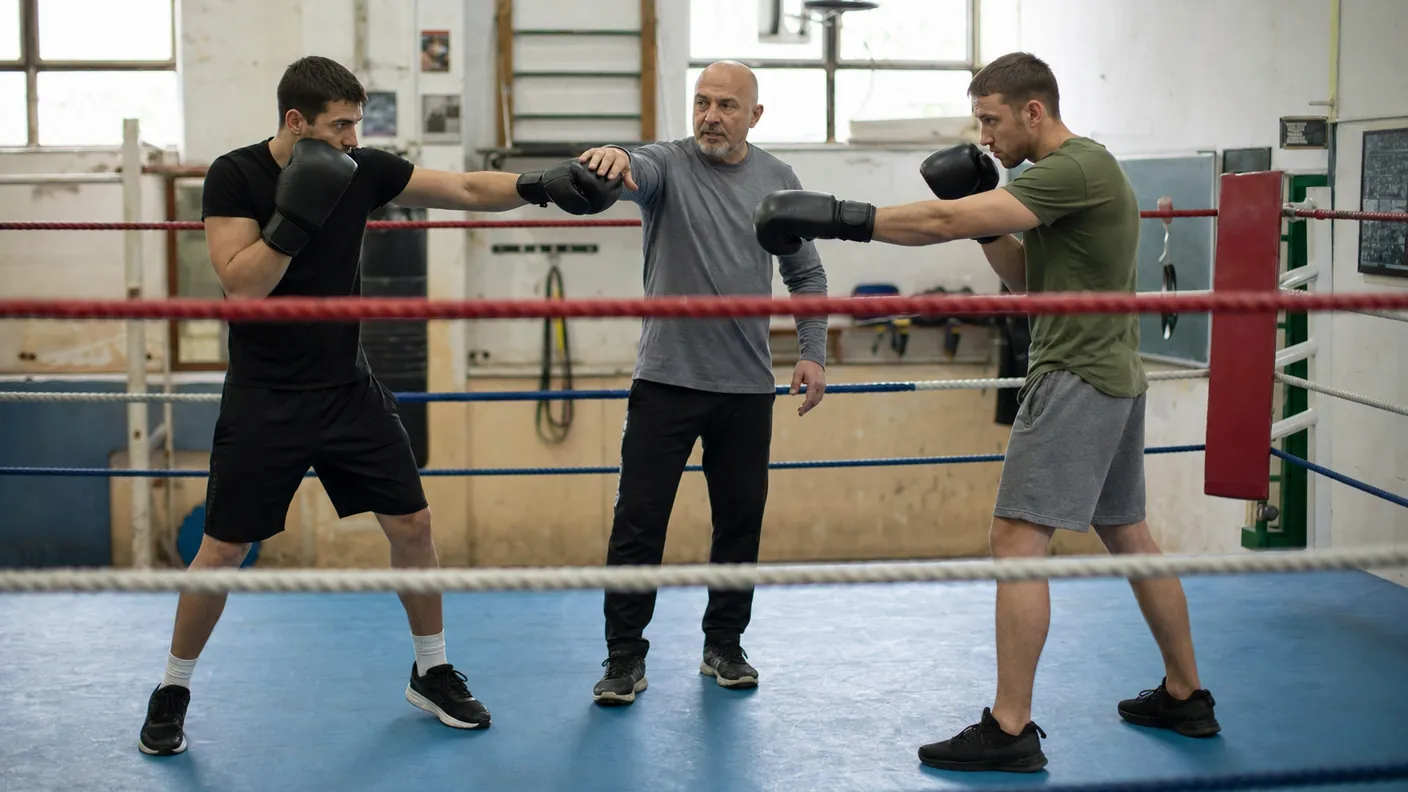
Boxing Range: Stop Throwing the Wrong Punch
Learn the five boxing ranges, which punches fit each distance, and why beginners miss when they throw from the wrong place.
How to Throw an Uppercut in Boxing
Learn how to throw short, mid-range and long uppercuts without lifting your chin, swinging wide or losing your feet.
How to Throw an Uppercut in Boxing
Learn the short, mid and long uppercut ranges, with footwork, hip rotation and drills that stop beginners swinging from too far away.
Was this page helpful?
It takes one tap, and it genuinely helps.
Choose your next step
Turn this article into the right action
Some readers are ready to book. Some need the class route first. Pick the route that matches what you actually want.