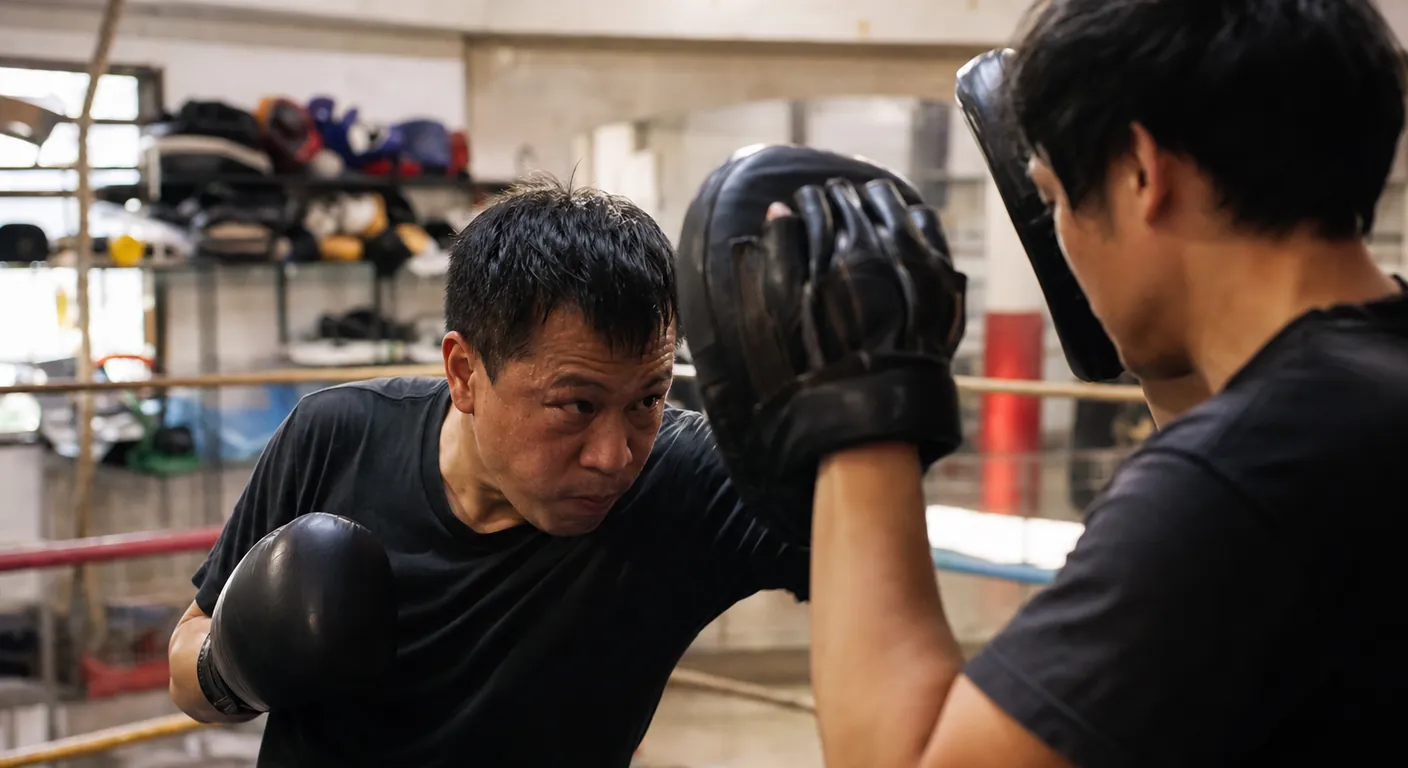
The uppercut is the punch beginners most often misunderstand.
They see the glove travel upward, so they scoop it from the floor. The chin lifts, the elbow flies behind the ribs, the back hand drops, and the punch becomes a big arm swing with a fancy name. It may look powerful on a bag for half a second. Against a moving person, it usually misses, smothers itself, or leaves the boxer wide open for a straight shot back.
A good uppercut is shorter than people think. It comes from the legs and hips, not from a long arm path. The fist travels through a tight lane, the elbow stays under the punch, and the other hand stays home. The range decides how much room the punch has. That is the part most beginners miss.
The short clip below is useful because it shows the same punch at different ranges: short, mid and long. Watch the hips and feet more than the glove.
That range question matters. A technical and tactical review of boxing performance describes boxing performance as punching, movement, defence, distance and tactical behaviour working together. The uppercut proves the point. If the distance is wrong, the punch is wrong before it starts.
Here is how to make the uppercut sharp without turning it into a reckless swing.
Know what the uppercut is for
The uppercut is not a magic punch for every moment.
It is strongest when the other boxer is close enough that straight punches are hard to extend, or when their guard, posture or movement leaves a gap up the middle. It can split a high guard, punish someone leaning forward, or make a body shot hurt when the elbows are expecting hooks.
It is weakest when you throw it from too far away. That is where beginners get into trouble. They stand at jab range, decide to throw an uppercut, then reach upward from outside the pocket. The punch has to travel too far. The shoulder disconnects. The chin sits in the air. The other boxer sees it coming and answers with a straight punch.
Think of the uppercut as a close to mid-range punch first. You can throw a longer version when you step in with it, but the footwork has to earn that range. The arm cannot do the job on its own.
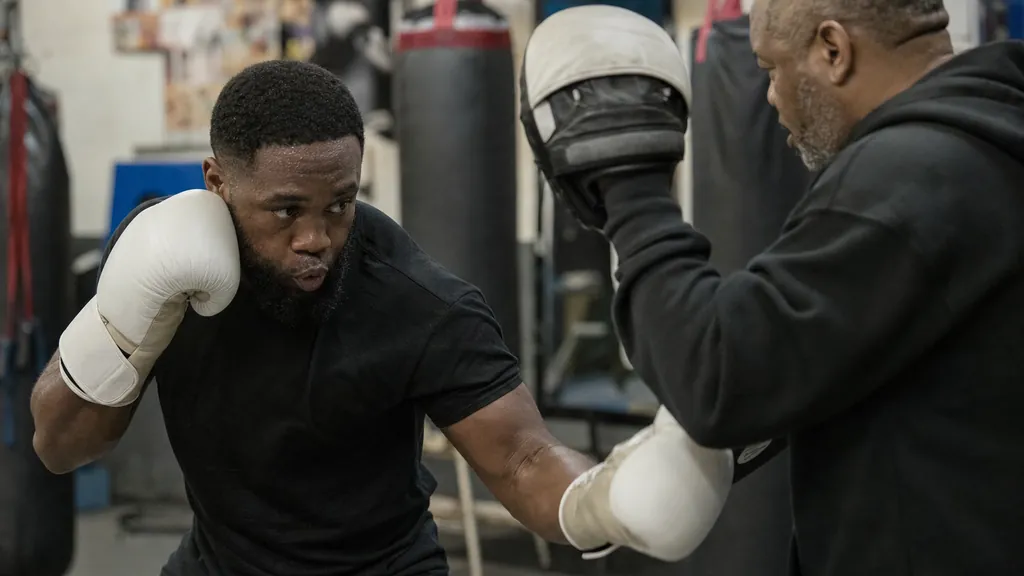
The short uppercut: tight, ugly and useful
The short uppercut is the one you need when there is almost no space.
You are inside. Shoulders are close. Full straight punches do not fit. Hooks may hit the arms. This is where a short uppercut can come through the middle or into the body without needing a big wind-up.
Start with the elbow close to the ribs. The glove is near the cheek or chest line, not down by the hip. Bend the knees slightly, load the floor, then turn the hip and shoulder together. The fist travels upward a few inches. That is all. If the glove starts by your thigh, the punch is already too long for inside work.
The cue is simple: lift through the target, do not scoop at it.
On pads, ask the holder to stand close and present one pad just below chin height or at body height. Throw ten slow lead uppercuts. Then ten rear uppercuts. The coach should watch the non-punching hand. If it drops every time the uppercut goes, the boxer is training a counter for the other person.
Short uppercuts are not pretty. That is fine. Inside boxing is full of small, practical movements. The punch should feel like a compact turn of the body, not a big showpiece.
The mid-range uppercut: the one most boxers use
The mid-range uppercut is the version most people mean when they say uppercut.
You are close enough to hit without reaching, but there is enough space for the shoulder and hip to turn. This is the range where a jab, slip, step or body shot can set the punch up. It is also the range where bad habits get punished quickly.
For a rear uppercut from orthodox stance, keep the lead hand ready, let the rear knee and hip turn, and drive the punch up the centre. The elbow stays under the glove. The palm can face you or slightly inward depending on comfort, but the wrist must stay straight. The punch finishes in front of the face line, not way out to the side.
The mistake is trying to lift the whole body with the punch. Beginners often rise onto both toes and throw the head backwards, as if the uppercut is a jump. Do not do that. The legs start the shot, but the stance still has to survive it. If you cannot defend after the punch, it was not good technique.
A useful pad sequence is jab, rear uppercut, lead hook. The jab puts something in front of the opponent. The uppercut travels through the middle. The hook catches the head if they try to stand tall or pull away. Keep it at 60 percent speed until the uppercut lands without the chin lifting.
That links neatly with our guide to building a go-to boxing combination. The uppercut works best when it is part of a short, sensible pattern, not when it appears from nowhere.
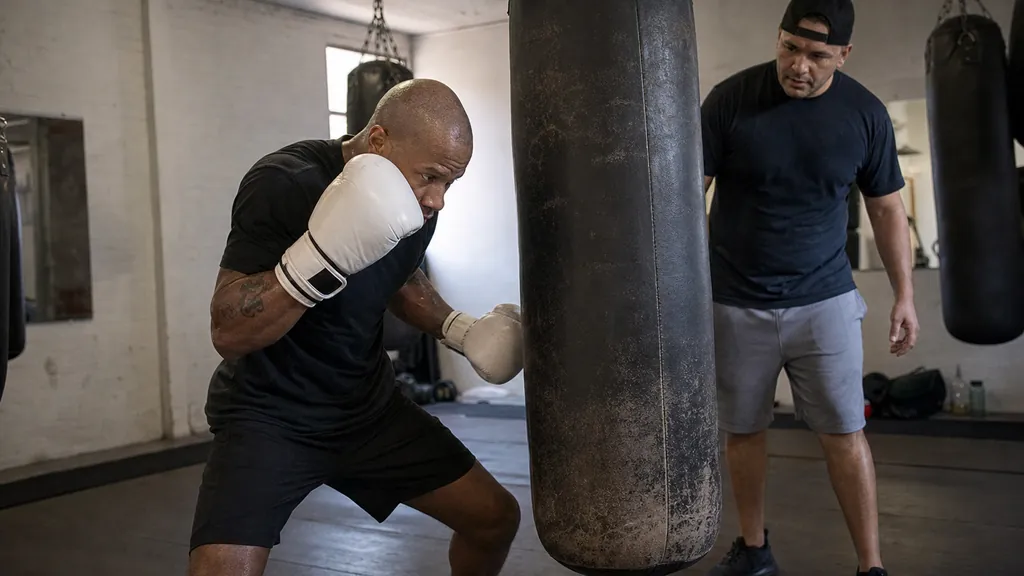
The long uppercut: step first, punch second
A long uppercut is not really a long arm punch. It is an entry punch.
If you want to throw an uppercut from outside mid-range, your feet must bring you close enough first. That means a small step, a level change, or a punch that hides the entry. The uppercut should arrive as your weight is under you, not as your arm is reaching for a target that has already moved.
One safe version is jab to the guard, small step in, rear uppercut. The jab gives the opponent something to look at. The step takes the range. The uppercut comes after the feet have done their job. If the opponent steps back, do not chase the uppercut. Reset or turn it into a jab-cross entry instead.
This is where our guide on closing distance in boxing fits. You cannot solve range with ambition. You solve it with feet, timing and a punch that covers the entry.
A combat sports anticipation review found that better fighters read early movement cues more effectively. In gym terms, a good opponent sees the big uppercut starting before it becomes dangerous. Your job is to hide the entry with shape, not make the punch bigger.
Do not drop the hand before you throw it
The classic beginner uppercut mistake is the little tell.
Before throwing, the boxer dips the glove down to the hip. Sometimes they even look at the punch before it starts. That movement may feel like loading power, but it tells the other person exactly what is coming. It also opens the side of the head.
You do not need that drop. The power comes from the floor, hip and turn of the body. The glove can start high and still hit hard. In fact, it will usually hit cleaner because the opponent has less warning and your defence stays intact.
Try this shadow boxing check. Stand side-on to a mirror. Throw a rear uppercut slowly from guard. If your glove disappears below your ribs before it comes up, shorten the movement. If your chin lifts, slow it down. If your rear heel turns but your hip does not, you are only twisting the foot for show.
The mirror is honest. It shows whether the punch starts from boxing position or from a bad habit.
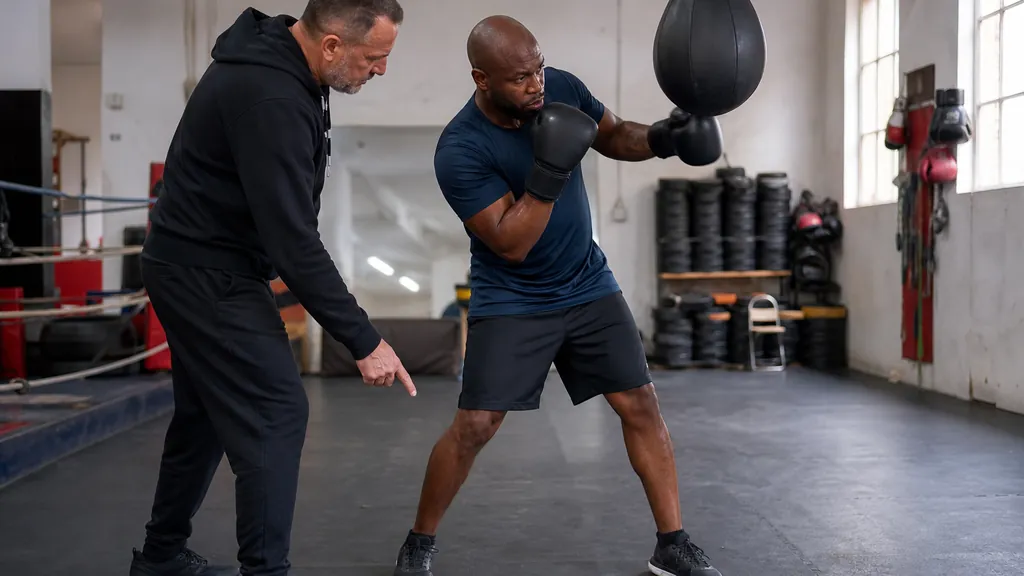
Set the uppercut up with something simple
Do not throw naked uppercuts at people who are fresh, balanced and watching you.
Set the punch up. Use a jab to lift the guard. Use a body jab to draw the elbows down. Use a slip to bring the head outside the line, then come back through the middle. Use a feint so the opponent reacts before the punch starts.
Here are three simple patterns worth drilling:
- Jab, rear uppercut, lead hook.
- Lead hook to the body, rear uppercut to the head.
- Slip inside the jab, rear uppercut, step out.
Keep the first two punches tidy. If the set-up is sloppy, the uppercut will be rushed. The goal is not to collect combinations. The goal is to make the uppercut arrive when the other boxer is occupied by something else.
Our article on using feints in boxing works well with this. A small level change can make someone brace for a body shot, which opens the uppercut upstairs. A shoulder feint can freeze the guard long enough for the punch to travel through the middle.
A three-round uppercut drill
Use this in class, on pads or on the bag. Keep it technical before adding speed.
Round 1: short range only
Work close to the pads or bag. Throw single lead uppercuts and rear uppercuts from guard. The punch travels a short distance. The coach watches for dropped hands, lifted chins and elbows swinging behind the body.
Round 2: mid-range with a set-up
Add the jab. Work jab, rear uppercut, reset. Then jab, rear uppercut, lead hook. The boxer must finish in stance after every three-punch pattern. If the feet cross or the head rises, reduce the speed.
Round 3: step-in uppercut
Start just outside mid-range. Jab while taking a small step, then throw the rear uppercut only when the feet are under control. Finish with a step out or pivot. This round teaches the long uppercut properly: the feet make it long, not the arm.
For beginners, keep the rounds at two minutes and change partners often. Tired uppercuts become lazy uppercuts. Lazy uppercuts get countered.
Common mistakes with the uppercut
The first mistake is throwing it from too far away. If the punch needs a long reach, step first or choose a straighter punch.
The second is dropping the hand before the shot. That tells the opponent what is coming and removes your guard.
The third is lifting the chin with the punch. Your eyes can stay forward without your head rising out of stance.
The fourth is swinging the elbow behind the body. A good uppercut travels up the middle. A looping uppercut gives the other boxer time to leave.
The fifth is admiring the punch after it lands. Uppercuts often put you in range. Finish with a hook, a clinch position in sparring, a pivot, or a step out. Do not stand there waiting to be answered.
The coaching cue
Throw the uppercut from the range you actually have.
Short range needs a tight lift. Mid-range gives you room for hip turn. Long range needs a step before the punch. In all three, keep the other hand home, keep the elbow under the glove, and finish balanced enough to defend.
If you are in Greenwich, Kidbrooke or nearby, our Recreational Adults boxing classes teach uppercuts through pad work, bag drills and controlled partner rounds. You learn when the punch fits, how to set it up, and when to choose something simpler.
H&G Team
Writer at Honour & Glory Boxing Club, a community boxing gym in Kidbrooke, South East London.
KEEP READING
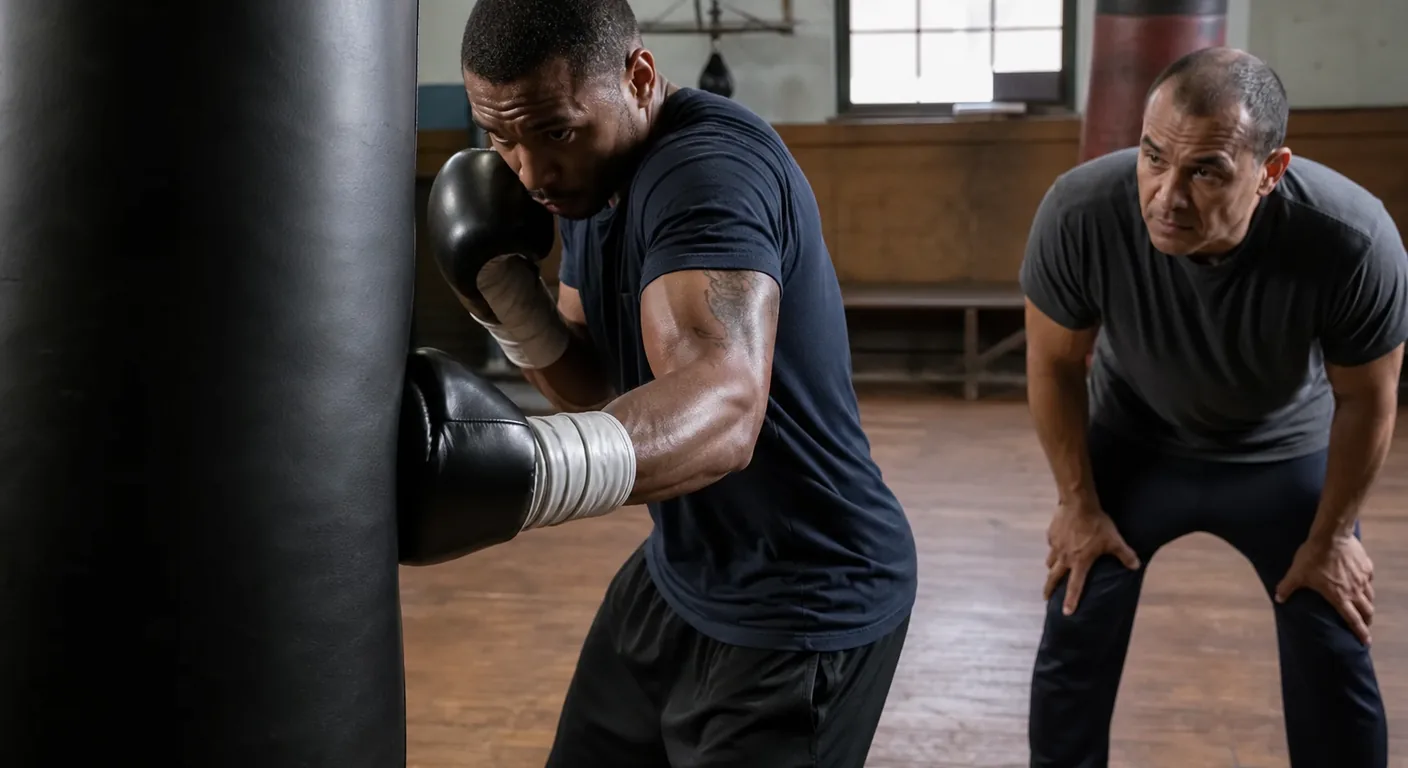
How to Throw an Uppercut in Boxing
Learn how to throw short, mid-range and long uppercuts without lifting your chin, swinging wide or losing your feet.
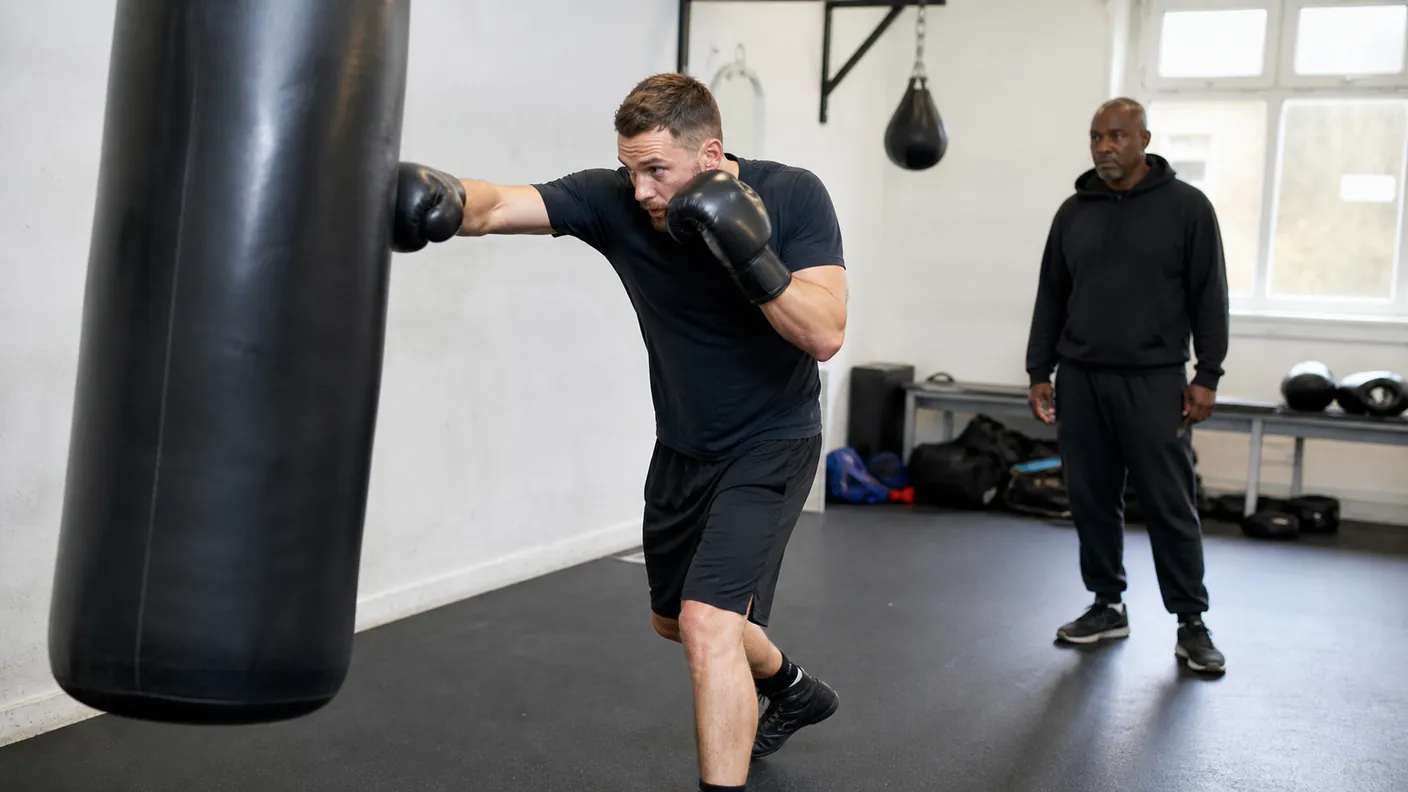
Angle Step to Rear Uppercut Boxing Drill
Use a small angle step after a lead hook to create room for a compact rear uppercut without losing your stance or chasing the target.
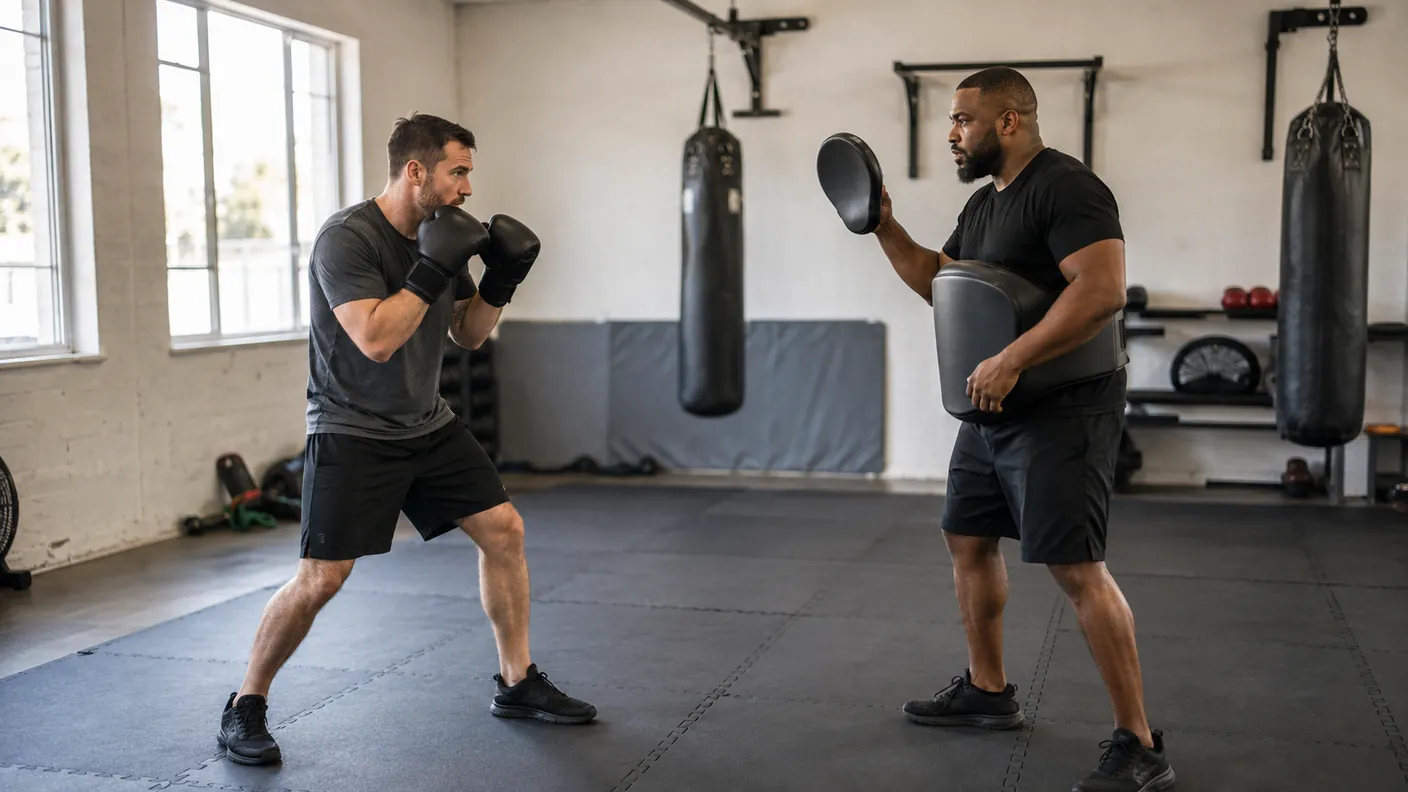
Shoulder Roll to Body Uppercut: A Boxing Drill
A controlled boxing drill that joins a compact shoulder roll to a body uppercut without turning defence into a risky pose.
Was this page helpful?
It takes one tap, and it genuinely helps.
Choose your next step
Turn this article into the right action
Some readers are ready to book. Some need the class route first. Pick the route that matches what you actually want.