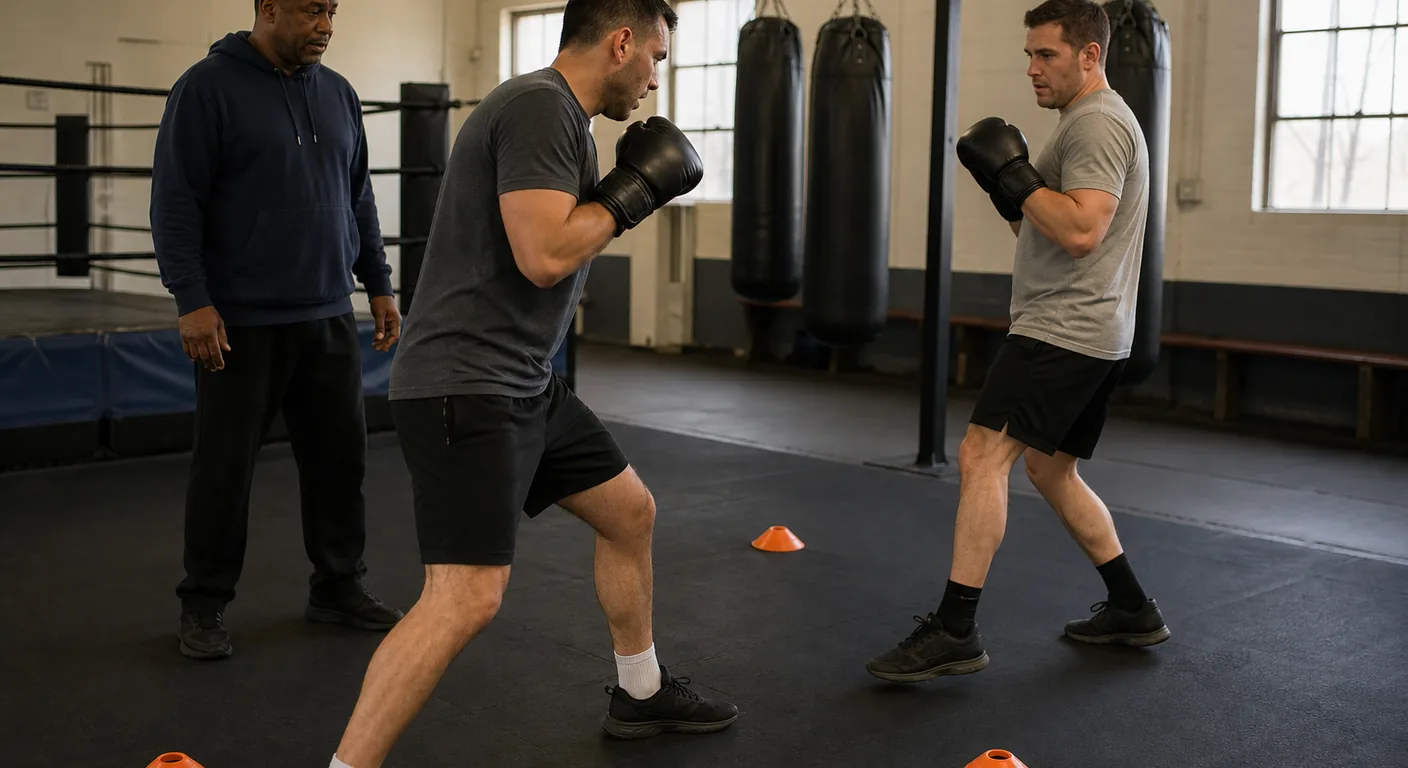
Closing distance is one of the first places beginners get exposed.
They stand too far away, realise the punch will not reach, then solve the problem by lunging. The feet split, the chin rises, the back hand drops, and the other boxer only has to step back or throw straight down the middle. It feels like bravery. It is usually poor footwork wearing a brave jacket.
The better answer is to move in behind punches, not before them. Your feet and hands travel together. Some punches may fall short while you are entering, but they keep the other boxer busy while your feet bring you into real range.
The short clip below shows the idea clearly: start outside range, move forward as the punches come, and do not wait until you are perfectly close before throwing.
That matters because boxing is a timing sport before it is a toughness sport. A review of anticipation in combat sports found that skilled fighters read early movement cues more effectively than novices. In plain gym language, they see the step back, the lean, the reset, and the guard movement earlier. Closing distance well gives you time to read those cues without charging in blind.
Here is how to enter range without donating your chin.
Know the line between safe range and punching range
Before you can close distance, you need to know what distance you are closing.
A lot of beginners think they are in range because they can see the target. Seeing the target is not the same as being able to hit it. If your jab only reaches by tilting the chest forward, you are not in range. If your right hand needs your rear foot to drag behind you, you are not in range. If the opponent can make you miss by leaning back two inches, you are probably too far away.
A simple test helps. Stand in stance. Extend the jab without leaning. The point where the glove lands with the shoulder behind it is your honest long range. Anything beyond that is not punch range yet. You can threaten from there, feint from there, and step from there, but you should not pretend it is landing range.
That distinction keeps your boxing clean. Out of range, your job is to take ground safely. At the edge of range, your job is to make the opponent react. In range, your job is to punch and leave with balance.
The mistake is trying to do all three jobs with one desperate leap.
Move behind the punch, not after the punch
The entry should feel joined up.
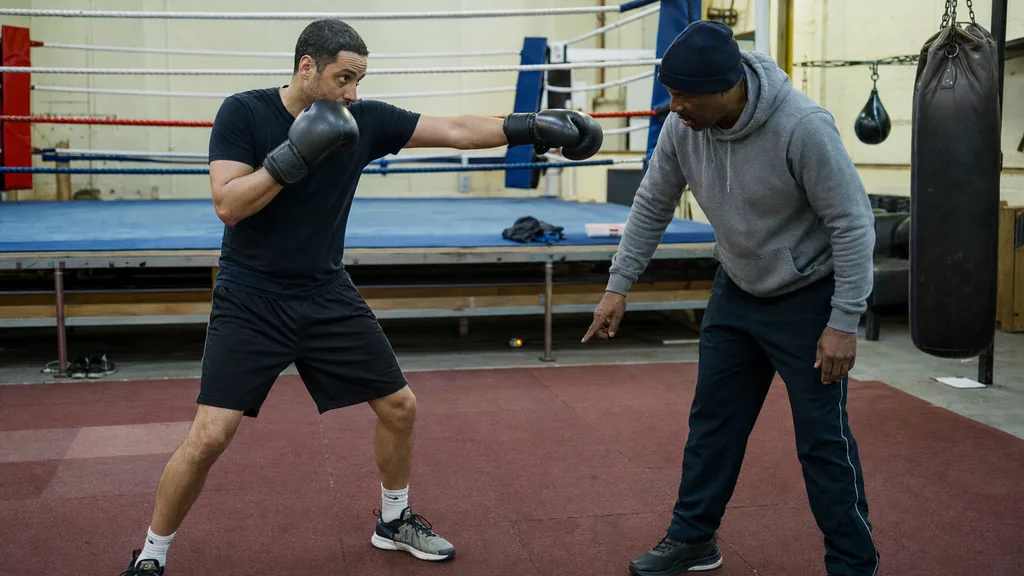
If you step first, pause, then punch, the opponent sees the step and has time to answer. If you punch first from too far away, the glove falls short and your body chases it. The useful middle is stepping as the punch starts. The lead foot takes a small piece of ground while the jab gives the opponent something to look at.
The jab does not need to land every time. Sometimes it is a measuring punch. Sometimes it touches the guard. Sometimes it makes the other boxer lean back. The point is that your entry is not naked. You are not walking into range with both hands waiting at home.
Start with the jab because it keeps your shape. From orthodox stance, push lightly from the rear foot, step the lead foot a small distance, and let the jab travel with that step. The rear foot follows after the punch so your stance returns to normal. If the rear foot stays behind, you have overstepped. If the head arrives before the glove, you have lunged.
Use this cue: the punch opens the door, the feet walk through it.
Once that is tidy, add the second punch. Jab as you step, cross as the rear foot catches up, then reset. Do not chase a six-punch combination before you can land two punches without your stance falling apart.
Use repeated punches to cover the entry
Sometimes the first punch will miss. That does not mean the entry has failed.
Against someone who leans back or steps away, the first jab may fall short because they are already leaving. The answer is not to reach harder. The answer is to keep moving with controlled punches so the later shot arrives as your feet close the gap.
Think of it as a moving combination:
- Jab while stepping into the edge of range.
- Jab or cross again as the opponent gives ground.
- Keep the chin tucked and the rear hand ready.
- Stop punching once your feet are no longer underneath you.
- Exit or reset before they can answer.
The first two punches are often there to carry you forward safely. The third or fourth may be the one that actually lands. That is fine, provided every punch has shape. A missed jab with balance is useful. A missed jab with your chin in the air is an invitation.
This links with our guide to advanced boxing footwork drills. The footwork is not decoration. It decides whether your punches arrive from a position you can defend.
Do not follow a retreating boxer in a straight line forever
Closing distance does not mean chasing.
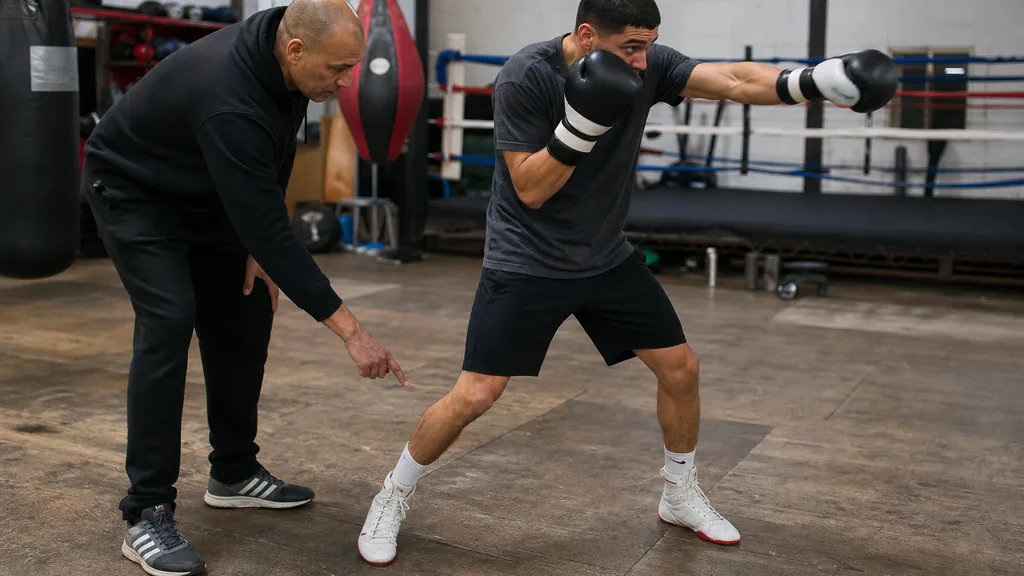
If the other boxer keeps stepping straight back, you can take ground with jabs and small steps. But if they are setting a trap, walking after them in a straight line makes you easy to counter. You need to notice whether they are escaping, drawing you in, or preparing to pivot.
A retreating boxer usually gives you clues. If their hands are high and their feet are disorganised, they may be under pressure. Keep the jab on them and step in carefully. If their chin is tucked, their rear hand is loaded, and they are making you reach, be careful. They may be trying to pull you onto the right hand.
That is why you should close distance in small bites. Take a step, punch. Take another step, punch. If the opponent keeps moving, cut the space instead of sprinting after them. A small step to your left or right can put you on their line of escape. Now they have to turn before they can run.
Our article on the three phases of a boxing exchange uses the same principle: entry, exchange, exit. You are not finished because you reached range. You still need to know what phase comes next.
The cone line drill
This drill is simple enough for a beginner class and useful enough for better boxers.
Place two cones, gloves or tape marks on the floor with a straight line between them. Start behind the line. That line represents the edge of range. In front of the line, you can punch. Behind the line, you are out.
Round one is slow. Step over the line with the jab, bring the rear foot with you, then step back out. The partner or coach watches one thing only: does the stance survive the entry?
Round two adds the cross. Jab over the line, cross as the rear foot catches up, then step out at an angle. If the boxer falls forward on the cross, slow it down. Power is not the point yet.
Round three adds movement. Circle outside the line. Wait. When the coach calls, step in behind jab-cross-jab, then leave. The pause matters. You are training yourself not to drift into range lazily. You enter when you choose.
Round four adds the retreating partner. Partner A moves back slowly. Partner B enters behind repeated jabs, trying to arrive with balance rather than reach. The coach should stop the round any time the feet cross, the head rises, or the boxer throws while falling.
A technical and tactical review of boxing performance describes boxing performance through punching, movement, defence, distance and tactical behaviour together. This drill works because it teaches those pieces as one action. You are not doing footwork, then punching, then defence. You are learning one connected boxing movement.
Common mistakes when closing distance
The first mistake is stepping too far. A giant first step feels powerful, but it leaves the rear foot stranded. Small steps are easier to repeat and easier to defend from.
The second is reaching with the head. If your face arrives before your glove, the opponent does not need a clever counter. A straight punch will do.
The third is throwing too many punches after balance has gone. Beginners often turn one good entry into six bad punches. Stop when your feet start telling you the truth.
The fourth is entering without a defensive ending. After you close distance, you need an exit, a pivot, a catch, a high guard, or another controlled punch. Standing in front after the combination is how you get punished.
The fifth is forgetting the opponent's answer. If they step back every time, follow with jabs. If they lean back, punch to the chest or body. If they fire straight counters, feint the entry and let the counter miss. The entry should teach you something.
The coaching cue
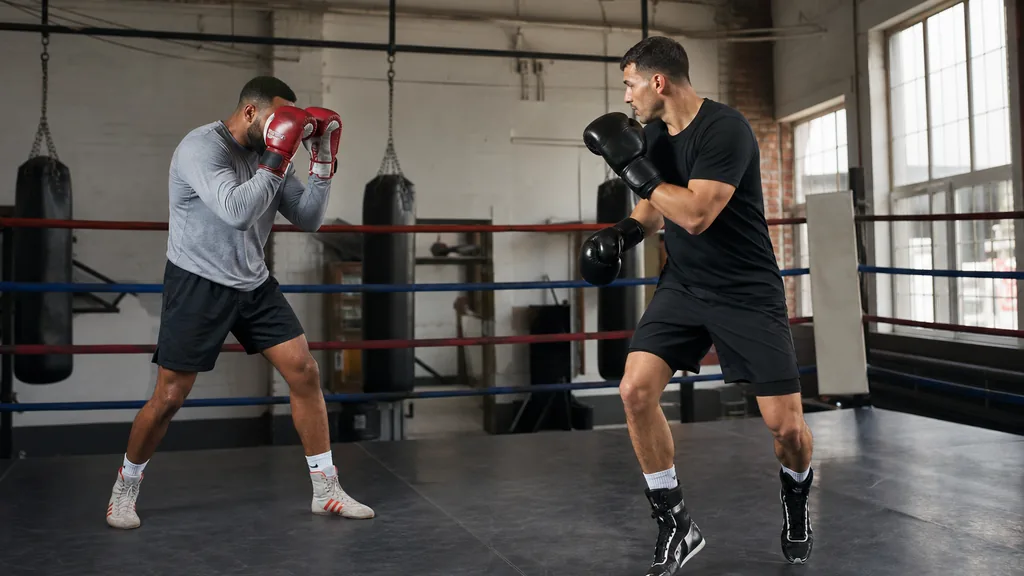
Close distance with your feet and hands together.
Do not rush first and punch later. Do not throw from too far away and hope your body catches up. Step with the jab, keep the rear foot alive, let repeated punches cover the ground, and leave before your stance collapses.
That is the difference between pressure and chasing. Pressure keeps shape. Chasing loses it.
If you train in Kidbrooke, Greenwich or nearby, our Recreational Adults boxing classes teach this through pad work, partner drills and controlled footwork rounds. Beginners learn how to enter range safely before anyone is asked to add speed or pressure.
H&G Team
Writer at Honour & Glory Boxing Club, a community boxing gym in Kidbrooke, South East London.
KEEP READING
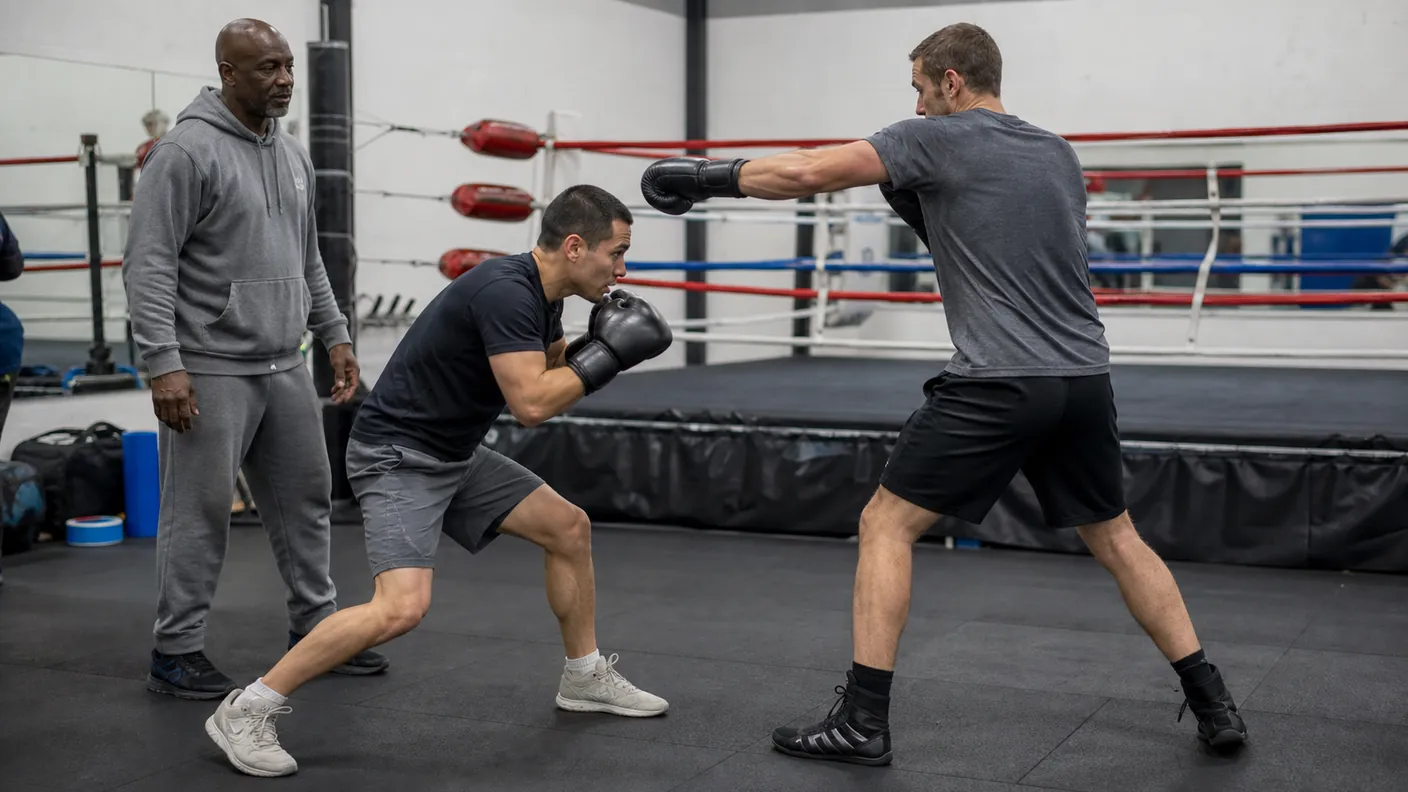
How to Box a Taller Opponent Without Rushing
A practical coaching guide to closing distance, changing rhythm and making a taller boxer miss without walking onto the jab.
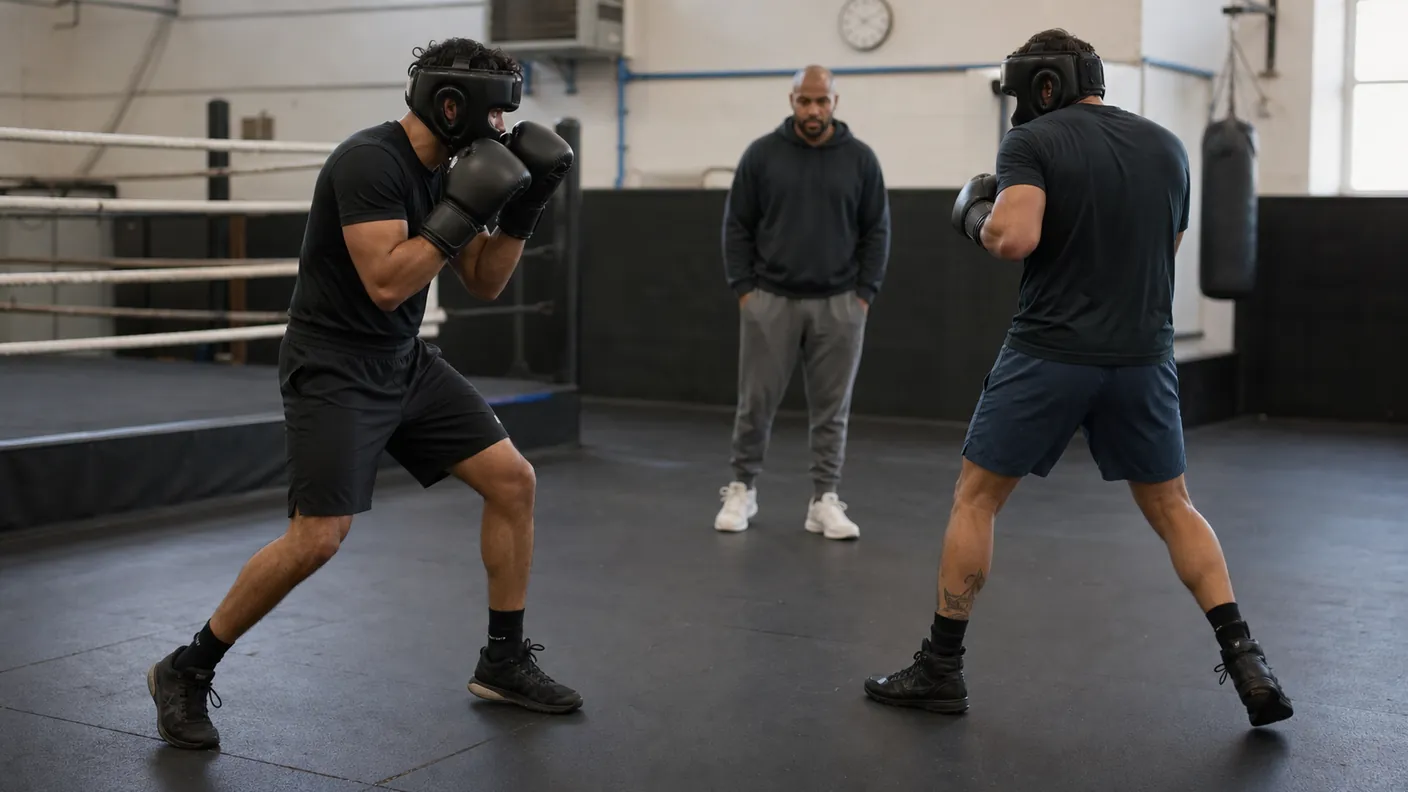
Follow a Retreating Boxer Without Reaching
Learn how to take ground against a boxer who steps back without crossing your feet, leaning for punches or walking into a counter.
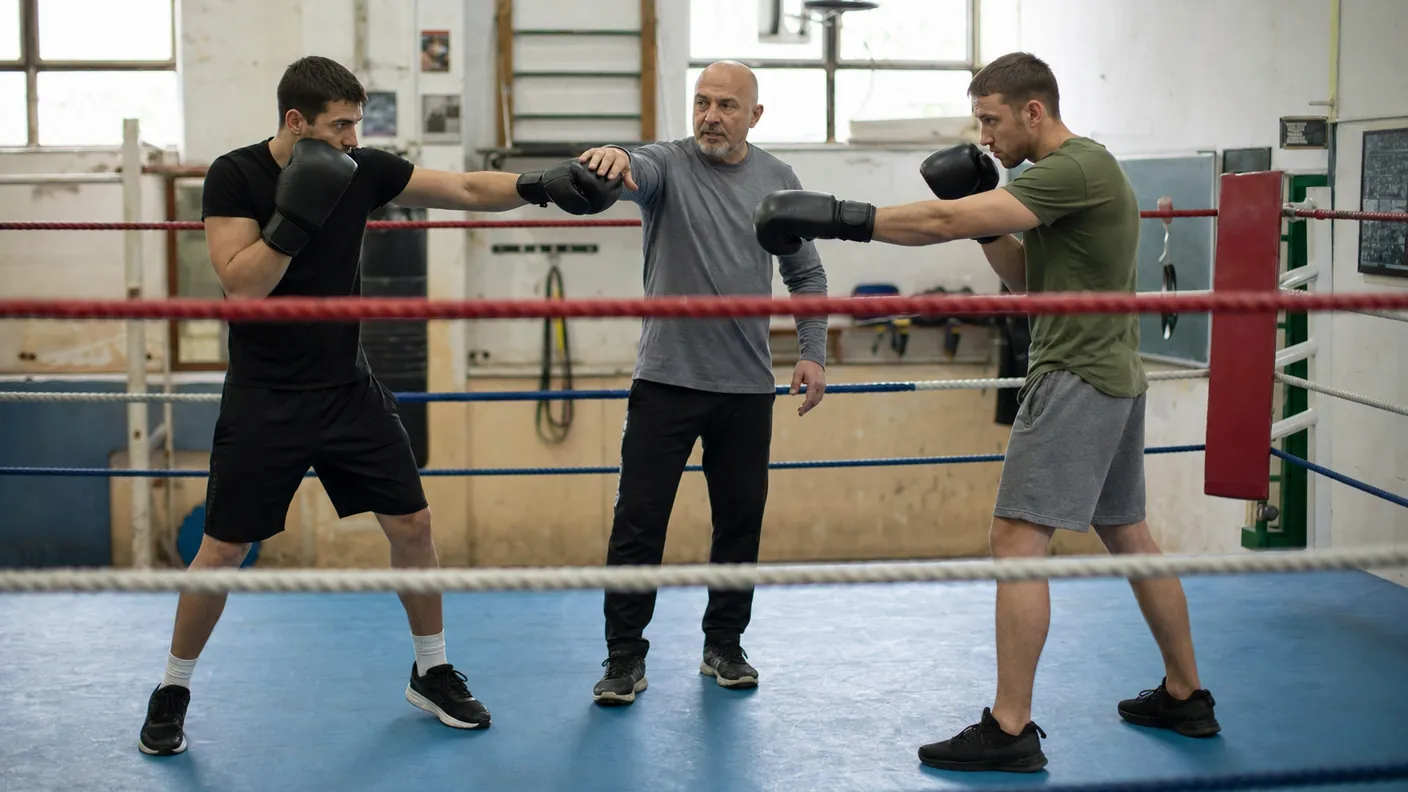
Boxing Range: Stop Throwing the Wrong Punch
Learn the five boxing ranges, which punches fit each distance, and why beginners miss when they throw from the wrong place.
Was this page helpful?
It takes one tap, and it genuinely helps.
Choose your next step
Turn this article into the right action
Some readers are ready to book. Some need the class route first. Pick the route that matches what you actually want.