Forward Shift Boxing: Close Distance Without Lunging
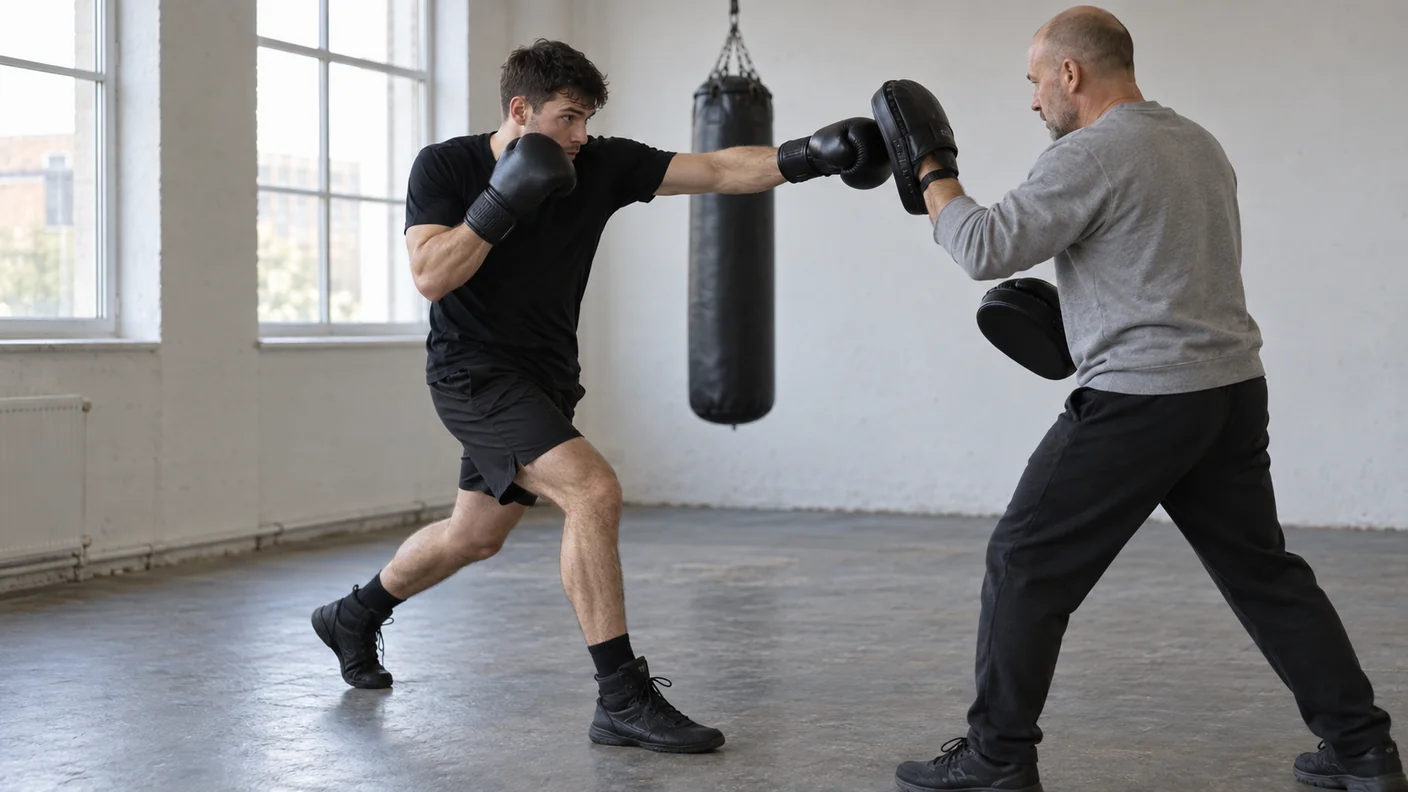
A forward shift can close distance quickly, but it is not a licence to rush someone with crossed feet.
The movement changes stance as you go forward. An orthodox boxer can step through into southpaw; a southpaw can arrive orthodox. Done well, it changes the jab line, takes ground and gives the other boxer a new picture to solve. Done badly, it puts your feet together, your head forward and your guard somewhere behind the action.
That makes the forward shift an advanced entry, not a shortcut around a sound jab or a steady step-in. Learn it slowly, use it with a coach, and make the landing more important than the distance covered.
The video below is a useful visual reference. Watch the moment the rear foot comes forward, then watch whether the boxer has both gloves and a proper stance when the movement ends.
What the forward shift changes
An ordinary step forward keeps your stance. The lead foot moves towards the target and the rear foot follows enough to restore your usual base. It is the reliable way to close range behind a jab.
A forward shift is different. The rear foot comes forward in a compact pivoting action and becomes the new lead foot. The stance changes as the weight travels. It can cover more ground than a small step, but that extra distance comes with a short unstable moment.
That is why this is not a movement to throw at an opponent who is simply standing in front of you. If a normal jab and step can solve the range, take the simple answer. The shift is for the moment when you have a reason to change the angle and can still arrive in a stance you understand.
England Boxing's coaching handbook puts balanced stance, controlled footwork and clear technical progression ahead of complicated movement. The forward shift fits that order. It only becomes useful after you can step, punch, recover and defend without your feet falling apart.
The guard must travel with the feet
The most obvious mistake is shifting with empty hands. A boxer sees space, throws the rear foot forward and tries to make the movement fast enough that nobody can answer. That is a gamble, not footwork.
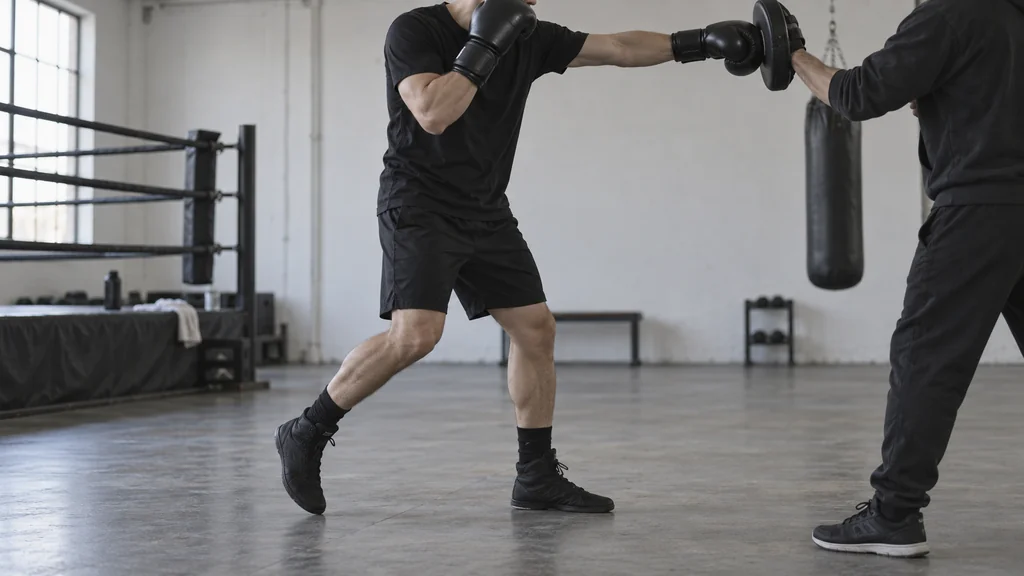
Use a light, honest lead hand before or during the entry. It can be a jab to a mitt, a small touch to make the other boxer cover, or a restrained feint that keeps their eyes occupied. The punch is not there to score heavily. It gives the feet a reason to move and stops the shift becoming a bare run down the middle.
Keep the rear glove close to the cheek until it has a real job. The chin stays behind the shoulder. If the hands separate because the feet are moving, slow the drill down. A fast shift with a loose guard simply carries you into the counter sooner.
This is the same principle behind stepping in behind the jab, only with a more demanding landing. The lead hand buys the entry. The feet must still make the new stance usable.
Do not stop in the middle
A shift has a brief point where the feet pass and the boxer can become square. That is the position to get through, not the position to hold.
Do not pause to see whether the movement looked good. Do not throw a wide punch from the middle. Finish the pivot and settle into the new stance first. Then you can decide whether a jab, a cover, a small exit or a return to your usual stance is the right answer.
A review of boxing performance research describes punching, movement and defence as connected rather than separate tasks. The practical test is even simpler: after the shift, can you show a clean jab, cover your head and take a small step without rebuilding yourself? If not, the entry was too large.
The forward shift should feel like one finished action. Your feet do not need to fly. They need to arrive.
A three-round forward-shift drill
Use this with a coach and focus mitts, or shadow box beside a line on the floor. Keep it technical. This is not a live-sparring pattern for someone who is still learning their second stance.
Round one: shift and freeze
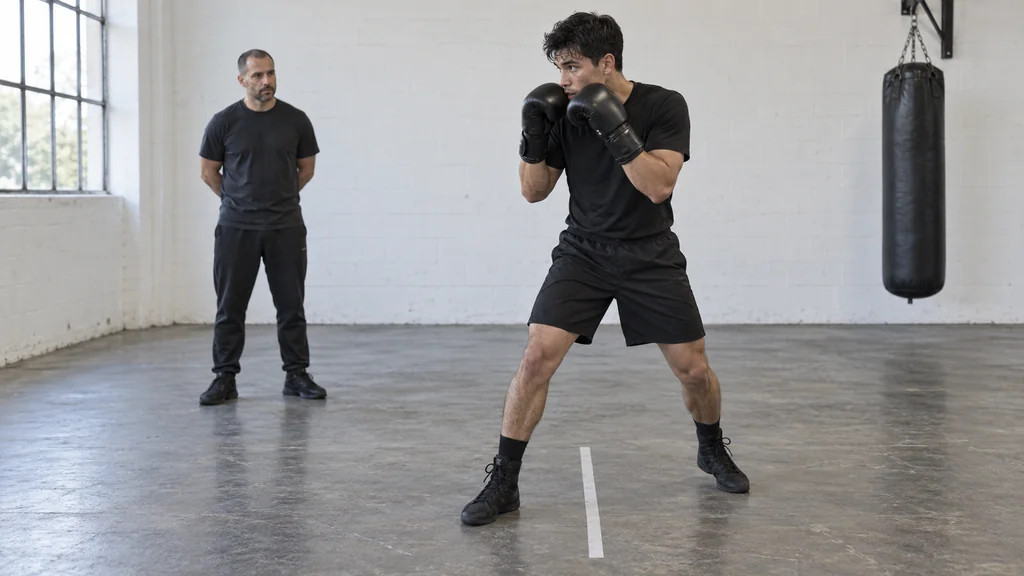
Start in your normal stance at a sensible distance from a floor line or a stationary target. Make one slow forward shift and freeze in the opposite stance.
Check the new lead foot, rear foot, knees and gloves. Your feet should be staggered rather than parallel. Your weight should be settled enough that you could jab or cover. If the feet finish too close together, reduce the distance rather than trying to save the movement with a bigger step.
Round two: lead hand, shift, settle
Now add one light jab to a coach-held mitt as the entry begins. The jab is a range marker, not a hard shot. Let the rear foot travel only after the lead hand has given you a reason to enter.
When you land in the new stance, hold it for one beat. There is no second punch yet. This pause is not for posing. It gives the coach time to see whether the guard, chin and feet arrived together.
Round three: choose the finish
The coach can now offer one of three pictures after you land: a lead-hand mitt, a tight cover, or no target at all. A visible mitt can earn a measured jab from the new stance. A tight cover means you guard or take a small angle. No target means you reset.
That choice matters. The forward shift does not promise a combination. It gives you a new position from which to read the next moment.
When the forward shift is the wrong answer
Do not use it because a mobile opponent has taken one step back. A clean jab, a patient follow-up step or taking the centre may be better. The shift is too demanding to become your automatic chase button.
Do not use it when the other boxer is close enough to throw short hooks. You need space to finish the stance change. At close range, a compact guard, a frame within the rules of the drill or a coached exit is often safer than turning your feet underneath pressure.
Do not use it if you cannot work from the new stance. Switching can be a useful skill, but it doubles the defensive details you need to own. Our guide to switch hitting in boxing explains why being momentarily awkward is not the same as being capable from both sides.
And do not use it when your head is already falling forward. The feet should take ground. If your face arrives first, a forward shift becomes an invitation for a straight counter.
Build it after the ordinary entries
The best foundation is still a dependable stance, an accurate jab and an ordinary step that keeps your feet underneath you. Work on those until you can enter and leave without looking down or reaching for balance.
Then add pivots, exits and simple stance changes. Our backward shift exit drill covers the defensive version of this idea. It starts with space and a guarded landing. The forward version asks more because you are taking ground rather than giving it away.
For adults in Kidbrooke, Greenwich and nearby, our Recreational Adults boxing classes use controlled pad and partner drills to build entries in the right order: stance first, jab second, then more demanding footwork when the basics are strong enough to support it.
The coaching cue is simple: show the hand, move the feet, land ready to box.
H&G Team
Writer at Honour & Glory Boxing Club, a community boxing gym in Kidbrooke, South East London.
KEEP READING
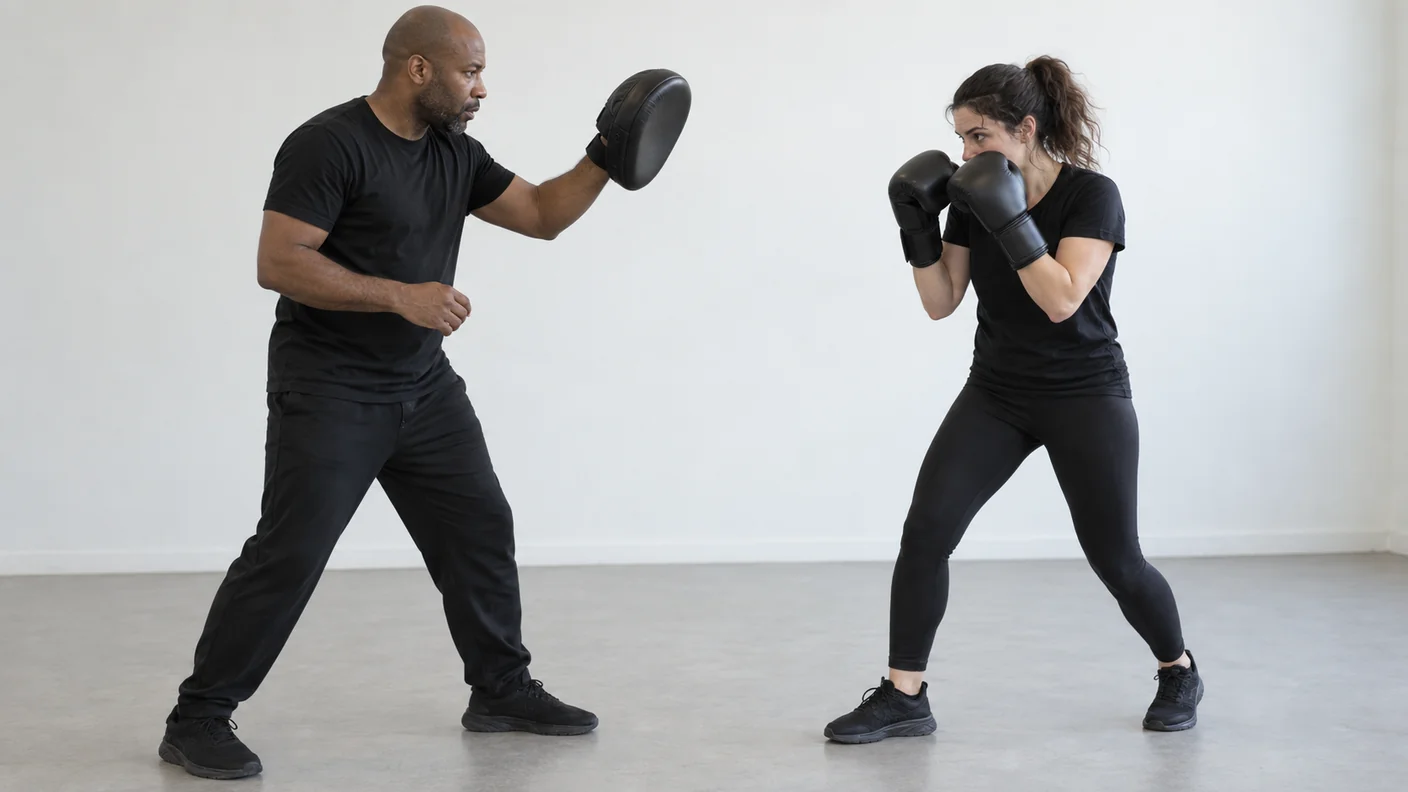
Backward Shift Boxing: A Controlled Exit Drill
Use a backward stance shift to create space only when you can land safely, protect the transition and work from either stance.
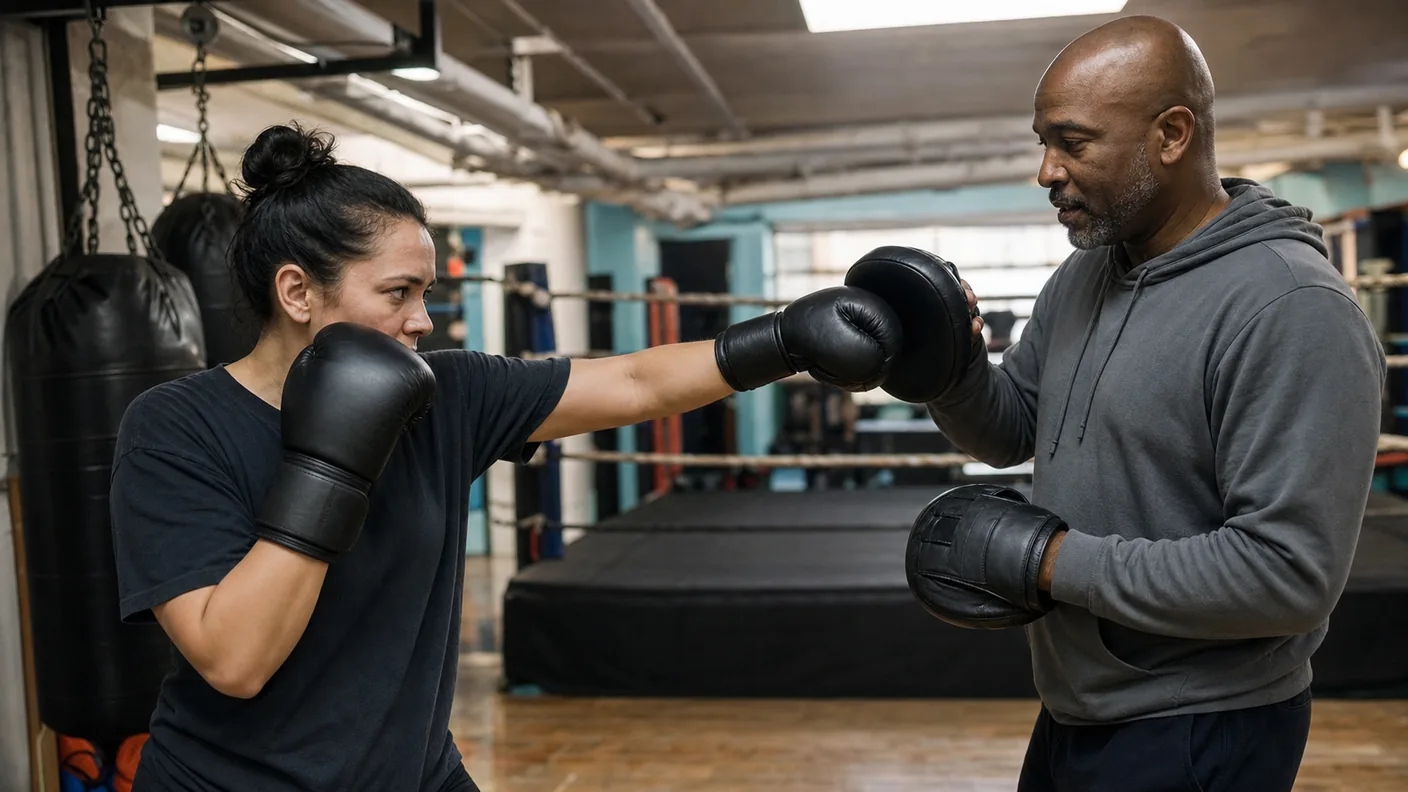
Boxing Weight Shift Drill: Stop Punching in Pieces
A simple boxing weight-shift drill that connects your punches, defence and footwork without turning every movement into a big shot.
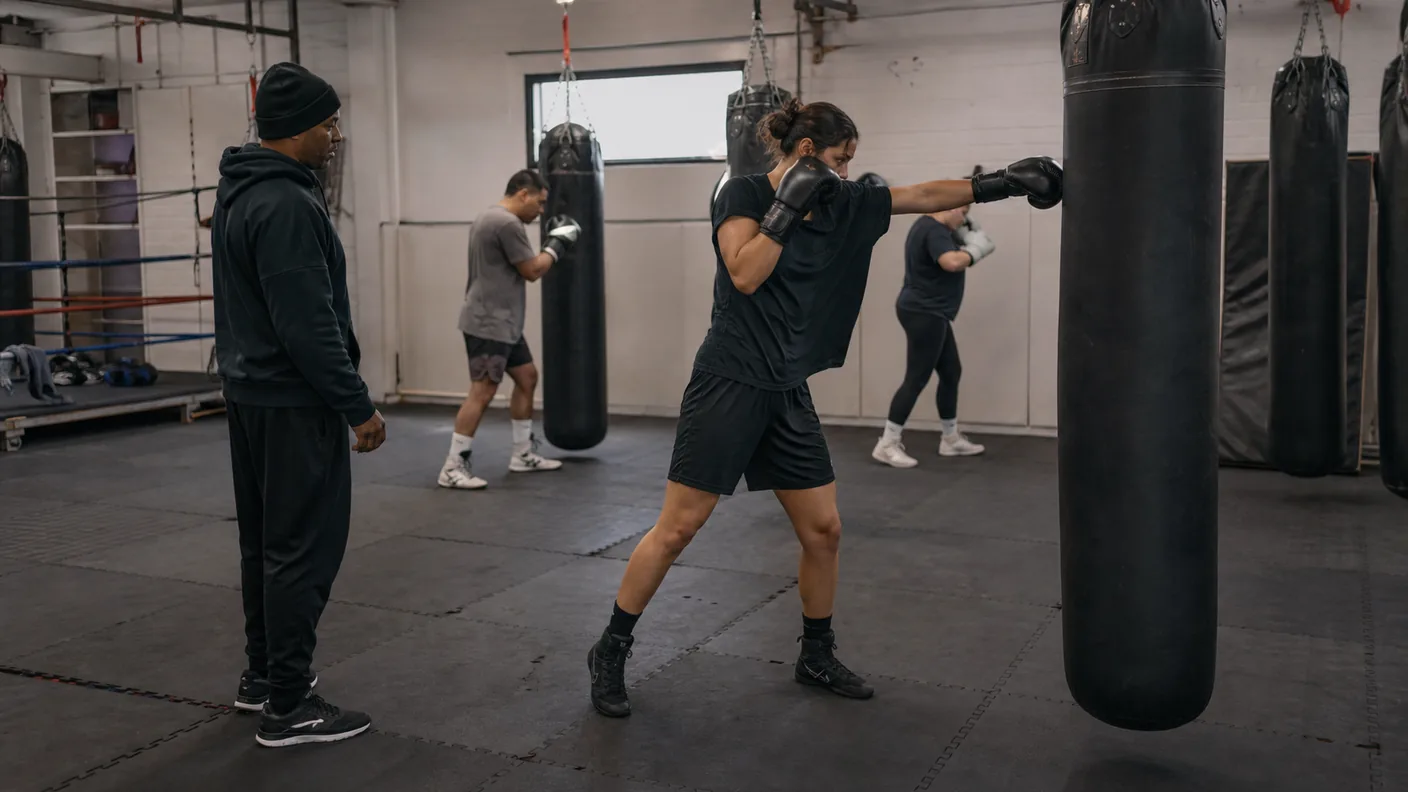
Why You Fall Forward When You Punch
Falling forward after a punch is a common boxing mistake. Learn why it happens and how to keep your balance, guard and next move.
Was this page helpful?
It takes one tap, and it genuinely helps.
Choose your next step
Turn this article into the right action
Some readers are ready to book. Some need the class route first. Pick the route that matches what you actually want.