
A side stitch can turn a decent boxing round into a miserable one very quickly. You are moving well enough, then a sharp pull lands under the ribs and every breath feels like an argument.
Usually, the sensible response is not to grit your teeth and throw harder. It is to slow the work, tell the coach and work out whether the pain behaves like an ordinary exercise stitch or something that needs attention.
A stitch is common in activities with repeated torso movement. Boxing gives you that in abundance: stance changes, rotation, sharp breathing, small level changes and the temptation to throw every punch as if the bell is about to ring. The good news is that most members can make it less likely with a few boring but useful changes.
What a boxing side stitch usually feels like
A side stitch is often a localised ache, cramp or sharp pain around the side of the upper abdomen, commonly near the lower ribs. It may arrive when the pace rises, particularly during bag work, skipping or a busy pad round.
Sports medicine calls it exercise-related transient abdominal pain, or ETAP. A review of the research on ETAP found that it is especially associated with activities involving repeated torso movement. It also found that the exact mechanism is still unsettled. That matters because there is no honest single explanation such as "your diaphragm has cramped" that fits every boxer.
The useful question is more practical: does it settle when you reduce the pace, organise your breathing and give yourself a short break? A typical stitch often does. Pain that is severe, unusual, worsening or still there when the session has ended deserves a different response.
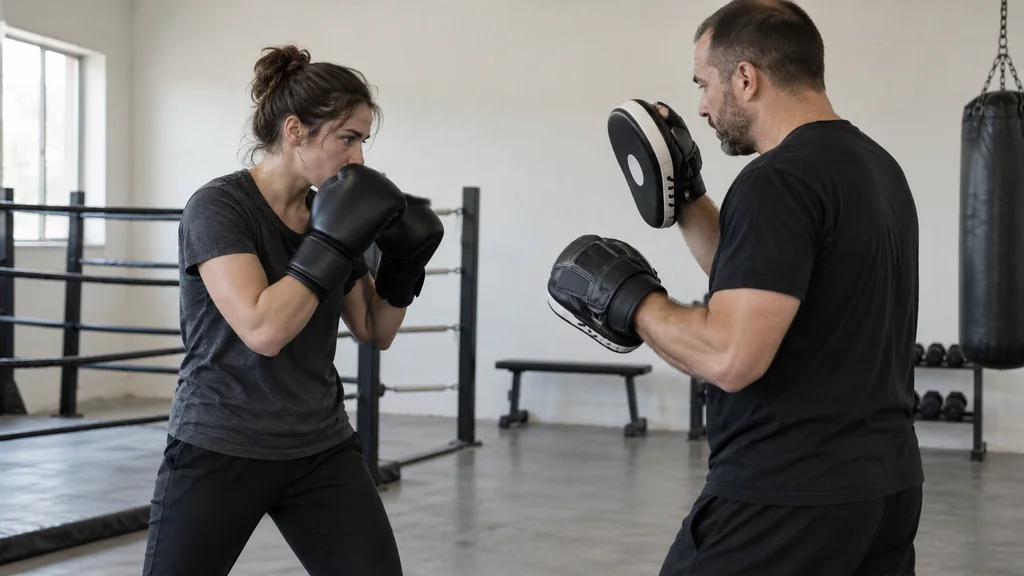
Why boxing can bring one on
The first reason is that beginners often make every movement too large. They bounce when a small step would do, over-rotate a hook, lean after a cross and hold their breath while trying to remember the next call. That is a lot of unnecessary work through the trunk.
The second is food and drink timing. The ETAP review found that exercising in a post-meal state can make stitches more likely, with large volumes of fluid and highly concentrated drinks singled out as possible aggravators. This does not mean you should train hungry or dehydrate yourself. It means a large meal immediately before hard rounds is a poor experiment.
The third is pace. Boxing work comes in bursts, so a person who arrives tired and goes flat out in the first thirty seconds can make everything feel urgent. Their shoulders rise, the breaths become shallow and the body stops moving as one organised unit. The stitch may be the symptom that finally gets their attention.
If you are new to the rhythm of boxing, read our guide to breathing properly in boxing. A cleaner exhale will not solve every stitch, but it stops you adding breath-holding to an already hard round.
What to do when the pain starts
First, stop trying to win the round. Tell the coach that you have a pain in your side. A good coach can lower the demand immediately, whether that means walking, light shadowboxing or sitting the next interval out.
Then make the task smaller. Let the hands come down if the coach says it is safe, take slower breaths and avoid twisting into a hard hook or body shot while the pain is sharp. If you do return to movement, start with easy steps and a light jab rather than testing it with a big combination.
Some people find a brief forward bend, a gentle press over the sore area or slower pursed-lip breathing helpful. The ETAP evidence on quick relief methods is limited, so treat those as low-risk comfort measures rather than a cure. If they do not ease the pain, stop the exercise instead of trying increasingly theatrical stretches beside the bag.
Do not assume a stitch is a fitness badge. It is information. You may have rushed the warm-up, eaten too close to class, drunk a large fizzy drink on the way in, or simply asked for too much pace before the body was ready.

How to make stitches less likely next class
Start with the unglamorous basics. Give a normal meal time to settle before training. If the timing is tight, use a smaller familiar snack instead of a large takeaway followed by skipping. Drink normally through the day rather than trying to catch up with a huge bottle just before the warm-up.
The research review on exercise-related transient abdominal pain suggests avoiding large food and drink volumes for at least two hours before exercise, especially highly concentrated drinks. Bodies and schedules differ, so use that as a starting point rather than a rule to fear. Notice what you ate, when you ate and what the session involved if the stitch keeps returning.
The training part is simpler. Make the first round quieter than your instincts want it to be. On pads, land a clean jab-cross, breathe out and reset. On the bag, hit with enough intent to feel the technique, not enough to turn your ribs and shoulders into a knot. Build the pace as the round settles.
Your posture matters too. A tall chest, soft knees and small steps leave more room to breathe and turn. A deep crouch with the chin tucked into the chest and the shoulders next to the ears does not. If that sounds familiar, ask the coach to watch one round for the moment your shape starts to collapse.
When it is not sensible to call it a stitch
Do not diagnose every abdominal or chest pain as training discomfort. Stop and tell the coach if pain is sudden, severe, worsening, follows a blow, comes with fainting, vomiting, breathlessness, chest pressure, sweating or confusion, or persists after rest.
The NHS stomach-ache guidance says that sudden or severe abdominal pain, pain when the stomach is touched, breathing difficulty, collapse, or vomiting blood needs urgent help. Its chest-pain guidance says to call 999 for chest pain that does not go away, or chest pain with sweating, nausea, light-headedness or shortness of breath.
That is not alarmism. It is the line between a training problem and a symptom that needs medical assessment. A boxing coach can adjust a drill. They cannot tell you what a new or serious pain means.
If the pain keeps coming back despite sensible food timing and an easier start, speak to a clinician before treating it as part of your training identity. The same applies if you have a known health condition, are pregnant, or have recently been unwell.
Build back into the session with a smaller target
If a short rest settles an ordinary stitch and you otherwise feel well, the return should be calm. Start with one technical job: a few steps in stance, a light jab, a simple one-two, or shadowboxing at half pace. Keep the breath moving and see whether the pain returns.
That is not a weak version of boxing. It is how people learn to judge effort properly. You do not need to turn a recreational class into a survival test to get fitter.
Our guide to taking breaks in a boxing class explains why an honest pause can make the rest of the session safer and more useful. If side pain comes with nausea or feeling faint, use the more cautious advice in our article on feeling sick during boxing class.
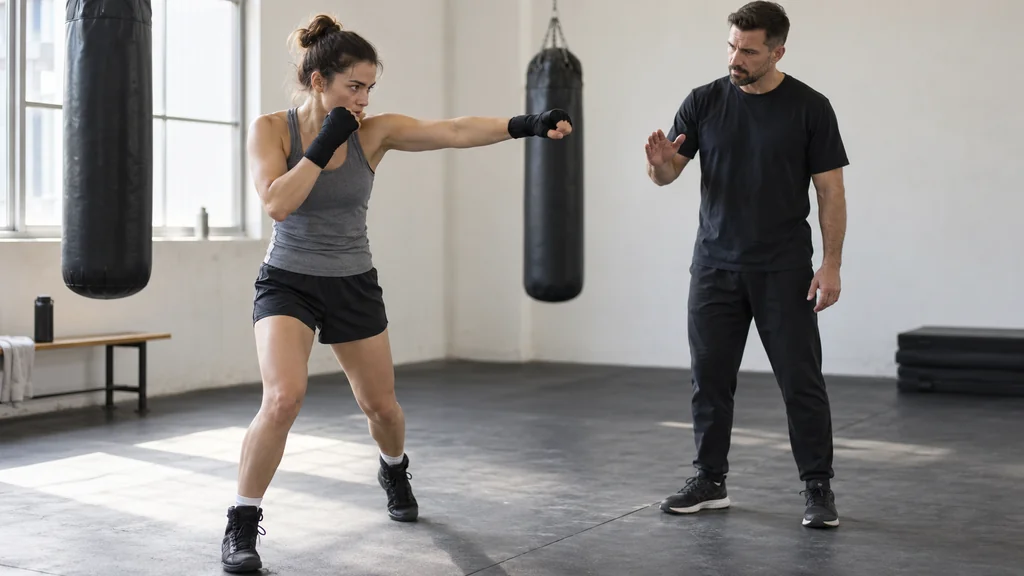
For adults in Greenwich, our Recreational Adults boxing classes give beginners coached bags, pads, footwork and conditioning without any need to spar. Tell the coach what you are feeling early. The aim is a session you can repeat next week, not one dramatic round you regret on the way home.
H&G Team
Writer at Honour & Glory Boxing Club, a community boxing gym in Kidbrooke, South East London.
KEEP READING

Feeling Sick During Boxing: When to Rest and Stop
Feeling sick in a boxing class can have several ordinary causes. Learn when to take a break, when to go home and when to get medical advice.
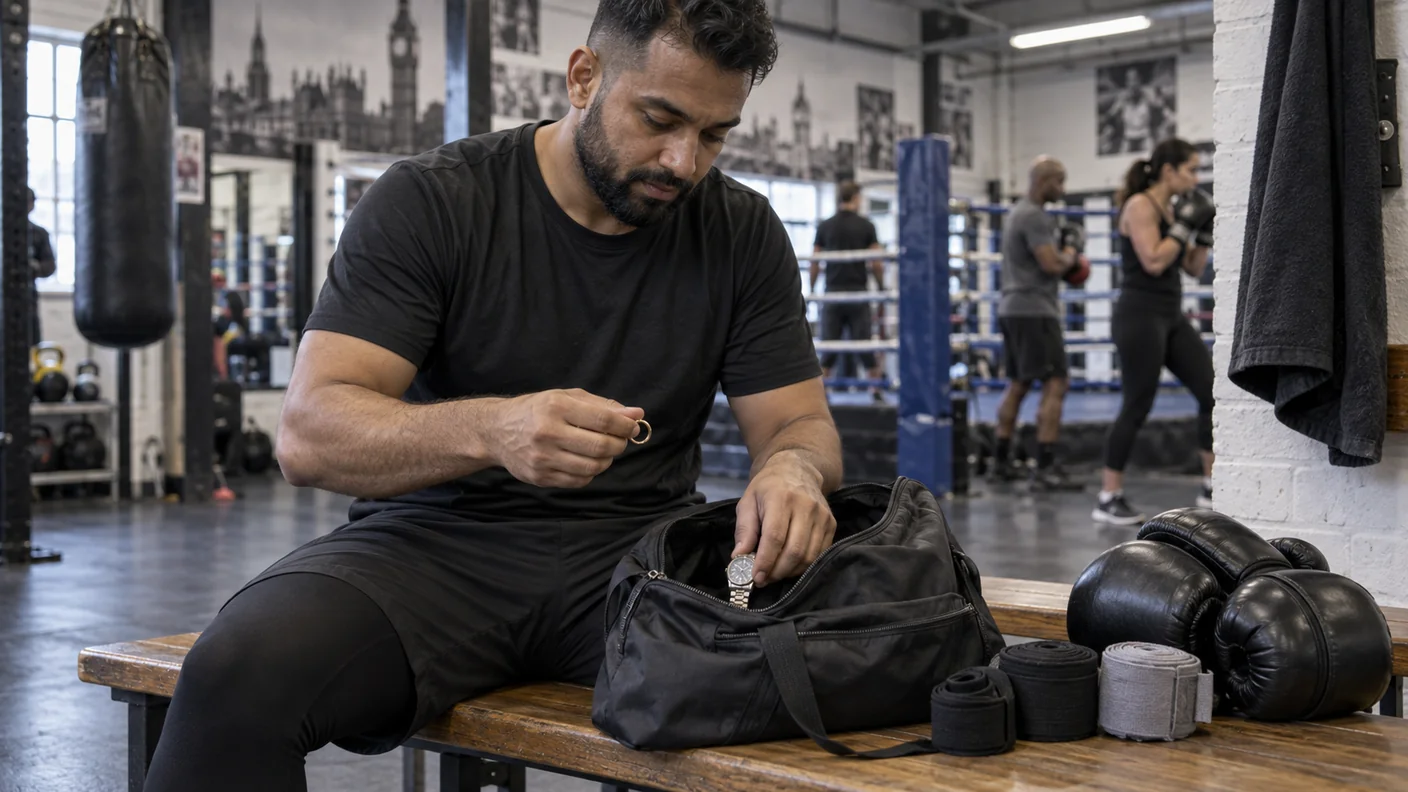
Can You Wear Jewellery to Boxing Class?
Rings, watches, necklaces and piercings can catch, cut or distract in boxing. Here is what to remove before class and why.
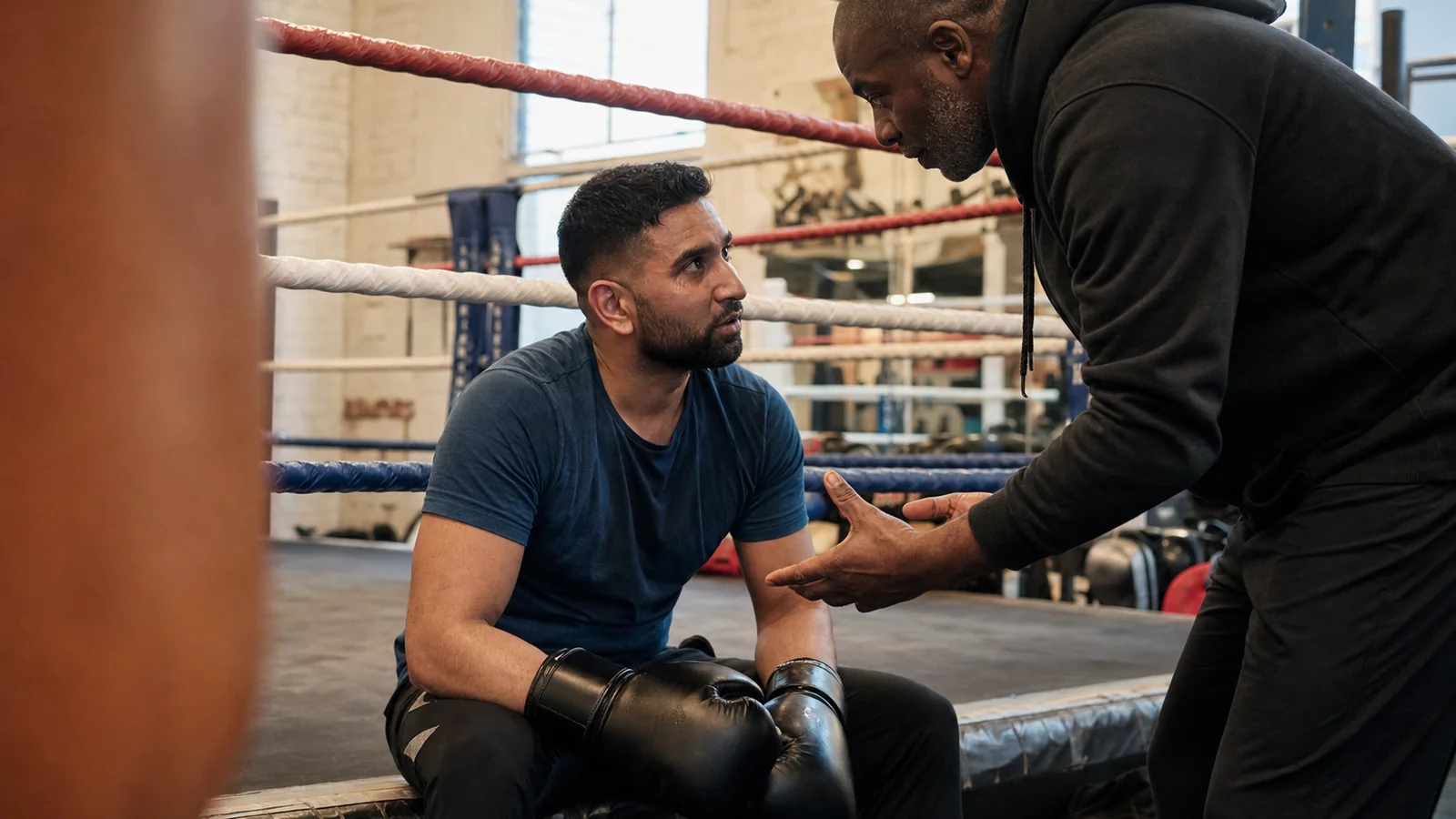
Boxing Lessons Beginners Learn the Hard Way
Most beginners chase power, big combinations and toughness. Better boxing usually comes from calmer breathing, cleaner feet, a sharper jab and fewer thoughts at once.
Was this page helpful?
It takes one tap, and it genuinely helps.
Choose your next step
Turn this article into the right action
Some readers are ready to book. Some need the class route first. Pick the route that matches what you actually want.