Vergil Ortiz vs Keith Thurman Confirmed: What It Means at 154lb
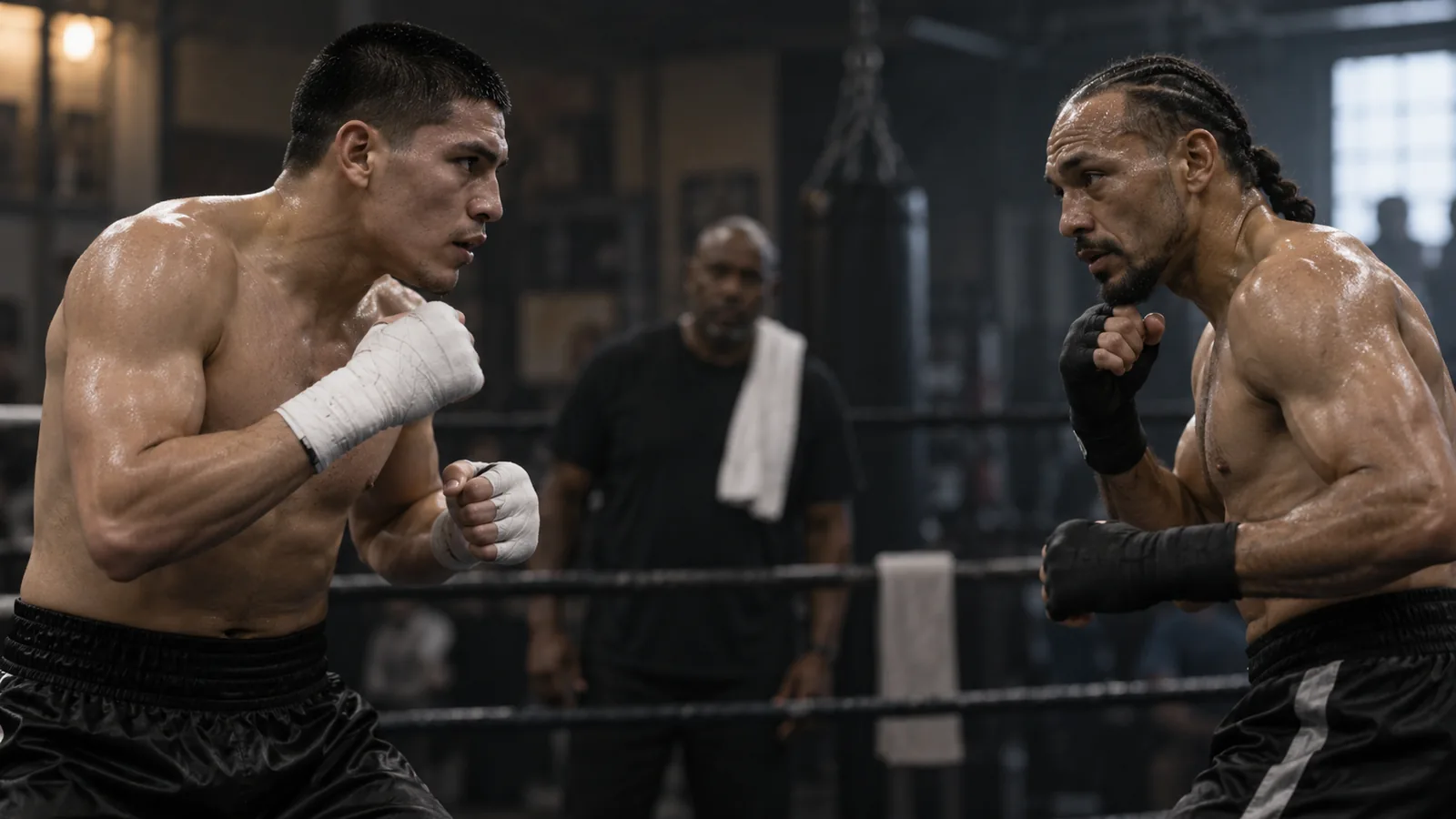
Vergil Ortiz vs Keith Thurman Confirmed: What It Means at 154lb
Boxing has spent years waiting for Vergil Ortiz Jr to meet a recognisable former champion. Now, according to reports, it looks as though he may finally get one.
Keith Thurman is the opponent being lined up for Ortiz on 12 December in Phoenix, reportedly on the David Benavidez card. Fights Around The World first reported Thurman as the leading option, with Yardbarker carrying the same reporting. Oscar De La Hoya has since said Golden Boy are working on the fight, while stressing that the deal was not quite complete in his comments reported by Boxing 24/7.
So the sensible wording is this: Ortiz versus Thurman is the reported plan, not a fight we should treat as officially signed until the contracts, date and event announcement are all in place.
If it happens, though, it is a far more interesting fight than the lazy version of the discussion suggests.
Thurman is not the active, unbeaten welterweight champion who beat Danny Garcia and pushed Manny Pacquiao close. Ortiz is not merely a young puncher collecting a famous name. This is a serious risk-reward calculation for a 154lb contender who needs meaningful activity, and a last test of whether “One Time” can still make an elite fighter fight at his rhythm.
The appeal and the problem for Ortiz
Ortiz is unbeaten at 24-0 with 22 stoppages. He is a physical, purposeful pressure fighter, but reducing him to a man who just marches forward misses the work he does before the power shots land.
He closes distance behind a patient jab. He invests downstairs. He keeps his feet close enough to punch again rather than falling in after one attack. Most importantly, he has proved that he can keep his head when an opponent does not collapse on schedule.
His fights with Serhii Bohachuk and Israil Madrimov showed that. Bohachuk put Ortiz down twice in a hard, awkward fight. Madrimov’s movement, feints and counter right hand created difficult moments. Ortiz did not look perfect in either assignment, but he found ways to stay composed and win. Then he stopped Erickson Lubin in two rounds.
That is a credible 154lb body of work. It is why Ortiz cannot be treated as a prospect.
But it is also why Thurman is a strange opponent on paper.
A win gives Ortiz a former unified welterweight champion and one of the most recognisable names of the previous decade. That matters commercially. A Benavidez card gives Golden Boy a valuable platform, and Ortiz needs ring time after the stalled Jaron Ennis negotiations. De La Hoya was direct about that in comments reported by Boxing News 24: the Ennis fight was the preferred target, but keeping Ortiz inactive is not an answer.
The sporting downside is obvious.
Thurman is 37. His latest championship-level outing ended with Sebastian Fundora stopping him. If Ortiz produces the expected destructive win, critics will reasonably point out that Fundora already beat Thurman inside the distance. It would be a useful name on the record, but not the kind of win that settles the question of whether Ortiz is the best man in the division.
That is why this must be a bridge, not a destination. Ortiz should take the fight if it is available. He should not let it become the excuse for another long wait before facing Ennis, Fundora or another leading junior middleweight.
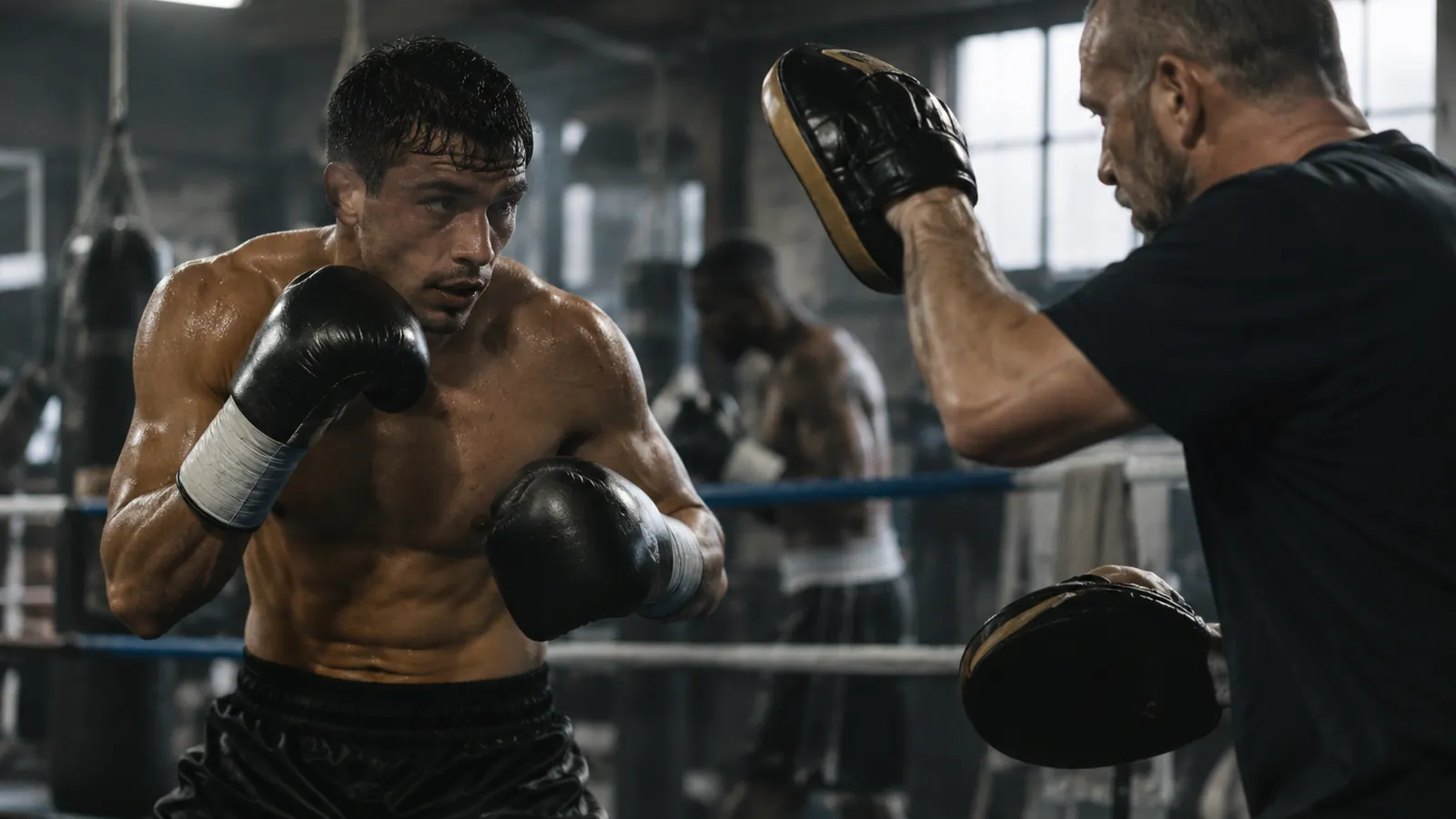
Thurman is old news only if Ortiz lets him be
The case for Ortiz is clear. The case for Thurman is more complicated, but it is not fictional.
At his best, Thurman made elite welterweights uncomfortable because he understood timing better than most of them. He could slide just outside a jab, make an opponent miss by inches, then return fire before they had recovered their position. He was not a pure mover in the old-school sense. He would stand in range when he wanted to, draw a lead, counter sharply and then leave on his own terms.
He also knew how to break a fighter’s rhythm. A small step back. A sudden right hand. A left hook after a feint. A change from retreat to attack before the other man had set his feet.
That version of Thurman could give Ortiz real problems.
Ortiz likes to apply organised pressure, but the rhythm of that pressure matters. If Thurman can make him reset after every entry, touch him with the jab and catch him reaching with the right hand, the younger man may start forcing the pace. That is where the fight becomes dangerous for Ortiz.
A pressure fighter who becomes impatient is no longer applying pressure. He is volunteering opportunities.
There is an old clip of Thurman responding to Ortiz’s call-out when the Texan was still climbing through the welterweight ranks. Thurman described Ortiz as hungry, powerful and “a little wide still, a little open still”. That was five years ago, and Ortiz has improved substantially since then. But it identifies the same tactical question that would define this fight now.
Can Thurman still make a strong, aggressive opponent reach?
That is a much harder question than whether Thurman can still talk like Keith Thurman.
The Fundora defeat cannot be ignored
There is a temptation to dismiss Thurman’s loss to Fundora simply because Fundora is a huge, awkward junior middleweight with a nine-inch height advantage. That physical mismatch was real, and Fights Around The World made the fair point that Ortiz does not present the same reach and height problem.
Still, Fundora did not win merely by being tall. He made Thurman work under pressure, denied him clean exits, made the exchanges physical and landed enough to change the fight.
That matters because Ortiz has the tools to ask related questions.
Ortiz is shorter than Fundora, but he is a more natural pressure fighter. He will work the body with more intent. He will try to occupy Thurman’s guard, force him towards the ropes and make every defensive movement cost energy. He will not give Thurman the luxury of boxing at long range for three minutes at a time.
The concern for Thurman is not simply age. It is activity.
He has fought only intermittently since losing to Pacquiao in 2019. He returned to stop Brock Jarvis in 2025, then faced Fundora. A fighter can retain his ring intelligence through gaps in activity, but reflexes, confidence in exchanges and the ability to sustain a hard pace are harder things to recover.
Thurman does not need to be the fighter he was in 2016. He needs to be quick enough to make Ortiz second-guess his feet, sharp enough to punish the entries, and fit enough to keep doing it after the body attack starts to add up.
That is a demanding job.
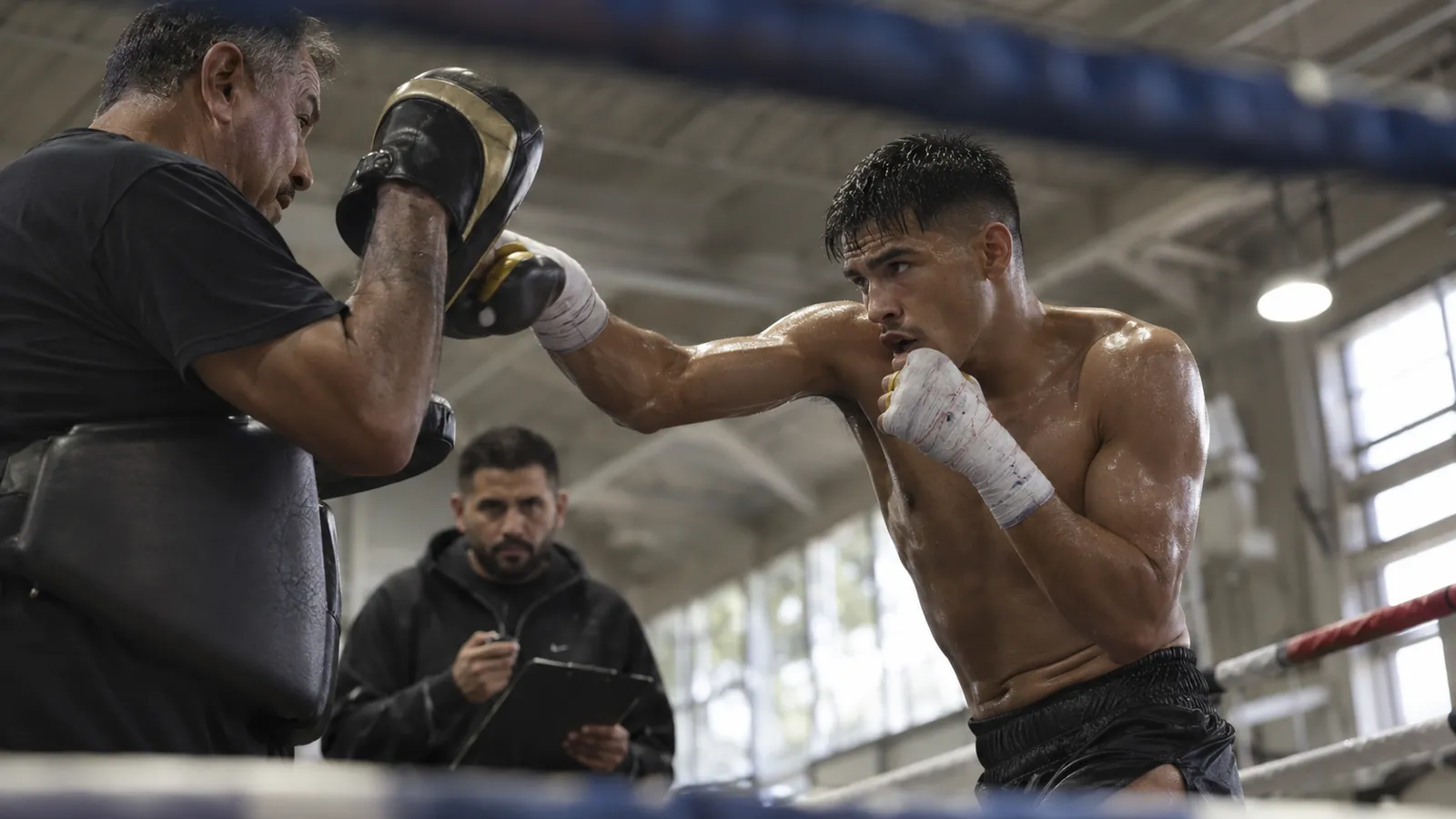
What Ortiz must not do
Ortiz should be favourite. He is younger, busier, physically fresher and more accustomed to fighting at 154lb. But he has to fight with some discipline.
The danger is getting drawn into trying to make a statement too early.
Thurman will want Ortiz to chase his head. He will want him to overextend with the right hand and admire his work after combinations. He will want to see the younger man set his feet too square, then counter him as he attempts to reset.
Ortiz should take the centre without rushing it. Jab to the chest. Touch the arms. Work downstairs when Thurman is near the ropes. Make him defend in layers. The body attack is important, but it needs to come after Ortiz has established his position rather than as a wild lunge from too far away.
The fight should be built, not forced.
Ortiz has shown he can box with patience, particularly against Madrimov. This is where that experience matters. Thurman will offer movement, feints and counter-punching, but he is unlikely to maintain the same athletic escape routes he had at his peak. Ortiz should make him spend energy early without giving him cheap countering chances.
If Thurman still has an elite performance left, he needs early confidence. Ortiz cannot hand it to him.
A useful fight, but not the defining one
There is a proper boxing story in Ortiz versus Thurman. It is not just young lion versus old lion. It is a test of whether Ortiz can solve a veteran’s timing without becoming reckless, and whether Thurman can still turn movement, feints and counter-punching into a serious weapon against a younger elite opponent.
My view is that Ortiz wins, probably late.
Thurman may have enough craft to win early rounds and remind people why he was so difficult at welterweight. But Ortiz’s pressure is more structured than some observers give him credit for, and Thurman has not shown enough recent durability or activity to make me believe he can hold that line for twelve hard rounds.
The likely story is Thurman landing clever counters early, Ortiz adjusting, then the body work and sustained pressure reducing the older man’s room to operate. If Ortiz keeps his balance and does not chase a highlight-reel finish, a late stoppage is the logical pick.
But Ortiz should not be judged only on whether he wins. He should be judged on how he solves the problem.
Does he cut off the ring without following? Does he stay calm after being countered? Does he keep working when Thurman gives him movement rather than exchanges? Those are the details that tell us whether he is ready for the division’s biggest remaining fights.
At Honour & Glory, this is the lesson worth taking from any elite fight. Pressure is not charging forward. It is positioning, patience and making the other person work without giving away your own balance. From beginners aged 7+ to experienced adults, that is what we build in every session. If you want to learn it properly, book a trial at Honour & Glory Boxing Club.
H&G Team
Writer at Honour & Glory Boxing Club, a community boxing gym in Kidbrooke, South East London.
KEEP READING
Jaron Ennis and Vergil Ortiz: when career narratives move too fast
Use the fresh Ennis-Ortiz discussion to examine how quickly boxing labels a contender stalled, exposed or avoided, and what evidence should actually change a fighter’s standing.
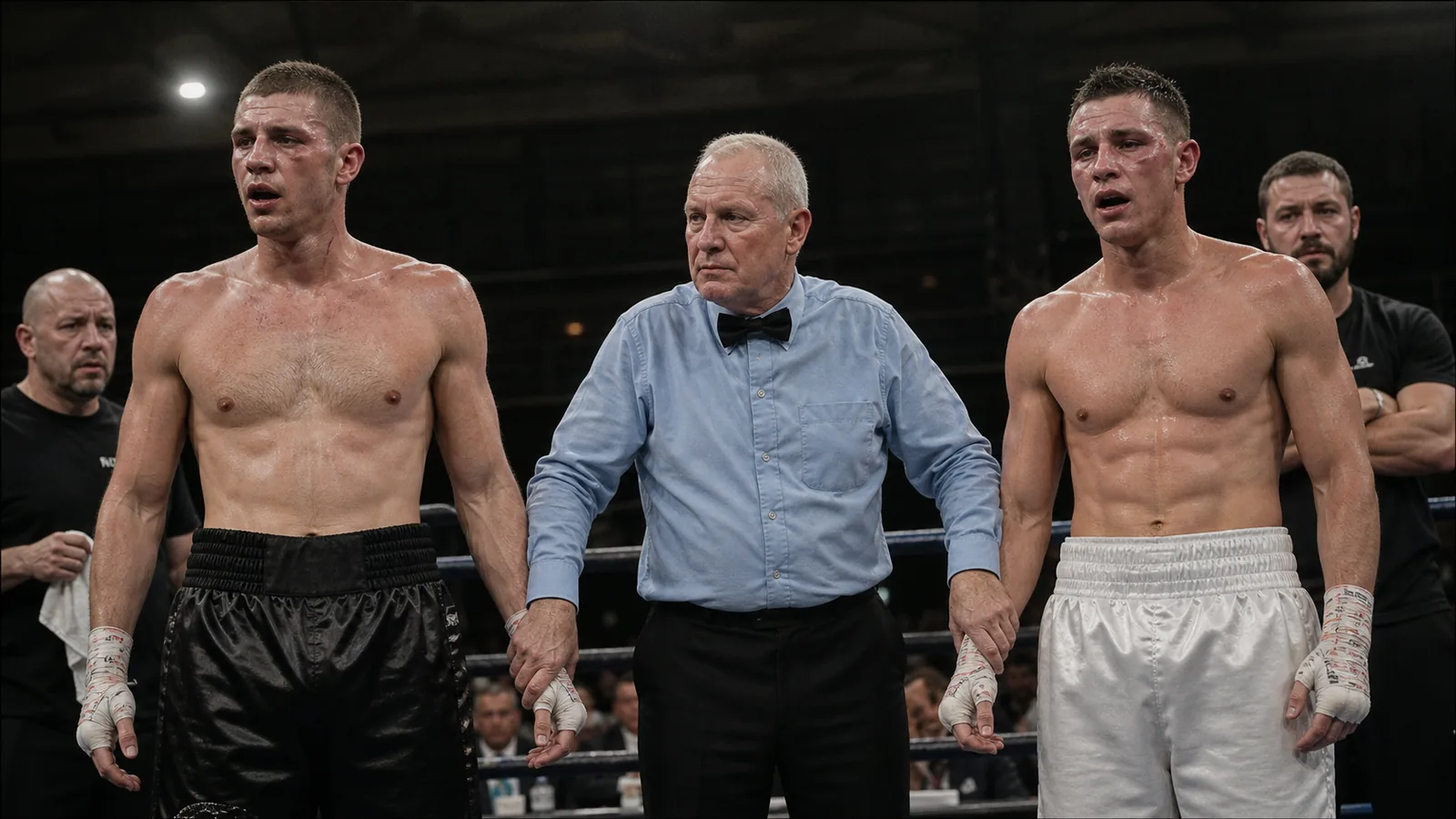
Tszyu vs Mahoney Draw: When an Eliminator Settles Nothing
Nikita Tszyu and Ben Mahoney's split draw left an IBF super-welterweight eliminator without a clear next man. The useful boxing angle is how a close 12-round fight can still expose the limits of the eliminator format.
Rolly Romero vs Teofimo Lopez: August fight talk
A focused look at a fresh welterweight title storyline: Romero's first defence, Lopez chasing a third weight, and what style lessons club boxers can take from the matchup.
Was this page helpful?
It takes one tap, and it genuinely helps.
Choose your next step
Turn this article into the right action
Some readers are ready to book. Some need the class route first. Pick the route that matches what you actually want.