Fury's Ben Davison Claim: Why Trainer Narratives Matter
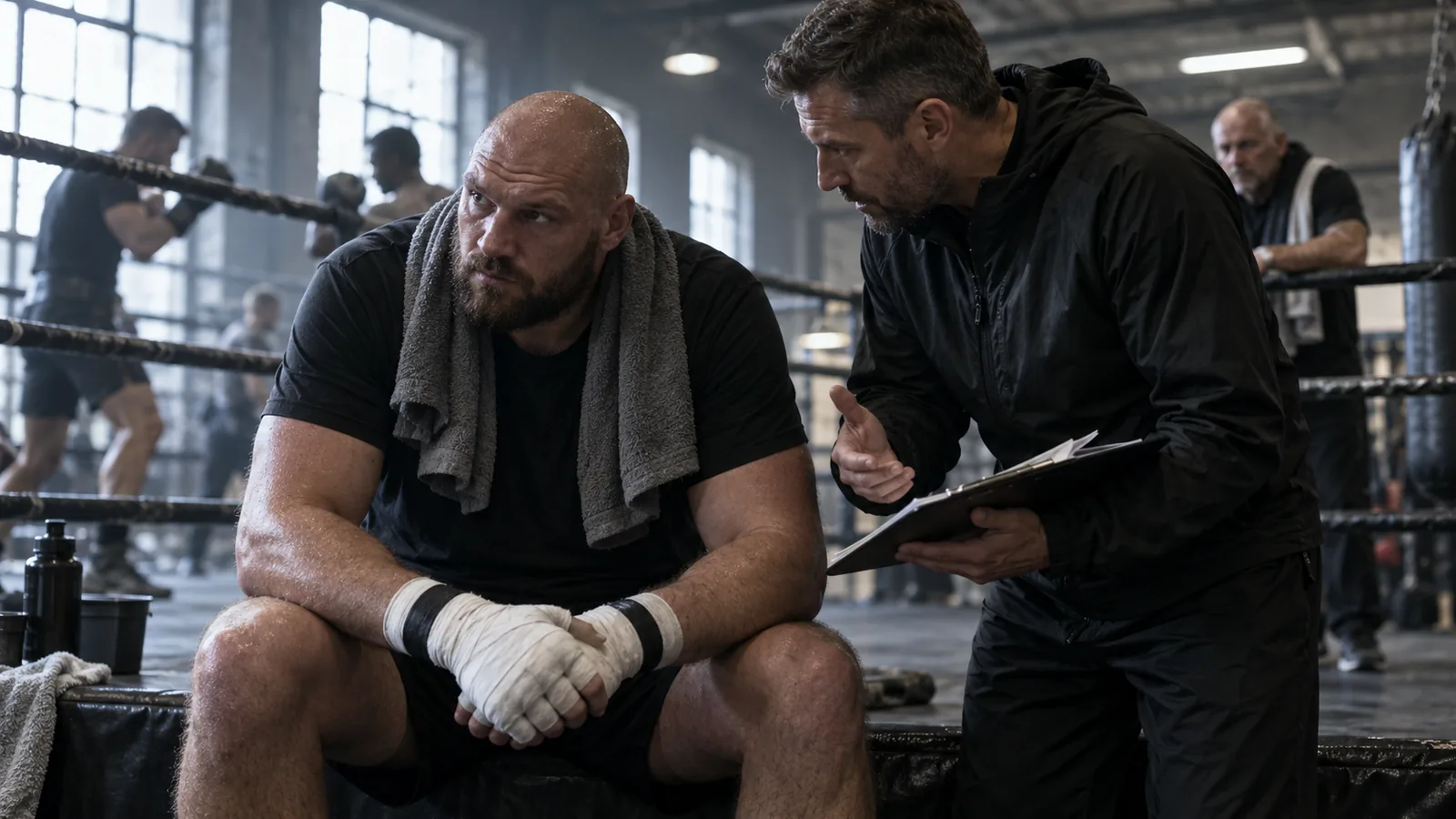
A trainer is not a possession
Boxing loves the language of betrayal. A former trainer appearing in the opposite corner can be presented as though he has taken a folder containing every private mistake, every sparring session and the answer to the fight.
That is good drama. It is not how serious coaching works.
A fighter and trainer build knowledge together, certainly. They learn what unsettles an athlete, which instructions land under pressure, how a boxer reacts after getting hit clean, and which habits return when fatigue arrives. That knowledge has value. Joshua having Davison in the camp gives him an experienced boxing mind who has spent years studying Fury at close range.
But Fury has also changed since he worked with Davison. He joined SugarHill Steward before the second Deontay Wilder fight and adopted a more aggressive approach, using his size, physicality and front-foot pressure to very different effect. Fighters evolve, trainers evolve, and the version of Fury who boxed his comeback fights in 2018 is not simply waiting to be downloaded into Joshua’s camp in 2026.
Joshua made that distinction himself when discussing the involvement of both Davison and Fury’s uncle, Peter. He said the conversations were not about being told, “Fury does this”, but about people who could identify areas where Joshua could improve. The Independent’s report on Peter Fury’s role is more revealing than the headline-grabbing insults.
That is the sensible use of outside expertise. A good coach does not hand a fighter somebody else’s secrets. He helps the fighter make better decisions with the tools he already has.
Fury is trying to make the reunion look like panic
Fury’s criticism works because Joshua’s trainer history is easy to turn into a story. Joshua has worked with Rob McCracken, Robert Garcia, Derrick James, Davison and, more recently, members of Oleksandr Usyk’s team. Every change invites the same lazy conclusion: uncertainty.
But changing a training set-up is not automatically a sign of weakness. Sometimes it is a failure to accept what is not working. Sometimes it is a boxer trying to add a specialist voice for one particular opponent. Sometimes it is simply the reality of an elite athlete looking for a sharper camp late in a long career.
Eddie Hearn has said Davison will definitely be involved, while it remained unclear whether he would be the sole lead trainer or part of a broader coaching group. That reporting matters because there is a major difference between a full change of command and a targeted strategic role.
Fury wants the public to see Joshua returning to Davison as a man running back to an old answer after a bad night. Joshua wants the public to see it as a mature fighter gathering useful people around him for the biggest British heavyweight fight in years.
Both stories are designed for a purpose.
Fury’s version raises doubt. If Joshua starts wondering whether his decisions look desperate, Fury has gained something before a glove is thrown. Joshua’s version projects ownership. He is saying that he takes the final call, listens to experience and chooses what helps him.
Of those two positions, Joshua’s is the healthier one for any boxer. A fighter should respect a coach deeply, but he cannot surrender responsibility. When the bell goes, nobody in the corner can throw the jab, move the feet or keep their head after a hard shot lands.
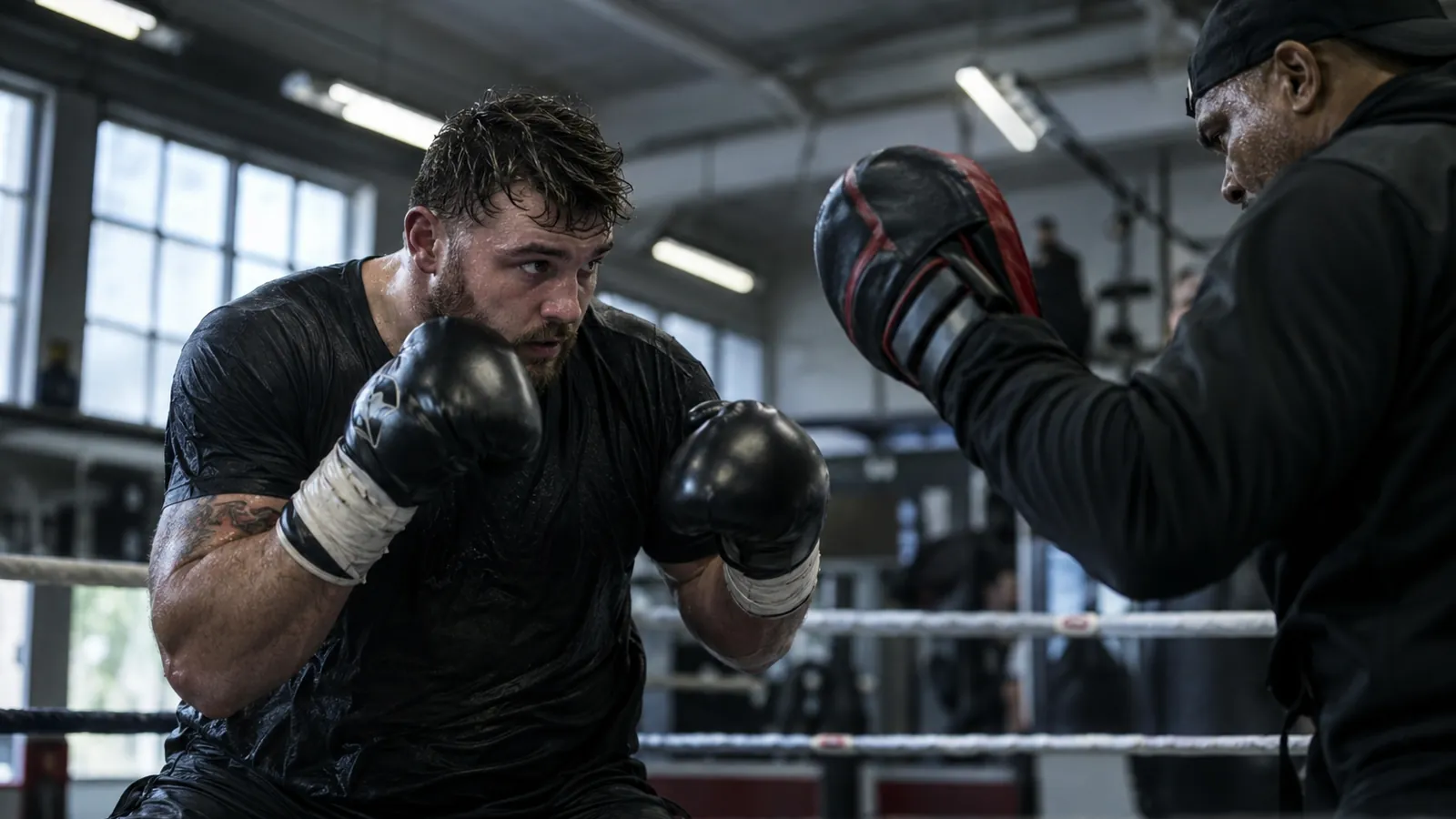
What Davison can genuinely offer Joshua
Davison’s knowledge of Fury will not give Joshua a magic route through a 6ft 9in heavyweight. It may, however, help refine the questions Joshua needs to answer.
Can Joshua hold his feet without becoming a stationary target? Can he make Fury reset after the jab rather than allowing him to control the long range? Can he apply pressure without reaching and walking on to a clinch or a counter? Can he stay patient enough to create the right hand rather than hunting for it?
Those are coaching questions, not gossip questions.
Davison has also worked with fighters who need clear tactical structure. His work with Fabio Wardley and Moses Itauma has helped place him among the most visible trainers in British boxing, while Joshua’s earlier wins over Otto Wallin and Francis Ngannou showed what his corner can look like when his preparation is joined to disciplined execution.
The Dubois defeat sits over the conversation, understandably. Joshua was stopped heavily and Davison was in the corner. But it is poor analysis to treat one defeat as proof that a trainer has no value, just as it would be poor analysis to give a trainer total credit for every good performance.
A corner can prepare the plan. It cannot stop a fighter making the wrong read, getting caught by a huge shot or losing composure. Nor can it remove every weakness in a heavyweight’s chin. Fury knows that, which is why his line about Davison not being able to “put muscles on his chin” is sharp theatre rather than coaching insight.
The real tell is what happens under pressure
The press conference itself offered another useful reminder. The old sparring stories were revived, with Joshua claiming he gave Fury a black eye and Fury offering his own version. Yet Steve Bunce, who was close to the original session, called it a competitive nine rounds between two young prospects and dismissed the exaggerated stories that have grown around it. The BBC’s live report captured that correction.
That is boxing in miniature. Training-camp stories grow because they are irresistible. Someone was dropped in sparring. Someone looked tired. Someone has a new trainer. Someone’s uncle has joined the other camp. Every small detail becomes evidence for a prediction.
Most of it is noise.
The meaningful signs are harder to access and less dramatic: whether a fighter is improving a repeatable habit, whether his weight and conditioning fit the intended pace, whether the corner’s language is clear, and whether the fighter can follow instruction when the fight turns against him.
The best corners are often not the loudest. They give a fighter one usable answer at a time. Breathe. Take the centre. Double the jab. Turn him. Do not admire your work. In a heavyweight fight, one calm, specific instruction can be worth more than ten minutes of clever analysis.
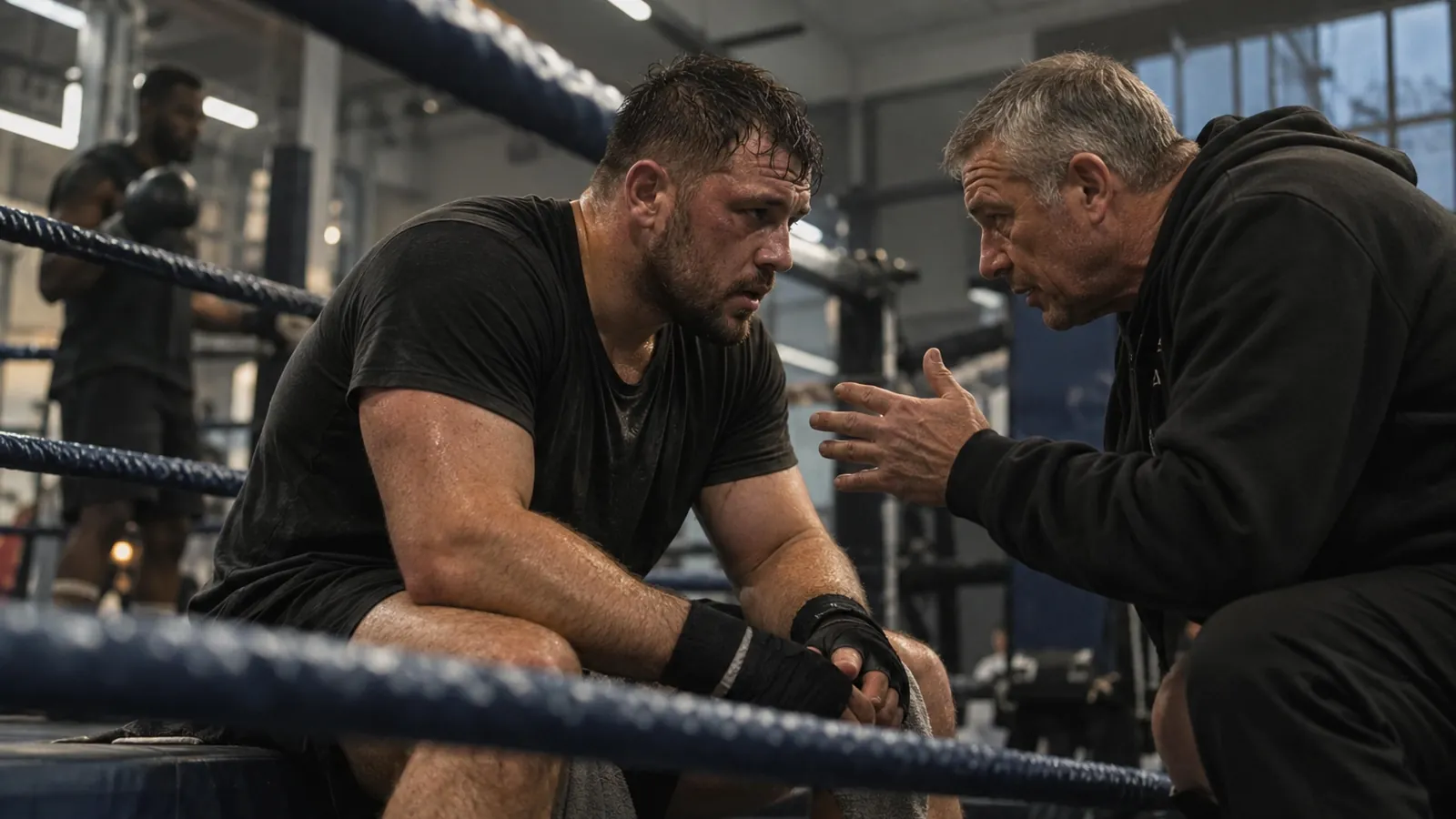
The lesson for every boxer
Trainer loyalty matters. Trust is built through hard rounds, honest feedback and the knowledge that a coach will tell you what you need to hear rather than what makes you comfortable.
But loyalty should not mean blind loyalty.
A boxer is allowed to change direction when the relationship has stopped helping. A trainer is allowed to work with another athlete. The test is whether both people handle it professionally and whether the new arrangement gives the boxer a clearer route to improvement.
Fury is right about one thing: Joshua’s reunion with Davison will be judged in the ring. If Joshua looks hesitant, disorganised or unable to solve Fury’s movement, the reunion will be called a mistake. If he arrives patient, physically prepared and tactically brave, it will look like a smart decision.
That is why the trainer narrative matters. Not because it predicts the winner, but because it shows where each fighter wants the psychological contest to be fought before Cardiff.
For anyone learning the sport, the better habit is to look past the noise. Watch how a boxer responds to instruction, how they build attacks from the jab, and whether they can stick to a plan when the fight becomes uncomfortable. Those are skills built over months in a gym, not created by a press-conference insult.
At Honour & Glory, our boxing classes in Kidbrooke help beginners aged 7+ and experienced adults learn those foundations: sound technique, calm decision-making and the discipline to keep working when the easy answer is not there.
H&G Team
Writer at Honour & Glory Boxing Club, a community boxing gym in Kidbrooke, South East London.
KEEP READING
Ben Whittaker in America: What Changes Abroad?
What Ben Whittaker taking his act to America changes: judging, pressure, crowd rhythm and the lesson behind the theatre.
How to Choose a Boxing Personal Trainer in the UK
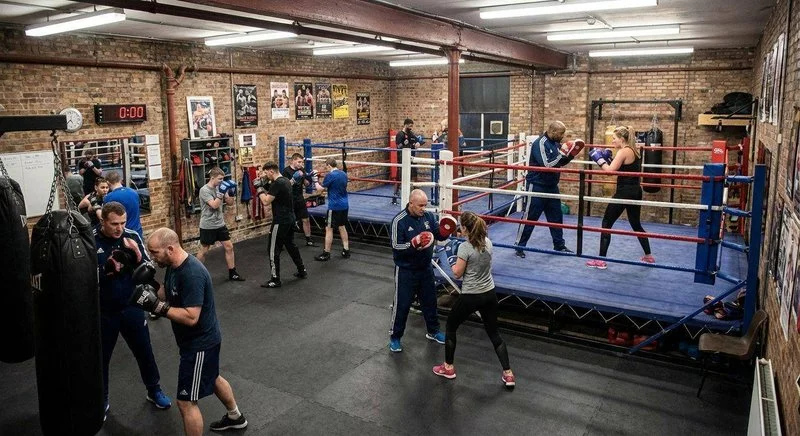
What to look for in a boxing personal trainer, what qualifications actually mean, and the questions to ask before booking your first session.
Hrgovic-Itauma Press Conference Mind Games
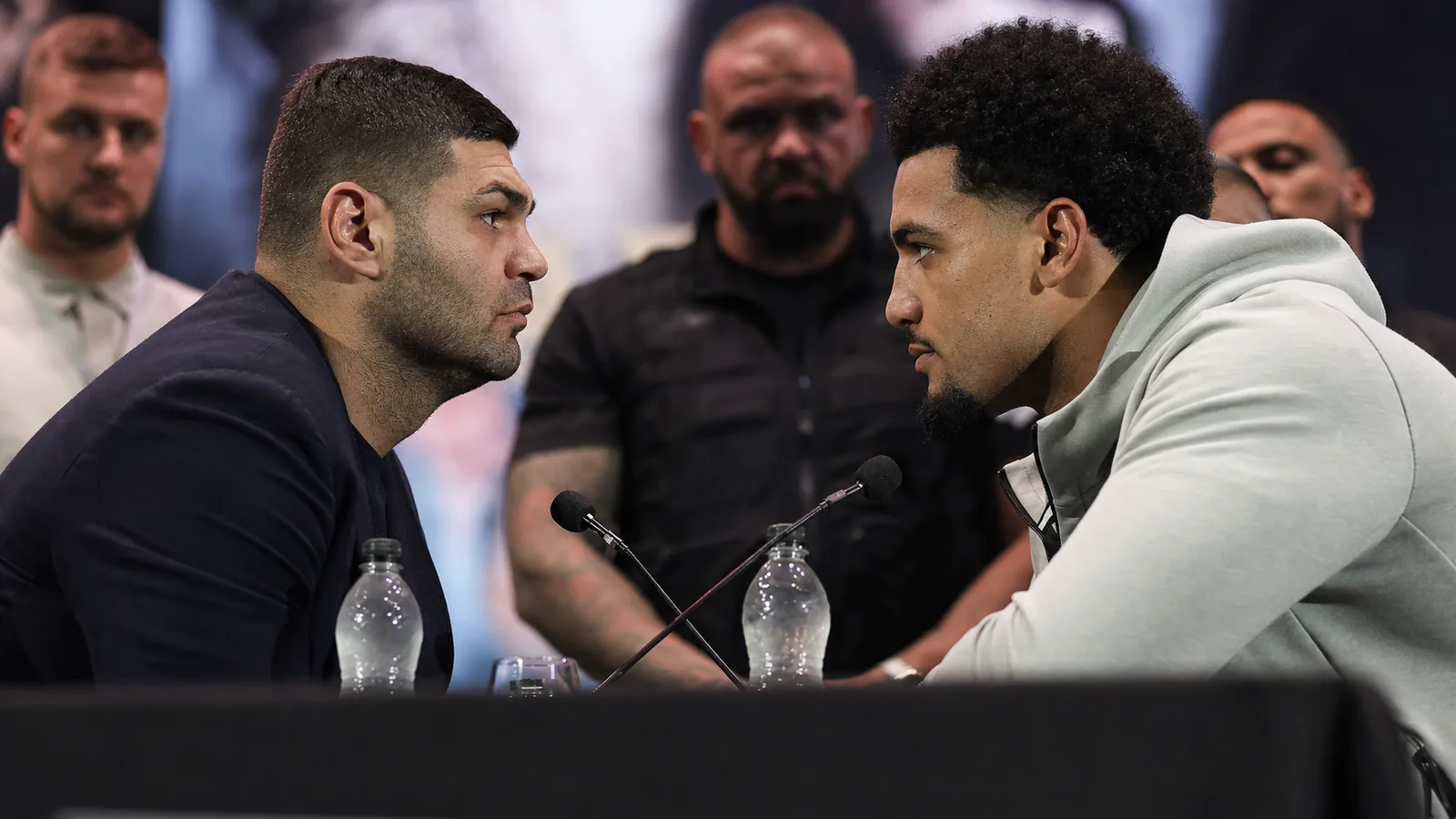
A fresh angle on the already-announced O2 fight: what the heated launch tells beginners about confidence, trash talk, pressure and keeping a tactical head before a big bout.
Was this page helpful?
It takes one tap, and it genuinely helps.
Choose your next step
Turn this article into the right action
Some readers are ready to book. Some need the class route first. Pick the route that matches what you actually want.