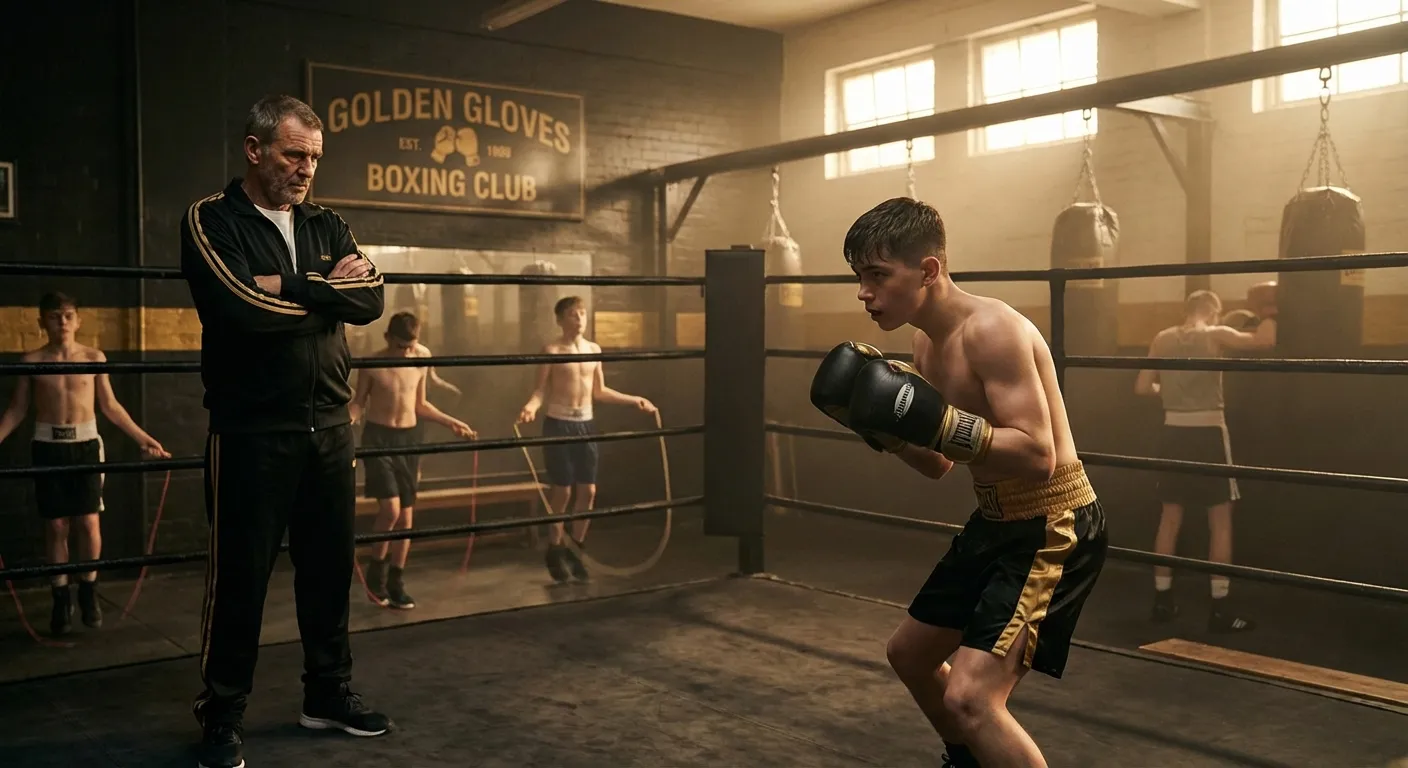
Training Tips
How to Talk to Your Child About Starting Boxing
The conversation you have with your child before they first try boxing matters. Here is how to frame it in a way that sets them up for the best possible first experience.
Page 16 of 75
The conversation you have with your child before they first try boxing matters. Here is how to frame it in a way that sets them up for the best possible first experience.

Use the fresh Ennis-Ortiz discussion to examine how quickly boxing labels a contender stalled, exposed or avoided, and what evidence should actually change a fighter’s standing.
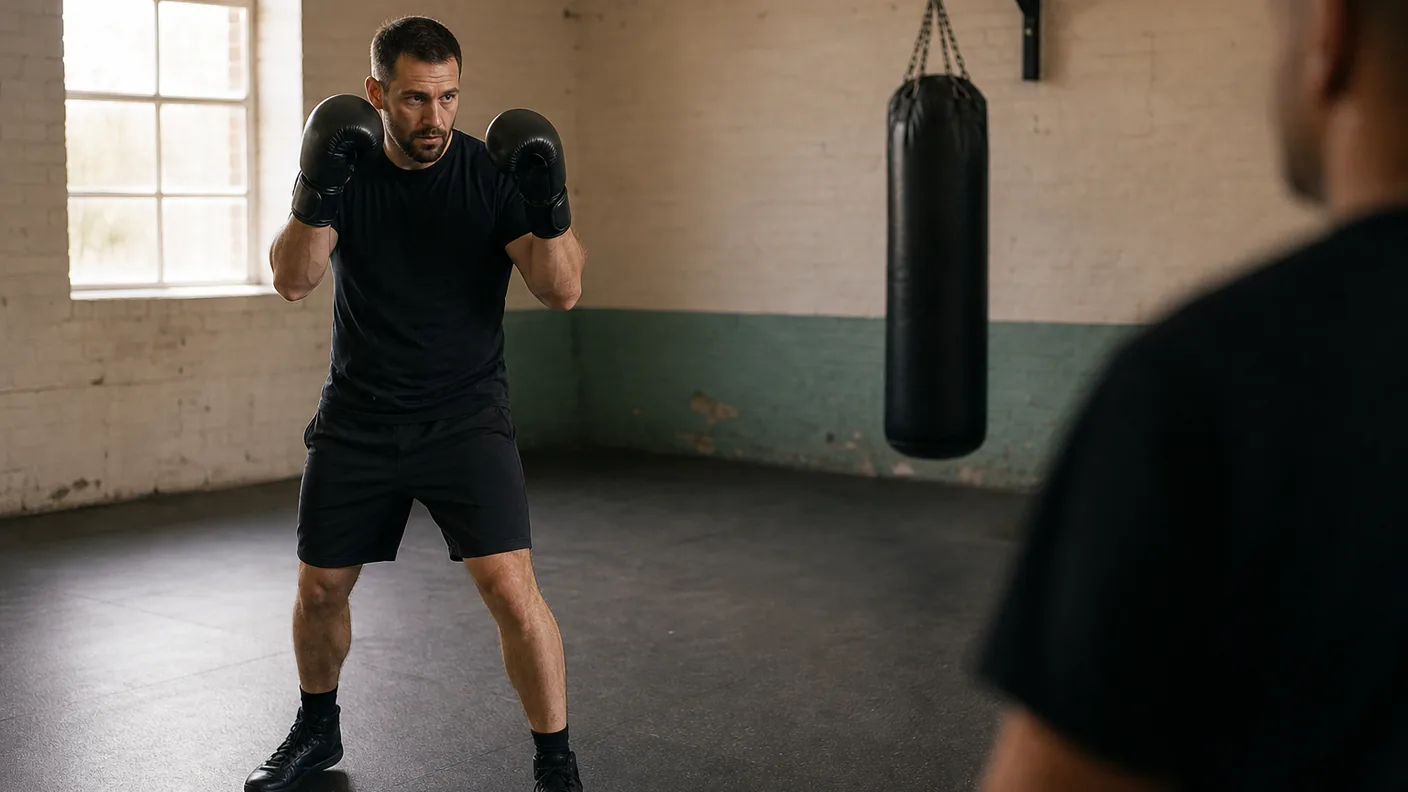
A cramped boxing guard can turn the shoulders away from clean straight punches. Use this simple check to keep your stance useful.

Back to School, Back to the Gym: How September Is the Best Time to Start Boxing.
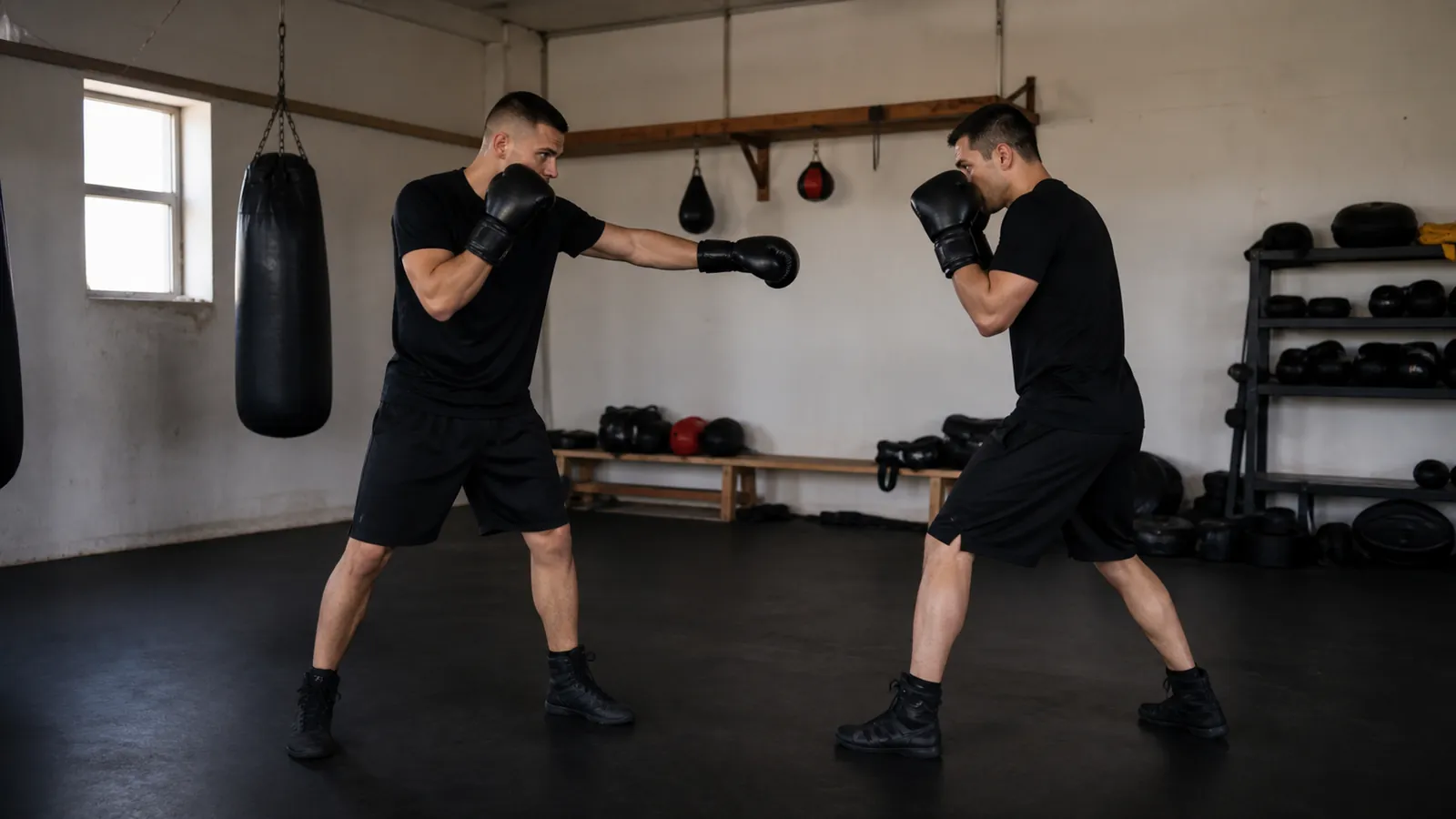
Use a controlled boxing draw to invite a predictable attack, stay balanced through it and choose a counter only when the opening is real.
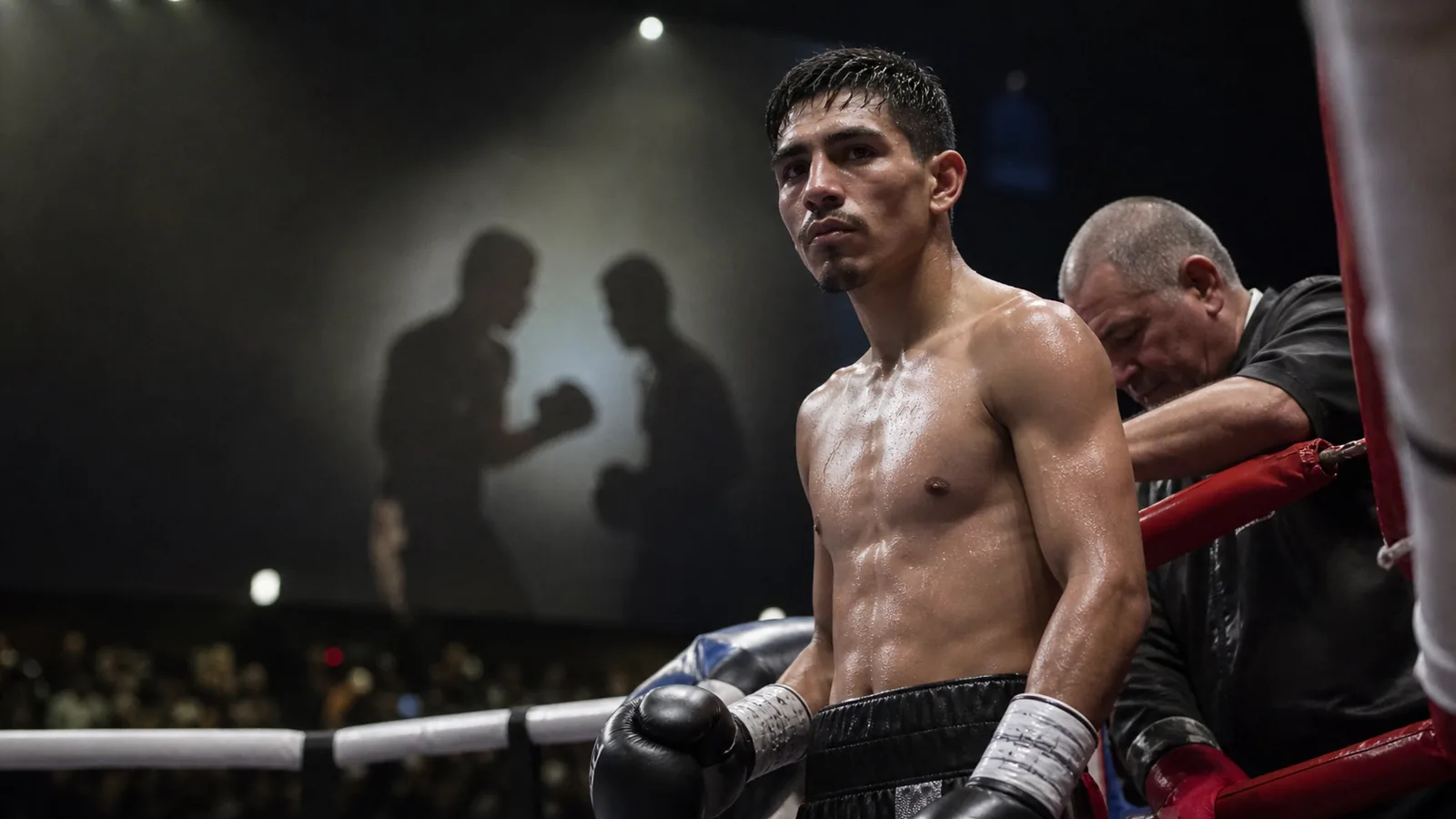
Treat Cardenas's weekend return as the real hook, then explain why an opponent's view can sharpen discussion of a possible Rodriguez-Inoue fight without presenting fan speculation as a signed superfight.
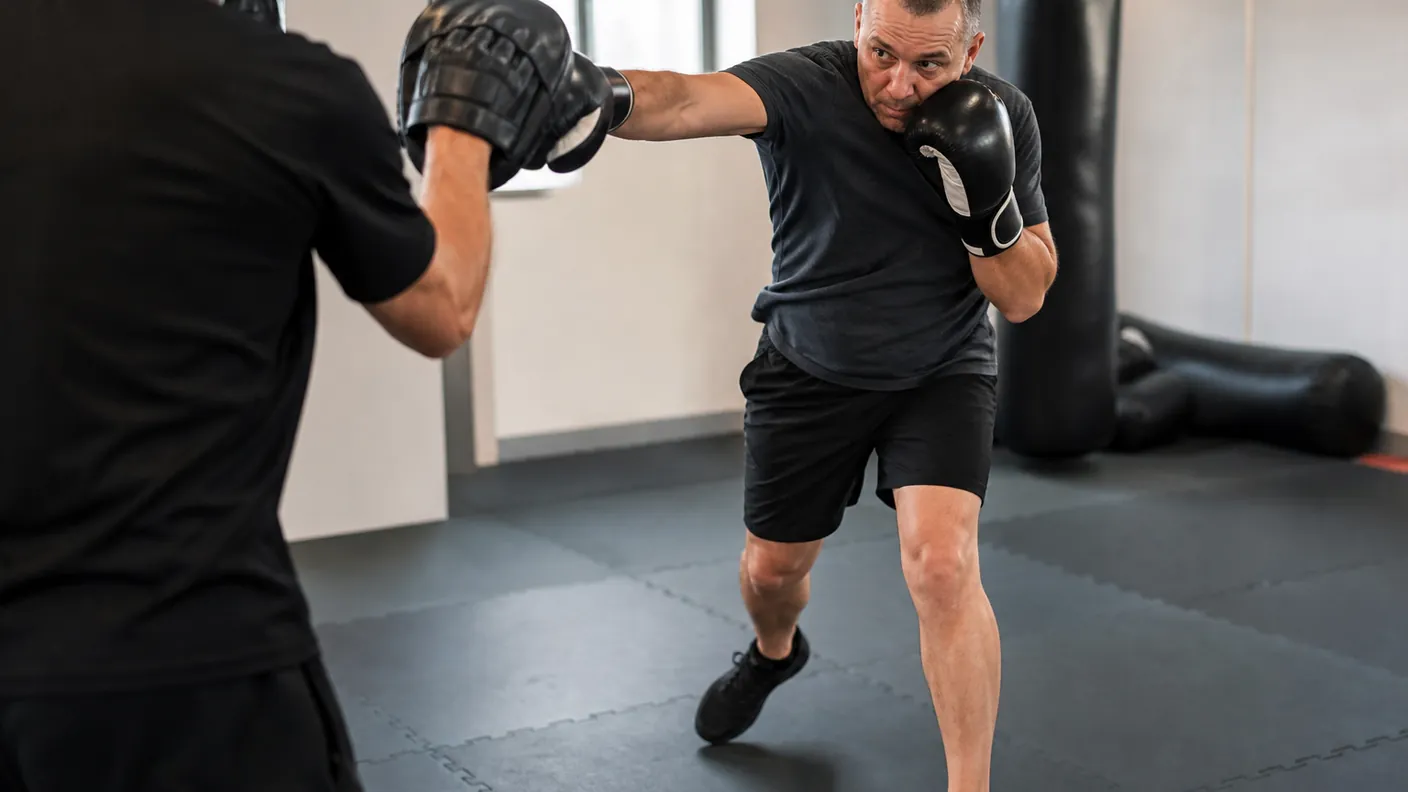
Use two small foot adjustments to find range for a compact hook without stretching, spinning or losing your guard.
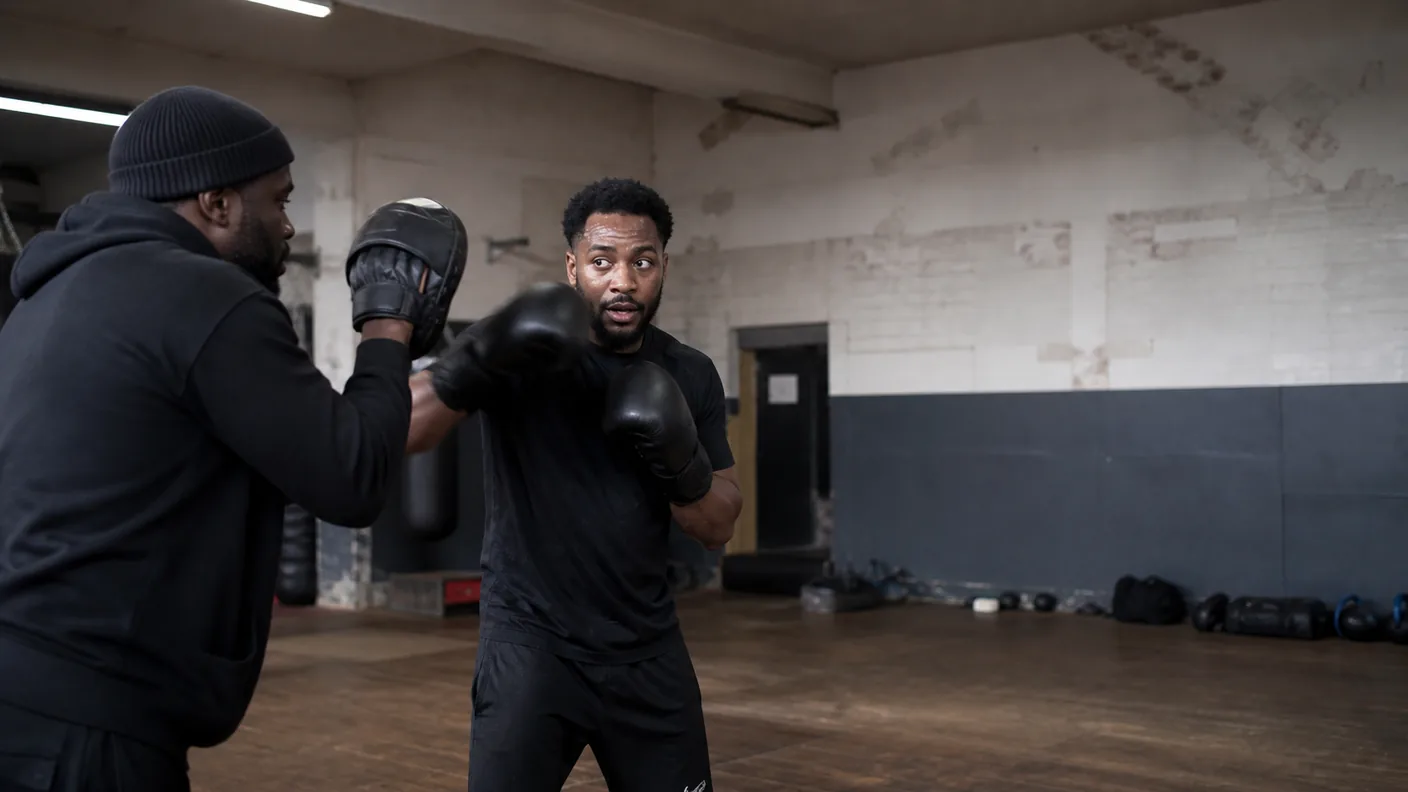
Missing focus mitts is not a sign that you cannot box. Learn the small range, timing and attention errors that make pads feel impossible.
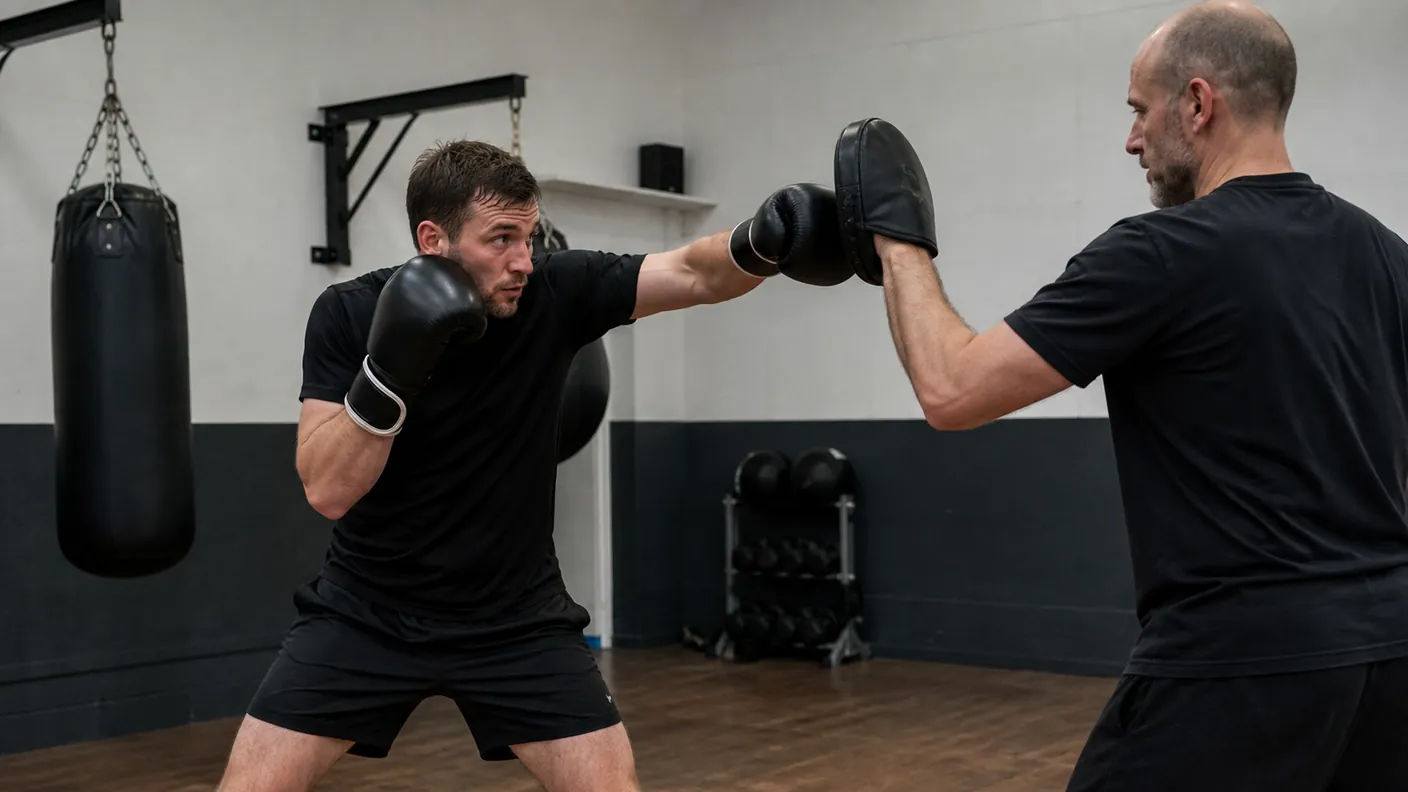
Use a compact hook, small defensive slip and second hook to practise close-range boxing without standing still after your first punch.
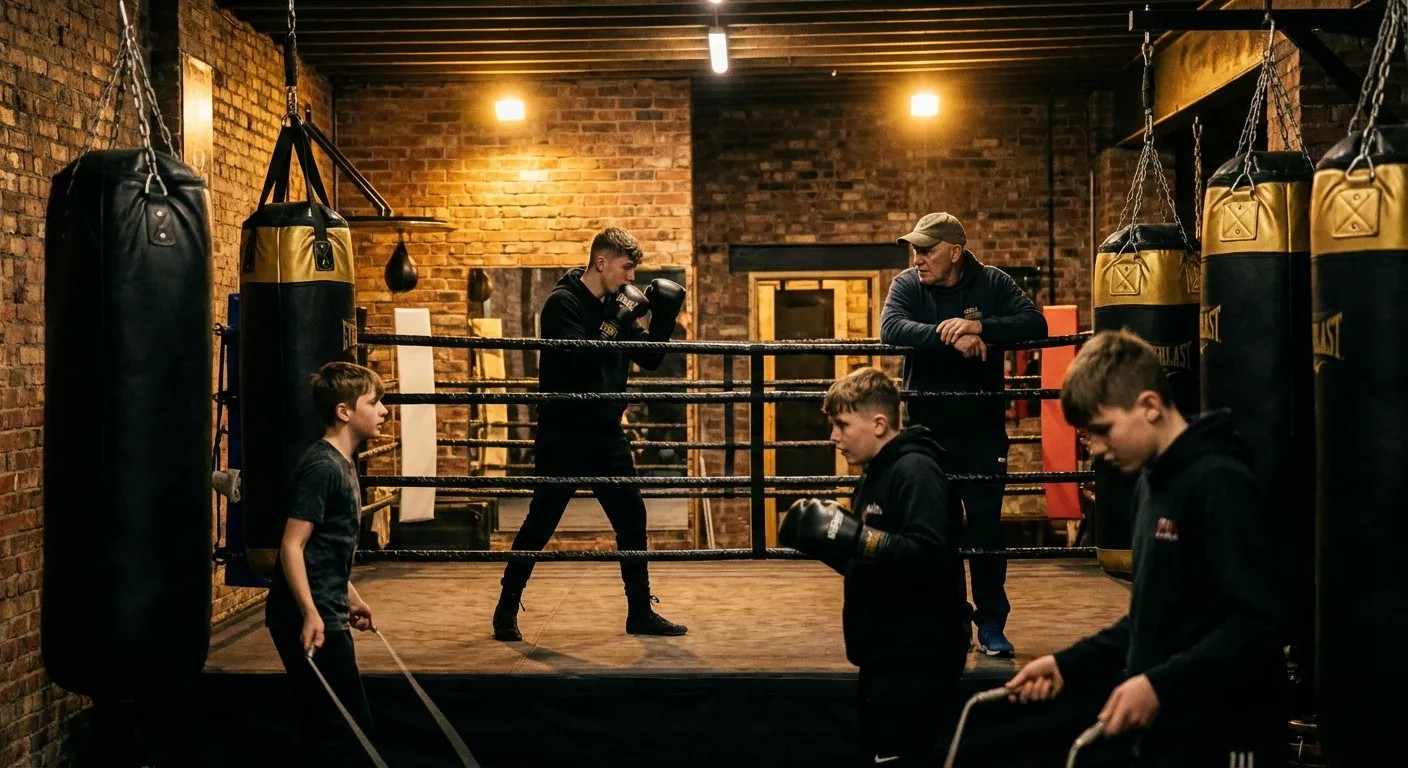
How to Support Your Child in Boxing: The Parent Guide to Getting It Right.
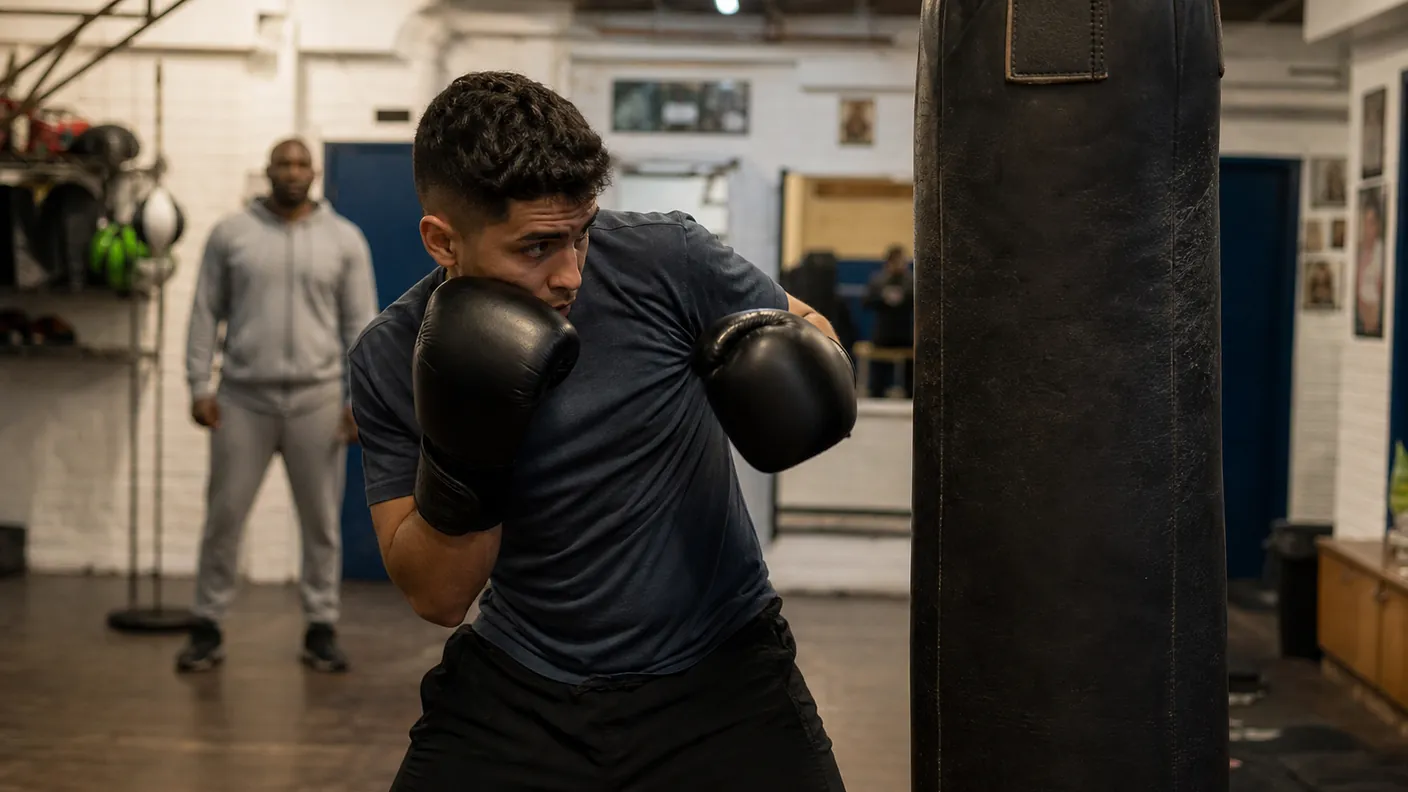
Use a controlled jab-slip-slip-hook drill to join your guard, head movement and lead hook without rushing the exchange.

Joyce’s announced return is more interesting as a career-control story: whether becoming promoter-free creates better options after a damaging defeat, or simply raises the stakes on his next move.
Page 16 of 75 (890 posts)