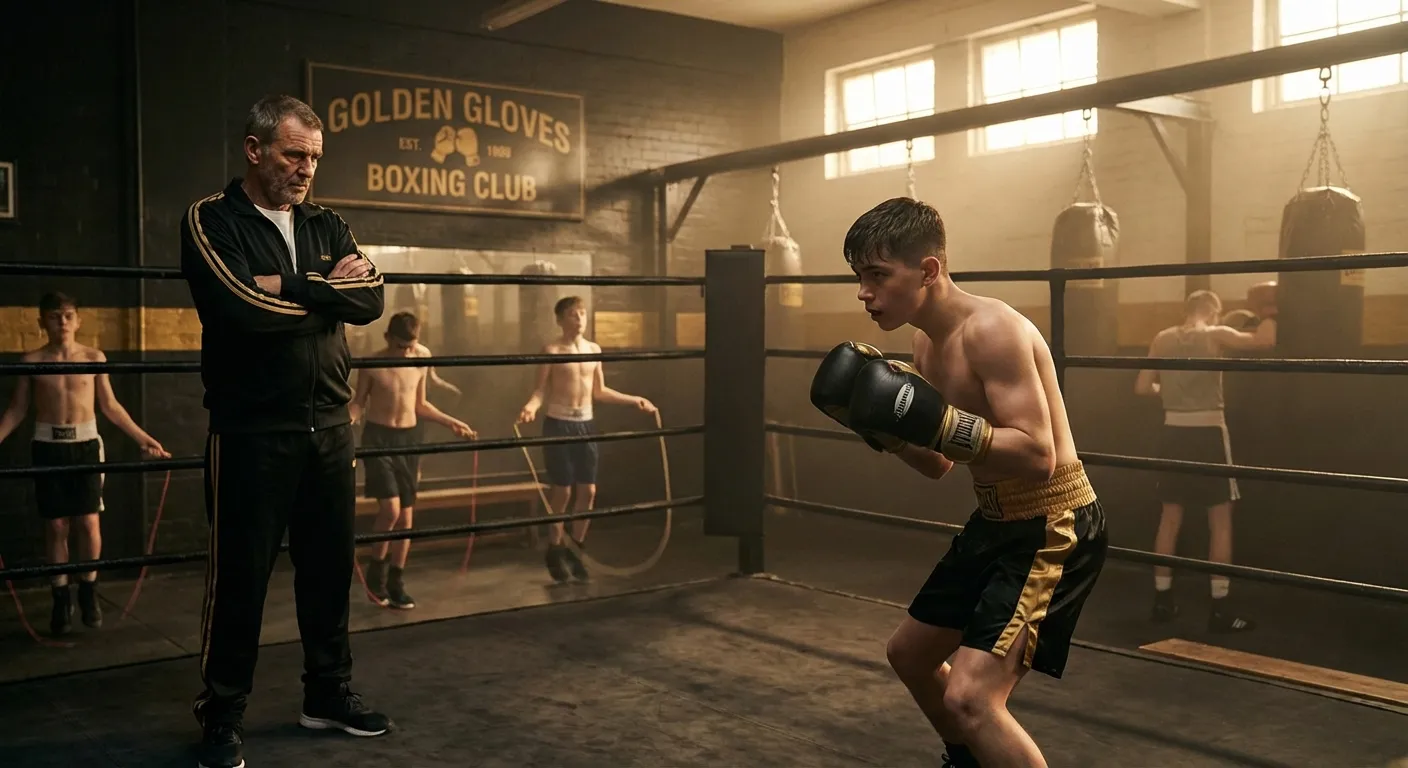
England Boxing's advice for parents covers common questions families have before a child's first session. Research on child autonomy in sport choice shows children whose parents support their chosen sport have higher participation longevity.
How you talk about boxing before your child's first session shapes how they experience it. Get the framing right and you give your child the best possible start. Get it wrong and you plant anxieties or expectations that make the first session harder than it needs to be.
Here is what works and what does not.
What Not to Say
"It is perfectly safe, you will not get hurt at all."
This is not quite true and children know it. If they get a minor scrape or bruise, they will feel that you deceived them. Better to be honest: boxing training is generally safe and injury is uncommon, but it is a physical sport and you might occasionally feel a bit sore.
"You are going to be brilliant at this."
Expectations of immediate success make the actual learning curve feel like failure. Boxing is difficult to learn initially. Tell them that honestly.
"You have to try everything the coach tells you."
Good coaching does not force a child through experiences they are not ready for. Your child should know they can tell the coach if something feels wrong or too much.
Anything that conveys your own anxiety about the sport.
If you are not sure boxing is right for your child, that is a legitimate feeling. But voicing it before the first session programmes them to look for reasons to confirm the doubt.
What to Say
"We are going to try this and see if you like it."
Takes the pressure off. The goal is to try it, not to love it immediately or commit to it forever.
"Boxing is mostly about learning a skill. The first few sessions are about learning how to stand and how to move - not about punching people."
Addresses the main fear without over-reassuring. Honest and specific.
"The coach's job is to help you. If you do not understand something, you can ask them to explain it again."
Normalises seeking clarification and positions the coach as accessible rather than intimidating.
"If something feels wrong or you do not want to do a specific thing, tell the coach."
Empowers the child. Good coaches respond to this well. If the coach does not, that is information about the coach.
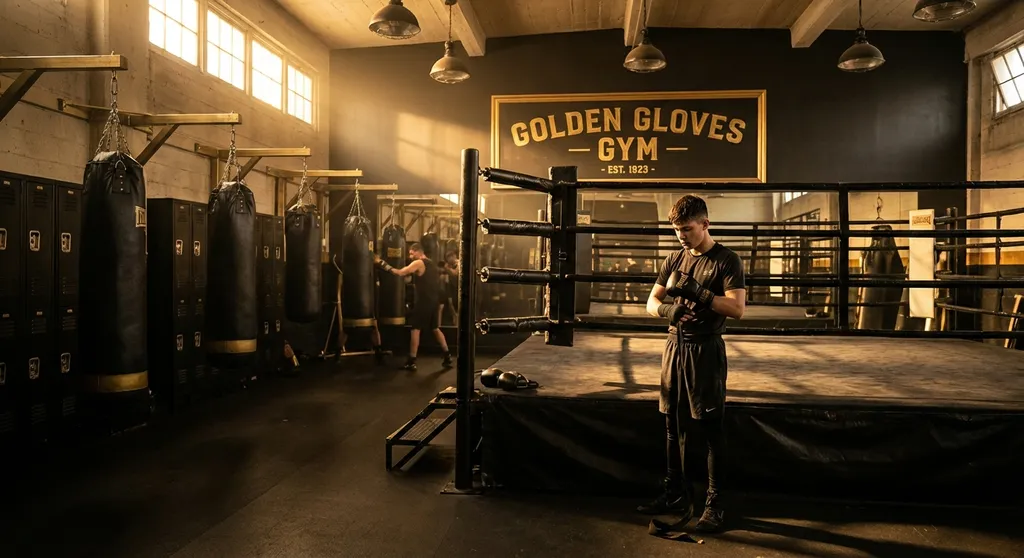
For Children Who Are Specifically Nervous
Some children have significant anxiety about trying new things. For these children, the conversation before the first session matters even more.
Specific reassurance about the physical environment helps. Describe what the gym looks like - a room with bags hanging from the ceiling, a boxing ring, coaches and other children working. The unknown is often more frightening than the reality.
Normalise the nervousness: "It is normal to feel nervous about something new. The nervousness does not mean you should not go."
Agree on an exit plan: "If you try it and really cannot manage it, you can tell me and we will leave." This is rarely needed but the knowledge that they have control over the situation makes many anxious children able to manage environments they would otherwise refuse.
For Children Who Are Resistant
Some children do not want to go. The resistance might be genuine - boxing is not right for them - or it might be avoidance driven by anxiety.
The distinction matters. Genuine preference should be respected. Anxiety-driven avoidance usually improves if you can get the child through the first session.
One approach: "I would like you to try it once. If after one session you really do not want to go back, we will not." Most children who attend once and try it properly will go back.
Do not bribe with rewards for attending. It creates an association between boxing and getting something else, rather than between boxing and how it makes them feel.
For Children Who Are Over-Enthusiastic
Equally common: children who arrive with inflated expectations based on boxing films, video games, or older friends' stories. These children sometimes become very deflated when session one involves learning how to stand properly rather than performing dramatic combinations.
Prepare them: "The first few sessions are about basics. It will feel slow. Every boxer who is good at it now spent months on the basics first."
The first session is the hardest to sit through for over-enthusiastic children. If they can get through sessions one through four, the skill development starts to catch up with their excitement.
At Honour and Glory, our coaches are experienced with children at every starting point. Claim a free trial and come along together.
H&G Team
Writer at Honour & Glory Boxing Club, a community boxing gym in Kidbrooke, South East London.
KEEP READING
What Age Can My Child Start Boxing?
Honour and Glory group junior classes start from age 7. Here is how to judge age, readiness, safety, and the right first class.
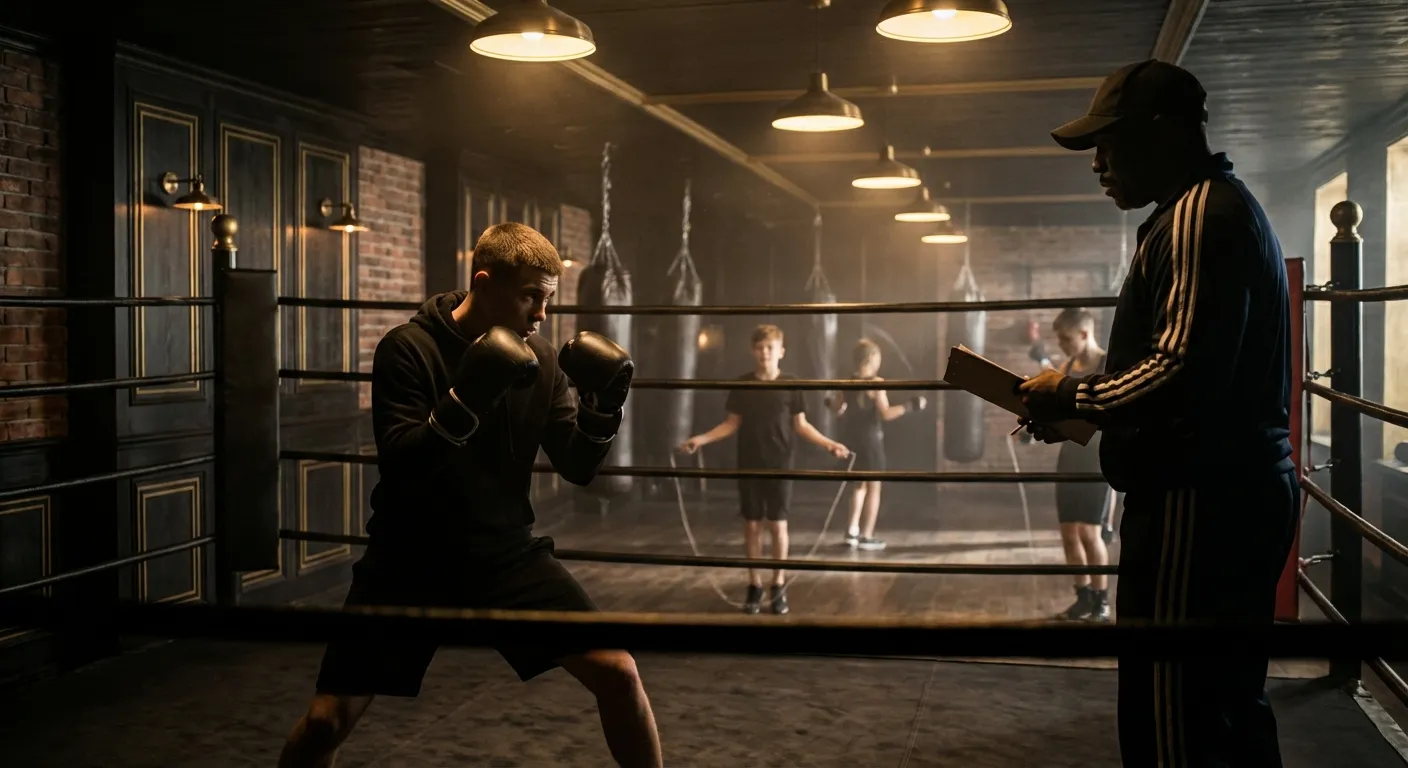
Your Child's First Boxing Class: What to Expect as a Parent
First boxing class nerves are normal for children and parents alike. Here is exactly what happens in a well-run first session and how to help your child get the most from it.
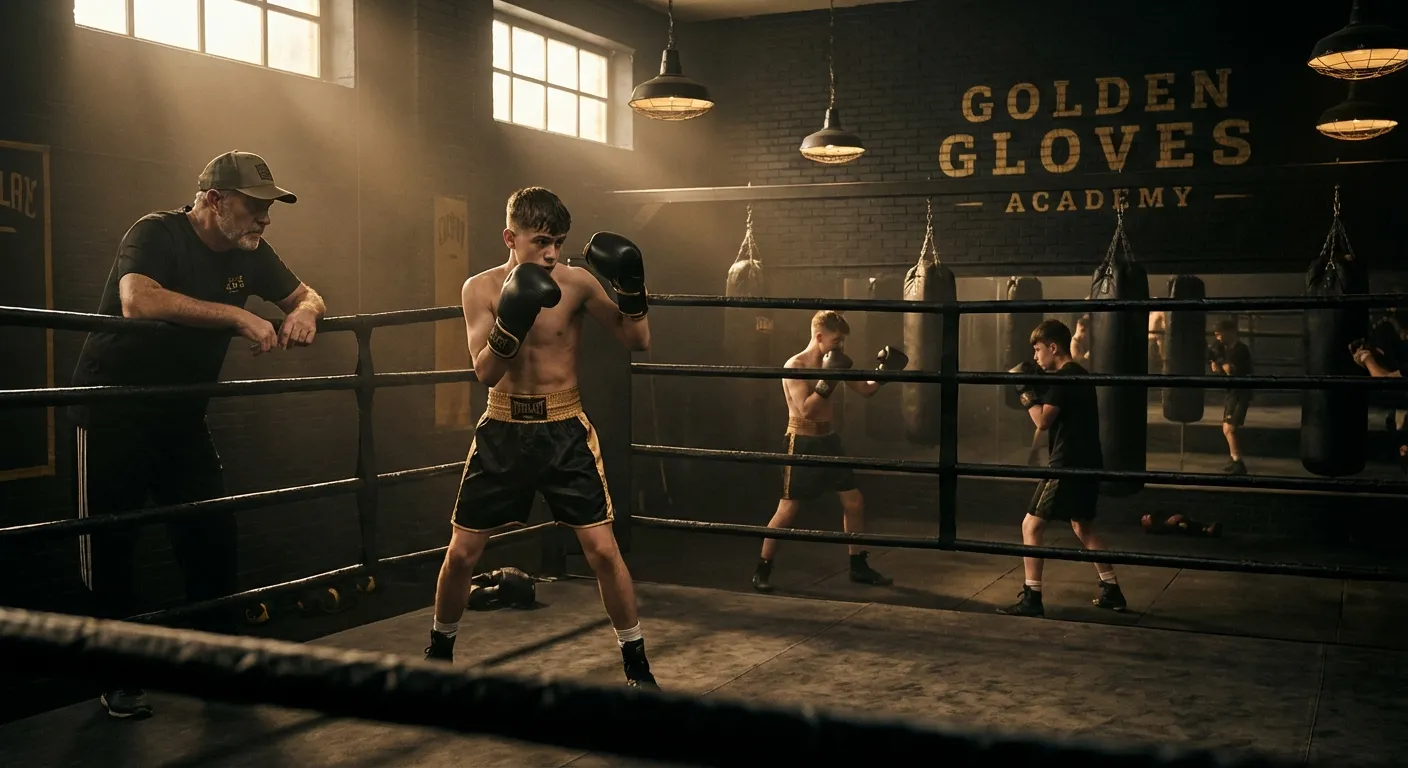
What to Buy for Your Child's First Boxing Class
The short answer: almost nothing, for the first session. Here is exactly what your child needs at each stage of their boxing journey, with specific recommendations.
Was this page helpful?
It takes one tap, and it genuinely helps.
Choose your next step
Turn this article into the right action
Some readers are ready to book. Some need the class route first. Pick the route that matches what you actually want.