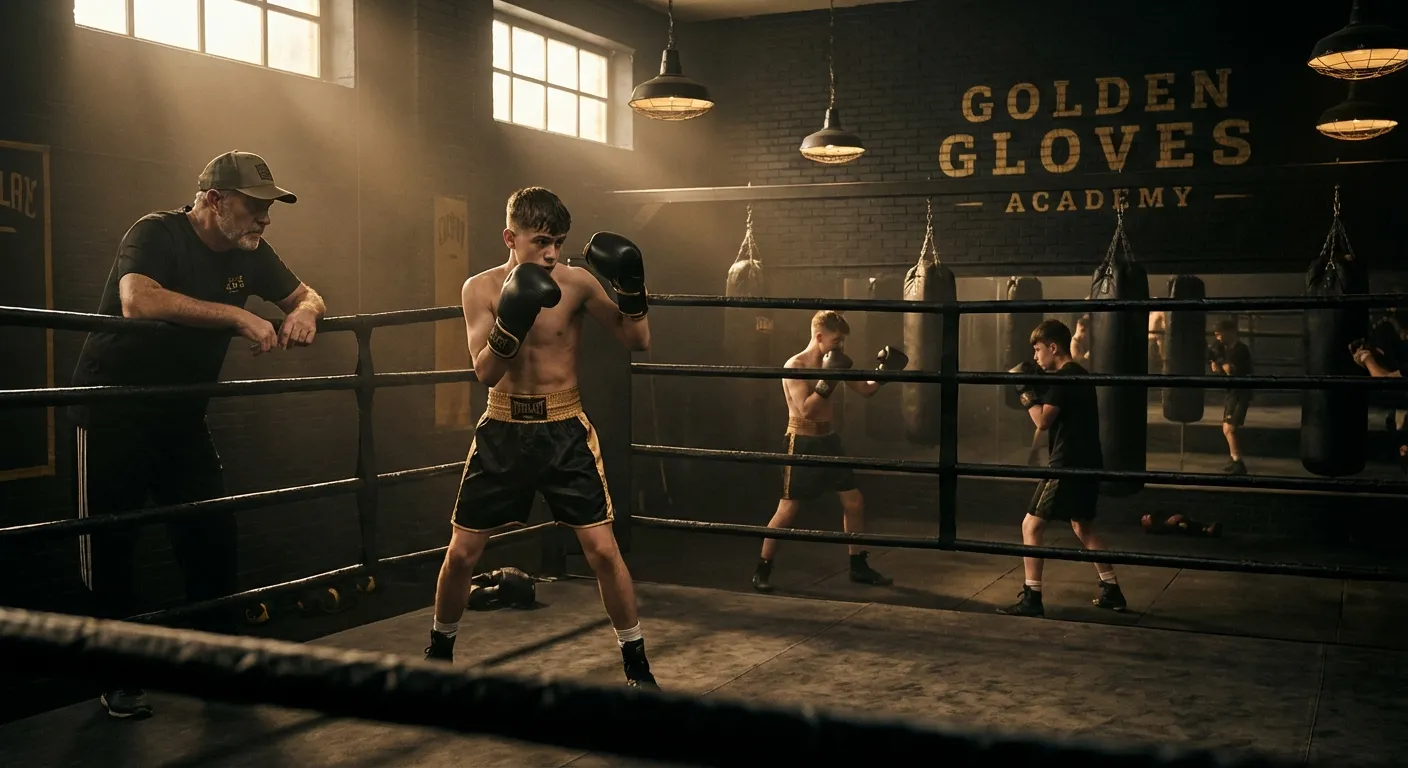
England Boxing's equipment guide for youth defines minimum requirements for children joining an affiliated club. Decathlon UK's junior boxing range provides accessible entry-level options.
Parents new to boxing often arrive at a first session having already bought full equipment that their child does not need yet. Or they arrive worried that they should have bought something and have not. Here is exactly what the situation is.
For the First Session: Almost Nothing
- Comfortable sports clothing they can move in (shorts or tracksuit bottoms, a t-shirt)
- Trainers with a flat sole (running shoes work; football boots do not)
- A water bottle
- Hair tied back if it is long enough to get in the way
That is it.
Every good boxing gym provides gloves for beginners to try. The gym has bags, pads, and all the equipment needed to run a session. You do not need to invest in anything before the first session.
Do not buy gloves before the first class. You do not know yet whether your child will want to continue, and gloves bought blind are often the wrong size, wrong type, or wrong weight.
After the First Few Sessions
Once your child has been a few times and clearly wants to continue, the first things to buy are:
Hand wraps
Cotton wraps that go on the hands under gloves. They protect the small bones of the hand and wrist. A pair of inner gloves (like fingerless gloves with padding over the knuckles) can substitute.
Cost: £3-£10 for wraps. The coach will show your child how to wrap correctly.
Mouthguard
An essential piece of safety equipment for any session involving pad work or partner work.
For children, a custom-fitted mouthguard from a dentist is best if budget allows (£50-£150). A good quality boil-and-bite mouthguard from a sports shop is adequate for club training (£10-£25). Avoid very cheap mouthguards - they do not fit properly and children end up not wearing them.
Groin guard (for boys)
Required for any competitive or sparring work. Not always needed for recreational classes. Ask the coach at what stage it becomes relevant.
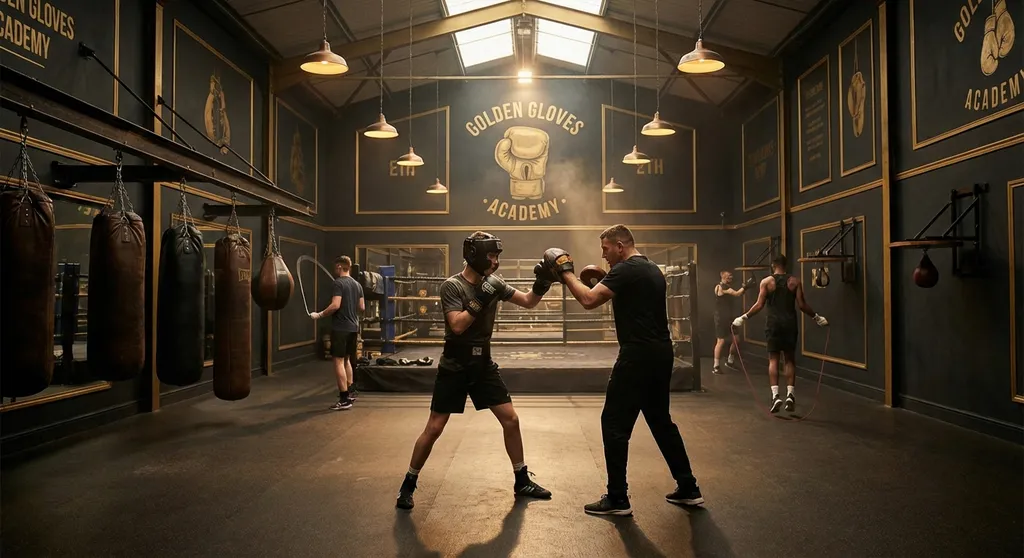
The First Glove Purchase
When your child is regularly attending and the coach recommends getting their own gloves, here is what to look for.
Weight
Children's gloves typically run from 4oz through to 14oz. For junior bag and pad work, 10oz is the standard for older children (10-16). For younger children or smaller hands, 8oz.
Do not buy 16oz gloves for a child. The extra weight is too much for developing muscles.
Brand
Mid-range brands are the right choice for children. You are not buying gloves that need to withstand 1,000 sparring sessions. You are buying gloves for regular club training.
Lonsdale, Leone, Everlast, and Title all make decent mid-range children's gloves at £25-£60. This is the right price range. Very cheap gloves (under £20) have inadequate padding that becomes dangerous quickly. Very expensive gloves (over £100) are unnecessary for club-level junior training.
Fit
Hands in gloves should feel secure, not loose or cramped. Some wiggle room for the fingers is fine - enough that you can make a fist comfortably. Have your child try them on before buying if possible, or buy from a retailer with a good return policy.
Type
For junior training, lace-up gloves are inconvenient (need someone else to lace and unlace for every session). Velcro/hook-and-loop fastening is practical for children.
Headguard
A headguard is only needed if your child reaches the stage of sparring, which comes after months of pad work and bag work and is the decision of the coach.
When the time comes, the coach will advise on appropriate headguard specification for the level your child is competing or sparring at. Do not buy a headguard speculatively.
The Competition Kit (If and When)
For children who reach amateur competition level, England Boxing specifies the kit requirements - typically a vest, shorts, and headguard in club colours. The club will advise on this when relevant (source).
Most clubs have club kit available to borrow for early competitions while members decide whether competing is something they want to continue.
Total Cost at Each Stage
Session 1: £0 additional equipment
Months 1-2: £10-35 (wraps and mouthguard)
Months 3-6 (if continuing): £30-70 (first gloves)
Competition stage: Variable depending on whether club kit is purchased
Boxing is not an expensive sport to start. The myth that martial arts require significant equipment investment before you begin comes from adult perceptions of professional-level kit, not from what children actually need at club level.
For more information about what to expect in the first few sessions, read our guide to your child's first boxing class, or come in and ask the coaches directly when you book a trial session.
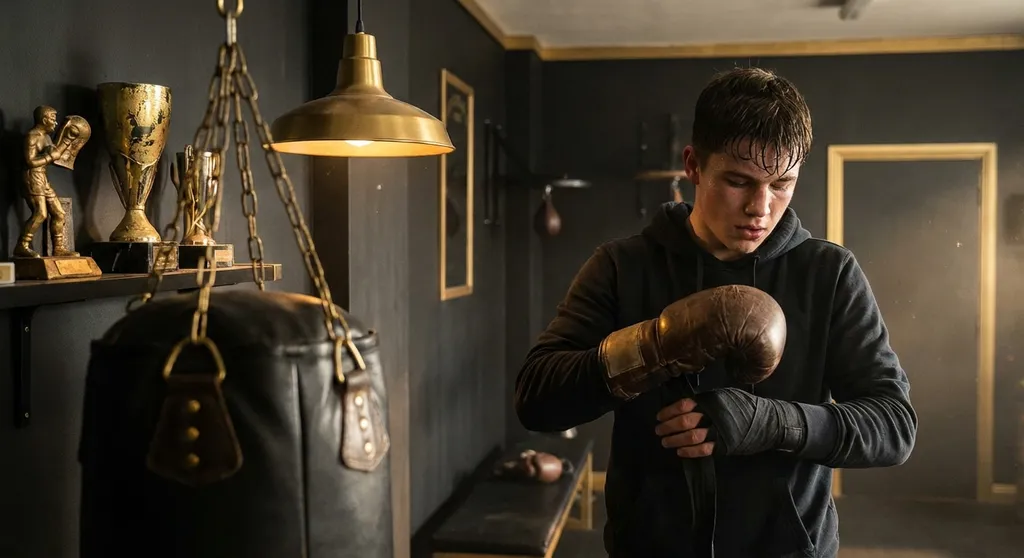
The Junior Recreational class is where most members begin.
H&G Team
Writer at Honour & Glory Boxing Club, a community boxing gym in Kidbrooke, South East London.
KEEP READING
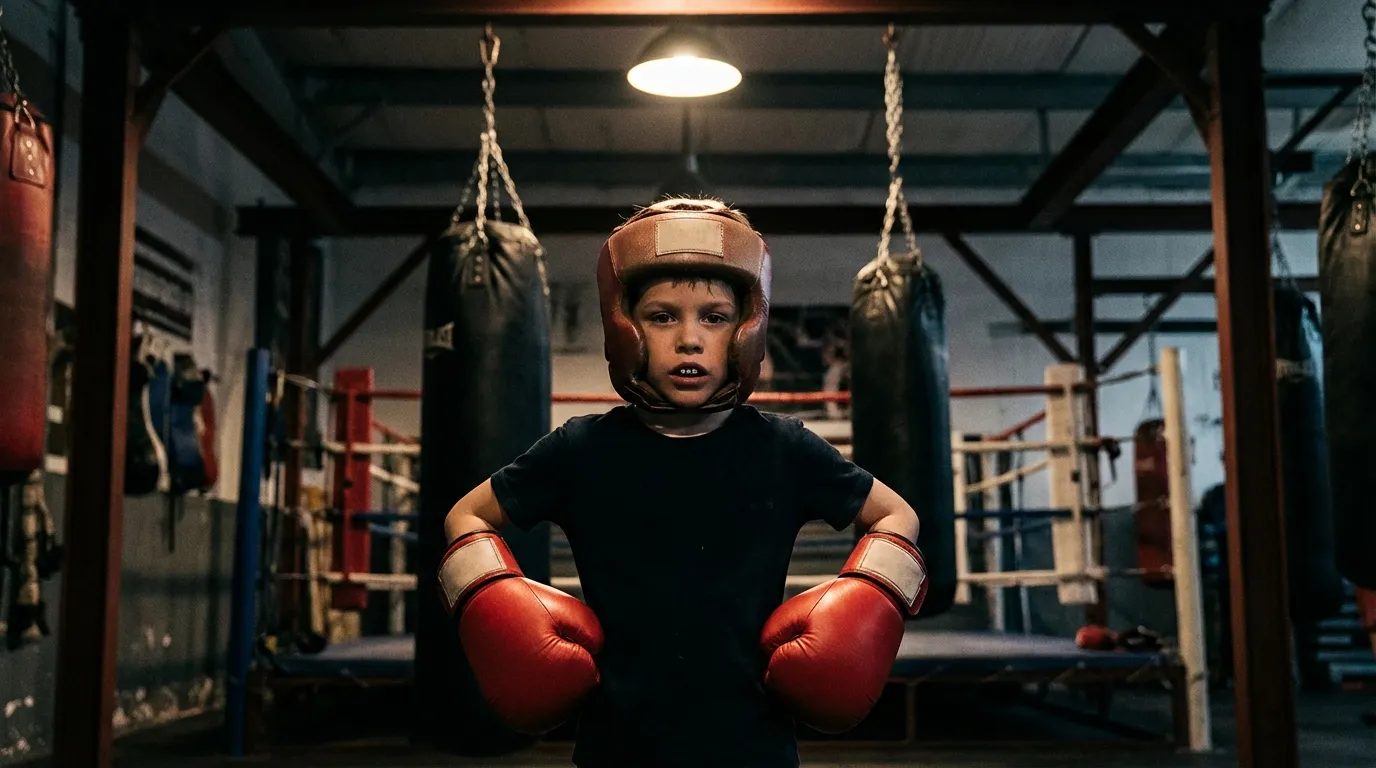
Boxing Kit for Kids: What to Buy
What boxing equipment children actually need, when to buy it, and what is a waste of money. A guide from coaches who work with kids aged 7 to 16 every day.
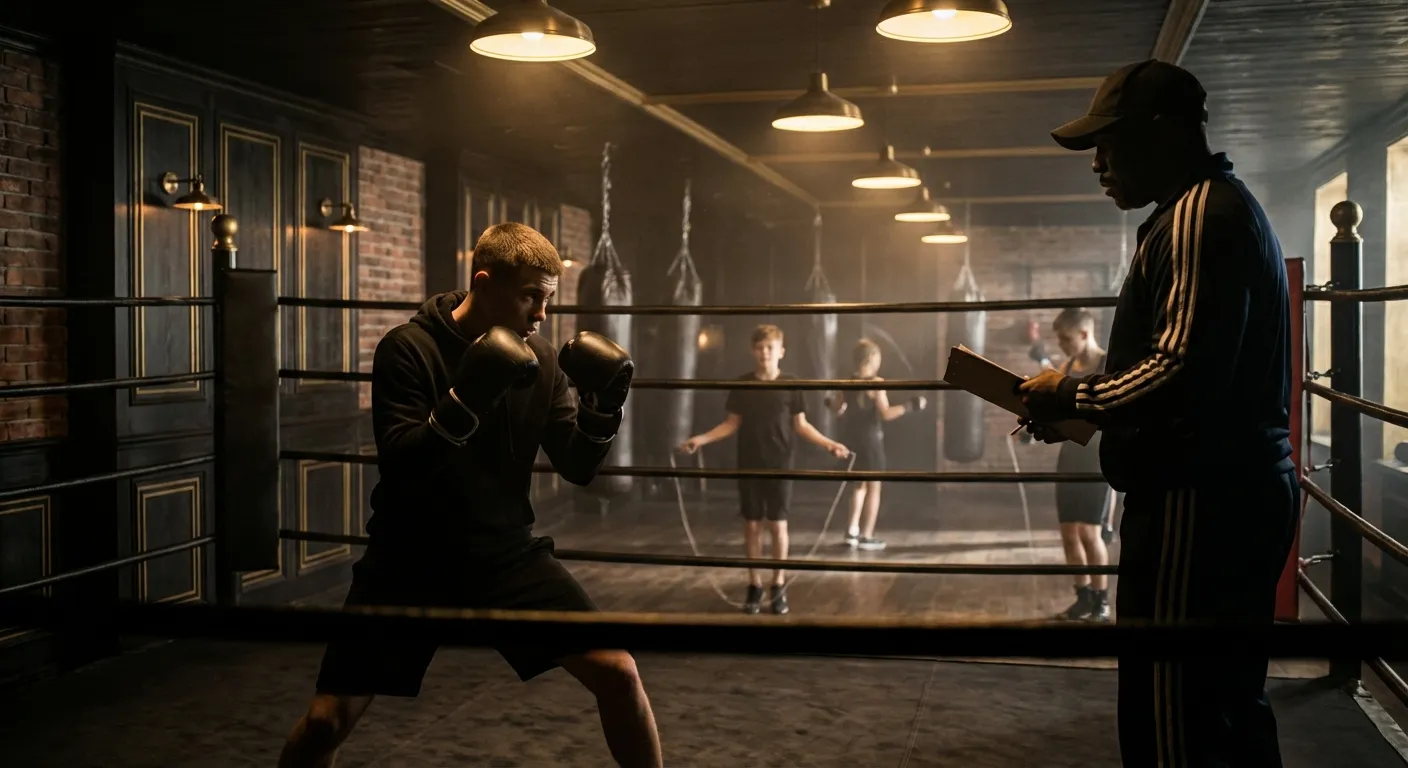
Your Child's First Boxing Class: What to Expect as a Parent
First boxing class nerves are normal for children and parents alike. Here is exactly what happens in a well-run first session and how to help your child get the most from it.
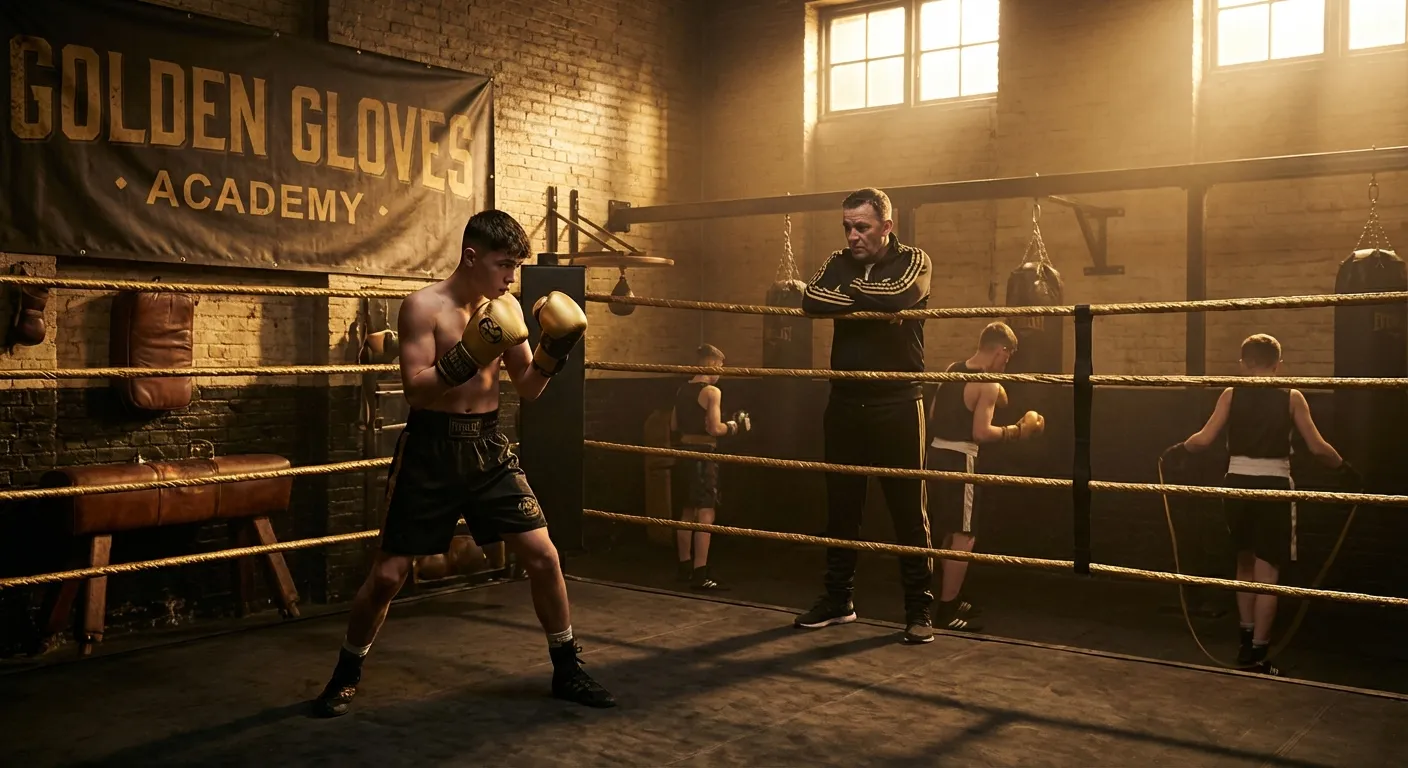
What Actually Happens in a Children's Boxing Class
Parents wondering what goes on inside a children's boxing class can stop wondering. Here is a detailed, session-by-session account of what actually happens over the first few months.
Was this page helpful?
It takes one tap, and it genuinely helps.
Choose your next step
Turn this article into the right action
Some readers are ready to book. Some need the class route first. Pick the route that matches what you actually want.