What Actually Happens in a Children's Boxing Class
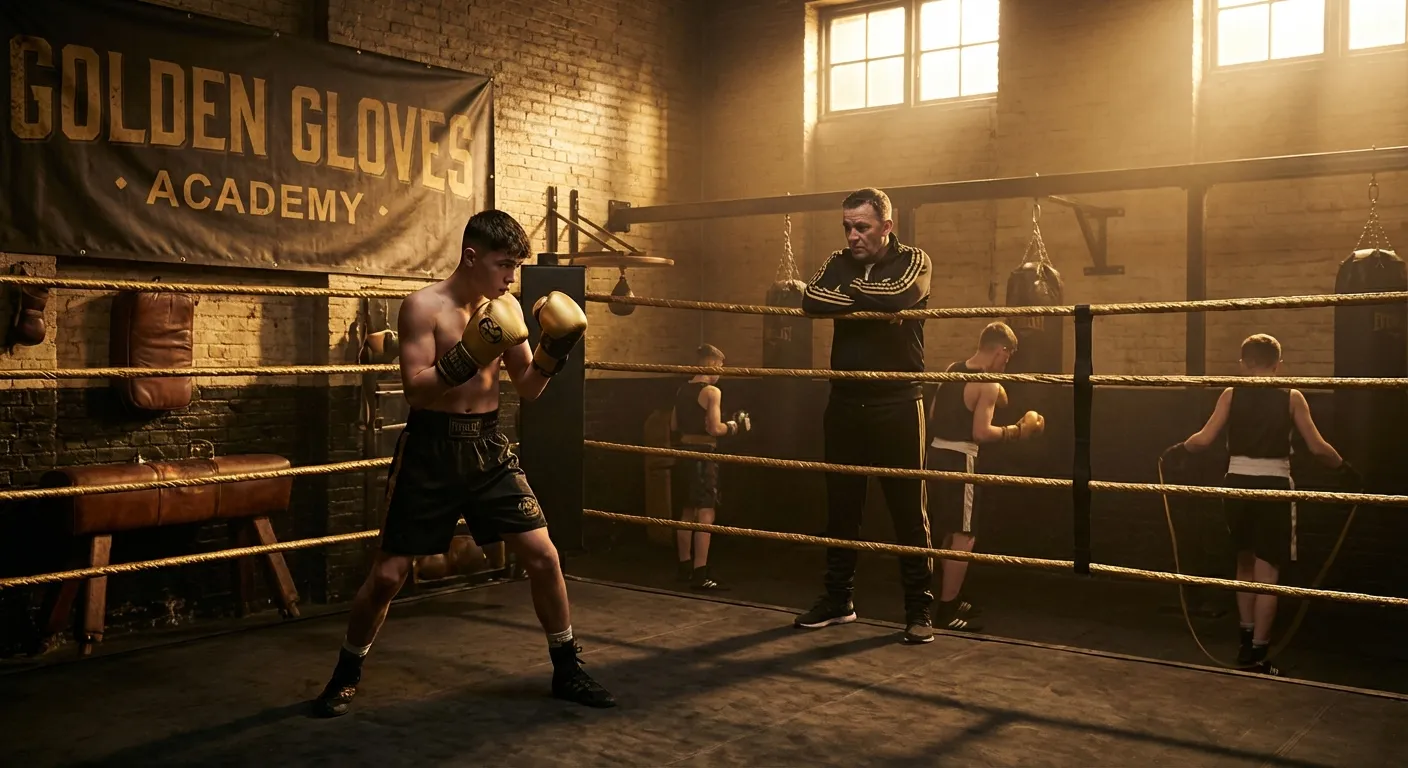
UK boxing governing bodies set age-appropriate guidelines for children's boxing sessions; at Honour and Glory we follow the Amateur Boxing Alliance framework. Research on children's motor learning in sport supports the phased introduction of techniques used in H&G's junior programme.
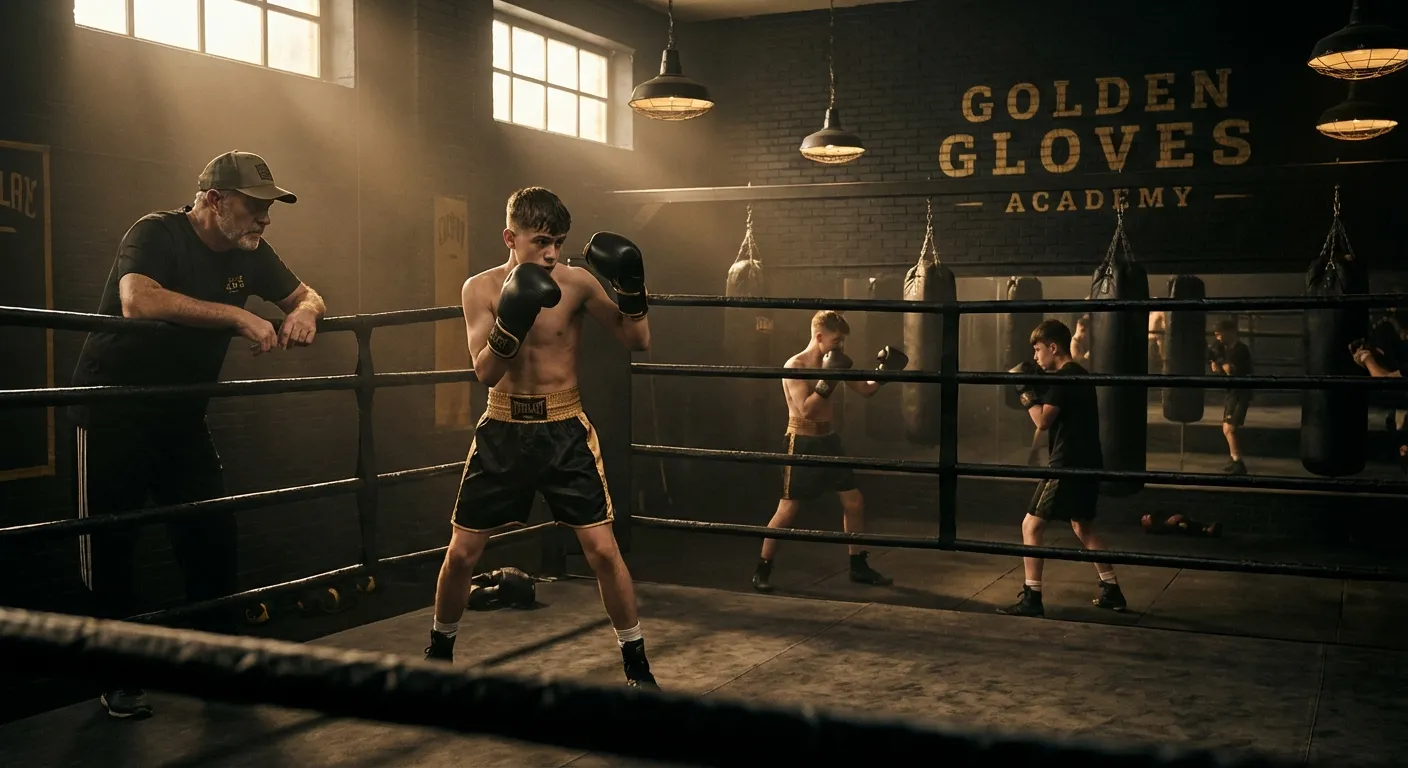
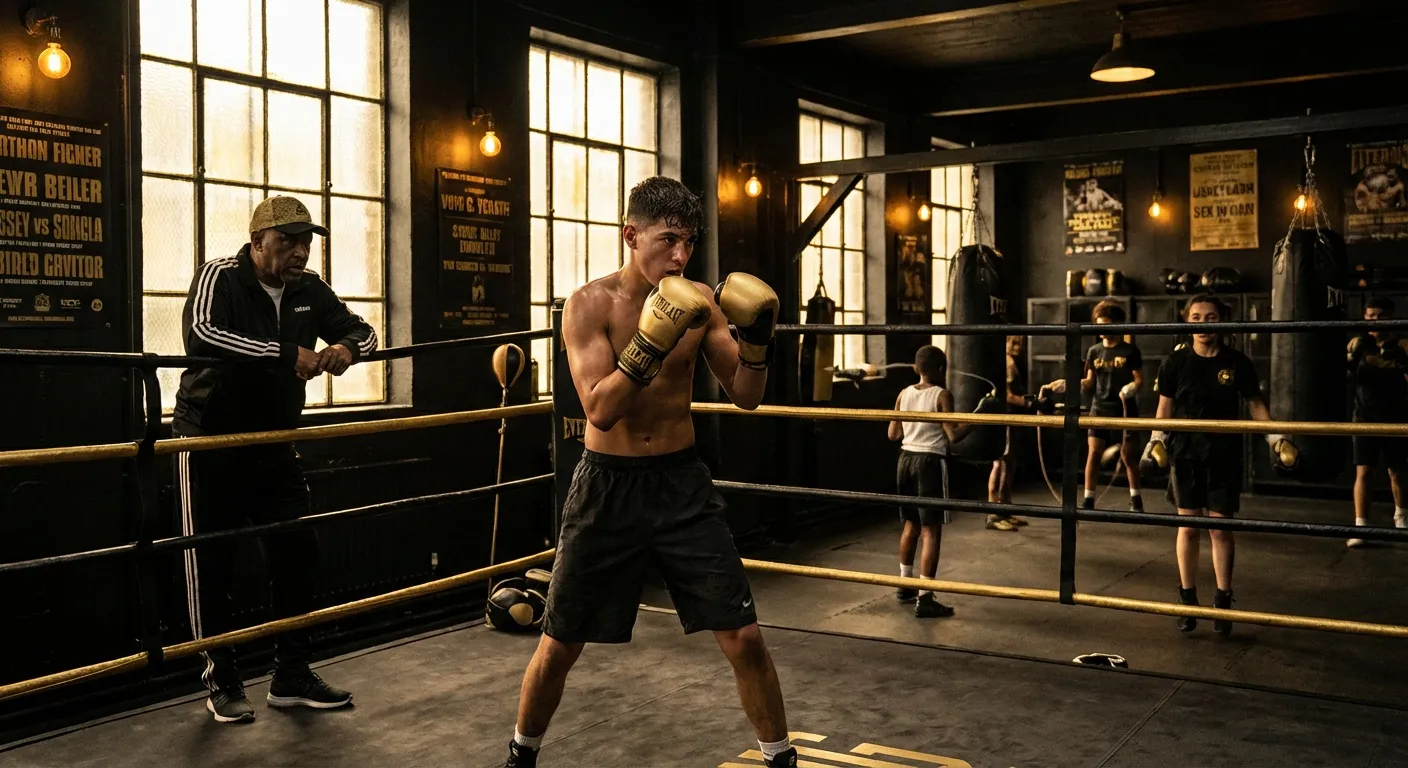
Parents who bring their children to boxing and then wait outside the gym often wonder what is actually happening in there. The imagination tends towards either extreme, dramatic fighting or aimless exercise. The reality is more structured and more interesting than either.
It helps to know what the sessions are quietly building. The NHS recommends that children aged 5 to 18 average at least 60 minutes of moderate or vigorous activity a day across the week, take part in a variety of activities to develop movement skills, muscles and bones, and do strengthening activities on three days. A well-run boxing session covers all of that.
Here is a detailed account of what actually happens in a well-run children's boxing programme, from session one through to the first year.
Sessions 1-5: The Foundation
The first five sessions at any well-run club are entirely about fundamentals. No combination work, no partner work, no sparring.
Session 1: Stance and the jab
Children learn the boxing stance. Left foot forward for orthodox, right foot forward for southpaw. Weight balanced, knees slightly bent, hands up. This takes more time than adults expect. There are multiple components, and children have to resist the instinct to stand in their natural comfortable position.
The jab follows. Lead hand extended straight from the guard, shoulder rotating forward, hand twisting at the point of extension, returning immediately. The coach demonstrates, the children attempt it, the coach corrects individually.
Bag work for the final ten minutes. Children apply the jab to the bag. Most first attempts are wild. By the end of the session, the majority are making contact with something resembling the correct technique.
Sessions 2-3: The cross and the first combination
The cross is the rear hand thrown straight in a line. The hips rotate more significantly than in the jab. Children often find this harder because the rotation is less intuitive.
The one-two combination: jab, then cross. The first combination every boxer learns. Practised on the bag until the coaches are satisfied with the execution.
Sessions 4-5: Movement and defence
Footwork. Moving forward without crossing the feet. Moving backward without crossing the feet. Lateral steps. This is where many children find boxing difficult, because the footwork requires overriding habitual walking patterns. Coordination, balance and control of the body in space are fundamental movement skills that researchers link to physical literacy and staying active later in life.
Basic defence is introduced: the high guard, slipping the head outside a jab line. Children practise these in shadow boxing before any partner application.
Sessions 6-12: Building the Toolkit
The second phase of development adds the hook and uppercut, introduces combination work up to three or four punches, and begins developing defensive reflexes.
The hook requires a bent arm, a pivot off the front foot, and the elbow at shoulder height. Technically the most demanding of the four basic punches and the one most children take longest to develop cleanly.
The uppercut rises from a slightly crouched position, twisting from the hips. At this stage, children are mostly learning the movement pattern on the bag rather than developing power.
Combinations extend: one-two-three (jab-cross-hook), one-two-five-two (jab-cross-left uppercut-cross), and others depending on the coach's priorities.
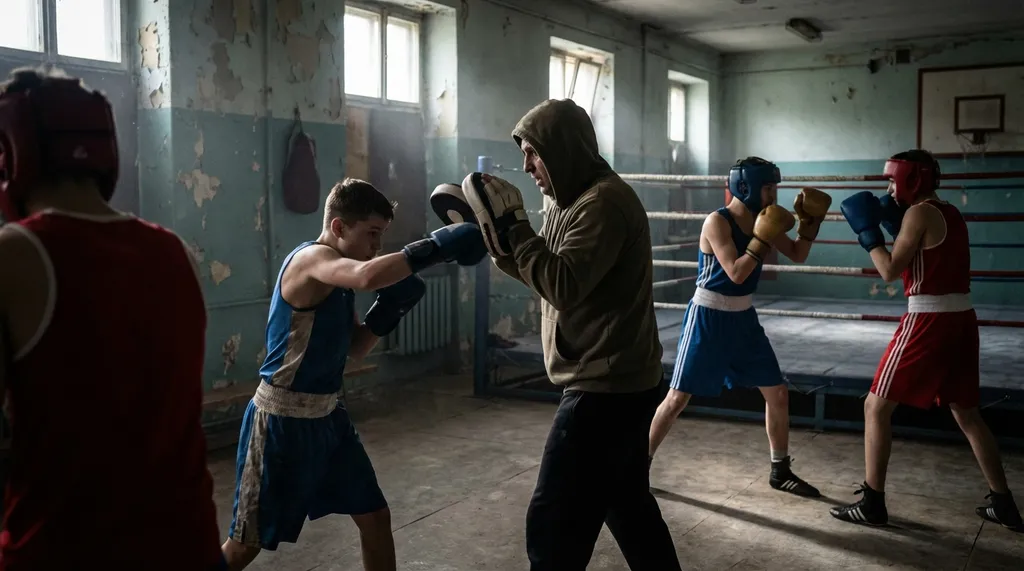
Pad work is introduced for children who are ready, typically around session eight to ten. The coach holds pads for the child, calling combinations and moving the pads to give a moving target. Pad work is more cognitively demanding than bag work, and children respond to it with visible focus. A good coach now corrects faults one at a time, picking the one that matters most that week rather than overloading the child.
Sessions 13-24: Refinement and Challenges
The third phase focuses on making what has been learned actually work under slightly more pressure.
Shadow boxing becomes more central. Three minutes of shadow boxing where the child must maintain correct technique throughout, not just throwing occasional punches but moving, defending, and punching continuously.
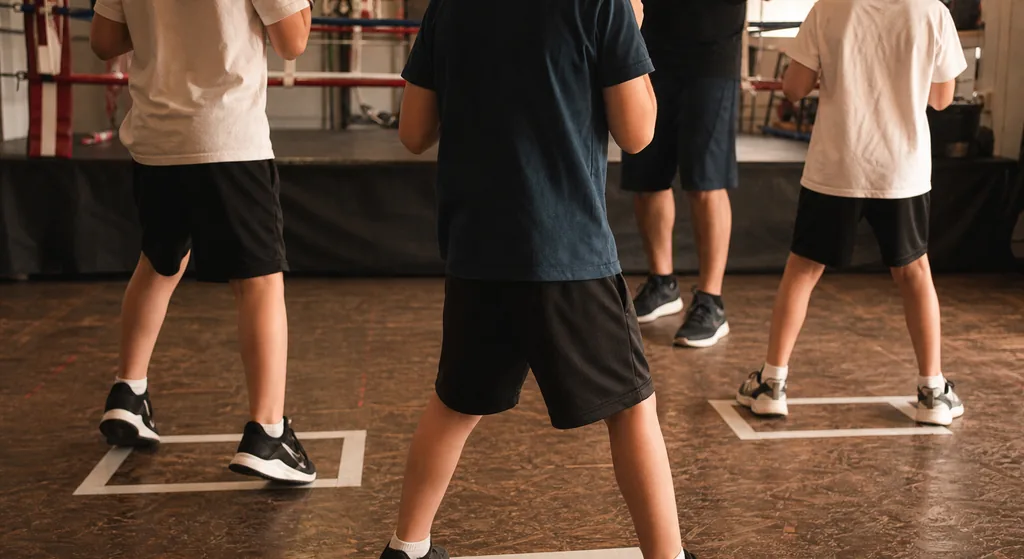
Partner drills, which are not sparring. One child makes a set attack, the other practises a set defence, and then they swap. The contact is minimal and controlled, and the coach sets the limits before anyone starts. This is the first time children work with a moving, responsive partner rather than a bag, and it is where they learn the habits that keep training safe: control the punch and stop on command.
Conditioning becomes more challenging. The fitness demands of boxing are significant and the first year gradually builds the base. Circuits, skipping intervals, and specific boxing fitness drills are integrated.
What Parents Notice Over Time
Parents tend to report the same changes, and they rarely arrive in the order people expect.
At Honour and Glory, the policy is: Parents and carers cannot stay to watch sessions. Please speak to the coach before the class if your child needs help settling in.
The first thing most parents notice is not punching at all. It is that their child can stand still and listen. A session asks a child to take an instruction, hold a position, and wait for the next cue. For children who find sitting still difficult, several parents have told us this shows up at home and at school before it shows up on the bag.
The second change is easy to miss: the child starts correcting themselves. Early on, a coach says "hands up" and the child lifts the guard. A few months in, the child lifts the guard before the coach speaks. The technique has become a habit rather than an instruction.
What parents do not usually see is steady week-on-week improvement, because that is not how children learn movement. Progress tends to sit flat and then jump. A child can look stuck for a month and then throw a clean combination that was not there before. The flat periods are where the work is absorbed.
After the First Year
Children who have been training for a year have a real foundation. Their technique is recognisable as boxing. Their fitness is substantially better than when they started. They have begun to understand the tactical side of the sport, reading distance and choosing when to move and when to throw.
At this stage, for those who want it, the pathway to amateur competition opens. England Boxing runs age-banded junior and youth championships, and entry-level bouts are short and closely matched on age and weight. The coaches at Honour and Glory assess readiness individually. Competition is never pressured and always supported, and many children train happily for years without ever choosing it.
For those who want to continue recreationally, the development continues without competition needing to be involved.
H&G Team
Writer at Honour & Glory Boxing Club, a community boxing gym in Kidbrooke, South East London.
KEEP READING
Your Child's First Boxing Class: What to Expect as a Parent
First boxing class nerves are normal for children and parents alike. Here is exactly what happens in a well-run first session and how to help your child get the most from it.
What to Buy for Your Child's First Boxing Class
The short answer: almost nothing, for the first session. Here is exactly what your child needs at each stage of their boxing journey, with specific recommendations.
ADHD and Boxing: Structure, Movement and Coaching
Some children with ADHD respond well to structured sport. Boxing can help when the class is calm, coached clearly and paced around the child.
Was this page helpful?
It takes one tap, and it genuinely helps.
Choose your next step
Turn this article into the right action
Some readers are ready to book. Some need the class route first. Pick the route that matches what you actually want.