Your Child's First Boxing Class: What to Expect as a Parent
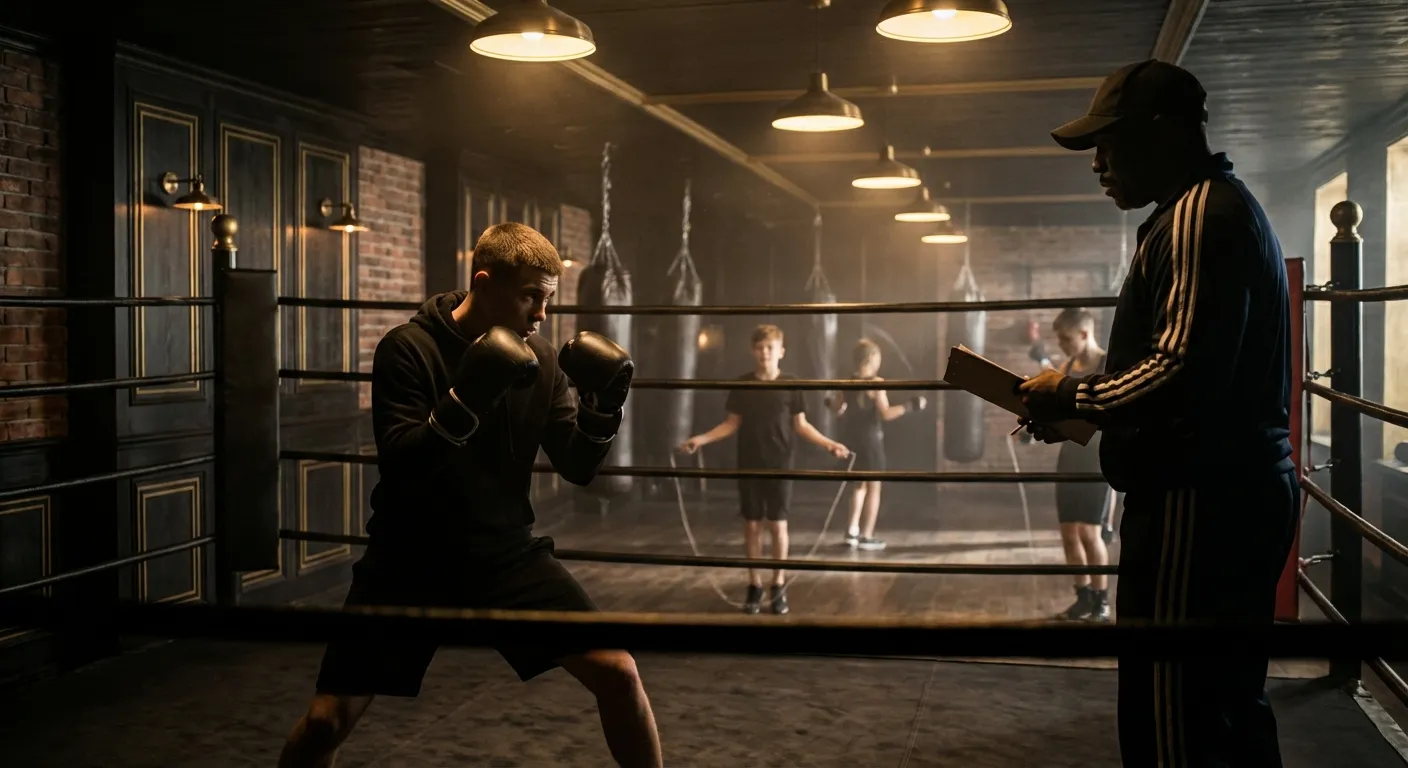
England Boxing's parents guide covers what families should expect at a first junior boxing session. Research on parental involvement in youth sport shows parental support as the single biggest predictor of long-term youth sport participation.
Most parents bringing a child to their first boxing session do not know what to expect themselves. This is completely normal. Boxing is a sport that exists at some remove from mainstream cultural visibility, and parents who never boxed have no reference point.
Here is what actually happens, and how to make the experience work for your child.
Before the Session: Preparation
What to bring
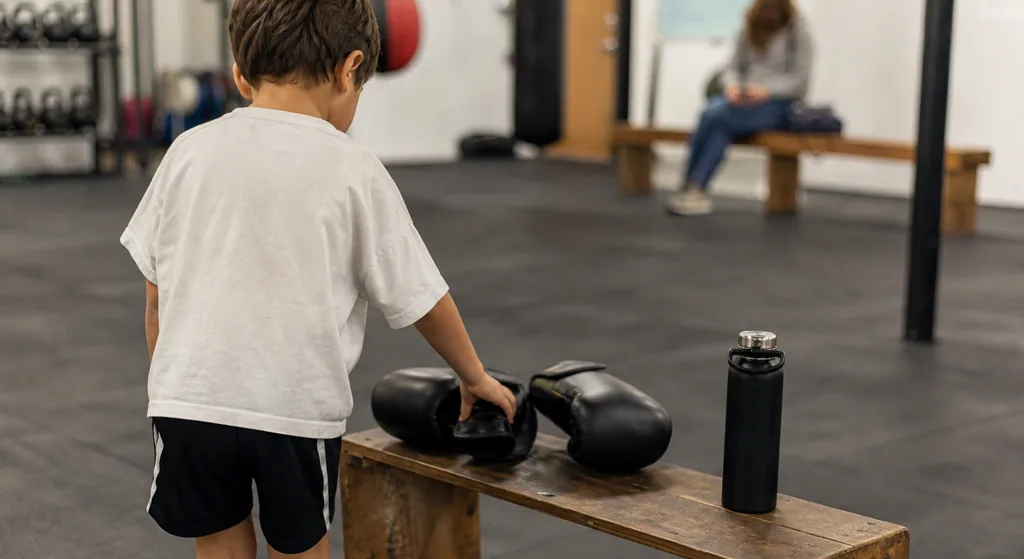
Comfortable sports clothing, flat-soled trainers, and a water bottle. Nothing else is needed for the first session.
What not to do
Do not tell your child that boxing is dangerous. If you are nervous about the sport, keep this to yourself. Children read their parents' anxiety and arrive with a readiness to confirm it.
Do not over-hype it. "This is going to be amazing" sets an expectation that one session of learning to stand correctly probably will not meet.
A neutral framing works best: "We are going to try this and see what you think."
What to prepare your child for
Tell them they will not be punching anyone on their first session. They will be learning how to stand, how to move, and how to hit a bag. Nobody will be trying to hit them.
This matters because the primary fear most children bring to a first boxing session is the fear of being hurt. Addressing it directly removes it.
Arriving at the Gym
A good club will greet new members warmly. If nobody acknowledges you in the first two minutes, this is information about the club's culture.
The coach or a club representative should introduce themselves, explain what will happen in the session, and ask if your child has any questions or concerns.
Let your child answer questions themselves. Resist the temptation to answer on their behalf. The relationship between your child and the coach begins here, and it works better if it begins directly.
The First Session Structure
A well-run first session for children follows roughly this structure:
Welcome and introduction (5 minutes)
The coach introduces themselves to the whole group, states the rules of the gym, and explains what will happen. For a new child, this sets expectations and reduces uncertainty.
Warm-up (10-15 minutes)
Usually involves running, skipping, or movement exercises. Nothing boxing-specific. The aim is to get the body ready and to let children settle into the environment through familiar physical activity.
Stance and footwork (10 minutes)
First technical content. How to stand, how to move forward and backward, how to step sideways without crossing the feet. This is deceptively simple and most children find it harder than expected, which is a useful lesson in itself.
The jab (10-15 minutes)
The first punch. Taught in stages: hand position, arm extension, rotation, return. The coach will demonstrate and then work with children individually. This is where the quality of coaching becomes visible - how patiently and clearly the technique is explained.
Bag work (10-15 minutes)
Applying what was just taught to the heavy bag. This is the moment most children have been waiting for and it usually produces visible enthusiasm. Hitting a bag for the first time is satisfying in a way that technique instruction cannot quite prepare you for.
Cool-down and questions (5 minutes)
Light stretching and space for questions. A good coach will ask the children what they found difficult and what they enjoyed.
What Your Role Is During the Session
The best thing a parent can do during their child's first boxing session is stay out of the way.
You can watch from the side - most clubs have a waiting area where parents can observe. But do not coach from the sidelines, do not offer corrections, and do not make eye contact with your child in a way that invites them to look at you for guidance rather than at the coach.
Your child needs to develop a relationship with the coach. Your visible presence during the session can slow this. If the gym asks parents to wait outside, comply - this is for your child's benefit.
After the session is the time for discussion.
After the First Session
Questions to ask your child that produce useful information:
"What did you find hard?"
"Was there anything the coach said that you did not understand?"
"Did you talk to any other children?"
Questions to avoid:
"Did you like it?" (puts them on the spot with a binary)
"Were you scared?" (plants the idea if they were not)
"Do you want to go back?" (too soon to ask in the car park)
Give it a day before deciding anything. Children often need to process new experiences before they know how they feel about them.
The Realistic First Session
Your child will probably not leave the first session glowing with enthusiasm for their new sport.
They may leave tired, a bit confused about the technique, slightly unsure what to make of the environment. This is normal. Boxing is not a sport that clicks in one session.
The indicator to watch for: did they stop themselves from quitting in the moment? Did they stick with something difficult? If yes, bring them back for session two. Session two is usually significantly better.
We run free trial sessions at Honour and Glory specifically so that children can experience the gym before any commitment is made. Come in and find out.
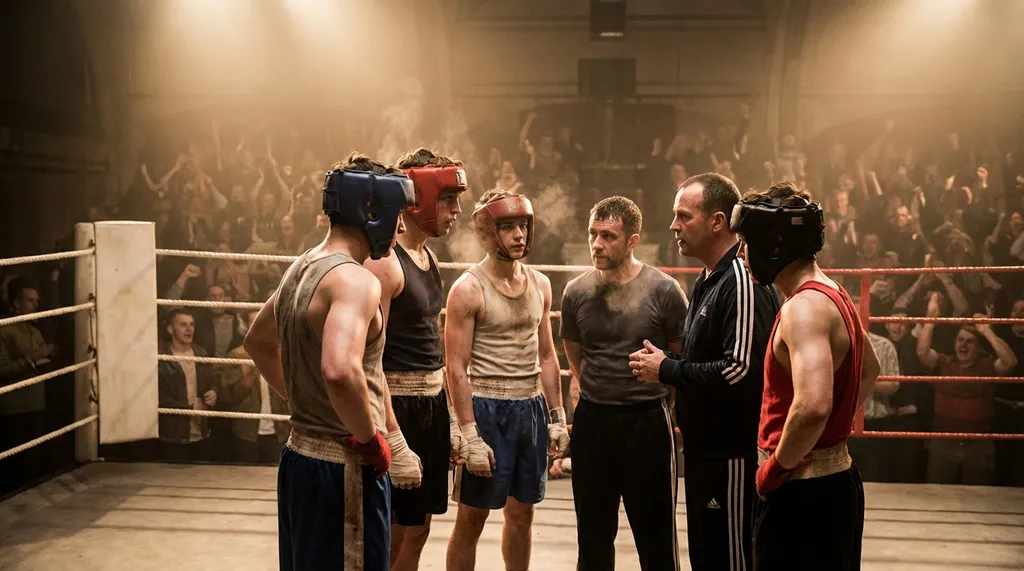
The Junior Recreational class is where most members begin.
H&G Team
Writer at Honour & Glory Boxing Club, a community boxing gym in Kidbrooke, South East London.
KEEP READING
What Actually Happens in a Children's Boxing Class
Parents wondering what goes on inside a children's boxing class can stop wondering. Here is a detailed, session-by-session account of what actually happens over the first few months.
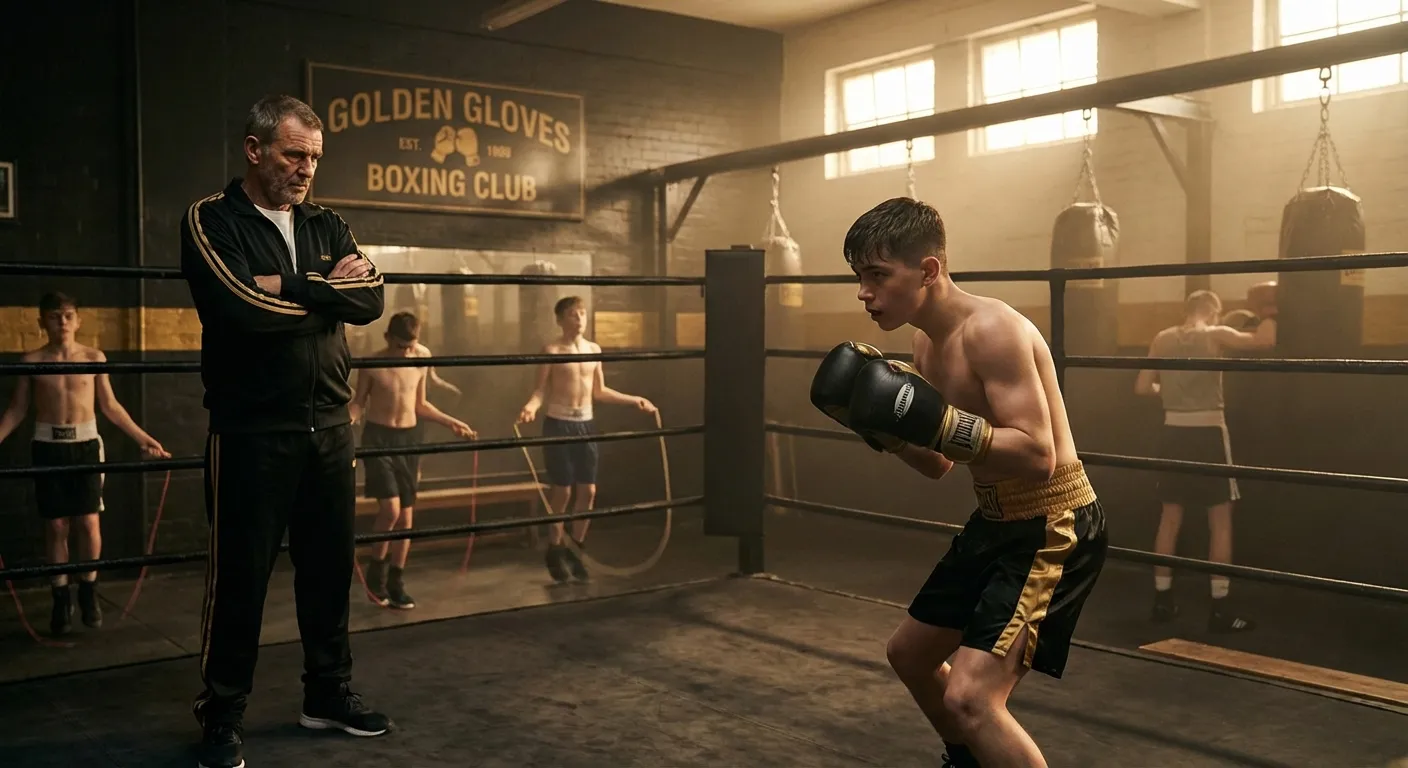
How to Talk to Your Child About Starting Boxing
The conversation you have with your child before they first try boxing matters. Here is how to frame it in a way that sets them up for the best possible first experience.
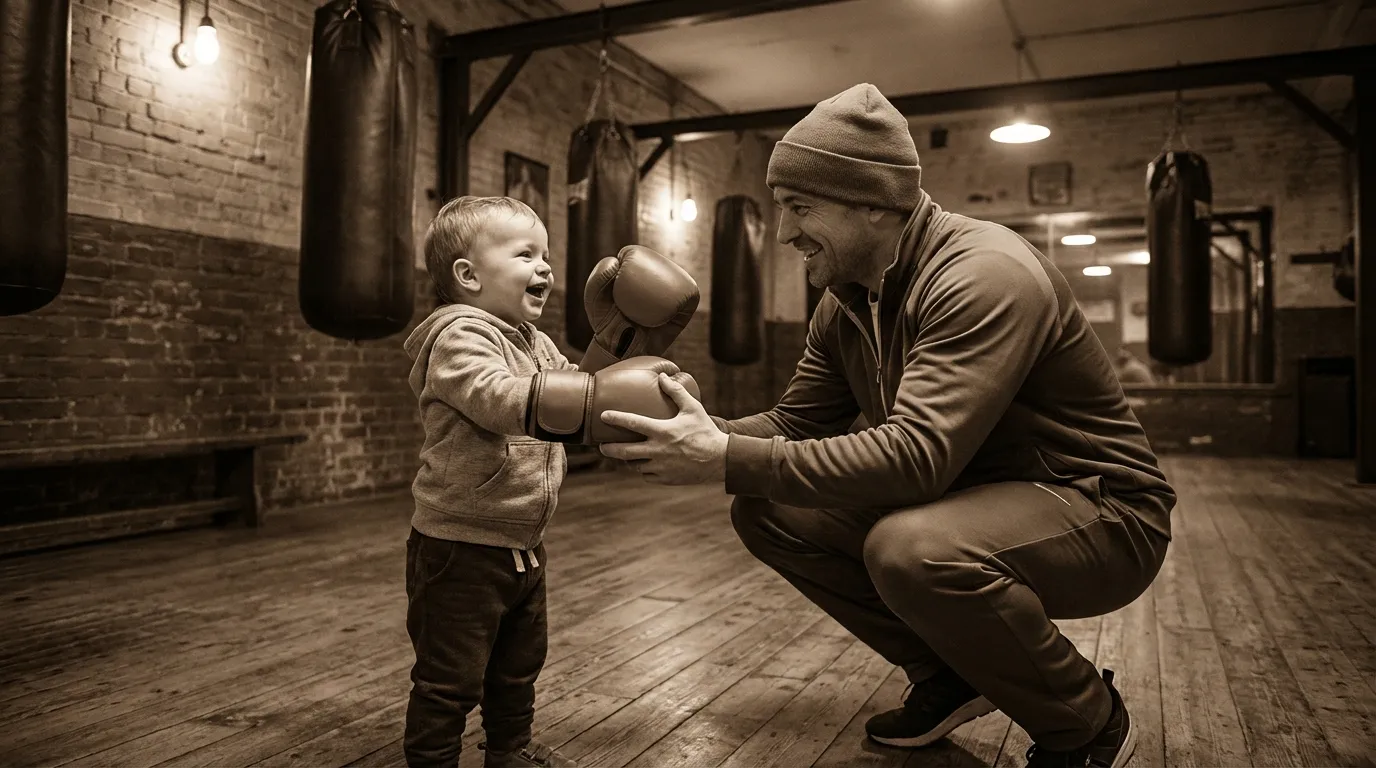
What Age Can My Child Start Boxing?
Honour and Glory group junior classes start from age 7. Here is how to judge age, readiness, safety, and the right first class.
Was this page helpful?
It takes one tap, and it genuinely helps.
Choose your next step
Turn this article into the right action
Some readers are ready to book. Some need the class route first. Pick the route that matches what you actually want.