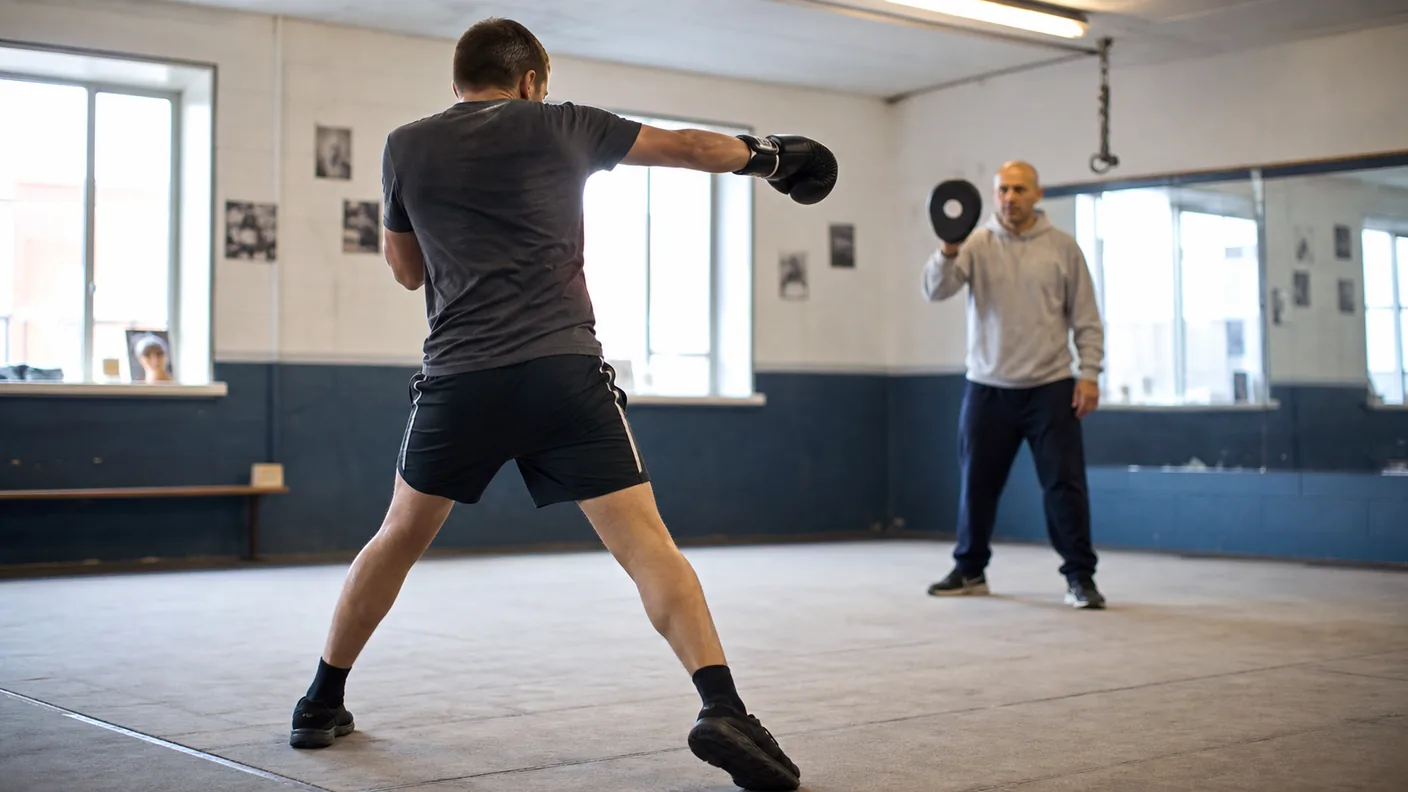
Training Tips
Boxing Pivot Drill: Turn Without Losing Your Stance
Build a useful boxing pivot with three simple drills that keep your feet under you, your guard ready and your next punch available.
Page 19 of 75
Build a useful boxing pivot with three simple drills that keep your feet under you, your guard ready and your next punch available.

The route from your first boxing session to competing as an amateur in the UK is clear and structured. Here is the complete pathway, including timelines and what to expect.

A focused look at what a major promotional signing can and cannot do for an amateur standout before his first professional matchmaking test.
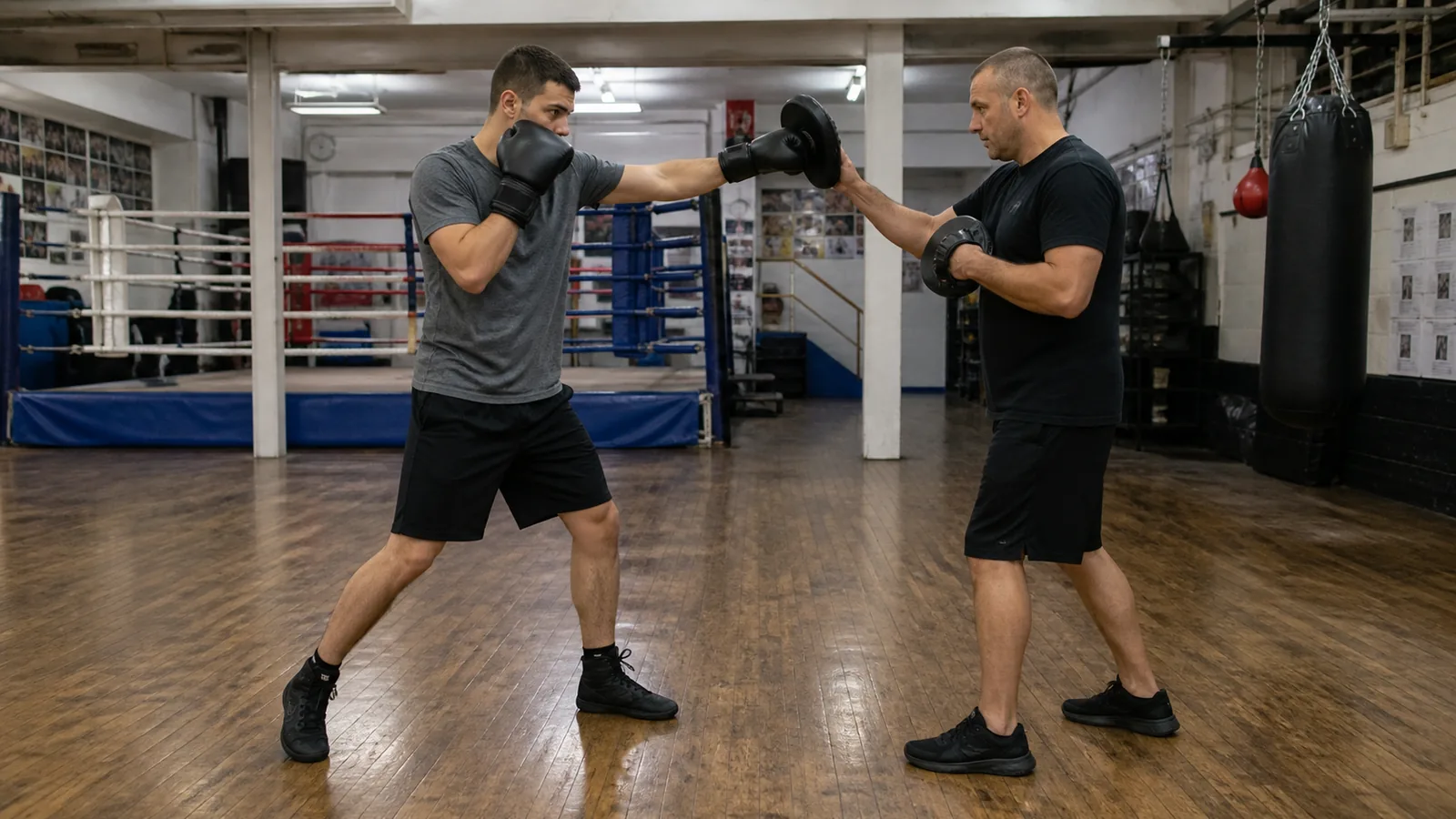
Use a backward one-two to give ground without losing your stance, guard or chance to make a calm return.
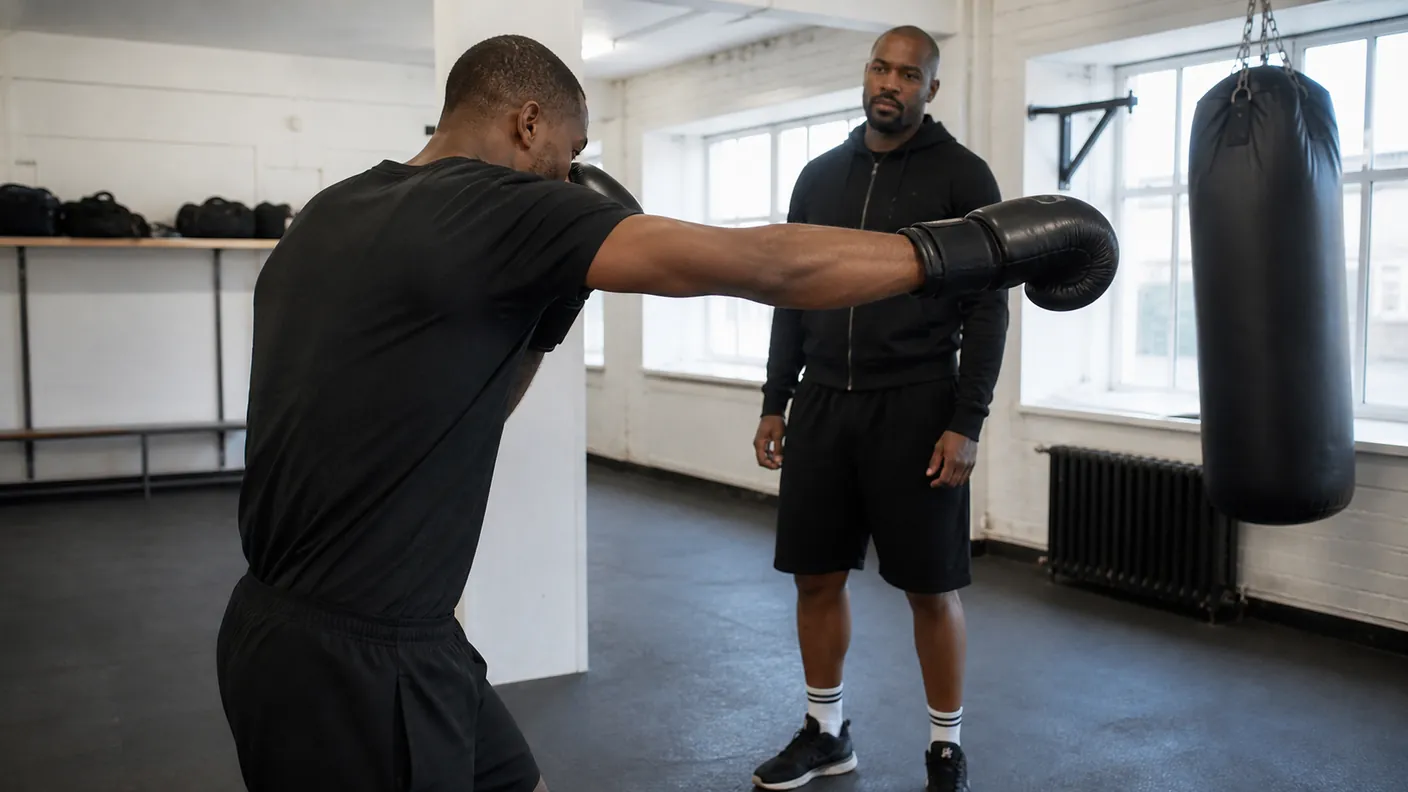
Use a light set-up jab to take position, hide the next punch and make an opponent react without reaching or throwing for show.

Examine what a Cyborg call-out would mean for Shields’ sporting legacy, matchmaking risk and women’s boxing, without presenting an unmade fight as agreed.
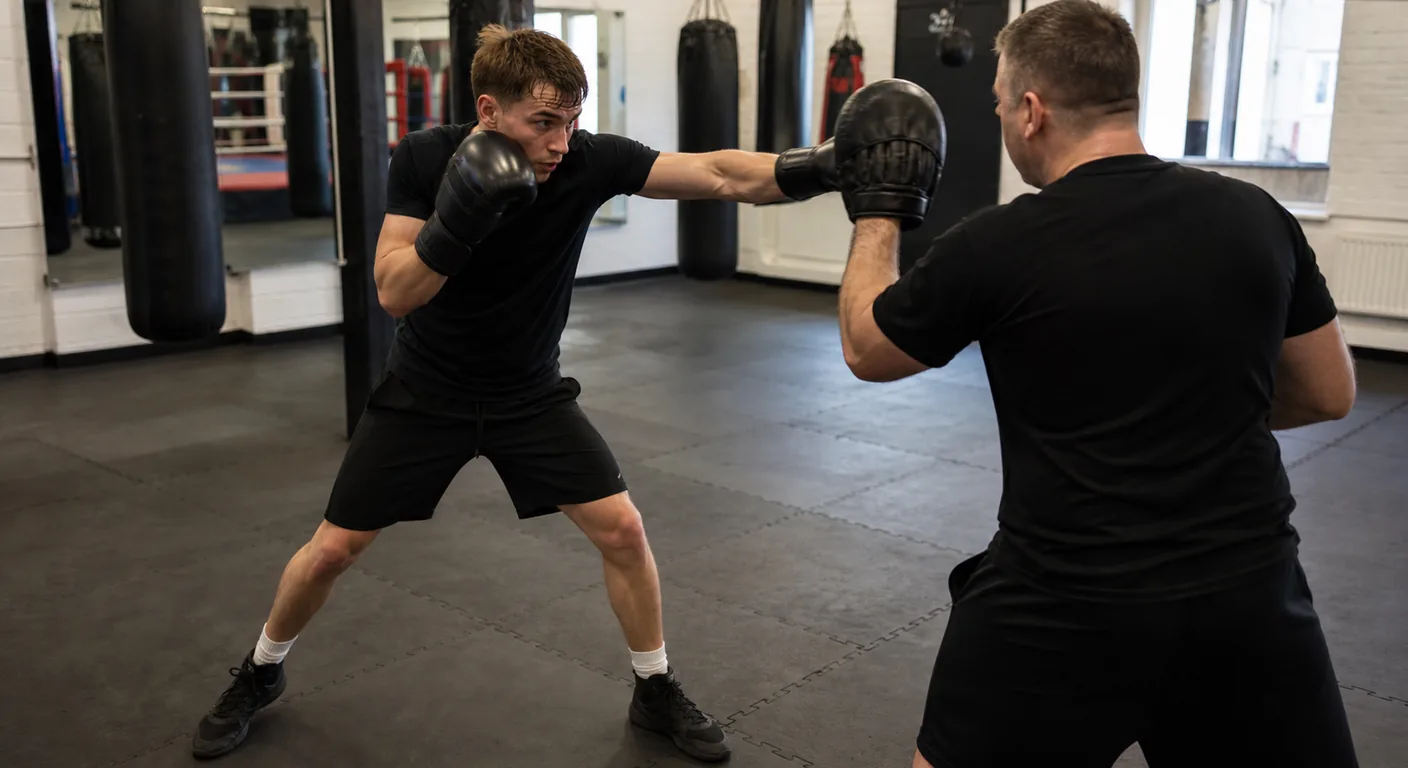
New to pad work and unsure how much power to use? Learn how to hit with intent without turning every round into a balance and injury test.
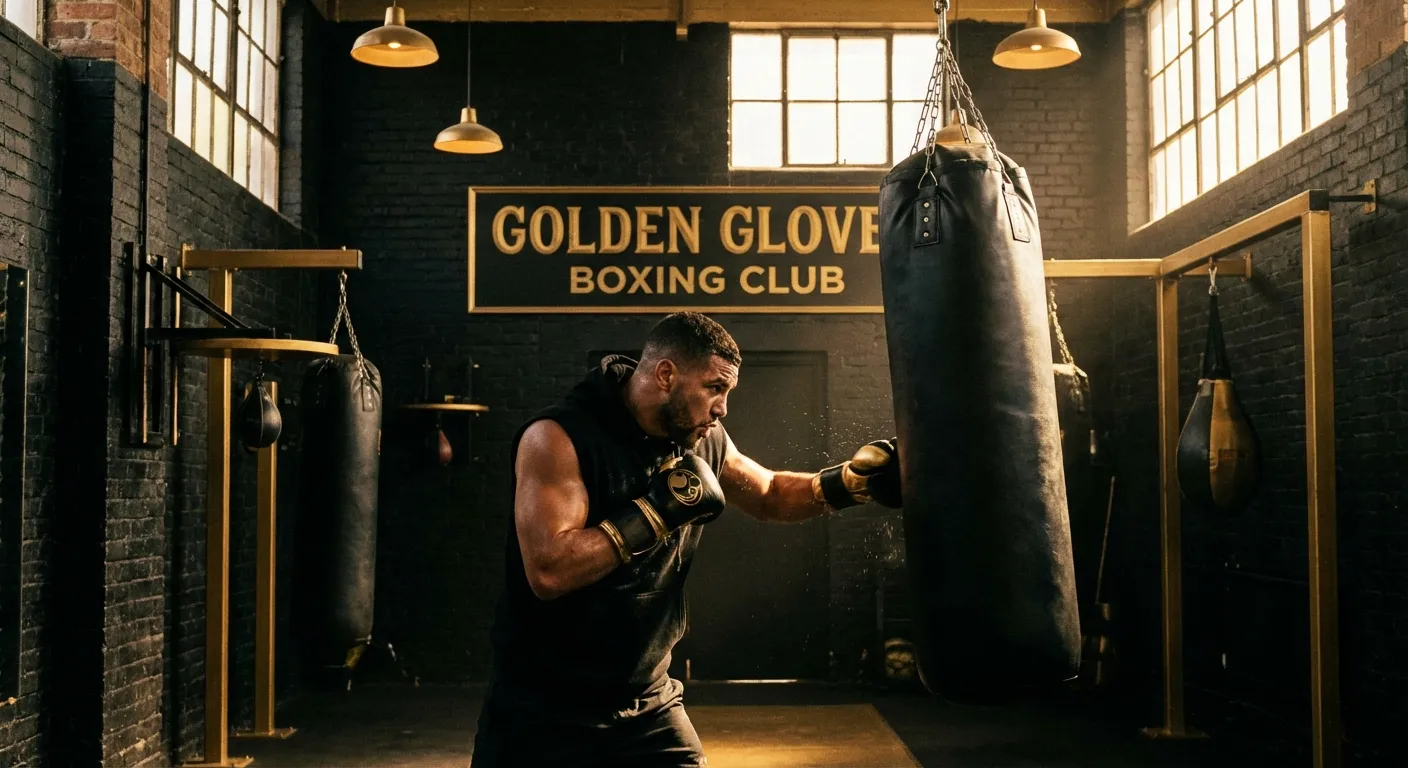
People put off trying boxing because they think they need to get fitter first. This is the wrong order of operations. Here is why and what to do instead.

Use the reported split to explore what fighters trade away when newer boxing platforms prioritise immediate wins over a conventional rebuilding route.

Use Baraou’s reported signing to examine what a promotional move can realistically change: opponent access, broadcast reach, activity and the difference between visibility and a genuine title route.
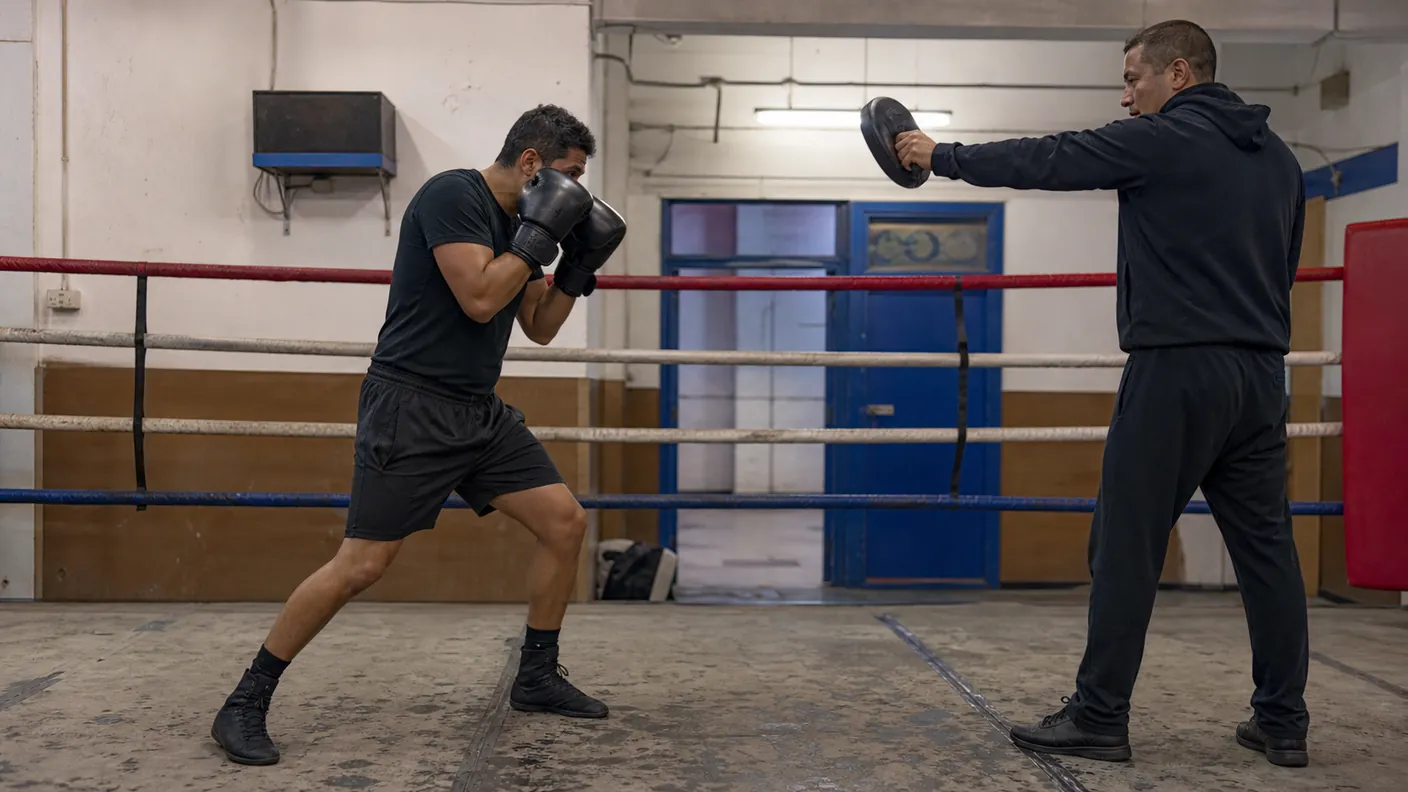
Use the pendulum step boxing drill to make a straight punch fall short, recover your range and return without crossing your feet.
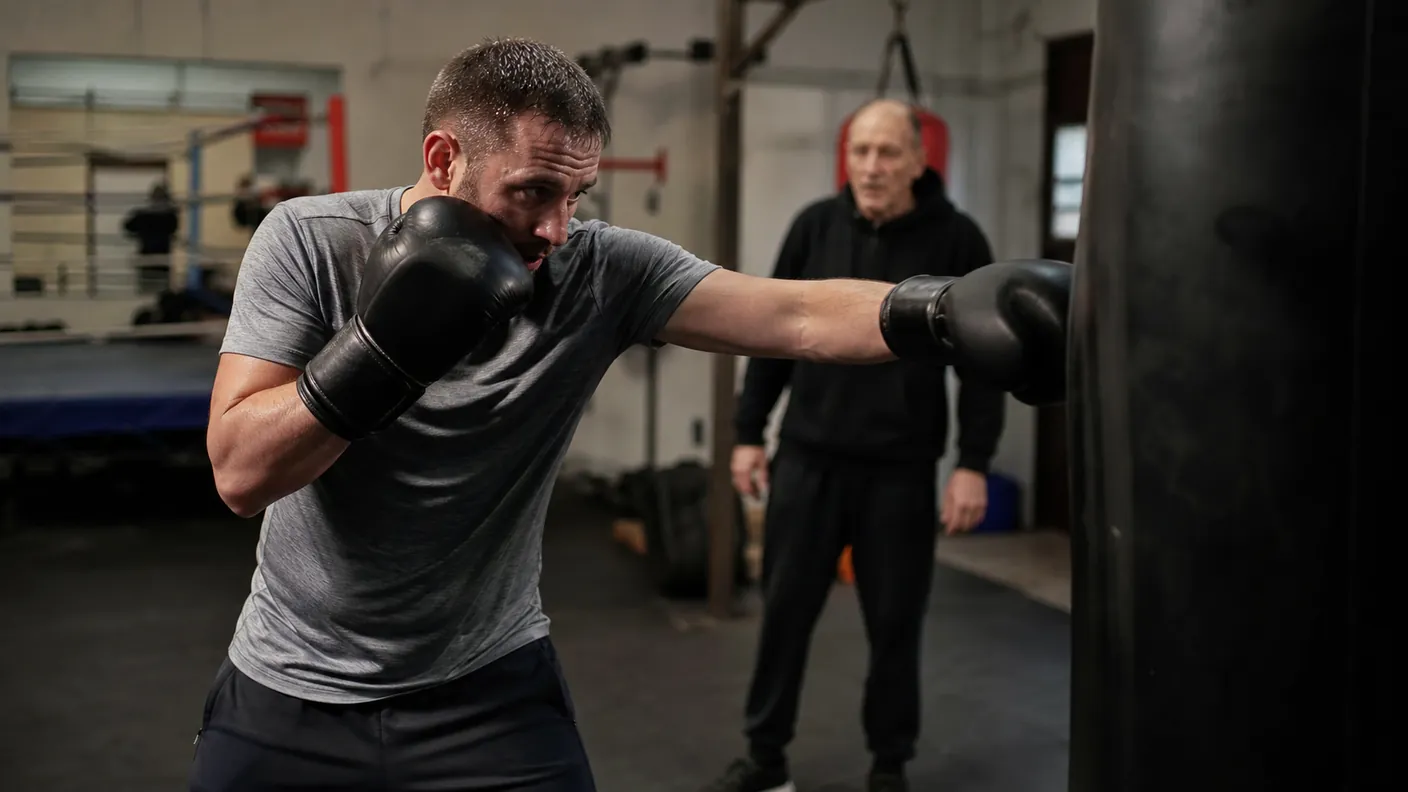
Use single-punch boxing rounds to improve range, punch choice and recovery before long combinations hide the mistakes.
Page 19 of 75 (890 posts)