
The pathway from recreational boxing to amateur competition in the UK is governed by England Boxing (formerly the Amateur Boxing Association of England). The pathway is clearer and more accessible than most beginners realise (source).
The Structure of Amateur Boxing in the UK
Amateur boxing in England has two major routes. The Amateur Boxing Alliance runs the grassroots route used by Honour and Glory. ABA-affiliated clubs enter members through the ABA competition structure.
England Boxing is the official national governing body route for Olympic-style progression.
The competition structure runs from club level through to national championships:
Club/Local Shows - The entry point. Arranged between ABA-affiliated clubs, often as development shows where new competitors gain experience.
County Championships - Organised at county level. Progression from club competition. The London Amateur Boxing Association (LABA) covers clubs in Greater London.
Regional Championships - Progression from county level.
National Championships - The ABA National Championships, the pinnacle of amateur boxing in England.
International Competition - National squad selection for European and World championships, and ultimately the Olympics (source).
Most people who pursue amateur competition will operate at the club to county level. This is complete and meaningful without any need to progress further.
The Realistic Timeline
For an adult beginner starting from zero:
Months 1-6: Technical foundation. Learning basic punches, footwork, defence, combinations. No competition possible or appropriate.
Months 6-12: Technique consolidation, introduction to controlled pad work and partner drills. The coach begins to assess whether the boxer is ready for competition preparation.
Month 12 onwards: For those who want it and whose coaches support it, competition preparation begins. This involves controlled sparring, competition-specific conditioning, and tactical development.
First competition: Typically between twelve and eighteen months from starting, for people who train consistently and want to compete.
This timeline assumes consistent training - two to three sessions per week, plus some independent work. Less consistent training extends it.
The Medical Requirements
Competing as an amateur boxer requires registration and a current medical card through your club's affiliation body. Honour and Glory uses the Amateur Boxing Alliance pathway. England Boxing clubs use their own separate registration route. The process usually involves:
A medical examination by a GP or approved doctor.
Annual renewal with updated medical assessment.
The medical card is a requirement for competing in any England Boxing-sanctioned event. It is not onerous but it is non-negotiable (source).
The Weight Class Question
Amateur competition is by weight class. The England Boxing weight categories for senior men and women run from 46kg (Minimumweight) through to +91kg (Super Heavyweight), with classes at roughly 3-4kg intervals.
You compete at or below your natural weight. Most amateur boxers do not cut significant weight. Competing close to your natural walking weight is both healthier and more effective for development boxers.
The First Competition Experience
First competitions are typically local shows - small venues, modest audiences, a referee and judges. The format: three rounds of three minutes for seniors, two rounds for novices at some shows.
The experience is intense. Nothing in training fully prepares you for the specifics of being in the ring with another person in front of an audience. This is normal. The first competition shows you what you need to work on.
Win or lose, the first competition is about learning.
At Honour and Glory
Honour and Glory is ABA-affiliated and has a track record of developing amateur competitors. The Junior Competitive and Senior Amateur pathways are available to members who are ready and interested.
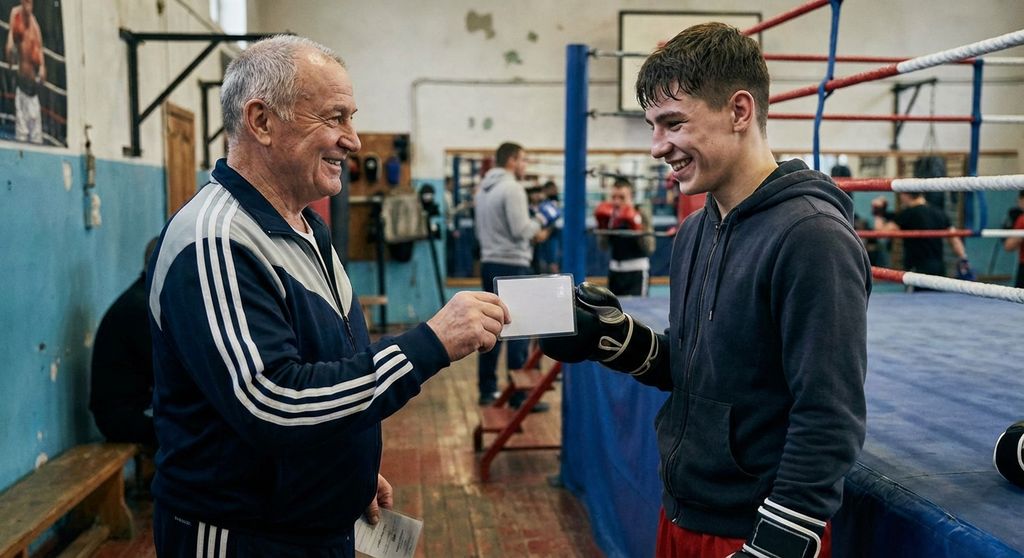
For those who are interested in competition, the conversation with the coaches should happen when you have been training consistently for six months or more. They will tell you honestly where you are and what the realistic timeline looks like.
The Adult Competitive class is where most members begin.
H&G Team
Writer at Honour & Glory Boxing Club, a community boxing gym in Kidbrooke, South East London.
KEEP READING
How to Build an Amateur Boxing Training Schedule Around a Full-Time Job
Amateur boxers with full-time jobs face real constraints. Here is a realistic training schedule that produces competitive development without requiring professional athlete availability.

What a Boxing Referee Actually Does and Why It Matters
The referee is the most important person in the ring but the least discussed. Here is what they are actually doing and why their decisions are harder than they look.
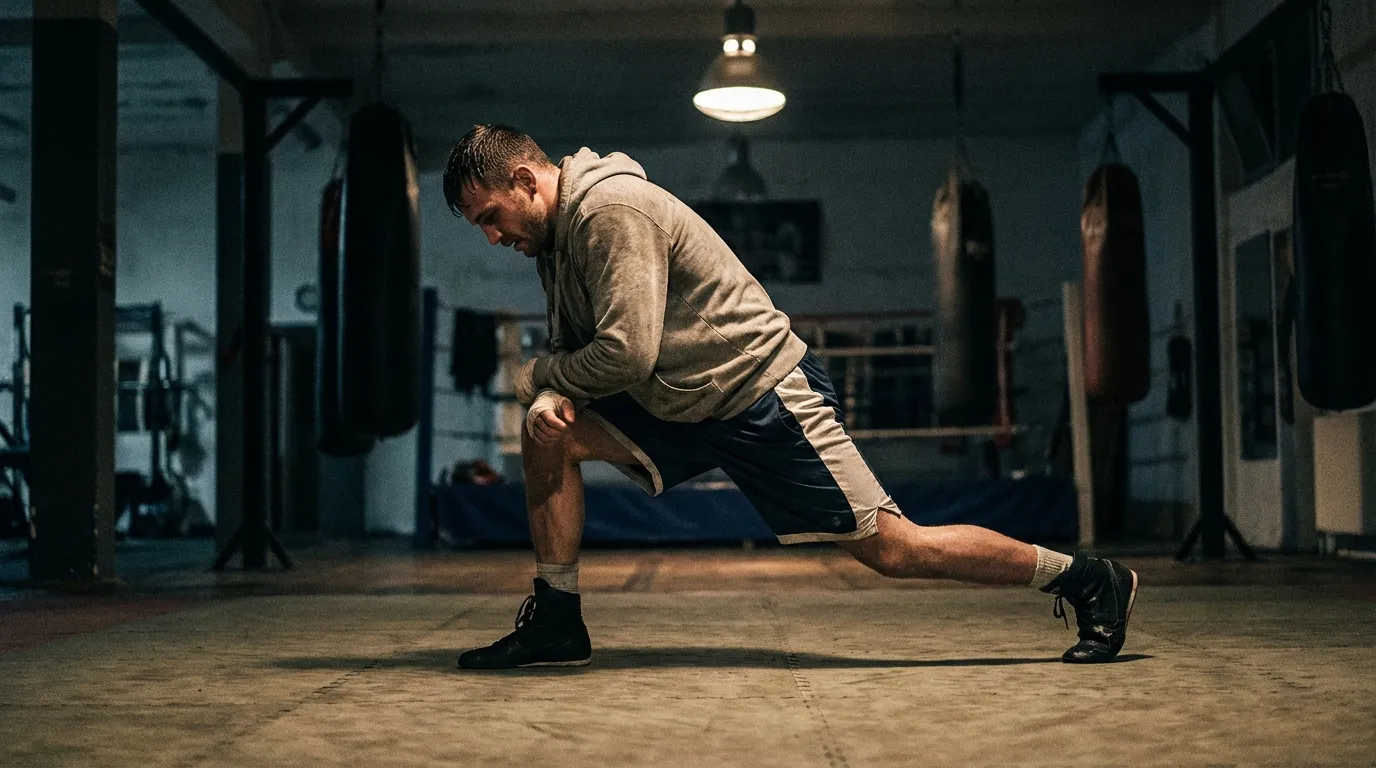
Stretching Routine for Boxers
A complete stretching routine for boxers. Dynamic warm-up stretches before training and static cool-down stretches for faster recovery.
Was this page helpful?
It takes one tap, and it genuinely helps.
Choose your next step
Turn this article into the right action
Some readers are ready to book. Some need the class route first. Pick the route that matches what you actually want.