How to Build an Amateur Boxing Training Schedule Around a Full-Time Job
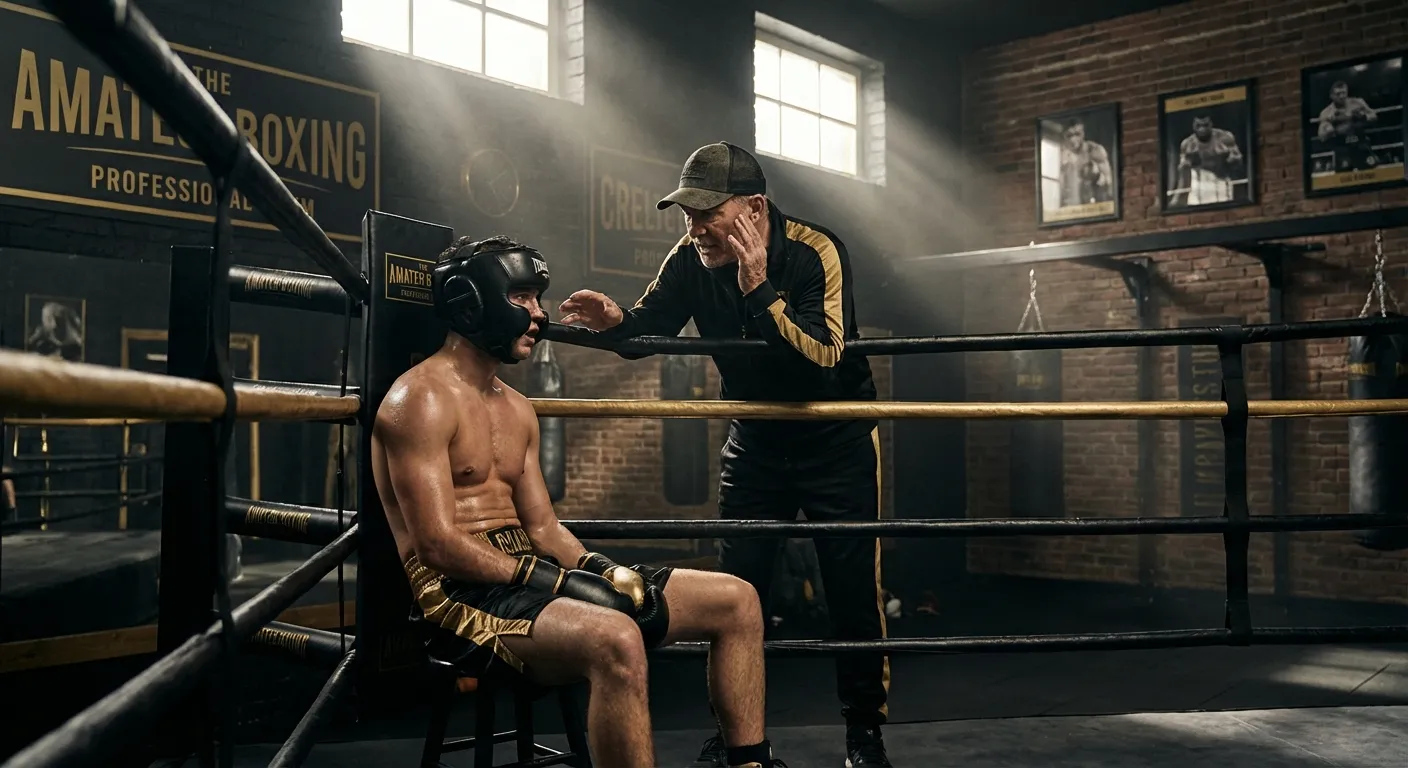
England Boxing's competition preparation guidelines recommend specific training volumes at different phases. Boxing Science's periodisation research provides the evidence base for structuring amateur training weeks.
Balancing competitive boxing training with full-time work is achievable but requires planning. Most amateur boxers at club level are not professionals - they have jobs, families, and competing demands. Here is a realistic schedule framework.
The Minimum Effective Volume
For recreational development: two sessions per week maintains and improves. Three sessions per week produces significant development. Four or more produces faster development but requires genuine recovery management.
For competition preparation (six to eight weeks before a bout): three to four sessions per week at higher intensity, plus two independent conditioning sessions.
Working backwards from these minimums, the schedule is achievable around standard working hours for most people.
The Five-Day Week Schedule
For a person working standard Monday-Friday office hours aiming for three boxing sessions per week:
Monday: Rest or independent conditioning (30-minute home session - shadow boxing and conditioning work).
Tuesday: Gym session (7:30-9pm if attending the evening class). Main technical session of the week.
Thursday: Gym session. Second main technical session.
Saturday: Coached adult session or independent conditioning. This is the week's most flexible slot if Saturday commitments allow.
Wednesday and Friday: Rest or active recovery (light walking, stretching).
This schedule provides three gym sessions, two opportunities for independent work, and adequate recovery.
The Four-Day Week Option
For someone with more schedule constraints:
Tuesday: Gym session.
Thursday: Gym session.
Saturday: Gym session or run.
Sunday: Independent conditioning or rest.
Two definite gym sessions plus one flexible weekend session is a sustainable minimum for meaningful development.
Competition Preparation Adjustments
Eight weeks before a competition, intensity and volume increase:
Add one additional gym session per week if possible.
Replace one independent conditioning session with structured pad work or bag work at the gym.
Begin sparring preparation under coach guidance.
Prioritise sleep and nutrition - the increased training demand requires more recovery support.
The Recovery Schedule
Recovery is training. Sleep is the primary recovery tool - eight hours as a target, seven as a minimum. The training sessions are only as effective as the recovery between them.
Independent conditioning sessions should be genuinely lower intensity - not substitute full training sessions. Walking, light cycling, mobility work. The purpose is active recovery, not additional training stress.
At Honour and Glory
Adult Recreational classes run Monday, Wednesday and Friday 7:30-9pm, with an additional Saturday 9-10am class. Sunday Open Boxing provides independent training time. The schedule is designed around working adults.
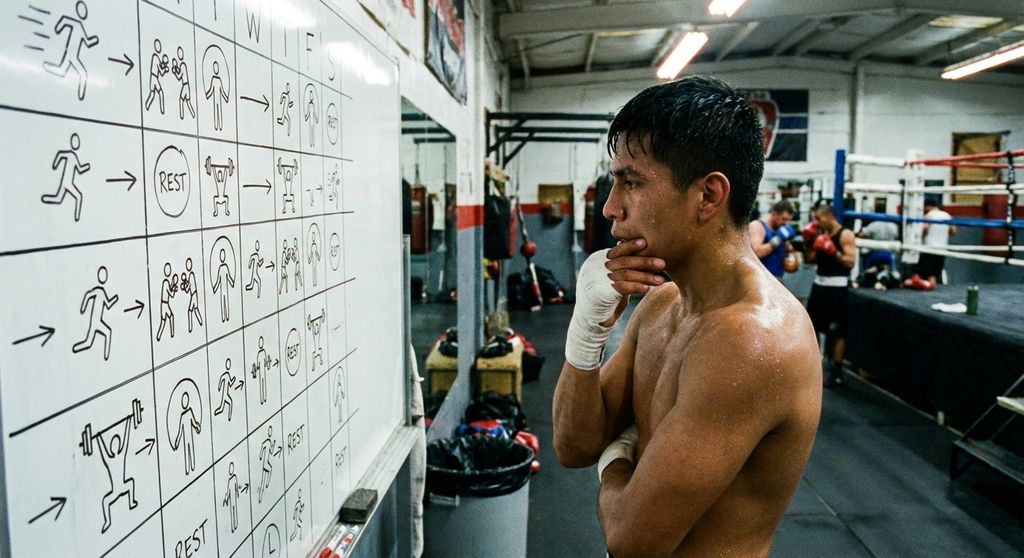
For those pursuing the competitive pathway, the coaches will help you structure a training schedule appropriate to your goals and your available time. Not everyone can train four days a week. The coaches build plans around what is realistic.
H&G Team
Writer at Honour & Glory Boxing Club, a community boxing gym in Kidbrooke, South East London.
KEEP READING

How to Get Into Competitive Boxing in the UK
The route from your first boxing session to competing as an amateur in the UK is clear and structured. Here is the complete pathway, including timelines and what to expect.
Is Boxing a Good Workout?
Wondering if boxing is worth your time? Here is an honest breakdown of how boxing stacks up as a workout - what it is great for, what it is not, and who benefits most.
Boxing Over 50: What Changes and What Still Works
Boxing over 50 needs sensible pacing, recovery and coaching, but the fundamentals still work. Here is what changes and what remains possible.
Was this page helpful?
It takes one tap, and it genuinely helps.
Choose your next step
Turn this article into the right action
Some readers are ready to book. Some need the class route first. Pick the route that matches what you actually want.