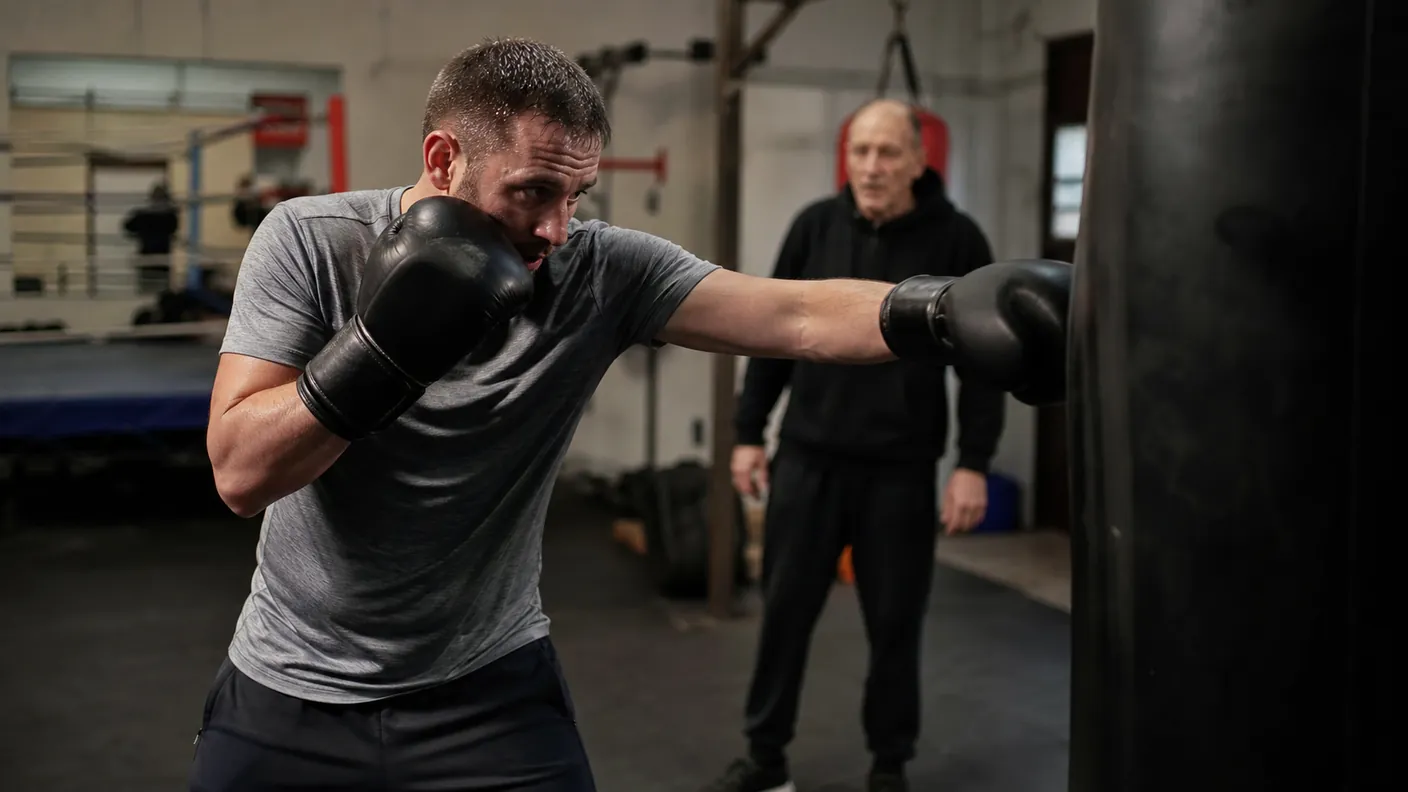
Most bag rounds go wrong when the hands start moving faster than the eyes.
A boxer lands one noisy combination, likes the sound, then throws another one before the feet have recovered. The bag moves, the shoulders tighten and the next minute becomes a blur of familiar punches. There is effort in it, but not always much decision-making.
Single-punch rounds give the work a sharper edge. Choose one punch, give it a clear job, throw it only when the range makes sense, then recover before deciding again. It sounds basic. That is why it works. A single punch does not let poor distance or a loose guard hide behind a long combination.
The short video below is a useful prompt: boxing has more than one version of the jab, cross, hook or body shot. The important question is not how many names you can remember. It is whether you can choose a punch that fits the distance and return to a position where you can still box.
One punch exposes the real problem
Combinations are useful, but they can disguise the first mistake. A jab that reaches too far can be followed by a cross before you notice the head has come forward. A hook thrown from long range can make the bag swing enough to feel successful even when the elbow has opened and the feet have turned square.
Take the other punches away for one round and the answer becomes clearer. If the jab is your only option, you have to find jab range. If the lead hook is your only option, you have to arrive close enough for a compact arc. If the rear hand is your only option, you have to set the feet and turn without falling through the target.
A review of boxing biomechanics describes punching as a joined action through the lower body, trunk and upper body. You do not need a science lecture while training. You only need the practical test: after the punch, could you throw again, defend, or move without rebuilding yourself?
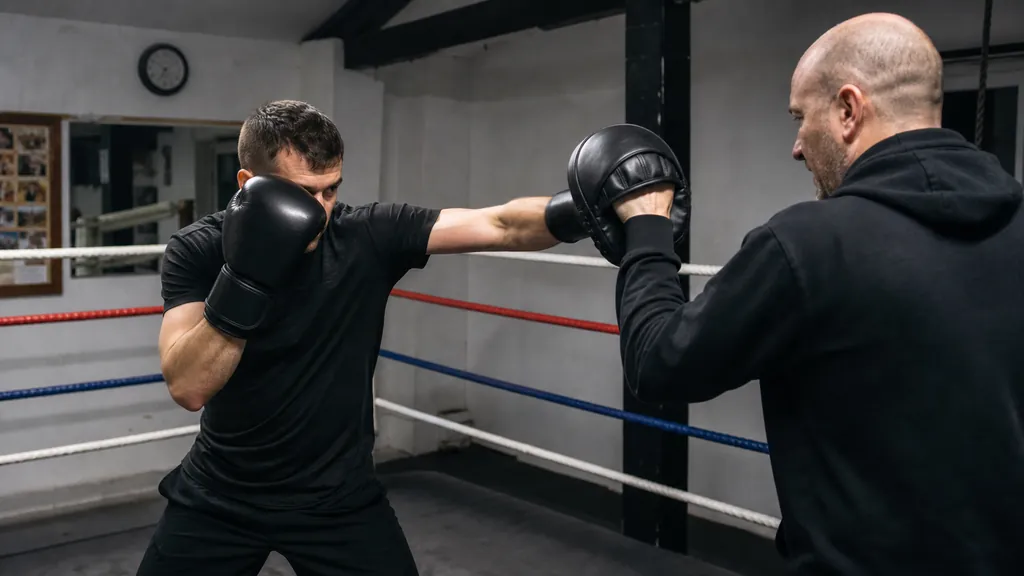
Give each punch a range job
A punch is not good because it is one of your favourites. It is good because it has room to work.
The jab is the simplest long-range choice. It can measure, interrupt or score without asking you to crowd the target. If you have to stretch your chest over the lead knee to land it, you are too far away. Take a short step, then jab from a stance that still lets the rear hand protect you.
The cross has its own range. It needs enough space for the rear hip and shoulder to turn, but not so much that the glove chases the bag across the floor. Throwing it from too far out turns it into a reach. Throwing it from chest-to-chest turns it into a shove.
Hooks and uppercuts are closer tools. A hook needs a bent arm and enough room for the body to turn. An uppercut needs the target close enough that the glove can travel up through a short line. Neither improves because you force it from the same range as a jab.
Our guide to boxing range and choosing the right punch goes deeper on those distances. For this drill, keep the rule plain: do not make the punch solve a footwork problem. If you are out of range, move your feet. If you are too close, make space or choose a shorter shot.
The four-round single-punch drill
Use a heavy bag, pads or shadow boxing. Keep the first pass at about half pace. This is a technical round, not a test of who can make the most noise.
Round one: jab and reset
Throw one jab at a time. Let it return to guard before you take the next step or throw the next jab. Work around the bag rather than standing in front of it. Each jab should have one of three jobs: find range, touch the target, or interrupt the bag as it comes back.
After every jab, check that the rear hand is still near the cheek and that your head has not travelled over the front foot. If you are reaching, do not lengthen the arm. Step closer and make the punch smaller.
Round two: rear hand and recovery
Now use only the rear hand. Start at a distance where the punch can travel through the bag rather than push it away. Turn through the rear hip and shoulder, then bring the glove home before the bag returns.
Freeze for one beat after every third rep. You should be able to take a short step back, bring the lead hand into a catch or throw a jab without rearranging your feet. If you finish square or heavy on the front leg, slow the punch down and shorten the distance.
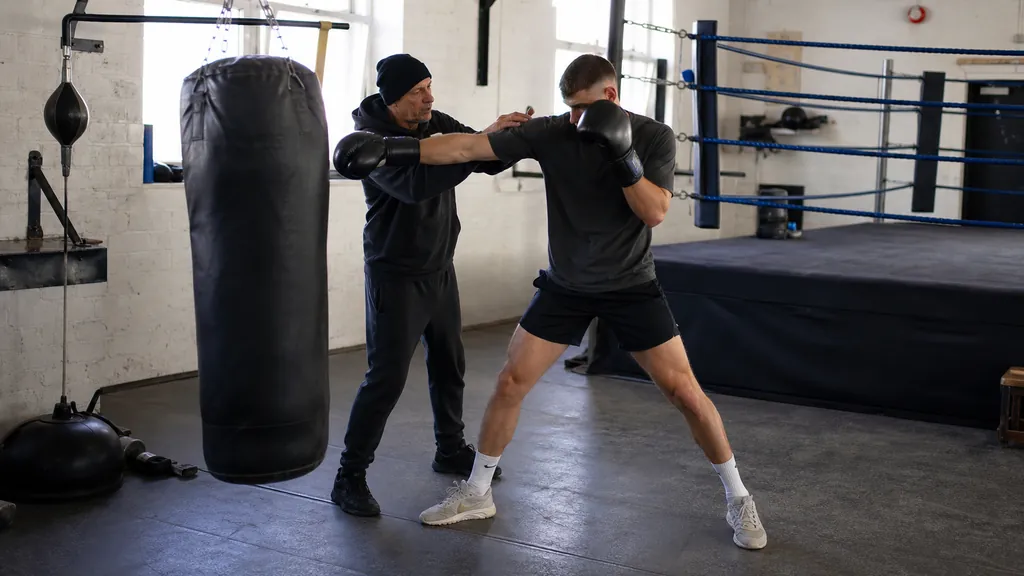
Round three: lead hook at honest range
Stand close enough that the elbow can stay bent. Throw a compact lead hook, return the glove to guard and take one small step away before repeating. Do not try to make the hook long just because the bag is swinging away.
This round is useful because it reveals whether you are trying to create power with the arm. The lead foot, lead hip and shoulder should help the punch turn. The rear hand should stay useful. If the hook pulls your head with it, the shot is too wide or the range is wrong.
Round four: choose one body shot
Pick one body-level punch for the whole round: jab to the body, rear hand to the body, or lead hook to the body. Do not swap every few seconds. Learn what one line feels like.
Keep your eyes level. Bend through the knees where needed rather than folding at the waist. When the glove returns, bring your posture back with it. The body shot is not finished because it touched the bag. It is finished when you are ready for the next decision.
Why the reset matters more than the punch count
The value of a single-punch round is the small gap after each shot. That gap tells you whether the punch actually left you a choice.
A heavy bag will accept a jab with no rear hand, a cross thrown while you fall in, or a hook from too far away. A training partner will not be as generous. England Boxing's coaching handbook keeps coming back to stance, balance and controlled skill development for a reason. Good shape is what makes the next action possible.
Use a simple reset rule: every punch must finish with guard, stance and eyes back on the target. You do not have to stand still. You can step, angle away or bring the lead hand back out. You just cannot let the previous shot decide your posture for you.
That rule also stops single-punch rounds becoming timid. The aim is not to tap the bag and wait. The aim is to throw with intent, recover cleanly, then choose the next shot from a position that still belongs to you.
Common mistakes that single-punch rounds reveal
The first mistake is using only the hardest version of a punch. A power jab, hard cross or swinging hook can have its place, but it is not the only version you need. Start with a repeatable, balanced version before trying to make the bag jump.
The second is treating the bag as the target for every punch. Sometimes it is better to use the jab to track the bag's return or make one small step before you throw. Hitting wherever you happen to stand teaches the arm to compensate for the feet.
The third is rushing to combinations again. If one punch has become clean, do not immediately add five more. Add one sensible follow-up, then keep the same recovery rule. For example: jab, reset, cross, reset. Or hook, guard, step out. The quality of the link matters more than the length of the sequence.
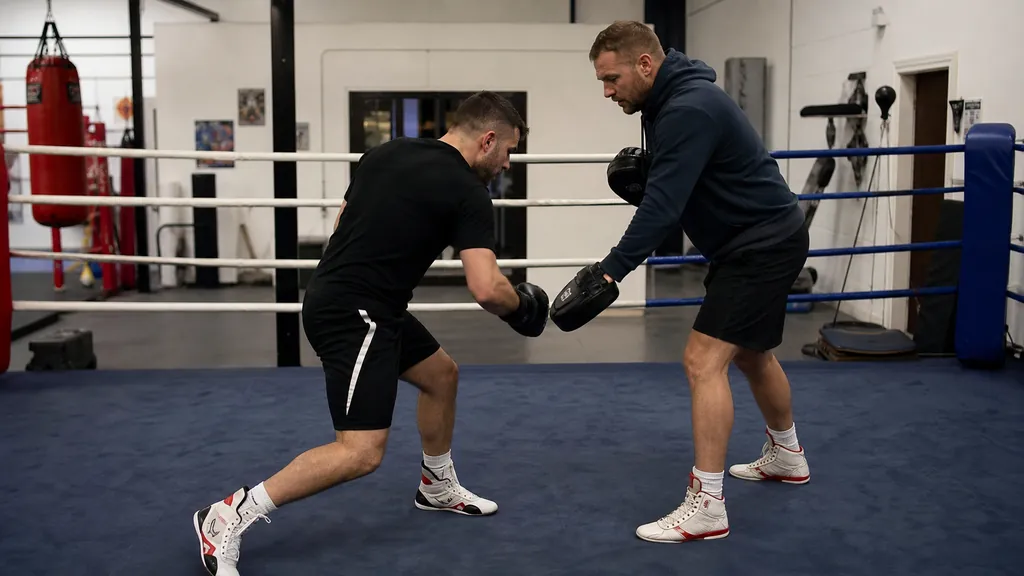
The fourth is forgetting that the drill needs context. A heavy bag cannot parry, step away or counter. After you have found a punch that feels organised, ask a coach to put it on pads or a controlled partner drill. That is where you find out whether the range and recovery survive a moving target.
If you want to turn clean single shots into a useful next layer, pair this with our guide to building a go-to boxing combination. The combination should grow from punches you can already place and recover from, not from a list you are trying to memorise.
At Honour and Glory, Recreational Adults boxing classes use bags, pads and coached drills to make the basics useful under pressure. If you are in Kidbrooke, Greenwich or nearby, start by making one punch look and feel right. The combinations can wait until the first decision is reliable.
H&G Team
Writer at Honour & Glory Boxing Club, a community boxing gym in Kidbrooke, South East London.
KEEP READING
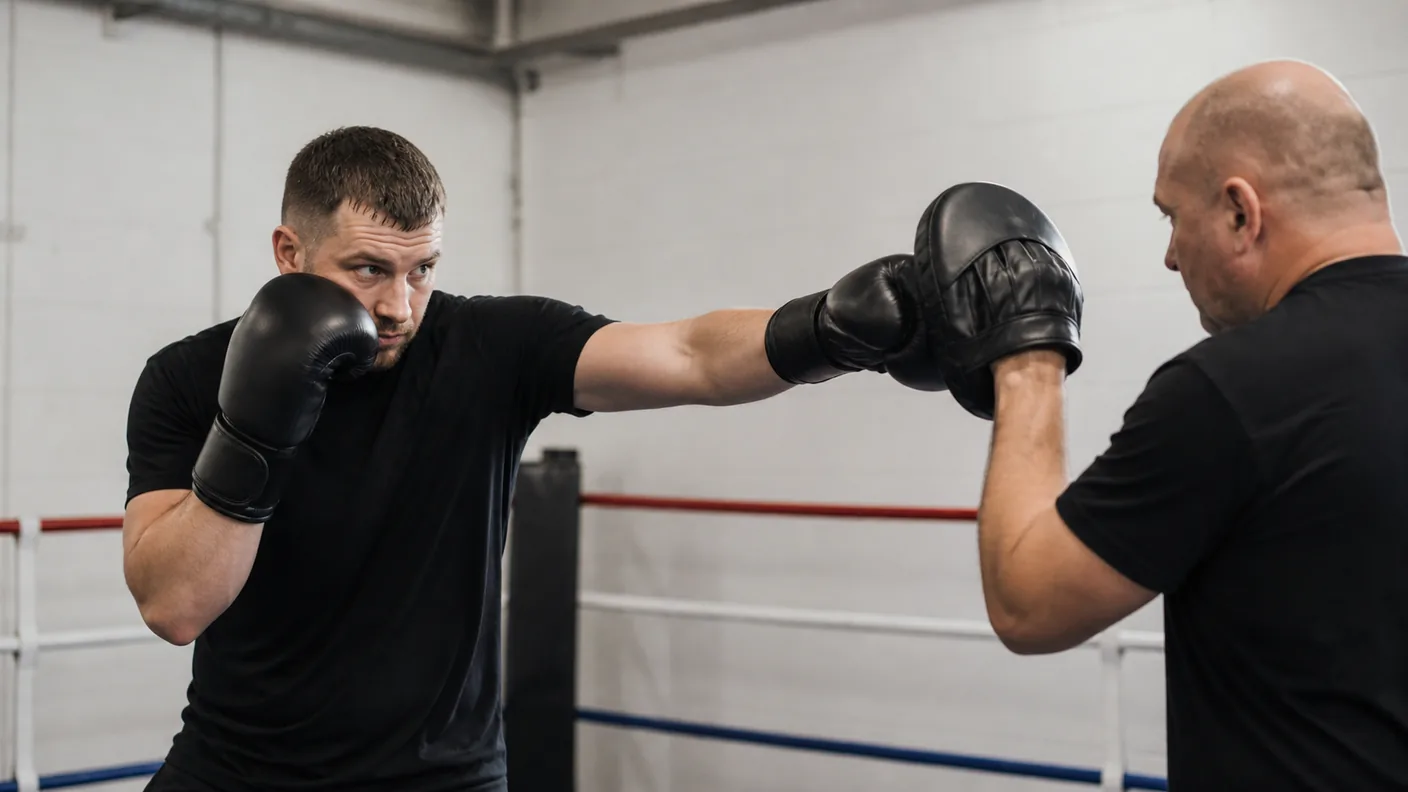
Boxing Punch Range: Short, Mid and Long Shots
Learn why a jab, hook and uppercut need different range, shape and foot position before you add speed or power.
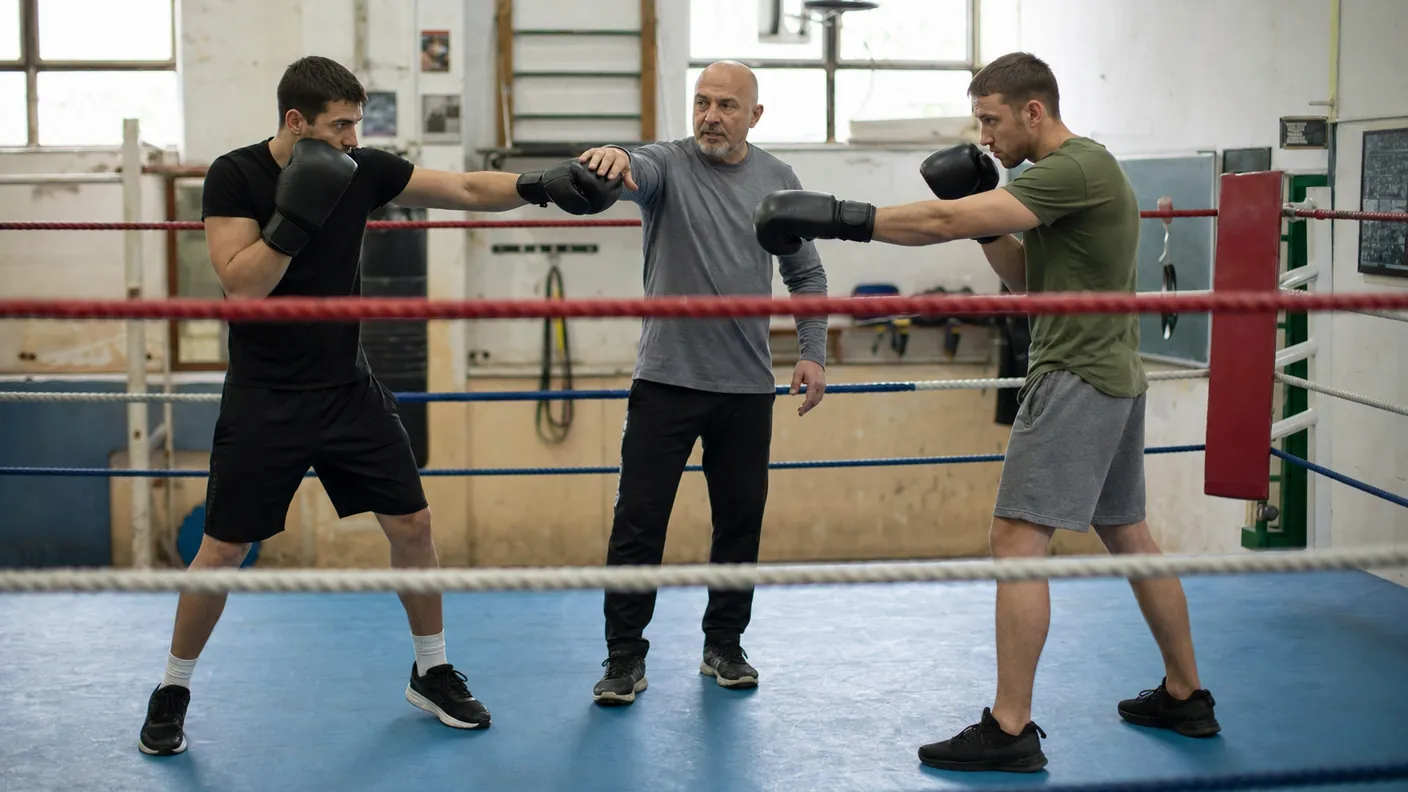
Boxing Range: Stop Throwing the Wrong Punch
Learn the five boxing ranges, which punches fit each distance, and why beginners miss when they throw from the wrong place.
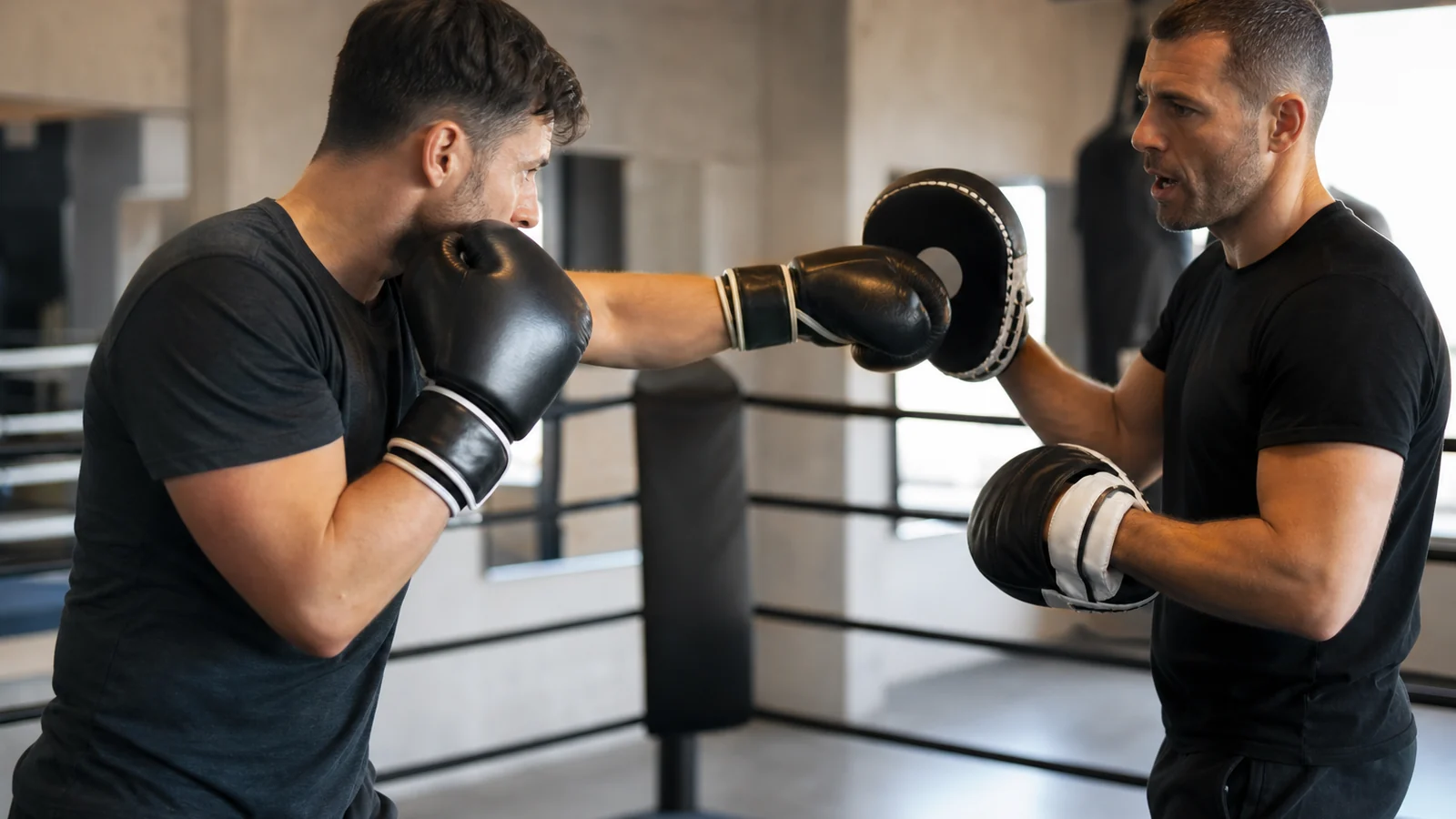
Boxing Punch Numbers Explained for Beginners
What does 1-2-3 mean in boxing? Learn the basic punch number system, how coaches call combinations, and how beginners should practise without building bad habits.
Was this page helpful?
It takes one tap, and it genuinely helps.
Choose your next step
Turn this article into the right action
Some readers are ready to book. Some need the class route first. Pick the route that matches what you actually want.