Zuffa Boxing cuts ties with Gvozdyk: the short leash debate
Zuffa Boxing cuts ties with Gvozdyk: the short leash debate
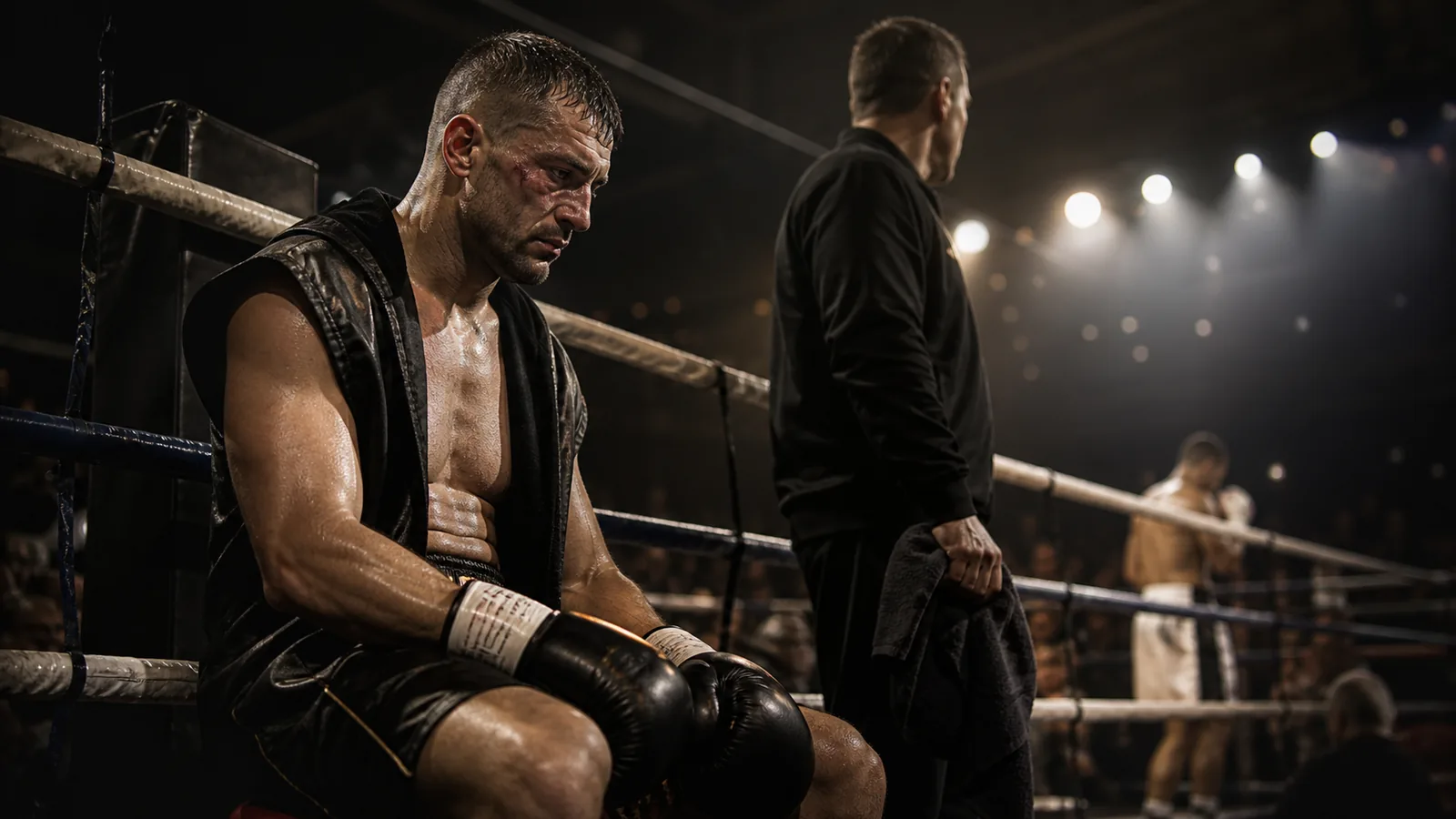
Oleksandr Gvozdyk did not lose like a fighter who had nothing left.
Against Radivoje Kalajdzic in February, the former WBC light-heavyweight champion put his opponent down twice, built a lead and looked close to ending the contest. Then he was caught, dropped twice himself and stopped in the seventh. It was a proper boxing finish: one that rewards Kalajdzic’s persistence while also showing how quickly a veteran’s judgement can be punished at 175lb.
According to Gvozdyk, it also ended his promotional relationship with Zuffa Boxing before it had really started.
Boxing News reports that Gvozdyk was told the contract could be terminated after a defeat, with the Ukrainian saying he received an email in April after preparing for another outing. World Boxing News described the provision as a “lose and you are fired” clause. That is punchy language, but the underlying issue is serious.
A new, centralised boxing platform may promise fighters regular work, major production and bigger visibility. In return, it may ask for something that has always mattered in professional boxing: room to lose, learn and come again.
Gvozdyk’s exit is not simply an argument about whether a 39-year-old should have been retained. It is an early test of what fighters trade away when a platform values immediate wins more than the long, sometimes untidy business of rebuilding a career.
The result was not the whole performance
There is a cold business case for Zuffa’s decision. Gvozdyk is 39. The Kalajdzic defeat was his second loss in three bouts, after a points defeat to David Benavidez in 2024. He was not a teenage prospect with a decade to develop, nor an unbeaten star whose commercial value was rising fight by fight.
Boxing News 24 made that case directly: a promotion is not a charity, and it does not have to bankroll a fighter indefinitely because of what he did in the past.
That much is fair. Boxing is a hard business. Promoters commit money, dates, opponents, broadcast space and marketing effort. A fighter who loses can become harder to match, harder to sell and more expensive to justify. No serious promoter can pretend otherwise.
But there is a difference between deciding that a fighter has reached the end of a deal and deciding that one defeat is sufficient evidence that he has no further value.
Gvozdyk did not freeze. He did not get outclassed from the opening bell. He took risks, hurt Kalajdzic and was winning the fight before a late reversal. The very qualities a promotion says it wants, action, jeopardy and fighters willing to pursue a finish, were there. The result was brutal. The performance was not worthless.
That distinction matters because boxing cannot honestly demand more meaningful fights, then treat every defeat as a sackable offence. If the message is “take the hard fight, but do not lose it”, the second half of the sentence will always be the part fighters hear most clearly.

Why a conventional rebuilding route exists
Traditional boxing can be maddeningly slow. It is full of protected records, selective matchmaking and negotiations that kill fights supporters want to see. That is precisely why Dana White’s project has attracted attention.
Zuffa Boxing is aiming for a more centralised, league-style model, with a single promotional brand trying to make schedules and matchmaking more coherent. This overview of Zuffa’s structure and the contract questions around it sets out the appeal: fewer competing interests could mean more regular shows, clearer paths and more in-house rivalries. Its early recruitment was ambitious too, with MMA Junkie reporting a 96-fighter roster.
That can be good for the sport. Boxing needs promoters who can make fights, not merely announce them.
Yet the old system’s messiness contains one important protection. A fighter who loses can often rebuild without being discarded. A manager can look for a sensible return bout. A trainer can correct habits exposed in the defeat. A promoter can decide that a fighter remains useful, exciting or one win away from relevance.
A rebuilding route is not a gift. It is part of the sport’s logic.
Think of the boxer who loses a close ten-rounder after taking a step up too soon. Or the fighter who gets stopped while chasing a finish, then returns with better patience and a stronger defence. Or the former champion who needs one manageable assignment to test whether the hunger is still there. Careers are not straight lines. They are usually a mixture of physical decline, tactical adjustment, confidence, luck and timing.
The boxer who is guaranteed a route back is not necessarily being protected from consequences. He is being given a chance to show what the loss actually meant.
Under a short-leash arrangement, that chance may disappear before the gym has had time to answer the question.
The danger is not just unemployment
The obvious consequence of a termination clause is financial insecurity. Lose and there may be no next purse, no planned date and no clear route back into the promotion’s ecosystem.
The less obvious consequence is what it does to decision-making inside the ring.
A fighter who believes one loss could end the arrangement may become too cautious. He might protect a points lead rather than exchange in the final rounds. He may resist taking a 50-50 fight until he feels completely ready. He may fight not to lose, which is the opposite of the aggression boxing platforms claim to want.
Or he may do the reverse. He may chase a finish recklessly because a decisive win seems the only safe result. Gvozdyk himself said he saw Kalajdzic looking for a way out, pressed for the stoppage and neglected his defence. That is a recognisable boxing error, especially in a division where one clean shot can turn everything.
It would be wrong to blame a reported contract clause for one tactical choice in one fight. Gvozdyk has always been responsible for his own decisions in the ring. But contracts create incentives, and incentives shape a sport over time.
The better question is not whether fighters should be accountable. Of course they should. The question is whether a promotion benefits from a clause that makes a single bad round commercially catastrophic.

Zuffa needs to decide what it wants to reward
A centralised platform has the power to improve boxing if it uses that power well. It can give fans regular cards, credible matchups and a clearer sense of who is progressing. It can also remove some of the dead air created by rival broadcasters and feuding promoters.
But it should be careful not to import the least attractive part of a roster-management culture into boxing without considering what makes boxing different.
In MMA, a deep centralised roster makes cuts a familiar part of the business. Boxing has traditionally been more fragmented, which is frustrating for viewers but can give fighters alternative employers and bargaining power. A boxer released by one promoter can sometimes find another route. In a more closed system, the promotional decision becomes much heavier.
Gvozdyk’s case is especially revealing because he was not a lightly regarded journeyman. He is the man who stopped Adonis Stevenson to win the WBC title in 2018, and who shared a ring with Artur Beterbiev, David Benavidez and Kalajdzic. His best nights are behind him, perhaps. That does not make the concern trivial. If a former world champion can produce a competitive, dramatic fight and be gone after one loss, younger fighters will read the terms very carefully.
They should.
Before signing, fighters need clear advice on termination rights, injury provisions, image rights, sponsorship restrictions, exclusivity and who controls their next opportunity after a defeat. That is not negativity. It is professional self-respect. The reported Gvozdyk split is a reminder that the small print can matter as much as the headline announcement.
A loss should mean something, not everything
There is no obligation on Zuffa Boxing to keep every fighter. Nor should supporters pretend that an experienced boxer automatically deserves endless chances because he once held a belt.
But the short leash is a poor long-term answer if the promotion wants fighters to take meaningful risks. A loss should affect a career. It should not always define it.
The healthiest version of a new boxing platform would be demanding without being disposable. It would reward fighters who take hard bouts, assess performances properly and provide a credible route back after defeat. That does not mean handing out soft touches forever. It means distinguishing between a fighter who has been exposed and one who has been involved in a competitive fight that went wrong.
That is a lesson worth remembering at every level of boxing. Results matter, but development matters too. At Honour & Glory’s boxing classes, young people aged 7+ and adults learn that a mistake is useful only if you can examine it, correct it and return better. Professional boxing should not forget the same principle just because the stakes are higher.
Gvozdyk’s loss to Kalajdzic was dramatic. His reported release may prove more significant. It has put a clear question in front of every fighter considering the new model: when the platform promises opportunity, how much room does it leave for the night when you need to rebuild?
H&G Team
Writer at Honour & Glory Boxing Club, a community boxing gym in Kidbrooke, South East London.
KEEP READING

Can boxing’s new money create lasting opportunities?
Frank Smith’s warning about Zuffa’s spending opens a broader discussion on whether short-term purses improve boxing, and what happens to fighters when a funding boom cools.
WBC, PEDs and Zuffa: The Governance Questions in Boxing
Use the WBC president's current interview as a starting point for a measured look at the competing pressures on sanctioning bodies: title authority, doping confidence and new promotional models.

Andy Cruz Leaves Matchroom: What the Split Could Mean
A focused look at what a reported promotional departure could mean for Cruz’s route to major lightweight fights, without treating early discussion as a completed deal.
Was this page helpful?
It takes one tap, and it genuinely helps.
Choose your next step
Turn this article into the right action
Some readers are ready to book. Some need the class route first. Pick the route that matches what you actually want.