Andy Cruz Leaves Matchroom: What the Split Could Mean

Andy Cruz Leaves Matchroom: What the Split Could Mean
Andy Cruz does not need a long rebuilding project. He needs a promoter who can make the phone ring.
That is the sharpest point in the reported end of his Matchroom deal. Cruz is 31, has already done the amateur work most professionals can only talk about, and has moved quickly since turning over. He lost a close world-title fight to Raymond Muratalla, then responded by stopping Abraham Montoya in three rounds. There is no sense in pretending he is a blank canvas prospect who needs another three years of careful protection.
The discussion around Cruz now is serious, but it is not settled. Boxing News 24 reported that Cruz had become a free agent after the Montoya win, while Sports Illustrated previously reported that he had signed a new multi-fight Matchroom agreement before facing Muratalla. Matchroom’s own Cruz profile remains online and still lists him as a lightweight.
That does not prove a current contract either way. Promotional announcements, contract expiry and website updates do not always move at the same speed. It does mean that this should be treated as a reported departure and a developing piece of business, not as a completed signing elsewhere.
Cruz Has Already Taken The Fast Route
Cruz did not come into professional boxing with the usual prospect timetable. He arrived with Olympic gold from Tokyo, three world amateur titles and a record of beating elite amateurs, including Keyshawn Davis more than once. His profile was big before he had thrown a paid punch.
That background created a problem as well as an opportunity. The temptation was always to move him quickly, because nobody wanted to watch an Olympic champion spend his first five fights learning how to deal with opponents he should clearly beat. Matchroom did not waste time. Cruz debuted over ten rounds against Juan Carlos Burgos, beat experienced men such as Jovanni Straffon and Antonio Moran, then stopped Hironori Mishiro in an IBF eliminator.
The route led to Muratalla in only his eighth professional contest. Cruz lost the decision, but the loss did not expose him as a fraud. It exposed the difference between being a brilliant amateur operator and winning a hard professional title fight against a physically strong, high-output champion.
Muratalla made him work late. Cruz was clever, controlled stretches and landed cleanly, but he did not force enough momentum when the fight was there to be seized. That is a professional lesson, not a reason to tear up the whole plan.
According to Box.Live’s current Cruz profile, he stands at 7-1 with four stoppages, remains highly placed at lightweight and has no next fight scheduled. That is the important part. At 7-1, Cruz is neither untested nor finished. He is a contender whose next decision matters more than the latest headline.

The Mistake Would Be Treating 130 As An Escape Route
The reported move down to super-featherweight is the part I like least.
Cruz has spoken of 130lb as the division he and his team believe suits him, and the latest report frames that move as part of his free-agency plan. A fighter and his team are the people who know the weight cut best. Nobody outside camp should pretend otherwise.
But the boxing argument still has to make sense.
Cruz won Olympic gold at 63kg, just under 139lb. He has looked like a natural lightweight as a professional: quick enough to control distance, solid enough to stand his ground when he chooses, and tall enough in style to make opponents reach. Moving down five pounds is not automatically disastrous, but it is not a harmless experiment either. At 31, a hard cut can take away snap, recovery and the ability to hold position when a bigger opponent pushes the fight into the later rounds.
More importantly, lightweight remains full of meaningful work.
A promoter who keeps Cruz at 135lb could pursue a second Muratalla fight if the title picture allows it, or chase fights with Abdullah Mason, William Zepeda, Floyd Schofield and Keyshawn Davis. Not every one of those fights is available tomorrow. Promoter relationships, television arrangements, rankings and purse expectations all get in the way. But those are the fights that would tell us whether Cruz can become a champion, rather than merely a talented man changing divisions after one defeat.
Boxing News 24 made the same basic case in July: do not allow one loss to Muratalla to become the verdict on Cruz at lightweight. That is right. He needs a better performance against serious opposition, not an immediate change of scenery that makes the Muratalla question disappear.
A New Promoter Must Bring Fights, Not Just Content
Cruz is not the kind of fighter who benefits from being kept busy against safe names. He is too good for that, and too old for it.
The attraction of signing him is obvious. He has a recognisable amateur story, proper skill, an Olympic title, Cuban pedigree and a style that serious boxing people enjoy watching. He can make an opponent miss by inches, shift position after scoring, and change the rhythm of a round without flapping his hands or running away from the contest.
But slick boxing needs the right opponent. Cruz is at his most compelling when a rival can make him answer difficult questions.
Against a smaller or slower fighter, he can win with small decisions: a sharp jab, a lead right hand, a half-step back, a clean counter and a reset. Against a strong lightweight who refuses to let him settle, he has to show another side. He has to sit down on shots, defend after punching, work the body and take risks without becoming careless.
That is what Muratalla demanded. The Montoya stoppage suggested that Cruz and trainer Derek Ennis had taken the lesson seriously. The next promoter should test that improvement quickly.
The wrong route is two ordinary opponents, a ranking fight no one asks for, then another announcement about Cruz being “one win away”. Boxing has heard that story too often. The right route is a credible lightweight within the next fight or two, followed by a title path that the public can understand.

The Legal History Makes Clarity Important
Cruz has already had enough promotional complication in a short professional career.
In late 2025, a Boxing News 24 report said a US judge ruled that a previous agreement with New Champion Promotions was invalid, clearing the way for him to continue under Matchroom. Whatever the precise terms of any current arrangement, that history should make clarity more valuable now.
Cruz does not need a public auction with vague promises and competing social-media hints. He needs an announced plan with a real broadcaster, a named first opponent and an obvious route to the biggest fights at his best weight.
A promoter signing Cruz should be asked three questions.
Can you make him a major lightweight fight in the next 12 months?
Can you work across promotional lines when the best opponent is not in your stable?
Can you resist turning a technically brilliant fighter into a marketing asset who is always “next” but never actually booked?
If the answer to any of those is no, then the deal is not good enough.
My View: Stay At Lightweight And Force The Issue
Cruz should stay at 135lb.
He did not lose to an anonymous gatekeeper. He lost a competitive title fight to a serious champion, then returned with a far more forceful finish. That is not the profile of a fighter who needs to flee a division. It is the profile of a fighter who needs a tougher, smarter second run at it.
A move to 130lb could still work. It may even prove to be the right medical and athletic decision. But it should be based on what Cruz looks like in camp, on the scales and after rehydration, not on the false idea that lightweight is closed to him.
The best version of this story is not “Andy Cruz leaves Matchroom.” It is “Andy Cruz chooses the promoter and the fights that finally show how good he is as a professional.”
That requires urgency, but not panic. At 31, he cannot waste time. At 7-1, he cannot afford another shortcut.
For boxers coming through our classes in Kidbrooke, there is a useful lesson in that. A setback should tell you what needs work. It should not decide your limits for you.
H&G Team
Writer at Honour & Glory Boxing Club, a community boxing gym in Kidbrooke, South East London.
KEEP READING
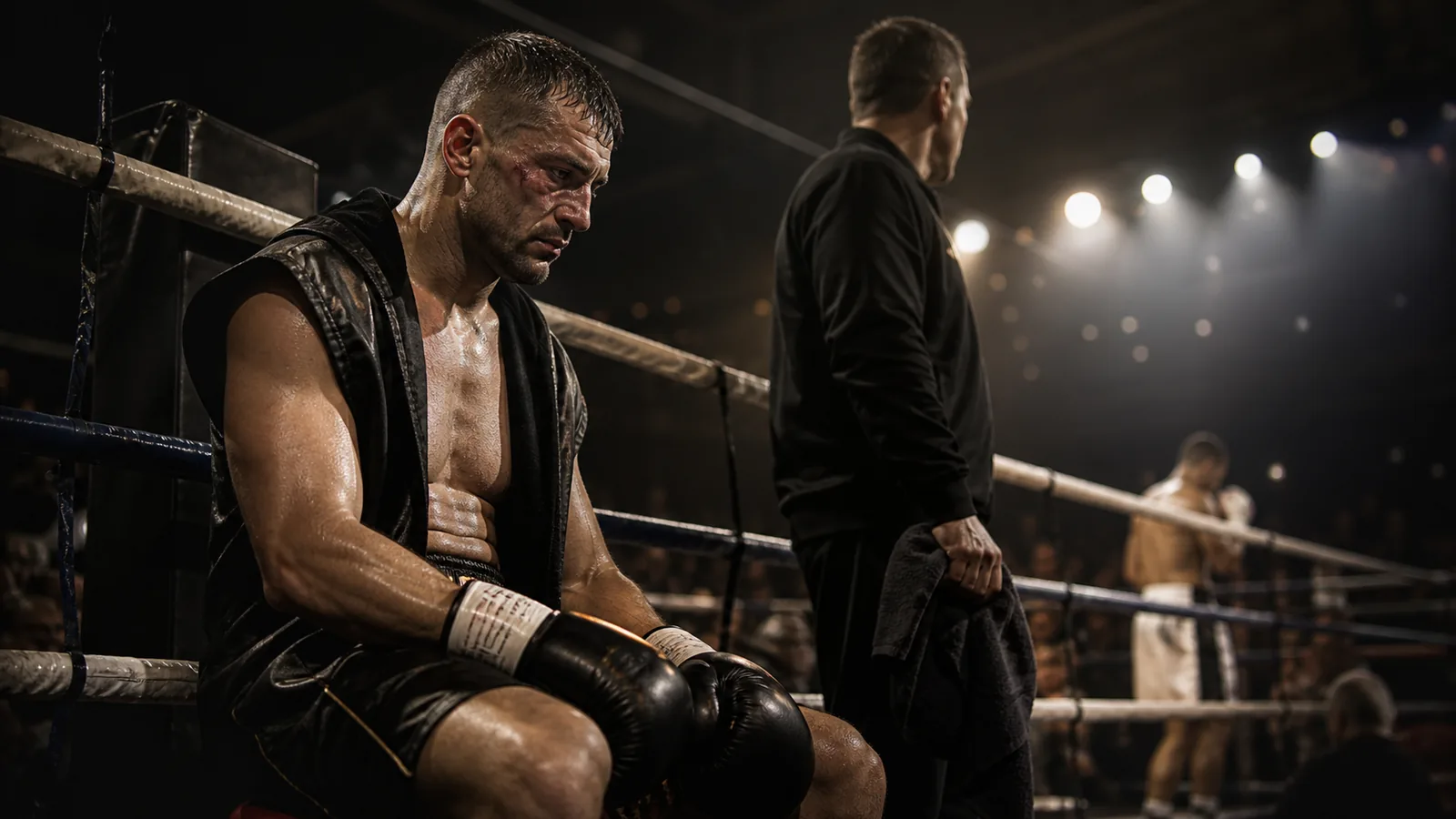
Zuffa Boxing cuts ties with Gvozdyk: the short leash debate
Use the reported split to explore what fighters trade away when newer boxing platforms prioritise immediate wins over a conventional rebuilding route.
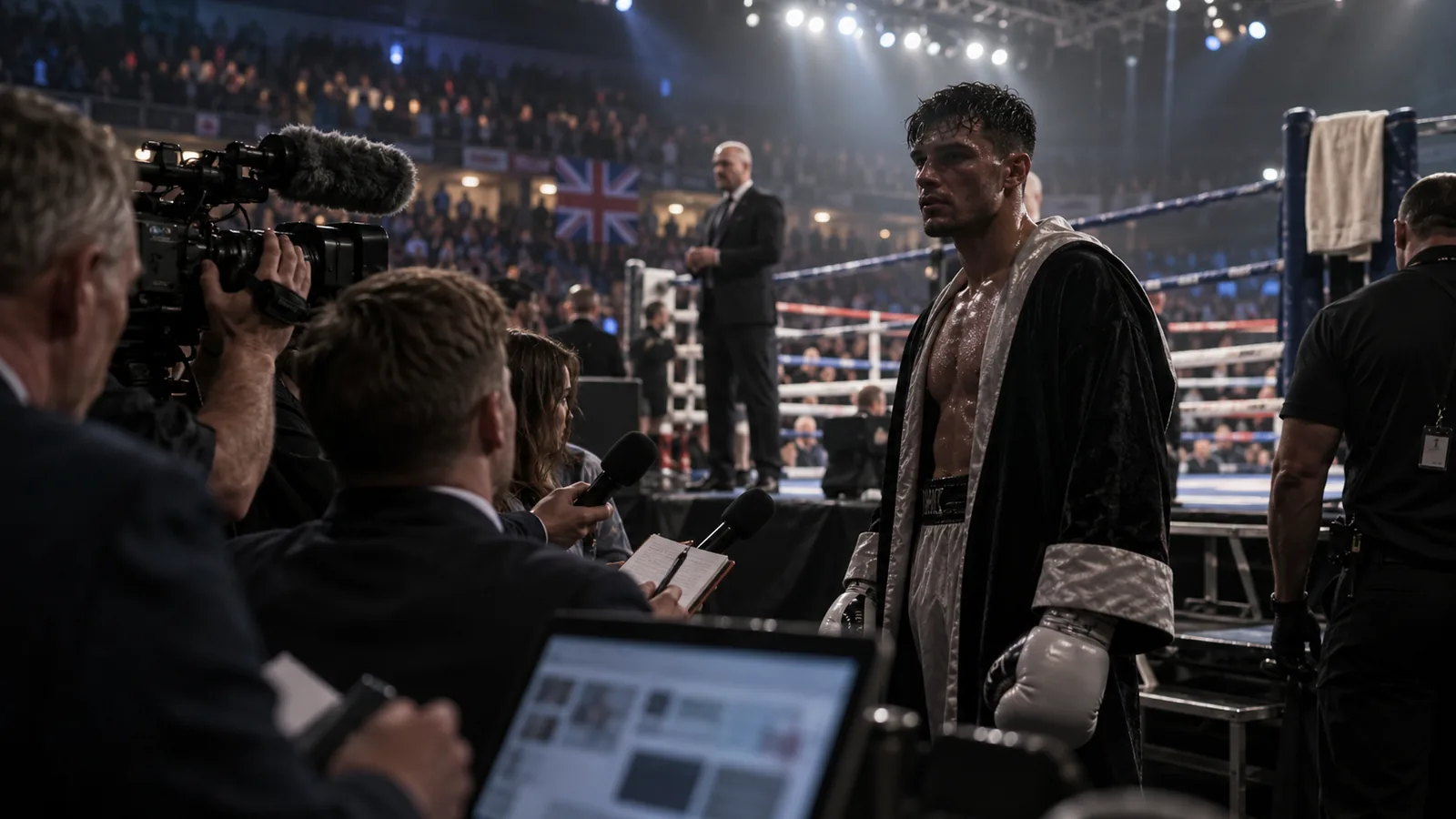
Turki Alalshikh reportedly sells The Ring to DAZN
What a reported ownership change could mean for boxing media independence, promotional influence and how fans should read coverage.
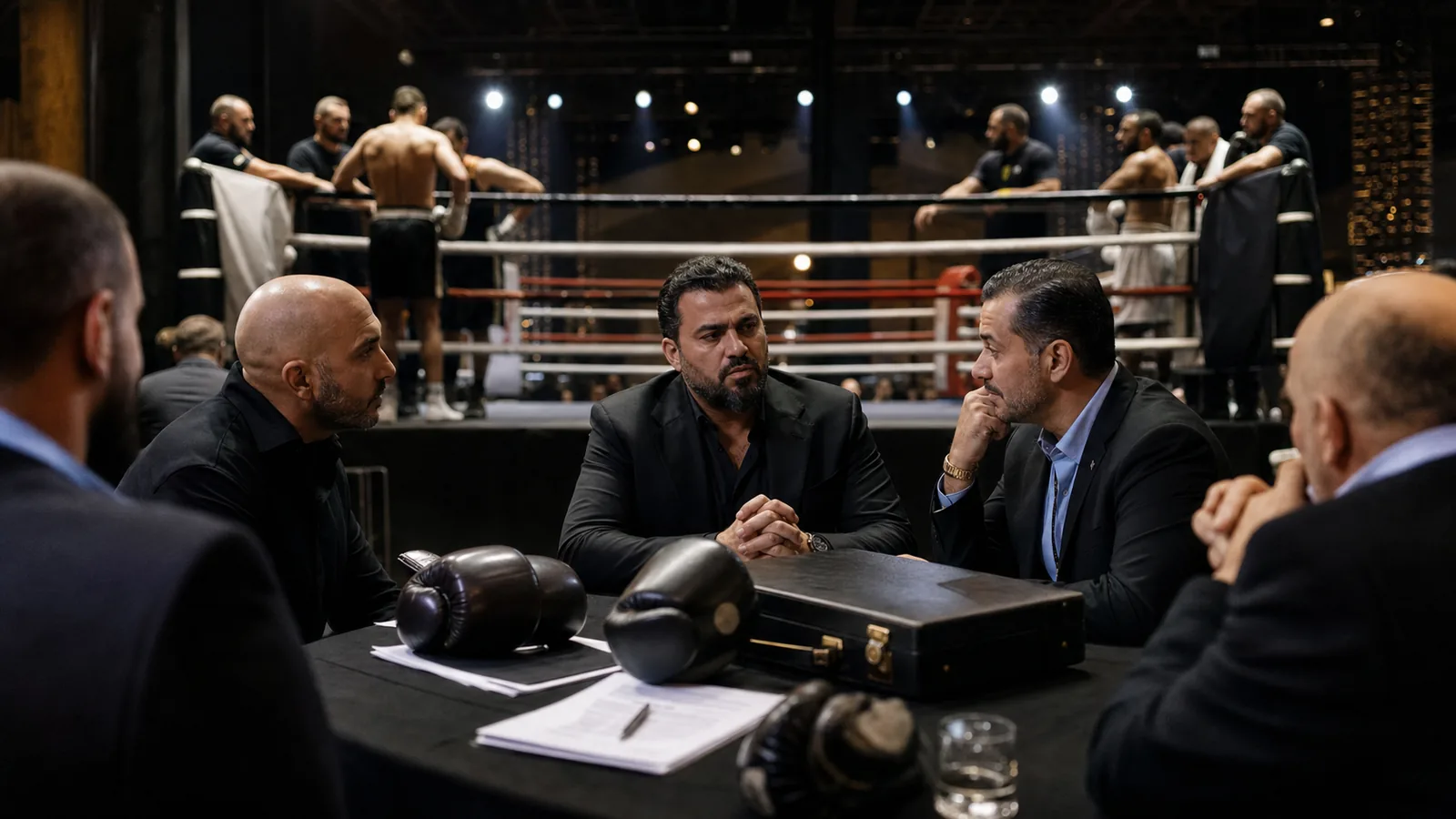
Turki Boxing Summit: Peace Talks Or Power Shift?
A promoter/business angle on whether the latest Saudi-backed ‘peace summit’ talk is about solving boxing’s fragmentation or concentrating matchmaking power in fewer hands.
Was this page helpful?
It takes one tap, and it genuinely helps.
Choose your next step
Turn this article into the right action
Some readers are ready to book. Some need the class route first. Pick the route that matches what you actually want.