Turki Boxing Summit: Peace Talks Or Power Shift?
Boxing loves a peace meeting because boxing is usually at war with itself.
Promoters fight over dates. Broadcasters fight over rights. Sanctioning bodies fight over fees and rankings. Fighters get caught between contracts, politics and timing. Fans hear that “the fight is agreed” and then spend six months learning about venue splits, rematch clauses and platform exclusivity.
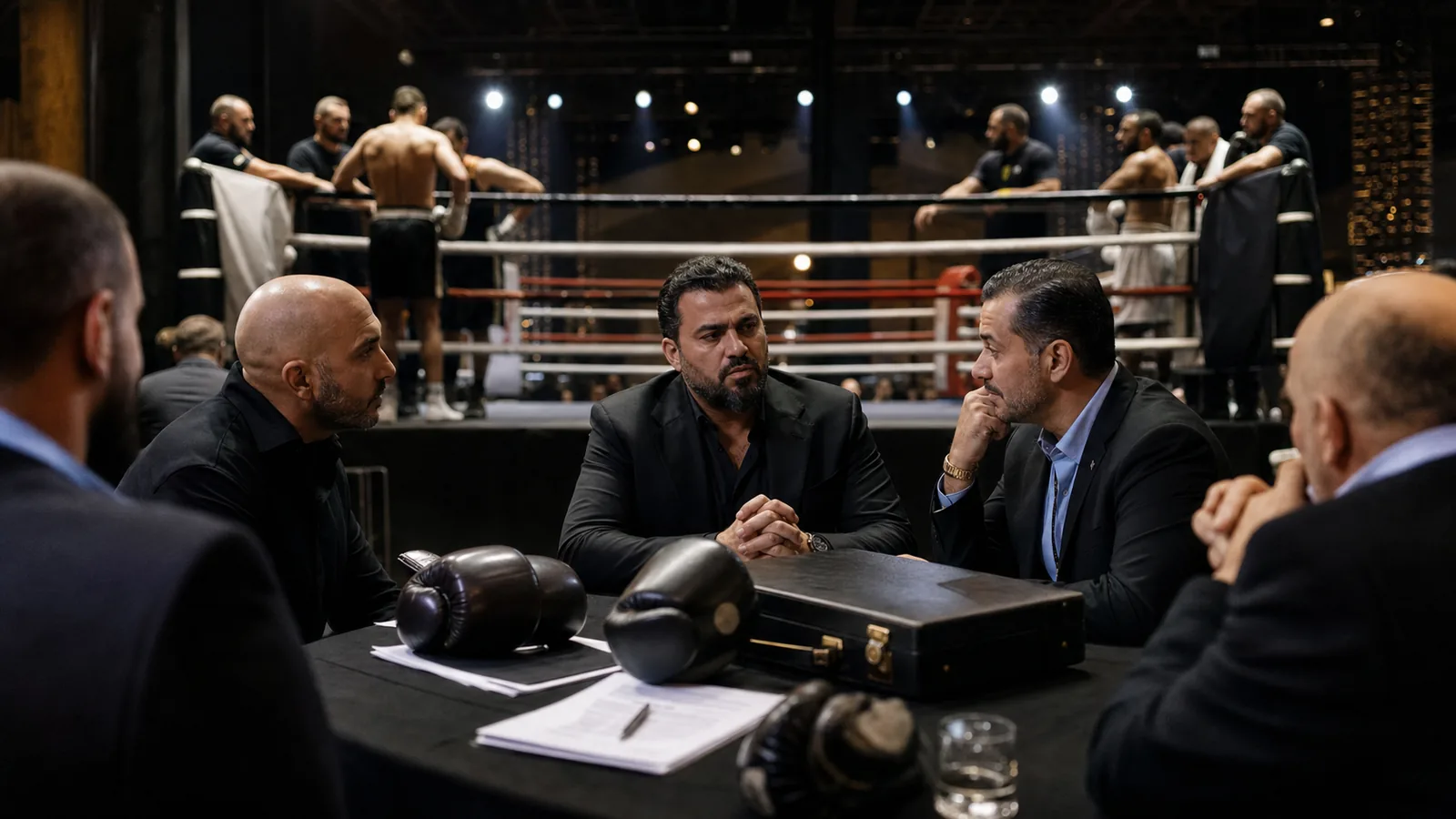
So when Turki Alalshikh gathered major boxing figures in London for what was quickly framed as a promoter peace summit, the idea sounded attractive. Less public sniping. Fewer blocked fights. A cleaner route to Anthony Joshua versus Tyson Fury. More joined-up thinking in a sport that often feels as if five people are trying to steer the same car.
But the harder question is whether this was really about peace, or about deciding who gets to hold the pen.
The meeting looked like unity, but the guest list told its own story
The basic facts are clear enough. BoxingInsider reported that Turki hosted a London summit involving names and companies around Matchroom, Queensberry, DAZN and Gold Star. The meeting lasted more than four hours. Alalshikh posted that they had discussed “everything” and that it would “affect the future”.
That is big language. In boxing, though, big language is the easy part.
The interesting detail was not just who came. It was who did not appear in the main picture. Dana White was absent, while Nick Khan, the WWE president and TKO power figure linked to Zuffa Boxing, was pictured separately with Alalshikh. Boxing News reported the summit went ahead without Dana White, while MMA Mania argued that Zuffa’s separate treatment may show a different level of access, not simply a lack of involvement.
That is where the story changes shape. If Zuffa is outside the room, perhaps the old boxing promoters are trying to hold a line. If Zuffa has its own room, its own conversation and its own route to the decision maker, then the picture is much less comforting for everyone else.
Peace is useful. Control is more useful.
Let us be honest about why this summit matters.
Boxing fragmentation is real. It hurts the sport. It delays fights that should be obvious. It leaves good fighters inactive. It creates title confusion. It makes fans work too hard to follow simple questions: who is the best, who is next, and why is this fight not happening?
A serious attempt to reduce that chaos would be welcome.
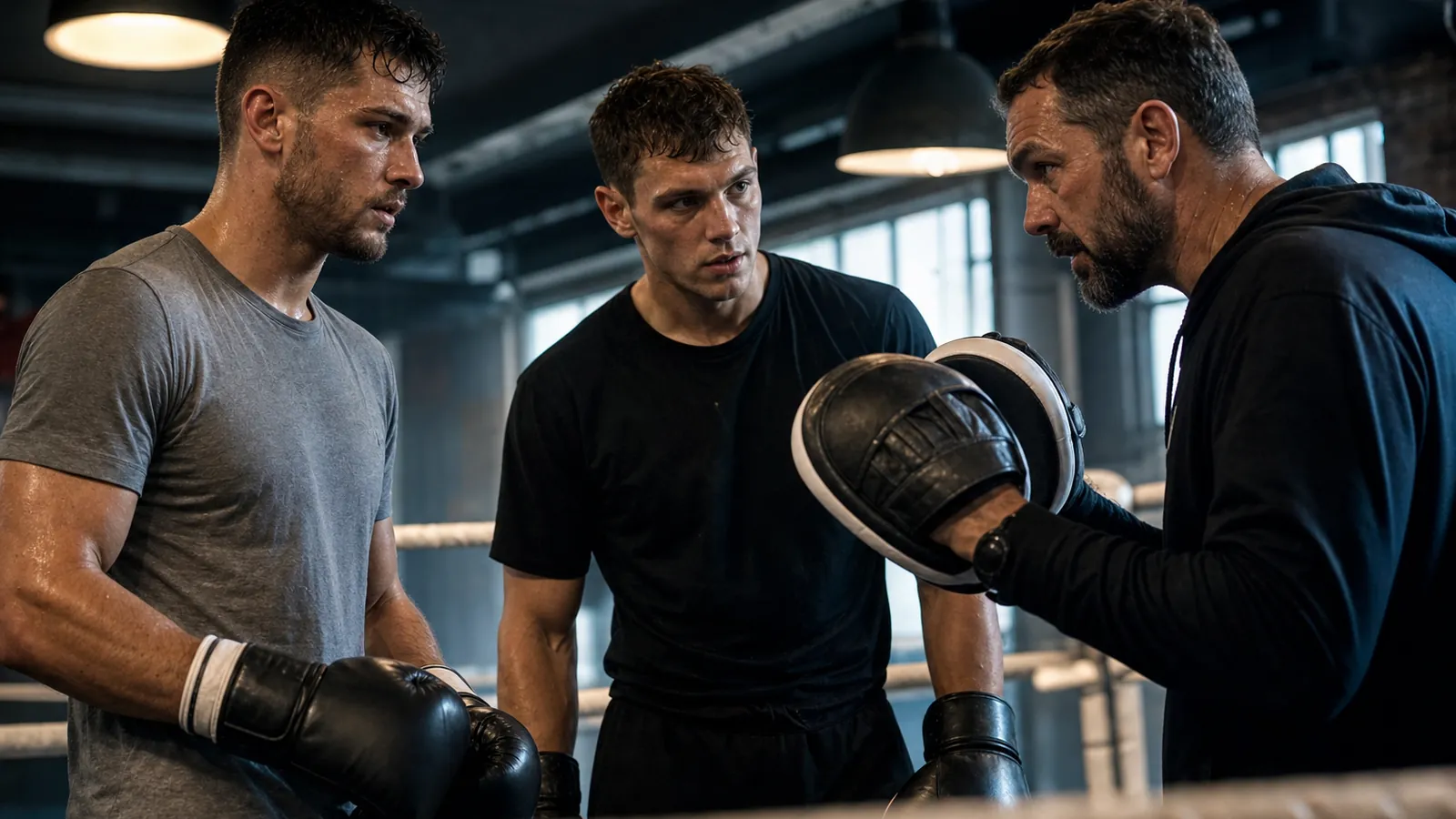
But there is a difference between coordination and concentration. Coordination means the best fights become easier to make because the parties cooperate. Concentration means fewer people control the path, and everyone else has to accept their terms.
Saudi money has already changed the sport. It has helped deliver fights that boxing had failed to make for years. It has also made promoters, broadcasters and fighters increasingly dependent on one centre of spending power. That is not automatically bad. Money can force boxing to stop wasting time. But when the same power broker has influence across events, media relationships, promotional partnerships and possible Zuffa Boxing ambitions, the sport has to ask what kind of order is being built.
A cleaner boxing calendar sounds good. A boxing calendar where one table decides who gets access sounds more complicated.
Oscar De La Hoya’s complaint cuts to the business problem
Oscar De La Hoya is not a neutral witness. He is a promoter protecting his territory, his contracts and his fighters. Still, his complaint is important because it gets to the heart of the issue.
Boxing News 24 reported De La Hoya’s claim that he, Bob Arum and Al Haymon were left out of the meeting. His argument was simple: if this was a real peace meeting, why exclude major American power brokers who still control fighters, relationships and parts of the US market?
That is not a small point. Boxing is not just a British and Saudi business. The American market still matters enormously, especially for pay-per-view, Las Vegas, US broadcast rights and fighters like Ryan Garcia. You cannot fix boxing’s fragmentation by gathering some key players and leaving other key players outside the door.
The Ryan Garcia situation makes that tension sharper. Bad Left Hook covered De La Hoya’s anger over Garcia versus Conor Benn talk, including his claim that Golden Boy had not been formally approached despite Garcia being under contract. De La Hoya’s line was blunt: contracts still matter.
That is the part fans sometimes find boring, but it is central. If the new order in boxing is “the money chooses the fight”, then existing promoters will resist. If the new order is “the money funds the fight, but contracts and stakeholders are respected”, then peace has a chance.
Right now, nobody can say which version is winning.
The Zuffa question is the shadow over the summit
Dana White’s possible move into boxing has always carried a threat as well as a promise.
The promise is efficiency. UFC matchmaking is simple to understand compared with boxing. Champions fight contenders. The brand matters more than the individual promoter. Dates are filled. The machine moves.
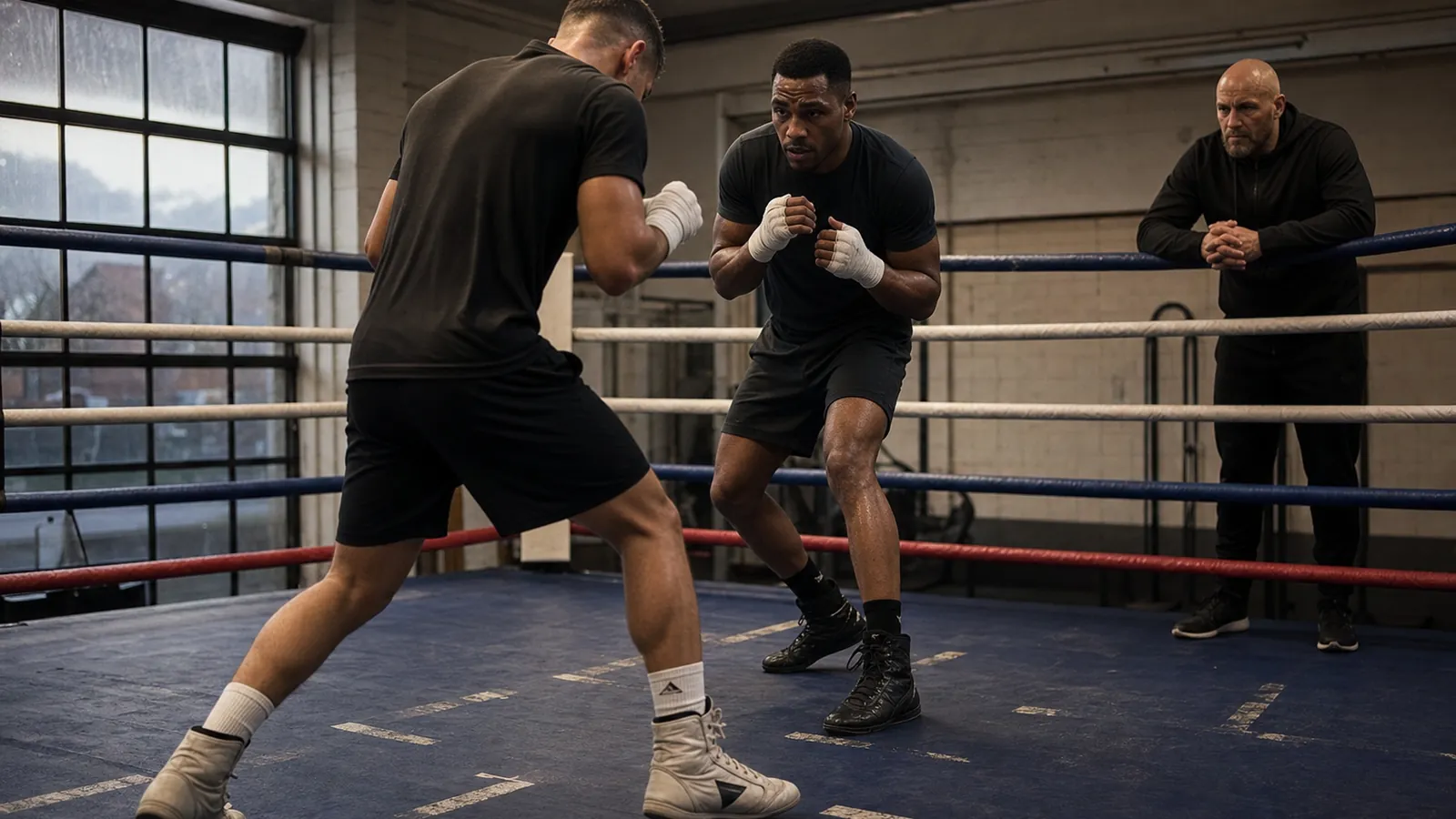
The threat is power. UFC’s model works partly because the promotion controls the system and the fighters have less room to operate independently. Boxing has many problems, but its messiness has also allowed fighters to shop around, build leverage and sometimes earn enormous money when rival promoters or broadcasters want them badly enough.
That is why the Zuffa angle matters. Yahoo Sports covered the London summit and White’s absence. BoxingInsider noted that Hearn had spoken about meeting Turki and Nick Khan. Bloody Elbow framed the story around White skipping peace talks with Hearn and other major names. Boxing247 highlighted Ariel Helwani’s view that Turki may be the only one truly pushing for peace.
That last point feels right. The promoters do not need peace in the moral sense. They need advantage. If peace gives them dates, money and access, they will smile for the photograph. If peace means accepting a new hierarchy with Zuffa or Sela closer to the centre than they are, they will call their lawyers.
Fans want fights, but fighters need leverage
From a gym point of view, the best version of this story is simple: make the good fights.
If you train at our Kidbrooke boxing classes, you learn very quickly that boxing rewards clarity. Feet under you. Chin protected. Hands return. Know the job. The sport outside the ropes often lacks that clarity. A summit that reduces confusion and gets elite fighters active would help everyone, from casual viewers to young boxers trying to understand the divisions.
But the sport should not be so desperate for order that it ignores who benefits from the new order.
If matchmaking power narrows too much, fighters may get more opportunities on paper but less bargaining power in practice. Promoters may become service providers rather than power centres. Broadcasters may become distribution partners rather than decision makers. Sanctioning bodies may either lose influence or find new ways to attach themselves to the money.
That could produce better events. It could also produce a sport where dissent becomes expensive.
The public noise shows how unclear this still is
The wider boxing conversation has been messy because the story itself is messy. There are straight news reports, business readings and fan arguments all pulling in different directions. The source trail runs from the main Relay video discussion to Boxing News 24’s follow-up on Turki teasing a major shake-up, Yardbarker’s recap of the summit, and The MMA Draw’s look at Turki, Zuffa Boxing and Eddie Hearn.
There is also the usual forum reaction, including Reddit threads on Hearn travelling for the peace summit, Turki wanting to “do it” via Ring Magazine, the two sides of Turki’s boxing role, his 2026 plans, earlier talk of brokering peace, plus less relevant community threads such as favourite performances this year and even a non-boxing peace negotiations thread. The useful lesson from all of it is not that the crowd has reached one conclusion. It has not. The useful lesson is that fans can sense the stakes are bigger than one meeting.
My read: this is a power negotiation wearing a peace badge
The summit may still lead to good outcomes. It may calm down public rows. It may make Joshua versus Fury easier. It may help promoters coordinate around dates and broadcast plans. If that happens, boxing fans should take the win.
But the word “peace” is doing a lot of work here.
Real peace in boxing would mean fewer blocked fights, clearer routes for contenders, proper respect for contracts, better activity for fighters and less public nonsense from promoters who spend more time arguing than making matches.
A power shift would mean the same language used to bring everyone into line, while the real decisions move closer to the money.
The London summit might contain both. That is why it matters. Turki Alalshikh has enough influence to force boxing’s biggest operators into the same conversation. That alone is significant. The question now is whether those conversations make the sport more open, or simply teach everyone where the new centre of power sits.
Boxing does need peace. It just has to be careful that peace does not arrive as a takeover with better lighting.
H&G Team
Writer at Honour & Glory Boxing Club, a community boxing gym in Kidbrooke, South East London.
KEEP READING
Can boxing’s new money create lasting opportunities?
Frank Smith’s warning about Zuffa’s spending opens a broader discussion on whether short-term purses improve boxing, and what happens to fighters when a funding boom cools.
Dana White and the Joshua-Fury promotion row
Dana White says he is involved in Joshua-Fury. Boxing promoters are pushing back. Here is what the row actually tells fans about whether the fight is close.
Eddie Hearn ‘Bully’ Row: What Boxing Debate Gets Wrong
Use the current talkBOXING panel discussion to examine why promoter criticism so often becomes personality-first, and what fighters, managers and fans should ask about power and accountability instead.
Was this page helpful?
It takes one tap, and it genuinely helps.
Choose your next step
Turn this article into the right action
Some readers are ready to book. Some need the class route first. Pick the route that matches what you actually want.