Training Tips
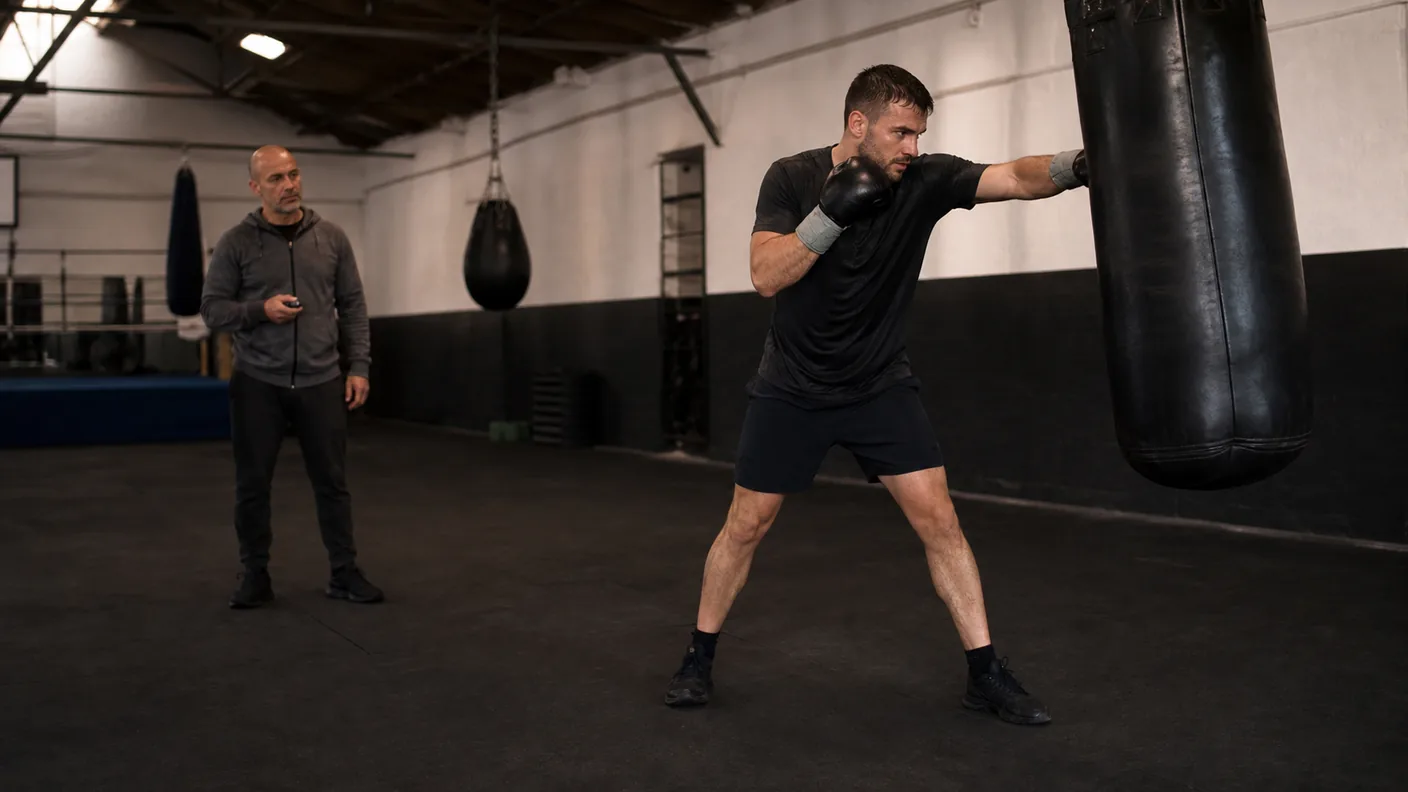
How Long Should Beginner Boxing Rounds Be?
Beginner boxing rounds do not need to be three minutes. Learn how to choose a length that keeps your technique useful.
Page 14 of 75
Beginner boxing rounds do not need to be three minutes. Learn how to choose a length that keeps your technique useful.

Thirty days of boxing training at Honour and Glory - what actually changed physically and mentally, and what takes longer than a month to show up.
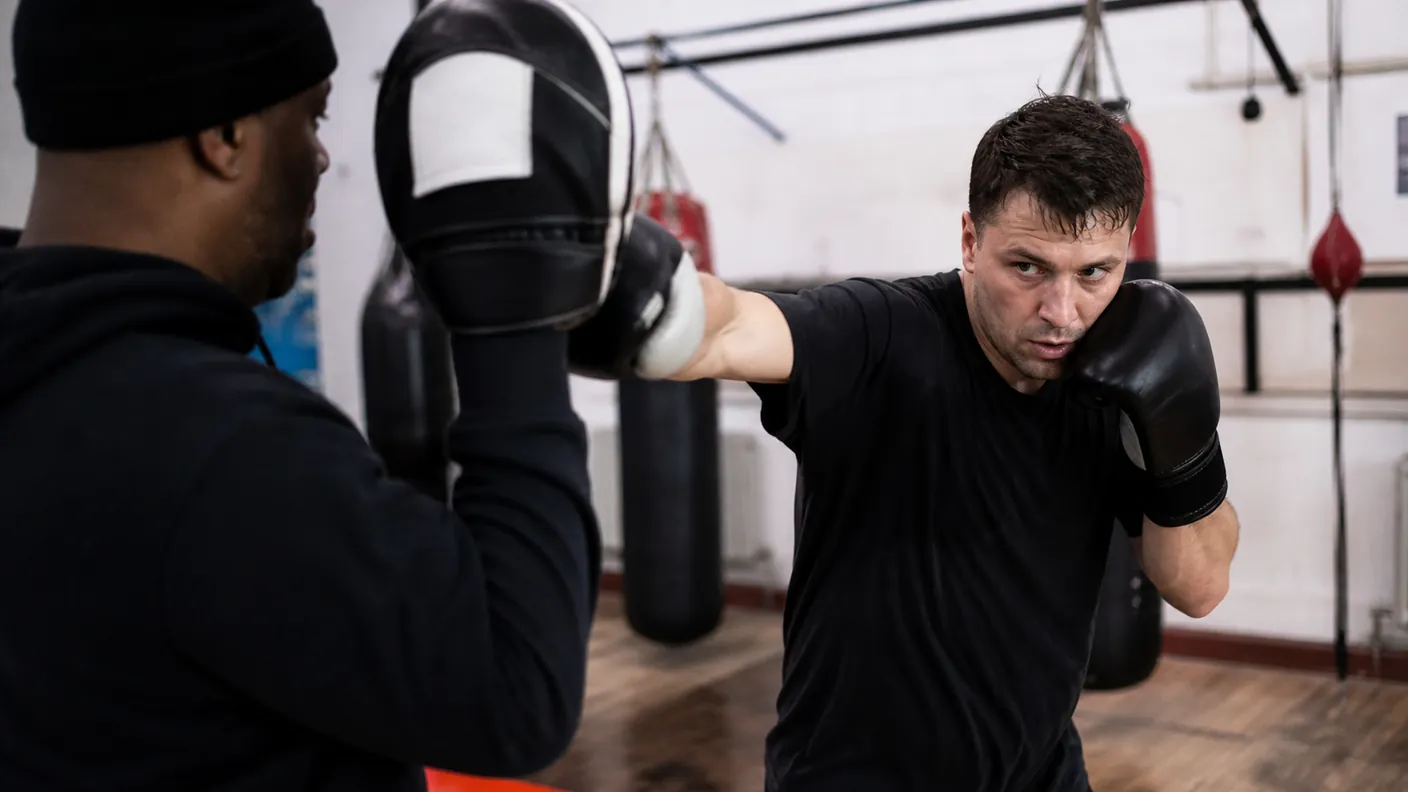
Learn when an overhand right belongs, how to throw it without falling in, and how to practise the timing with controlled drills.
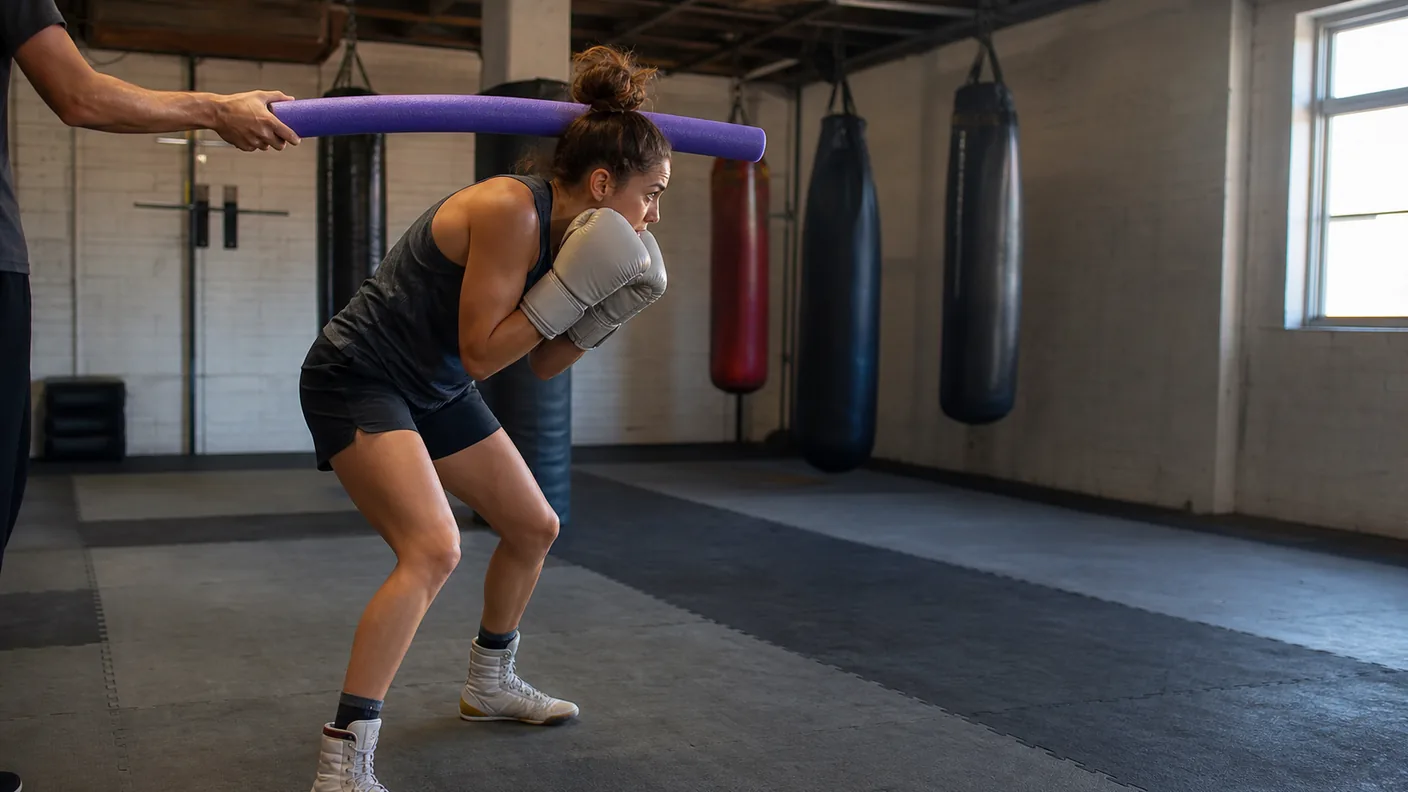
Use a compact roll to load a short rear hook without forcing the punch, losing your stance or leaving your guard behind.
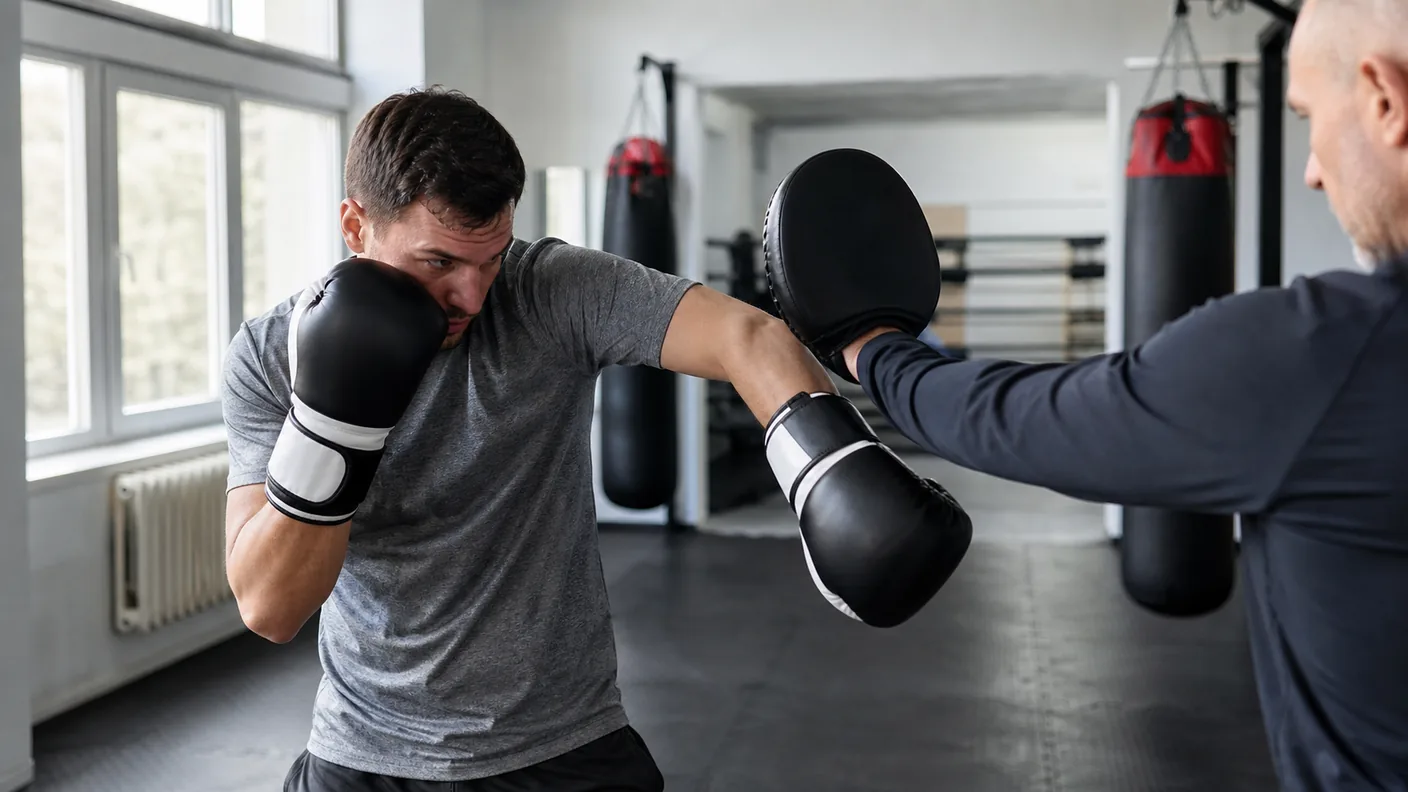
Use a compact down parry to move a straight punch off line without reaching, losing your guard or freezing after the defence.
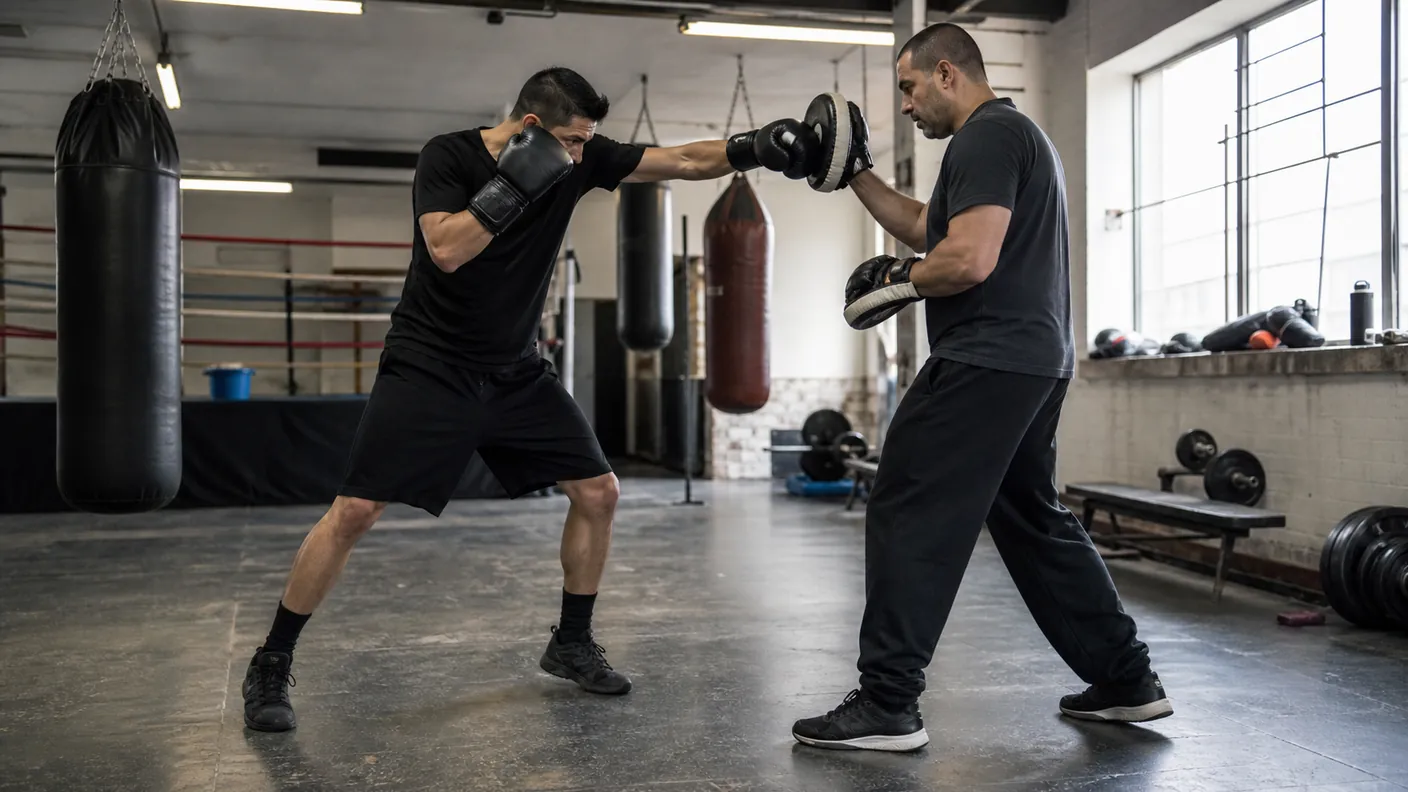
Use a fast long-range lead hook to change the line without reaching, swinging wide or losing the stance that keeps you safe.
A simple plan for using open boxing sessions to improve one useful skill instead of drifting through bags, pads and conditioning.
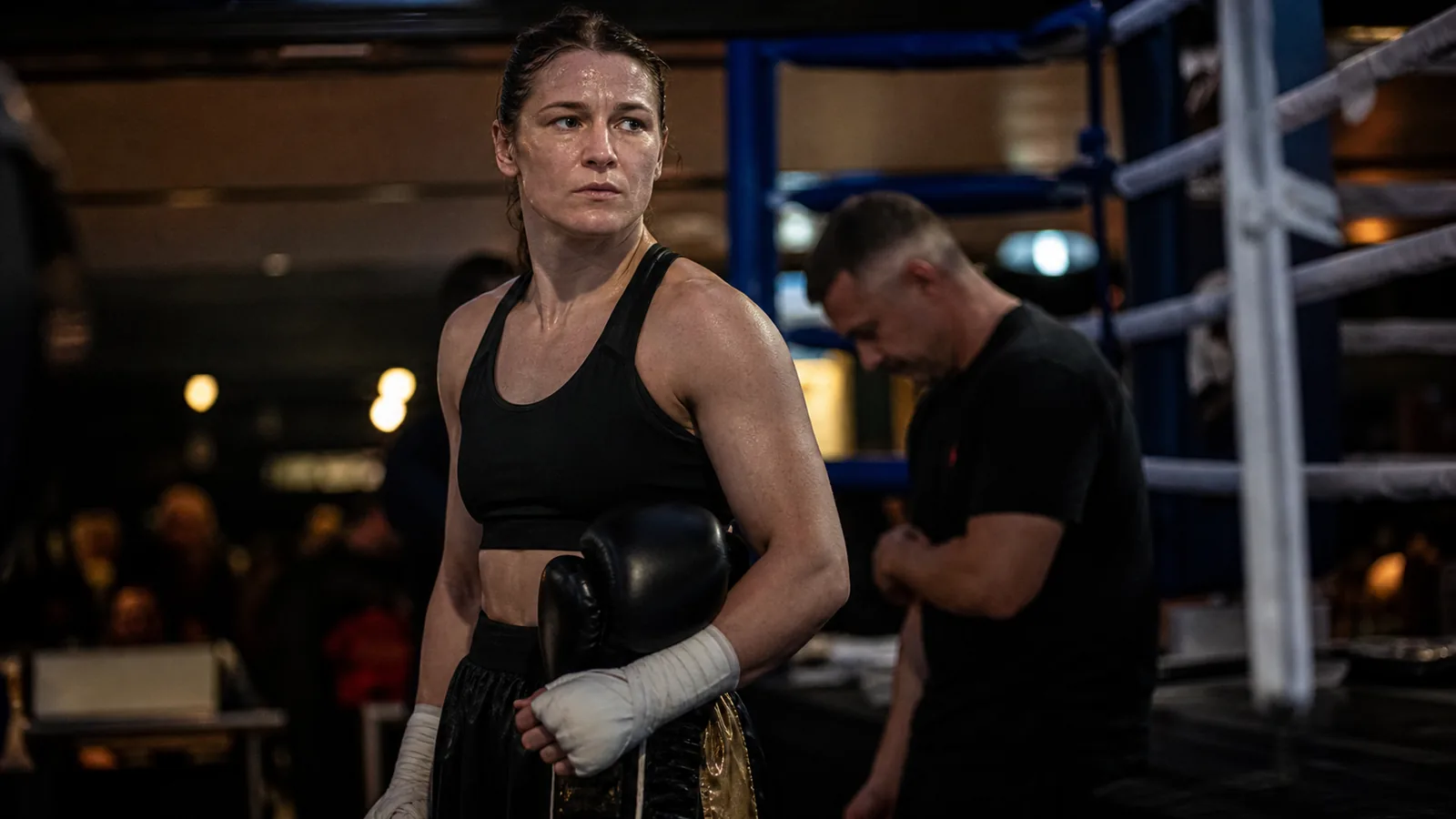
Examine the unusual competitive challenge of a planned farewell world-title fight: balancing legacy, expectation and performance without reducing it to a retirement tribute.
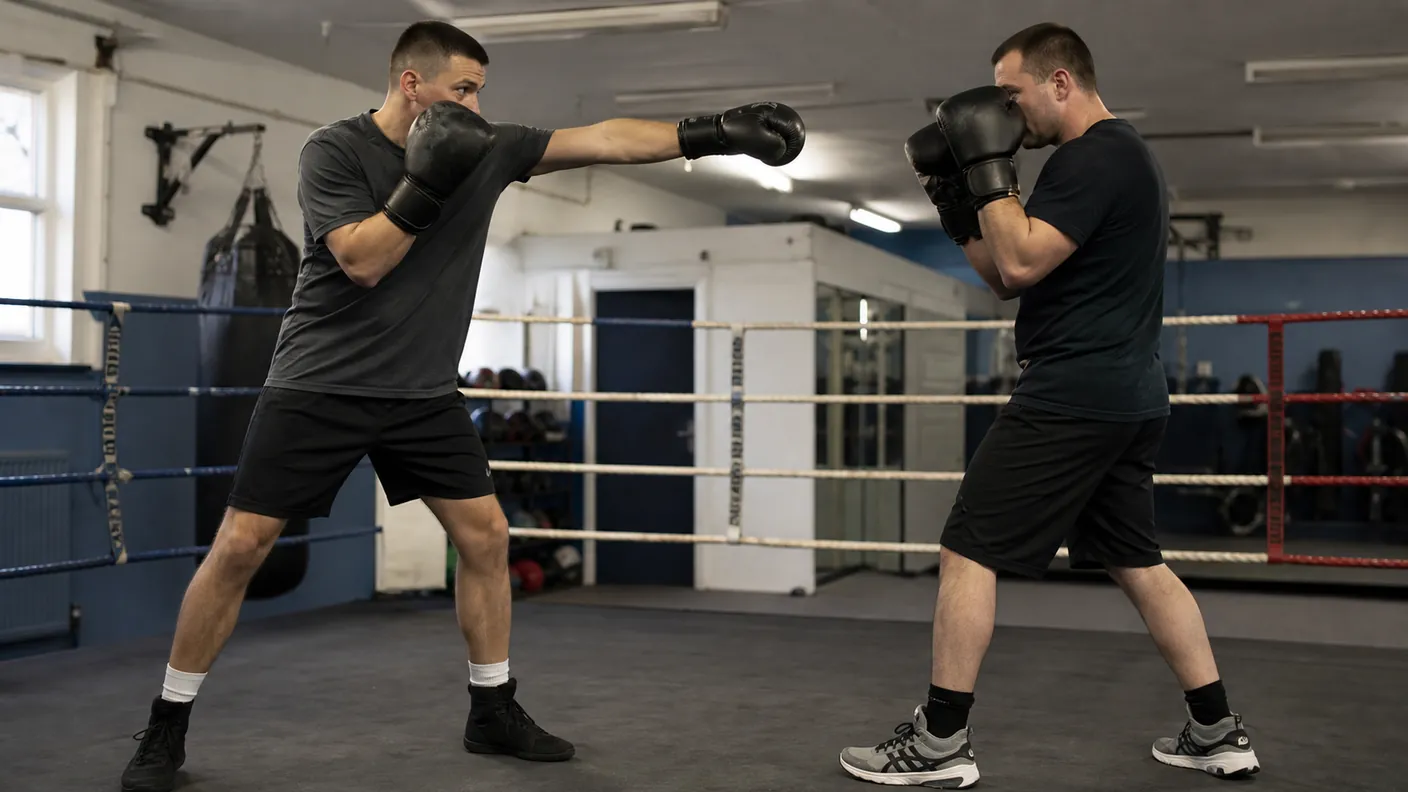
Use a long guard to judge range, interrupt a jab and leave yourself balanced enough to punch, defend or step away.
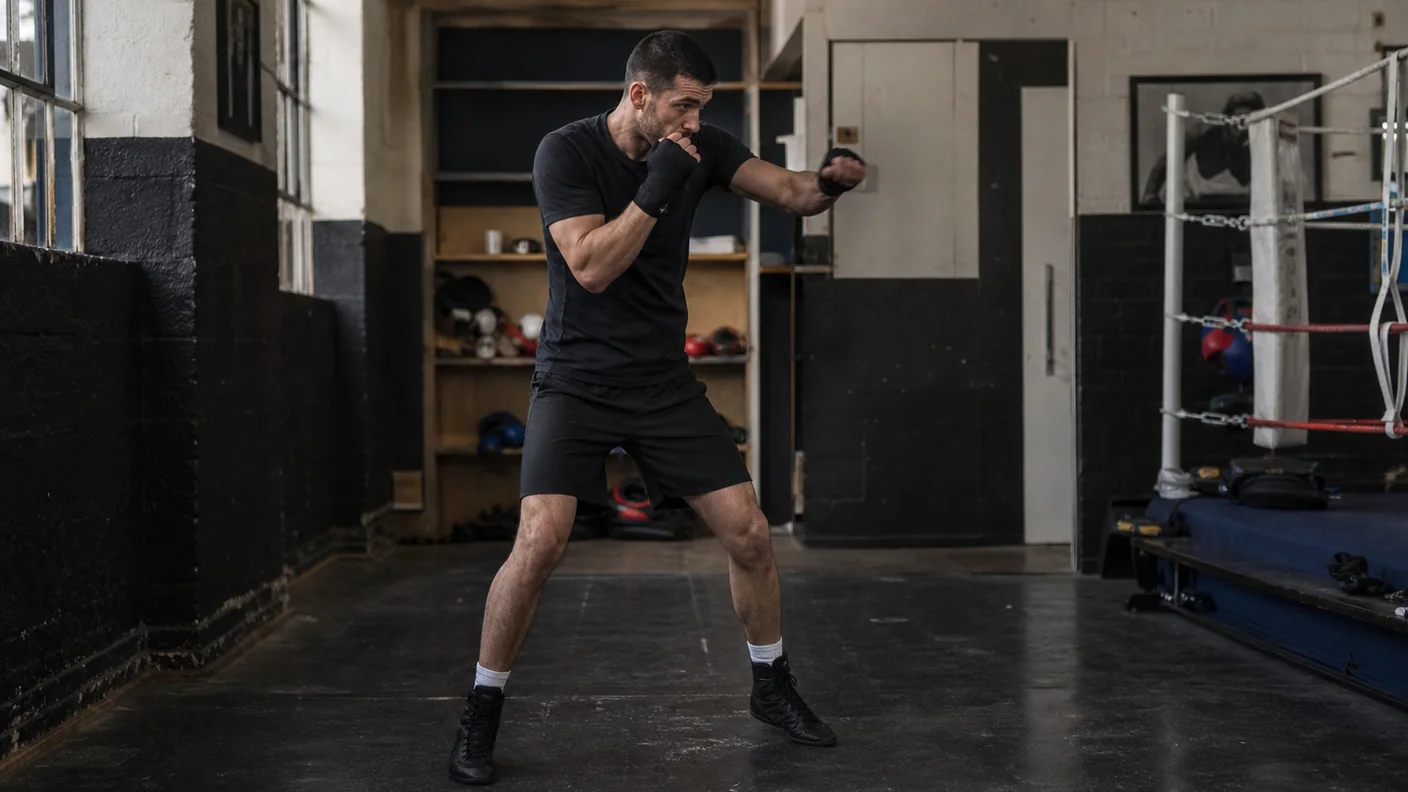
A simple shadow-boxing drill to stop clenched fists and tense shoulders making your punches slow, stiff and easier to read.

Move beyond the already-covered mandatory routes: assess why an unbeaten champion would clear three belts while still planning one final fight, and what that says about the heavyweight division’s need for new leaders.
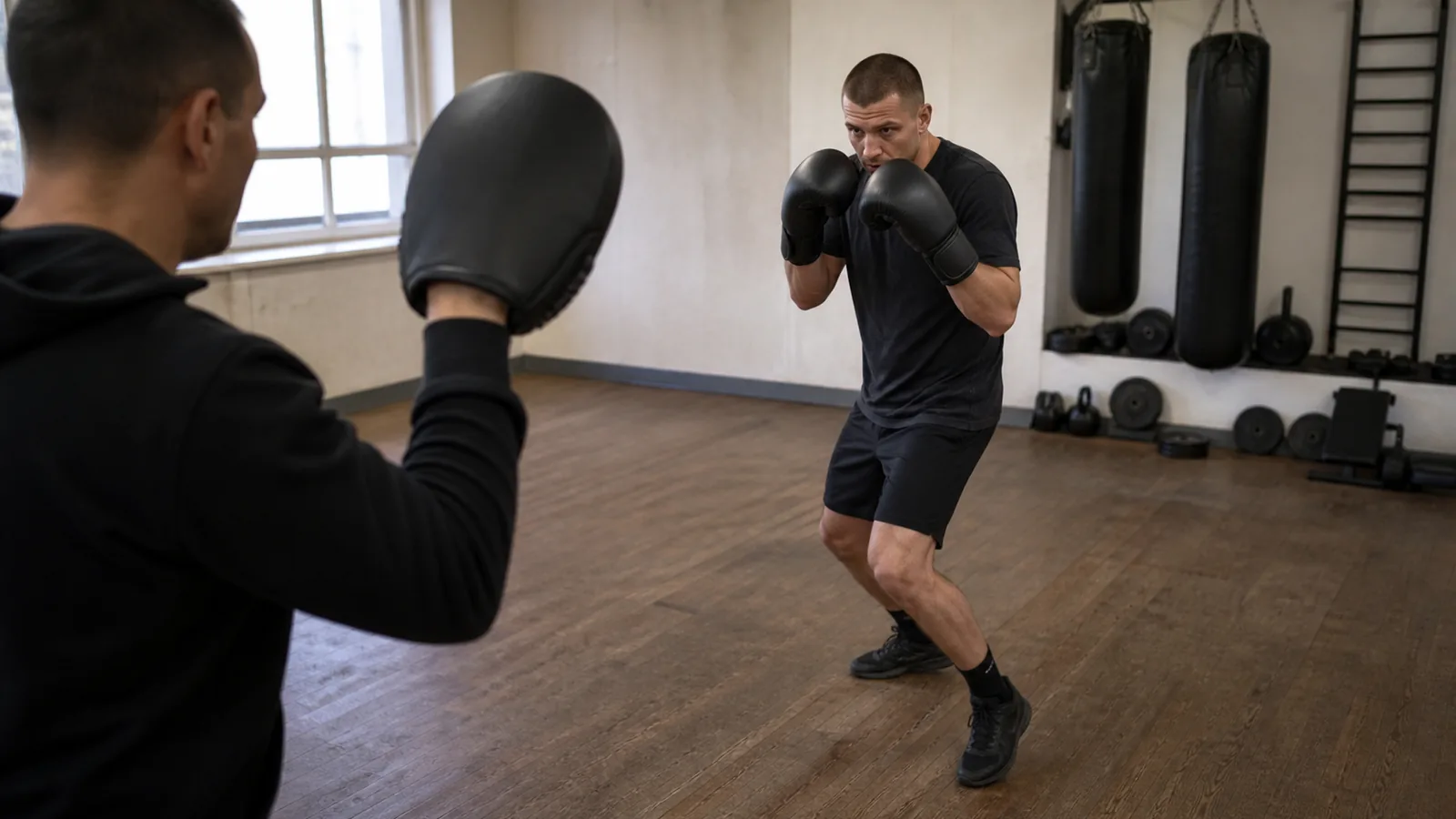
Use a short check hook only when the step back, guard and lead-side turn leave you balanced enough to exit or reset.
Page 14 of 75 (890 posts)