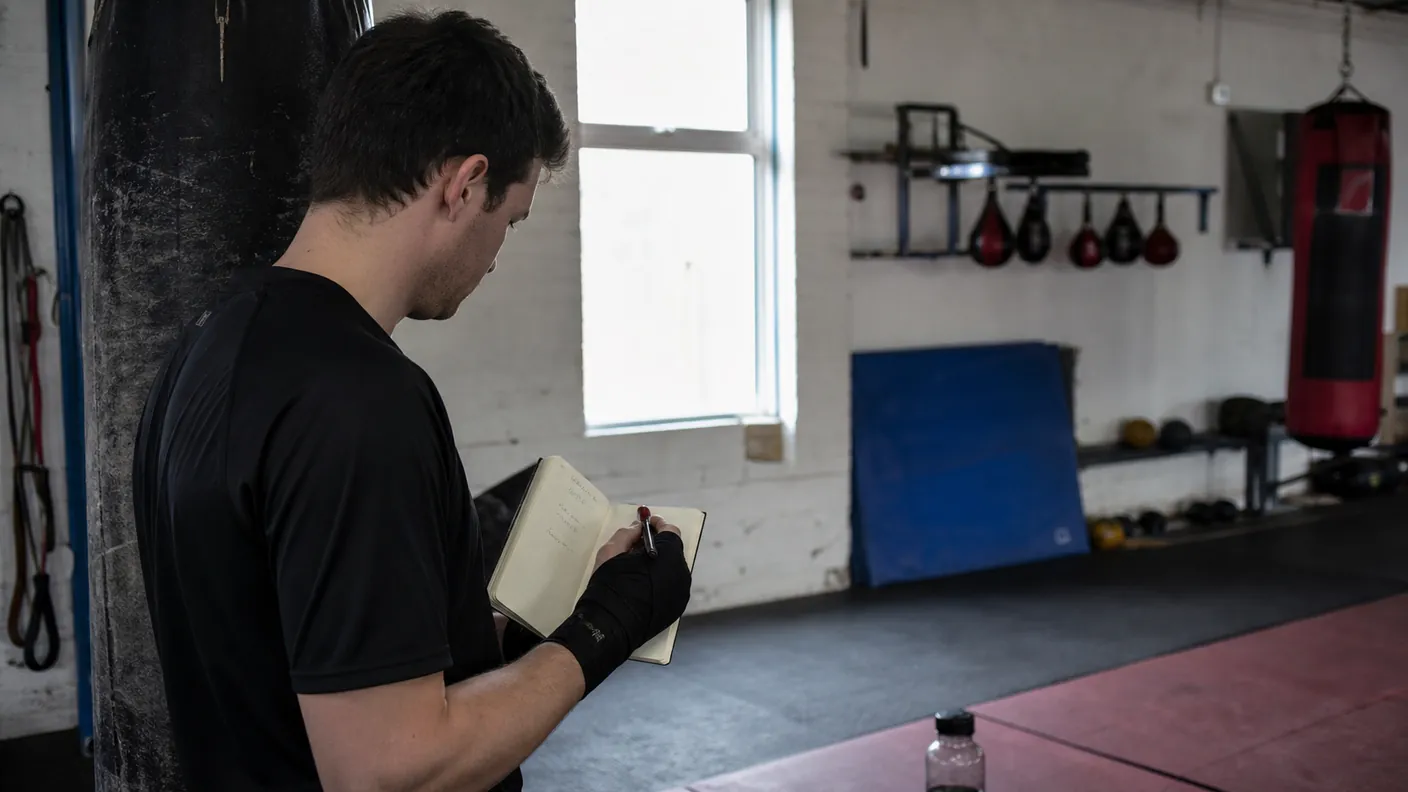
An open boxing session can be the best hour of your week or the easiest one to waste.
You have bags, space, ropes and pads. That is useful. It also creates a familiar problem: ten minutes of skipping, some hard bag work, a few combinations you half remember, then a sweaty finish with no idea what actually improved.
The answer is not a complicated programme. It is arriving with one small technical job and giving it enough clean repetitions to find out whether it is getting better. You can still work hard. You just need a reason for the work.
Decide what a good session would look like before you start
Do not arrive expecting to solve your whole boxing game. Pick one thing that will be recognisably better by the end of the session.
That might be keeping the rear hand home during a jab, staying in stance after a cross, taking a calmer first step, or landing a hook without the shoulders getting ahead of the feet. It should be small enough that you could explain it in one sentence.
This is not a soft approach. It gives hard work a target. A review of motor-learning practice describes useful practice as focused, aimed at a current weakness and supported by feedback rather than simply accumulating repetitions (review). The gym version is simple: know what you are trying to fix before the bell goes.
If you are new enough to need technique checked, start with a coached class or personal training rather than an open session. Open boxing at H&G is uncoached.
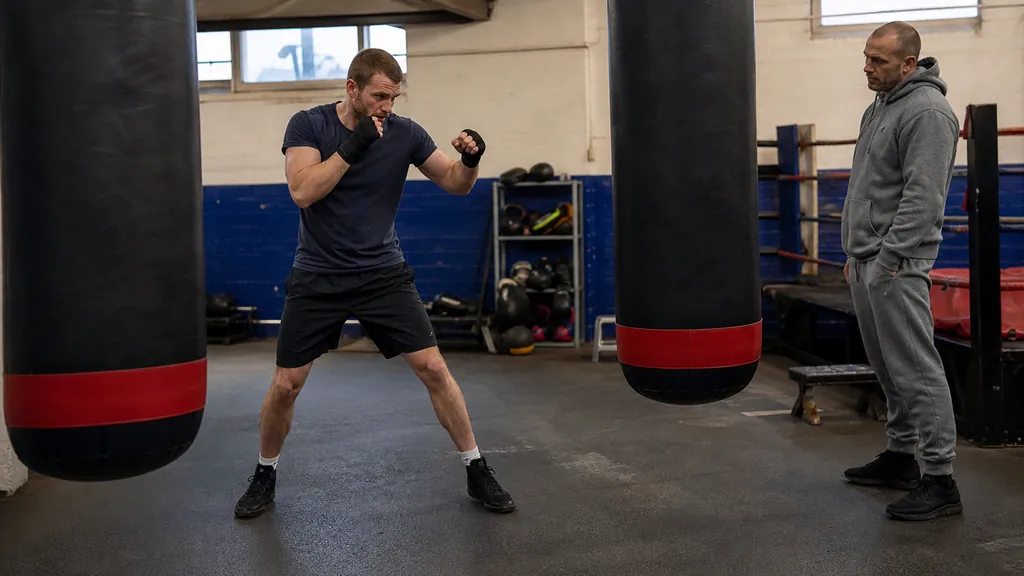
Warm up until you can feel your stance, not until you are exhausted
An open session is not a reason to skip the boring first part. Start with a few easy minutes of movement, then shadow box at a pace where you can feel the feet and guard working together.
The American College of Sports Medicine recommends a light-to-moderate warm-up before training, commonly around five to ten minutes, with movements that fit the work ahead (guidance). For boxing, that means low skipping, light footwork, shoulder circles and slow shadow boxing rather than a race to make yourself tired.
Use the warm-up to test the job you chose. If you want to stop falling forward, take small steps and throw single jabs into the air. If you want the rear hand to stay in guard, shadow box one jab at a time and pause after every few repetitions. If the problem already looks worse at low speed, you have found the point to work on.
Do not turn this into a mirror performance. A sensible warm-up should leave you warmer, more settled and able to tell where your balance is. It should not leave you breathless before the first useful round.
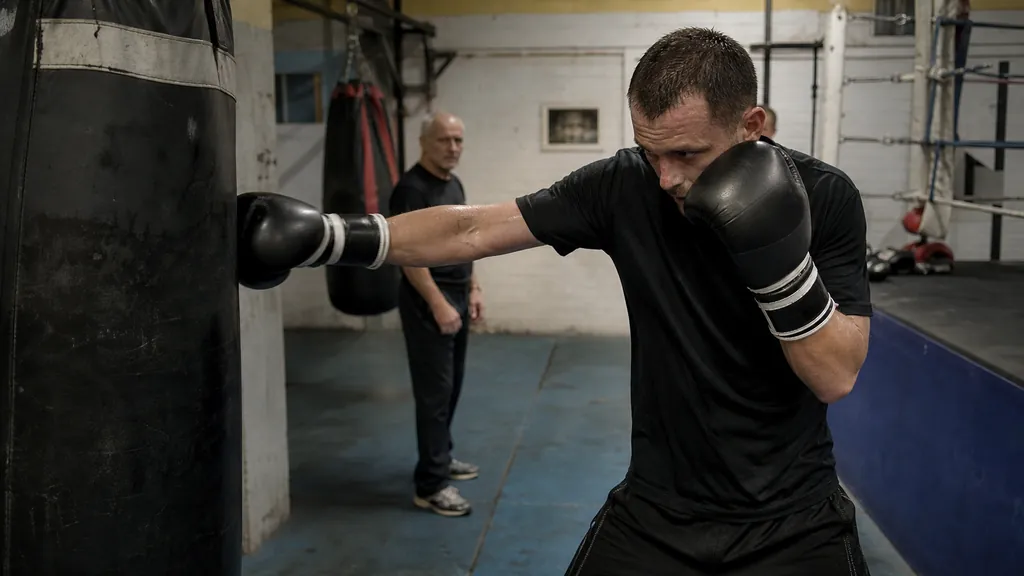
Use three rounds with three different jobs
A good open-session plan gives the same skill more than one setting. That is how you find out whether the movement survives outside the easiest version.
Round one: make the shape obvious
Work at a low pace. Use shadow boxing, a floor line or a bag without trying to hit hard. Your only job is the detail you chose before the session.
For example, if you are working on a jab that returns to guard, throw one jab, bring it home, then wait for a beat. Check the rear hand, chin and feet. If the jab is making you lean, slow down and take a smaller step. If the rear hand is drifting, remove speed instead of trying to hold it in place by force.
This is where the one-job technical round approach pays off. You are looking for evidence, not trying to impress anyone nearby.
Round two: put the same skill on the bag
Now make the bag useful without treating it as proof that the skill is finished. A heavy bag gives you contact and rhythm, but it will accept an ugly punch if you hit it hard enough.
Choose a simple rule. If you are working on stance after the cross, throw jab-cross, bring both hands back and take one calm step away. If you are working on range, only jab when you can reach without your head travelling first. If you lose the shape, reset before the next repetition.
Keep the power around a level where you can still notice the mistake. A measured jab-cross with both feet underneath you teaches more than a loud twelve-punch burst that ends with your head over the bag.
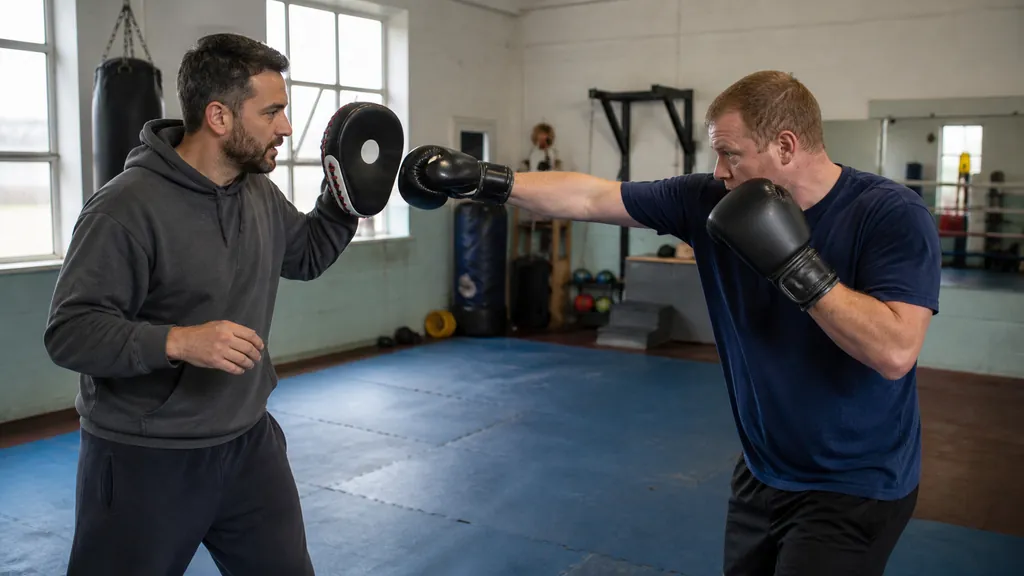
Round three: test the same detail under pressure
The third round tests whether the same detail survives a little more pace or movement. Increase the demand without turning the round into an uncontrolled effort.
For example, add a defensive exit after the jab or move around the bag before resetting. If your shape disappears, reduce the pace and return to the previous version.
If you brought a suitable training partner, one jab, one-two, or a simple defensive cue is enough on the pads. The point is to see whether your shape holds when somebody else sets the target. Our guide to holding boxing pads properly explains why clear targets and calm communication matter for both people.
England Boxing describes local clubs as places to learn the basics in a safe, controlled environment, whether your goal is non-contact fitness or the ring (beginner guide). At H&G, use a coached class or personal training when you need that instruction rather than expecting it during open boxing.
Do not turn open time into unsupervised sparring
Open sessions can include different levels of training, but that does not mean every member should try every activity.
If you are new, bags, footwork, shadow boxing, skipping and simple pad work give you plenty to do. You do not need to copy the fastest person in the room or ask an experienced boxer for a hard round. Sparring needs coach judgement, the right equipment and a clear reason for both people involved.
The same goes for pad work with a mate. Start with predictable, controlled targets. Do not wave the pads around, surprise each other with hard counters or turn a technical round into a contest. Good work is clear enough that either person can stop, reset and ask a question.
Leave with one note for next time
The last minute of an open session is useful. Before packing your gloves, decide what you found.
Perhaps the jab was clean until you sped up. Perhaps the feet stayed in stance but the lead shoulder rose. Write one short note in your phone or remember one cue for the next session.
That is how open training starts to add up. You are not waiting for a magical perfect session. You are building a record of small problems that are becoming less of a problem.
For adults near Kidbrooke, Recreational Adults boxing classes give you the coached foundation behind that independent work: stance, guard, bags, pads and the chance to ask the right question before a small technical error becomes a habit.
H&G Team
Writer at Honour & Glory Boxing Club, a community boxing gym in Kidbrooke, South East London.
KEEP READING
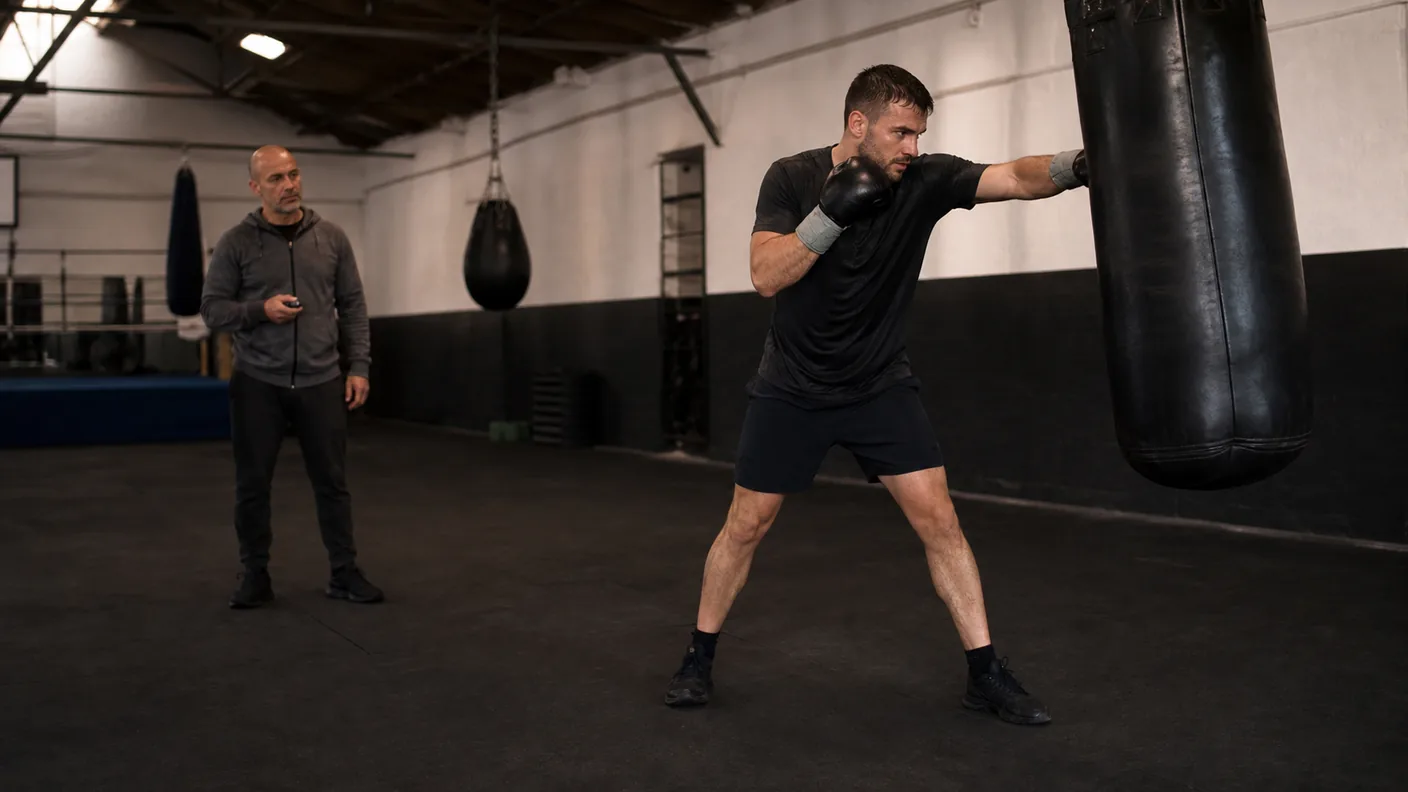
How Long Should Beginner Boxing Rounds Be?
Beginner boxing rounds do not need to be three minutes. Learn how to choose a length that keeps your technique useful.
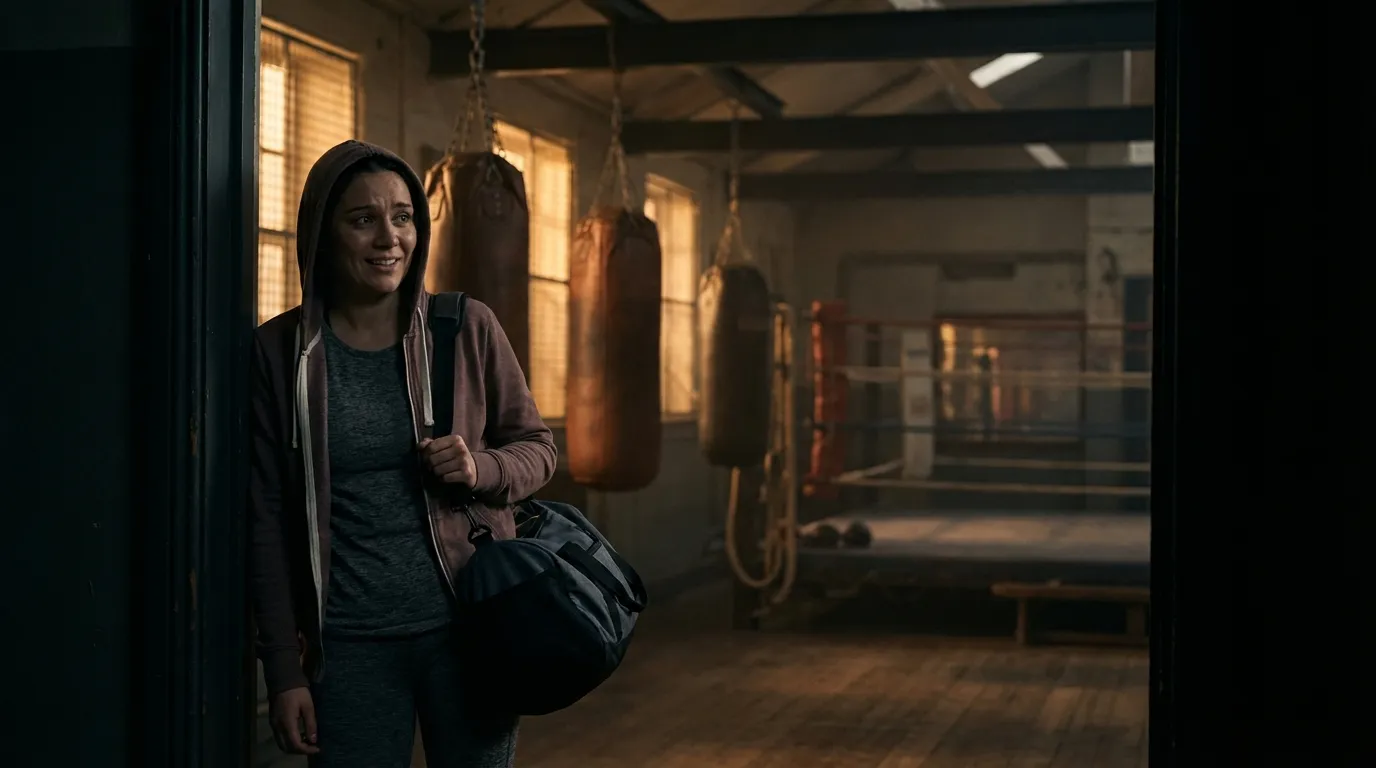
What to Expect at Your First Boxing Class
Nervous about your first boxing class? Here is exactly what happens when you walk through those doors, so you can focus on learning instead of worrying.
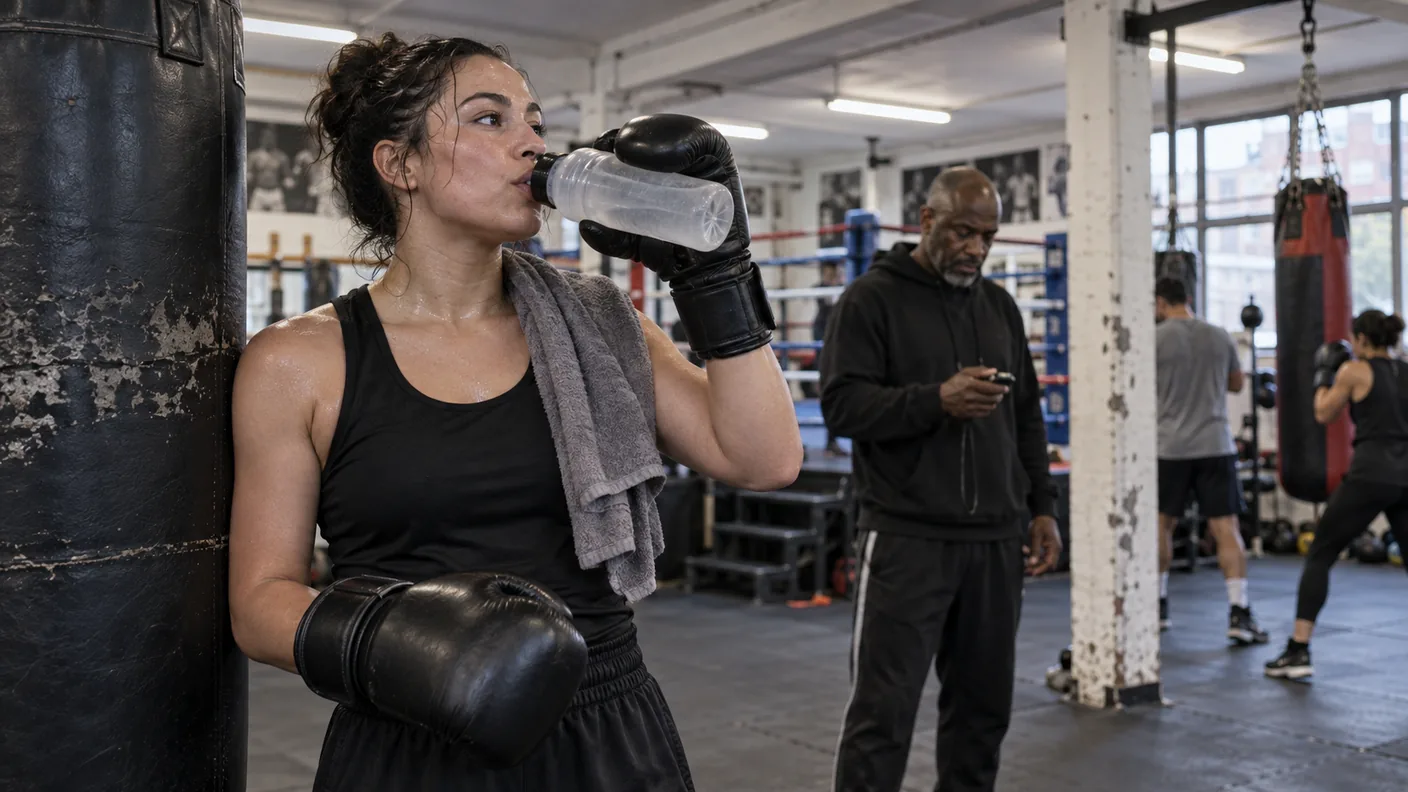
Is It Okay to Take Breaks in Boxing Class?
Yes. A short, honest break can keep a beginner boxing session safe, useful and worth coming back to.
Was this page helpful?
It takes one tap, and it genuinely helps.
Choose your next step
Turn this article into the right action
Some readers are ready to book. Some need the class route first. Pick the route that matches what you actually want.