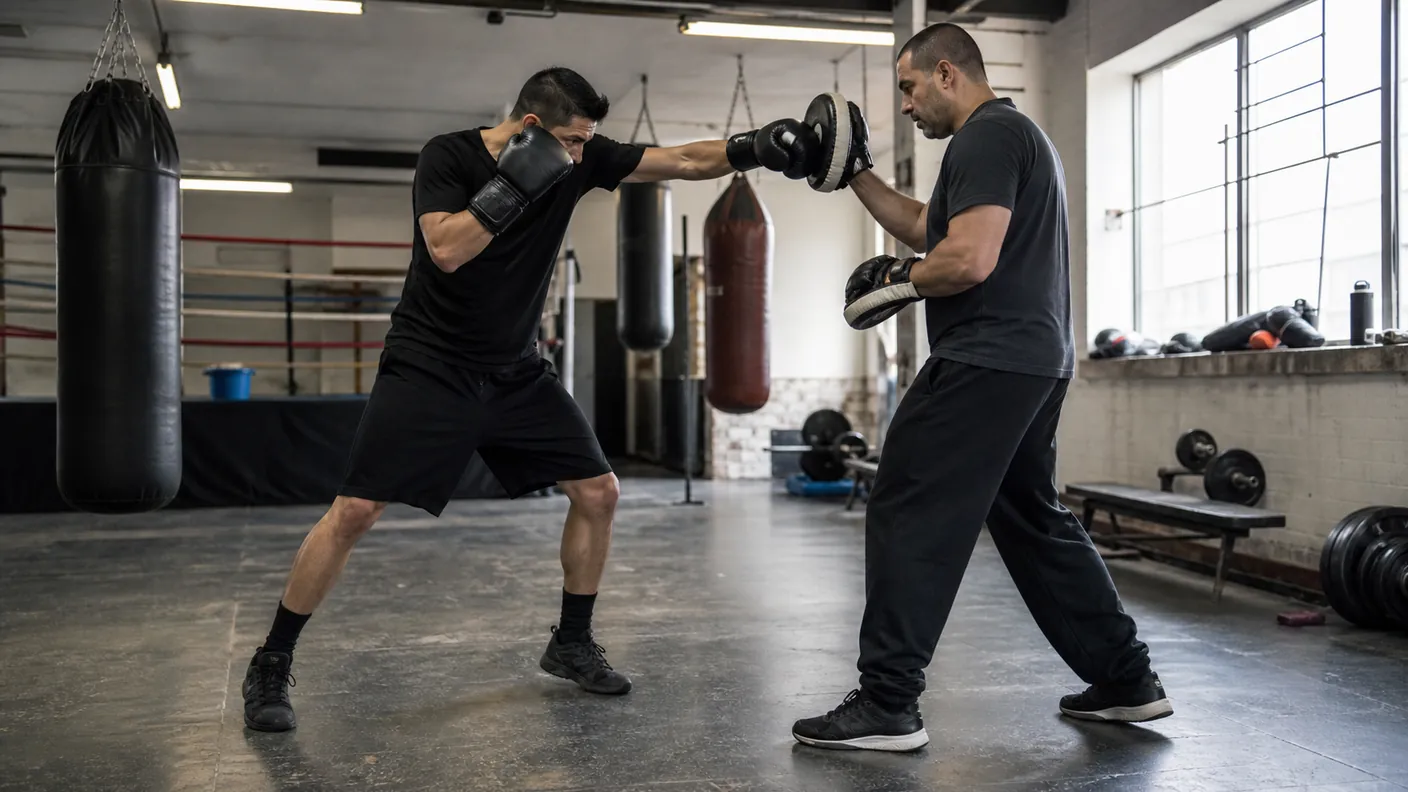
A lead hook does not always need to be a heavy close-range punch. At the edge of range, a quicker, lighter hook can bend around a straight-line guard, change the picture and help you leave with your stance intact.
That does not mean throwing a wide arm from too far away. The long-range version is useful only when the feet have put you close enough for the glove to travel around the target without your head chasing it. If you have to lean, reach or throw your rear hand away from your cheek, it is no longer a quick hook. It is a slow warning.
The video below is a useful visual reference for the rhythm of the drill. Watch the feet as closely as the hand. The hook changes the line, but the boxer still has to be standing in a position that lets them defend or move next.
What makes a long-range lead hook different
A standard lead hook is usually taught at mid range. The elbow stays bent, the lead foot and hip help the body turn, and the punch arrives around the side of the target. At longer range, the job changes. You are not trying to blast through a guard. You are trying to touch a line that a jab or straight shot does not travel along.
That calls for speed and shape rather than a big load-up. The arm still has an elbow bend. The shoulder and hip still turn. The rear glove still has to look after the chin. The difference is that the punch is lighter and the feet are ready to take a small step before, during or after it.
A biomechanical study of hooks, crosses and uppercuts describes the hook as a predominantly rotational action rather than a straight-line punch. That is the detail worth keeping. Let the body turn the glove around the target. Do not try to make the arm reach there on its own.
Do not confuse a long hook with a long arm
The most common mistake is turning a long-range hook into a slap. The elbow straightens, the glove arrives late and the head comes forward to make up the missing distance. That may land on a heavy bag, but it teaches a shape that is easy to see and hard to recover from.
Use the range test. From a settled stance, turn your lead side and let the glove travel around a coach-held mitt or a small point on the bag. If the fist reaches the target while your head stays between your feet, the range is workable. If the shoulder has to pull you across the front knee, take a smaller step in first or abandon the hook.
The second mistake is trying to make every hook damaging. A fast hook can be a touch that makes someone cover, turn or pause. It can prepare the next jab. It can buy the half-step you need to leave. Heavy shots have their place, but they need a closer range and more committed rotation.
Set the hook with the feet
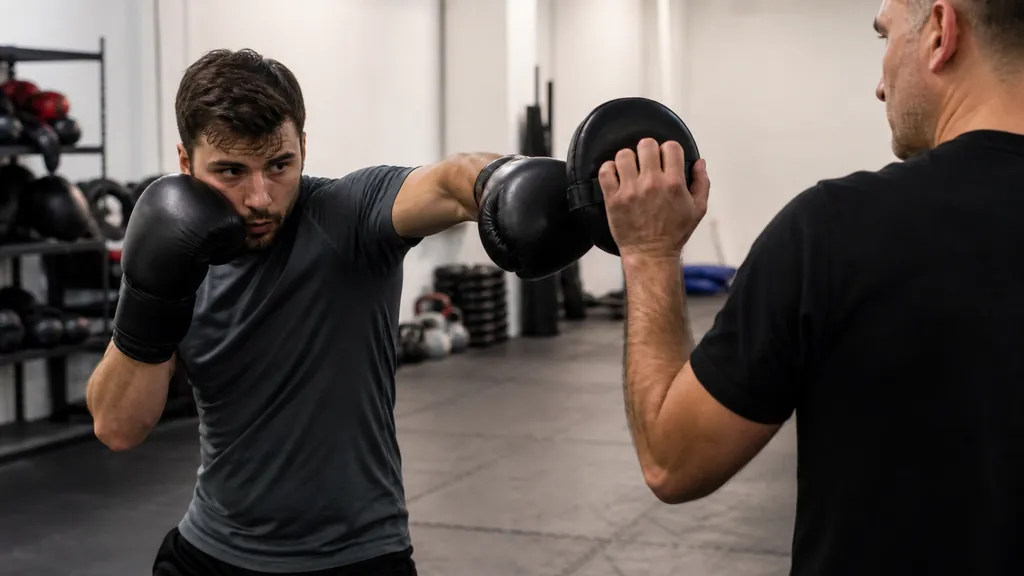
The cleanest way to find the hook is through a small change in distance, not a larger arm action.
Start just outside the distance where the hook would land cleanly. Take a short step with a light jab or lead-hand touch. Let the rear foot restore the stance. Now the hook has a sensible route around the mitt or bag because your body has moved into range first.
Keep the step quiet. A jump makes the head rise, puts the feet too close together and leaves you waiting to punch. A glide keeps your weight organised. You are moving into a usable distance, not launching at somebody.
England Boxing's coaching resources put technical fundamentals and coach-led progression at the centre of its training pathway. That is the sensible standard for this drill. Begin with a clear target, a slow feed and enough space to stop. Add pace only when the boxer can finish in stance.
Our guide to set-up jabs in boxing explains why the first lead-hand action should have a job. Here, that job is simple: take the small piece of ground that makes the hook honest.
The three-round fast-hook drill
Use a bag, a single mitt or a coach-held foam target. Do not start by trading hooks with a partner. The point is to connect range, rotation and recovery before another person's punches make the movement rushed.
Round one: turn without reaching
Stand at a distance where your lead hook would fall slightly short. Do not step yet. Make a small lead-side turn and throw the hook at half speed into open space. Freeze at the end of each repetition.
Check that the rear glove is near the cheek, the elbow is still bent and the head has not drifted over the front knee. If the glove would miss by a large distance, that is useful information. The answer is a foot adjustment, not a bigger swing.
Round two: jab, step, hook
Use one mitt or a marked point on the bag. Throw a light jab as the lead foot takes a small step. Bring the jab home as the rear foot settles behind you. Then throw one fast but controlled lead hook.
The hook should be the quickest part of the sequence, not the biggest. After it lands, return the lead hand and check your stance before the next repetition. Work one-minute rounds at first. Quality matters more than trying to fit a combination into every second.
Round three: hook and leave
Now add a decision after the hook. You can take a small step back, pivot out, or bring both gloves home and reset. Choose the finish from your balance, not because the drill tells you to use the same exit every time.
If the hook pulls you square, the exit will feel forced. Reduce the step and make the rotation smaller. A useful hook lets you leave in a better position than the one you started from.
When the hook works best
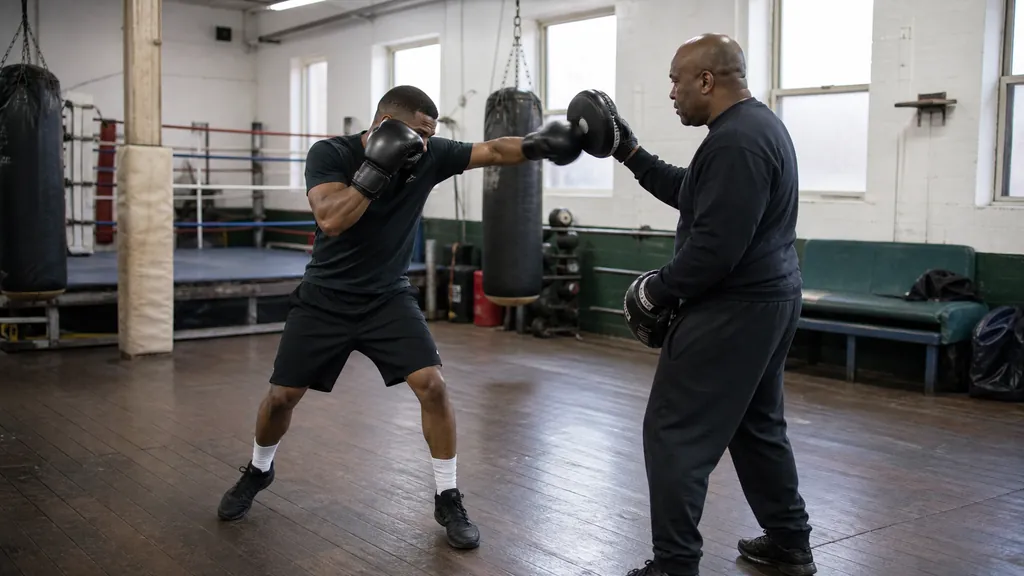
This is not an answer for every range. Use it when someone is showing a straight-line guard, when a jab has made them lift the hands, or when you have stepped into a distance where the hook can travel around the outside without you leaning.
It is less useful when you are crowded. At close range, a compact hook or uppercut usually makes more sense. From too far away, a jab or a step is more honest. The long-range hook sits between those situations. It is a brief route around a line, not a replacement for distance judgement.
If range is the problem, read how to choose the right boxing punch for the range. If the hook shape is the problem, return to how to throw a lead hook in boxing. The order matters: first choose the right distance, then make the punch fit it.
Four mistakes to catch early
The first is loading the hook by pulling the hand too far back. That gives away the punch and delays the moment it should arrive. Start from a normal guard and let the small body turn create the path.
The second is letting the rear glove drift. A hook that lands while your opposite hand is by the ribs is not a technical win. Keep the rear side home before you ask the lead side to move quickly.
The third is taking a big step. If you need a long lunge to make the hook work, you are using the wrong punch or you started from the wrong place. Small steps keep the stance alive.
The fourth is forcing the follow-up. Sometimes the hook is the whole action. Touch, see the reaction and reset. Throw another punch only when your feet and the available target make sense.
If you train near Kidbrooke, our Recreational Adults boxing classes use bags, pads and controlled partner drills to make range and punch choice feel practical. You do not need hard sparring to learn when a hook has a clear route and when the better choice is to move.
The coaching cue is simple: step small, turn fast, leave balanced.
H&G Team
Writer at Honour & Glory Boxing Club, a community boxing gym in Kidbrooke, South East London.
KEEP READING
The Hook-Jab: Use Your Lead Hand Twice
Learn how a compact hook-jab can change the line of attack, bring your lead hand home and help you leave the pocket in balance.
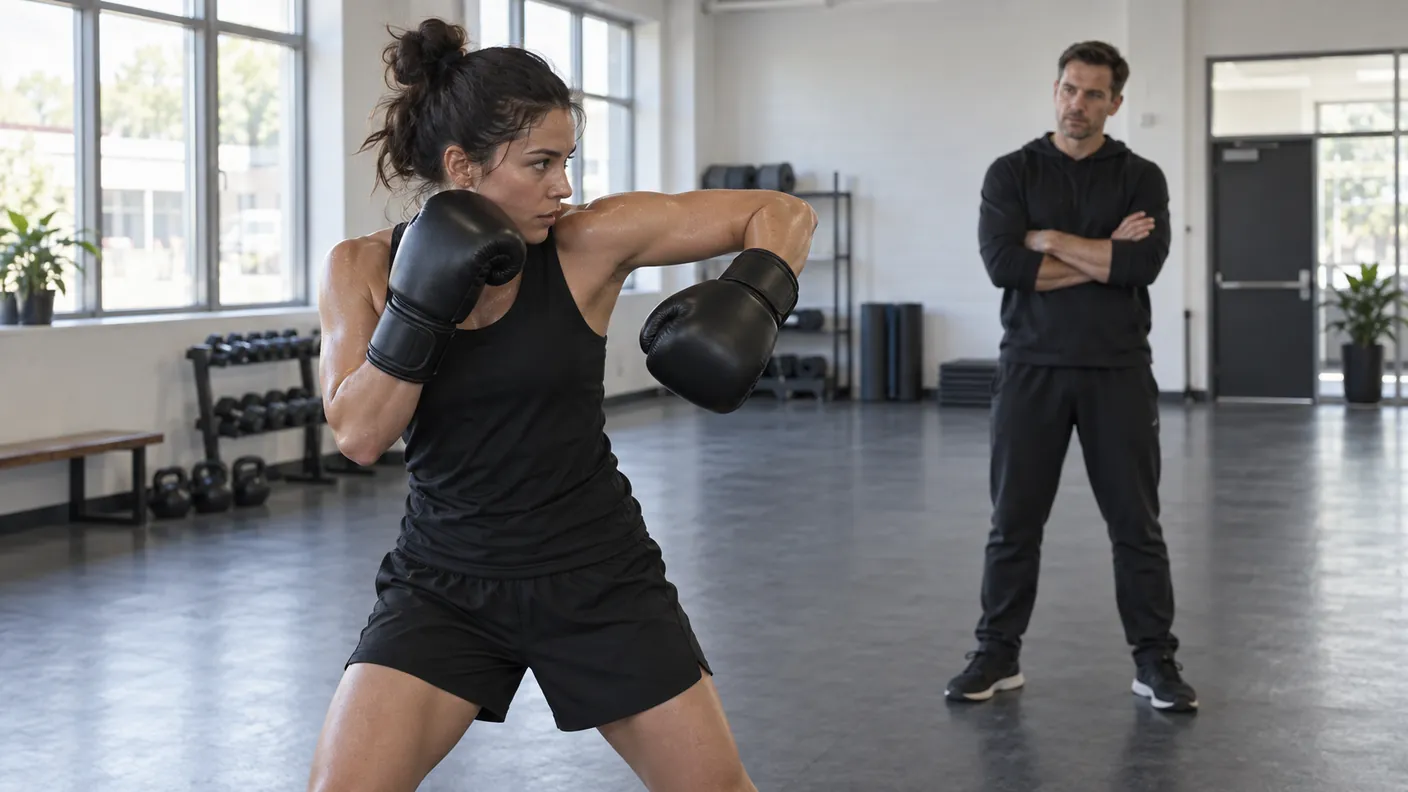
Boxing Hook Hand Position: Palm In or Palm Down?
Choose palm-in or palm-down hook position by range, balance and clean contact, rather than copying one shape for every punch.
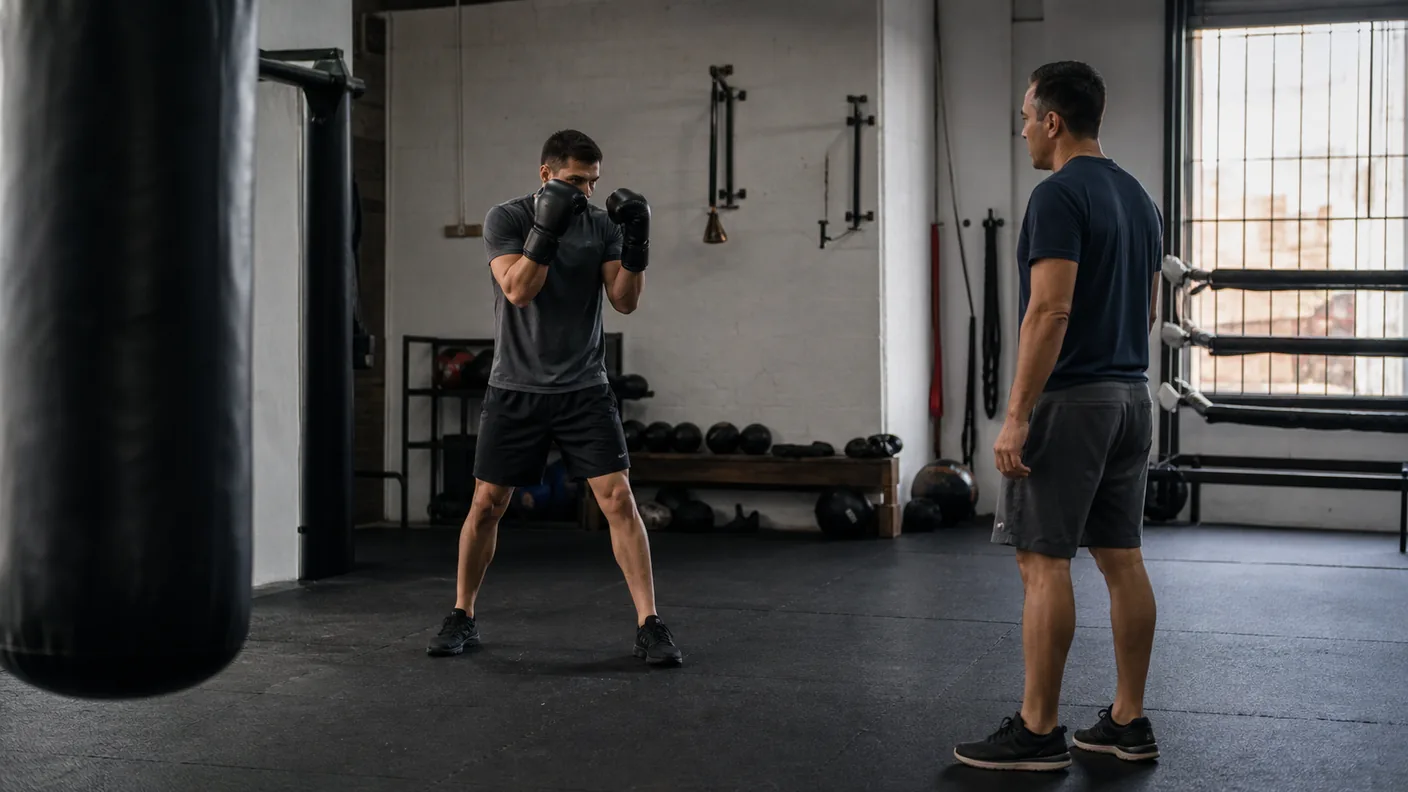
Lead Hook to Jab: Change Direction in Boxing
Use a compact lead hook to shift the guard, then send a jab through the middle without losing your stance or balance.
Was this page helpful?
It takes one tap, and it genuinely helps.
Choose your next step
Turn this article into the right action
Some readers are ready to book. Some need the class route first. Pick the route that matches what you actually want.