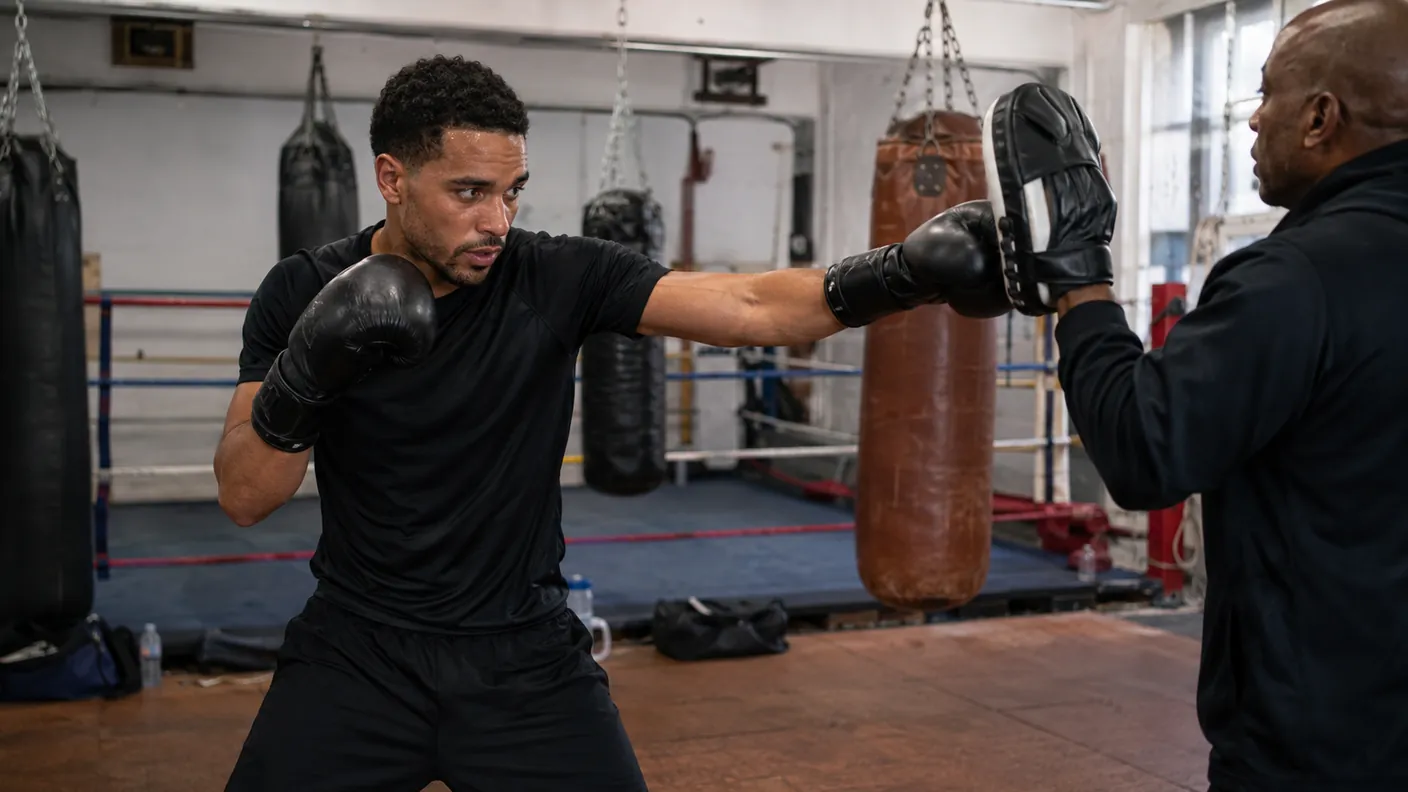
Training Tips
Light Touch Punches in Boxing: Set Up Attacks
Use light, purposeful punches to take position, change the guard and create a better line for the shot that matters.
Page 12 of 75
Use light, purposeful punches to take position, change the guard and create a better line for the shot that matters.

The defining heavyweight governance story: what surrendering the WBC, WBA and IBF belts changes, why it does not equal retirement, and how mandatory and vacant-title routes now shape the division.
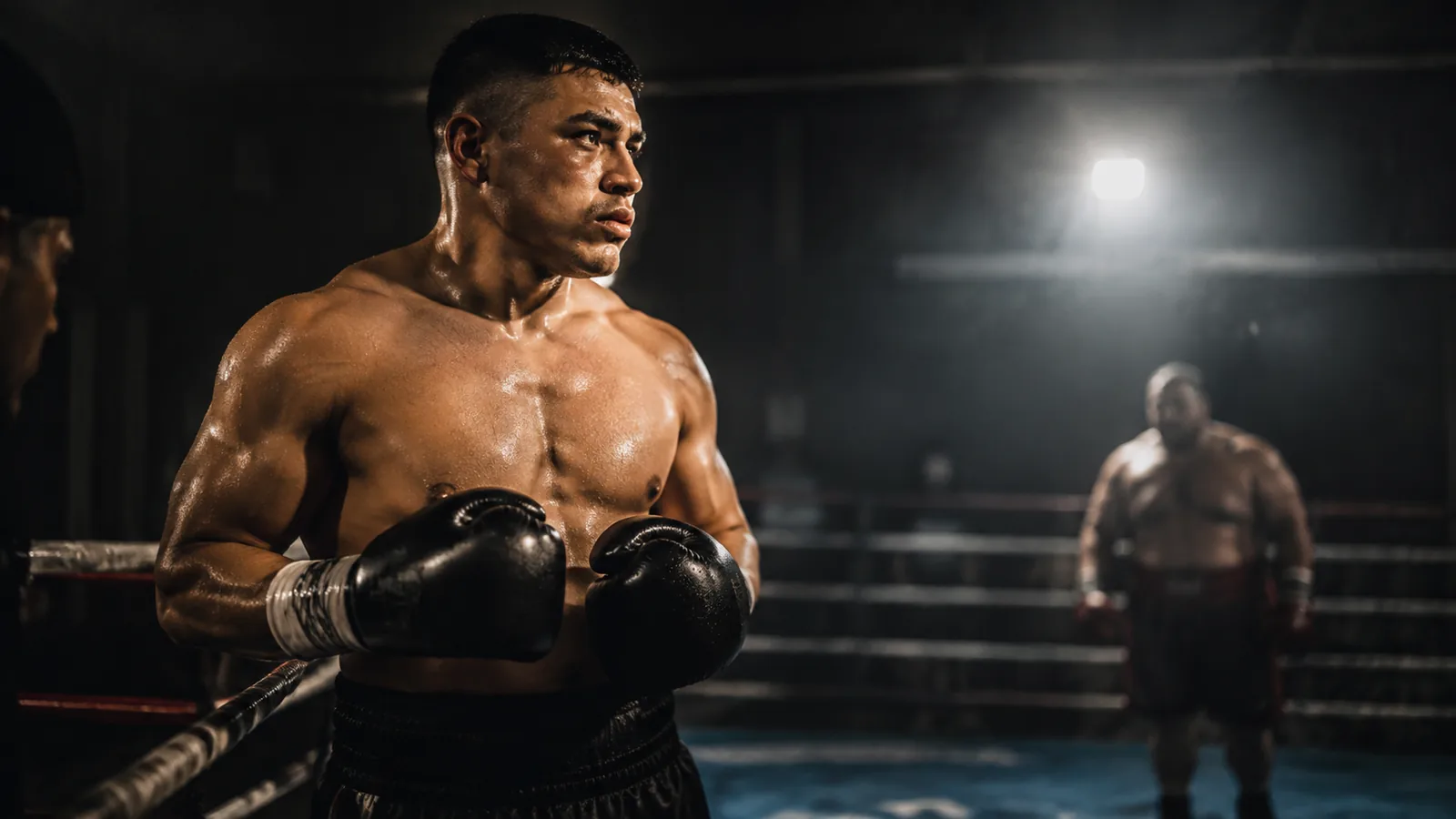
A reported move toward middleweight opens a useful discussion about how weight changes alter a pressure fighter’s physical advantages, opponent pool and route to major fights.
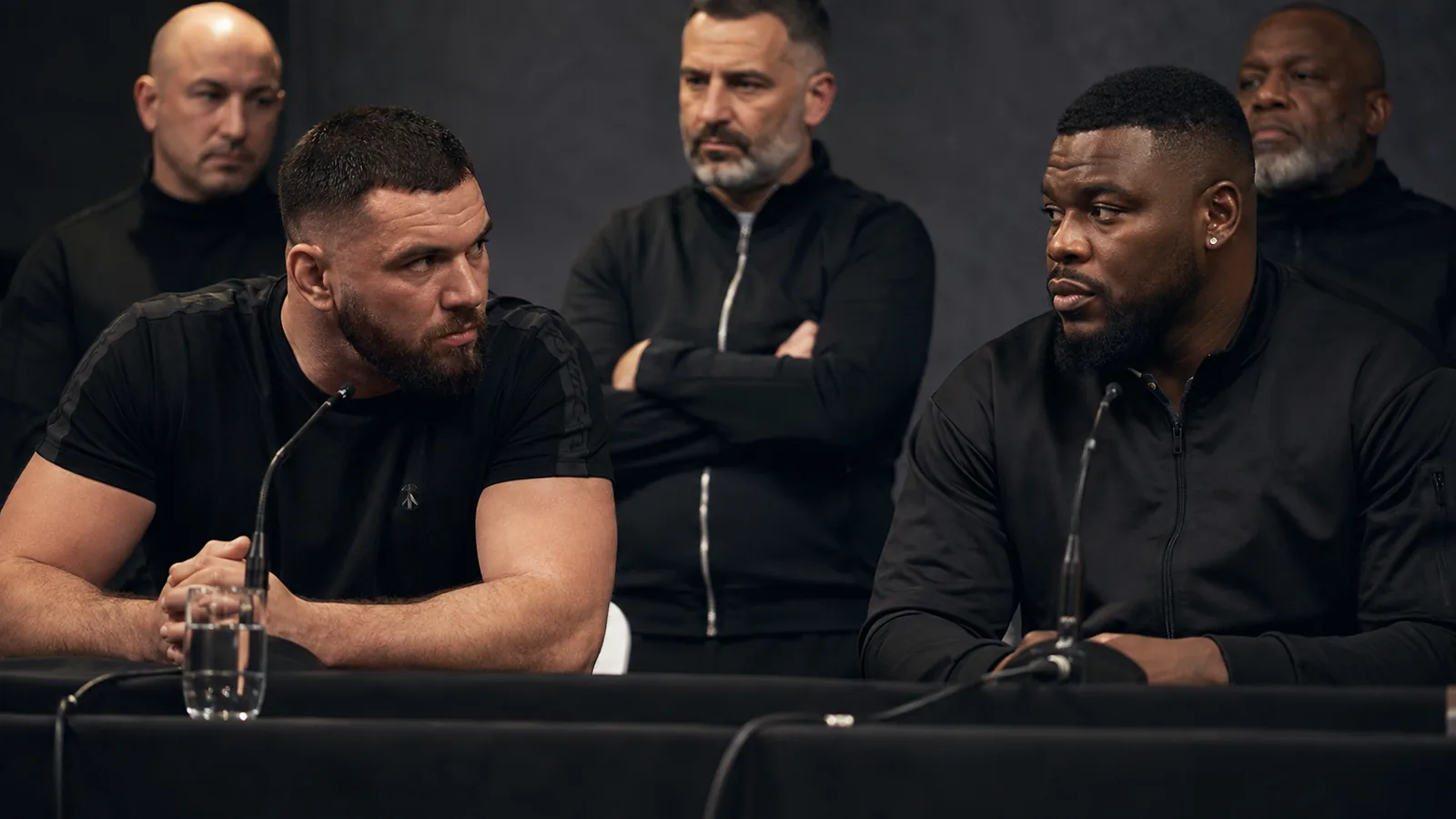
Use the undercard press conference to examine the practical stakes for two heavyweights who need a clear next performance, rather than treating a co-main as filler.
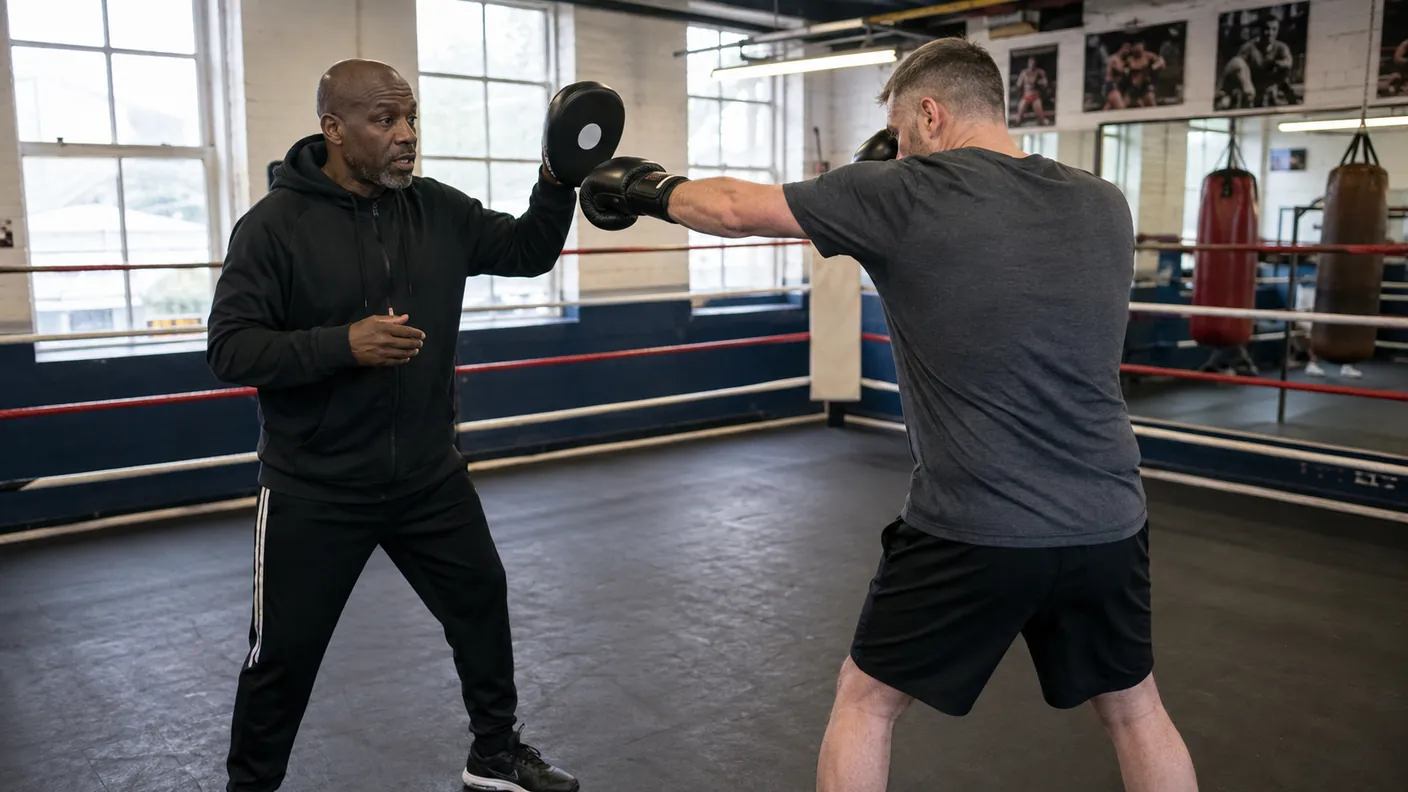
Use a small shoulder cue before the jab to change the rhythm, draw a reaction and keep your stance ready for the next decision.
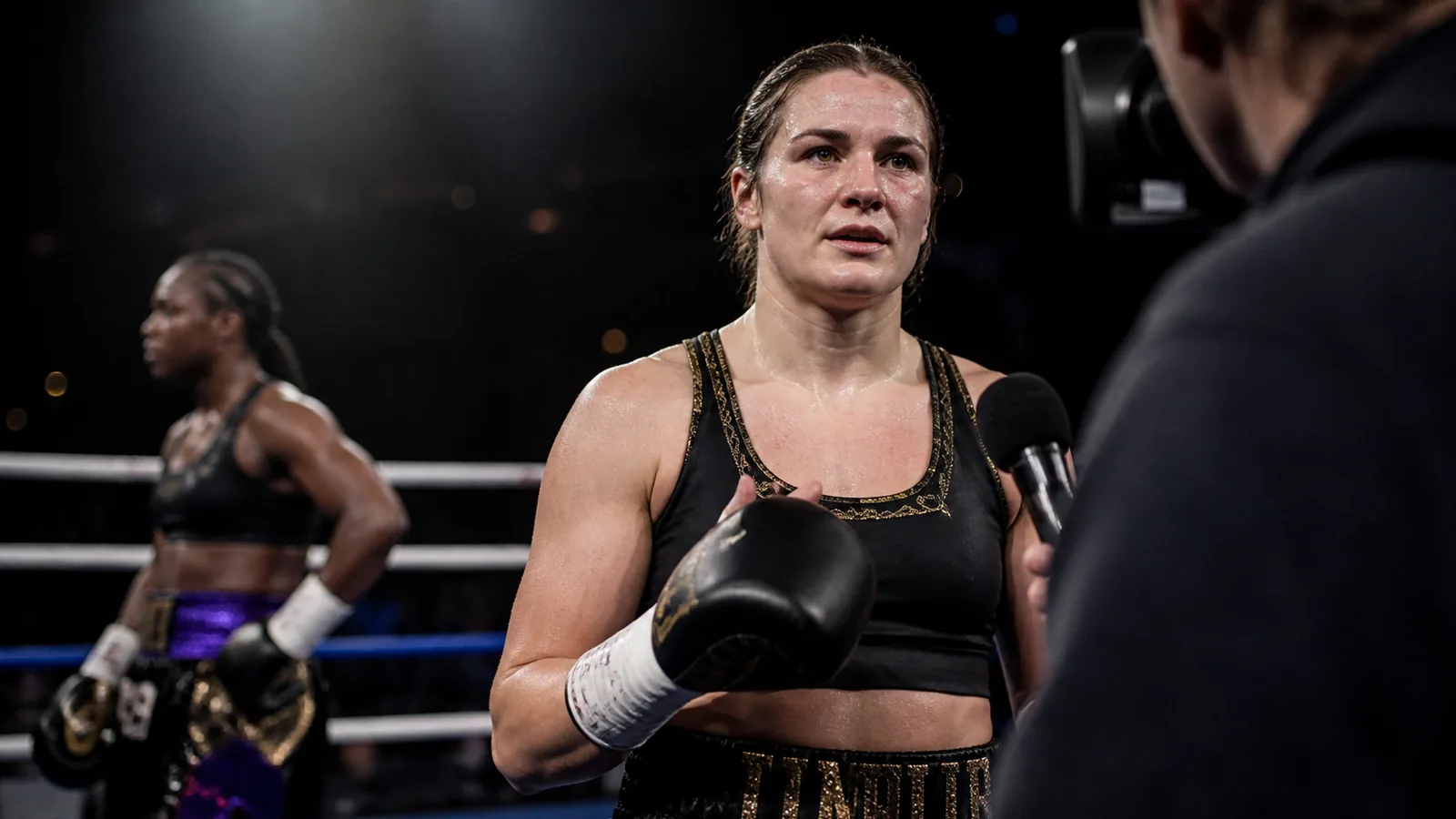
Taylor’s response gives the women’s pound-for-pound argument a timely, fighter-led hook rather than another abstract ranking debate.
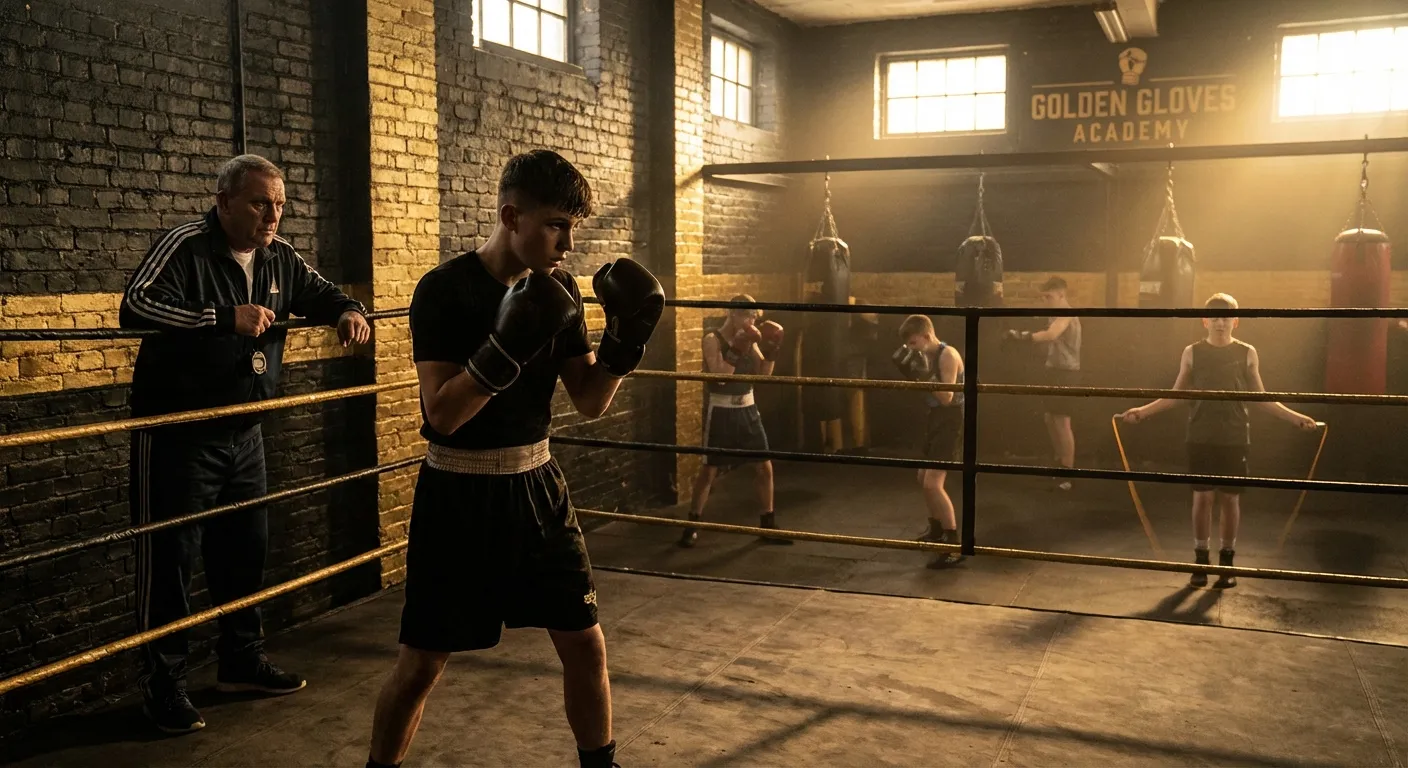
The Best After-School Activities for Kids in South East London in 2026.
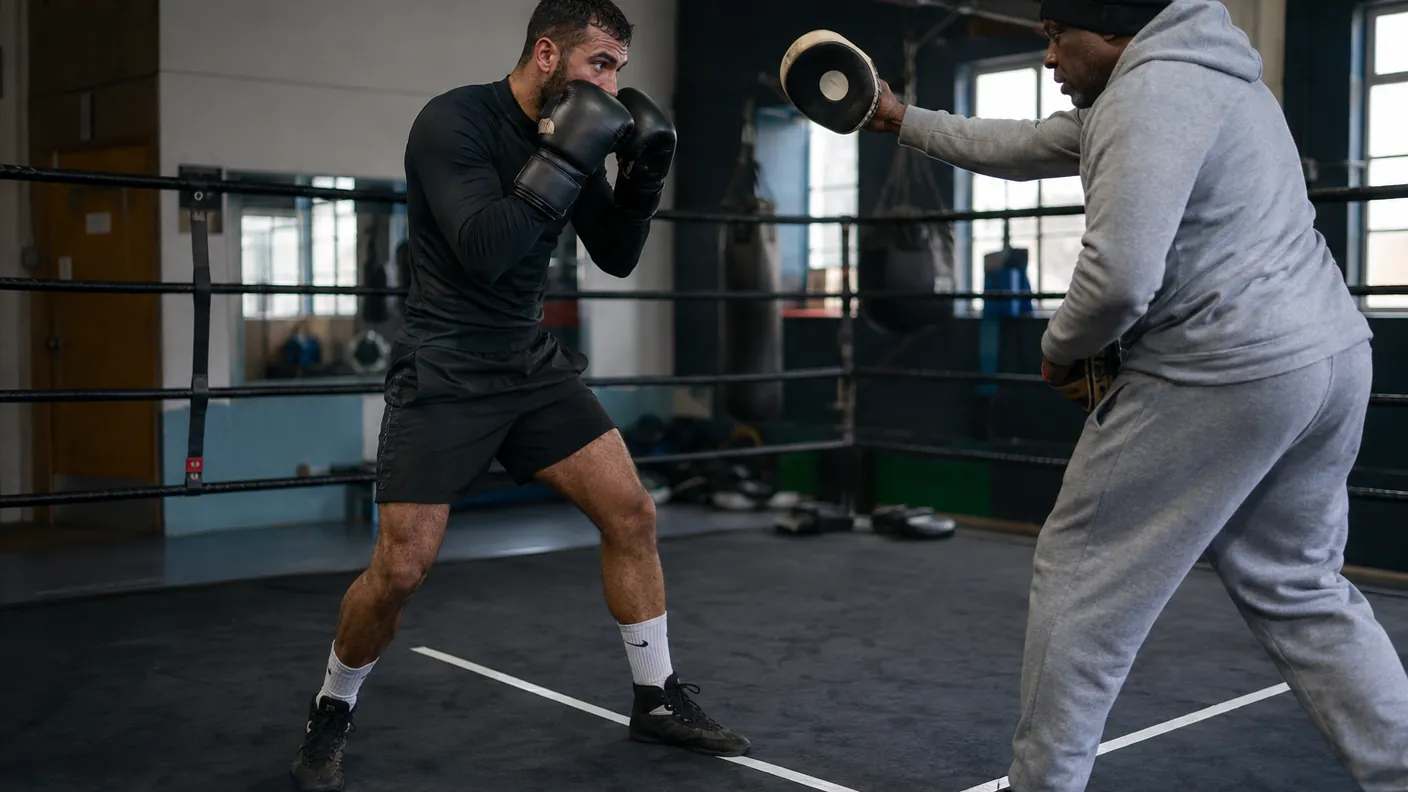
Use a small lead-foot step across and pivot after the cross to change the line without crossing your feet or leaving your guard behind.

The myths about boxing being too rough for women are persistent and specific. Here they are, addressed directly, with the evidence that shows why each is wrong.
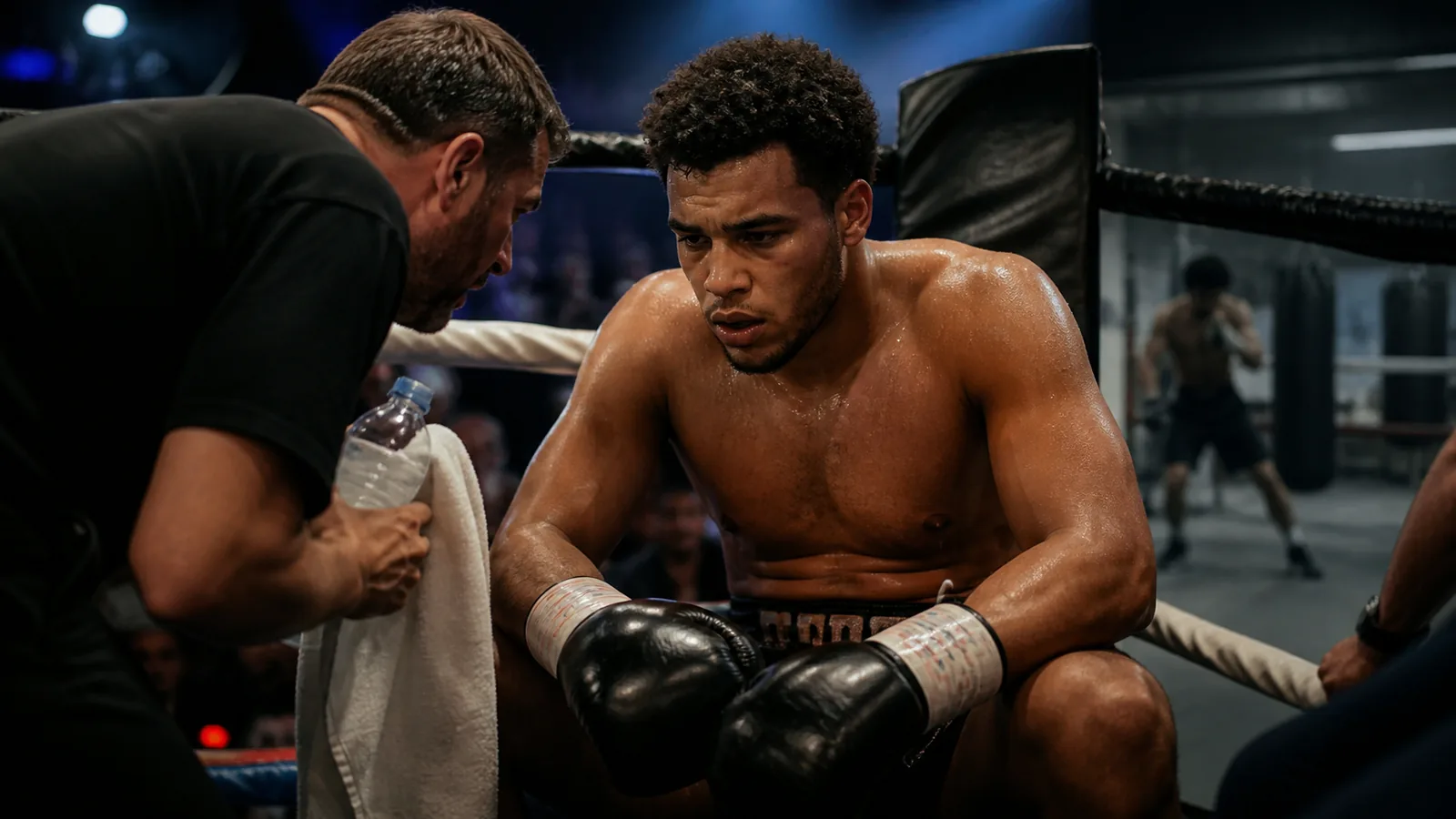
Use the reaction to Itauma's defeat to explain why being able to complete long sparring rounds does not automatically mean a young heavyweight can manage elite-fight pace, tension and decision-making.
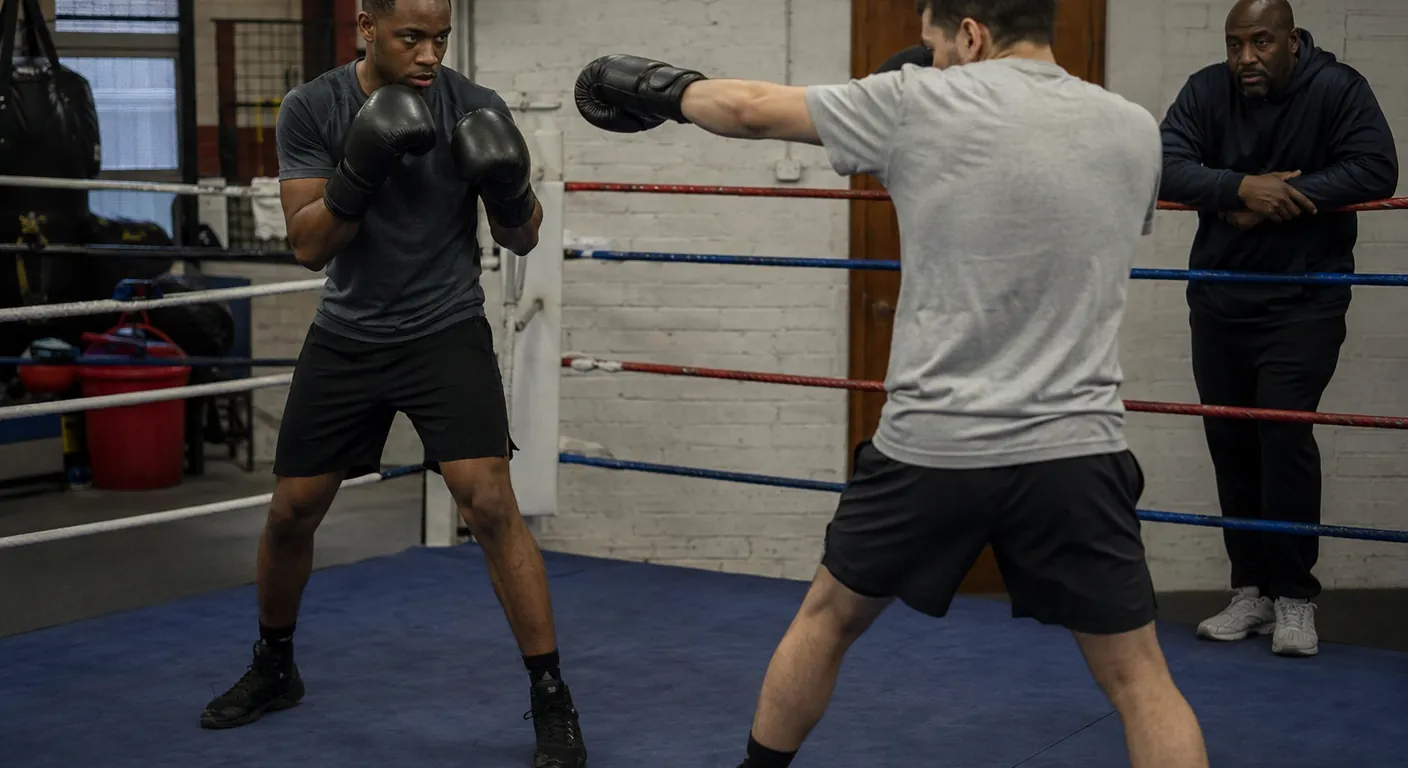
Learn to spot small weight shifts in boxing, then choose a calm defence or counter without guessing at every movement.
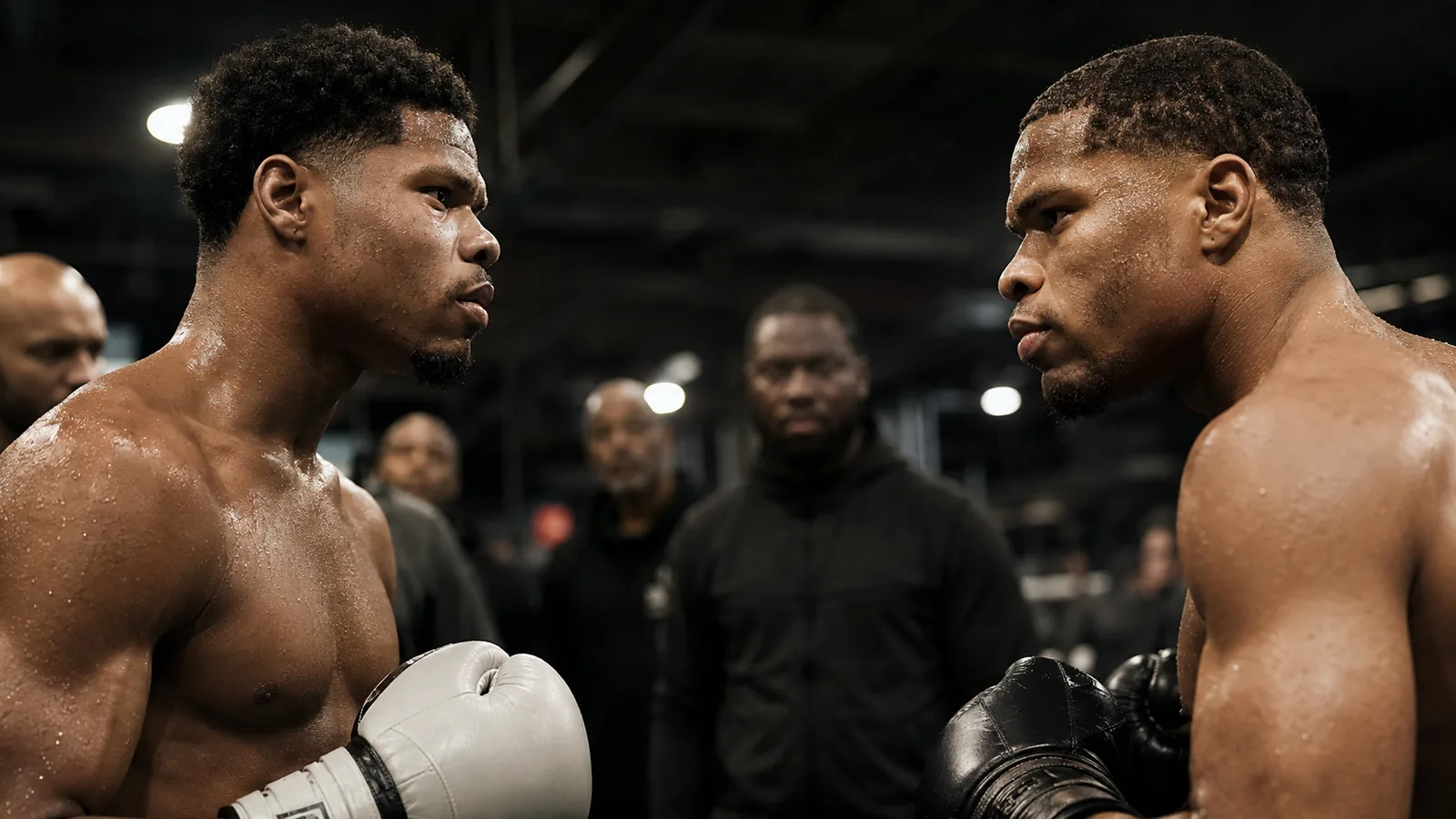
A fresh update on a potential elite lightweight meeting provides a clear chance to distinguish reported progress from a confirmed fight, then explain why the matchup is compelling if it becomes official.
Page 12 of 75 (890 posts)