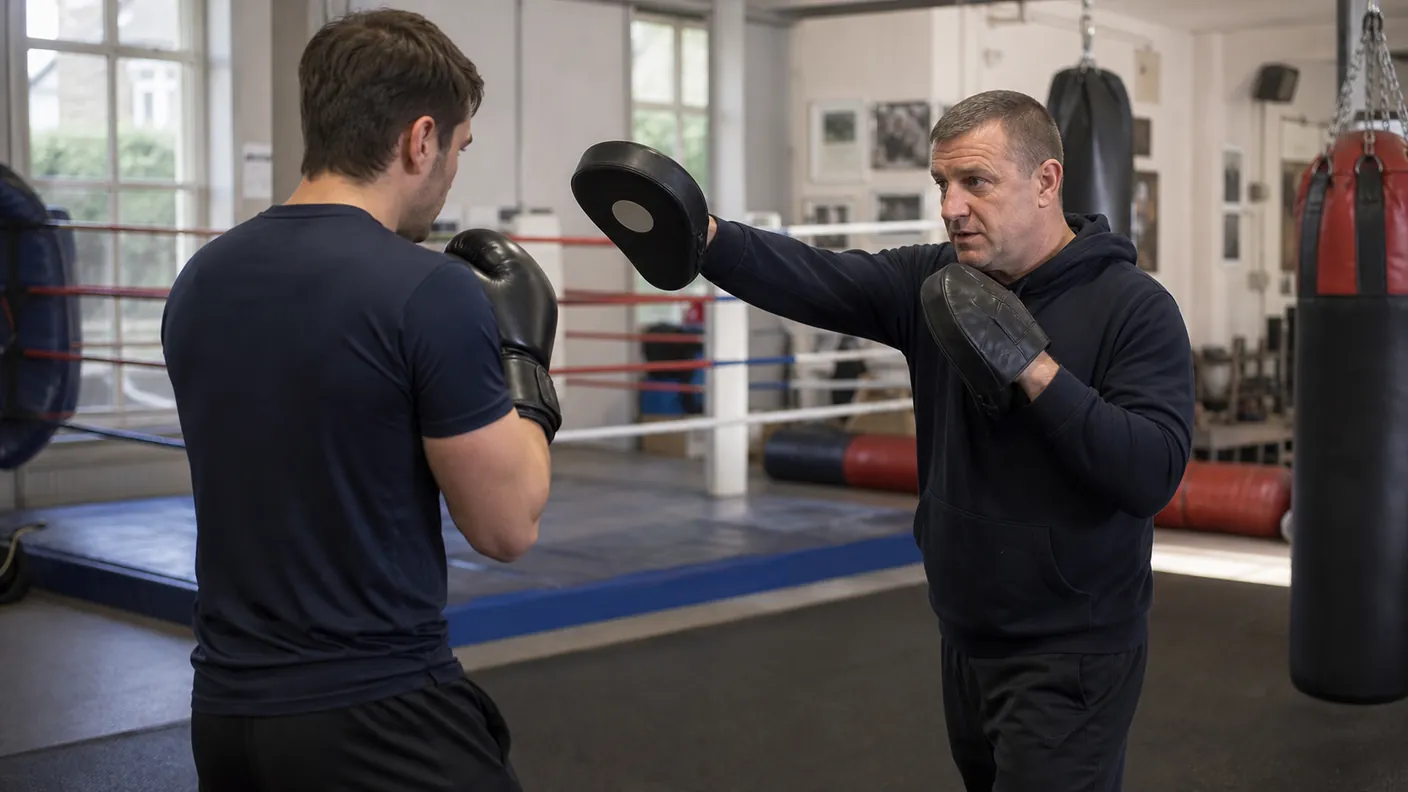
Forgetting a boxing combination halfway through a pad round is normal. It does not mean you are slow, uncoordinated, or not suited to boxing. It means you are trying to do several unfamiliar things at once: hold your stance, hear the call, pick the correct hands, turn your body, keep your guard up, move your feet and breathe.
The mistake is treating the answer as more effort. Most people tense up, try to memorise a long string of numbers, then rush the next round. That is exactly how a simple one-two becomes a foggy mess.
The better answer is to make the combination smaller, give it a purpose, and repeat it slowly enough that your body has time to learn it. A good coach can add speed later. First, you need a sequence that stays with you after the call has finished.
Why combinations disappear under pressure
A beginner hears "one-two-three, slip, two" and often translates it into a list: jab, cross, left hook, slip, cross. That list is useful, but it gives your brain six separate jobs while somebody is holding pads in front of you.
A 2018 study on motor learning and movement automaticity found that attentional instructions can affect how a movement becomes more automatic over practice (motor learning study). The useful gym lesson is not that you need a psychology lecture between rounds. It is that you should not expect a new movement to feel automatic on day one.
That is why a combination you can repeat cleanly is worth more than a complicated one you can only perform while standing still and reciting numbers. Boxing is not a memory test. The numbers are a coach's shorthand. They are there to organise the work, not to make you sound experienced.
Start with a two-punch idea, not a long sequence
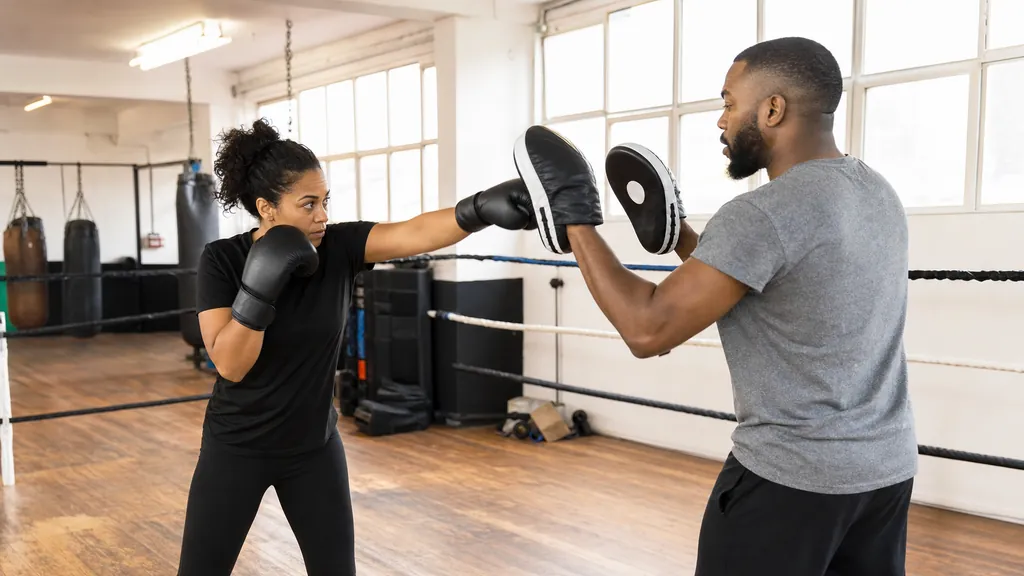
The first combination most people learn is the one-two: jab, cross. Do not rush past it because it looks basic. It teaches range, weight transfer, hand return and rhythm. More importantly, it gives you one clear idea: use the jab to open the way for the cross.
That purpose matters. If you only remember numbers, every combination feels like a random password. If you remember what the punches are trying to do, the sequence makes more sense.
Try these simple pairings first:
- Jab, cross: touch the target, then land the stronger straight punch.
- Jab, jab: make the opponent react twice and take a small step into range.
- Jab, hook: draw the guard forward, then change the angle.
- Cross, hook: bring the opponent's attention to the middle, then turn the shot around the side.
You do not need to throw all of them in one round. Pick one. Throw it at a pace where the final hand comes back to guard before you start again. If your feet have stopped working and your elbows are flying out, the pace is too high for the lesson.
Give every combination a finish
This is where combinations become easier to retain and safer to use. A sequence should not finish with you admiring your work in front of the pads or bag. Add a simple ending: guard back, step out, pivot, or jab away.
For example, instead of remembering "one-two-three", remember "one-two-three, then leave". The ending gives the sequence a shape. You enter, work, recover your position.
It also stops the common beginner habit of throwing the last punch and freezing. In a proper boxing session, the return to stance is part of the combination. It is not an optional extra after the exciting bit.
If you are new to pads, our guide to beginner boxing pad work explains why the coach controls the pace at first. You are not being held back. You are being given enough room to learn the rhythm properly.
Use blocks of practice before you mix things up
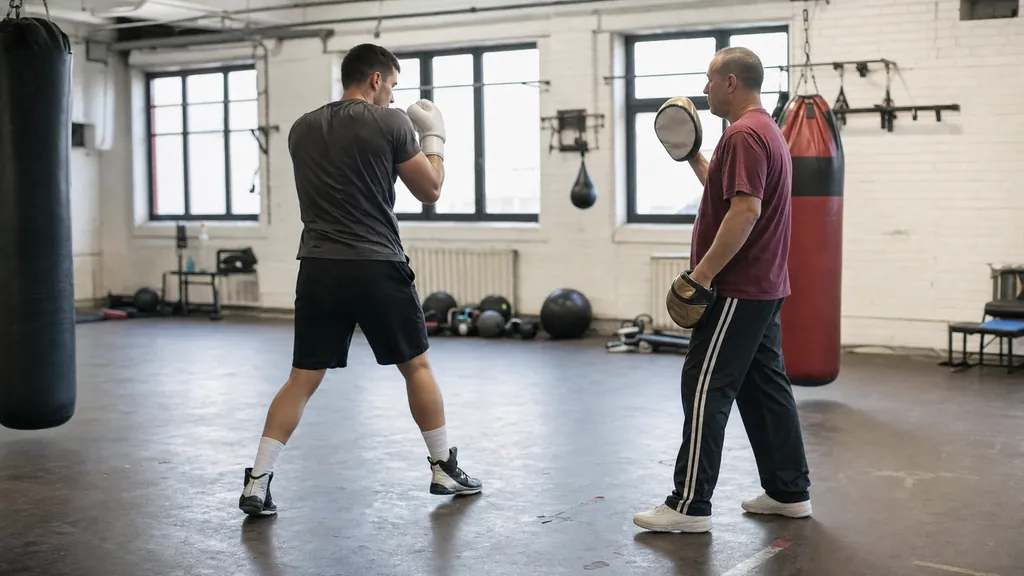
There is a place for variety, but beginners should earn it. Start by repeating one combination for a short block. Ten clean jab-cross repetitions teach more than ten different combinations thrown once each with no balance or return to guard.
After that, mix two familiar options. For example, work jab-cross and jab-jab-cross. The shared opening gives you an anchor, while the change makes you listen and react.
Research into practice order is more complicated than many coaching slogans suggest. A 2024 systematic review of contextual interference found that changing tasks can help retention in some motor-learning settings, while the transfer to sport needs careful interpretation (practice-order review). In a boxing gym, that supports a sensible middle ground: repeat the new movement enough to understand it, then add choice once the shape is sound.
Do not confuse variety with progress. The right time to add a new combination is when you can finish the old one without losing your stance, breath or patience.
Say less during the round
Talking yourself through every number can help during the first few attempts. After that, use short cues that tell your body what to do.
Instead of saying "one-two-three", try "straight-straight-turn". Instead of "one-two-slip-two", try "one-two, move, two". The cue should be short enough to survive a hard round.
A good cue is physical and specific. "Back hand home" reminds you to recover your guard. "Finish outside" reminds you not to stand in front of the target. "Breathe on the shots" helps when your shoulders are starting to tighten.
There is no prize for using the same language as the person next to you. Ask the coach for one cue that fixes your main error. Then use that cue until it becomes familiar.
A three-round way to practise at home
You do not need a bag, pads or a mirror full of motivational quotes. You need enough space to move safely and a willingness to stay slow.
Round one: build the shape
Choose jab-cross. Shadow box it at half pace for two minutes. After every one-two, bring both hands home and take a small step away. Stop if you start leaning forward. Reset your stance and continue.
Round two: add one choice
Alternate between jab-cross and jab-jab-cross. Do not call the numbers out loud if that makes you tense. Let the jab be your starting point, then decide whether the cross comes after one jab or two.
Round three: add the exit
Keep the same two options, but finish every sequence by stepping to your left or right with your guard up. The punches matter, but the real target is staying balanced enough to move again.
If that feels easy, it is supposed to. Clean movement at a calm pace is the base. Speed belongs on top of it, not underneath it.
What to ask your coach when you get stuck
Do not say, "I cannot remember anything." That gives the coach nothing useful to fix. Be precise instead.
Ask whether your problem is the order, the footwork, the balance, or the pace. You may discover that you know the combination perfectly well but lose it when you try to hit too hard. Or you may be fine on the bag but need the coach to call the sequence more slowly on pads.
The answer is rarely to throw more punches. It is usually to remove one layer, clean up the pattern, then put the layer back when you are ready. That is how a combination becomes yours rather than something you borrow for one round.
At Honour and Glory's Recreational Adults classes, beginners work through combinations with coaching rather than being thrown into complicated routines. If you are coming from Kidbrooke or nearby, the aim is not to memorise an endless list. It is to build a few useful combinations well enough that you can move, breathe and stay composed while using them.
Once those basics feel reliable, a go-to combination gives you something dependable when the pace rises.
H&G Team
Writer at Honour & Glory Boxing Club, a community boxing gym in Kidbrooke, South East London.
KEEP READING
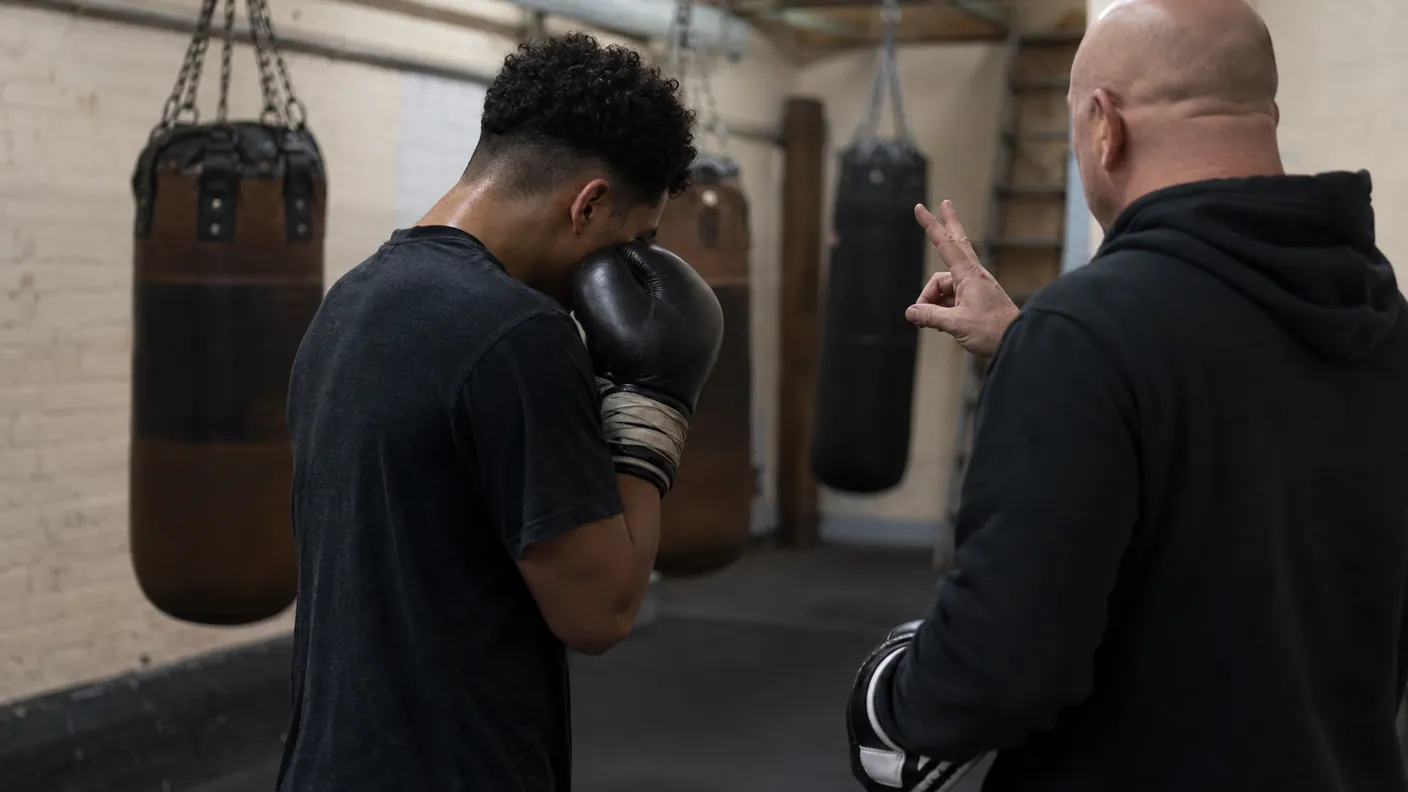
Why You Rush Boxing Combinations
Rushing makes combinations fall apart. Learn how to slow the first punch, keep your stance and build speed that still looks like boxing.
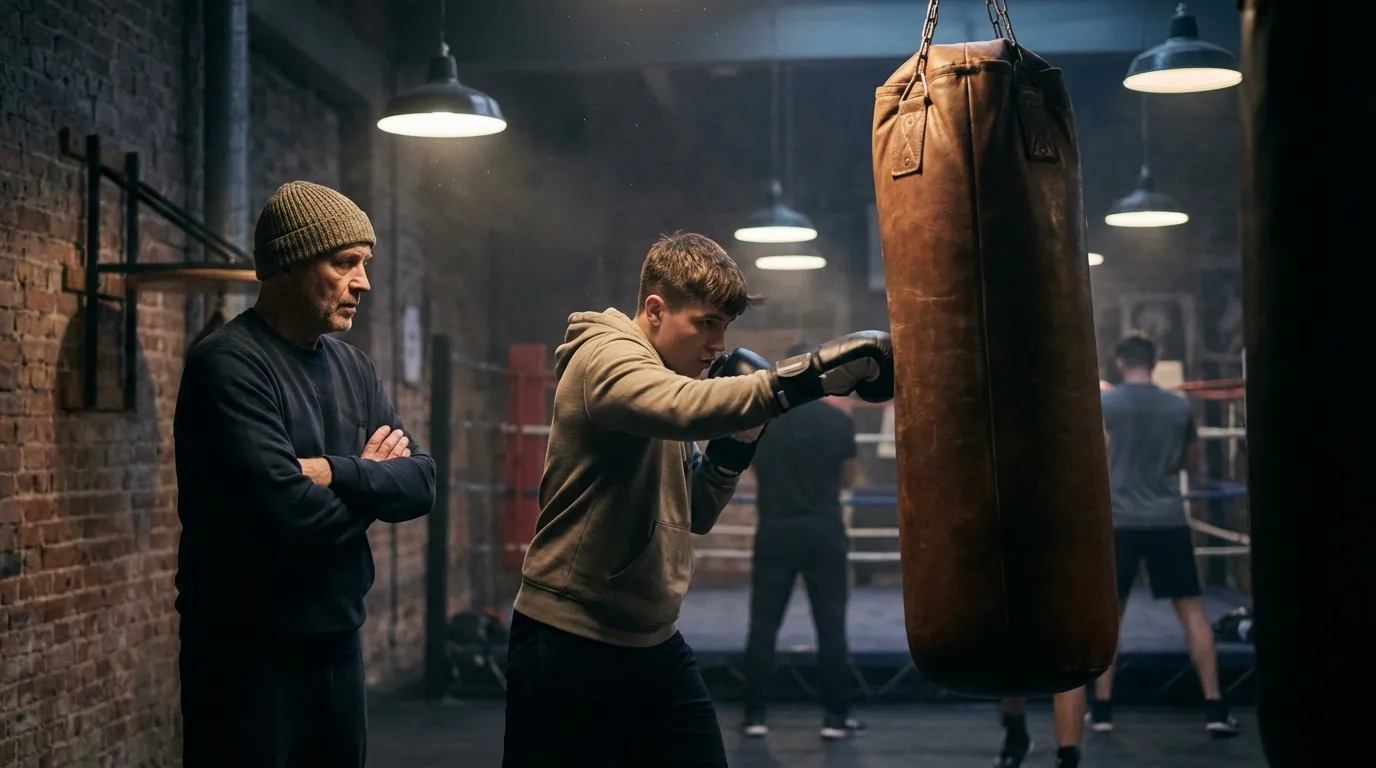
Boxing Combinations for Beginners
Learn the essential boxing combinations every beginner needs to know. From the basic 1-2 to more advanced sequences, these combos form the foundation of your offence.
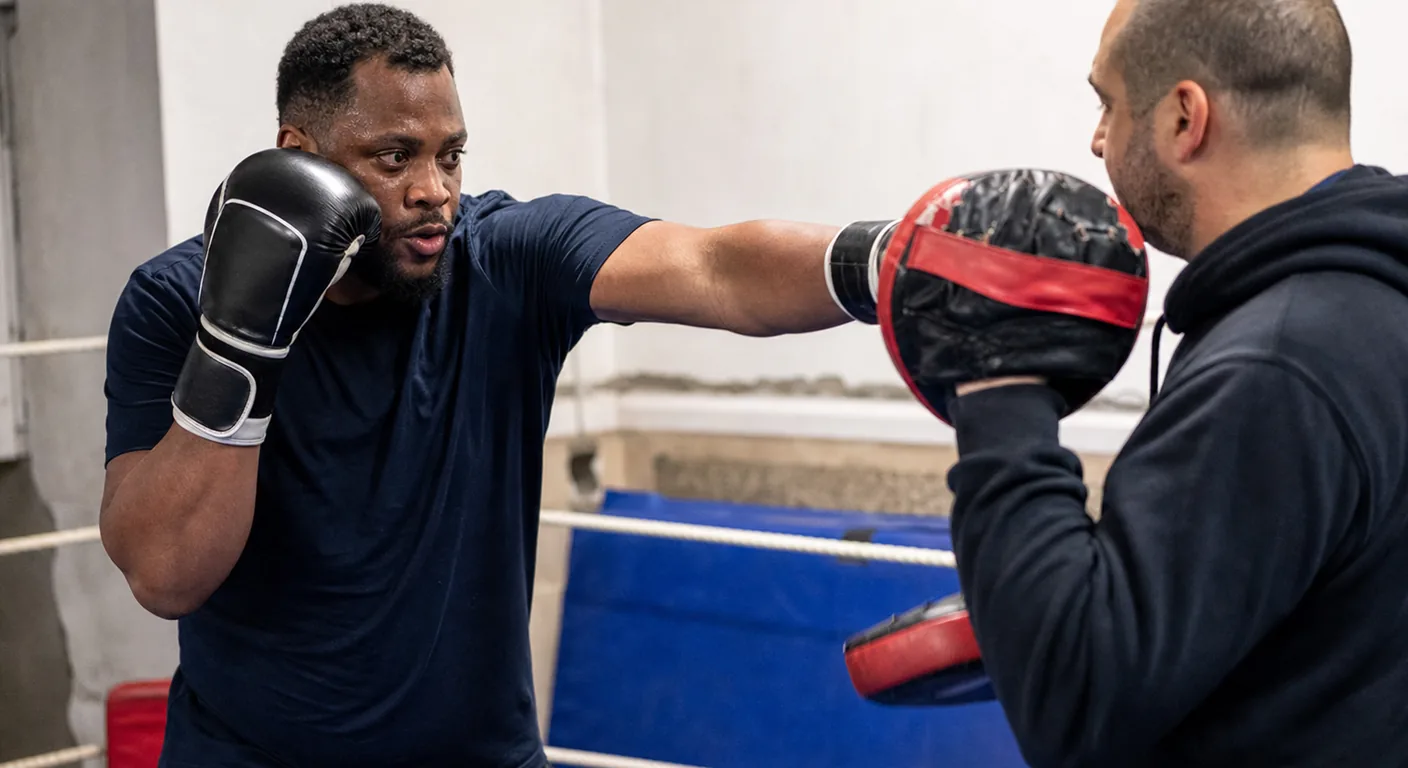
How to Punch Without Dropping Your Guard
Learn how to keep your guard alive while punching, so combinations protect you instead of opening clean counters.
Was this page helpful?
It takes one tap, and it genuinely helps.
Choose your next step
Turn this article into the right action
Some readers are ready to book. Some need the class route first. Pick the route that matches what you actually want.