Boxing Pad Work: What It Is and What to Expect as a Beginner
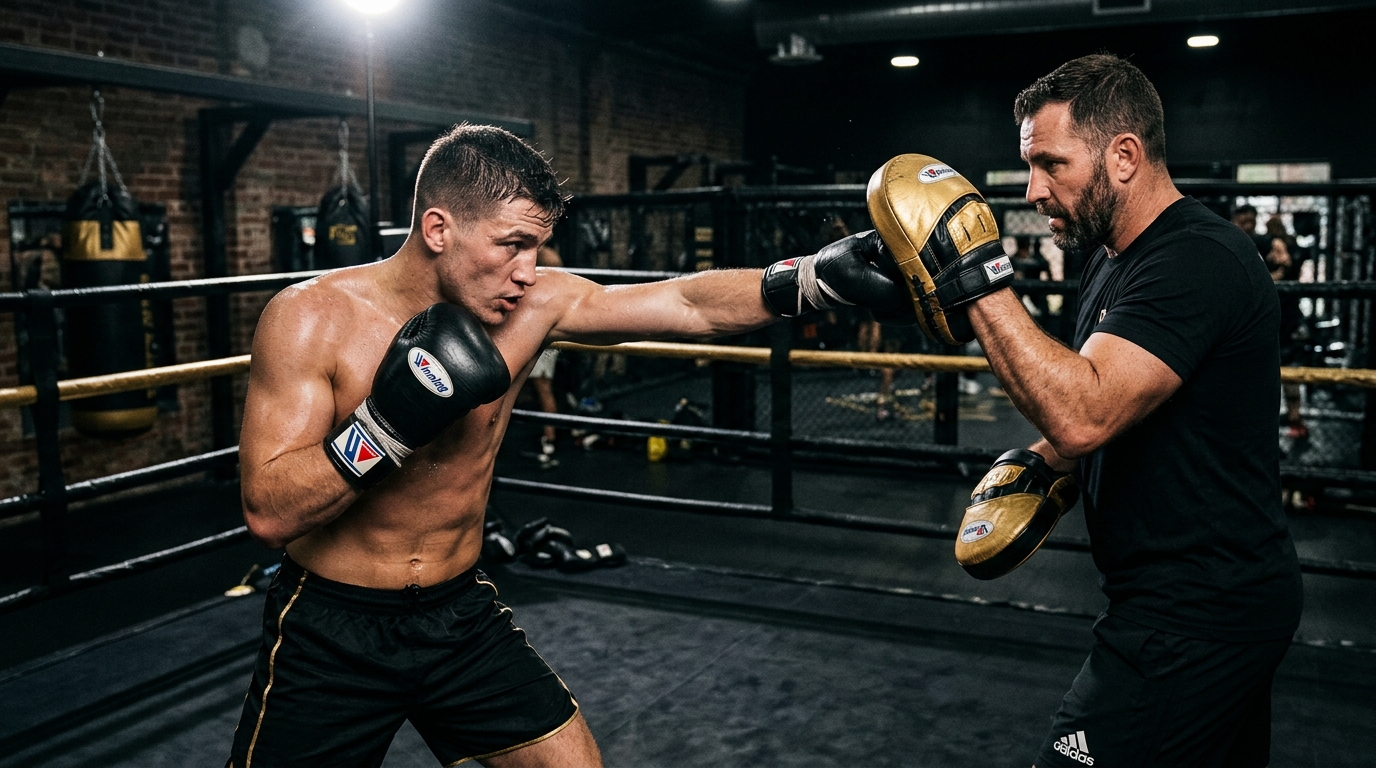
If you've watched boxing on TV or glanced through a gym window, you've seen it: one person holding up flat pads while another throws punches at them. That's pad work - also called focus mitt work or focus pad training - and it's one of the defining drills of any boxing session.
For people just starting out, it raises an obvious question. What exactly is happening, and what do you actually do when it's your turn?
This guide covers the basics: what boxing pad work involves, why coaches use it, and what you can expect when you do it for the first time.
What Is Boxing Pad Work?
Pad work is a training method where a coach (or training partner) wears padded mitts on their hands and holds them up as targets. You throw punches at those targets. Simple in theory - but in practice, it's one of the most dynamic and technically rich parts of boxing training.
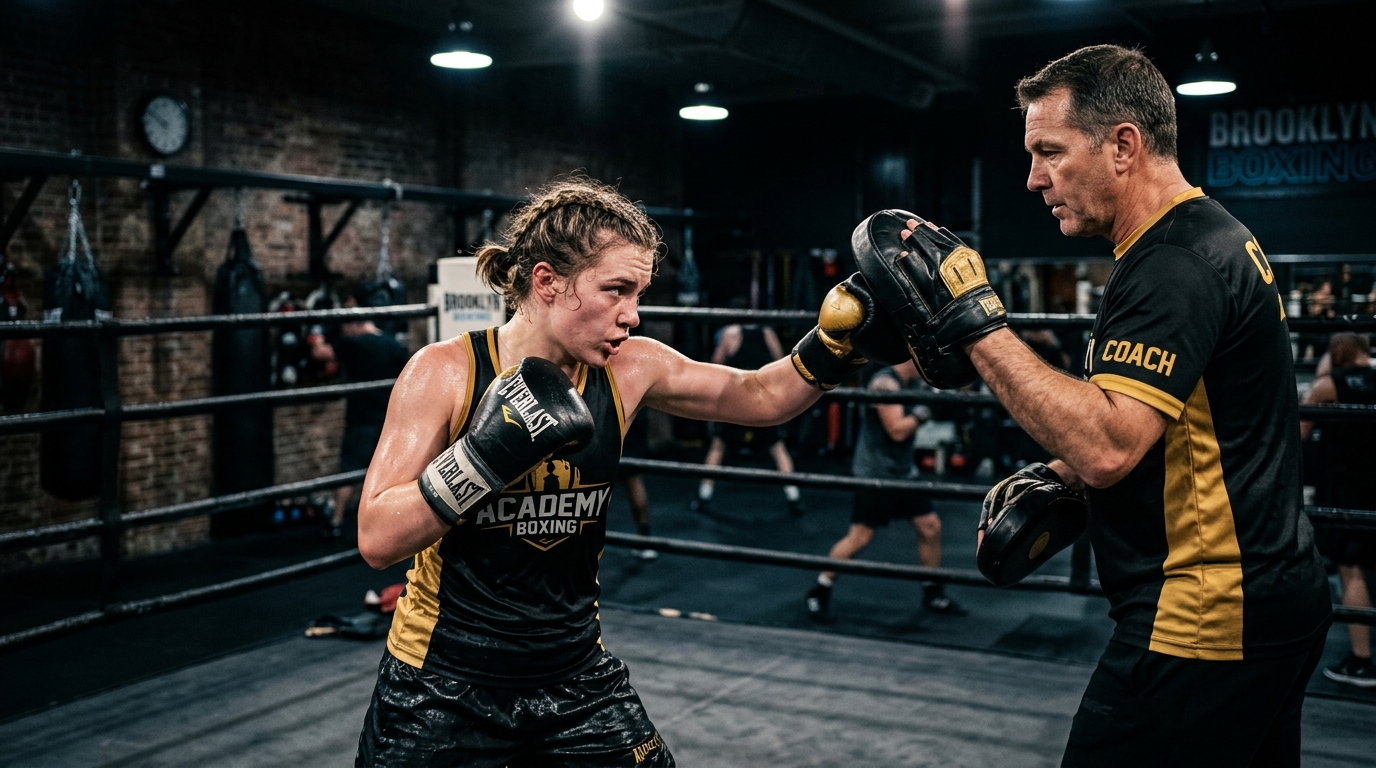
The coach doesn't just stand still. They move the mitts to different heights and angles, call out combinations for you to throw, and prompt defensive moves in between. A good pad holder is actively coaching you through the round. They'll nudge the mitts if your jab is dropping early. They'll feed you a light push to get your head moving. They'll slow things down when your technique falls apart, then pick the pace back up once it's sorted.
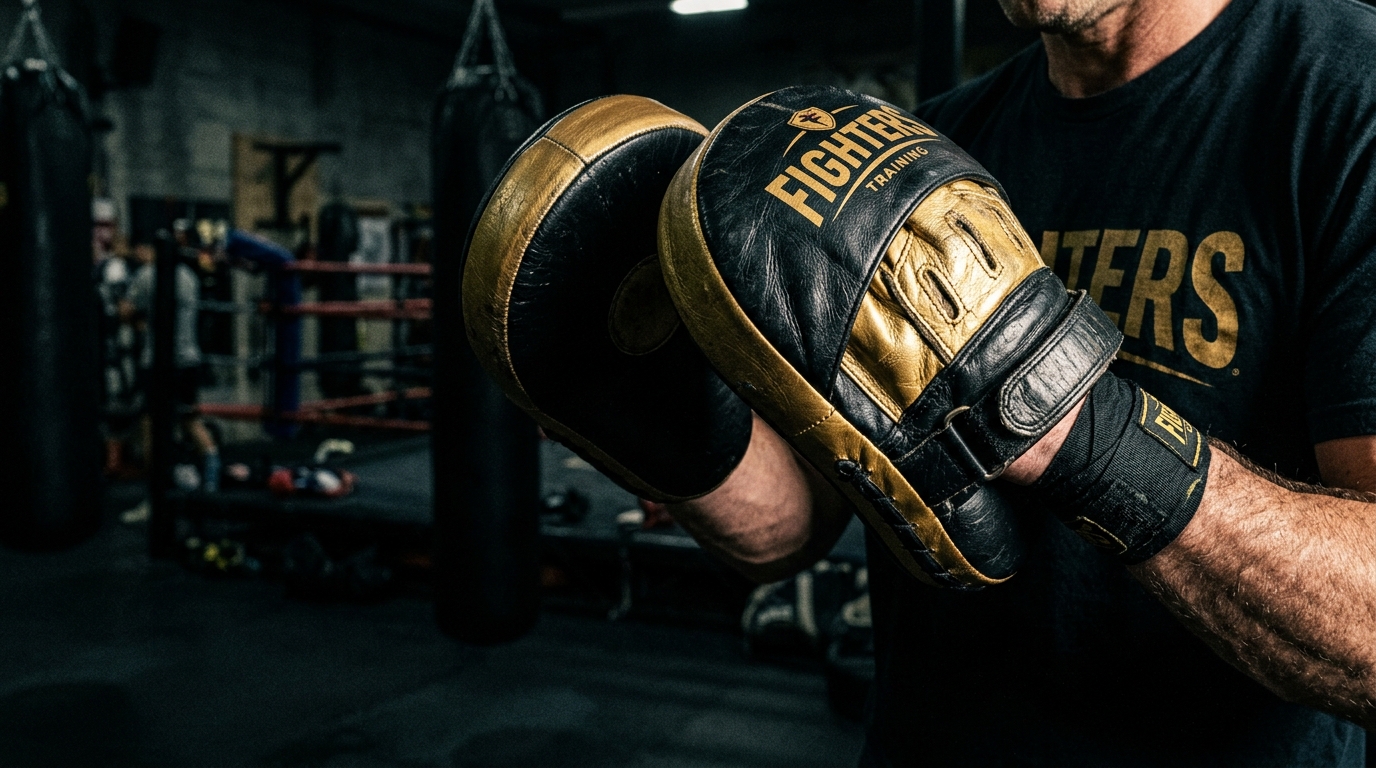
The mitts used in boxing pad work are called focus mitts or hook-and-jab pads. They're smaller than the flat strike pads you sometimes see in kickboxing, and the reduced size means accuracy matters from the start.
Why Coaches Use It
The heavy bag is useful. Shadow boxing builds habits. But neither of those gives you a moving target, immediate feedback, or any sense of timing against something that's responding to you.
Pad work fills that gap. It sits between solo drilling and actual sparring - you're hitting something that moves, but there's no incoming contact to worry about. For beginners, that's the sweet spot. You can work on punching with someone in front of you before you're anywhere near ready to spar.
There are other reasons coaches rely on it. One round of good pad work does more for technique correction than twenty minutes on the bag. When your coach can see your punches landing live and can position the mitts to reinforce good habits, problems get spotted and addressed in real time. A dropped guard, an overextended jab, a hook with no hip rotation - a decent pad holder catches all of these and gives you immediate feedback.
It's also demanding. Most people are surprised by how hard three minutes of pad work feels. You're not just throwing punches. You're listening to combinations, moving your feet, recovering between shots, and staying mentally engaged the whole time. By the end of the round you'll understand why boxers look the way they do.
What Happens in a Beginner's Pad Round
When you're new, the round is kept straightforward. Your coach won't be calling out eight-punch combinations or expecting you to slip and counter. The point is to get you hitting something that moves while your technique stays clean.
A typical first session might start with just the jab - the lead hand straight punch - thrown to a single pad. You'll do that for a while, getting the feel of extending properly, keeping your other hand up, not leaning forward. Then your coach adds the cross (the rear hand straight), and you're doing the most basic combination in boxing: the 1-2.
From there, the hook gets introduced. Then sometimes a body shot. The session builds gradually, giving you time to get comfortable with each new element before the next one arrives.
What catches most beginners off guard is the noise. When you hit the mitts properly - turning your hips, keeping your wrist straight, landing with the knuckles - there's a sharp crack. It sounds like you mean business. It feels good. That's usually the moment people stop dreading the drill and start enjoying it.
What You Actually Get From It
Pad work builds several things that nothing else quite replicates.
Timing. When the mitt is moving and your coach is calling the shots, you have to be present. You can't drift into autopilot the way you sometimes can on a bag. The timing of your punches starts to feel natural rather than mechanical.
Accuracy. Focus mitts are small. You have to actually aim. Over time, that precision transfers everywhere - your punches land where you intend them to.
Cardio. Boxing fitness is specific. Running helps. But the combination of punching, moving, listening, and switching between offence and defence is its own thing. Even two or three rounds of pad work will test your conditioning.
Confidence. There's something about throwing real punches at a live target that solo drilling can't replicate. After a solid round on the pads you feel like a boxer. That confidence is genuine - it's earned.
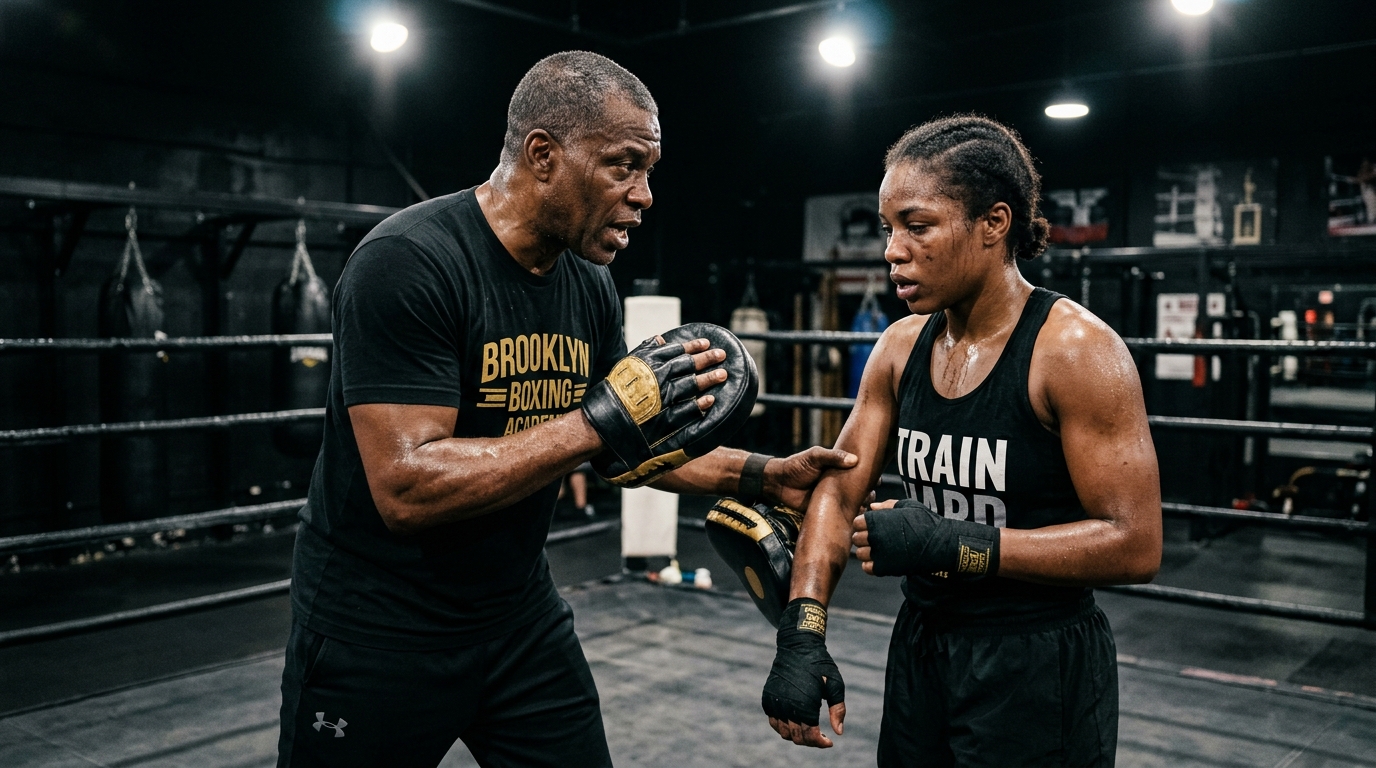
A connection with your coach. Pad work is collaborative. Your coach is working hard too, reading your punches, positioning the mitts, feeding you defensive cues. Good pad holders learn how you move, where your gaps are, and what you need to work on. It builds something useful - not just fitness, but understanding between you and the person teaching you.
A Few Things Worth Knowing Before Your First Time
Don't worry about hurting the coach. Beginners hit nowhere near hard enough to cause any discomfort through a well-held mitt. What coaches do sometimes feel is a jab that lands at a bad angle because technique has broken down - which is exactly the kind of thing they're there to correct.
Keep your guard up between shots. One of the most common habits to break early is dropping both hands to your sides after throwing. The non-punching hand should always stay near your chin, protecting your jaw.
Don't tense up. Beginners often make their whole body rigid. Tight shoulders kill speed and exhaust you quickly. Stay loose until the moment of impact.
It's okay to forget the combination. You will forget it. Your coach will call it again. No one expects you to hold three-punch sequences in your head perfectly in the first month. The remembering gets easier, and then it gets automatic.
At H&G in Kidbrooke, pad work is part of every boxing session - it's not something you graduate into after months of solo drilling. You'll be on the mitts early, in a structured way that matches your level, with coaches who know how to work with complete beginners without rushing them past the basics.
How Long Before It Feels Natural?
Honestly, a few sessions. The first time is awkward for almost everyone. You're thinking about your feet, your guard, the combination, whether you're breathing - all at once. By the third or fourth session, the individual pieces start to come together. By a month in, you're reacting rather than consciously processing every step.
That progression is one of the satisfying things about boxing training. What feels overwhelming in week one becomes muscle memory by week five. Pad work is where you see that change most clearly.
Getting Started
If you haven't tried pad work and you're curious about boxing, it's worth just showing up to a session and experiencing it. No prior experience required. The best way to understand what it involves is to do a round and find out how it feels.
At H&G we run classes for all levels, including people who have never trained before. If you want to try a free session, get in touch through the website and we'll sort it.
H&G Team
Writer at Honour & Glory Boxing Club, a community boxing gym in Kidbrooke, South East London.
Was this page helpful?
It takes one tap, and it genuinely helps.
Choose your next step
Turn this article into the right action
Some readers are ready to book. Some need the class route first. Pick the route that matches what you actually want.