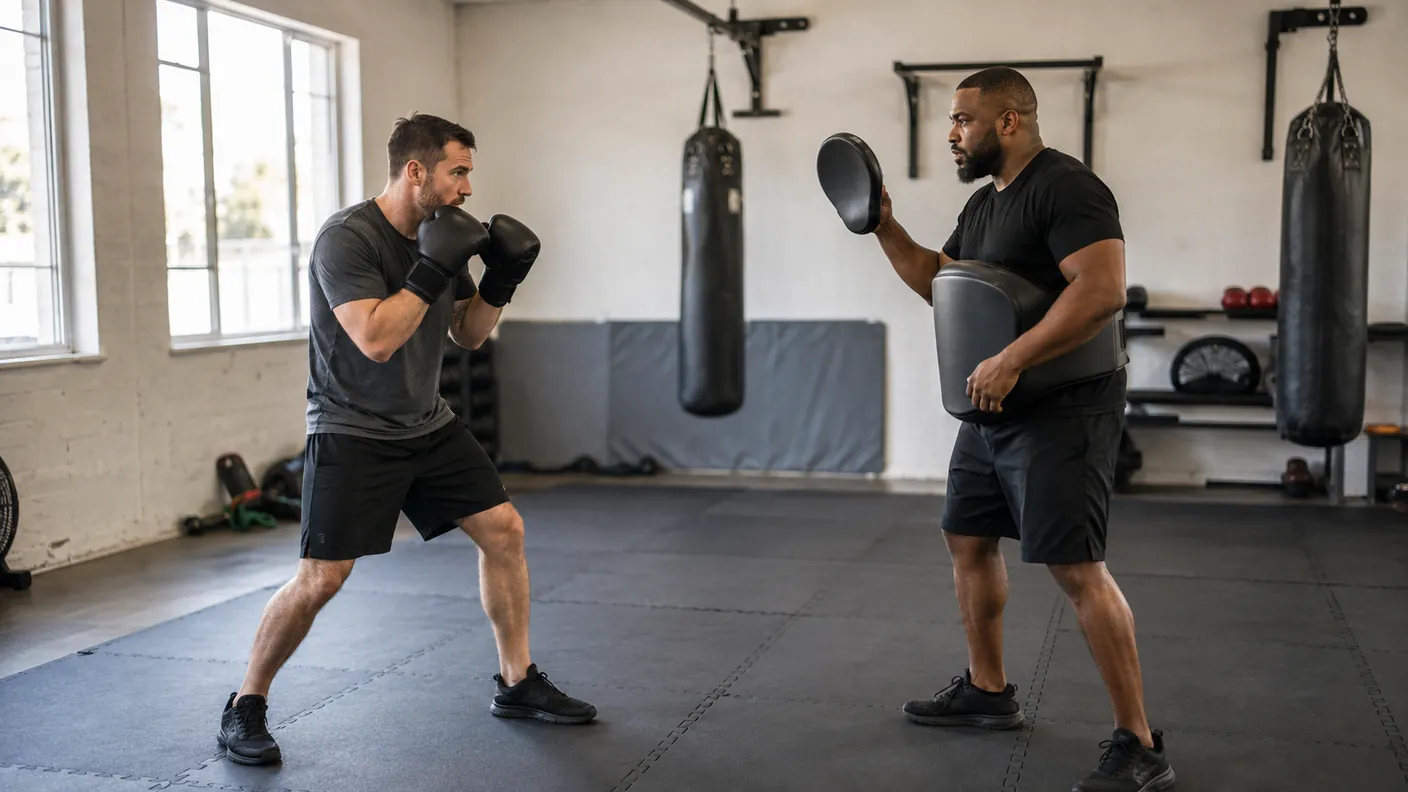
A shoulder roll can create a useful body-shot line. It can also turn into a very quick way to stand with one hand low and your chin exposed.
That is why this is an intermediate drill, not a trick to take straight into sparring. The useful version is small, controlled and practised with a coach holding a clear cue. You are learning one connection: a compact turn takes a rear straight off its line, then your body is organised enough to offer a short uppercut to a body shield.
The uppercut is not the reward for every roll. If the distance is wrong, the other boxer stays balanced or your guard has opened, bring the hands home and reset.
Watch the demonstration below, then start with the defensive shape before adding the body shot.
What this drill is actually teaching
The point is not to copy a low-handed defensive style. The point is to notice that a good defensive movement can leave the body prepared for a sensible next action.
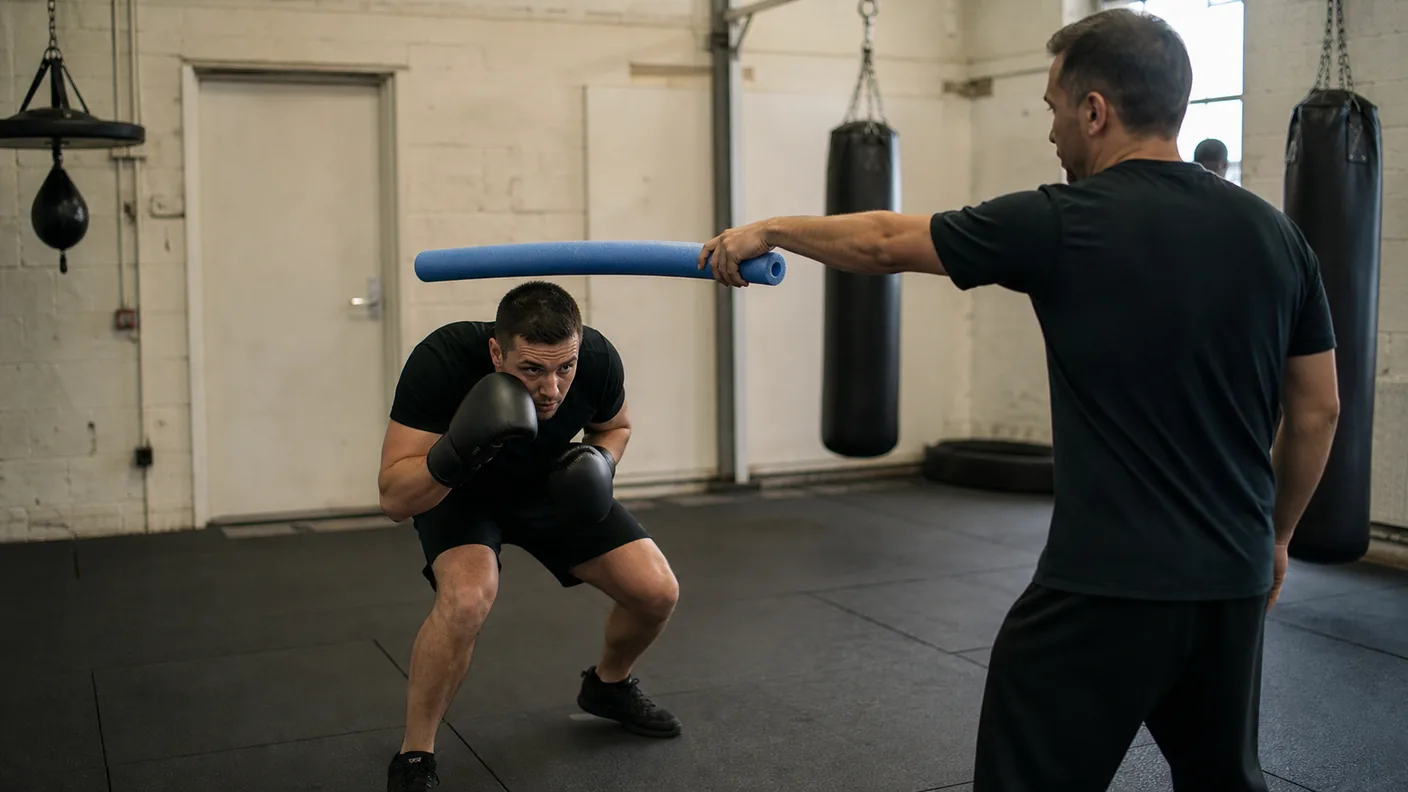
Against a slow, pre-agreed rear-straight cue, the lead shoulder turns just enough to reduce the target. The knees stay soft. The eyes stay on the coach. The rear hand remains close enough to cover the chin while the lead arm and shoulder deal with the line.
That small turn can load the rear side for a short body uppercut. It does not give you permission to swing upward from too far away or dive forward under a cross. The uppercut belongs only when you are already close enough to reach the body shield without stretching the head past the front knee.
A biomechanics comparison of the cross, hook and uppercut found that each punch uses body segments differently. That is useful here because the counter cannot be an arm-only flick. The legs, trunk, shoulder and hand have to arrive as one organised action. If the shoulder roll leaves the feet square, do not try to rescue it with a hard punch.
Keep the roll compact
A shoulder roll is not a theatrical lean backwards. It is a small turn that changes where the straight shot lands while leaving your eyes and balance intact.
For an orthodox boxer facing another orthodox boxer, the usual picture is an opponent's right hand coming down the middle. In this drill, the coach shows that line slowly with a mitt or glove. The boxer turns the lead shoulder in a little, keeps the chin behind it and lets the punch meet the shoulder area or pass safely outside the line.
The rear glove still has a job. Keep it near the cheek rather than dropping it to prepare the uppercut early. If the back hand leaves before the defensive movement is complete, the drill has created a new gap where the straight shot should have been covered.
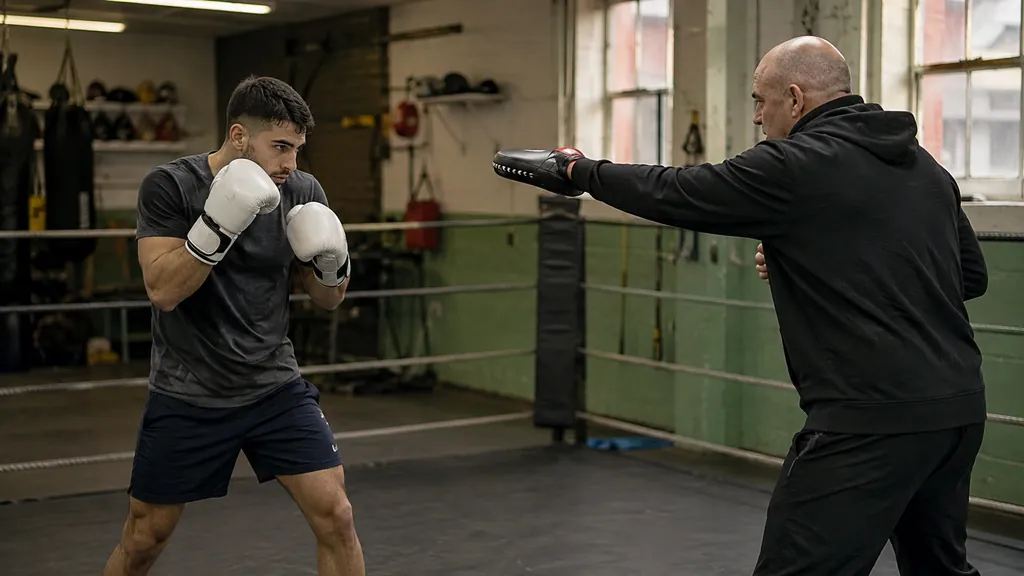
The movement should be boringly small. You should be able to stop after the turn and still see the coach, stand on both feet and bring either hand back into a conventional guard. If the head has fallen behind the rear hip or the feet have frozen, make the cue slower and the turn shorter.
Our guide to the Philly shell boxing style explains why a shoulder roll is only one part of a larger system. This drill borrows one defensive detail. It does not ask you to build your whole boxing around it.
The body uppercut comes from honest range
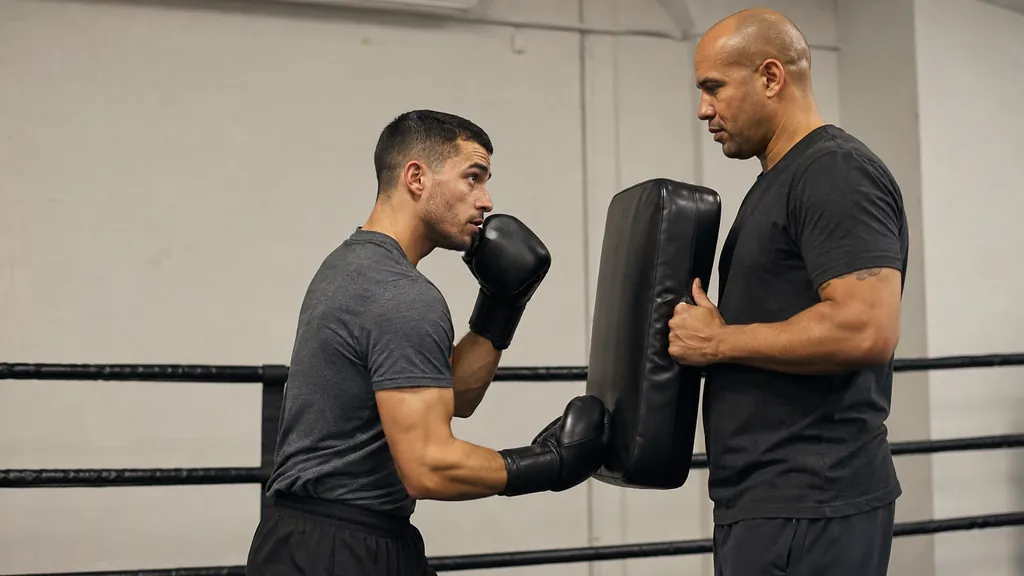
The rear uppercut is a short punch. It needs close enough distance for the elbow to stay bent and the fist to travel up through the body line. If you have to straighten the arm towards the body shield, you are too far away.
After the shoulder turn, let the rear side settle under you. Bend through the knees a little, keep the torso tall enough to see the target and drive the rear glove upward into the lower half of the body shield. The non-punching glove stays close to the cheek.
Do not throw it like a wide shovel. The glove should travel on an upward line, with the elbow under the fist. The hip and shoulder can turn with it, but the head does not chase the glove. If your chin travels forward as the punch rises, you have taken a close-range shot and made it a reach.
England Boxing describes its Level 1 assistant-coach course as covering the practical and technical fundamentals of boxing, alongside health and safety and basic rules. That is the right standard for this drill: coached, progressive and built from a reliable guard rather than a search for a clever counter.
Before working this with a live partner, make sure you can throw a clean rear uppercut on a body shield. Our guide to throwing an uppercut without scooping from the floor covers the basic punch shape. If that shape is not yet settled, keep this drill on hold.
A three-round shoulder-roll-to-body-uppercut drill
Use a coach, body shield and one slow, agreed straight-punch cue. Keep the work technical. No hard shots to the head, no surprise punches and no attempt to turn a pad drill into sparring.
Round one: turn and freeze
The coach shows a slow rear-straight line at a safe distance. The boxer makes the compact shoulder turn and freezes for one count.
Check the finish. The chin is tucked. The rear glove is near the cheek. The knees are soft. The feet remain staggered. If you cannot throw a jab or take a small step out from the freeze, the defensive movement was too large.
Do ten controlled repetitions, then swap. This first round is the whole drill for anyone who is still learning to keep the guard alive during a shoulder turn.
Round two: turn, recover, touch the shield
Use the same slow cue. This time, after the turn, the coach presents the body shield at close range. The boxer brings the rear uppercut up lightly, then returns to guard.
The uppercut should not arrive until the turn is finished. Do not roll and punch at the same time just to make the sequence look fast. Defence first, check the range, then put one tidy shot on the shield.
If the target feels too far away, do not lean after it. Reset the drill with the coach closer or remove the punch. A clean defensive turn is worth more than a forced counter.
Round three: choose uppercut or exit
Now the coach can give either the same rear-straight cue followed by the body shield, or the cue followed by no target. The boxer turns, reads the next picture and chooses the sensible finish.
When the body shield is there at close range, land the light rear uppercut and return to guard. When the target is missing or the coach has stepped away, take a small angle out or reset at jab range. This keeps the body shot from becoming a debt you must collect every time.
Four mistakes that spoil the idea
The first is lowering the lead hand to invite a punch before you can actually manage the line. That is an advanced choice with a large cost if the timing is wrong. Start from your normal guard.
The second is over-rolling. A deep lean may avoid the straight shot, but it often puts you too far from the body target or makes the uppercut come from a poor angle. Turn small enough that you can still see the coach.
The third is loading the uppercut before the defence. If the rear glove drops early, the cross has a clear route. Make the roll, recover the picture, then let the shot go.
The fourth is trying to land the uppercut from long range. A body uppercut needs close range. If the body shield is beyond your bent elbow, move the feet or reset. Do not bend forward and make your head the nearest target.
Where this belongs in training
Use this after a warm-up and after basic uppercut work, before free partner rounds. It suits a boxer who already has a stable stance, a simple high guard and a coach who can control the pace.
It does not suit a first session, hard sparring or anyone who is still losing balance after a regular jab and cross. A standard high guard, basic catch and small step are better starting tools. This drill is for adding detail once those basics are dependable.
For adults in Kidbrooke, Greenwich and nearby, our Recreational Adults boxing classes build skills through bags, pads and controlled partner drills. A coach can tell you whether a shoulder turn is helping your balance or simply making your guard harder to trust.
The coaching cue is simple: turn small, see the target, uppercut only when it is there.
H&G Team
Writer at Honour & Glory Boxing Club, a community boxing gym in Kidbrooke, South East London.
KEEP READING
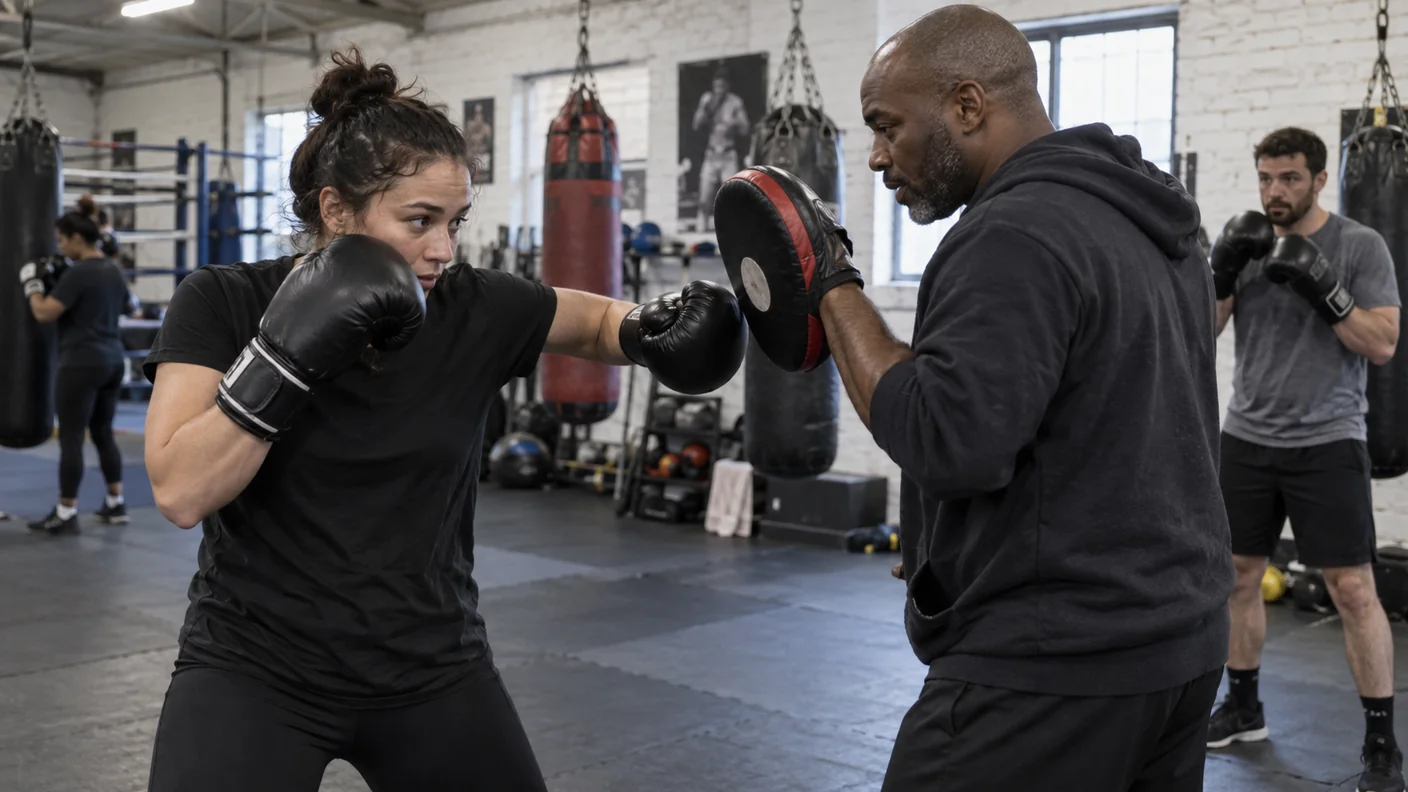
Shoulder Roll to Rear Uppercut: Boxing Drill
Learn when a compact shoulder roll can create a rear uppercut, with a coached drill that keeps range, guard and balance in view.
Roll Under Punches in Boxing Without Folding
Learn a compact boxing roll that uses the legs, keeps your eyes up and leaves you ready to hook, defend or move away.
Cross-Roll Drill: Recover After a Right Hand
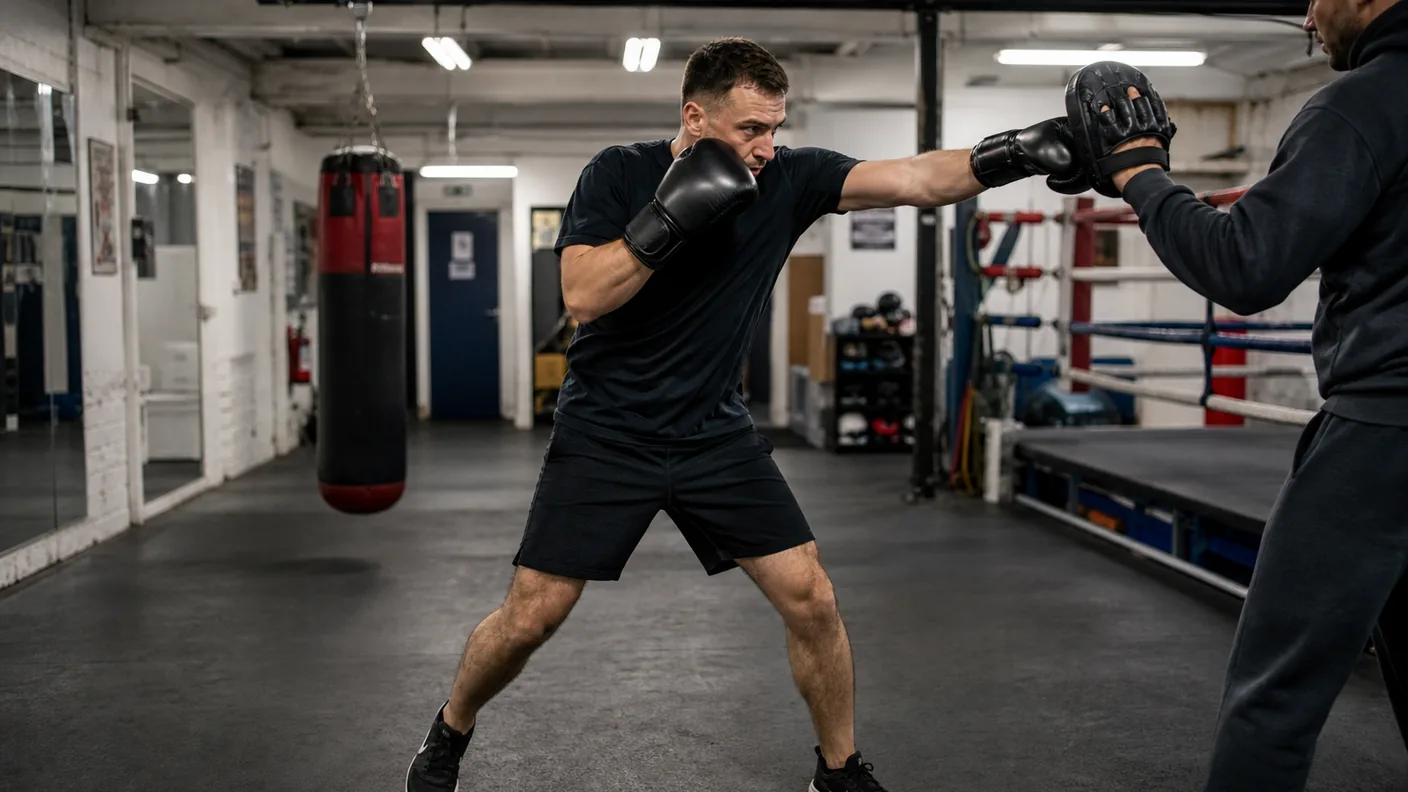
Use a compact outside roll after the cross to finish balanced, keep your eyes up and avoid standing still for the return.
Was this page helpful?
It takes one tap, and it genuinely helps.
Choose your next step
Turn this article into the right action
Some readers are ready to book. Some need the class route first. Pick the route that matches what you actually want.