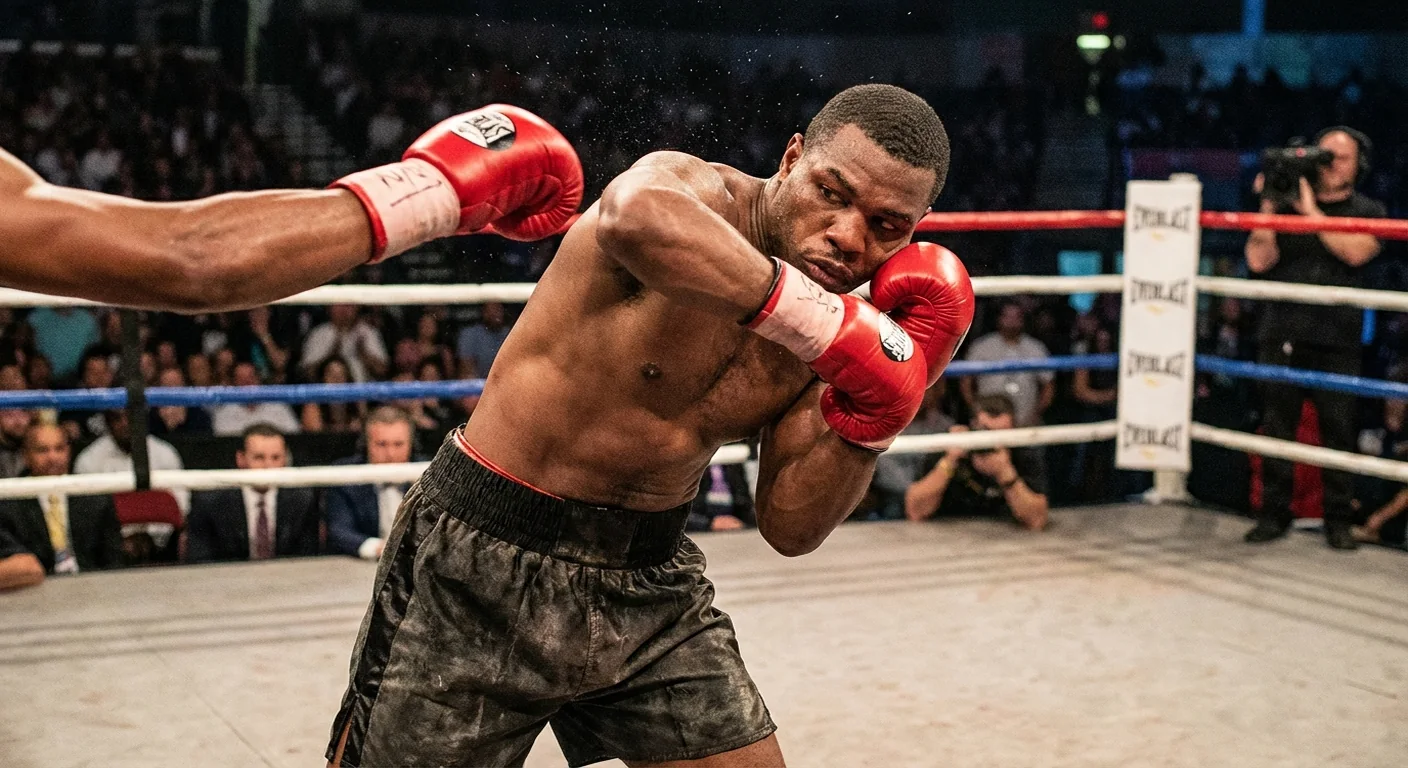
The Philly shell might be the most faked style in boxing.
People drop the lead hand, lean back a bit, and assume they are doing something sophisticated. Usually they are just leaving their chin and body available to anyone with half a jab.
Real Philly shell boxing is not a pose. It is a defensive system built around shoulder positioning, lead-arm placement, rear-hand responsibility, timing, and immediate counters. It can make elite counterpunchers look impossible to hit cleanly. It can also make ordinary boxers look ridiculous.
That split tells you something important. The style is real, but it is not forgiving.
What the Philly shell actually is
Evolve MMA's breakdown gets the first big point right. The Philly shell is a system, not just a stance. The lead arm helps protect the torso, the lead shoulder rises to shield the chin, the rear hand stays ready to catch and parry, and the body sits just off the centre line.
That setup allows a fighter to deflect shots rather than absorb them on a high guard. It also puts them in position to answer quickly. The defence and the counter are linked.
That is why the style has always appealed to slick, confident boxers with strong timing. They are not trying to survive in the shell. They are trying to invite mistakes.
The shoulder roll is not the whole thing
This is the second misconception. People often use "Philly shell" and "shoulder roll" as if they mean exactly the same thing.
They do not.
ExpertBoxing's shoulder roll guide is useful because it makes the mechanics plain. The roll itself is one movement inside a bigger system. It depends on rotation, timing, and rhythm. If you simply raise the shoulder and wait, you are not really shoulder rolling. You are posing between punches.
Good shell fighters use several responses. They may roll the right hand, catch the jab, parry with the rear hand, take a small step, or pivot off. The posture matters, but the reactions matter more.
That is also why experienced shell fighters tend to look calmer than people trying to learn it. They are not guessing which defensive move comes next. They have already matched the response to the punch they expected.
Why the style is so dangerous when done well
The shell is dangerous because it wastes very little.
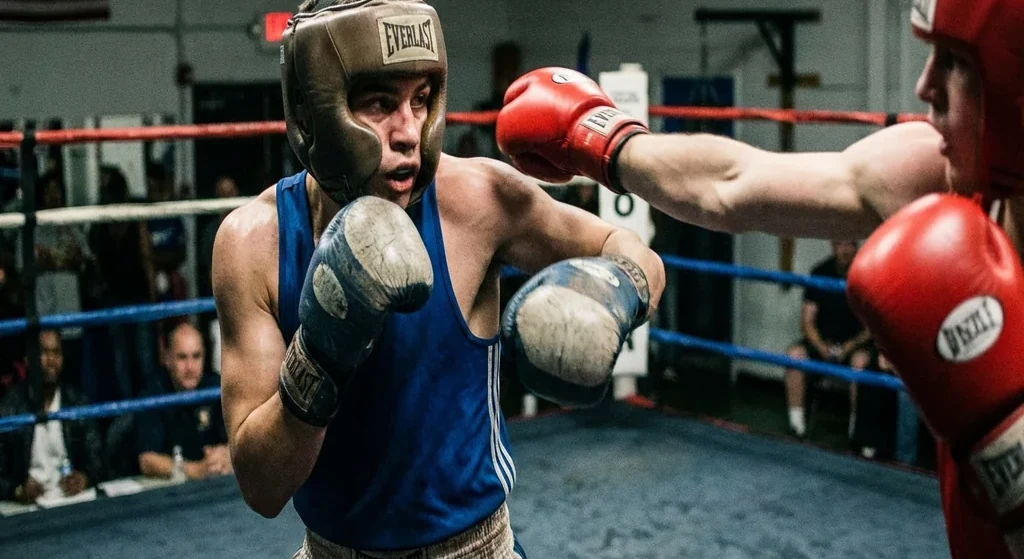
Instead of covering everything with both gloves high and eating the force on the arms, the boxer redirects the shot and fires back from a loaded position. Precision Striking's overview and Evolve's combinations guide both underline the same idea: the structure is built for counters.
That can mean the straight right after a slipped jab. It can mean a hook after a shoulder deflection. It can mean a pull counter if the opponent gets greedy. The style encourages the boxer to make the other person miss by a margin that immediately becomes punishable.
In the right hands, that is deeply demoralising. You feel like every attack gives away information and every mistake gets returned with interest.
Why beginners misuse it
Beginners misuse the shell because it looks economical and clever. Nobody wants to be the person with a big stiff high guard getting hit on the gloves all night if they could instead be the composed genius making people miss by inches.
The trouble is that the shell only works if your timing, distance, and footwork are good enough to support it. Sting Sports' summary of common shell mistakes is blunt about this. Hands too low, over-rolling, poor footwork, and bad range all turn the style into a liability.
That is exactly what coaches see in gyms. Boxers copy Mayweather's silhouette without any of Mayweather's reads. They leave the body open. They drift backwards. They admire their own cleverness while the other person keeps touching them.
At H&G, the rule would be simple. Earn the right to experiment with specialist defence by proving you can defend properly first.
The style's hidden demand: discipline
People think of the shell as relaxed, but it is actually strict.
The rear hand has a job every second. The shoulder has to be in the right place. The feet have to keep the range honest. The head cannot sit on the centre line waiting for combinations. Against quick flurries, the boxer has to know when to stay in the shell and when to leave it.
That last point matters. The shell is not a magic shield against all offence. Against certain combination punchers, long jabs, or body attacks, a boxer may need to blend it with more orthodox defensive habits. Good shell fighters understand that. Bad ones try to answer every question with the same trick.
That is one reason Boxraw's historical piece is worth reading. The style has a lineage and depth, not just a highlight-reel identity.
Who the style actually suits
The shell suits a certain type of boxer.
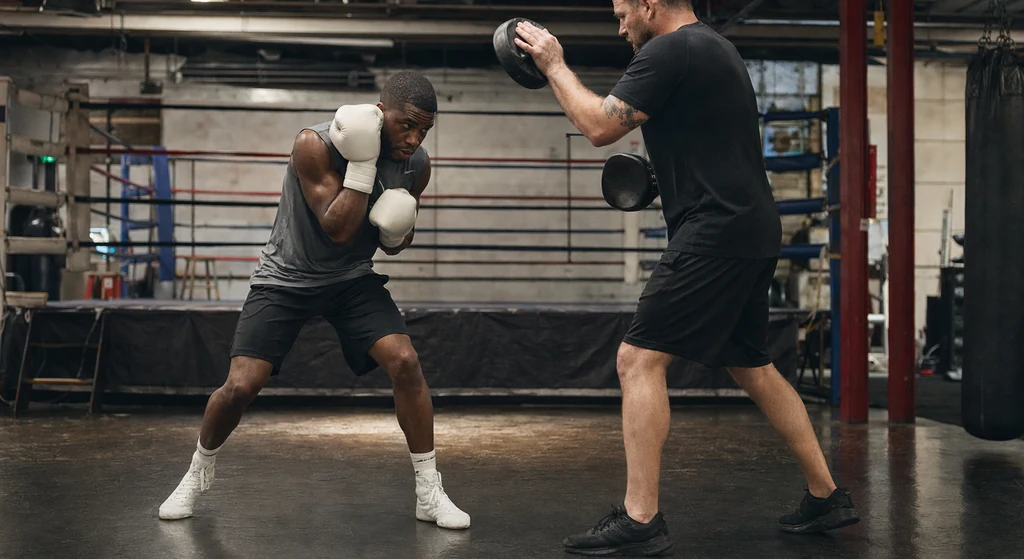
Usually that means someone with calm eyes, reliable timing, and enough confidence to live in small margins. Counterpunchers tend to like it because the style gives them clear windows for replies. Longer fighters can also make good use of it because range helps the shoulder and rear hand do their work.
Who tends to struggle with it? Rushed fighters, beginners with static feet, and anyone who panics once combinations start flying. If your first instinct under pressure is to shell up and freeze, the Philly shell is probably the wrong shell.
That is worth saying because boxing styles are not moral choices. You do not get extra points for using the fancy one. You get points for using the one that helps you land and avoid getting hit.
What club boxers should take from it
Most club boxers do not need a full Philly shell. They do need some of the lessons inside it.
First, defence should set up your counters. Second, shoulder position matters more than people think. Third, small range changes often solve problems better than dramatic movement.
If that interests you, pair this article with our pieces on ring generalship and boxing stance and guard basics. Then test the ideas under supervision in our Adult Competitive sessions, where coaches can tell the difference between real defence and stylish nonsense.
The Philly shell remains one of boxing's most seductive styles because the finished version looks effortless. The unfinished version looks like a lesson in why fundamentals exist.
H&G Team
Writer at Honour & Glory Boxing Club, a community boxing gym in Kidbrooke, South East London.
KEEP READING

Cuban Boxing Style Explained
Why Cuban boxing still fascinates coaches. Rhythm, precision, defence, and the amateur habits that make the style so awkward to solve.
Mexican Boxing Style Explained
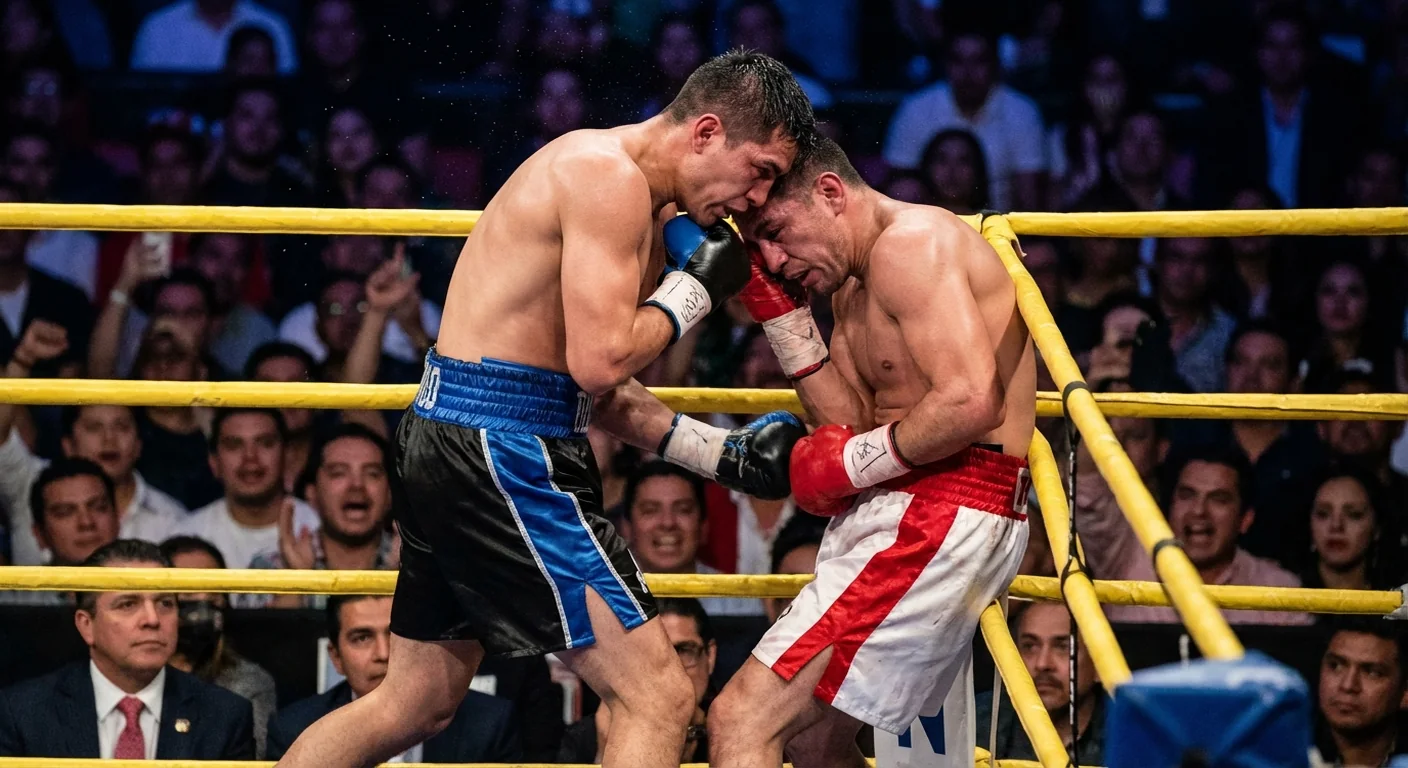
Pressure, body punching, and attrition. Why Mexican boxing is more technical than the caricature and still one of the sport's hardest styles to handle.
Soviet Boxing Style Explained
Why the Soviet school still shapes elite amateurs. Footwork, pendulum rhythm, volume, balance, and the conditioning demands that make it hard to copy well.
Was this page helpful?
It takes one tap, and it genuinely helps.
Choose your next step
Turn this article into the right action
Some readers are ready to book. Some need the class route first. Pick the route that matches what you actually want.