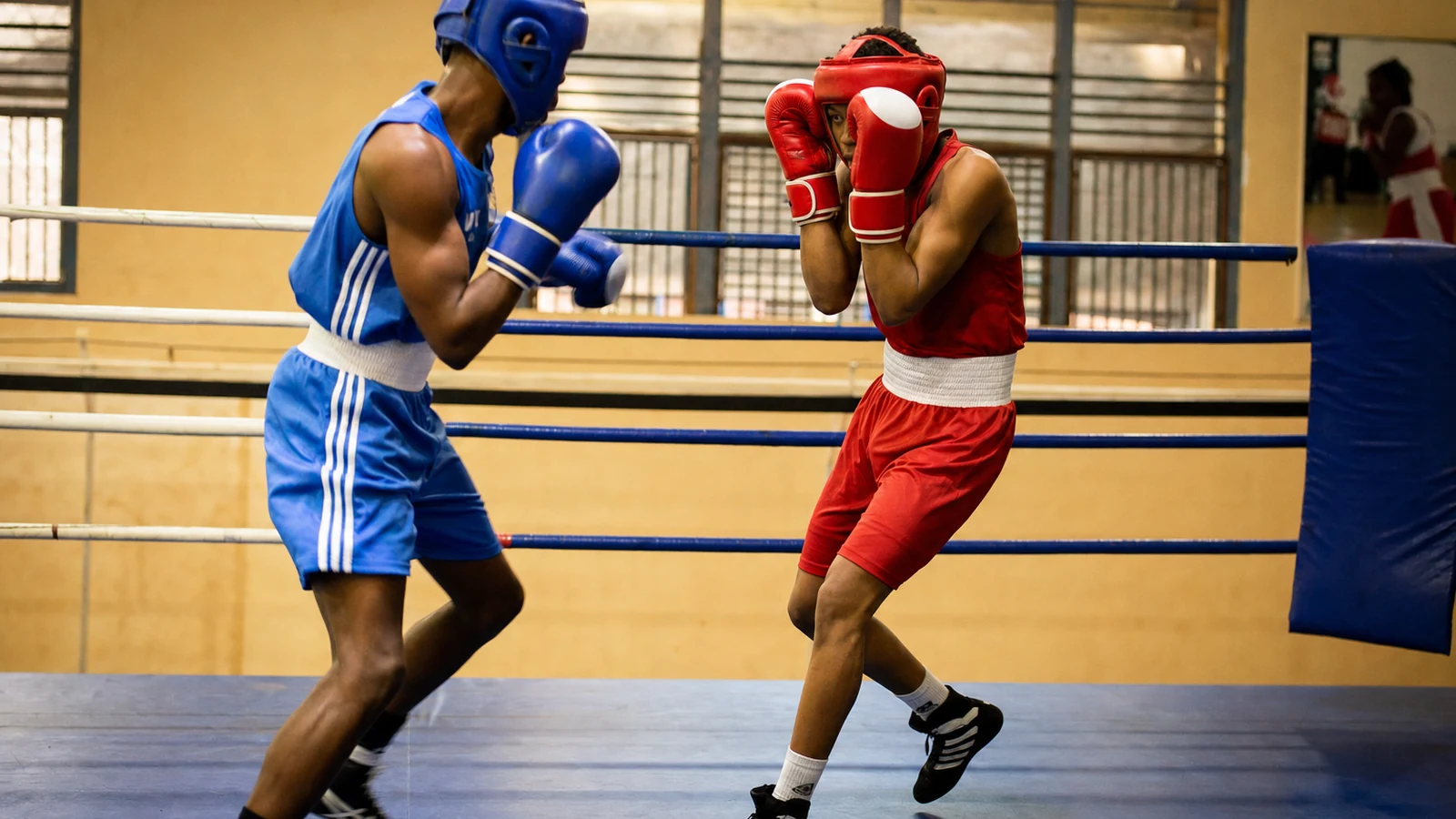
Cuban boxing has one of the clearest identities in the sport. Even people who cannot explain it properly can usually recognise it when they see it. The rhythm is different. The timing feels odd. The boxer seems available, then gone. A jab gets shown one picture, then paid back with another.
That distinctiveness did not happen by accident. Cuba built an amateur system that produced generations of elite fighters, and the style that emerged from it remains one of boxing's most admired schools.
At its best, Cuban boxing is about precision under control. It values clean scoring, defensive variation, rhythm changes, and the sort of ring awareness that makes opponents feel clumsy.
Why the Cuban school matters
The historical point is straightforward. Olympics.com's account of the Cuban style explains how Cuba's state-backed amateur system and coaching figures like Alcides Sagarra turned the country into a boxing force. The style that developed from that system emphasised movement, quick reactions, tactics, and counterpunching.
That origin matters because Cuban boxing is deeply amateur in the best sense of the word. It was shaped by a scoring environment that rewarded clean touches, defensive intelligence, and control of the ring. You can see that history in the way Cuban fighters manage distance and avoid giving opponents obvious scoring chances.
This is one reason coaches love the style even when fans do not always. It rewards proper boxing.
Rhythm is the first thing that catches you
A lot of good fighters are fast. Cuban-style fighters often feel awkward as well, and awkwardness is harder to solve than raw speed.
They break patterns. They pause where you expect movement and move where you expected a set position. They jab without living behind the jab. They step just far enough to spoil your reply, then score while you are resetting.
That rhythm is one reason the style looks slippery without always being dramatic. There may not be huge shoulder rolls or wild upper-body movement. Instead, there are little decisions happening constantly: a half-step back, a hand parry, a turn, a touch, a reset.
The effect is frustrating. You feel as if you are nearly in range, nearly reading the timing, nearly landing something clean. Nearly is not good enough.
What people mean by the Cuban cover
The phrase "Cuban cover" gets used loosely, and it is worth being precise. I have not seen one single universal technical definition that every coach agrees on. In practice, people are usually talking about a cluster of defensive habits associated with the Cuban school rather than one trademark move.
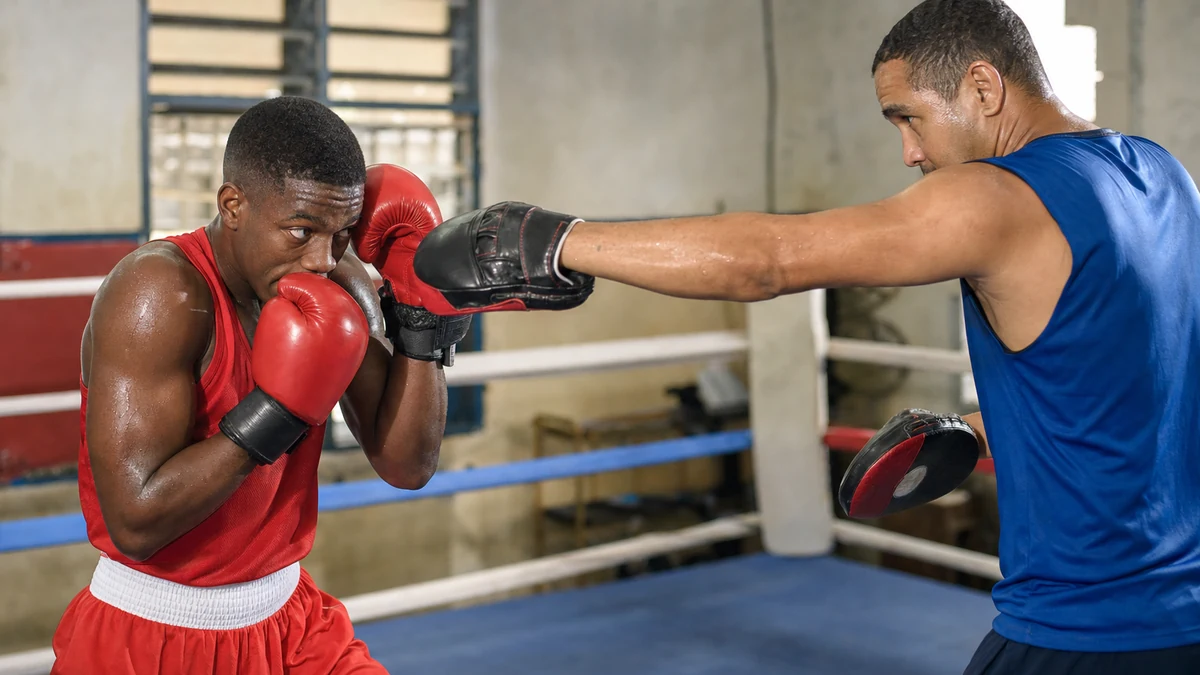
Those habits include compact hand shields, elbow and forearm blocks, little parries, subtle upper-body evasion, and quick recoveries back to stance. Dynamic Striking's breakdown of Cuban defensive fundamentals is useful because it goes through the practical pieces: hand blocks, wrist deflections, shoulder movement, and step-back defence.
That is the important bit. The Cuban cover is not magic. It is disciplined economy. The boxer covers just enough, wastes very little, and is ready to score immediately after defending.
MyBoxingCoach's piece on Cuban drills also makes a good coaching point: Cuban systems try to avoid predictable defensive patterns. If every jab gets the same answer, a decent boxer will work you out.
Why defence matters so much in this school
Cuban boxing does not treat defence as a break between attacks. It treats defence as part of control.
This is why so many Cuban-trained fighters seem relaxed while other people are panicking around them. The defensive reactions are already part of the rhythm of the round. Catch. Parry. Step. Touch. Turn. Nothing is isolated.
A modern example is Julio Cesar La Cruz, and Olympics.com's profile of him shows just how odd that approach can look to outsiders. Hands low at times, reflex-based reactions, unusual confidence in space, and a willingness to trust timing over textbook neatness.
That is where people get confused. They see a champion operating with apparent looseness and assume the style is casual. It is not. It is drilled confidence.
Precision over noise
Cuban boxing does not usually try to win the crowd first. It tries to win the exchange.
That can mean lower punch volume than a Mexican pressure fighter. It can also mean fewer dramatic moments than a peek-a-boo attacker. But in amateur terms it is often very efficient. The clean shot lands, the other boxer misses or gets touched on the way in, and the Cuban-style fighter is already somewhere else by the time the reply arrives.
That efficiency is one reason the school has aged so well. Even when rules and judging drift, precision, defence, and timing remain hard to argue with.
It also explains why Cuban fighters can look slippery without being negative. They are not always running. They are selecting.
The downside of the style
The downside is obvious once you try to teach it. It is hard.
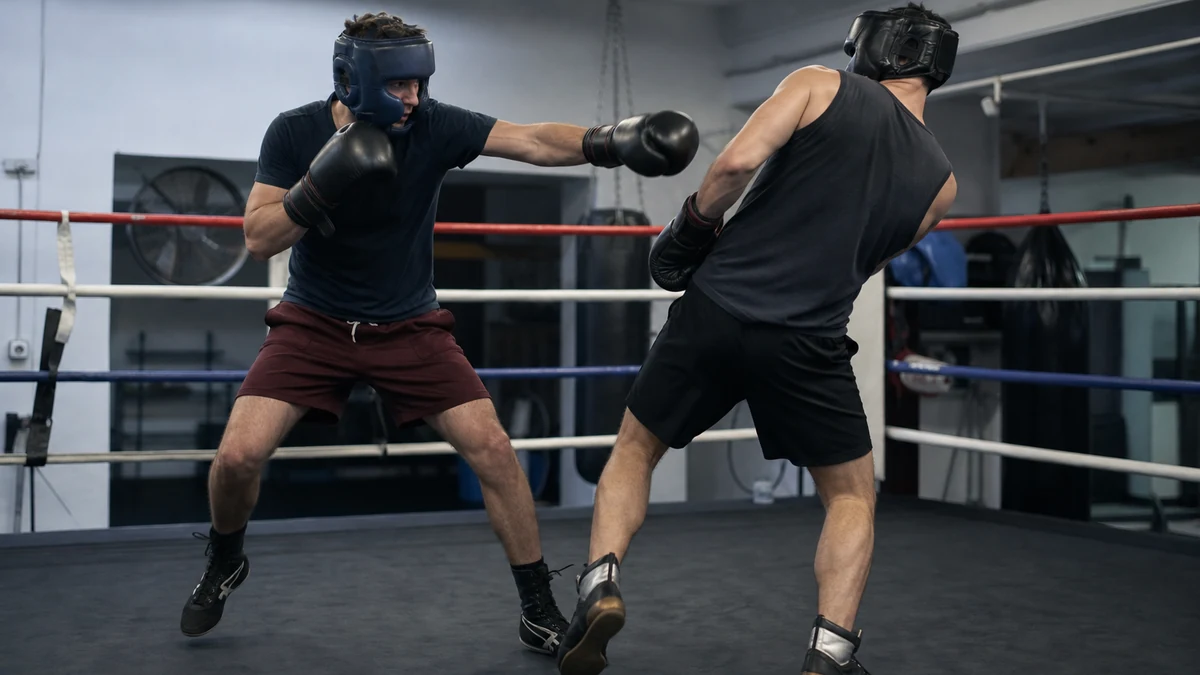
You need timing, awareness, feet, and enough composure to keep reading the fight without rushing your own work. Some boxers become too cute with it. They fall in love with not being hit and forget to take rounds clearly. Others copy the relaxed posture without earning the reactions that make it safe.
That is why the Cuban school is admired but not easy to reproduce. It is less about stealing one move and more about building a whole boxer.
For club-level fighters, the most useful lessons are still available. Stay defensively varied. Do not answer every shot the same way. Learn to score cleanly after making the opponent miss. If you can do that, you are already borrowing from the right part of the school.
Our articles on boxing stance and guard basics and boxing IQ help with the fundamentals behind that. Then you can sharpen the tactical side in our Adult Competitive sessions.
Cuban boxing still stands out because it makes the difficult look calm. That usually means the work was done long before the bell rang.
H&G Team
Writer at Honour & Glory Boxing Club, a community boxing gym in Kidbrooke, South East London.
KEEP READING
Soviet Boxing Style Explained
Why the Soviet school still shapes elite amateurs. Footwork, pendulum rhythm, volume, balance, and the conditioning demands that make it hard to copy well.
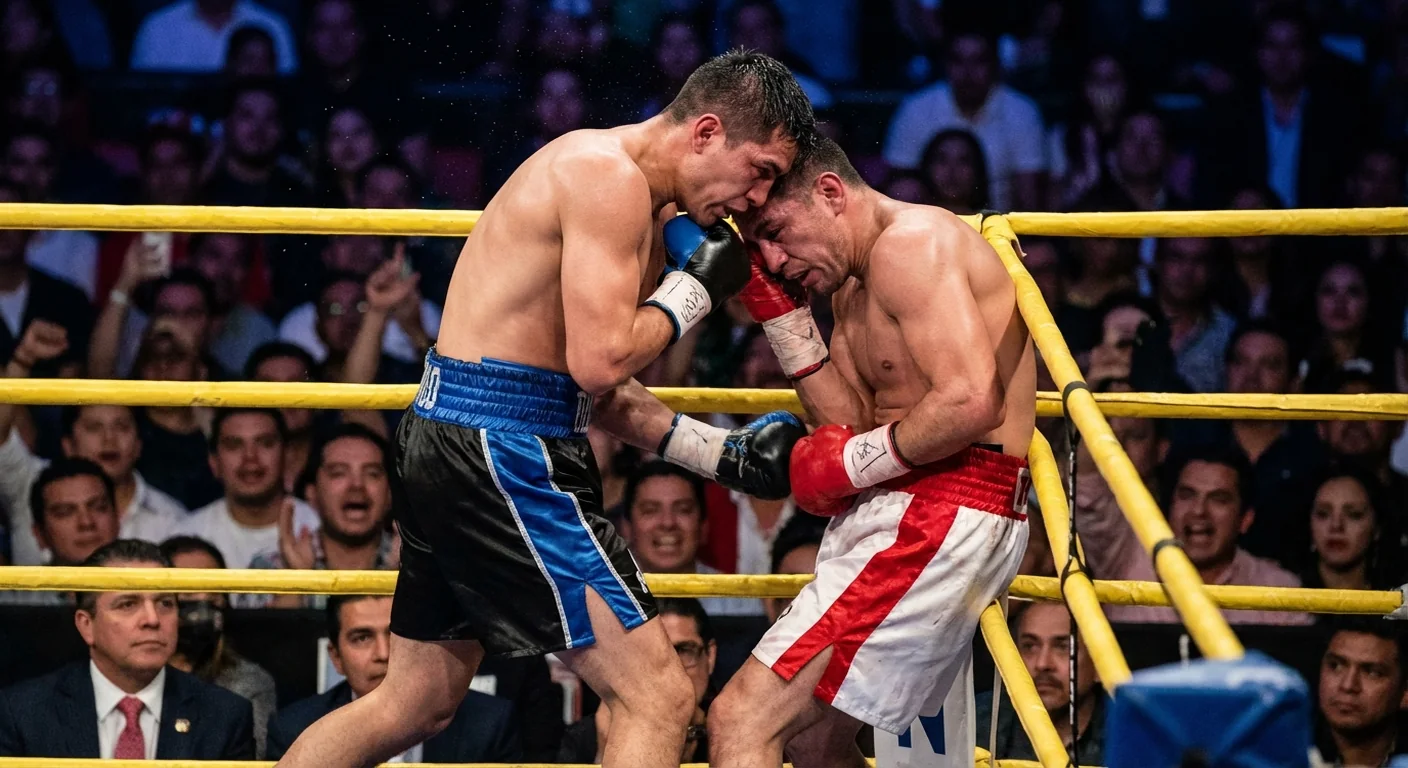
Mexican Boxing Style Explained
Pressure, body punching, and attrition. Why Mexican boxing is more technical than the caricature and still one of the sport's hardest styles to handle.
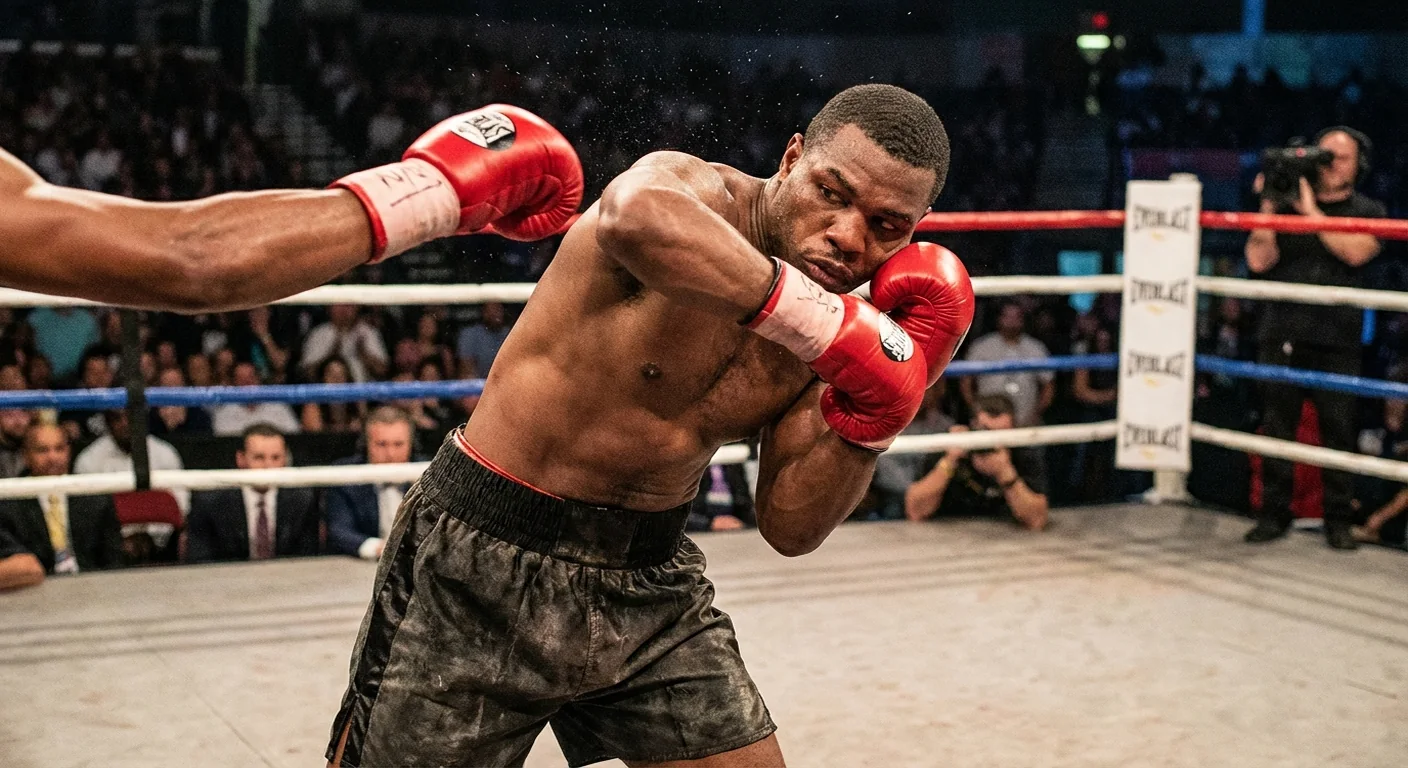
Philly Shell Boxing Style Explained
Why the Philly shell is a full defensive system, not just one hand low. Shoulder positioning, counters, and why beginners misuse it.
Was this page helpful?
It takes one tap, and it genuinely helps.
Choose your next step
Turn this article into the right action
Some readers are ready to book. Some need the class route first. Pick the route that matches what you actually want.