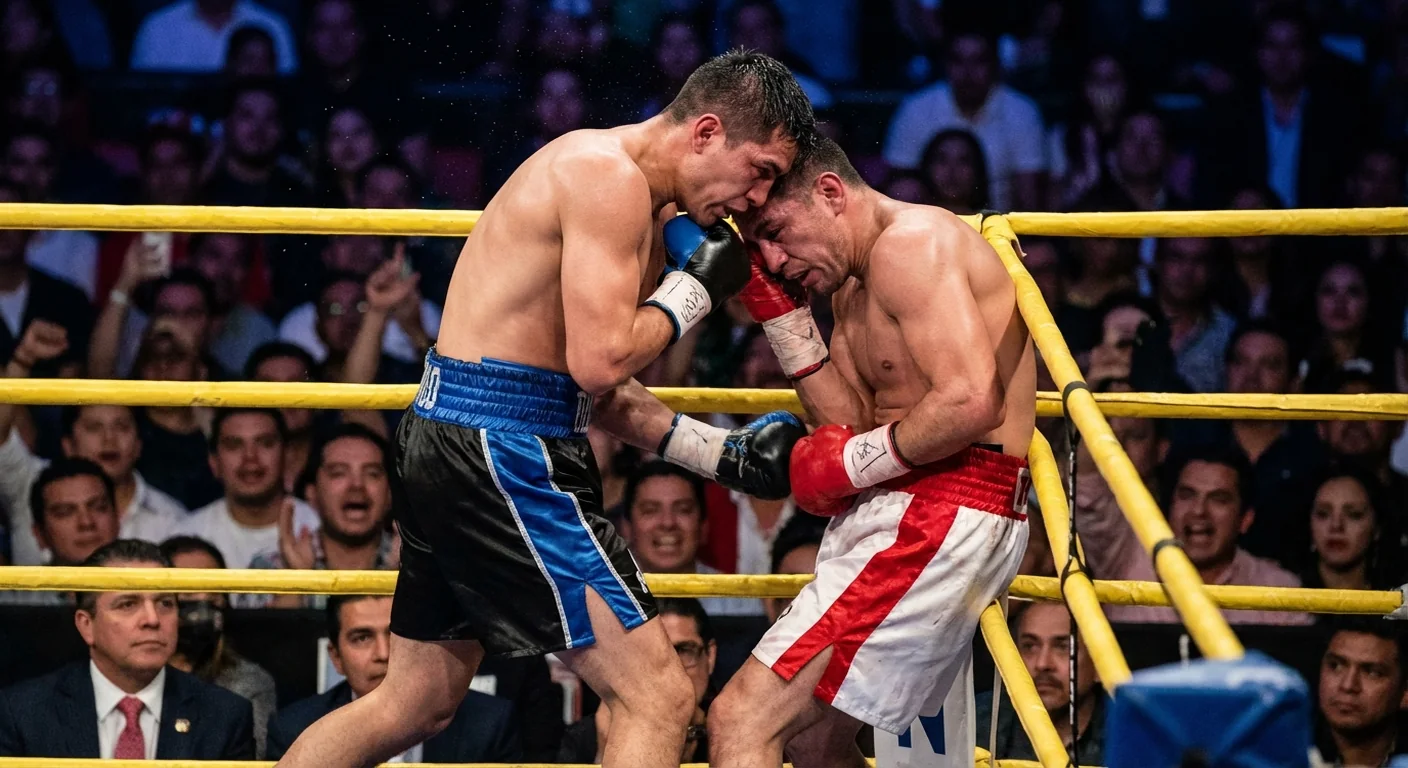
If you ask casual fans to describe the Mexican boxing style, they normally give you a rough sketch: pressure, body shots, toughness, and a willingness to walk through fire.
That sketch is not wrong, but it is incomplete. Real Mexican boxing is more intelligent than the stereotype. The pressure is usually purposeful. The body work is selected, not random. The pace is sustained by conditioning, but also by ring sense and discipline. Good Mexican fighters do not just absorb punishment. They create a fight that slowly becomes impossible to live with.
That is why the style has produced so many boxers other fighters hate sharing a ring with.
What people mean by "Mexican style"
The World Boxing Council's own summary is useful because it describes Mexican boxing in the way the sport itself often sees it: forward pressure, endurance, body attacks, rhythm, and a willingness to force the fight.
That is the public identity of the style. You come forward. You make exchanges happen. You hit the body until the other boxer starts making worse decisions upstairs. You do not allow a comfortable night.
The smarter correction is that the style has always been broader than the stereotype. Good Mexican fighters still counter, still defend, and still adapt. The best ones do not just march forward. They pressure with purpose and choose the right moments to open up.
That is the version worth paying attention to.
Body punching is not decoration
If Soviet boxing is often built around the jab, Mexican boxing is often built around making the ribs and stomach miserable.
This is not because body shots look dramatic. It is because they change the fight. ExpertBoxing's guide to body punching explains the practical logic well. Body attacks sap endurance, lower the opponent's hands, and make later head shots easier to land.
Mexican-style fighters understand this instinctively. They do not always chase the head first. They break the posture, the breathing, and the confidence. Then the head becomes easier to find.
This is one reason the style feels so oppressive. Even when the cleanest punch of the round lands upstairs, the damage may already have been done elsewhere.
At club level, plenty of people throw body shots because their coach told them to. Mexican-style fighters throw them like they mean the rest of the round to change because of it.
Pressure is a skill, not a mood
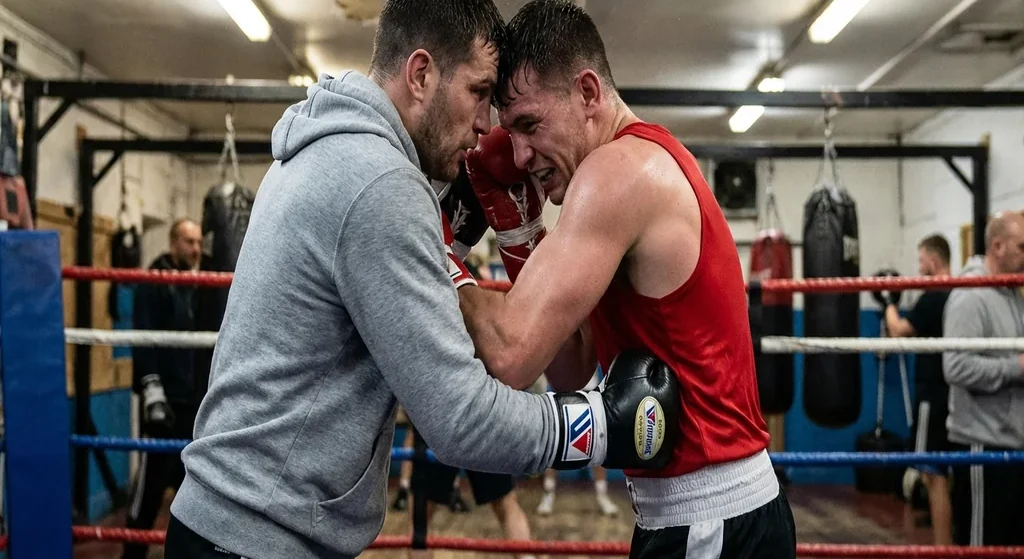
One of the worst mistakes amateurs make is thinking pressure simply means moving forward all the time.
It does not. Bad pressure is just walking in. Good pressure takes away exits, narrows the ring, and punishes the opponent every time they try to breathe.
That is why the Mexican style tends to thrive at close-to-mid range. The goal is not merely to be near the opponent. The goal is to have them feeling crowded, hurried, and physically worn down. Sting Sports' overview and Dynamic Striking's coach-facing piece both stress pressure, body work, durability, and work rate as core traits.
Notice what sits behind all of that: feet. You cannot pressure properly if you are squaring up and reaching. You need to cut distance without smothering your own shots. You need to stay balanced enough to punch when you arrive.
So yes, Mexican boxing is aggressive. It is also positional.
Why the style needs honesty and a gas tank
A boxer who wants to fight this way has to accept two truths.
First, the style is exhausting. You cannot press, punch, dig the body, and keep making another person work without being properly conditioned. Second, you are choosing a style that often asks you to take part in the fight physically rather than watching it from a safe postcode.
That takes honesty. If your fitness is poor, Mexican-style boxing becomes a fantasy after two rounds. If your heart goes every time you get clipped, the pressure tends to disappear the first time someone answers back.
This is why the style earns respect in every gym. It asks for commitment. The fighter has to believe in the attrition. They have to trust that the pace and the body work will tell later.
Julio Cesar Chavez was a master of this, and MyBoxingCoach's reflections on Chavez remain useful because they frame him not as a reckless brawler but as a stalker with controlled ferocity and rough-house skill.
The big misconception
The big misconception is that Mexican boxing is crude.
It can look crude if you only see the blood and noise. But that usually means you are watching the result instead of the process. The better Mexican pressure fighters place the feet well, hide the body attacks behind combinations, and know when to switch from head to body and back again. They also understand rhythm. They do not always throw flat out. They squeeze, they crowd, they trap, then they force the exchange they wanted.
Canelo is one obvious modern example because he can pressure, counter, and dismantle the body without turning the bout into chaos. He is a reminder that Mexican boxing can be subtle while still being nasty.
What club boxers should learn from it
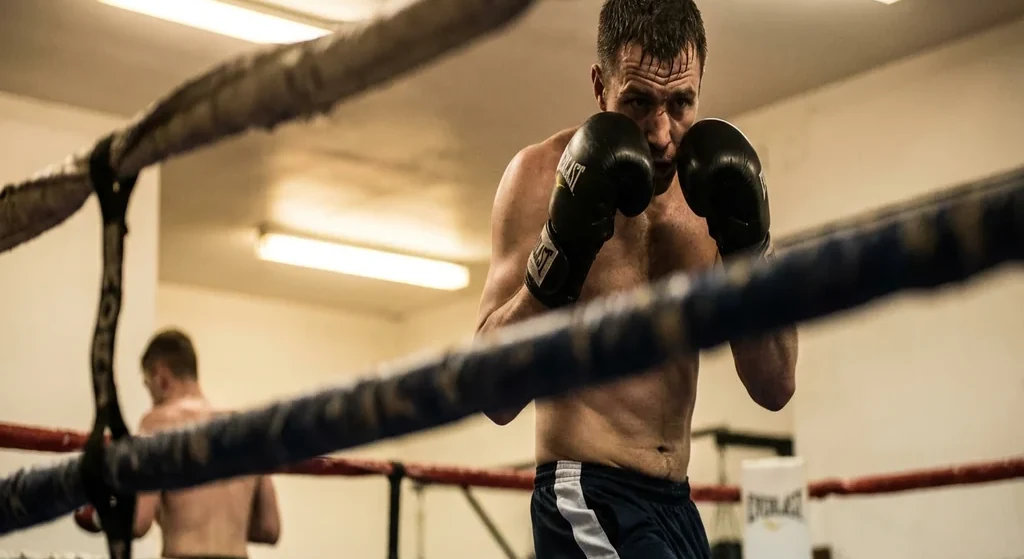
You do not need to become a full pressure fighter to learn from this style.
Most people at our Adult Competitive sessions would benefit from three Mexican habits.
One: stop treating body shots as optional extras. Two: learn to pressure with your feet rather than your ego. Three: understand that attrition wins plenty of fights before the dramatic moment arrives.
If that sounds familiar, it is because the same ideas turn up in other good boxing concepts. Our articles on ring generalship and boxing IQ cover the tactical side of forcing a fight onto your terms.
The Mexican style remains powerful because it solves a simple sporting problem better than most systems do. It asks: how do you make a skilled opponent uncomfortable for longer than they can tolerate? The answer is not one punch. It is pressure, body work, and enough conditioning to keep asking the question until they stop answering well.
H&G Team
Writer at Honour & Glory Boxing Club, a community boxing gym in Kidbrooke, South East London.
KEEP READING
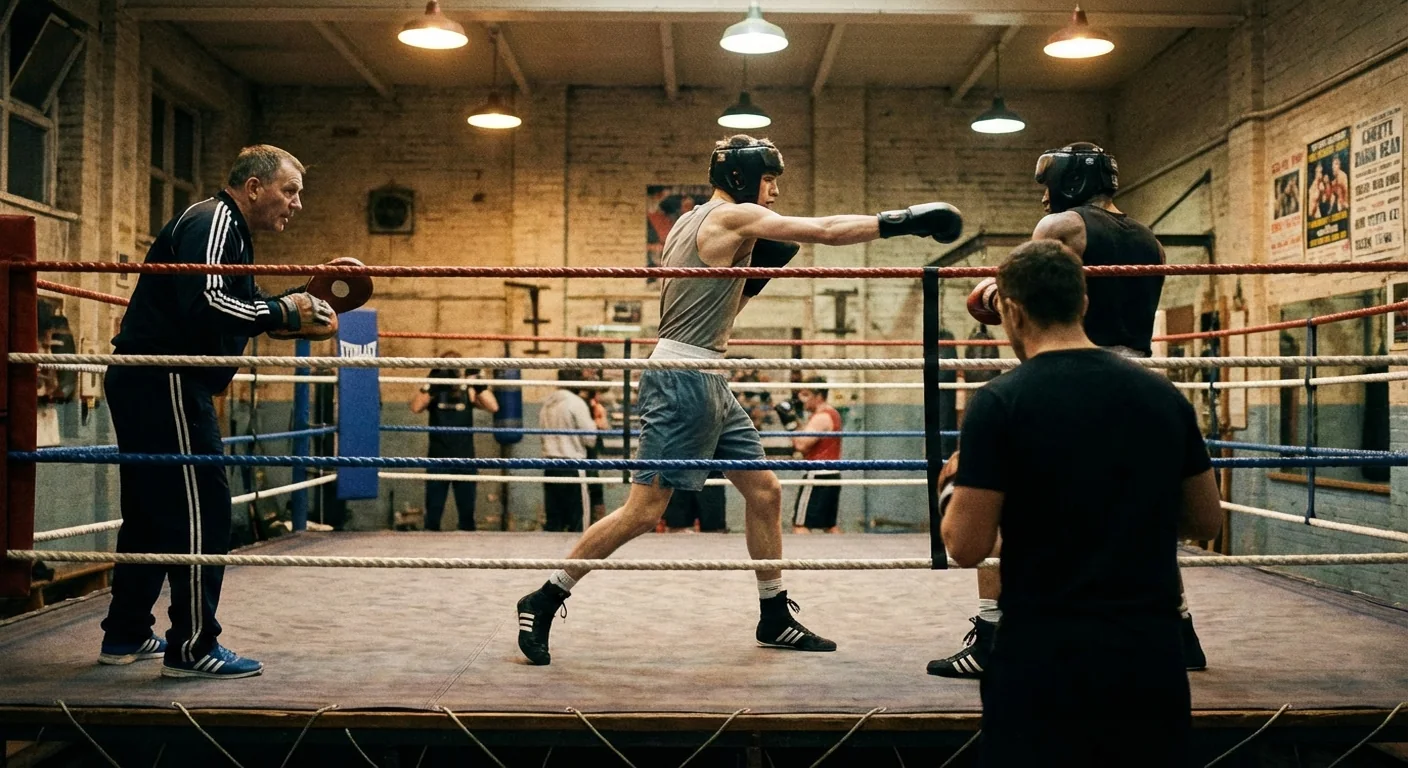
Soviet Boxing Style Explained
Why the Soviet school still shapes elite amateurs. Footwork, pendulum rhythm, volume, balance, and the conditioning demands that make it hard to copy well.
Peek-a-Boo Boxing Style Explained
The peek-a-boo style is compact, aggressive and exhausting. Here is what Cus D'Amato built, why it worked for Tyson, and why most boxers misuse it.
Cuban Boxing Style Explained
Why Cuban boxing still fascinates coaches. Rhythm, precision, defence, and the amateur habits that make the style so awkward to solve.
Was this page helpful?
It takes one tap, and it genuinely helps.
Choose your next step
Turn this article into the right action
Some readers are ready to book. Some need the class route first. Pick the route that matches what you actually want.