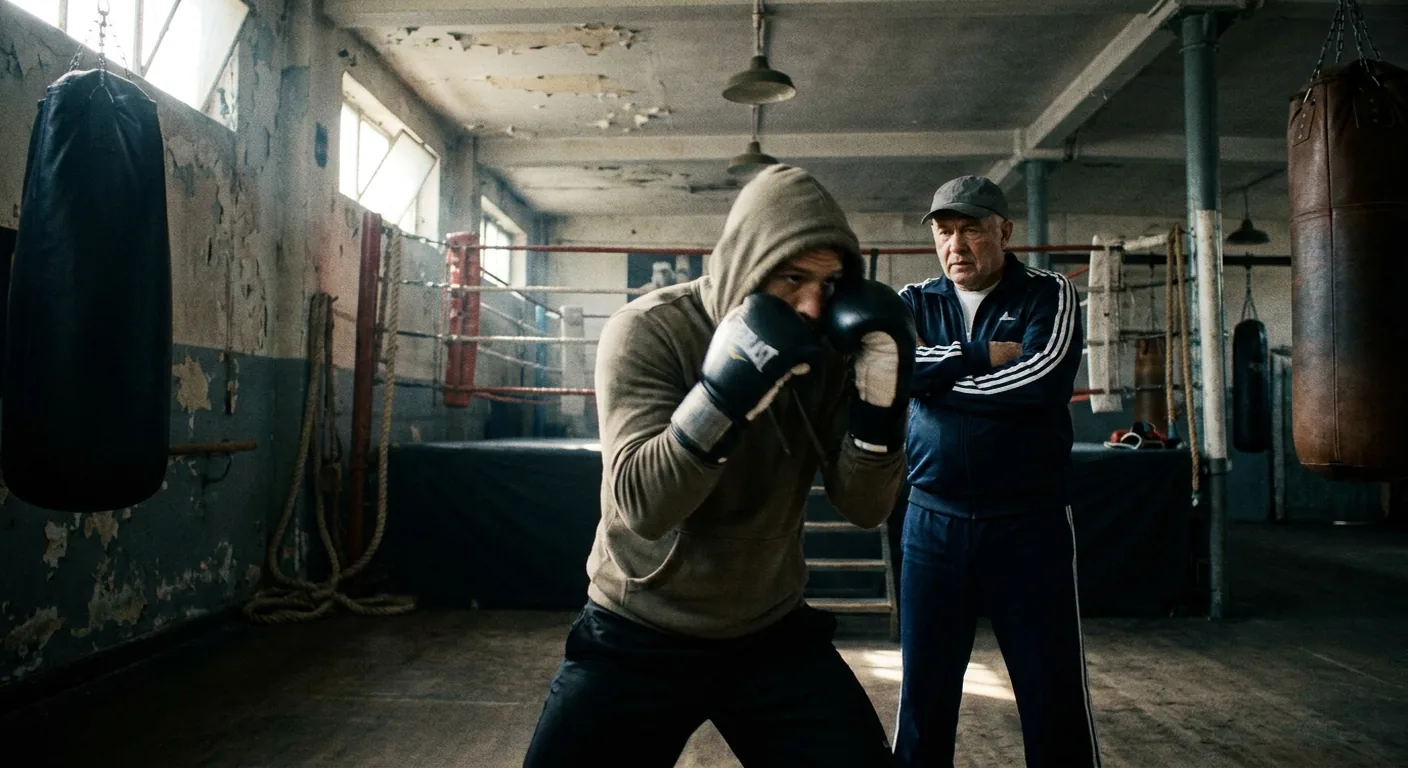
The peek-a-boo style gets romanticised because Mike Tyson made it terrifying. People remember the knockouts, the head movement, the feeling that he was somehow underneath punches and on top of you at the same time. They remember violence. What they forget is how disciplined the style had to be to work.
Peek-a-boo is not just a high guard. It is a system built around compact defence, explosive entries, angle changes after slips, and combinations thrown from short range with bad intentions.
It is also one of the most physically demanding styles in boxing. If your legs are lazy, your head movement slows, or your gas tank is poor, the whole thing becomes an ugly imitation very quickly.
What the peek-a-boo style actually is
Cus D'Amato is the name that matters here. He coached Floyd Patterson, José Torres and then Mike Tyson, and he is still the trainer most closely associated with the style (Britannica on Cus D'Amato, International Boxing Hall of Fame profile).
At its simplest, the style usually includes:
- hands high and close
- elbows tucked in
- constant head movement before and after punching
- short entries behind slips, dips and level changes
- hard combinations from close range
- exits that create a new angle rather than a straight retreat
People hear "high guard" and think it sounds defensive. That is only half right. The defence exists to get you close enough to attack. Peek-a-boo is an attacking style that hides inside defensive movement.
Why Tyson made it look different
Tyson was almost built in a lab for it. He had a low centre of gravity, explosive legs, fast hands, and the temperament to commit fully once he got into range. The style let him move under the jab, enter with intent, and unload hooks and uppercuts before the other man reset. Britannica's Mike Tyson summary is still the cleanest short reminder of how quickly those physical gifts turned him into the youngest heavyweight champion in history.
That is why copying Tyson is usually a mistake. Most people do not have Tyson's physical gifts, and more importantly, most people do not have Tyson's discipline in those early years. Cus drilled habits until they were automatic. The style worked because Tyson did not improvise its foundations. He repeated them.
If you want the larger lesson from that camp, our article on how Mike Tyson trained and what amateurs can learn from it is worth your time.
The head movement is the engine
Without head movement, peek-a-boo is just standing square with both gloves on your cheeks waiting to get punched.
That is the part many people get wrong. They copy the shell of the style without the motion that makes it safe.
The style needs rhythm in the upper body. The head cannot be static. It has to be moving enough to make the opponent uncertain and to load the next attack. Slip outside, step in, hook. Dip inside, rise with the uppercut. Roll under, come back with the other hand. It is not random weaving. It is purposeful movement that creates attack lines.
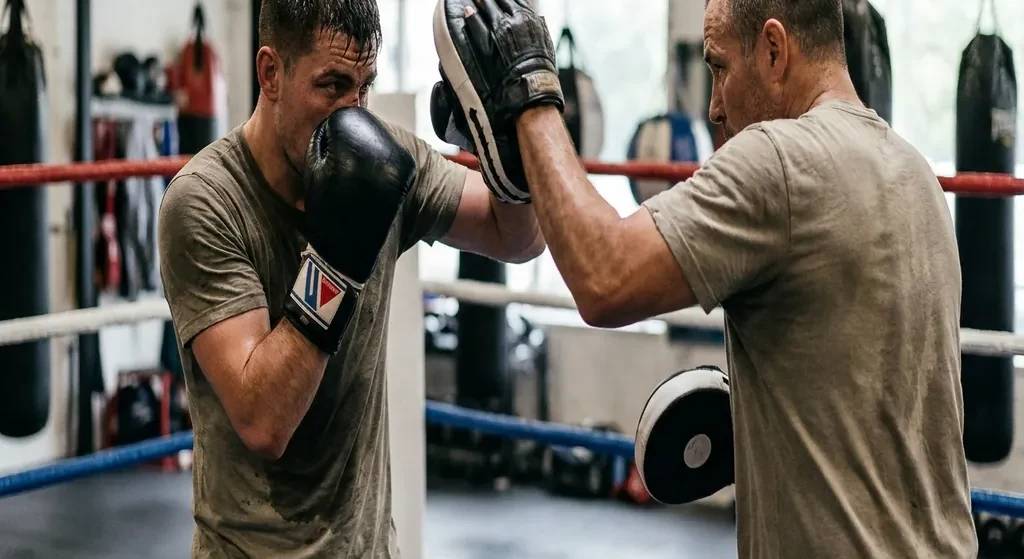
Because the motion is so active, it costs energy. Again, the gas tank matters. A tired peek-a-boo boxer becomes hittable fast.
Why it is such a pressure style
Peek-a-boo works best when the boxer wants to close space, not decorate the outside. It is pressure boxing, but educated pressure.
The boxer is not just walking forward. He is taking away the jab, making the opponent second-guess, and entering from awkward lines. Once inside, the combinations tend to be short, violent, and chained together. That is why it is so dangerous against opponents who like a comfortable long range.
The style is a nightmare when the user can keep resetting the terms. You feel you have solved the distance, then he slips under the next shot and you are exchanging hooks again.
Why most amateurs should be careful with it
There is a difference between borrowing parts of a style and trying to become a tribute act.
For most amateurs, the peek-a-boo risks are obvious:
- too much square stance
- entering without proper feet underneath the body
- rolling and dipping without seeing what is coming next
- burning too much energy in round one
- taking unnecessary shots on the way in because the movement is cosmetic rather than sharp
This is why a lot of coaches teach selected bits instead of the full identity. A boxer might learn compact defence, sharper slips on entry, and short-range combination work without being told he is now a peek-a-boo fighter.
That is usually healthier.
The gas tank problem
This style asks a lot from the body.
You are not standing at range fencing with the jab. You are making repeated explosive entries from below the line of fire, changing levels, then throwing combinations hard enough to matter. Do that for a few rounds and your legs tell the truth.
That is why the style suits athletes with serious conditioning. A lazy version of it is useless. If the feet do not drive, the head movement becomes decorative and the pressure loses menace.
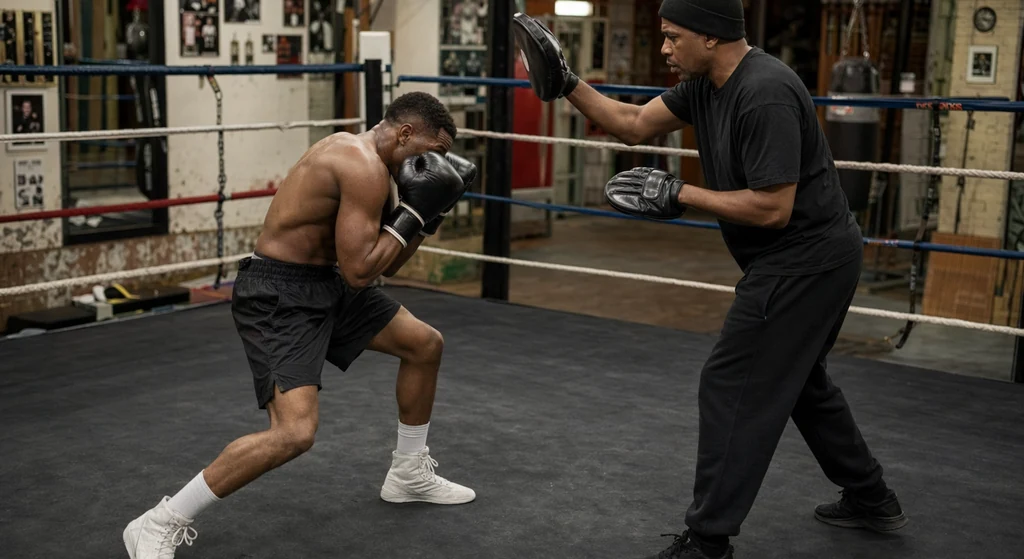
In the gym, this is where coaches need to be honest. Some boxers like the identity of being a seek-and-destroy inside fighter more than they like the conditioning work needed to support it. Those two things do not go together.
What makes it beautiful when it works
At its best, peek-a-boo has a strange elegance to it. The boxer feels compact but not rigid. Violent but not wild. The movement draws attacks, removes the target, and replaces defence with offence almost immediately.
That is why it still fascinates people.
It solves a real boxing problem: how do you get a shorter, compact puncher into range against taller men who want to keep you outside? D'Amato's answer was not merely “walk forward harder”. It was “make defence part of the entry.”
That is a real coaching idea, not just a famous style name.
What you can steal from it without becoming Tyson
Most boxers can borrow three things from peek-a-boo usefully.
1. Compact entries
When you decide to close distance, do not drift in upright with your chin there to be found. Enter behind movement.
2. Punch after the slip, not after the reset
The slip is not a pause between actions. It is the beginning of your offence. That lesson applies well beyond this style.
3. Stay disciplined once close
Close range does not mean panic. Good inside work still needs structure.
If you want to pair that with something more measured, read our piece on counter punching basics. The two styles are very different, but understanding both makes your boxing better.
Where it fits at H&G
At Honour and Glory we would not teach a beginner to become a peek-a-boo stylist from week one. That would be theatre, not coaching.
What we do teach is the stuff underneath it: stable stance, good guard discipline, purposeful slips, confidence stepping in, and combinations thrown with proper balance. Once those are there, elements of the style become useful. Before that, they just become cosplay.
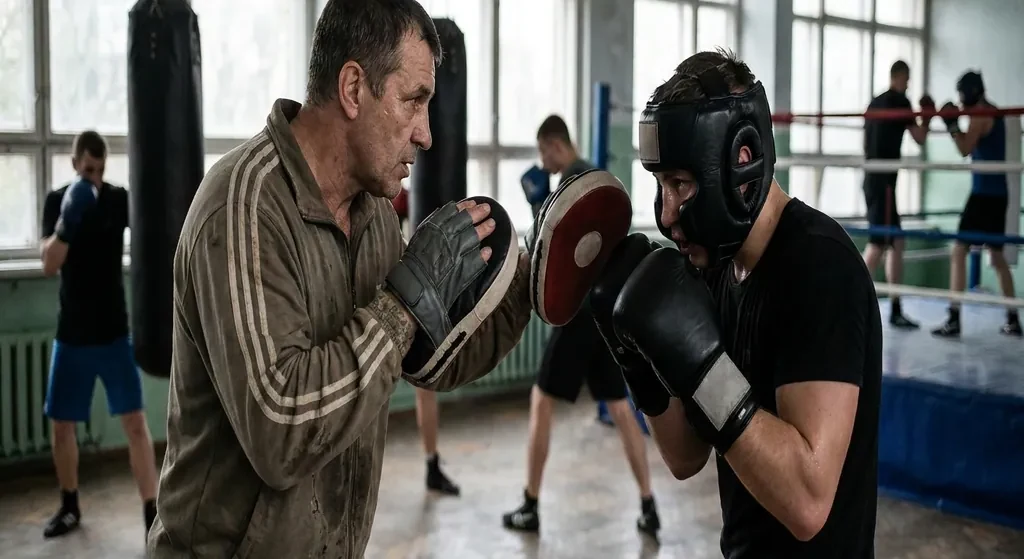
For the right boxer, though, parts of it are brilliant. Confident pressure, compact defence, and committed short-range punching can transform someone who was too hesitant on the outside.
If you are in Blackheath or nearby and want to learn proper technique before worrying about style labels, our Adult Competitive class and Adult Recreational class are the right places to build that base. If you want to try the gym first, book a free trial session at Honour and Glory Boxing Club.
H&G Team
Writer at Honour & Glory Boxing Club, a community boxing gym in Kidbrooke, South East London.
KEEP READING
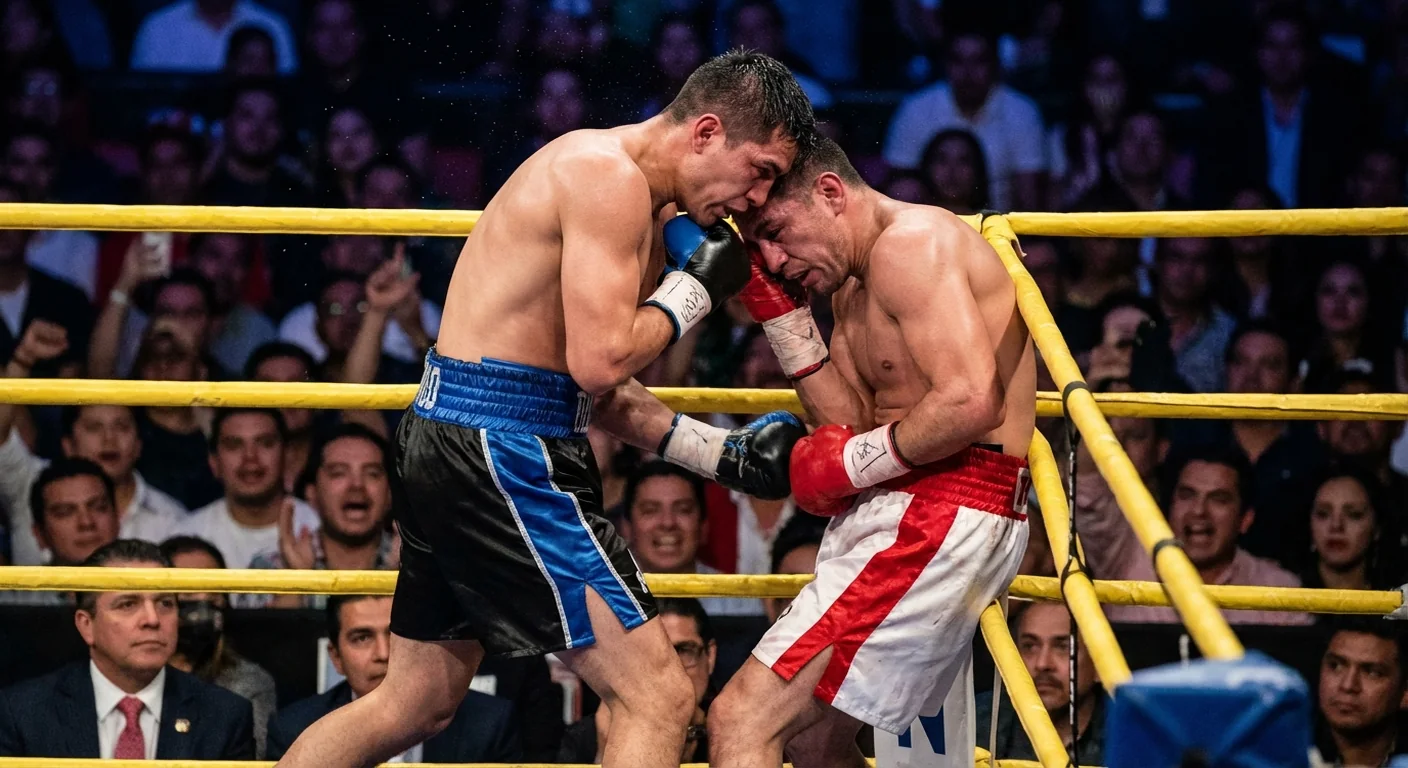
Mexican Boxing Style Explained
Pressure, body punching, and attrition. Why Mexican boxing is more technical than the caricature and still one of the sport's hardest styles to handle.
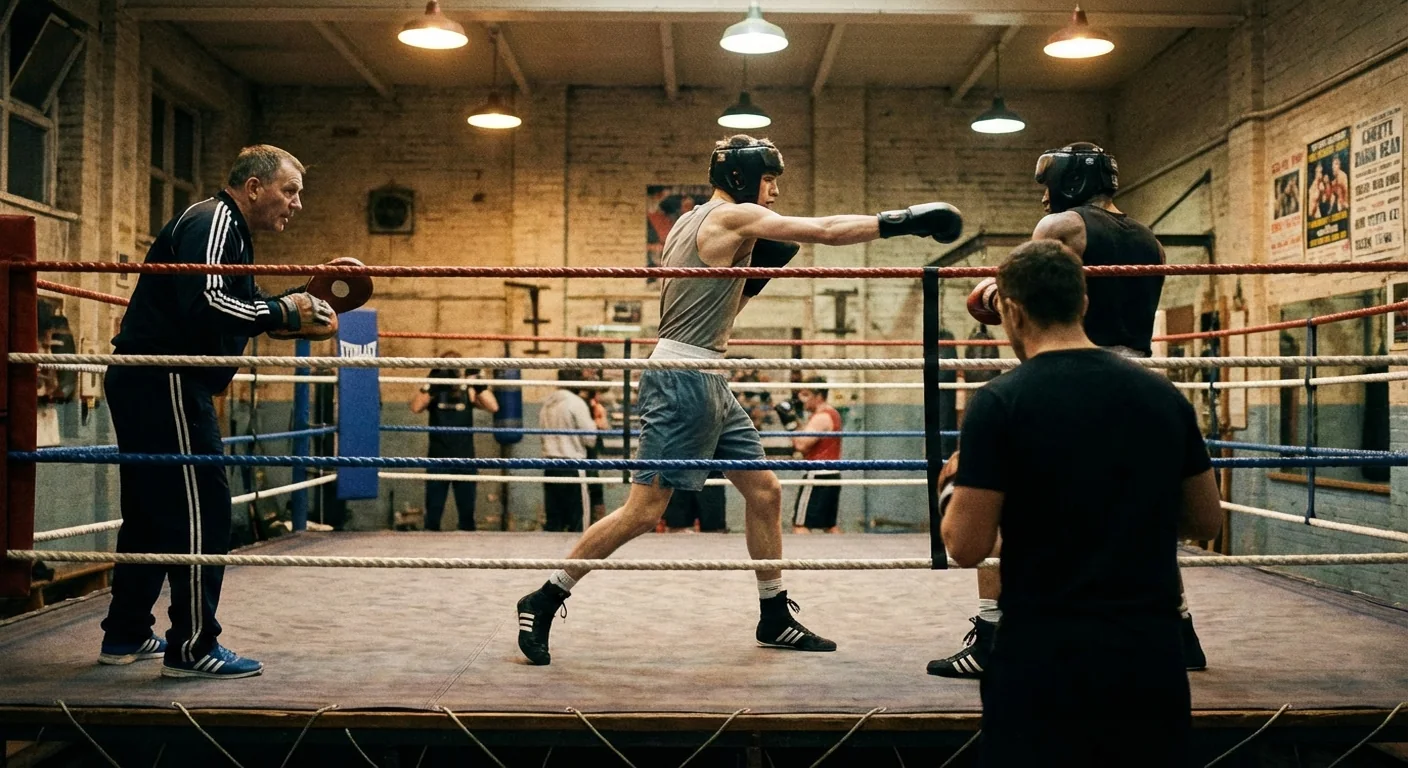
Soviet Boxing Style Explained
Why the Soviet school still shapes elite amateurs. Footwork, pendulum rhythm, volume, balance, and the conditioning demands that make it hard to copy well.
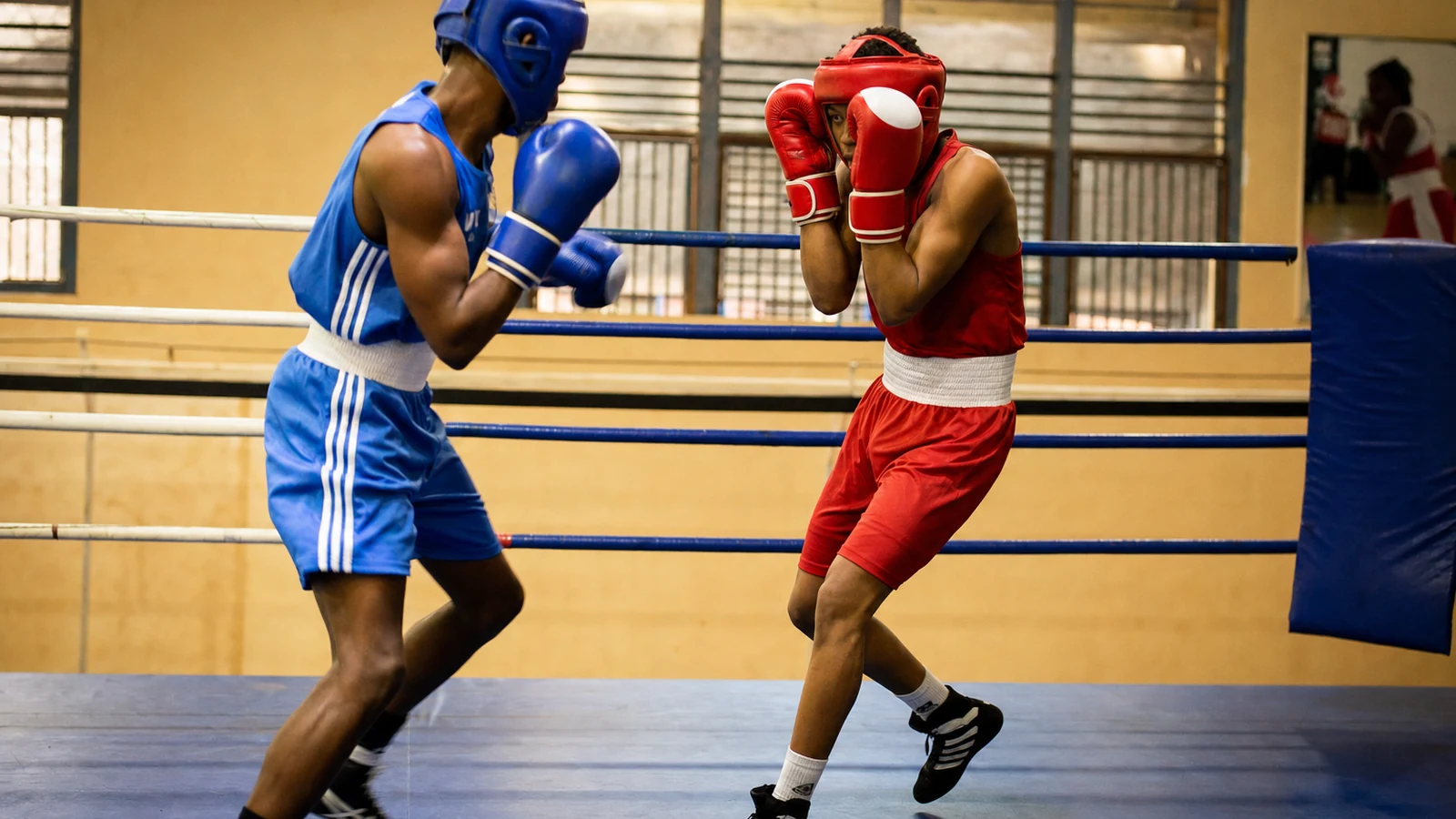
Cuban Boxing Style Explained
Why Cuban boxing still fascinates coaches. Rhythm, precision, defence, and the amateur habits that make the style so awkward to solve.
Was this page helpful?
It takes one tap, and it genuinely helps.
Choose your next step
Turn this article into the right action
Some readers are ready to book. Some need the class route first. Pick the route that matches what you actually want.