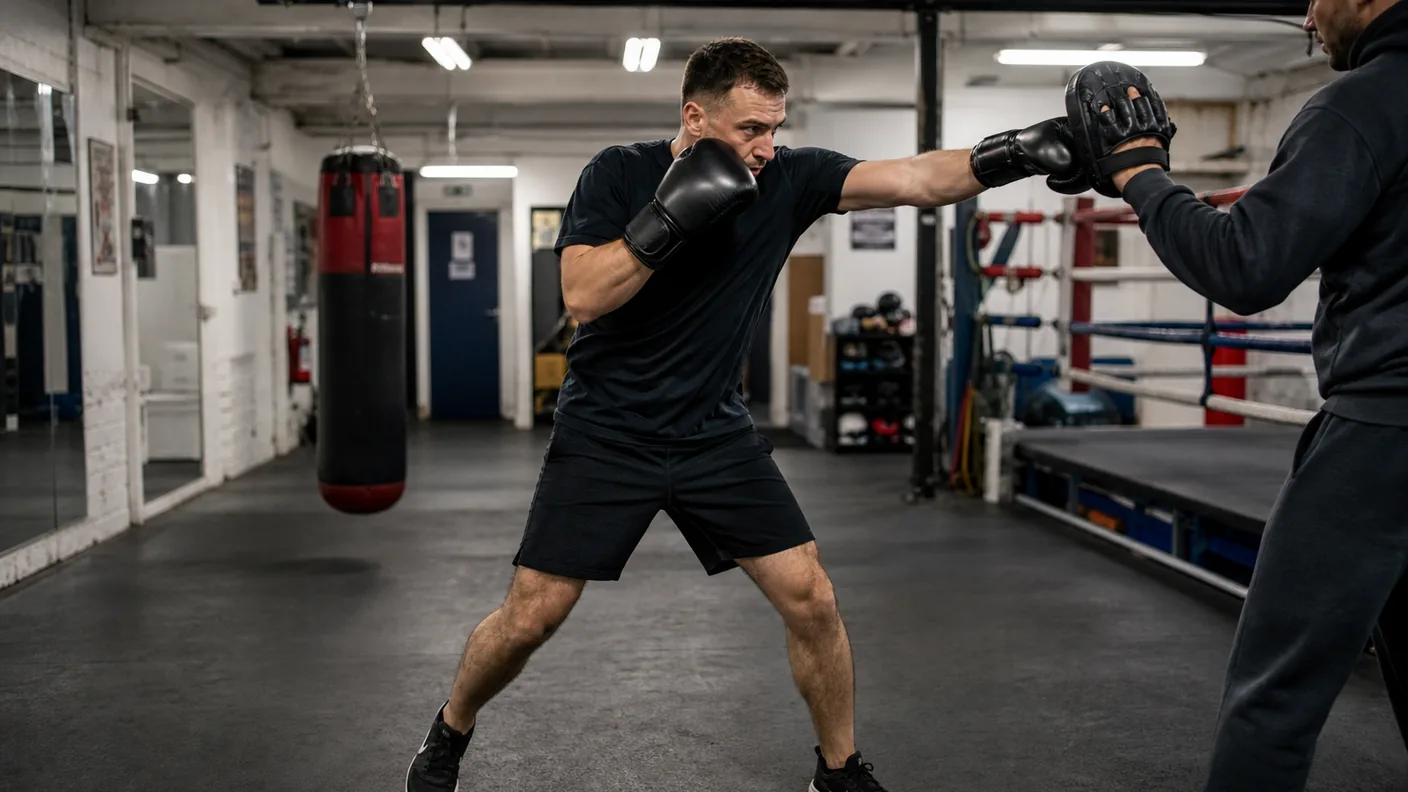
A straight right can land cleanly and still leave you in trouble.
The usual mistake is finishing the cross with all the body weight falling towards the target. The glove lands, the rear shoulder stays forward, and the boxer pauses in the centre line as if the exchange has ended. A partner who has seen the right hand coming still has time to answer with a hook, a straight shot or a step back that leaves you reaching.
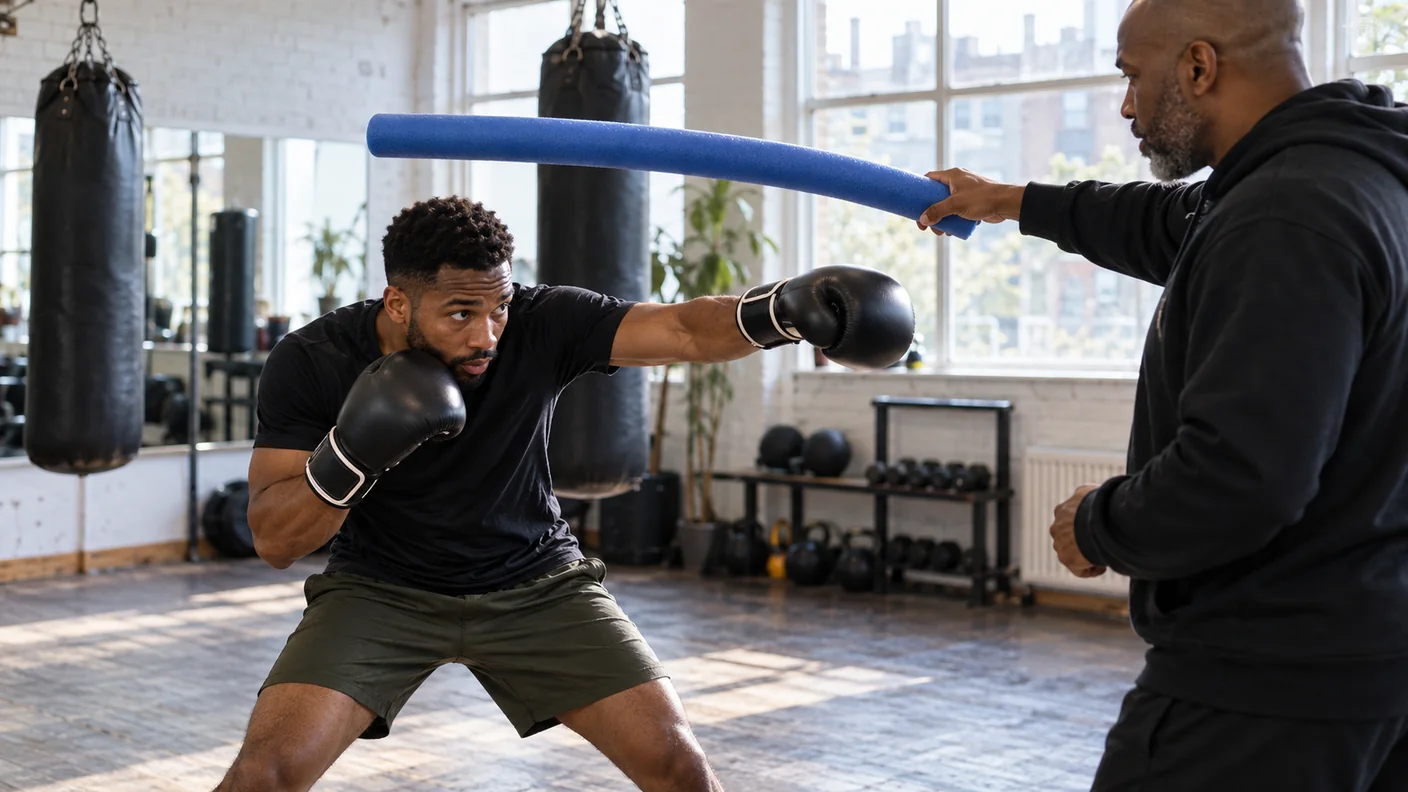
The cross-roll drill gives the punch a better ending. You throw a measured rear straight, let the return of that shoulder begin a compact outside roll, then come back to a stance where you can see, cover or move. It is not a dramatic weave and it is not an automatic counter. It is a way to stop the cross becoming an ending pose.
Watch the demonstration below once for the cross and once for the recovery. The useful part is how little extra movement the roll needs.
The cross should not pull you over the front foot
A rear straight uses the floor, hip, trunk and shoulder together. That connection is why it can feel satisfying on pads or a bag. It is also why beginners can overdo the finish. They chase the target with the upper body, let the head pass the front knee and then need a second or two to find their feet again.
The correction is not to throw a weak right hand. It is to keep the punch connected to a stance that can recover. The rear heel can turn, the hip can rotate and the shoulder can travel, but the chest does not need to collapse forwards after the glove lands.
A review of boxing performance and biomechanics describes punching, movement and defence as connected parts of performance. In a gym, the test is simple: after your cross, could you defend a return without first rebuilding your stance? If not, the punch took more than it gave.
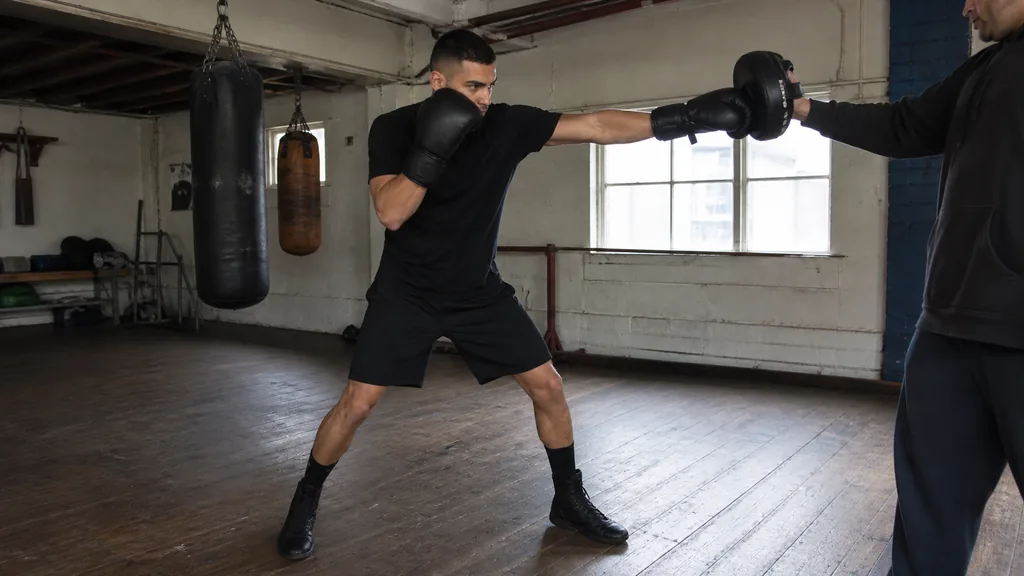
Let the right hand start the roll
For an orthodox boxer, the rear straight has already turned the right side of the body forward. That rotation gives you the first part of an outside roll. As the right hand comes home, let the knees soften and guide the head a short distance away from the imagined return hook line.
Do not dive to the side. Do not bend at the waist. The head moves because the legs and hips guide it around a shallow curve, not because the shoulders fold towards the floor.
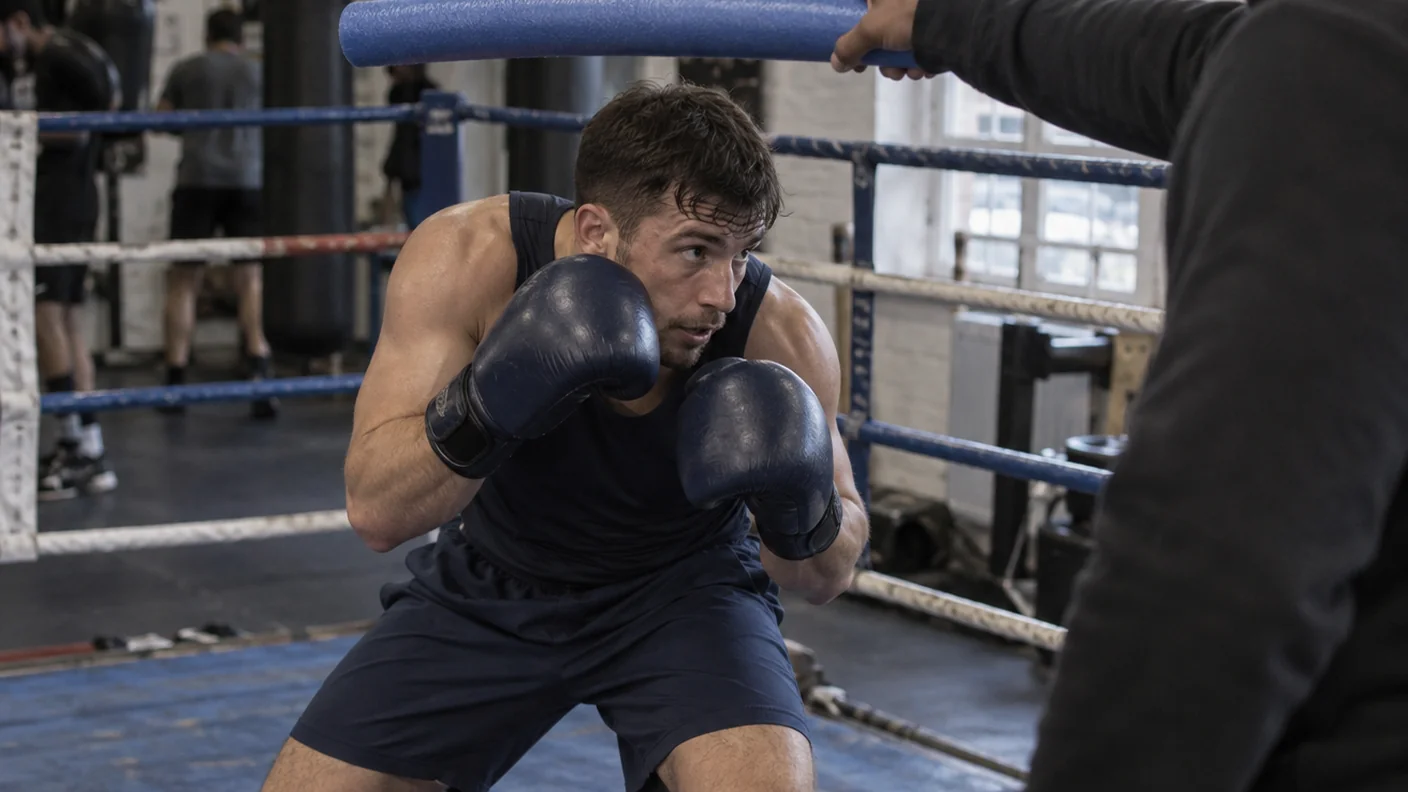
The rear glove returns near the cheek as the roll begins. The lead glove stays useful rather than drifting low. Your eyes remain on the partner or coach. If your view has dropped to the floor, the movement is too large.
The word "roll" can make people picture a big U-shape. For this drill, think smaller. You are not trying to escape a giant swing by a mile. You are teaching the body that the right hand can finish with a defensive shape instead of a frozen target.
Southpaws reverse the stance picture. The point is not which side you call outside. The point is that the rear straight and the defensive recovery need to make sense together.
Do not turn a recovery into a pre-planned counter
The natural temptation after a roll is to throw a hook. Sometimes that is right. It is not the first job.
A partner may have stepped back. They may still be close enough that covering is safer. They may not have thrown the return you expected at all. If you always add a hook after the roll, you are rehearsing a sequence rather than reading what is in front of you.
Start by recovering to stance. Then add one decision only when a coach gives a clear cue: a focus mitt for a hook, a step back for a reset, or a close position that asks you to cover. This is the same judgement that makes a roll useful in live boxing rather than just pretty in shadow boxing.
Research on anticipation in combat sports supports the coaching point that skilled performers act on early useful cues. The beginner version is less glamorous: keep your eyes up long enough to see whether there is actually a second punch to answer.
Build the cross-roll in three rounds
Use pads, a marked bag position or a controlled partner cue. This is technical work, not an invitation to exchange hard hooks.
Round one: cross and freeze
Throw one light rear straight to a mitt or bag. Bring the glove home and freeze before adding the roll.
Check three things. Your feet should still be staggered. Your head should not be hanging over the front knee. Your rear glove should have a direct route back to guard. If one of those has gone wrong, shorten the right hand before you add movement.
Ten steady repetitions are more useful than a fast round of reaching crosses.
Round two: cross, roll, reset
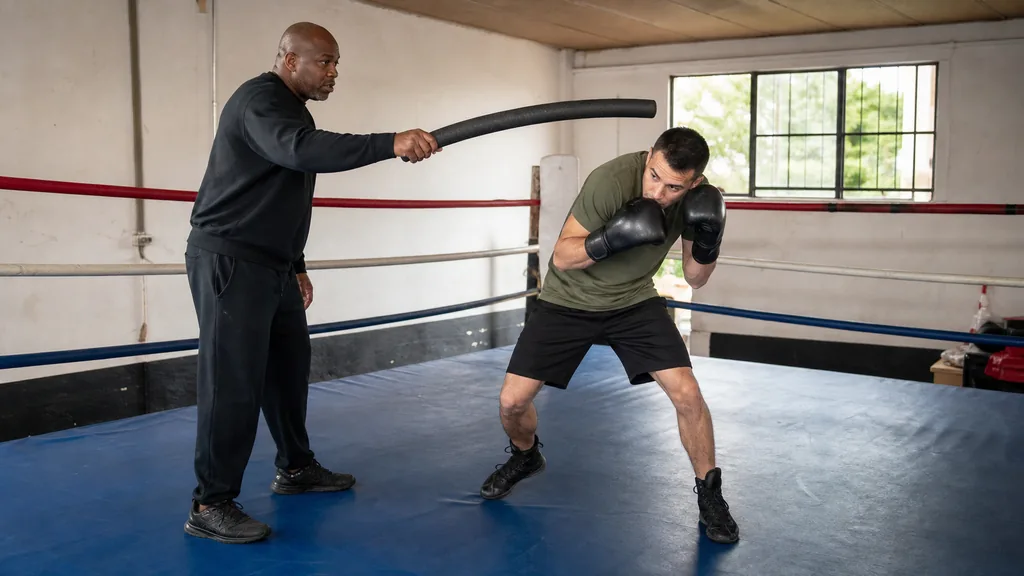
Now throw the cross, recover the right hand and make a small outside roll before returning to stance. There is no counter in this round.
A coach can hold a soft glove or foam cue where a return hook would travel, but it should move slowly. The boxer is learning the path, not proving bravery. If the roll turns into a squat or a forward bend, reduce the speed and make the curve smaller.
Round three: cross, roll, choose
Add one simple choice after the roll. The coach can show a lead-hook mitt, move out of range, or keep the cue close enough that the boxer needs a compact guard.
The boxer should not know which finish is coming until after the roll starts. A hook to the mitt is fine when it is there. A complete reset is fine when the partner has moved. Covering is fine when the distance has closed. The right choice is the one that leaves you able to box again.
England Boxing's coaching handbook treats controlled progression as part of good skill development. That is the order here: make the cross balanced, make the roll compact, then ask for a decision.
Four mistakes that spoil the drill
The first is trying to roll before the cross has finished. Let the right hand land and begin its return. If you duck while throwing, the punch loses shape and the head often travels too far forward.
The second is leaving the rear hand out. A cross that stays extended turns the roll into a one-sided movement. Bring the glove back towards the cheek as the knees and hips start the recovery.
The third is folding at the waist. A roll should take your head under a line while your eyes remain forward. If your shoulders fall below your hips and you cannot see the coach, reset.
The fourth is forcing the hook after every repetition. The roll has already done useful work if it leaves you balanced and harder to hit. Do not spoil that with a long punch at empty space.
For the basic movement on its own, read how to roll under punches without folding. If your main issue is the right hand itself, our guide to throwing a straight right properly gives you the starting mechanics. The cross-roll drill sits between them: throw the right hand, then stay useful when it comes home.
Where it belongs in training
Use this after you can throw a calm cross and hold your stance under a coach's eye. It works well after a warm-up, before hard bag rounds or as a short pad block between technical drills.
You do not need sparring to learn it. A mitt, foam cue and clear agreement about the speed give you enough information to improve the punch and the recovery without turning the drill into a scrap.
If you train in Kidbrooke, Greenwich or nearby, our Recreational Adults boxing classes use controlled pads, bag work and partner drills to build this habit: punch with purpose, recover with shape, then make the next decision.
The coaching cue is simple: right hand home, head off line, eyes up.
H&G Team
Writer at Honour & Glory Boxing Club, a community boxing gym in Kidbrooke, South East London.
KEEP READING
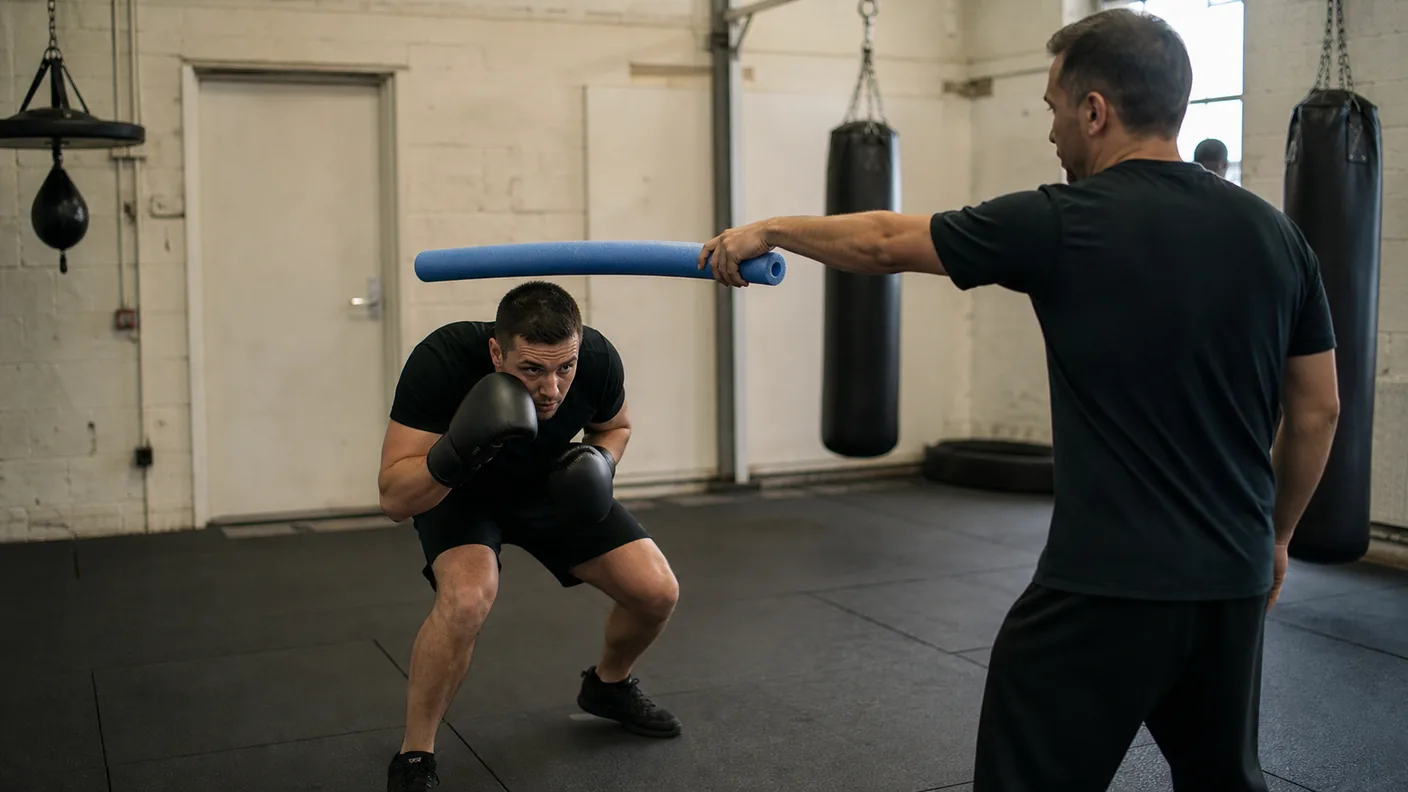
Roll Under Punches in Boxing Without Folding
Learn a compact boxing roll that uses the legs, keeps your eyes up and leaves you ready to hook, defend or move away.
Jab-Roll-Cross: A Boxing Flow Drill
Link a jab, compact roll and cross without losing your stance, balance or sight of the next punch.
Roll With the Last Punch: A Boxing Line Drill
Match the direction of your roll to the final punch so you can finish combinations balanced, covered and ready to leave.
Was this page helpful?
It takes one tap, and it genuinely helps.
Choose your next step
Turn this article into the right action
Some readers are ready to book. Some need the class route first. Pick the route that matches what you actually want.