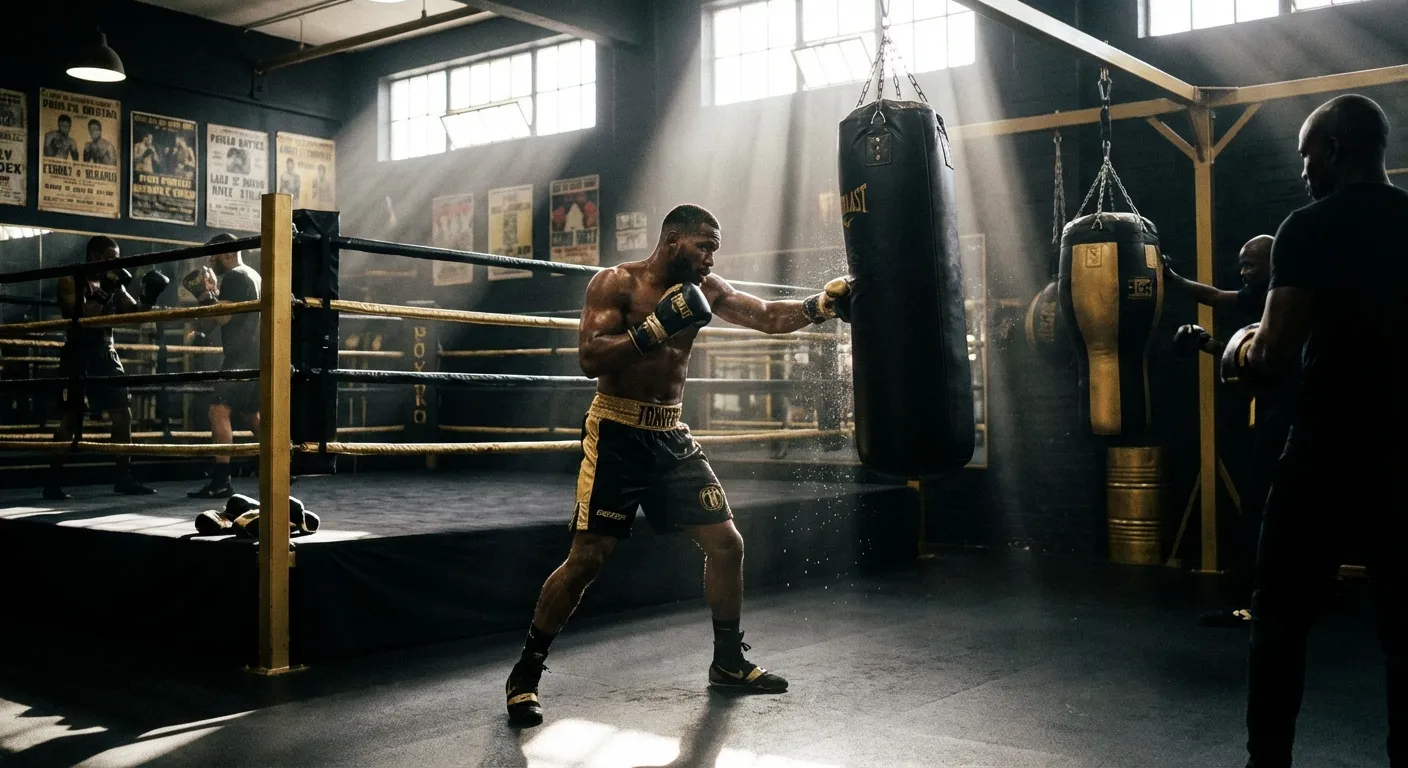
Biomechanical research on the boxing cross shows hip rotation as the primary power source. Boxing Science's punch force analysis documents the kinetic chain sequence from back foot through to point of impact.
The straight right - the cross - is the power punch in orthodox boxing. Everyone knows this, which is why everyone is in a rush to throw it hard. The rush produces a punch that is slow, telegraphed, and often injurious to the thrower's elbow and shoulder.
Thrown correctly, the straight right is fast, powerful, and nearly invisible until it lands.
What People Get Wrong
The most common error: winding up. The right hand drops, draws back, then comes forward. This gives the opponent approximately twice the warning they need and half the power the punch should have. The windup creates no additional power - power comes from the hip and shoulder rotation.
The second error: pushing. The arm extends slowly and follows through with the shoulder. This feels powerful because the shoulder commits. It is slow and the force dissipates over the push.
The third error: leaning forward. The upper body moves toward the target as the punch extends. This creates overextension, puts the weight too far forward, and leaves the chin exposed.
The Mechanics
Start from your guard position. The right hand is at chin level, elbow down, palm facing left.
The punch initiates from the rear foot. Your right heel lifts and your right hip drives forward and rotates toward the target. This hip rotation is the engine of the punch.
The shoulder follows the hip rotation. The right shoulder comes forward as the hip rotates.
The arm extends from chin level in a straight line to the target. The fist rotates so the palm faces downward at full extension. The left shoulder raises slightly to protect the chin as the right shoulder comes forward.
The punch returns immediately. The hip reverses, the shoulder returns, the hand comes back to guard. The return is as fast as the extension.
The Power Source
The reason the windup does not add power: the power in the straight right comes from the rotational energy of the hip and shoulder chain. This energy transfers through a relaxed arm and into the fist at the moment of impact.
Tensing the arm before or during the punch interrupts this energy transfer. The punch should feel relaxed until the moment of contact, when the fist tightens.
This is counterintuitive. It feels like a more relaxed punch should be less powerful. The mechanics are the opposite.
Drilling the Movement
Shadow boxing in front of a mirror is the best diagnostic tool. Watch for: shoulder rising before the punch, hand dropping, head moving forward, arm pushing rather than snapping.
Slow the movement down until it is correct, then gradually increase speed. Speed that is built on correct mechanics is useful. Speed that is built on incorrect mechanics is just faster mistakes.
Bag work with focus on hip rotation and snap rather than follow-through. The punch should bounce off the bag, not push through it.
Common Situation: The Jab Sets It Up
The straight right almost never lands alone in experienced boxing. It lands because the jab occupied the opponent's attention and partially obscured their vision of the incoming cross.
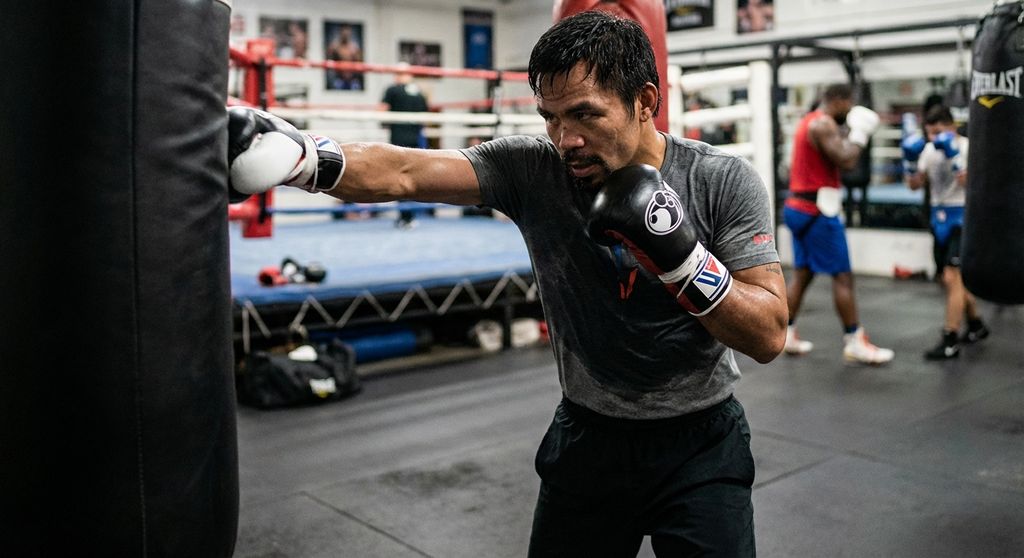
Practice the combination specifically: jab that travels to the target cleanly, cross that follows immediately on the jab's return. The timing between them determines whether the combination works.
At Honour and Glory, the Adult Recreational class develops the jab-cross combination specifically in the early stages of training.
H&G Team
Writer at Honour & Glory Boxing Club, a community boxing gym in Kidbrooke, South East London.
KEEP READING
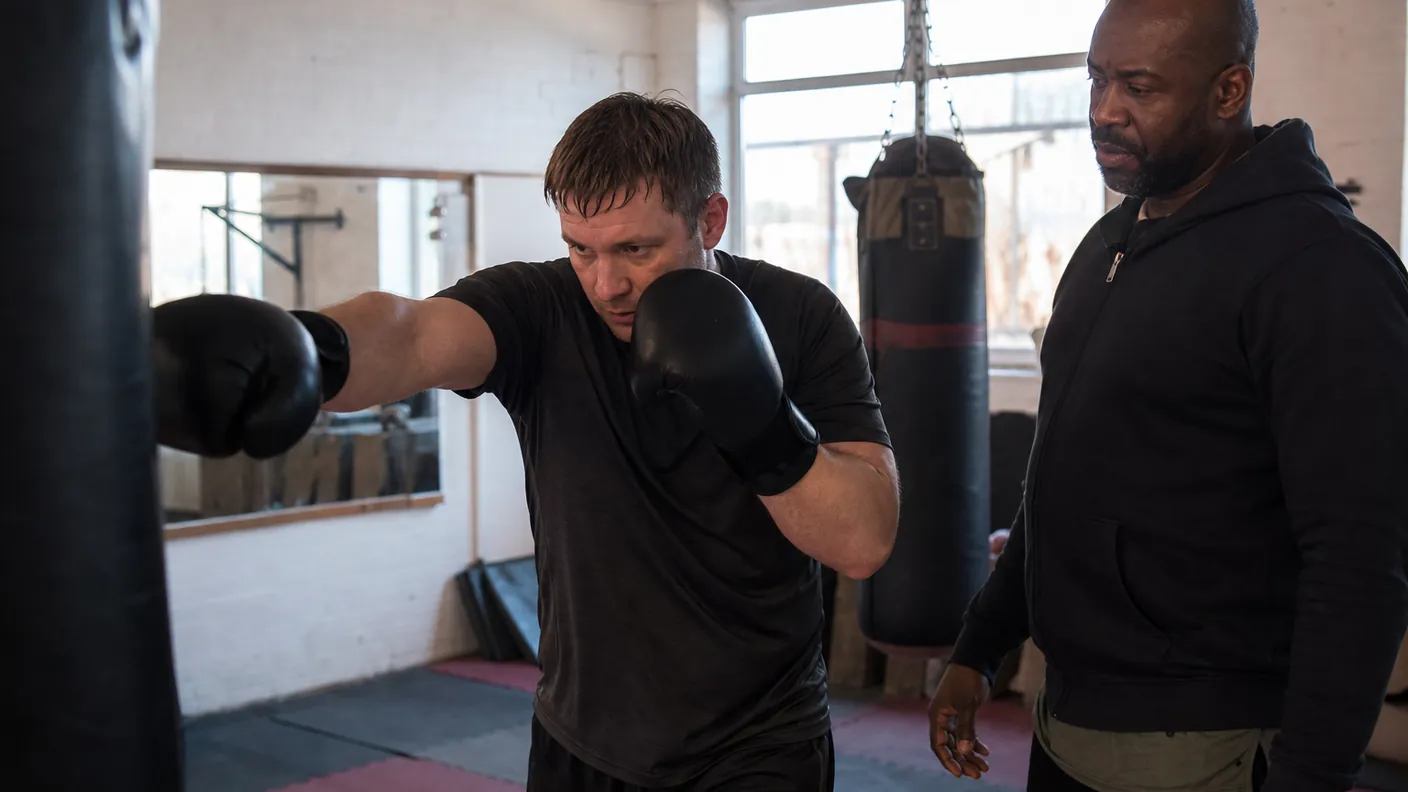
Straight Punch Shoulder Line Drill
A simple straight-punch drill for keeping the shoulder, glove and chin connected instead of reaching with the head.
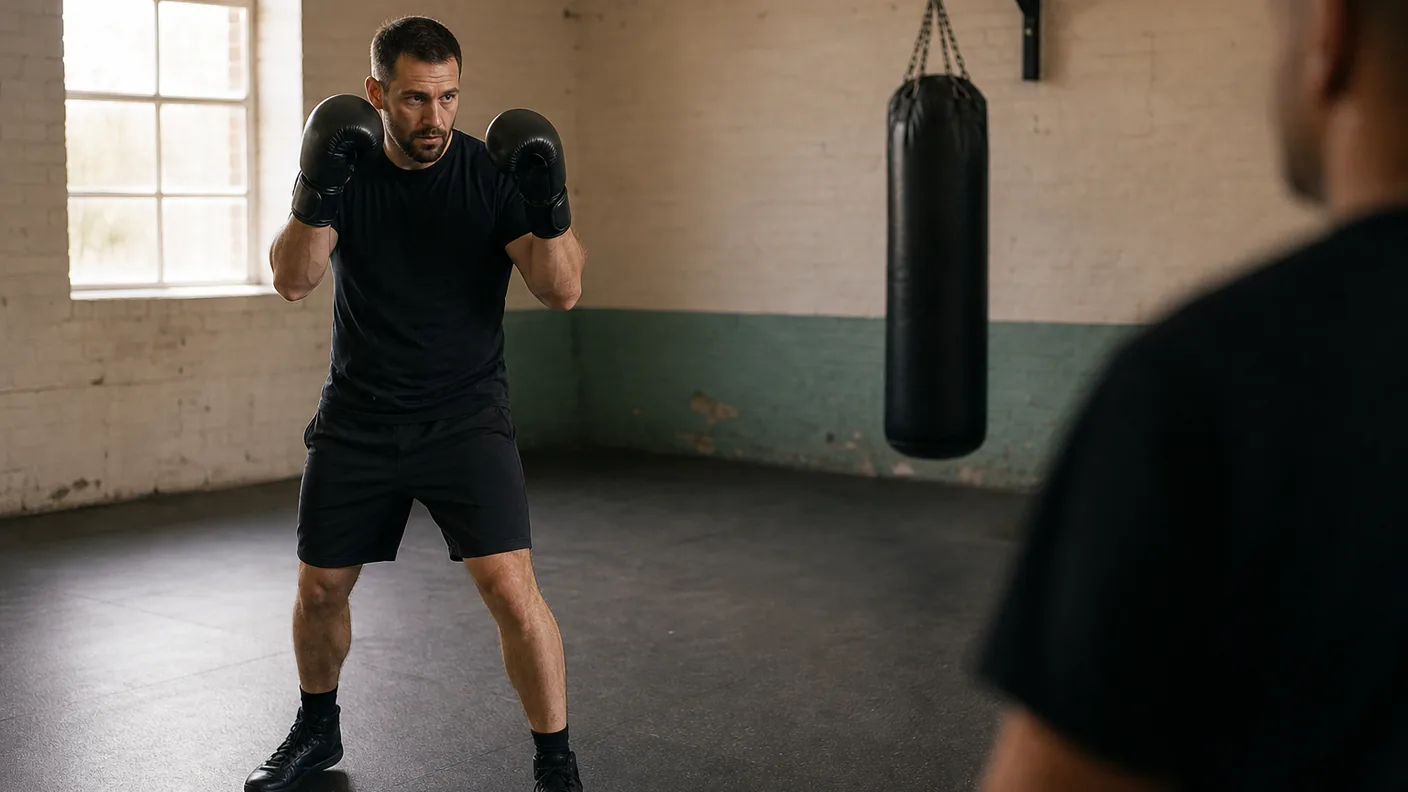
Why a Narrow Boxing Guard Spoils Straight Punches
A cramped boxing guard can turn the shoulders away from clean straight punches. Use this simple check to keep your stance useful.
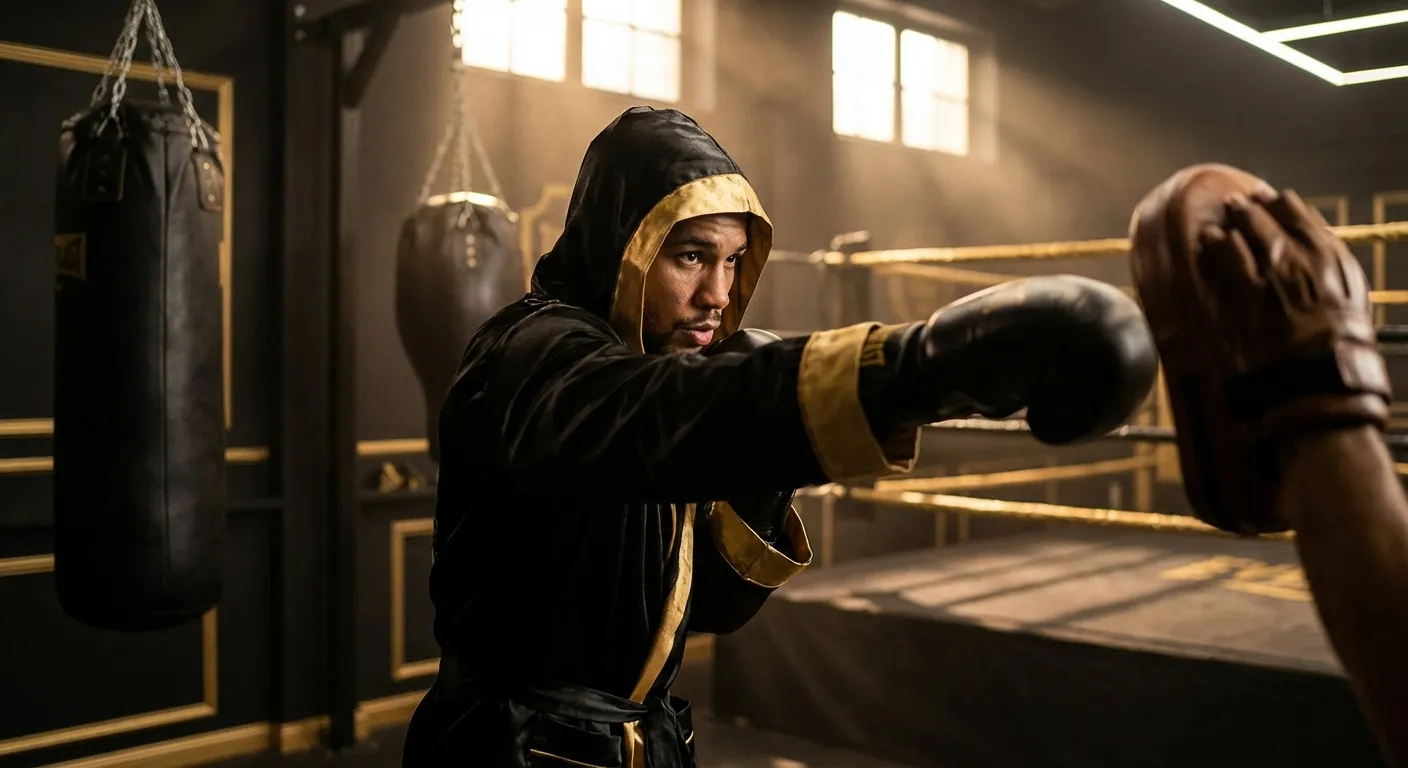
How to Develop a Proper Boxing Jab
The jab is the most important punch in boxing. It is also the punch most beginners develop incorrectly. Here is what a proper jab looks like and how to build one.
Was this page helpful?
It takes one tap, and it genuinely helps.
Choose your next step
Turn this article into the right action
Some readers are ready to book. Some need the class route first. Pick the route that matches what you actually want.