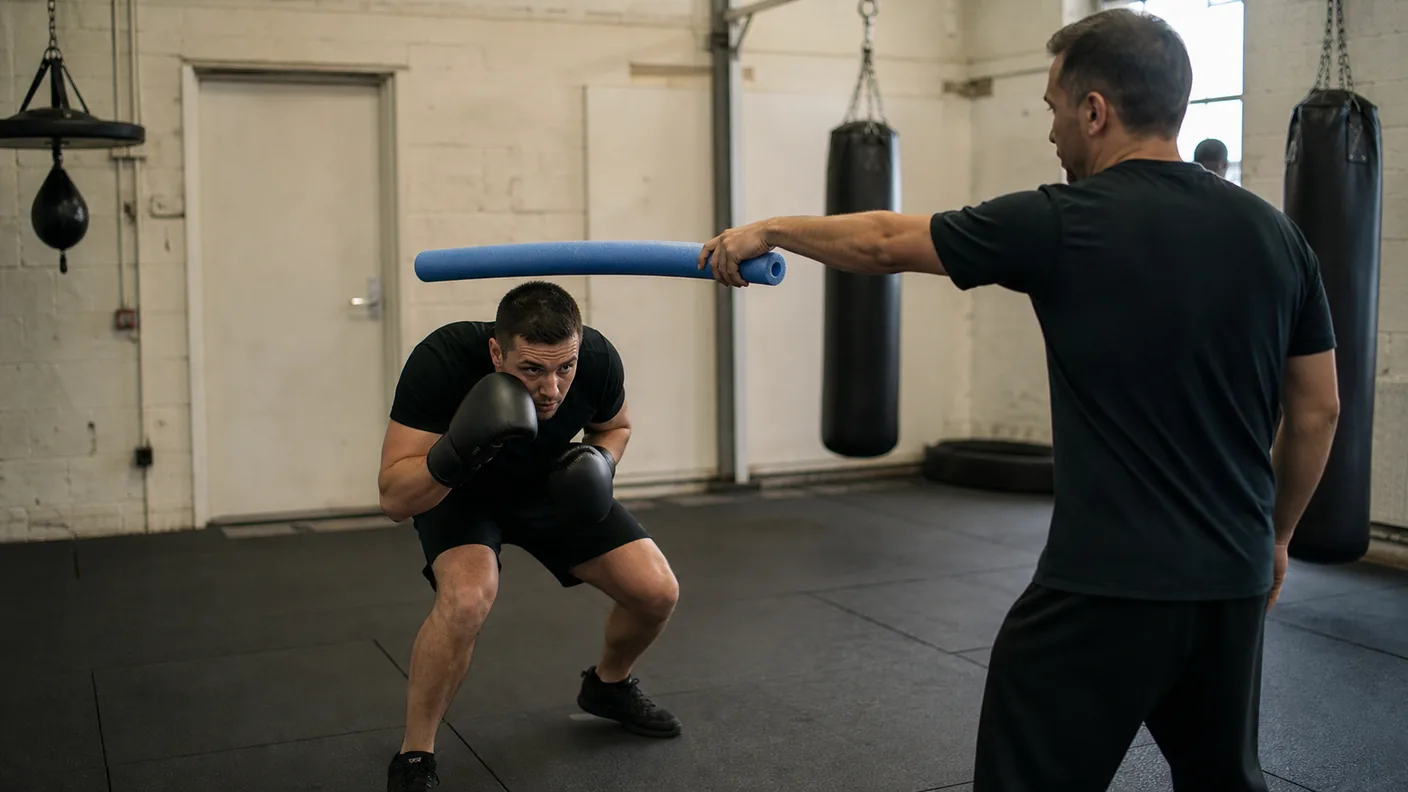
A good roll under a punch is small enough that you can still box when you come out of it.
That sounds obvious, but beginners often turn the movement into a deep bow. Their eyes leave the person in front of them, their back rounds, and their gloves drift away from their cheeks. They may get below one punch, but they have no idea what is arriving next.
A useful roll takes the head under a hook line with the knees and hips, keeps the chest organised, then brings you back to a position where you can hook, cover or leave.
Watch the short demonstration below, then use the coaching points to practise the movement at a sensible pace.
A roll is a slip followed by a turn
The cleanest way to learn the movement is to split it in two.
First, take the head slightly off the line. Then bend the knees and guide the body under the imagined hook in a shallow U-shape. The head travels from one side of the punch to the other, but the feet stay underneath you and the eyes remain on the person feeding the drill.
Trying to throw the whole body under in one rushed motion is where people fold at the waist. The shoulders collapse, the head goes down, and the legs stop doing their job. You have escaped towards the floor rather than moved into a new boxing position.
England Boxing's Level 2 coaching handbook describes defence through the hands, feet and trunk, with a stable base allowing a boxer to counter. That is a useful standard for a roll. If the movement leaves no base for the next action, it is too big.
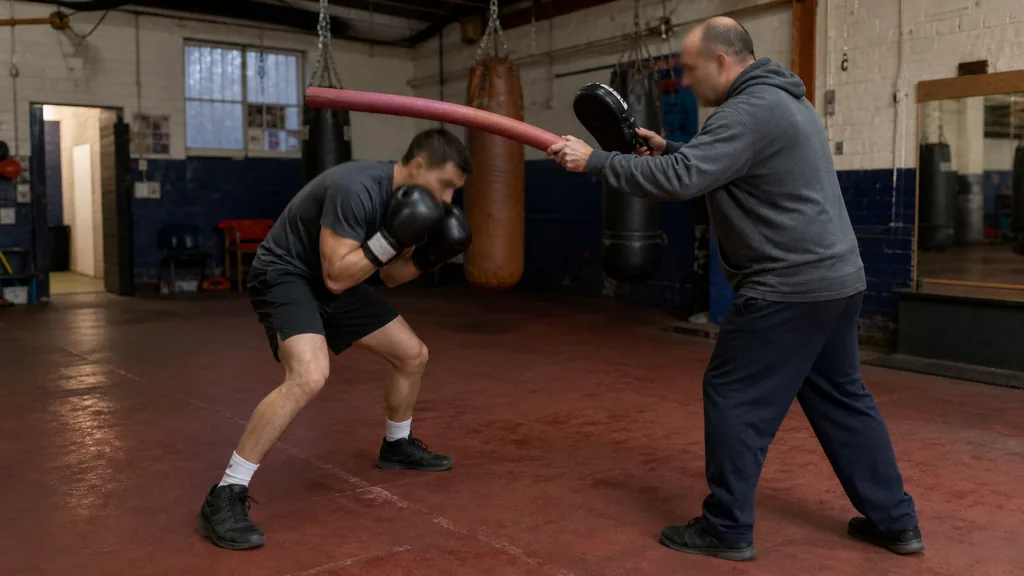
Use the legs instead of your lower back
Your knees start the roll. The hips and shoulders follow the line. Your spine stays long enough that you can still see forward.
Start in a normal stance with a small bend in both knees. For an orthodox boxer, imagine a left hook travelling across towards the right side of your head. Let the legs lower you a little, move under the line, then come up on the other side without letting the head travel far beyond the lead knee. Southpaws reverse the picture.
You only need enough level change to clear the punch. If you come up facing the floor, you are folding. If you cannot throw a tidy hook afterwards, your feet and knees were not carrying the work.
A technical review of boxing performance treats punching, movement, defence and distance as connected skills. The practical lesson is simple: the roll has to keep the feet ready for the next job. You do not get a separate turn to repair the stance after every defensive move.
Keep both hands useful during the movement
Rolling under a hook does not mean waving both gloves around your ears.
As you move under a hook, the hand on the punch side stays close enough to help shield the temple. The opposite glove stays near the other cheek and ready to answer. Elbows remain close enough that you do not open the body while concentrating on the head.
The exact guard shifts with distance and the side of the punch, but the principle is fixed: the roll changes your head position without emptying your guard. If one glove ends by your waist, slow the drill down. You are asking the body to learn a shape it cannot yet control.
Shadowboxing helps you feel the legs, but pads and slow partner feeds show whether the hands are doing a real job.
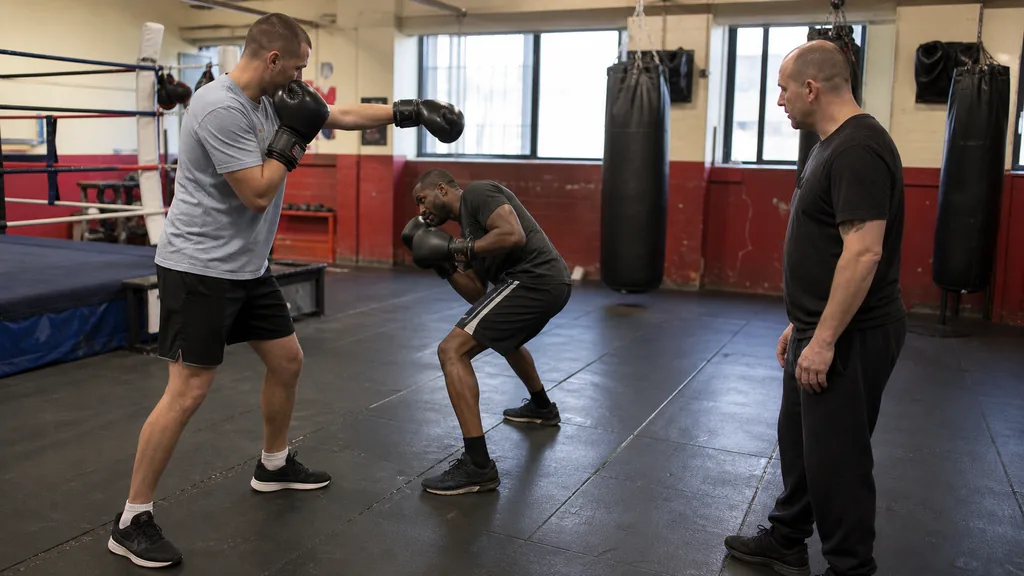
Come up with a decision, not a pre-planned swing
The most common follow-up is a hook because the roll naturally brings you from one side to the other. That does not make every roll a command to throw one.
If you have space and the feeder has finished their action, a compact hook to a mitt or body shield can be a sensible next step. If you are crowded, cover or frame before punching. If the other boxer has stepped away, regain your range instead of swinging at air.
That choice is the difference between a drill and boxing. A roll can put you under a hook line, but it does not promise that the same counter will always be there. Work from a clear cue first, then let a coach add a second option once the movement remains balanced.
Our guide to blocking hooks without opening up is a useful companion because it gives you another close-range answer. The roll is for moving beneath a hook line when the distance and timing are right. A compact block is often the better choice when the punch is already too close.
Build the roll in three rounds
Keep this technical. You do not need hard hooks or fast feeds to learn a useful defensive movement.
Round one: trace the path
Stand in front of a coach holding a foam noodle or a relaxed glove at head height. The cue stays still. Slip to one side, lower with the knees, trace the shallow U under the line, then return to guard on the other side.
Take a pause after every repetition. Check that the feet have not crossed, the eyes are forward and both gloves are still near the face. Ten clean rolls are better than fifty rushed ones.
Round two: follow a slow hook cue
The coach now moves the cue slowly across the hook line. Roll under it, come up in stance and reset. There is no counter yet.
The coach should not chase the boxer with the cue. This is not a test of bravery. It is a way to learn where the head needs to travel and how little movement is required. If the boxer closes their eyes or bends at the waist, reduce the speed immediately.
Round three: roll, answer or leave
Add one simple choice after the roll. The coach can show a mitt for a compact hook, stay close so the boxer covers, or take a small step back so the boxer resets range. Keep the choice obvious at first.
This is where the roll becomes more than choreography. You are learning to come out of the movement ready to see, rather than committed to a counter that may not be there.
Four mistakes that make the roll unsafe or useless
The first mistake is bending at the waist. Your head disappears, your weight runs past the front foot and you lose the other boxer from view. Let the knees lower you instead.
The second is dropping too low. You only need to clear the line of the hook. A deep squat is slow to recover from and often leaves you standing tall as you rise.
The third is coming up in the same place with no guard. If you roll under a hook and pause directly in front of the other boxer, you have avoided one shot but remained available for the next. Bring the hands home and make a small decision.
The fourth is forcing the counter. A hook after the roll can be useful, but it has to fit the range. If you are too far away, reset. If you are too close, cover or use a safe coached frame. Our article on making space at close range explains why forcing long punches inside is usually the wrong answer.
Where this belongs in beginner training
Rolls belong after you can hold a basic stance, keep your hands home and make a small slip without staring at the floor. They work well after a warm-up, before bag work or as part of controlled pad rounds.
They do not require sparring. A foam cue, glove feed or mitt gives a clear line to move under without making the drill a collision. That lets a coach correct the detail that matters: legs working, eyes up, head moving only as far as needed, and hands ready when you rise.
If you train in Kidbrooke, Greenwich or nearby, our Recreational Adults boxing classes build defence through these controlled progressions before adding more pressure. You learn not just to make a punch miss, but to stay organised enough to deal with what follows.
The coaching cue is: slip, bend, turn, see.
H&G Team
Writer at Honour & Glory Boxing Club, a community boxing gym in Kidbrooke, South East London.
KEEP READING
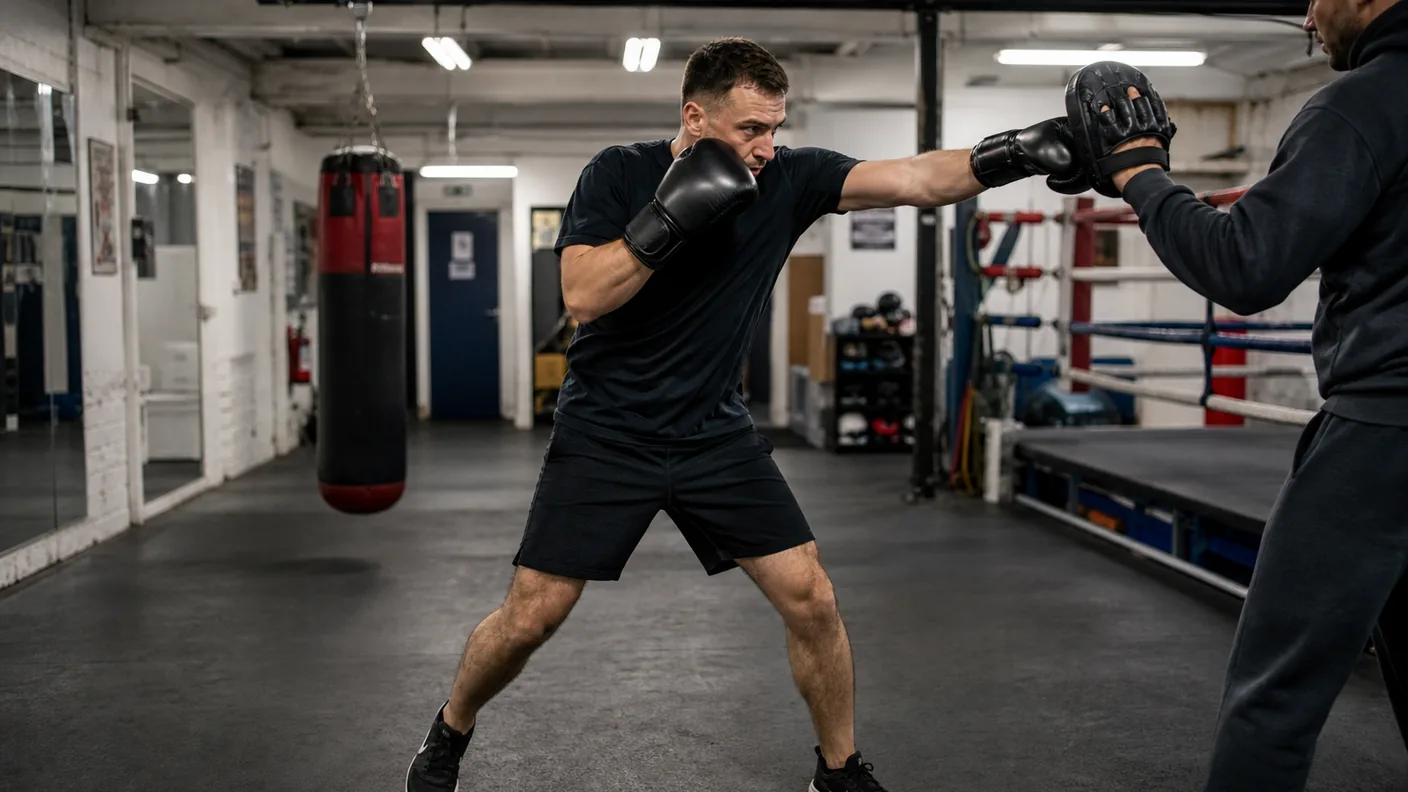
Cross-Roll Drill: Recover After a Right Hand
Use a compact outside roll after the cross to finish balanced, keep your eyes up and avoid standing still for the return.
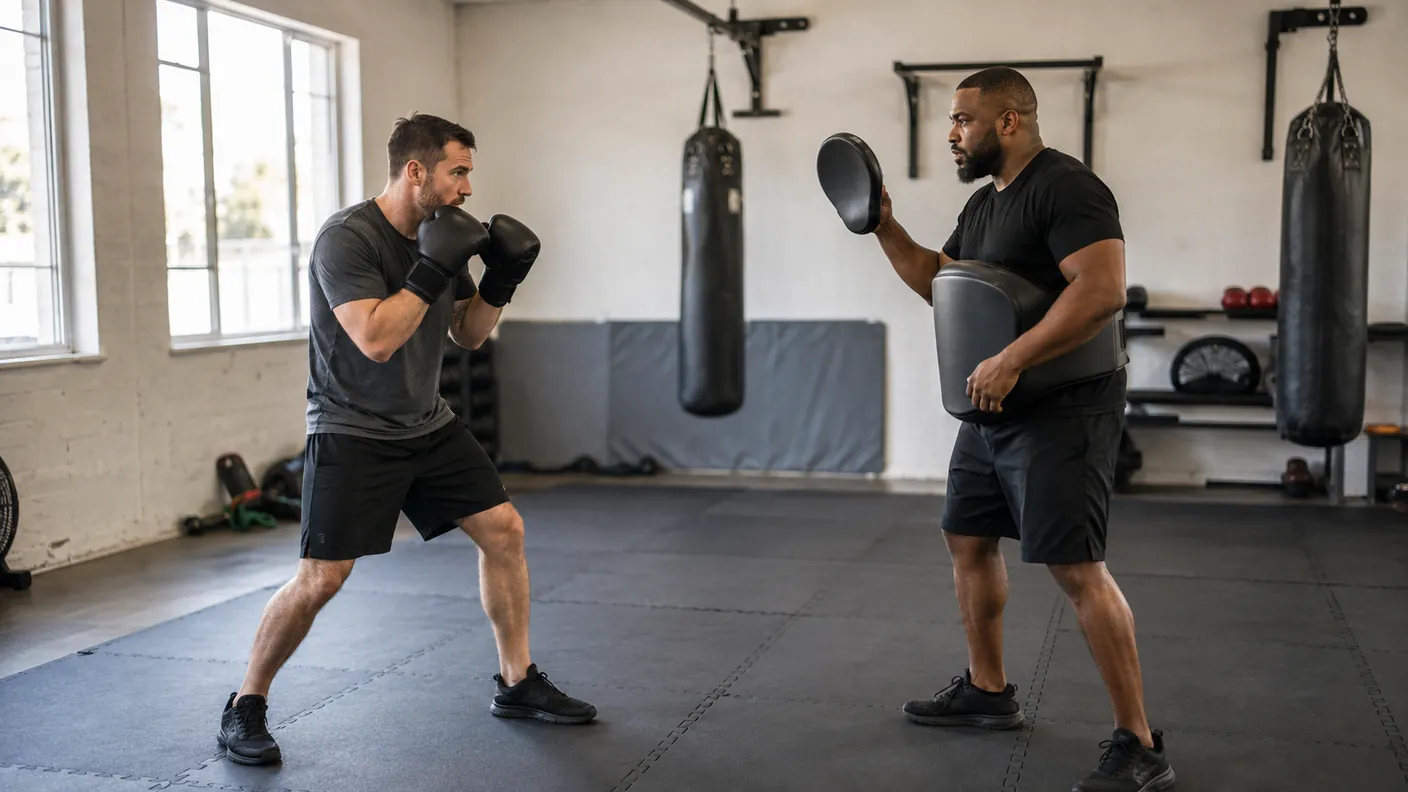
Shoulder Roll to Body Uppercut: A Boxing Drill
A controlled boxing drill that joins a compact shoulder roll to a body uppercut without turning defence into a risky pose.
How to Improve Your Head Movement: Drills That Help
Head movement is the most difficult defensive skill in boxing. Here are the drills that actually develop it, why most people practise it wrong, and what coaches look for.
Was this page helpful?
It takes one tap, and it genuinely helps.
Choose your next step
Turn this article into the right action
Some readers are ready to book. Some need the class route first. Pick the route that matches what you actually want.