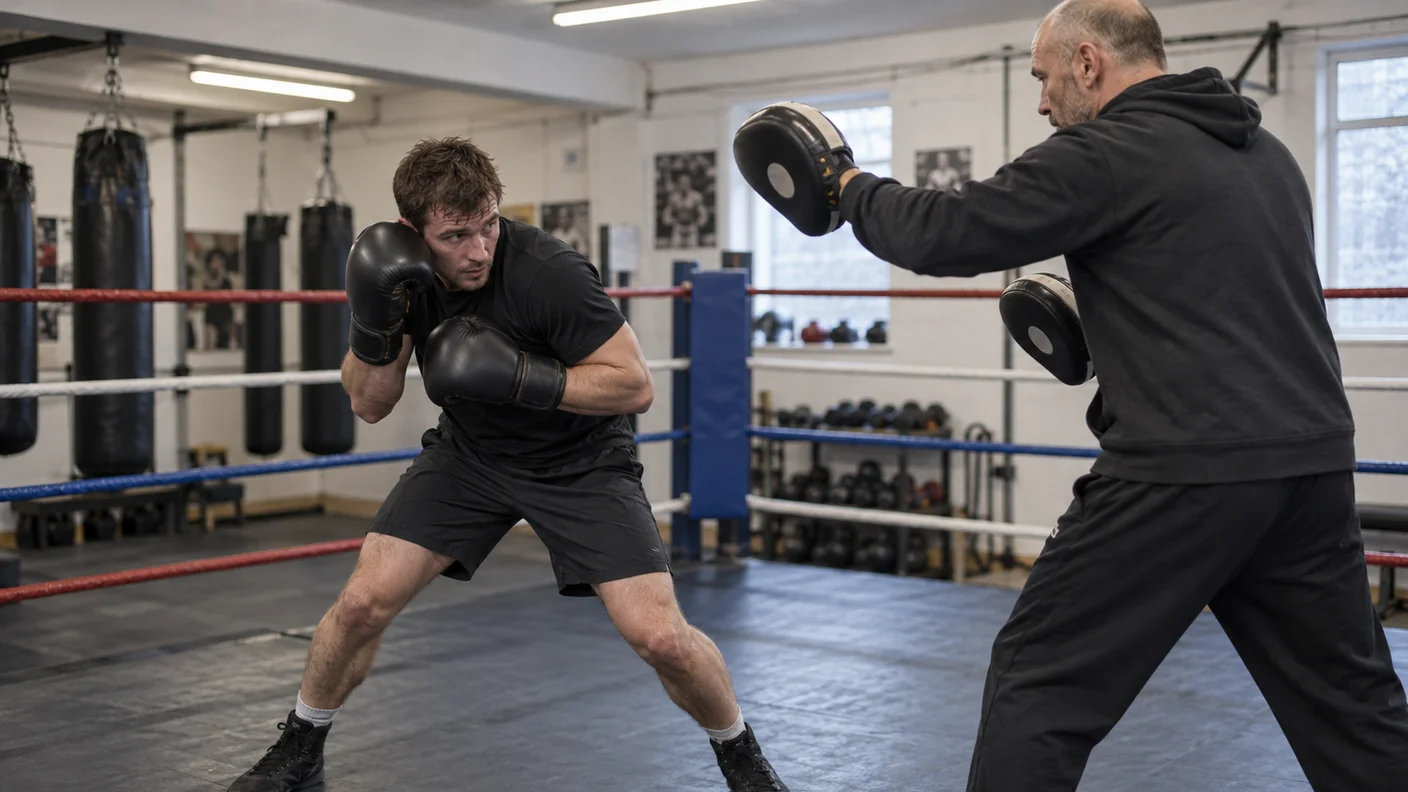
A one-two-hook can make a newer boxer defend each punch as a separate emergency. They catch the jab, reach for the cross, then find themselves upright and square as the hook arrives.
The better goal is not to look busy. It is to make three small actions connect: catch the jab close to the face, guide the cross away without chasing it, then roll under the hook with your eyes up and feet beneath you. The sequence is useful because every part leaves something ready for the next part.
The video below shows the basic pattern. Treat it as a prompt for controlled technical work, not a sequence to force in sparring. The hook must be an honest, agreed cue before you practise the roll.
Why three punches need three small answers
A jab, cross and lead hook travel on different lines. Trying to solve them all with one large movement creates another problem. A deep slip may avoid the jab, but it can put your head on the next straight line. A wide parry may move the cross, but it can pull your guard away before the hook arrives.
The catch-parry-roll sequence gives each punch its own small answer. The rear glove receives the jab near the cheek. The lead glove makes a compact parry against the cross. The knees and hips then carry the head under the hook line while both hands remain close enough to protect the face.
This is not a guarantee that every one-two-hook should be defended this way. If the cross is already too close, cover it. If the hook is late or the range has opened, step out. Good defence is a choice made from the picture in front of you, not a routine performed regardless of range.
England Boxing's coaching handbook puts balance, guard and controlled movement at the base of technical development. That is the useful standard for this drill. After the final roll, you should still be able to see, cover, step or throw one measured punch.
Catch the jab close to home
For an orthodox boxer facing orthodox, the rear glove is usually the simplest way to catch a long jab. Let the glove meet the jab near the space your face occupies. The elbow stays near the ribs, the chin stays behind the lead shoulder and the hand returns to the cheek rather than dropping towards the chest.
Do not reach forward to intercept the jab. That changes a compact catch into a chase. If your hand has travelled far from your face, the attacker has already created a gap for the cross.
A review of anticipation in combat sports found that experienced combat athletes are generally faster and more reliable in response tasks. That does not mean guessing the combination. It means keeping a calm view of the chest and shoulders, then making a small answer once the line is clear.
Start with a slow jab from a coach-held mitt. Catch it, bring the glove home and hold your stance for one count. If you cannot freeze with both feet staggered and both hands available, the catch was too large.
Parry the cross without swatting
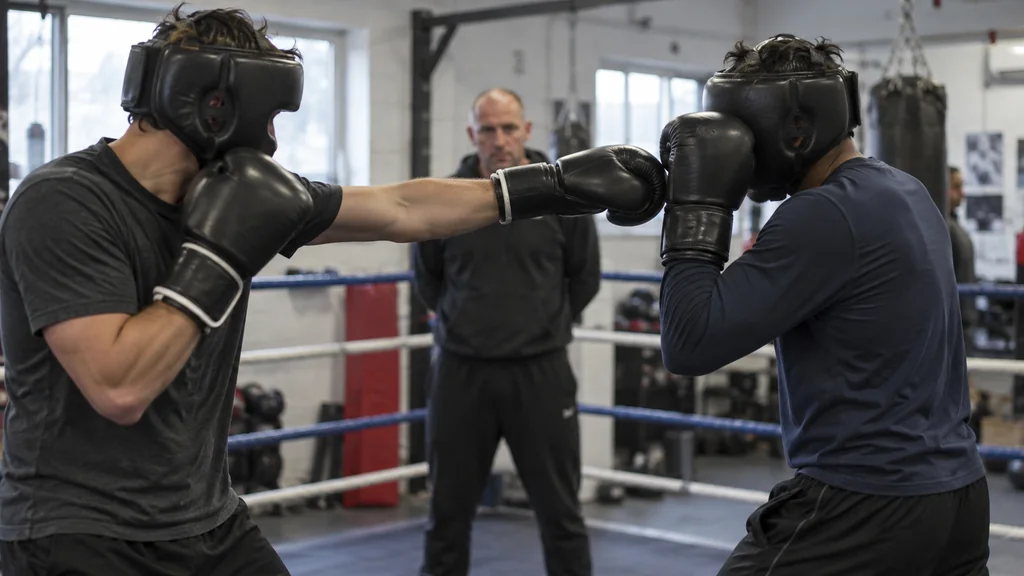
Once the jab has been caught, the cross can follow down the middle. The lead glove has a short job here: redirect the line just enough that it misses the head, then return to guard.
The common mistake is a big sweeping parry. A boxer throws the lead hand across their own body, turns the shoulders and looks away from the person in front of them. That can move one punch, but it leaves the boxer square and makes the next hook harder to see.
Keep the parry tight. Turn the lead glove slightly outwards or downwards at the moment the cross enters your space. The movement should be small enough that the rear glove can stay close to the cheek and the feet do not need to be rebuilt afterwards.
The punch does not need to be struck or pushed hard. You are moving its line, not trying to win a hand fight. A biomechanics review of boxing punches describes effective punching as connected work across the legs, trunk and upper body. The same is true of defence. If a parry twists the whole body off balance, it has taken too much from the next action.
Roll under the hook with the legs
The final hook changes the line again. This is where the roll belongs.
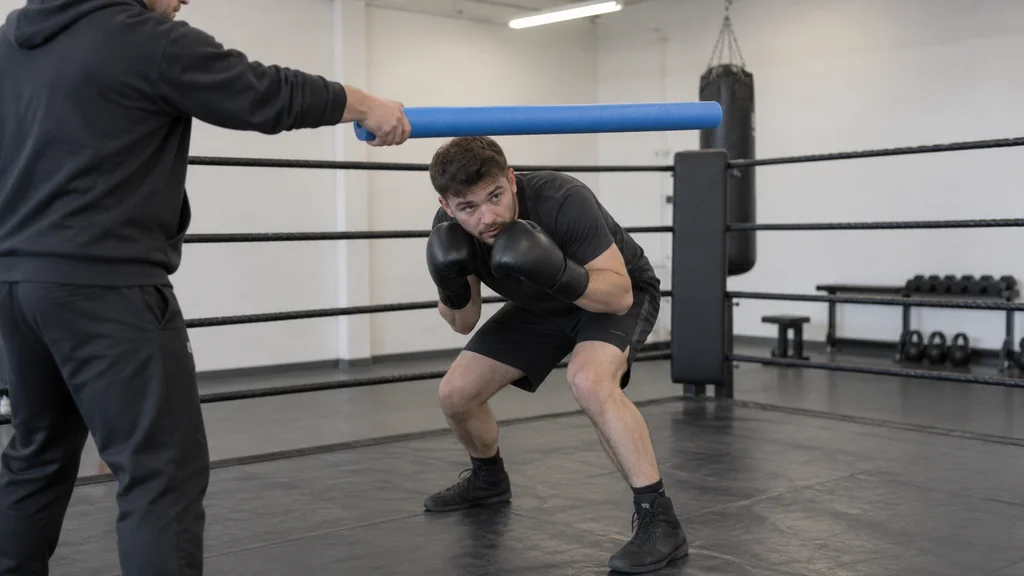
Bend through the knees and hips, draw a small curved path under the hook line and keep the eyes forward. The back stays long. The head moves only far enough to leave the glove behind you. A roll is not a bow from the waist and it is not a dip that drops the eyes to the floor.
The aim is to come out in a stance, not to disappear underneath the punch. For an orthodox boxer, rolling under a lead hook will commonly finish slightly towards the lead side, which can make a short lead hook feel available. That does not mean you have to throw it. If the partner has stepped away, covered or crowded the space, bring the guard home and reset.
Our guide to rolling under punches without folding explains the movement in more detail. This version gives the roll a specific place after two compact hand defences.
Build the drill in three rounds
Keep the first version slow. Gloves, focus mitts and a coach are better than free sparring for learning the order.
Round one: catch and reset
A coach presents one slow jab with a mitt. Catch with the rear glove, bring the hand home and hold the stance for one count. There is no cross and no hook yet.
The check is simple: can you still see forward, make a small step in either direction and use either hand? If not, shorten the catch before adding anything else.
Round two: catch, parry, reset
The coach now presents a jab followed by a controlled straight mitt line. Catch the first line, make a short lead-hand parry against the second, then return both hands to guard.
Do not rush into the roll before the first two actions are clean. The point is to learn that the hands can solve straight lines without pulling the feet and head out of place.
Round three: catch, parry, roll, choose
Add a slow hook cue after the straight line. Catch the jab, parry the cross and make a compact roll under the hook. At the end of the roll, the coach can show one of three pictures: a mitt at honest lead-hook range, an open route for a small step out, or no target at all.
Touch the mitt only when it is genuinely there. Step out when the route is clear. Reset when nothing useful has appeared. The correct finish is the one that keeps you balanced, not the one with the most punches.
Four mistakes that spoil the sequence
The first is trying to catch the jab too early. Let the glove arrive near your defensive space. Reaching gives away the guard before the combination has started.
The second is swatting the cross. A parry should change the line by inches. If it turns your shoulders or leaves the lead hand hanging across your body, make it smaller.
The third is folding at the waist for the roll. The knees and hips create the level change. If the eyes are on the floor, the next punch is impossible to read.
The fourth is throwing the counter automatically. The roll may have put you in a good position, but it does not force the other boxer to stay there. If the range is gone, use the guard and reset.
For a simpler starting point, read how to defend the jab in boxing. Once that catch is dependable, this three-part drill gives the first defence a more realistic follow-up without turning the session into a hard exchange.
If you are in Kidbrooke, Greenwich or nearby, our Recreational Adults boxing classes use controlled pads and partner drills to make hand defence, head movement and footwork work together at a sensible pace.
The coaching cue is short: catch small, parry tight, roll with your eyes up.
H&G Team
Writer at Honour & Glory Boxing Club, a community boxing gym in Kidbrooke, South East London.
KEEP READING
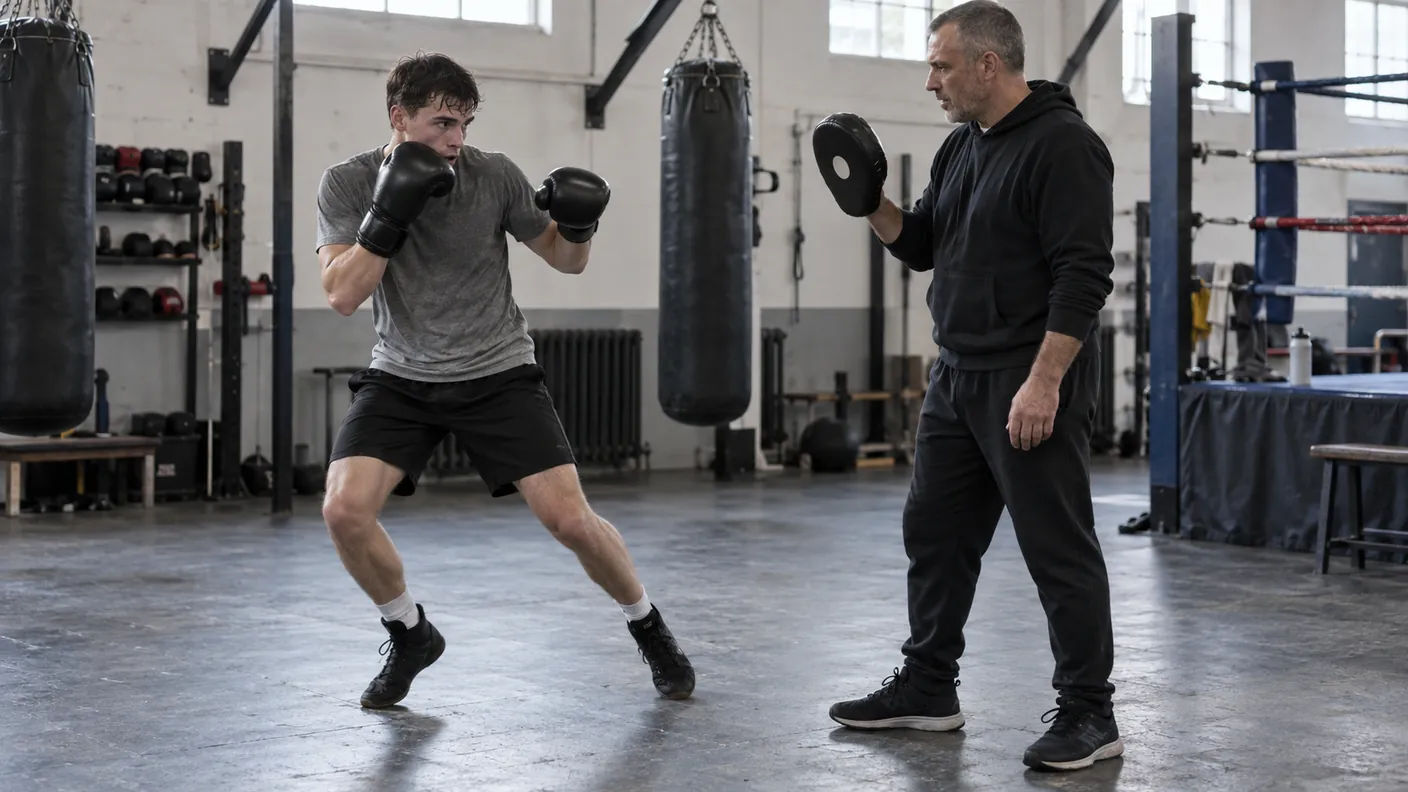
Parry While Moving: A Boxing Pressure Drill
Use a compact parry and small side step to leave pressure behind without reaching, freezing or rushing a counter.
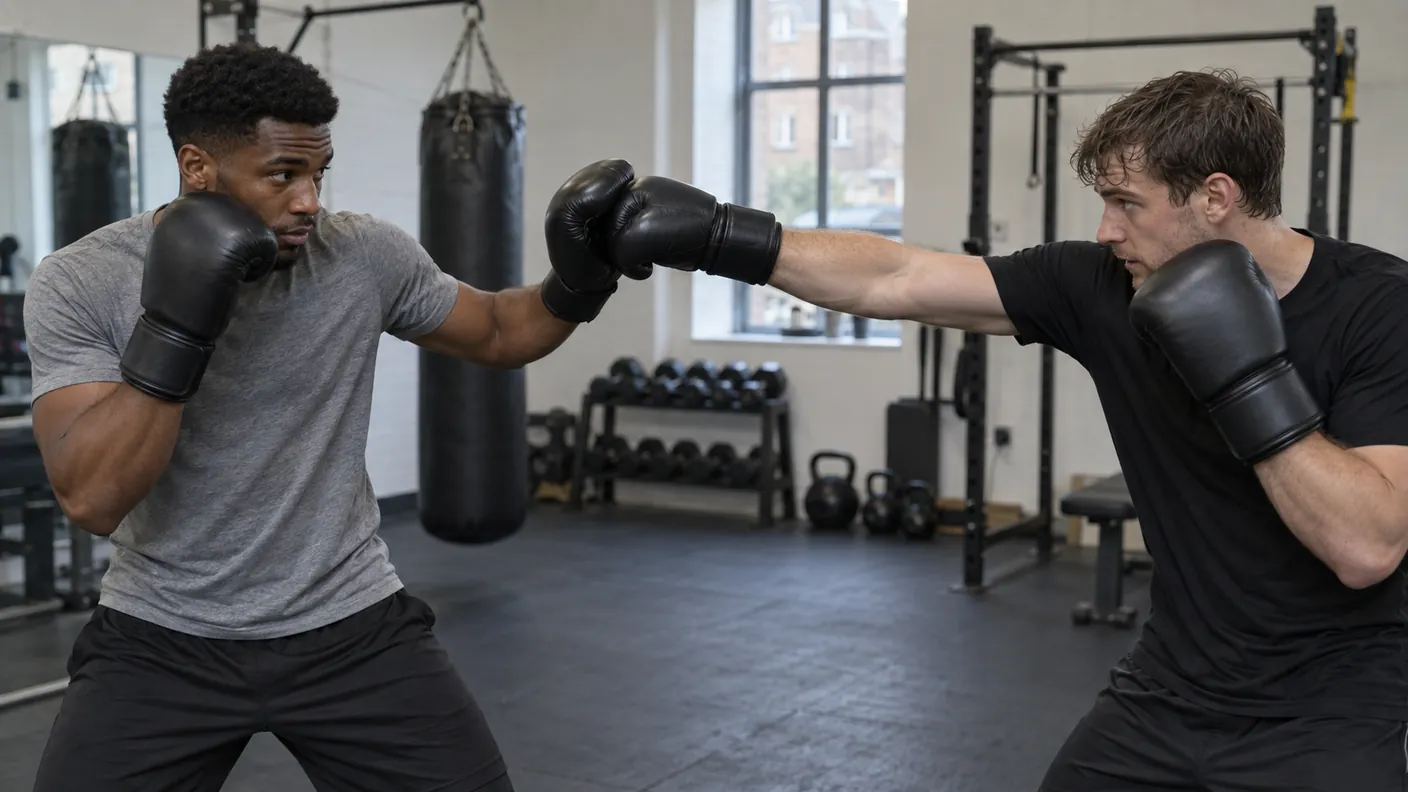
Parry and Return: A Boxing Drill for Straight Punches
Use a compact parry against straight punches, keep your guard in place and return only when the range and stance make sense.
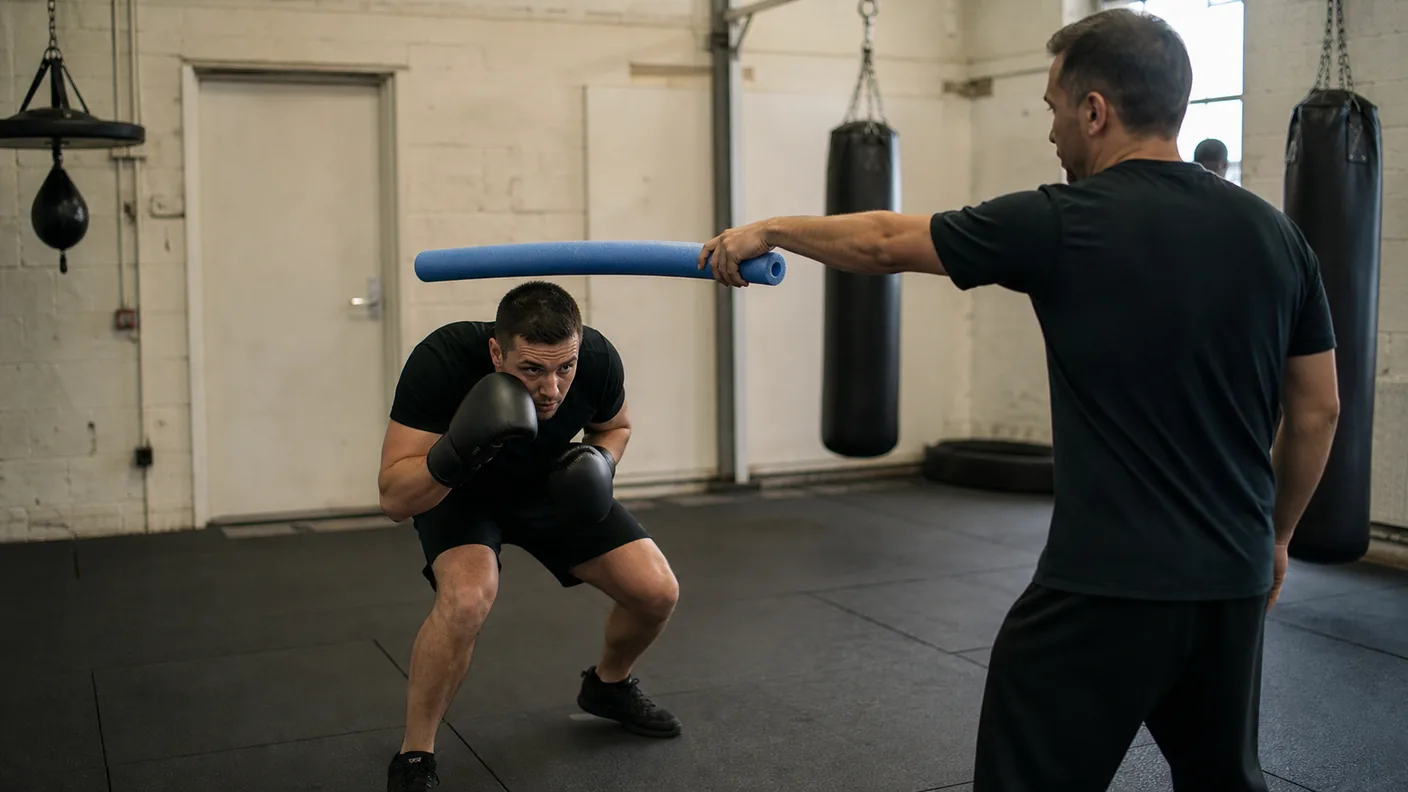
Roll Under Punches in Boxing Without Folding
Learn a compact boxing roll that uses the legs, keeps your eyes up and leaves you ready to hook, defend or move away.
Was this page helpful?
It takes one tap, and it genuinely helps.
Choose your next step
Turn this article into the right action
Some readers are ready to book. Some need the class route first. Pick the route that matches what you actually want.