Parry and Return: A Boxing Drill for Straight Punches
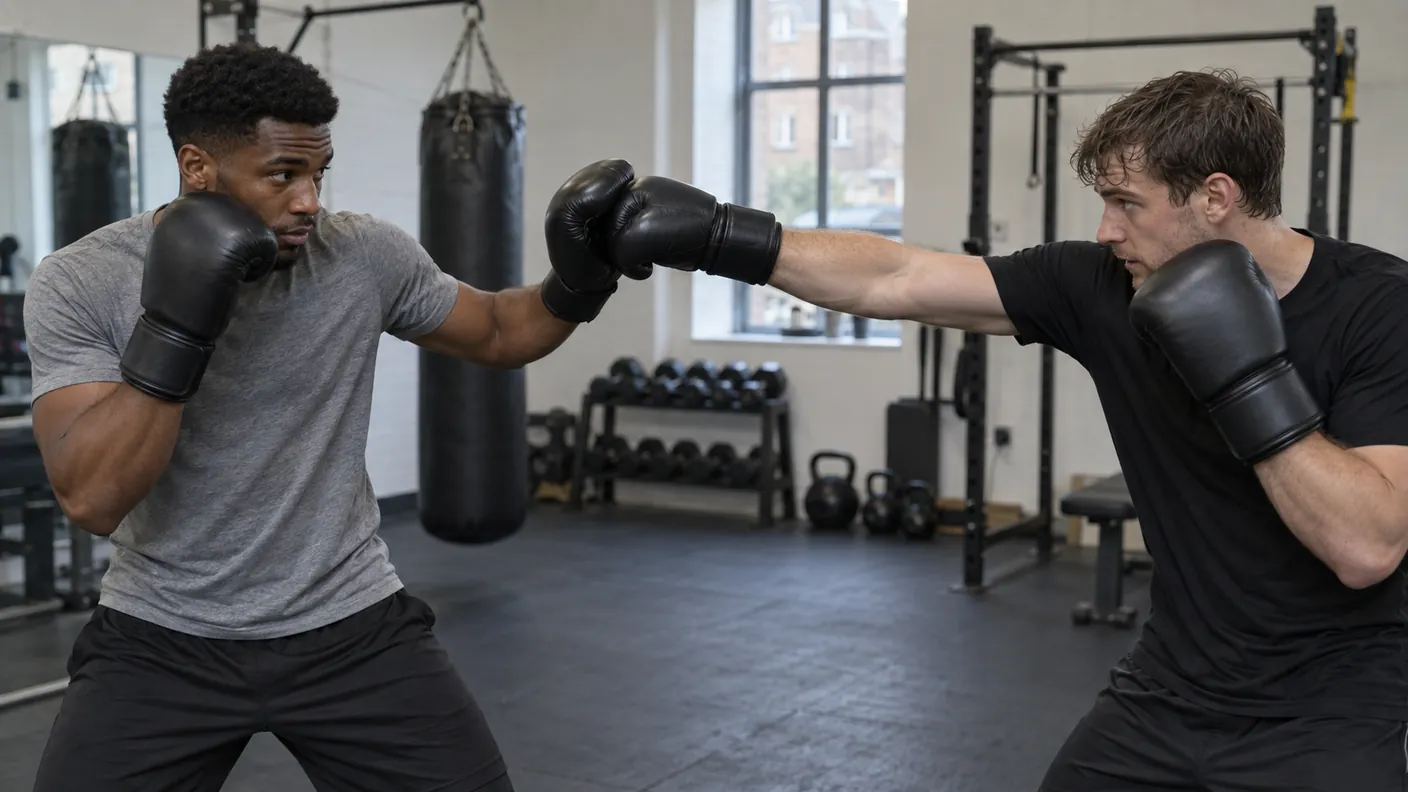
A parry is useful because it can make a straight punch miss without making you leave the exchange completely.
That is also why it goes wrong so often. A boxer sees a jab or cross, reaches for it with a big swipe, and finds that one glove has travelled far away from home. The first punch may miss. The next one now has a clear route.
The useful version is much quieter. Move the incoming glove a few inches, keep your eyes up, let the hand return to guard and choose a reply only if you are still in a position to throw it properly.
Watch the demonstration below, then use the drill to make the parry a small, dependable part of your defence rather than a gamble.
A parry redirects a line, not a whole arm
A straight punch only needs a small change of direction to miss the face. That is the job of the parry.
Against an orthodox opponent's jab, the rear glove can make a short inward or outward movement near your cheek. Against their rear straight, the lead glove can move the punch just outside the line of your head. The exact direction depends on the range and the punch you have read, but the rule is the same: move the glove enough to miss, then bring your own hand back to work.
Do not try to knock their fist across the gym. If your parry makes your shoulder twist open, your elbow straighten or your head follow the hand, it is too big. The other boxer has not stopped being dangerous just because their first shot missed.
England Boxing's coaching handbook treats guard, balance and controlled technical progressions as the base for defensive work. That gives you a useful test. After the parry, could you cover a second punch, throw one clean shot or take a short step without rebuilding your stance? If not, reduce the movement.
Keep the hand in its own lane
A parry is easier when both gloves already have clear jobs.
Your rear glove normally has the shortest route to protect the far side of your face. That makes it a sensible answer to an opponent's jab when you are at a range where the jab could land. Your lead glove can meet a rear straight nearer the centre line, but it must do so without dragging the shoulder down or away from the chin.
This does not mean you need to predict every shot from the first twitch. In early technical drills, agree the punch in advance. Let one partner show only a jab, then only a rear straight. Learn the right hand movement at calm speed before asking your eyes to make fast choices.
A review of anticipation in combat sports found that skilled athletes make better use of early movement cues. In a boxing gym, that means learning to notice the shoulder, elbow and step before the glove has reached your face. The parry works best when it meets a punch that is genuinely travelling towards you, not one you have chased from too far away.
Return with the free hand first
The easiest reply after a parry often comes from the hand that did not make the parry.
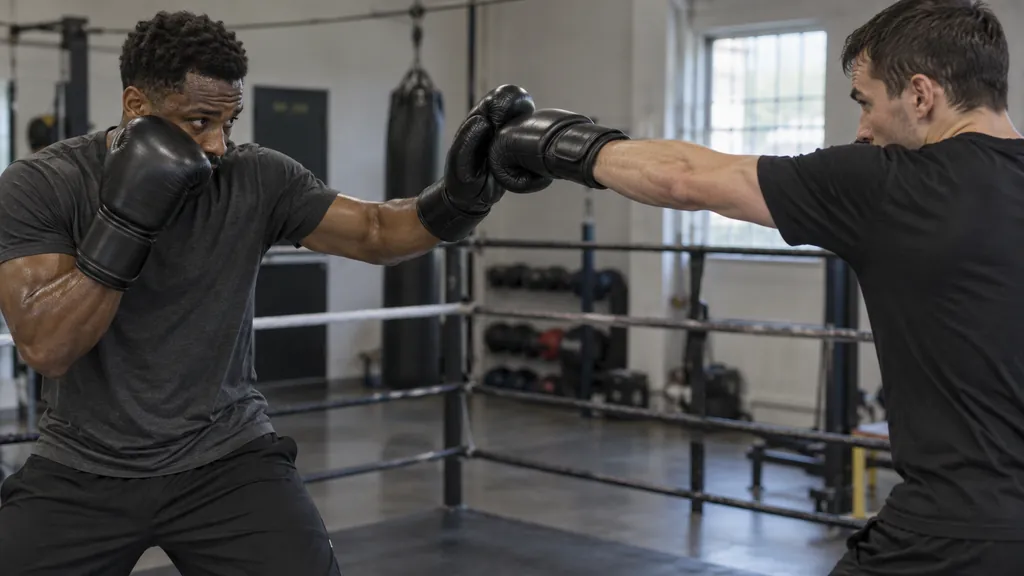
For example, if your rear glove has redirected a jab, the lead hand may be free to send a measured jab to a coach-held mitt. If your lead hand has moved a rear straight, the rear hand may be ready for a calm straight return if the partner has genuinely overextended and the target is there.
This matters because the parrying hand has work to do first. It has to touch the incoming glove, return towards guard and help keep your shape. Trying to turn that same movement into a hard punch before the hand has recovered can make the counter slow, wide and obvious.
There are moments when the same hand can parry and return. That is a more advanced timing choice, not a compulsory flourish. Practise the free-hand answer first because it gives you a clearer order: redirect, settle, see the target, throw one shot or leave.
Our guide to defending the jab in boxing is the right next read if you are still deciding when a catch, slip or block suits the jab better. A parry is one answer, not the answer to every straight punch.
The three-round parry and return drill
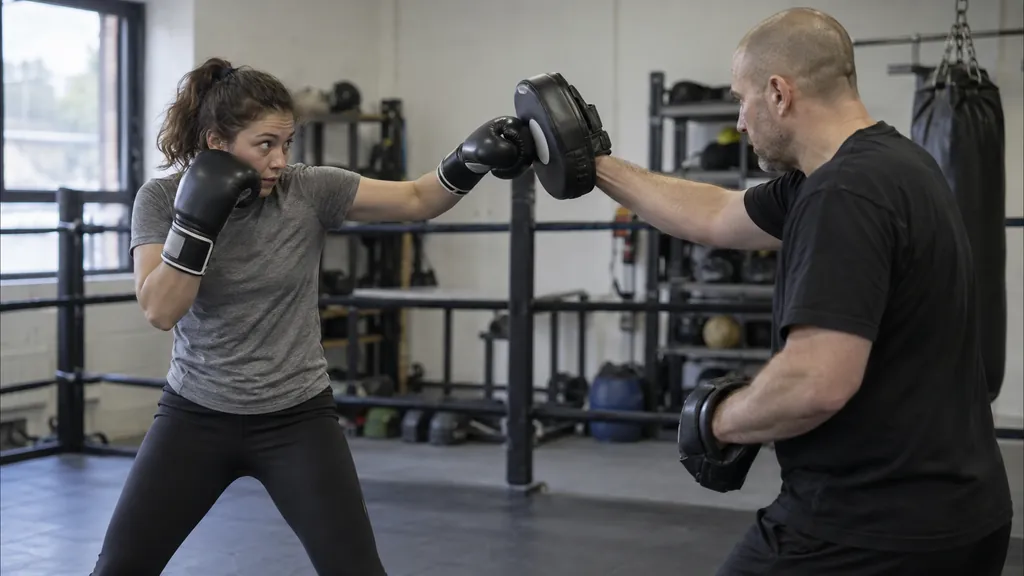
Use a coach and focus mitts, or a trusted partner with a clear slow feed. Keep it technical. No one is trying to land through the defence, and no one is trying to turn a single exchange into sparring.
Round one: parry and freeze
Partner A presents one slow jab towards Partner B's face line. Partner B uses the rear glove to redirect it, brings the glove home and freezes for one count.
Do not add a counter yet. Check the finish: chin tucked, eyes forward, rear hand back near the cheek and feet still staggered. Swap roles after a minute, then repeat with a slow rear-straight mitt line and a compact lead-hand parry.
The freeze is important. It exposes the difference between a parry and a reach. If you are leaning over the front foot or your glove is still extended, the hand moved too far.
Round two: parry and choose one return
Now Partner A presents the same straight line, then shows one focus mitt only when the range is right. After a rear-hand parry against the jab, Partner B returns a light jab. After a lead-hand parry against the rear straight, Partner B can return one straight rear hand to the mitt.
The counter should feel ordinary. There is no need to throw it hard. If the mitt looks too far away, if the feet have gone square or if Partner A has stepped out, bring both gloves home and reset instead.
Round three: read the straight line
In the final round, Partner A can choose either the jab or rear straight, but still feeds one punch at a time. Partner B must recognise the line, parry with the appropriate hand and make one safe finish: a light return to the mitt, a small step away or a full reset.
Keep the pace low enough that the choice is real. If you start parrying before you can see which side is coming, you are no longer reading. You are performing a sequence and hoping it matches the punch.
This is where the drill begins to transfer. You are not collecting clever counters. You are learning that a small defensive action can leave you organised enough to make the next decision.
Four mistakes that make the parry expensive
The first is parrying at empty space. If the punch is falling short, there is no need to give away your hand. Stay in guard, take the range or make a small step.
The second is swatting down. A heavy downward slap can leave your face open for the punch that follows. Keep the parry short and directed, not angry.
The third is treating the return as automatic. A parry may create a target, but it may also make the other boxer pull away, cover well or step close. If the next shot is not there, do not force it.
The fourth is forgetting the other glove. When one hand is busy, the other has to stay ready. A tidy parry with a lazy free hand still leaves a line through the middle.
For another small defensive skill that depends on the same discipline, read our guide to lead-hand control without reaching. Both skills work only when the hand can return quickly and the feet remain beneath you.
Where the drill fits in training
Start parry work after a warm-up, before fast bag rounds or harder partner drills. It suits a boxer who has a basic stance and guard, but it does not require hard sparring. A coach-held mitt gives enough information to learn the distance, hand position and return without turning defence into a test of nerve.
For adults in Kidbrooke, Greenwich and nearby, our Recreational Adults boxing classes use controlled drills to join defence, footwork and simple counters. The aim is not to make every exchange dramatic. It is to make your next decision available.
The coaching cue is simple: move the punch, bring the hand home, then earn the return.
H&G Team
Writer at Honour & Glory Boxing Club, a community boxing gym in Kidbrooke, South East London.
KEEP READING
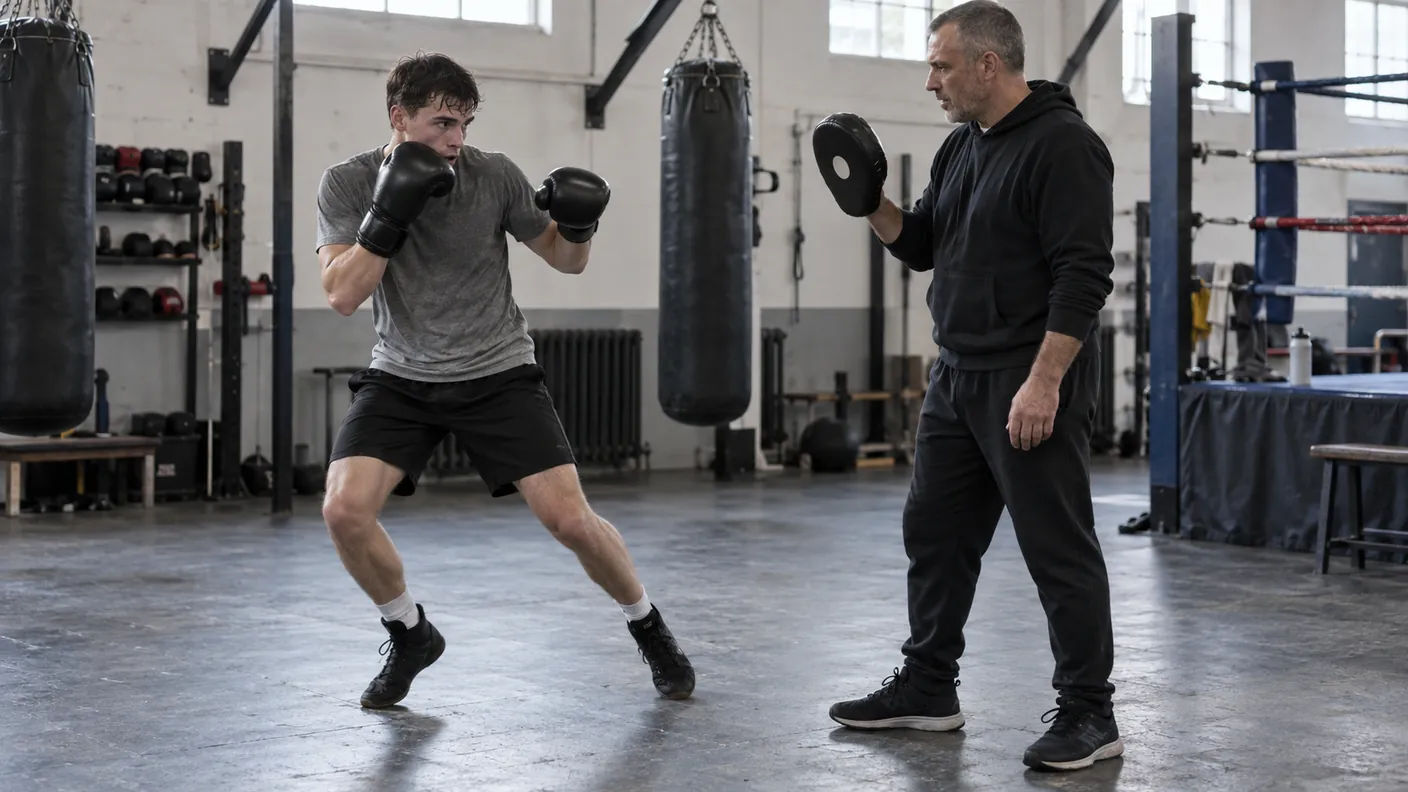
Parry While Moving: A Boxing Pressure Drill
Use a compact parry and small side step to leave pressure behind without reaching, freezing or rushing a counter.
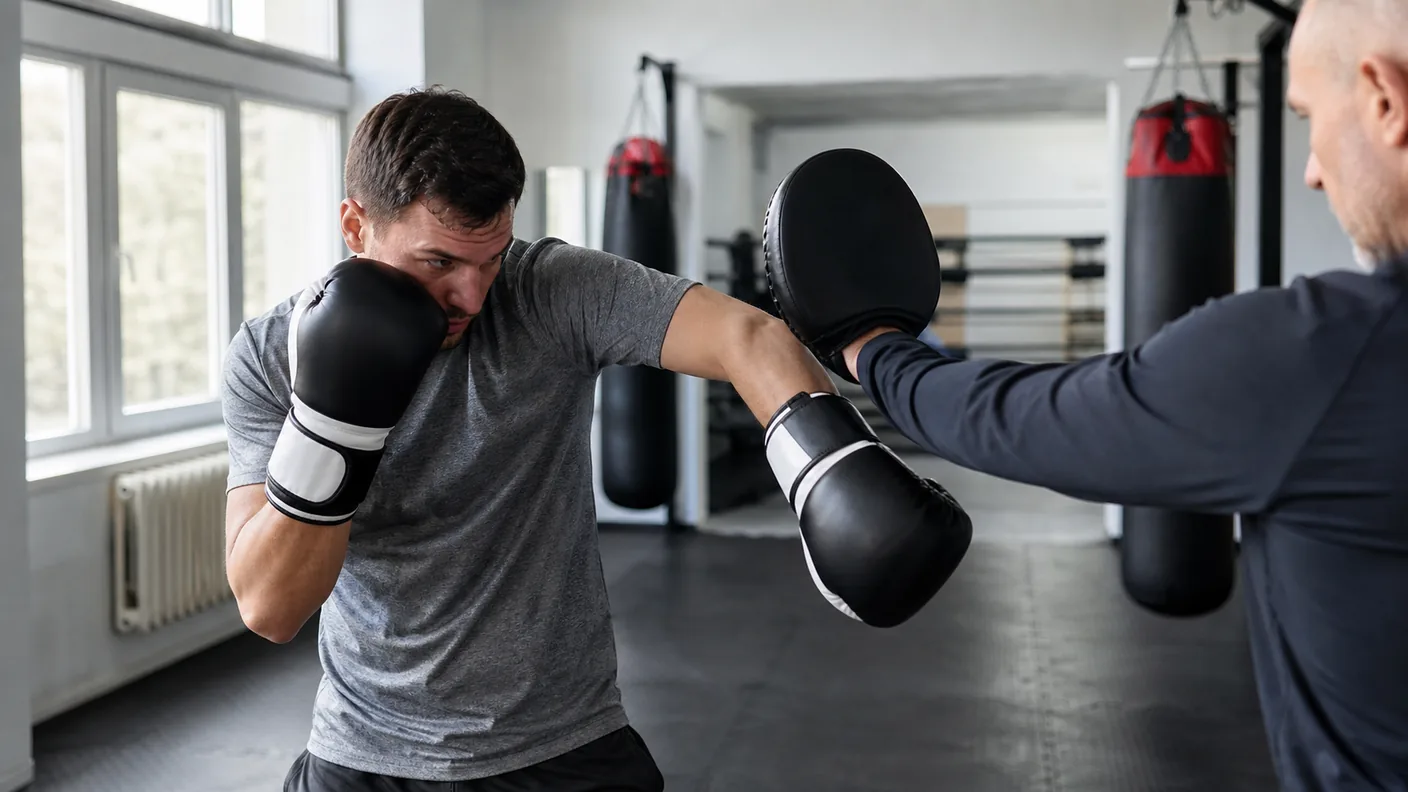
Down Parry in Boxing: Defend Straight Punches
Use a compact down parry to move a straight punch off line without reaching, losing your guard or freezing after the defence.
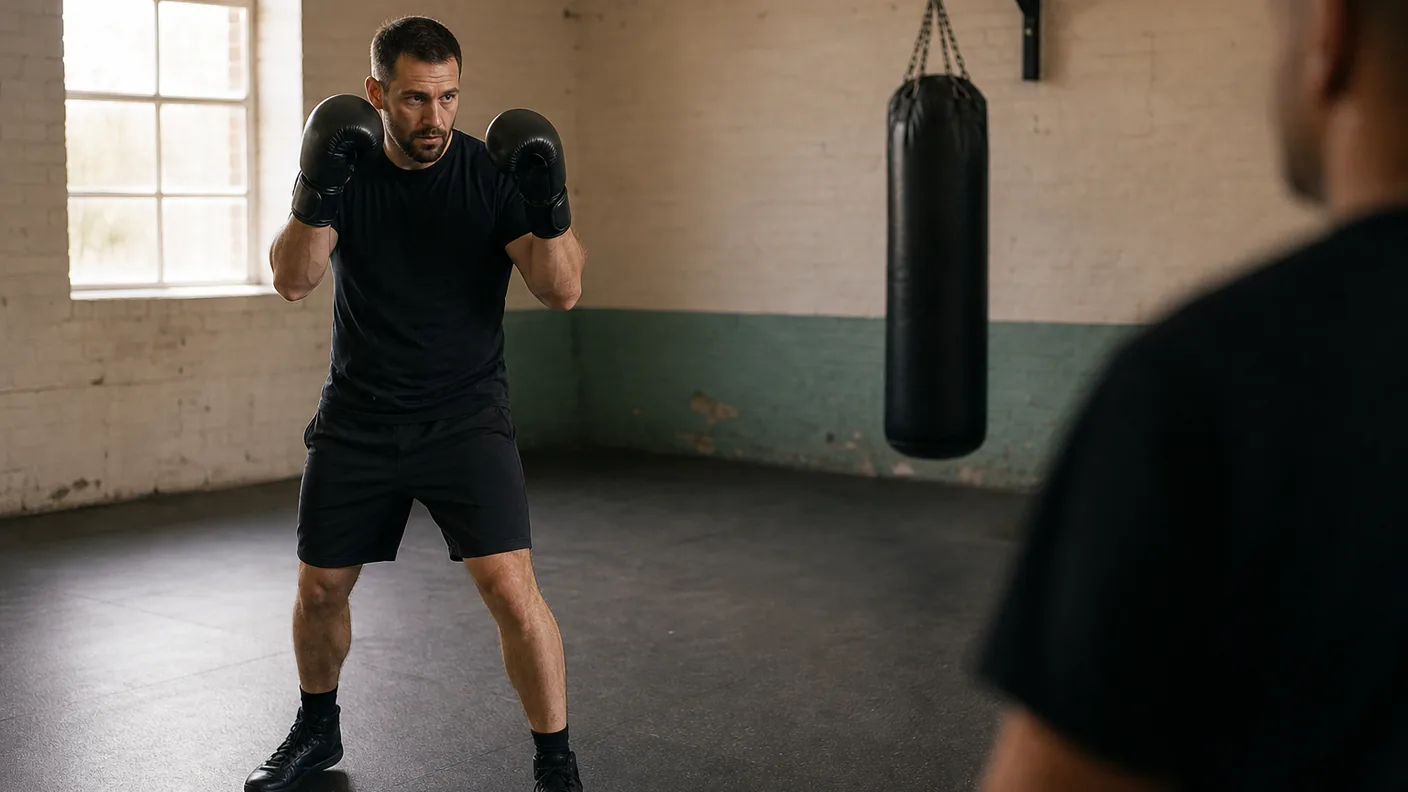
Why a Narrow Boxing Guard Spoils Straight Punches
A cramped boxing guard can turn the shoulders away from clean straight punches. Use this simple check to keep your stance useful.
Was this page helpful?
It takes one tap, and it genuinely helps.
Choose your next step
Turn this article into the right action
Some readers are ready to book. Some need the class route first. Pick the route that matches what you actually want.