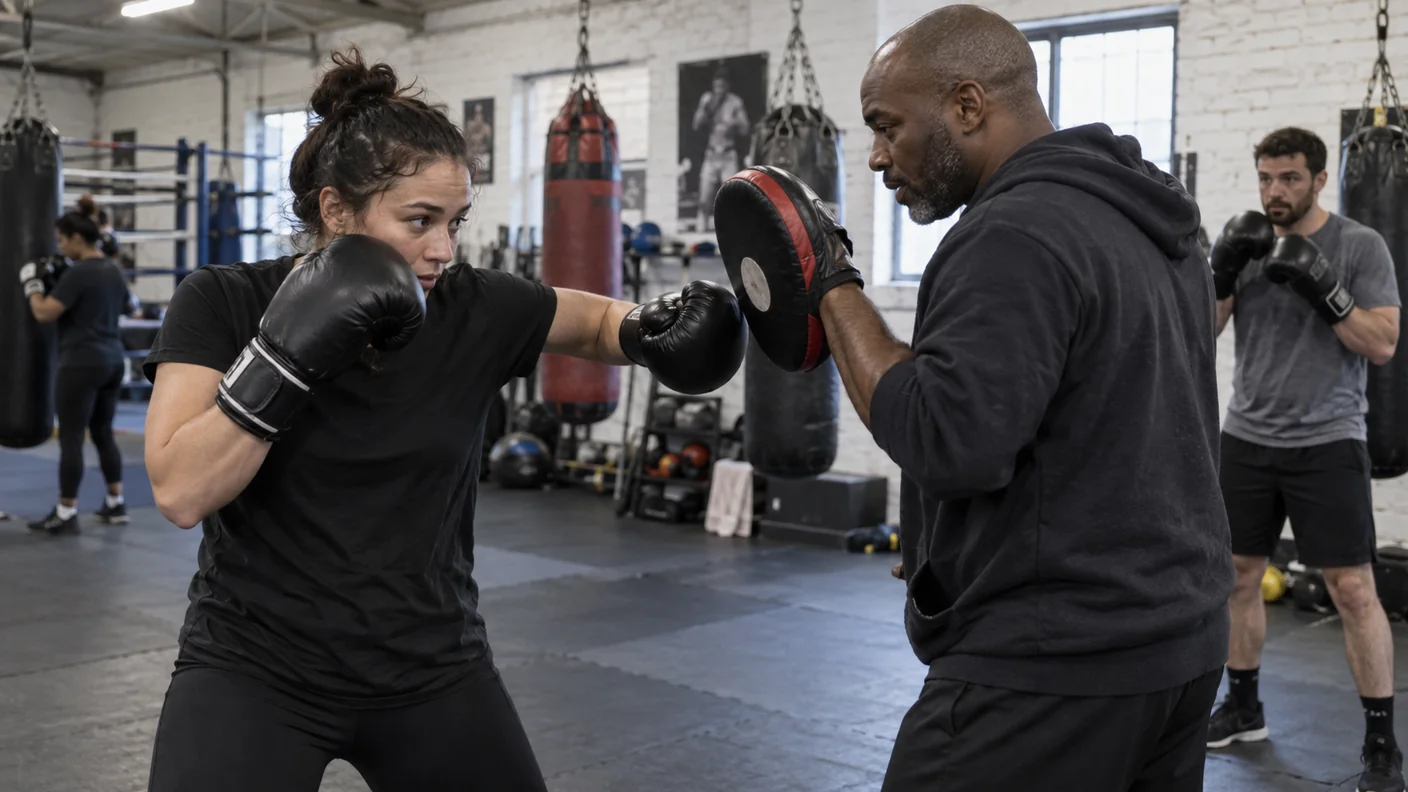
A shoulder roll can create a brief lane for a rear uppercut. It can also create a very quick route to standing square, reaching at somebody who has already moved, and taking a hook on the way out.
That is why this is not a default answer to every straight punch. It is a narrow counter for a clear rear-hand line, at a close enough range, after a compact defensive turn has left your feet and guard in working order. The uppercut is the final option, not the thing you decide to throw before the other boxer has committed.
The video below is a useful visual reference for the connection between a small shoulder deflection and a rear uppercut. Watch the distance and the hand that stays home. The useful lesson for a normal boxing class is not to copy a professional's posture. It is to see how a defensive movement can leave a short punch available without making a big swing necessary.
Start with the defensive shape
The shoulder roll comes first. If it does not make a real punch miss or glance away, there is no counter to build.
For an orthodox boxer facing another orthodox boxer, the usual cue is a rear straight travelling down the middle. Keep the lead shoulder close enough to the chin to narrow the target. Turn it only enough to change the line, keep the knees soft and leave the rear glove near the cheek. You should still be able to see the coach or partner clearly.
A shoulder roll is not a dramatic lean. If the head drifts behind the rear hip, the feet freeze or the lead hand falls, it has become an escape movement rather than a useful defensive position. England Boxing places balance, guard and controlled movement at the centre of sound technical work in its coaching handbook. That is a good test here: after the turn, can you still cover, jab or take one short step?
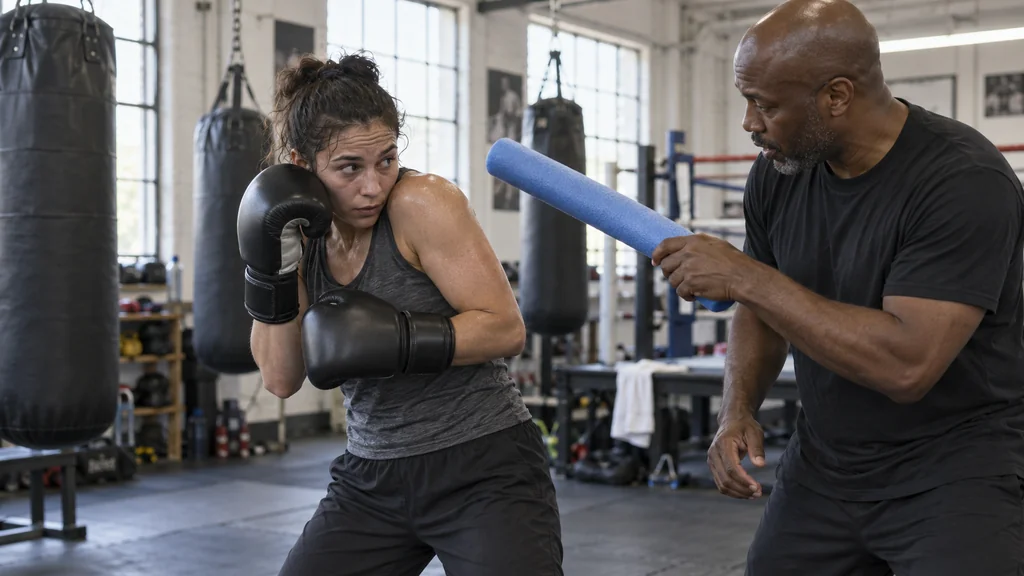
The rear uppercut needs close, honest range
A rear uppercut is a short punch. It belongs beneath the opponent's guard only when the other boxer has entered close enough for your elbow to stay bent and the glove to travel upward without your head following it.
After the roll, the rear side may feel loaded. That can be useful, but it does not prove the target is there. If the other boxer has stepped out, recovered their stance or is still too far away, bring the hands home. Throwing a long uppercut at empty space turns the punch into a reach and leaves you open to the lead hook.
The better picture is compact. The knees give you a little height change, the rear hip and shoulder turn together, and the fist rises through the middle on a short line. The lead glove stays near the lead cheek. The chin does not chase the uppercut. Your body should still feel as if it could step away after the glove returns.
A review of boxing performance and biomechanics describes a punch as a coordinated action through the legs, trunk and upper body, rather than an isolated arm movement. That is especially useful for this drill. If the roll has left your weight on one heel and the uppercut needs an arm-only launch, the sequence is not ready.
Do not pre-book the uppercut
The common error is seeing the rear hand start and deciding the uppercut must follow.
A capable boxer can change their mind. They can shorten the straight, step around you, hook off it or let the punch become a feint. If you have already dropped the rear glove to load the uppercut, you have made their next decision easier.
Keep the rear hand home through the shoulder turn. Let the straight shot become clear. Then make a small decision:
- If the rear straight has travelled and the distance has closed, a light rear uppercut to a coach-held mitt may be available.
- If the other boxer is still at the edge of range, recover the ordinary guard and use a small step or reset.
- If the line has become crowded, cover or use the coached exit rather than trying to force an uppercut through bodies that are too close.
This is the difference between a drill and boxing. The drill gives you a familiar picture. Boxing asks whether that picture has actually appeared.
Our guide to shoulder-roll body-uppercut work covers a lower target after the same compact defence. The head-level version needs a separate check: the rear uppercut must have a short lane between the gloves, not a hopeful path around them.
Build the movement in three rounds
Use a coach, focus mitts and a partner who understands that this is technical work. No hard head contact, no surprise combinations and no contest over who can make the counter look sharpest.
Round one: shoulder turn and freeze
The coach shows one slow rear-straight line from a sensible distance. The boxer makes a small shoulder turn, then freezes for one count.
Check the details before repeating. The lead shoulder has helped protect the chin. The rear glove is beside the cheek. The feet remain staggered. The eyes are still on the coach. If any of those are missing, remove the counter entirely and improve the defensive shape.
Round two: find the mitt or reset
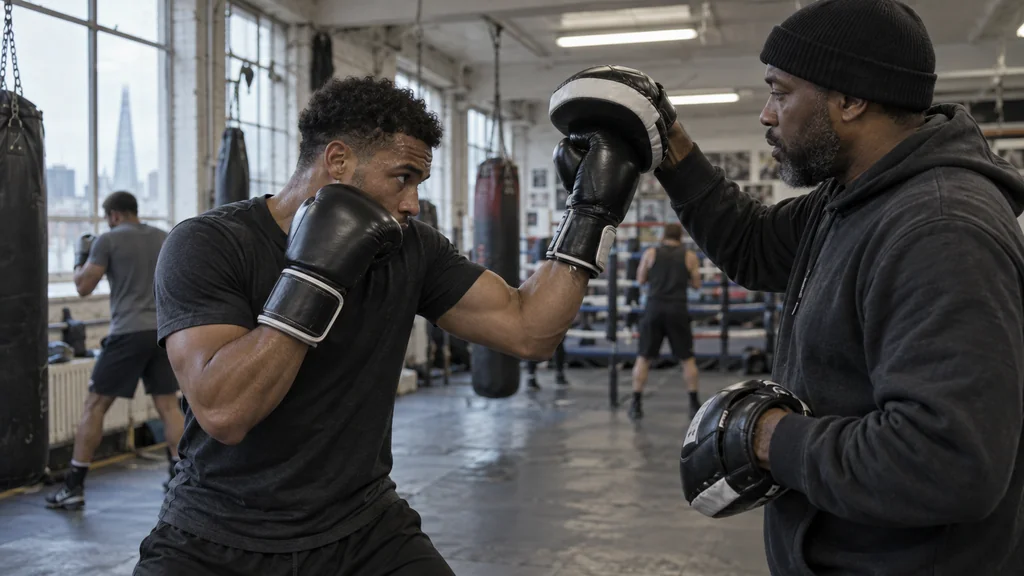
Use the same rear-straight cue. After the shoulder turn, the coach either presents a high mitt at close range or holds position with no mitt.
If the mitt is there, the boxer lands one light rear uppercut and returns both gloves to guard. If it is absent, the boxer simply resets. This round stops the technique becoming a memorised answer to every shoulder roll.
Round three: add the safe exit
Now the coach can show the rear-straight cue, present the uppercut mitt, then ask for one small step out after the punch. Keep the exit short. Your job is not to spin round the coach or run to the other side of the gym. It is to leave the original line with the guard still useful.
If the step makes your feet cross, slow the drill down. The uppercut has not worked if it lands but leaves you unable to defend the next second.
For another close-range decision, see our guide to throwing an uppercut in boxing. It explains why an uppercut needs the correct distance before power is worth discussing.
Four signs you should not throw it
First, your rear glove has dropped before the straight shot has arrived. That is not preparation. It is a visible gap.
Second, your shoulder roll has taken your eyes off the other boxer. You cannot choose a counter if you cannot see whether they have stepped, covered or changed the line.
Third, the uppercut would need a straight arm to reach. An uppercut that has to travel like a jab is being thrown from the wrong place.
Fourth, you are working with a partner who is throwing freely. This is a coached technical drill, not a license to wait in a low guard for hard shots. The basic guard, a catch and a small exit remain better tools for most early partner work.
Where this fits in training
Use this after a warm-up and basic uppercut practice, before free partner rounds. It suits an intermediate boxer who can already keep the hands home after a jab and cross, and who has a coach able to manage distance and pace.
It does not suit a first session or hard sparring. A shoulder roll is a detail inside a wider defensive system, not a shortcut around stance, guard and footwork. The cleanest rep may be turn, see no target, recover, reset. That is still good boxing.
For adults in Kidbrooke, Greenwich and nearby, our Recreational Adults boxing classes use bags, pads and controlled partner drills to make countering a question of timing and position, not bravado.
The coaching cue is simple: turn small, keep the rear hand home, uppercut only when the lane is real.
H&G Team
Writer at Honour & Glory Boxing Club, a community boxing gym in Kidbrooke, South East London.
KEEP READING
Shoulder Roll to Body Uppercut: A Boxing Drill
A controlled boxing drill that joins a compact shoulder roll to a body uppercut without turning defence into a risky pose.
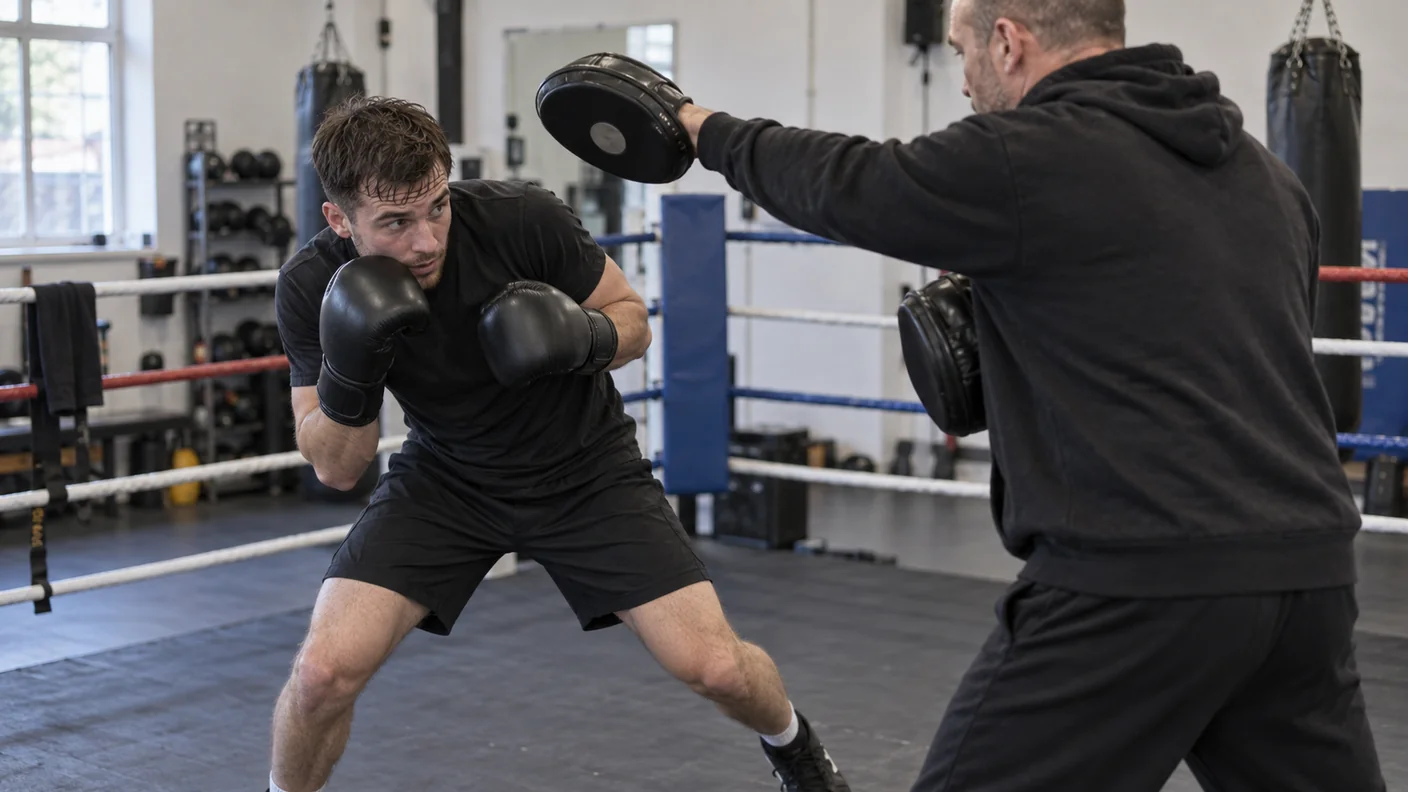
Outside Slip a Cross: Rear Uppercut Counter
Use an outside slip against a straight rear hand, then decide whether a short rear uppercut is truly there.
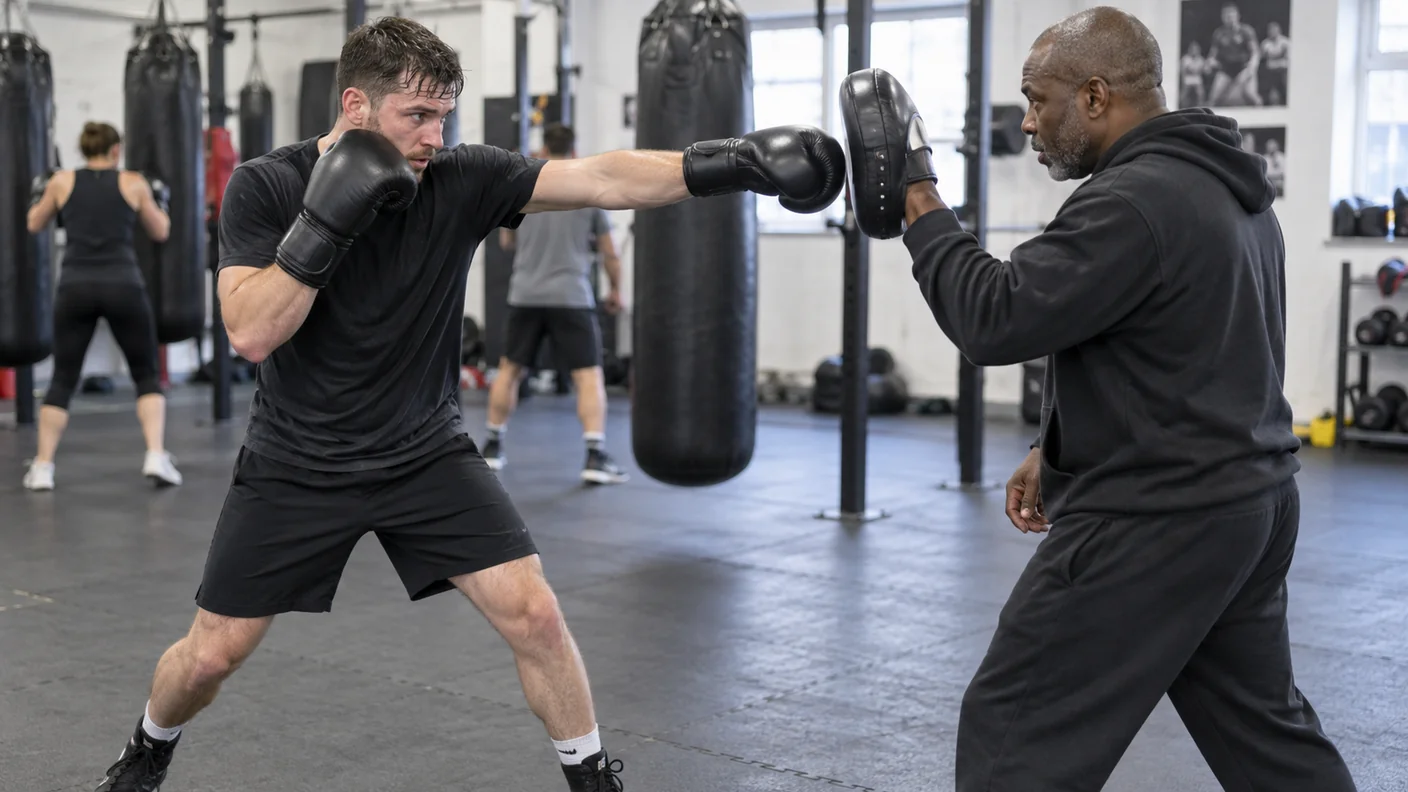
Jab to Rear Uppercut: Find Middle Range
Use a measured jab to enter middle range for a compact rear uppercut without leaning, reaching or losing your guard.
Was this page helpful?
It takes one tap, and it genuinely helps.
Choose your next step
Turn this article into the right action
Some readers are ready to book. Some need the class route first. Pick the route that matches what you actually want.