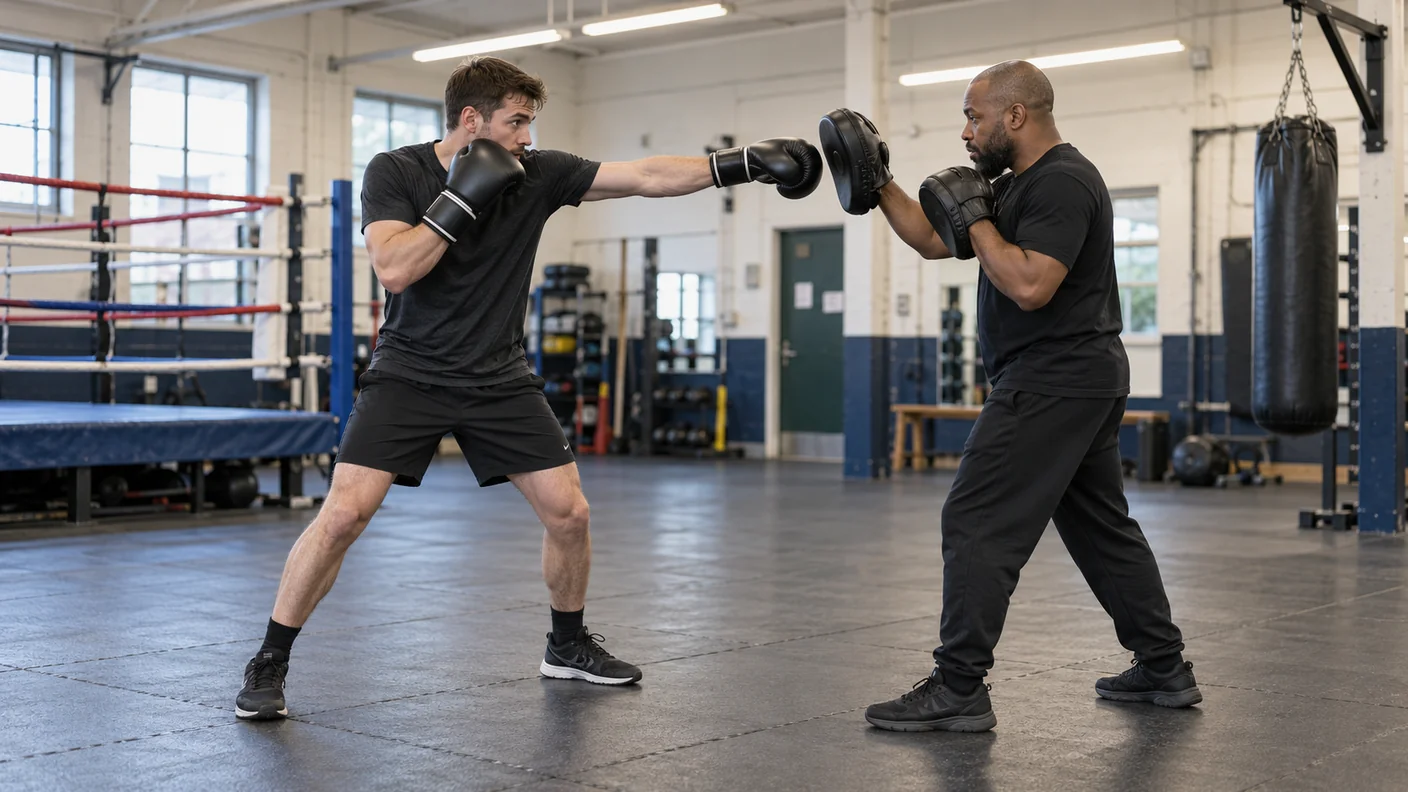
The jab to rear hook is not a longer one-two. It is a change of line.
The jab travels straight down the middle. The rear hook comes around the side. If you try to throw both punches from the same range and with the same body position, the second shot usually turns into a reach. The rear shoulder drifts forward, the lead glove drops, and your feet end up square in front of the other boxer.
A better version has a simple order. Use the jab to establish an honest distance. Let it return enough to restore the guard. Then turn the rear hook from a settled base, and finish able to cover or leave.
Watch the short demonstration below before trying the drill. It is a useful prompt for the straight-to-looping change, not a compulsory sequence to force on a partner.
The jab gives the rear hook its distance
A rear hook needs closer range than a long jab. That is why the jab has a job before it becomes the first number in a combination.
Start just outside the distance where your rear hook would land cleanly. Send a light jab to a coach-held mitt or the centre of a bag. The punch should let you see whether the other boxer stays still, covers, steps back or comes forward. When the jab lands at a distance that leaves your posture underneath you, the rear hook has a chance to turn without chasing.
Do not lunge after the jab to manufacture the second shot. If the first punch has carried your head well past the lead knee, you are already too extended for a useful hook. Bring the glove back, settle the feet, and accept that the rear hook may not be available on that repetition.
England Boxing's coaching handbook puts balance, guard and controlled progression at the centre of technical development. That is a good standard here. After the jab, can you still cover, step or choose a different punch? If not, make the first movement smaller.
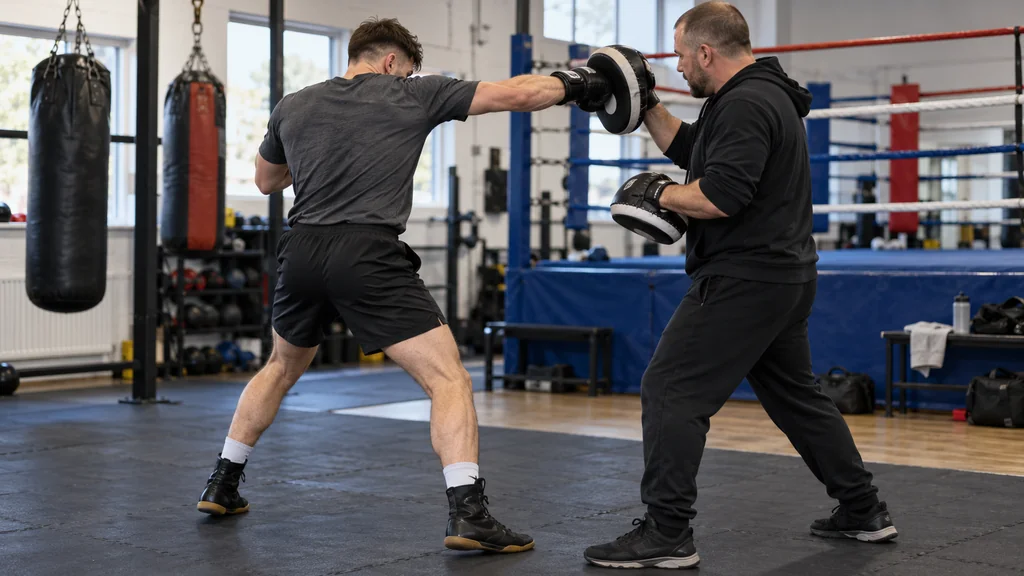
Turn the rear hook without throwing the shoulder away
For an orthodox boxer, the rear hook is the right hook. Let the rear heel turn lightly, rotate the hip and trunk together, and bring the elbow around on a compact line. The arm is not trying to reach across the room. It is carrying the turn that started from the floor.
The lead glove matters as much as the punching hand. Keep it near the left cheek while the rear hook travels. It does not need to be glued to your face, but it cannot float down by the chest just because the right hand is moving. The chin should stay tucked behind the lead shoulder rather than following the hook around.
A review of boxing biomechanics describes a punch as connected work through the lower body, trunk and upper body. In the gym, that means a rear hook should feel like a short turn from a stable stance. When the arm throws first and the body follows late, the punch gets wide and the recovery gets slow.
Southpaws reverse the picture. The jab remains the lead hand, and the rear hook comes from the left. The same questions apply: did the jab create a believable distance, did the rear hip turn, and did the other glove stay available?
The rear hook is a choice, not a debt
The common mistake is deciding that jab means rear hook, whatever the person in front of you does next.
A coach can make the problem clear with mitts. After the jab, sometimes present the second mitt at a compact hook range. On other repetitions, take it away, step back, or show a high guard. When the mitt is there, touch it with a clean rear hook. When the space has gone, recover both hands and reset.
That choice is the point of the drill. The jab may have made the other boxer cover tightly. It may have put them at a distance where the hook would fall short. It may have brought them close enough that a short lead hook, guard or step out makes more sense. The combination is useful only while the range remains true.
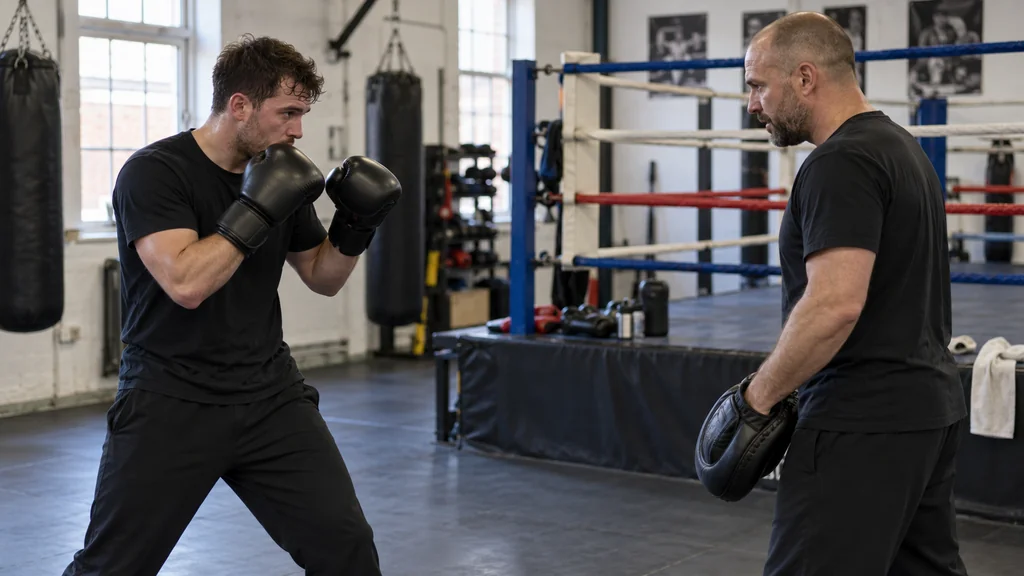
Build the jab-to-rear-hook drill in three rounds
Use a coach with mitts or a bag. Keep the first rounds light. The target is a repeatable shape, not a loud impact.
Round one: jab, return, freeze
Start at the edge of lead-hand range. Place a jab on a mitt, bring the glove back towards the cheek, then freeze before throwing again.
Check your stance. The rear foot should not have dragged forward, the lead knee should not be carrying your whole weight, and the rear hand should still be close enough to defend. If you cannot hold that position calmly for a count, the jab was too long or too hard.
Do ten tidy repetitions, then swap sides with your partner. A bag works too, but use a light touch and imagine the return line rather than staring at the bag.
Round two: jab, rear hook, guard
Now add the rear hook to a mitt placed at honest range. The coach should hold the second mitt close enough that you can turn into it without leaning after the jab.
Land the hook, bring the right glove home, and hold your stance for one count. Do not add a third punch. The pause exposes the usual errors: a dropped lead hand, feet brought together, or a right shoulder that has spun too far forward.
If the hook only reaches when you lean, shorten the jab or take a small step before the first punch on the next repetition. Do not stretch the second shot to save the pattern.
Round three: jab, read, choose
In the final round, the coach changes the picture after the jab. They can show the rear-hook mitt, close both mitts into a guard, or step away and remove the target.
Throw the rear hook only when the mitt is still there. If the guard is closed, touch the jab and take a small step out. If the coach has moved away, return to guard and reset at range. This is slower than a fixed bag combination, but it teaches the useful part: seeing whether the punch is actually on.
Our guide to making a double jab harder to read looks at how the lead hand can create a response without becoming predictable. This drill gives that first punch a different follow-up when the distance has shortened.
Four errors that turn the drill into a reach
The first is treating the jab as a hard opening shot. A stiff, overcommitted jab leaves little room to turn or recover. Use it to find the range, not to solve the whole exchange.
The second is loading the rear hook by dropping the right hand. That makes the punch easier to spot and removes your own guard before the target is confirmed. Let the hook begin from a calm rear hand and a small turn through the hip.
The third is letting the lead hand travel with the hook. The non-punching glove should stay useful. If it falls away, you have made a gap for a straight return or a lead hook.
The fourth is trying to chase a retreating target with the rear hook. A hook has a short, curved path. If the person has taken range away, either step and jab again or leave the exchange. A punch that falls short has still told you something useful.
For another drill on keeping your posture organised after a longer rear-hand attack, see our guide to the long-range rear body cross. The targets are different, but both drills demand that the feet create the range rather than the arm reaching for it.
Where this fits in training
This drill suits an adult boxer who already has a basic jab and a settled stance. It does not require sparring. Pads and a light bag are enough to learn the distance, turn and recovery before either person adds movement.
Keep partner work agreed and technical. The coach should make the second mitt an honest cue rather than surprising someone with a hard target change. The boxer should be able to stop after the jab, cover after the hook, or take a small step out without scrambling for balance.
For adults in Kidbrooke, Greenwich and nearby, our Recreational Adults boxing classes use controlled pads, bags and partner drills to connect combinations with stance, guard and sensible decisions. No sparring is required.
The coaching cue is simple: jab to find the range, turn the hook from your feet, finish able to box.
H&G Team
Writer at Honour & Glory Boxing Club, a community boxing gym in Kidbrooke, South East London.
KEEP READING
How to Defend a Rear Hook in Boxing
Use a compact guard, settled feet and a clear exit to defend a rear hook without leaning away or forcing a counter.
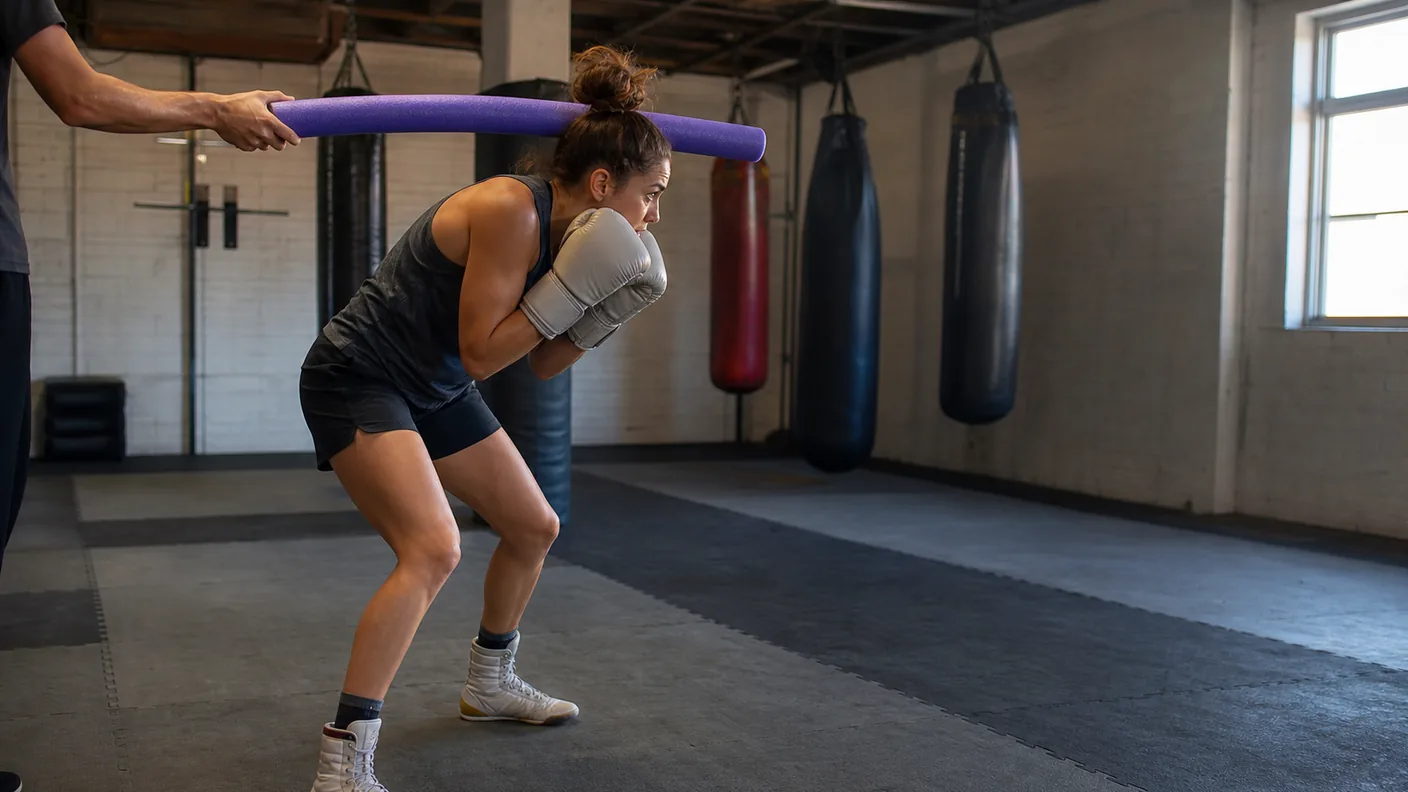
Rear Hook After a Roll: A Boxing Drill
Use a compact roll to load a short rear hook without forcing the punch, losing your stance or leaving your guard behind.
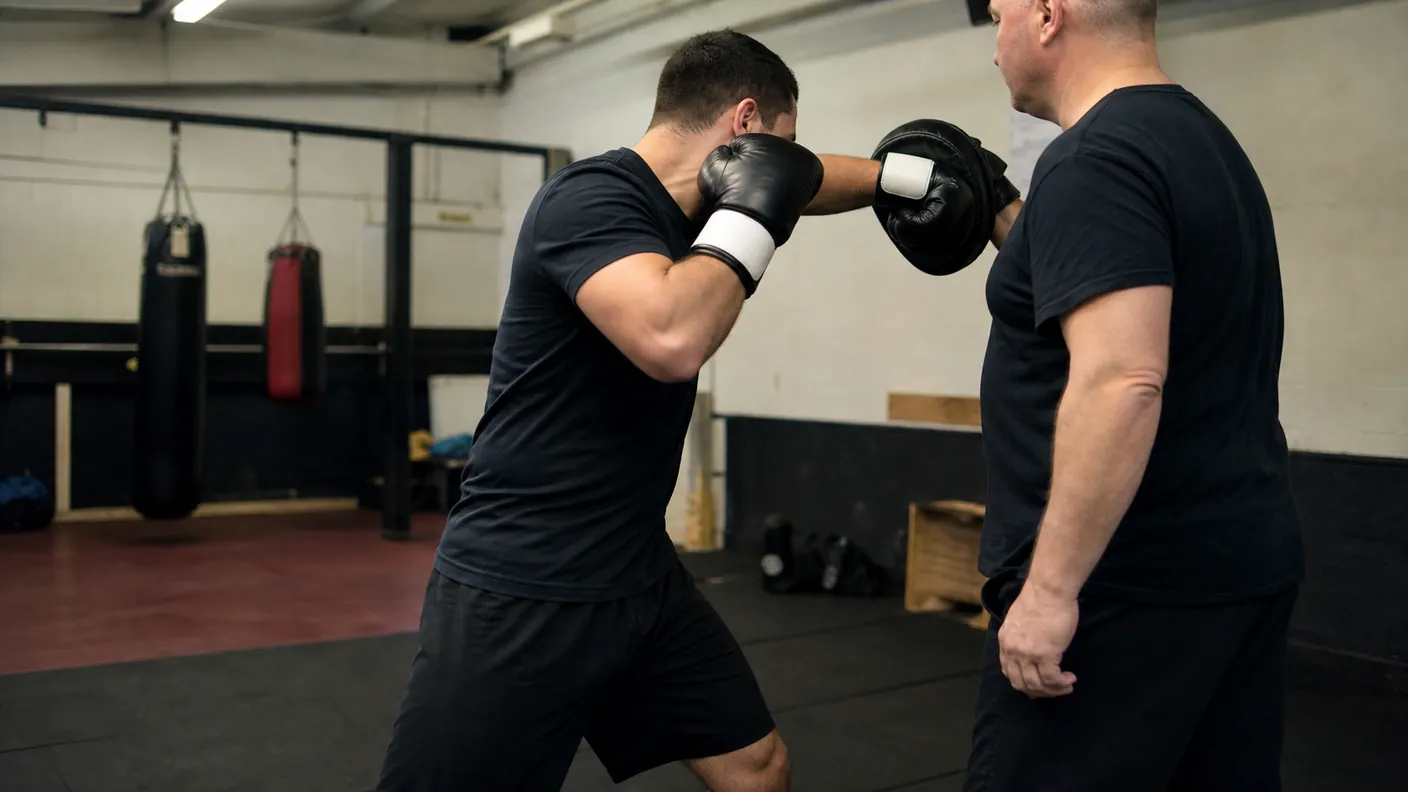
The Hook-Jab: Use Your Lead Hand Twice
Learn how a compact hook-jab can change the line of attack, bring your lead hand home and help you leave the pocket in balance.
Was this page helpful?
It takes one tap, and it genuinely helps.
Choose your next step
Turn this article into the right action
Some readers are ready to book. Some need the class route first. Pick the route that matches what you actually want.