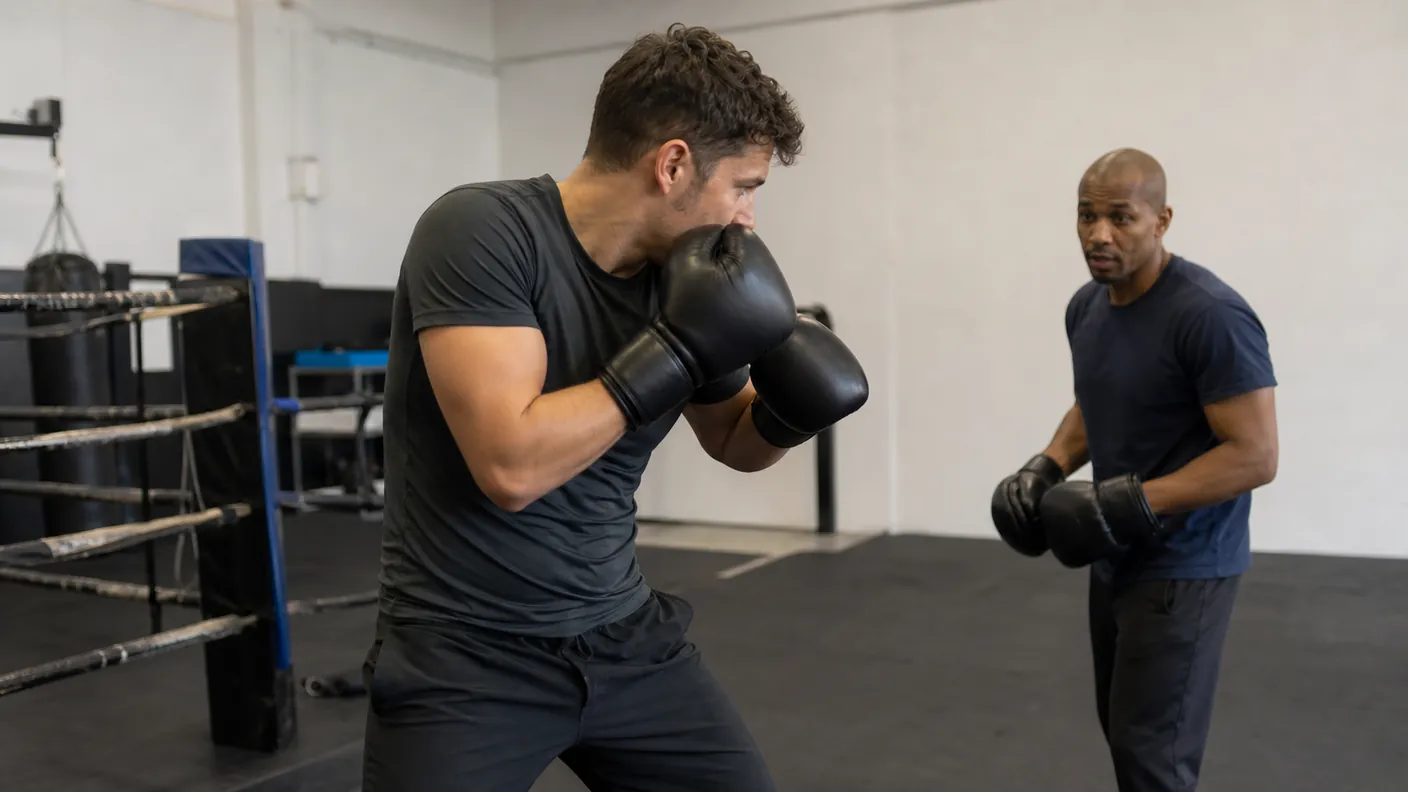
The ropes are not a defence. They are a warning that your exits are getting smaller.
A boxer who has been pushed back often makes the same mistake: they try to solve the whole problem with one big counter. Their feet stop, the chin lifts, and the other boxer gets exactly the static target they wanted. The better first job is calmer. Cover what is in front of you, make one small movement that changes the line, then leave the ropes before you decide whether a punch belongs.
Watch the demonstration below, then use the drill to practise the decision at a safe pace with a coach or trusted partner.
The first goal is to regain space, not win the exchange
When your back touches the ropes, you have less room to retreat and fewer angles to choose. That does not mean you need to panic or trade. It means the next movement needs a clear purpose.
Start with a compact guard. Both gloves should be available, the elbows should protect the body, and the chin should stay behind the shoulder line. Look at the other boxer's chest and shoulders rather than staring at the ropes behind you. Their balance and lead foot will tell you more about the next attack than their gloves alone.
Then make the simplest safe decision. If they are still outside punching range, take a short angle out and reclaim the centre. If they are entering behind a straight line, cover or catch the first cue, then turn out. If the range has collapsed completely, do not throw a long hook from the ropes. Tie up safely if that is the coached option, wait for the break, and reset with your hands home.
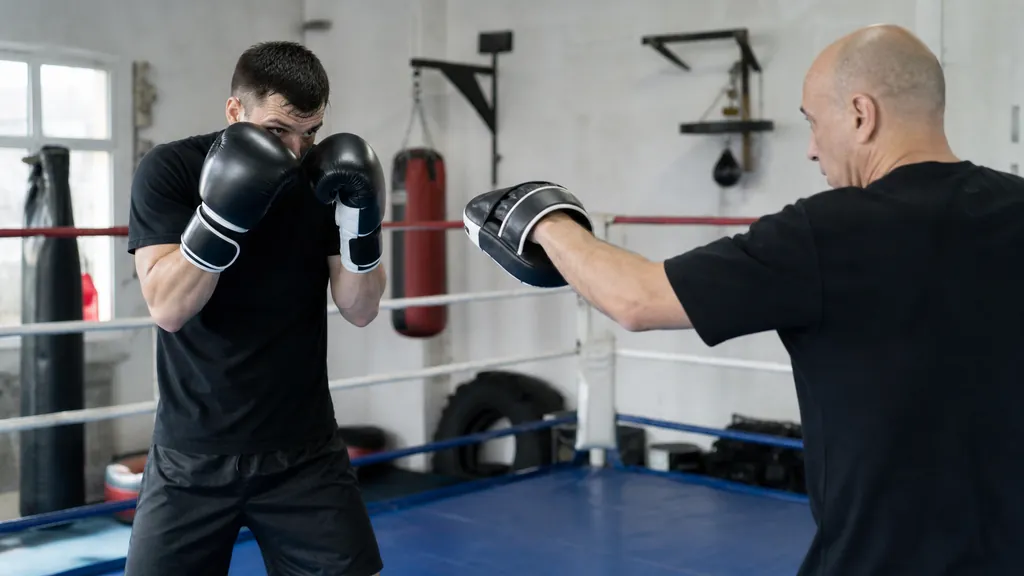
England Boxing's coaching handbook puts stance, balance and controlled progression at the base of skill development. That matters here. A ropes escape is not a dramatic trick. It is a sequence of ordinary fundamentals performed before the other boxer can settle into pressure.
Do not walk straight backwards until the corner arrives
The easiest way to get trapped is to give ground in one straight line.
A backward step can be useful. Two or three unplanned backward steps usually put your shoulders near the ropes and your feet in a position where the next retreat has nowhere to go. The pressure boxer does not need to sprint. They only need to keep you travelling along the same track.
The correction begins early. When you feel yourself approaching the perimeter, use a small lateral step or pivot before your back is pinned. Keep your stance width. Do not cross the feet to escape. A cross-over may get you out of one spot, but it leaves you square just when the other boxer is close enough to punch.
For an orthodox boxer, turning towards the lead-hand side can often give a clean route if the opponent has stepped too directly. Turning towards the rear-hand side can work when the lead foot has room and the opponent has overcommitted. Southpaws reverse the picture. The direction is less important than the finish: you should end with both feet under you, hands ready and the ropes no longer directly behind your shoulders.
Our guide to boxing side steps without drifting is useful preparation. The same rule applies near the ropes: move just far enough to change the line, not so far that you lose the base for the next choice.
Use the guard to buy a beat, not to hide
A high guard can give you the second you need to leave, but only if you keep seeing.
Some boxers reach the ropes, squeeze both gloves over their eyes and wait for the storm to finish. That is understandable, especially for newer boxers, but it gives up the information needed to escape. You cannot choose the right gap if you cannot see whether the other boxer has stepped too close, loaded a rear hand or left a lane beside their lead foot.
Keep the guard compact but open enough to look through it. Let the knees soften. A tiny slip or roll can help take your head off the first line, but do not bend so deeply that you trap yourself against the ropes. The feet must stay ready to turn.
A review of boxing performance describes effective boxing as the connection of punching, movement, defence and tactical behaviour. On the ropes, that connection is obvious. A block without a step can become passive. A step without a guard can walk into a shot. The escape works when the guard, eyes and feet all remain available together.
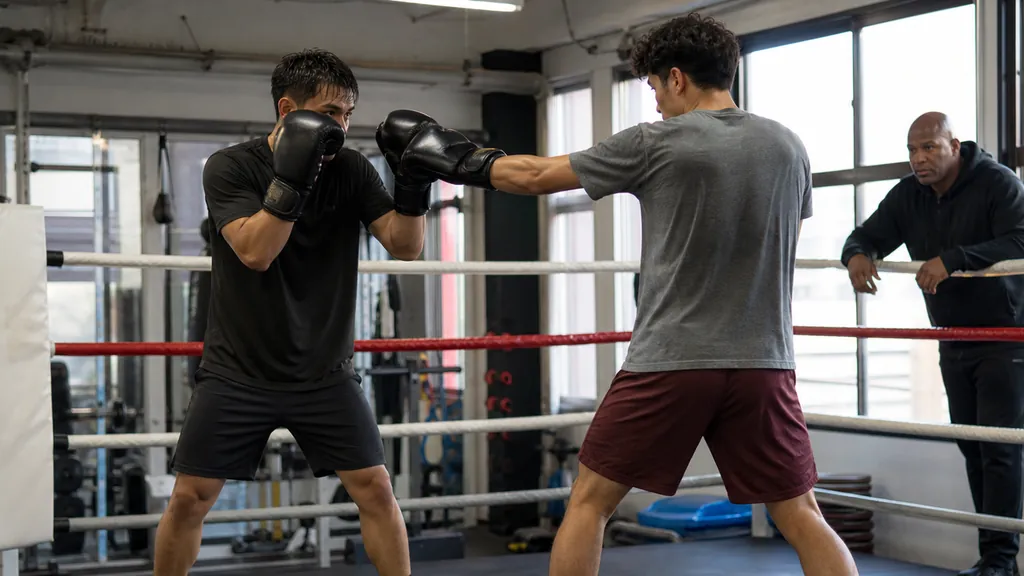
The cover-turn-exit drill
Use gloves, a coach or an experienced partner, and agree the pace before starting. The feeder is not trying to trap or overwhelm anyone. Their job is to give a readable pressure cue so the defender can learn the right order.
Round one: find the open side
Partner A stands in front of Partner B, who begins a step away from the ropes. Partner A walks forward slowly with the gloves up but does not throw.
Partner B keeps the guard in place and takes one small angle step to either side before the back touches the ropes. Freeze after the step. The coach checks stance width, chin position and whether the boxer could jab from the new position without shuffling first.
Work both directions. This is not a speed drill. It is a ring-awareness drill. The useful habit is noticing the ropes early enough to leave before they become a wall.
Round two: cover, turn, reset
Now Partner A gives one slow straight-punch mitt cue as they step forward. Partner B covers or catches the line with a compact guard, then takes one controlled pivot or side step away from the ropes.
There is no counter yet. The finish is a complete reset at open range. If Partner B has to look down to find their feet, the turn was too large. If they remain shoulder-to-ropes after the step, it was not really an exit.
Round three: leave with one honest punch
Only after the first two rounds look calm should the coach add a mitt after the exit. Partner B covers the first cue, turns out, then touches the mitt with one measured jab or straight punch before taking the centre again.
The punch is not compulsory. If the mitt is too far away, if the partner has recovered their guard, or if the feet are not settled, the correct answer is to leave without throwing. You have still won the position.
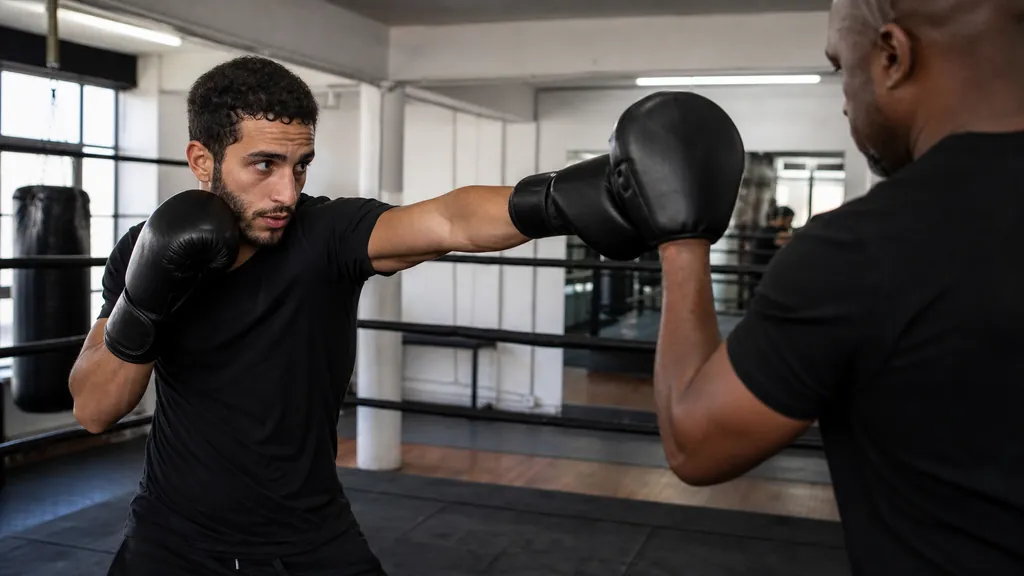
Do not turn the escape into a brawl
The first mistake is throwing while your back is still on the ropes. A big hook may feel brave, but it is often an arm swing with the chin exposed and nowhere to move if it misses.
The second is escaping with crossed feet. You may get past the other boxer, but you have not become safe if you cannot stop, cover or punch from the new position.
The third is making every exit identical. If you always turn the same way after the same cover, a regular partner will soon step across and remove the route. Practise both sides, vary the timing, and keep the options simple.
The fourth is trying to solve ropes pressure alone with bag work. A heavy bag can help you practise a compact guard or a short punch, but it cannot close an angle, feint an entry or make you feel when the space has gone. Use partner drills at a controlled pace, with clear rules and a coach who can stop the action when the shape breaks down.
For more on escaping a straight-line attack before the ropes arrive, read how to follow a retreating boxer without reaching. It explains the other side of the problem: pressure should narrow exits, not force a reckless chase.
The coaching cue is simple: see the pressure, close the line, turn out early, and take the centre back.
If you train in Kidbrooke, Greenwich or nearby, our Recreational Adults boxing classes use pads and controlled partner drills to build ring awareness before anybody is asked to work under real pressure.
H&G Team
Writer at Honour & Glory Boxing Club, a community boxing gym in Kidbrooke, South East London.
KEEP READING
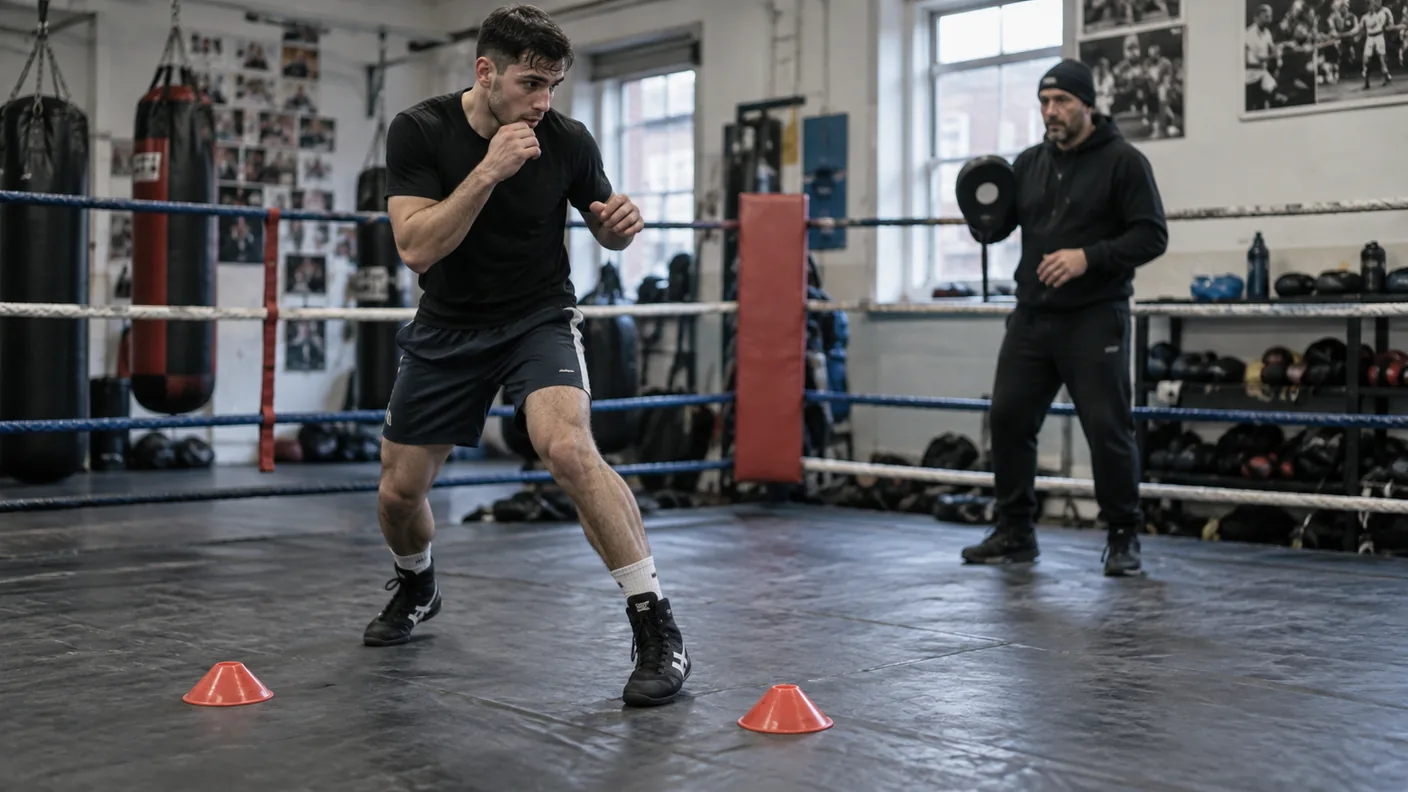
How to Cut Off the Ring in Boxing
Learn to close an opponent's exits with patient feet, a working guard and a simple jab, without following them around the ring.
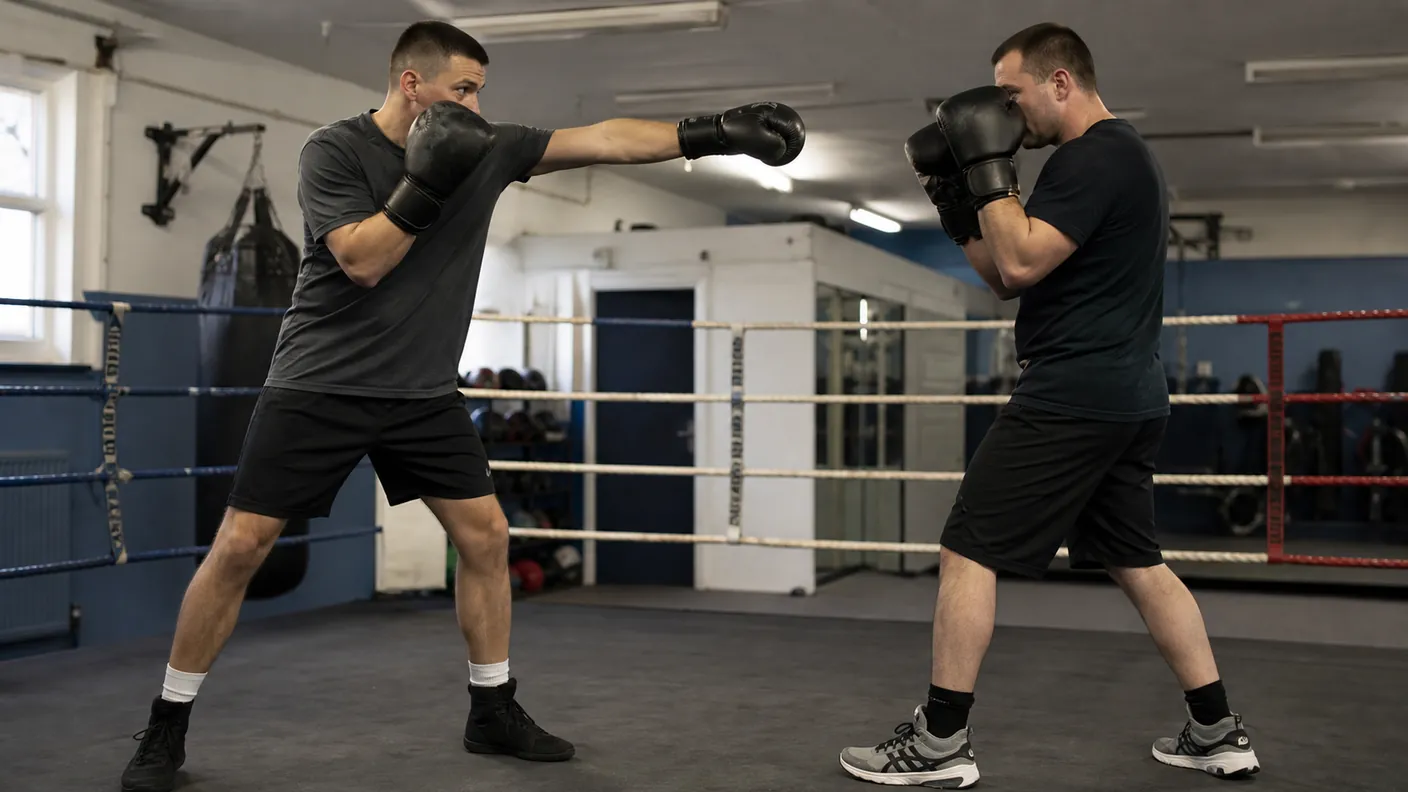
Long Guard Boxing: Keep Range Without Reaching
Use a long guard to judge range, interrupt a jab and leave yourself balanced enough to punch, defend or step away.
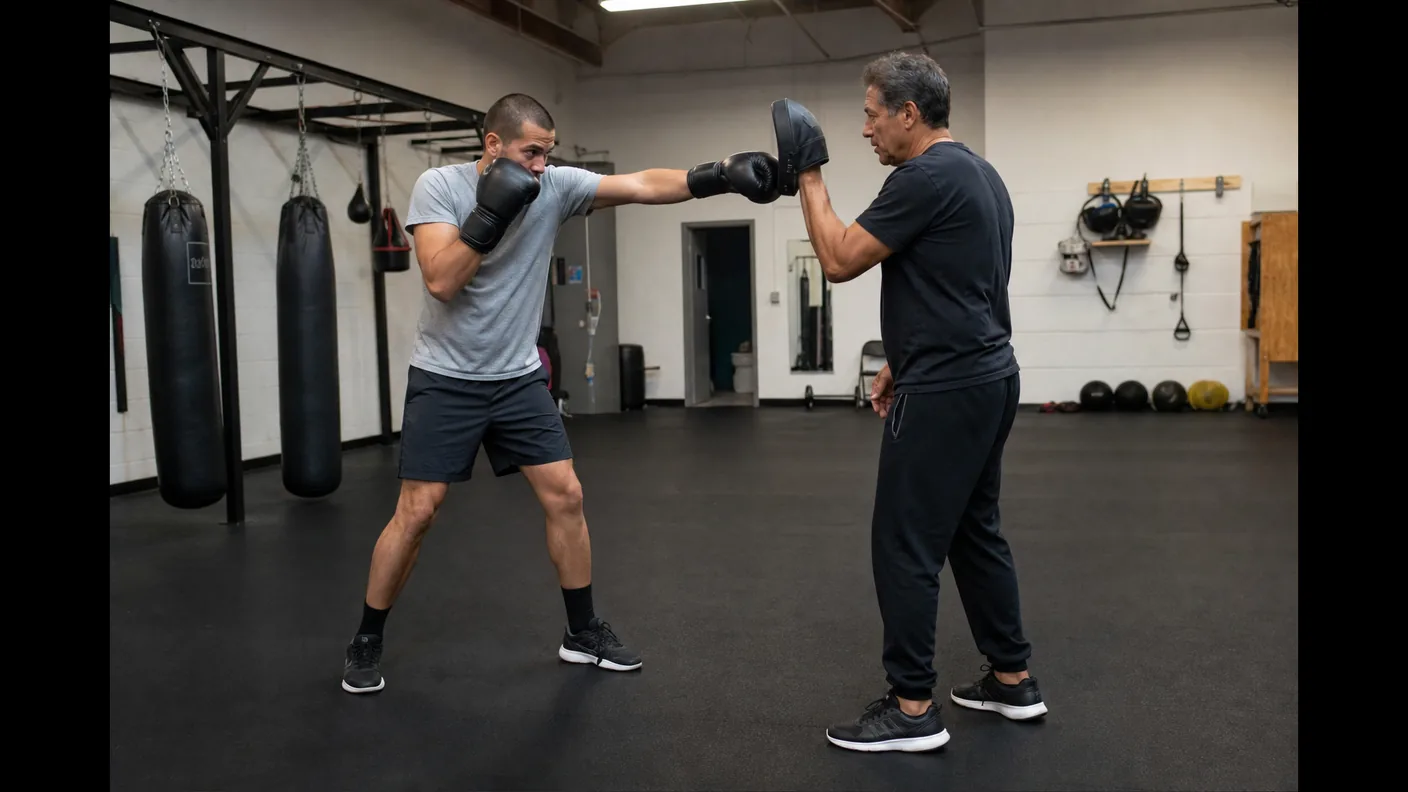
Angle Step Boxing Drill: Stay in Range
Use a compact angle step to keep your punches in range without crossing your feet or chasing a moving partner.
Was this page helpful?
It takes one tap, and it genuinely helps.
Choose your next step
Turn this article into the right action
Some readers are ready to book. Some need the class route first. Pick the route that matches what you actually want.