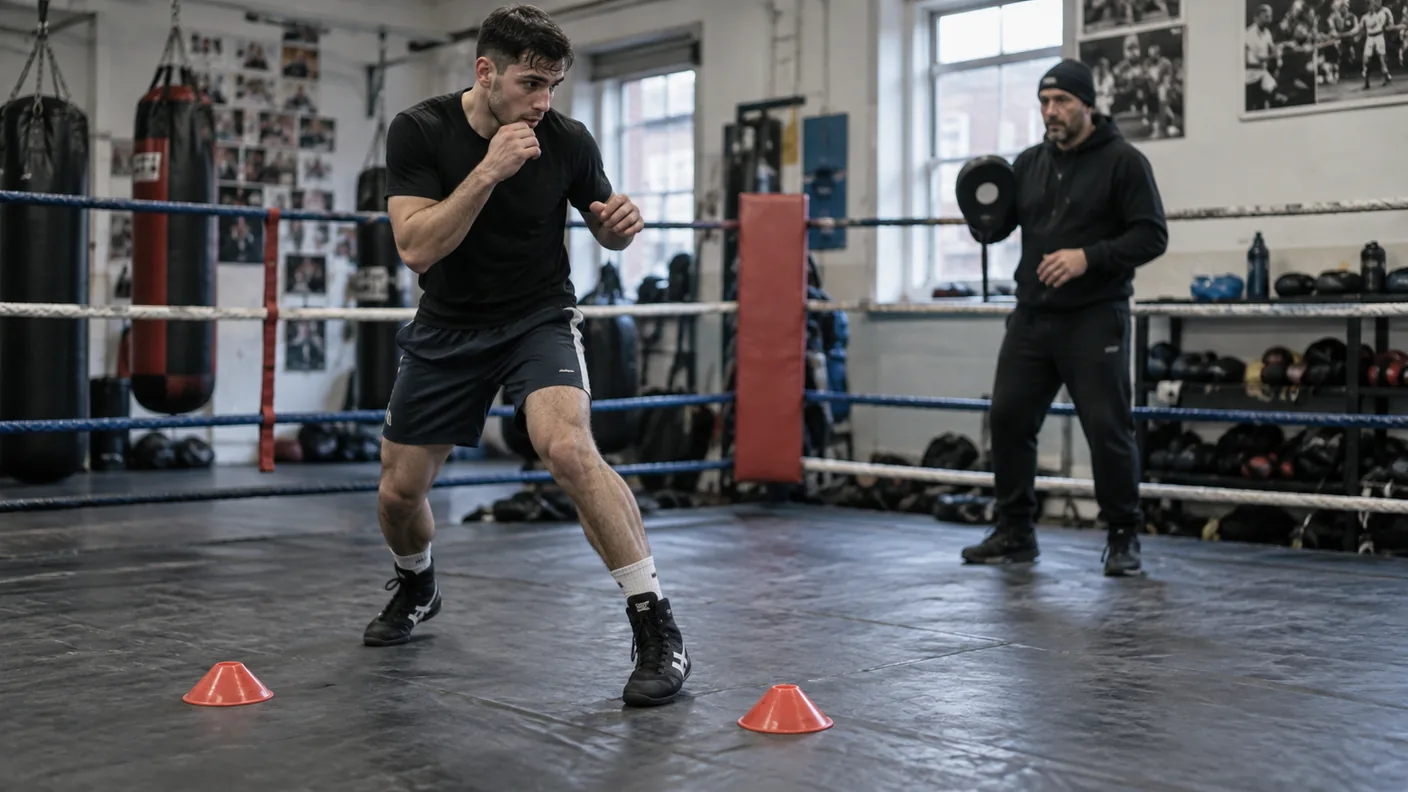
Cutting off the ring is not running after somebody until they hit the ropes. It is patient footwork that makes their preferred exit smaller, while you keep a stance, guard and distance that still let you defend.
That distinction matters. A boxer who chases follows the opponent's back and keeps arriving a step late. A boxer who cuts off the ring notices where the exit is likely to be, takes a small step into that space and makes the other person choose a less comfortable route.
The video below is a useful reference for seeing how controlled pressure works at a high level. Watch the feet and guard more than the punches. For most people in a gym, the useful lesson is not copying a professional's volume. It is learning to close space without falling over the front foot or throwing from too far away.
The aim is to remove one exit at a time
You cannot close every route with one big step. Trying to do so is how boxers overreach and get turned.
Start by treating the ring as a series of small decisions. If your partner likes to move to their left, take a short step that puts your lead shoulder and lead foot closer to that route. Do not square up. Do not cross the feet. You are not trying to trap them immediately. You are asking them to move somewhere else.
That is the central idea: make the easy exit less easy, then read what they choose instead. The England Boxing coaching handbook places stance, distance and decision-making ahead of fancy movement. That order is right. If you lose the stance while trying to close the ring, you have handed the other boxer their counter.
Step to the exit, not their last position
The most common mistake is following a moving opponent in a straight line. Each time they take a side step, the pursuer repeats the same line and ends up pointing at empty space.
Instead, look at their next likely square of floor. A small diagonal step is often enough. Keep the lead foot first when moving towards the lead-hand side, then let the rear foot recover the stance. On the other side, the rear foot may need to adjust sooner. The exact route depends on stance and distance, but the rule stays the same: finish balanced enough to jab, cover or turn.
Do not expect the first step to produce a punch. Good ring-cutting often produces nothing visible at first. That is still useful. If the other boxer has to circle wider, pause, cover or change direction, you have made them spend more effort and shown yourself where they prefer to go.
A review of technical and tactical work in boxing describes effective performance as the connection between movement, defence, attack and tactical choices rather than a collection of isolated punches (boxing performance review). That is exactly the test here. A step that closes space but leaves your chin on the centre line is not good pressure. A step that keeps you able to defend is.
Use the jab as a guide, not a chase button
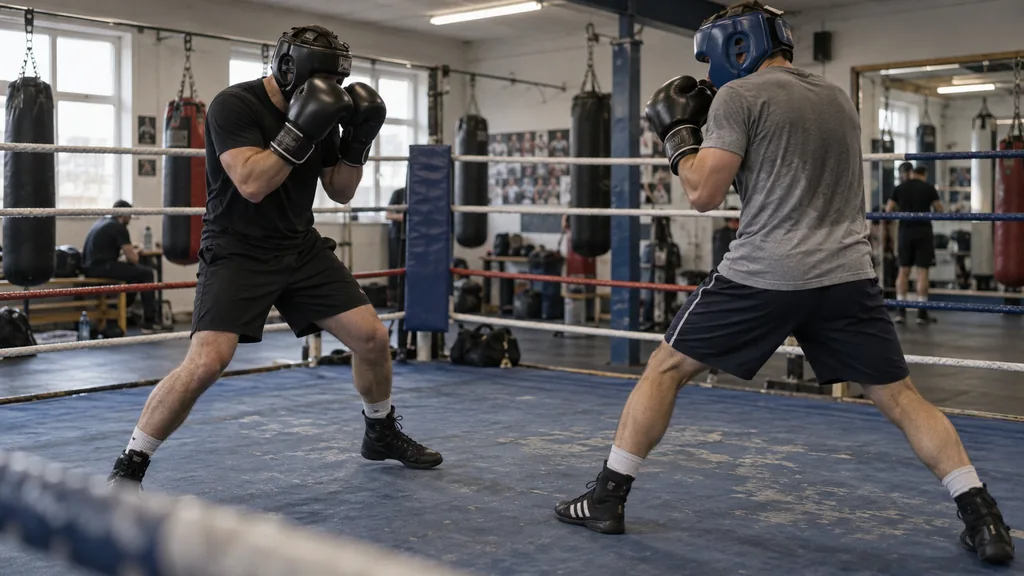
A sensible jab can help you make an opponent move where you want. It might touch the guard, chest or shoulder line. It might simply make them raise their hands while your feet take a small amount of ground.
The mistake is throwing the jab so hard or so far that it pulls you into their exit. A reaching jab makes the shoulder heavy, opens the rear-hand line and gives a mobile partner something to slip around. The pressure disappears because you have committed to the place they have just left.
Think of the jab as a question. If they move away from it, take the route that narrows their next exit. If they cover, you may have time to settle closer. If they jab back, your guard and feet need to be ready before you decide whether to parry, catch or reset.
This is why the basic work in lead-hand control without reaching matters. The lead hand can help you see distance and discourage an easy route, but it must come home. Pressure becomes much safer when the hand is available for the next decision.
Keep the guard compact while you advance
Pressure is tiring when it is organised. It is not tiring because somebody waves both arms while marching forward.
As you close ground, keep both gloves in working lanes. The lead hand can jab or touch. The rear glove protects the far side and stays ready for a catch. The elbows should not flare just because you are keen to make something happen. A compact guard allows you to take a small shot on the gloves, change angle or leave again if the entry is wrong.
This is especially important against a boxer who is waiting to counter. If you come forward tall with your feet too narrow, they do not need to escape. They can wait for the jab, slip outside it or throw straight while you are still moving. Patient pressure asks a question without donating the answer.
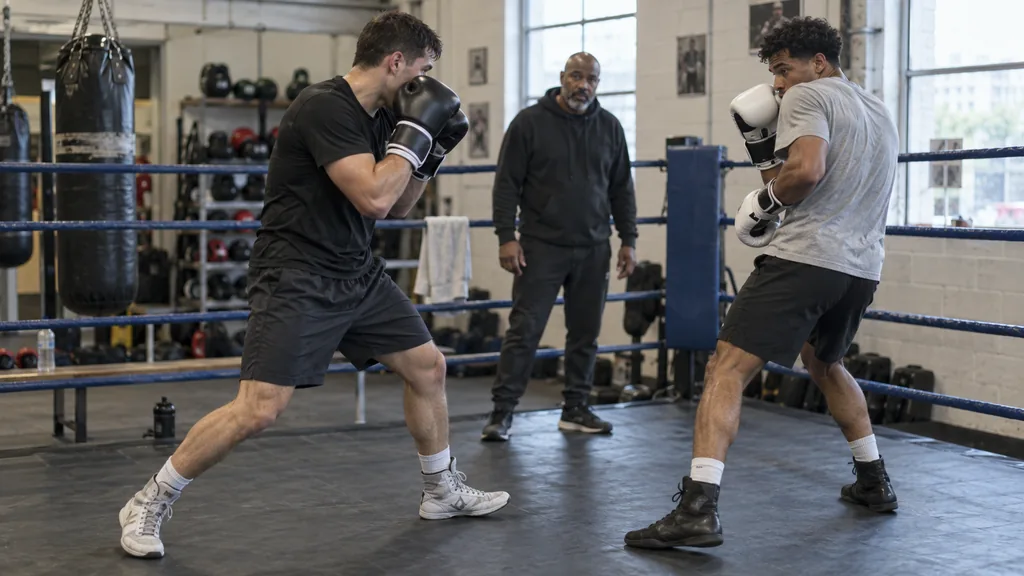
A three-round drill for patient pressure
Keep this technical. Gloves, headguards and a coach are sensible when the drill develops, but the first version needs no hard contact.
Round one: take one exit away
Mark a square with cones or use a quiet section of the ring. Partner A moves only to one side at a walking pace. Partner B follows the exit, not the person, with small diagonal steps and a proper stance.
No punches. The coach watches for crossed feet, lunging and the lead foot landing too close to the partner. The aim is to arrive balanced, not to reach them.
Round two: add a light jab cue
Partner B can now show a light jab to a coach-held mitt or the partner's guarded line, then take one small step to narrow the exit. Partner A may circle, cover or pause.
If Partner A circles, Partner B does not chase with a second long jab. Reset the stance and take the next exit away. This is the round that teaches patience. The jab helps the feet, but the feet still do the real job.
Round three: finish with a safe choice
Give Partner A two exits and allow a slow jab cue back. Partner B cuts one route, keeps the guard ready, then makes one simple choice when the distance changes: a jab to a mitt, a short body touch to a pad, a small turn, or a reset.
There is no prize for forcing the partner onto the ropes and throwing a long combination. The drill is successful when you arrive in range with your balance, eyes and guard intact. If the other boxer turns out cleanly, take the information and begin again.
Four ways pressure turns into chasing
The first is looking at the head and forgetting the feet. When you stare at the person in front of you, you often follow their last movement. Look at the space around them as well.
The second is taking steps that are too large. A big lunge can cover distance once, but it leaves the rear foot behind and makes the next decision slow. Small steps make it easier to adjust when the opponent changes direction.
The third is throwing before the distance is honest. A jab from too far away does not herd anybody. It gives them a line to slip, catch or step around. Close the space with the feet first, then choose the punch that fits.
The fourth is treating the ropes as the finish line. A partner near the ropes can still pivot, clinch or counter. Keep the guard organised and be ready to leave if your entry has become crowded. Our guide on getting off the ropes safely shows why the boxer on the ropes needs an exit. The same principle should make the advancing boxer patient.
For adults in Kidbrooke, Greenwich and nearby, our Recreational Adults boxing classes use coached pad work and controlled partner drills to develop footwork, distance and good decisions before anybody is asked to work at speed.
The cue is simple: close one exit, keep your shape, then read the next answer.
H&G Team
Writer at Honour & Glory Boxing Club, a community boxing gym in Kidbrooke, South East London.
KEEP READING
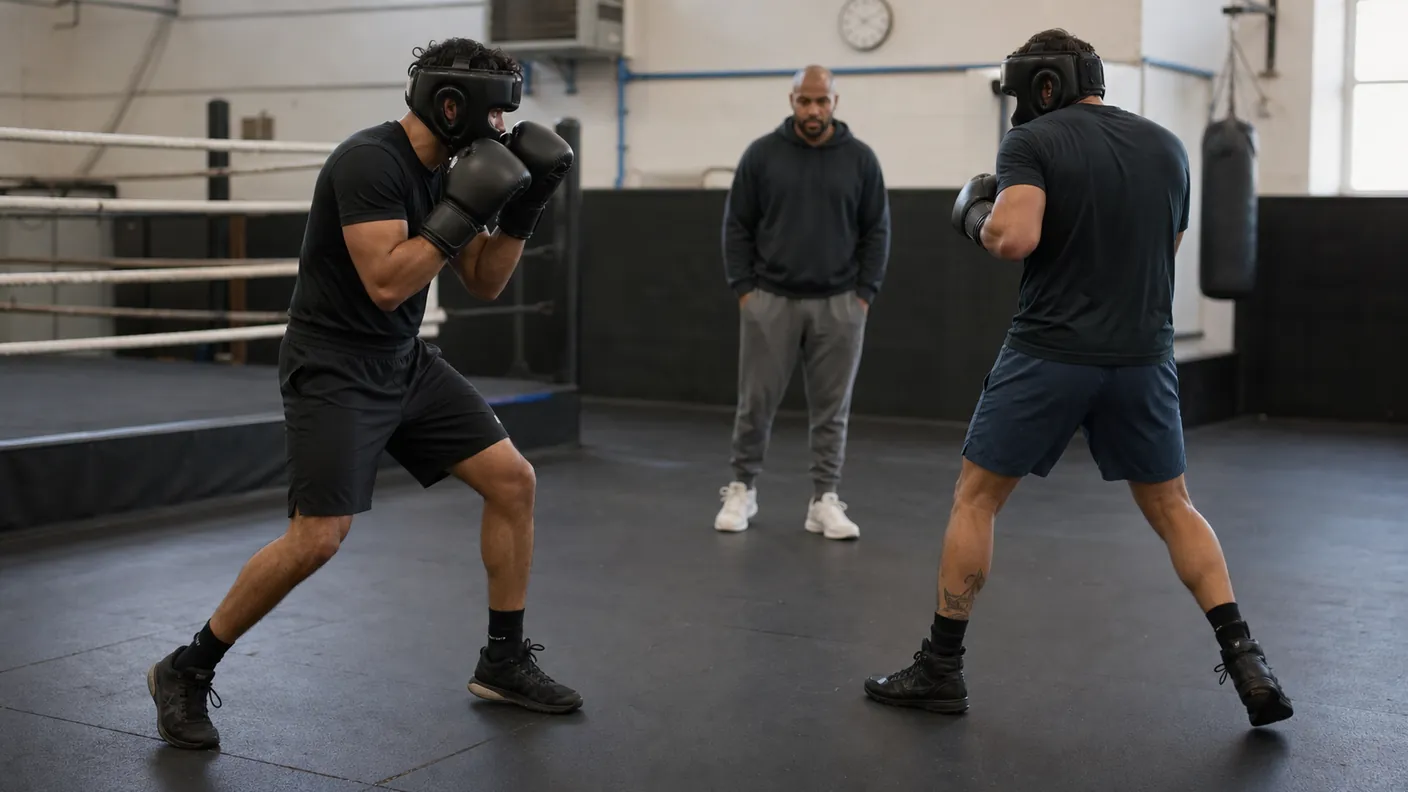
Follow a Retreating Boxer Without Reaching
Learn how to take ground against a boxer who steps back without crossing your feet, leaning for punches or walking into a counter.
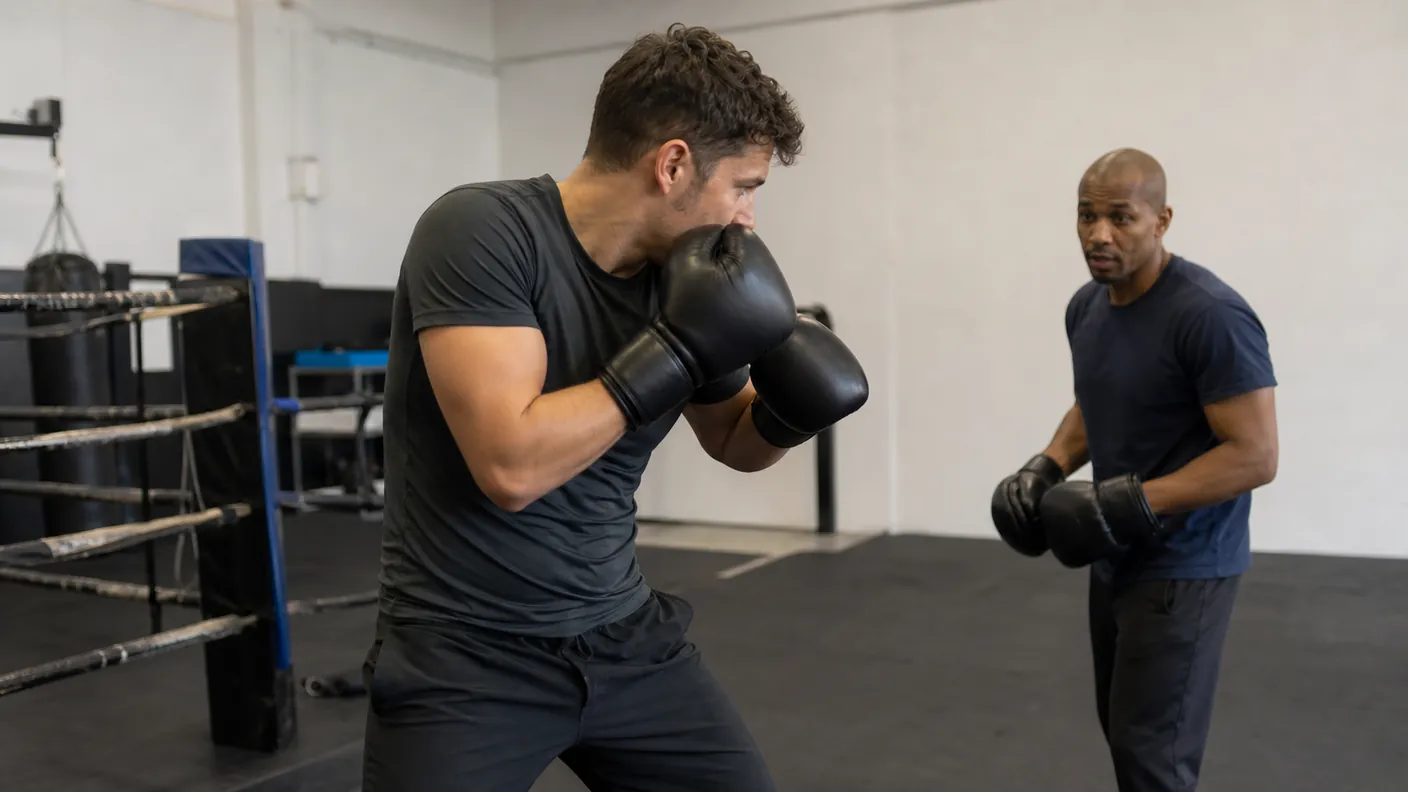
How to Get Off the Ropes in Boxing
A controlled boxing ropes-escape drill for keeping your guard, finding an angle and returning to open space without panic.
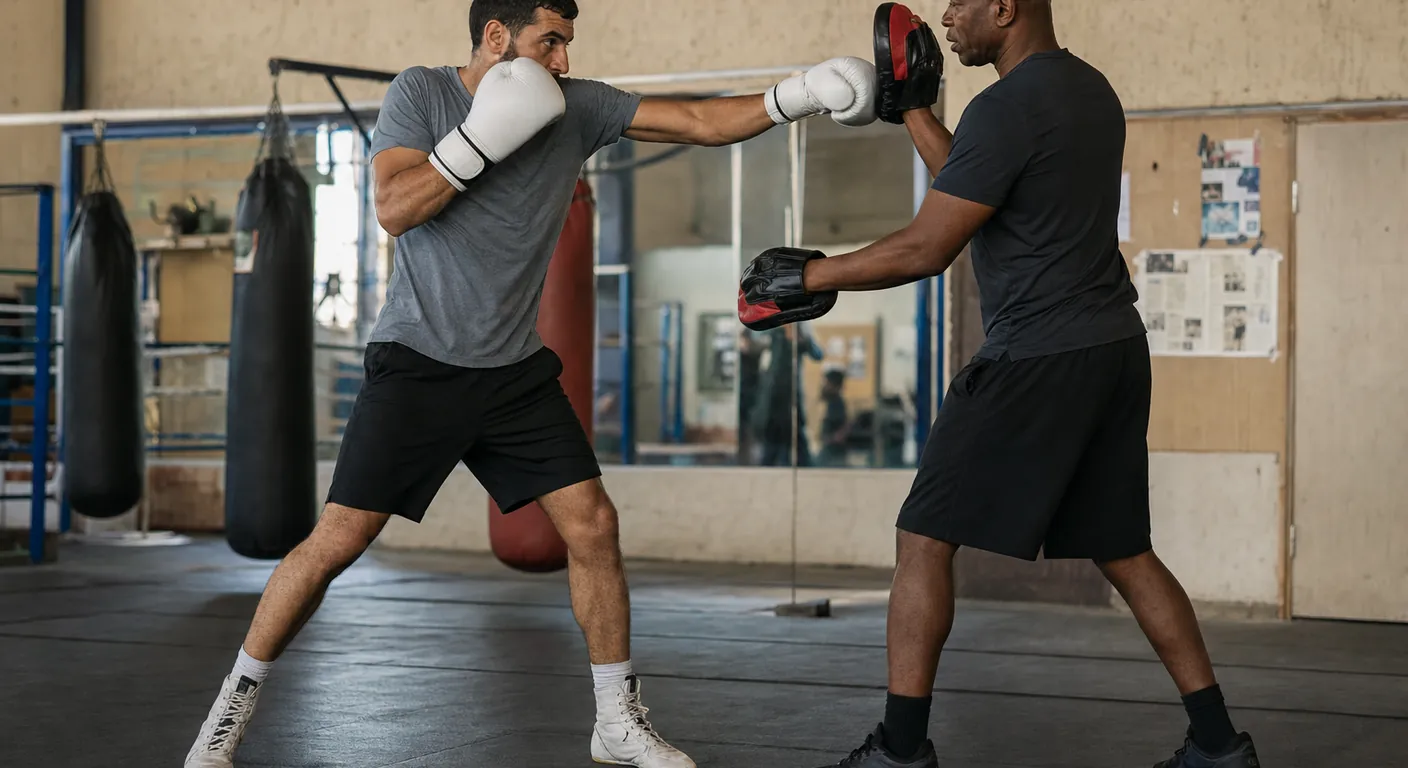
Shift Counter in Boxing: Punch as You Move
Learn the shift counter: a simple way to step off pressure and punch while you change angle, instead of backing up in panic.
Was this page helpful?
It takes one tap, and it genuinely helps.
Choose your next step
Turn this article into the right action
Some readers are ready to book. Some need the class route first. Pick the route that matches what you actually want.