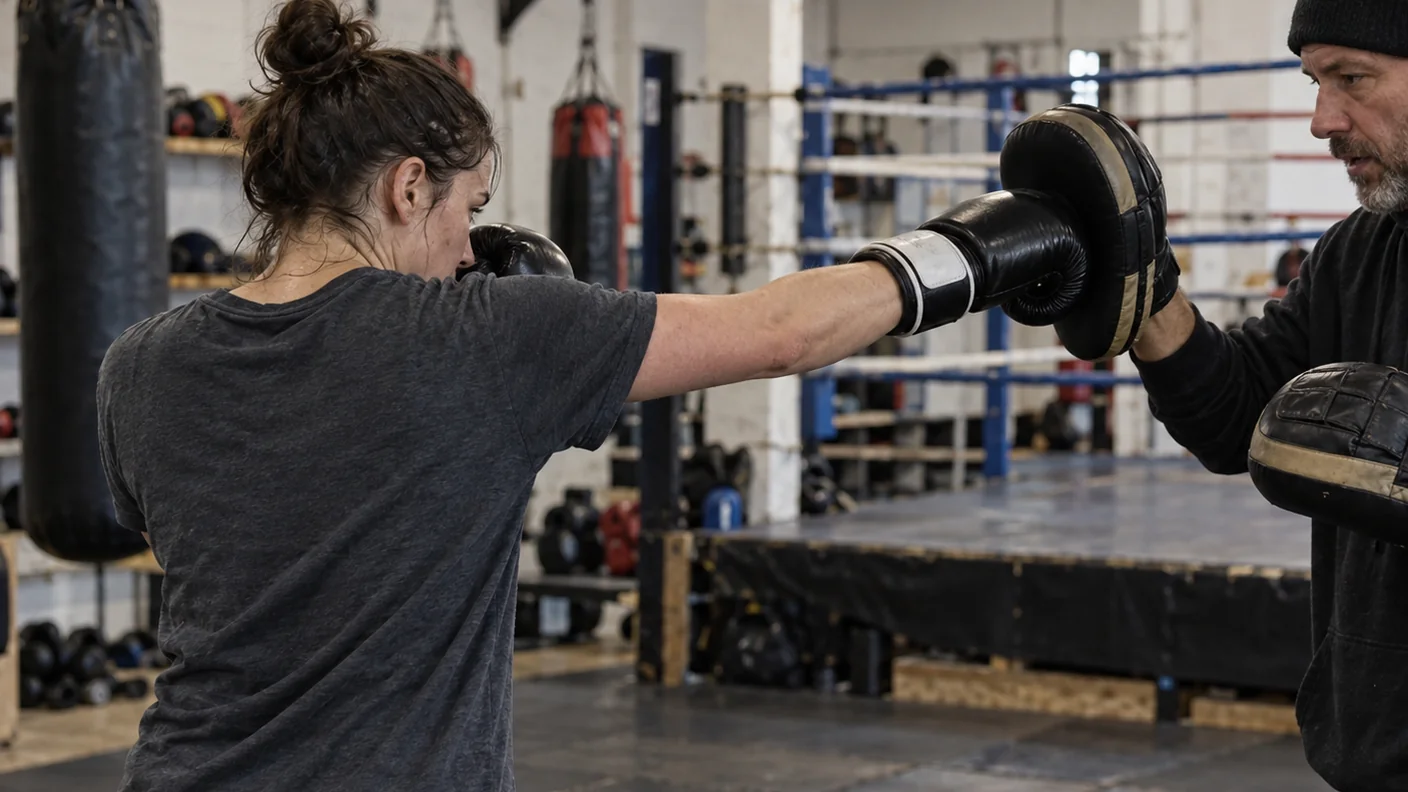
A flicker jab is not a weak version of a proper jab. It has a different job.
The ordinary jab can measure, score, interrupt pressure or set up the rear hand. A flicker jab is lighter and asks a quick question from range: catch, parry, cover, step back or reach?
That makes it useful for a boxer who already has a sound stance and an ordinary jab. It does not replace either. If you cannot throw a straight jab and return it to guard, do not try to make your boxing clever by holding the lead hand low and waving it around.
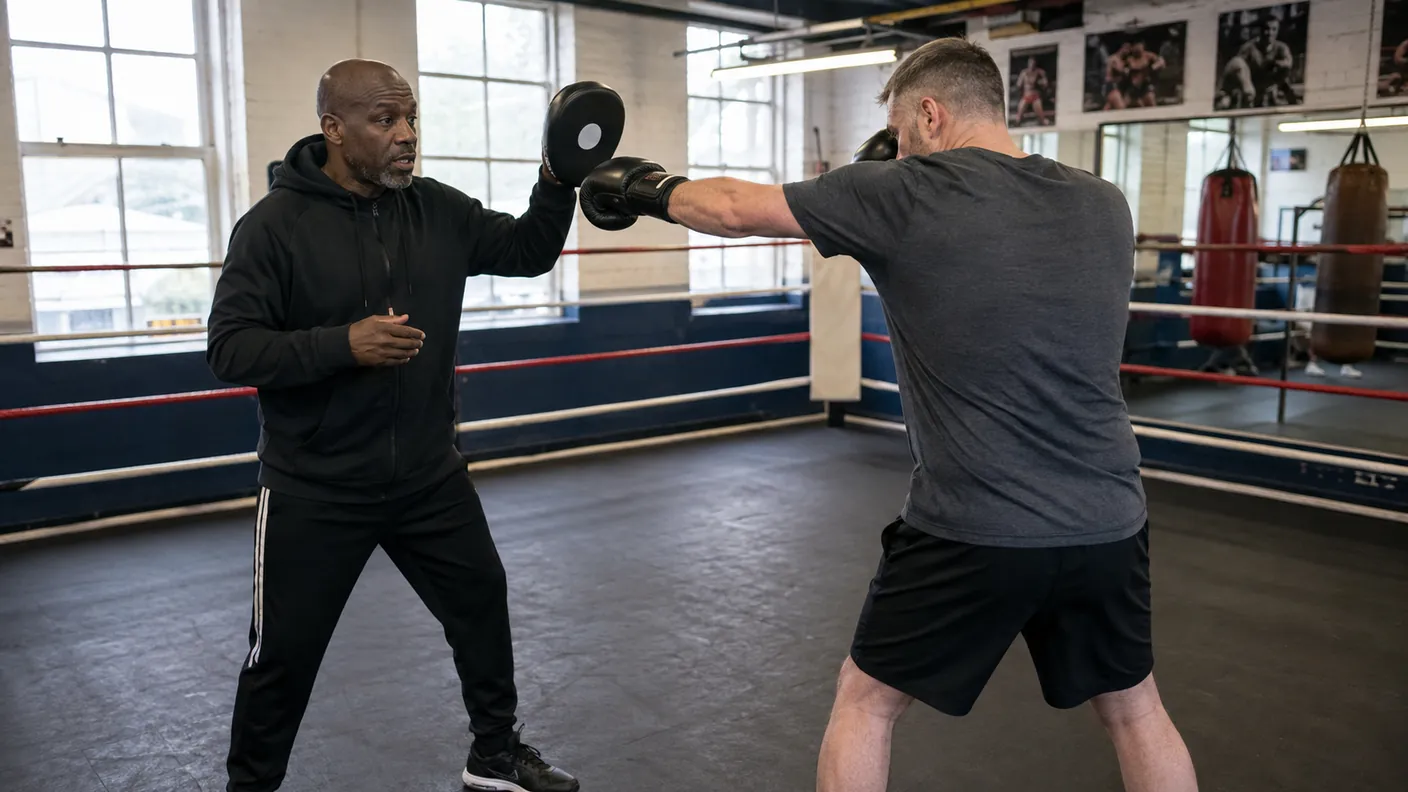
Watch the short demonstration below, then use the drill to keep the jab light without turning it into a loose arm or an open guard.
The flicker jab is a question, not a power shot
A good flicker jab lands with far less commitment than a stiff jab. The shoulder and lead hand stay relaxed, the glove makes a quick touch, and the hand comes home before the other boxer has a clean chance to answer.
The value is not the impact. It is the reaction. A boxer who reaches to parry may leave the centre open. One who raises both gloves may give you a body line. One who steps back may tell you that the range has moved. One who does nothing may simply be calm, or may be waiting for you to repeat the same touch too often.
Throw one, see the answer, then decide whether to jab again, step, use a different feint or reset. A fast hand that nobody is reading is just exercise.
A review of anticipation in combat sports explains that experienced athletes use early movement information to make decisions before a full attack has arrived. The flicker jab gives the other boxer a small signal. Your job is to notice what their early answer reveals.
Keep the hand loose, but not low and lazy
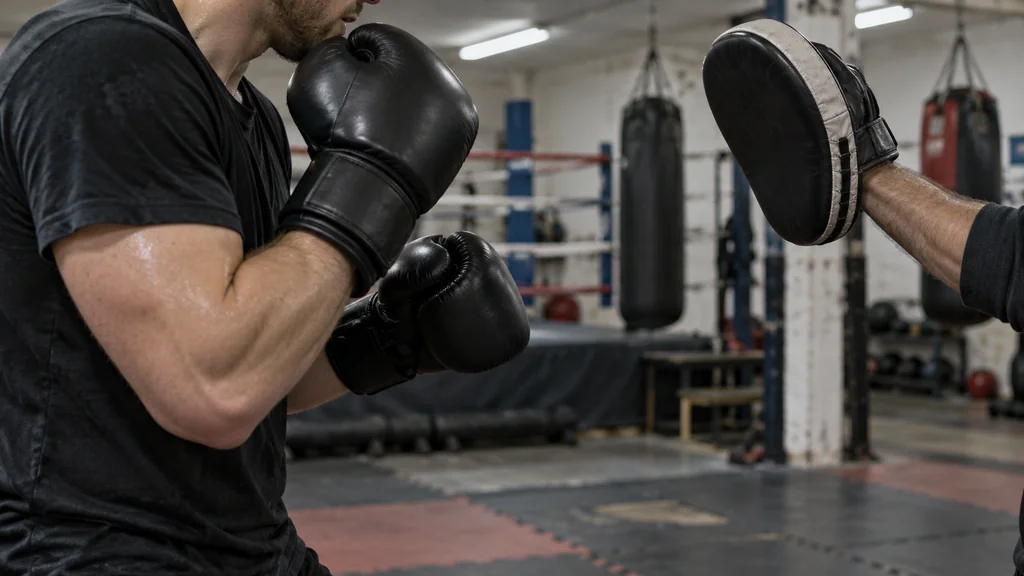
The difficult part is using less effort without losing the shape that keeps you safe. A flicker jab should start from a guard that still makes sense. Your rear glove remains near the cheek. Your chin stays behind the lead shoulder. Your feet remain under you.
The lead hand can relax slightly, but it should not hang at waist height because you saw a professional do it on television. For most recreational boxers, the safer version begins close to a normal lead-hand position.
Let the glove travel only as far as the range requires. There is no need to turn the shoulder hard, step deeply or lean across the front knee. Think of tapping a doorbell, not knocking the door down.
The wrist should stay lined up behind the knuckles. Touch with the legal front of the glove, then bring the hand back along a direct path. Do not slap across the target with the side or back of the glove. A light punch still needs a tidy line.
Our guide to keeping your jab straight without elbow flare is useful here. The flicker jab is lighter, but it still needs the same honest route from shoulder to target and back to guard.
Use the ordinary jab first
A flicker jab works best when the other boxer respects the ordinary jab. If every lead-hand touch is light, they can ignore it, walk forward or wait for you to overuse it.
Start a pad round with normal jabs. Give the coach enough clear touches to expect one, then place a lighter jab with the same opening shape. Change force and rhythm, not the whole punch.
The same rule applies in controlled partner work. Do not fire five light touches in a row because the first one looked quick. Mix them with a full jab, a step out, a quiet pause or no punch. The change is what makes the flicker useful.
A biomechanical review of boxing punches describes punching as an action linked through the legs, trunk and upper body. The coaching lesson is simple: light does not mean arm-only. Your feet and posture still have to leave you ready to punch, cover or move again.
Read one response at a time
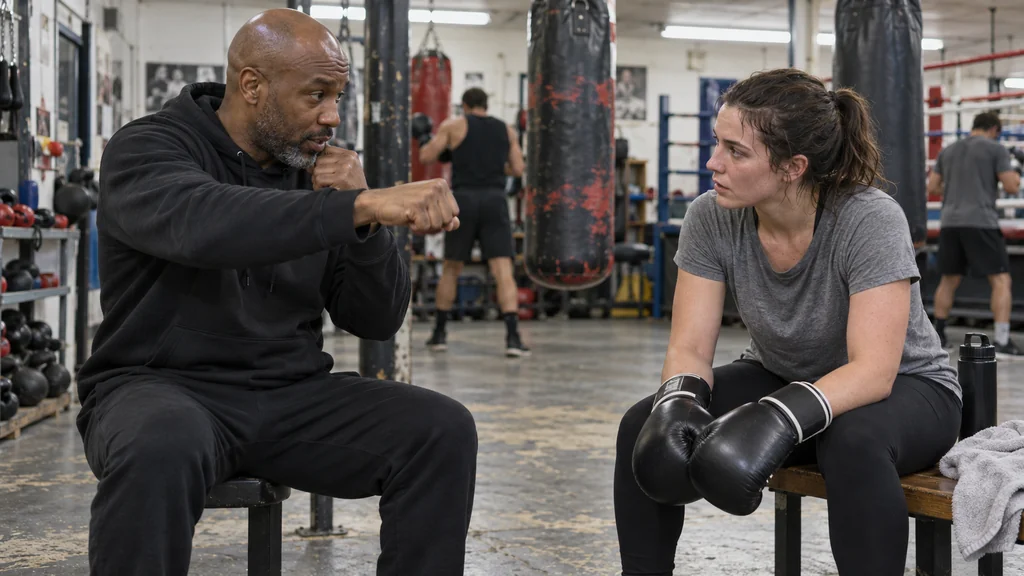
The easiest way to make this drill useful is to agree one response with a coach or partner.
For the first round, the partner shows a clear rear-hand catch. The boxer sends one light flicker jab, sees the catch, then returns to stance. No follow-up. Keep the rear hand, chin and feet in place while the eyes notice the catch.
For the second round, the partner chooses a catch or a step back. If they catch, the boxer brings the lead hand home and places one ordinary jab to a coach-held target. If they step back, the boxer takes one small proper step or resets without chasing.
For the third round, add a high guard. If both gloves rise and the coach shows a body mitt at genuine range, touch it with a controlled body jab. If the mitt is not there, do not lean forward to find it.
This is technical work, not a contest to see who can fool the other person. The partner must give clear, slow pictures. The boxer must accept that sometimes the right answer after a flicker jab is nothing at all.
A three-round flicker-jab drill
Round one: touch and recover
Work on a single focus mitt at ordinary jab range. Throw three regular jabs, then one light flicker jab. Repeat the pattern slowly.
After every light touch, freeze for one count. Check whether the rear glove is still near the cheek, the chin remains covered by the lead shoulder and the feet are still staggered. If the flicker jab pulls the lead hand low or makes the head chase the mitt, reduce the movement.
Round two: touch and identify
The coach now gives one obvious answer after each flicker jab: a catch, a parry shape or no response. The boxer does not throw back yet. Say the answer out loud after each rep, or have the coach confirm it.
This may feel slow, but it teaches the part people often miss. The jab is useful only when you can see what it caused.
Round three: make one calm choice
Now the coach can show a second mitt after the response. Catch means an ordinary jab to the centre mitt. Parry means a small step out and reset. No response means pause, then choose another ordinary jab or leave the space alone.
Keep the choices simple. The flicker jab is a way to make the next decision clearer, not a reason to collect elaborate combinations. If the body is falling forward or the lead arm is staying extended, return to round one.
Four mistakes that make the flicker jab useless
The first is treating it as a pose. Dropping the lead hand for long stretches gives the other boxer a clearer target than it gives you. Use the loose touch briefly, then return to a working guard.
The second is flicking from too far away. A light jab cannot solve bad distance. If the glove only reaches by stretching the shoulder and head forwards, take a proper step with a standard jab instead. Our guide to finding range without reaching shows how to close that gap without losing the stance.
The third is throwing every flicker jab at the head. The jab can touch the glove, chest line or a coach-held mitt. Different targets produce different reactions. If every light touch aims at one place, the other boxer gets a simple pattern to read.
The fourth is adding a hard follow-up automatically. Sometimes the reaction gives you a clean next punch. Sometimes it gives you a reason to cover or move. A flicker jab has done its job when it gives you information, even if the next action is a reset.
Where it fits in training
Use this after you have warmed up with ordinary jabs and before faster bag or conditioning rounds. It suits a boxer who is settled enough in stance to make small choices, but it does not require hard sparring. Shadowboxing, padwork and a slow agreed partner drill are enough.
For adults in Kidbrooke, Greenwich and nearby, our Recreational Adults boxing classes use controlled padwork and partner drills to build range, timing and guard habits without rushing people into hard exchanges.
The coaching cue is simple: touch lightly, read clearly, return ready.
H&G Team
Writer at Honour & Glory Boxing Club, a community boxing gym in Kidbrooke, South East London.
KEEP READING
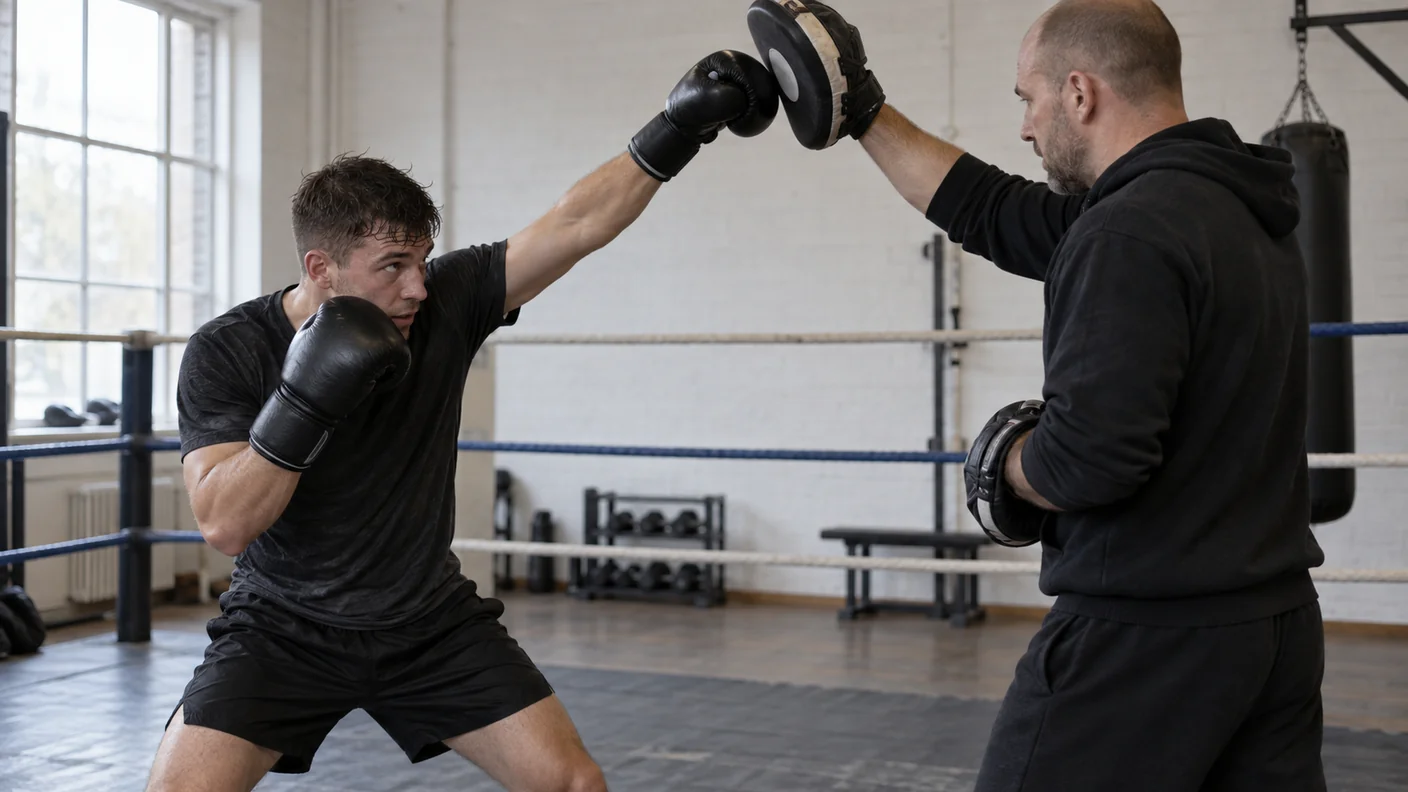
How to Use an Up Jab in Boxing
Use a compact up jab to change the line, test a high guard and keep your stance ready for the next decision.
The Delayed Jab: A Simple Boxing Timing Drill
Use a small shoulder cue before the jab to change the rhythm, draw a reaction and keep your stance ready for the next decision.
The Body Jab: A Safe Boxing Setup
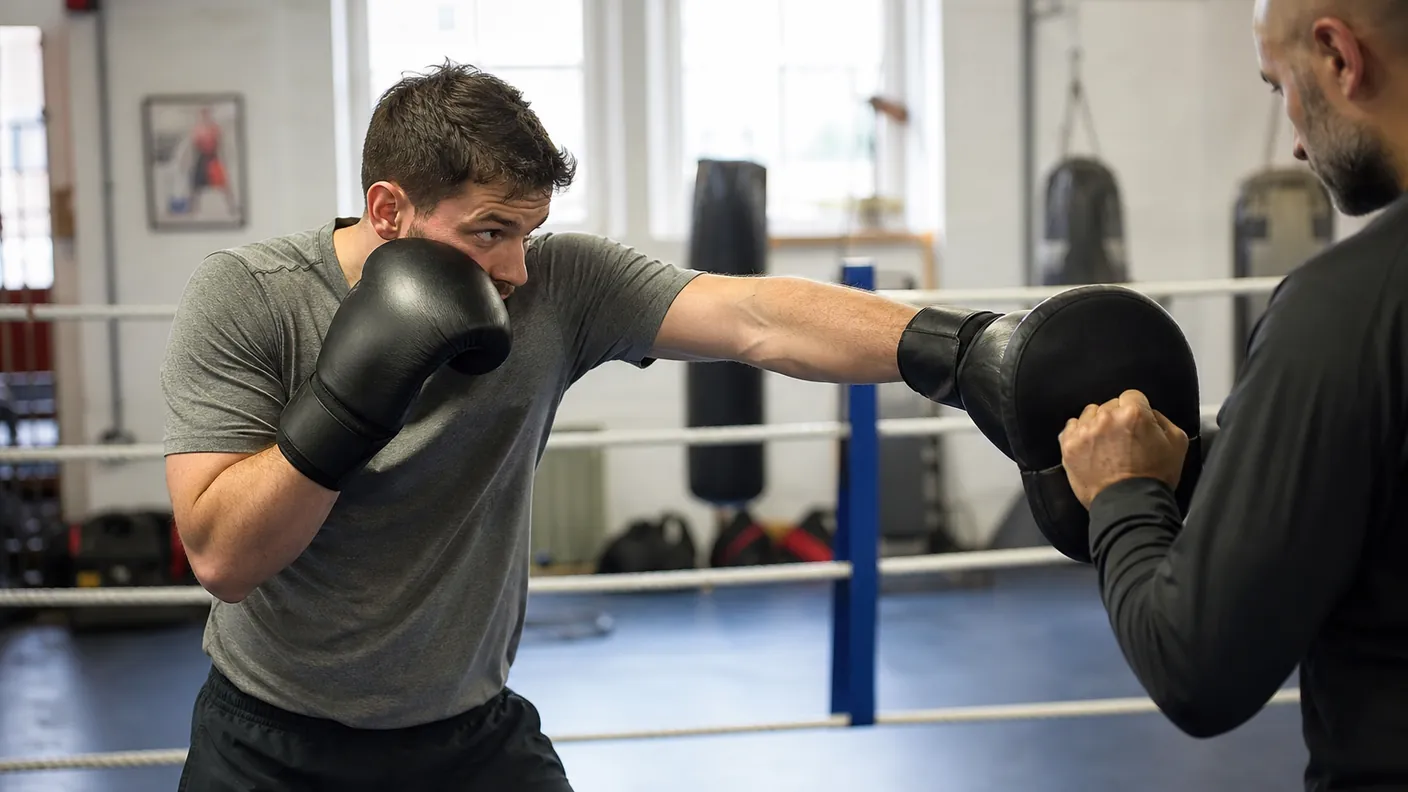
Use a compact body jab to change the target, check range and set up the next decision without falling over your front foot.
Was this page helpful?
It takes one tap, and it genuinely helps.
Choose your next step
Turn this article into the right action
Some readers are ready to book. Some need the class route first. Pick the route that matches what you actually want.