Catch and Shoot Boxing Counter: A Hook Defence Drill
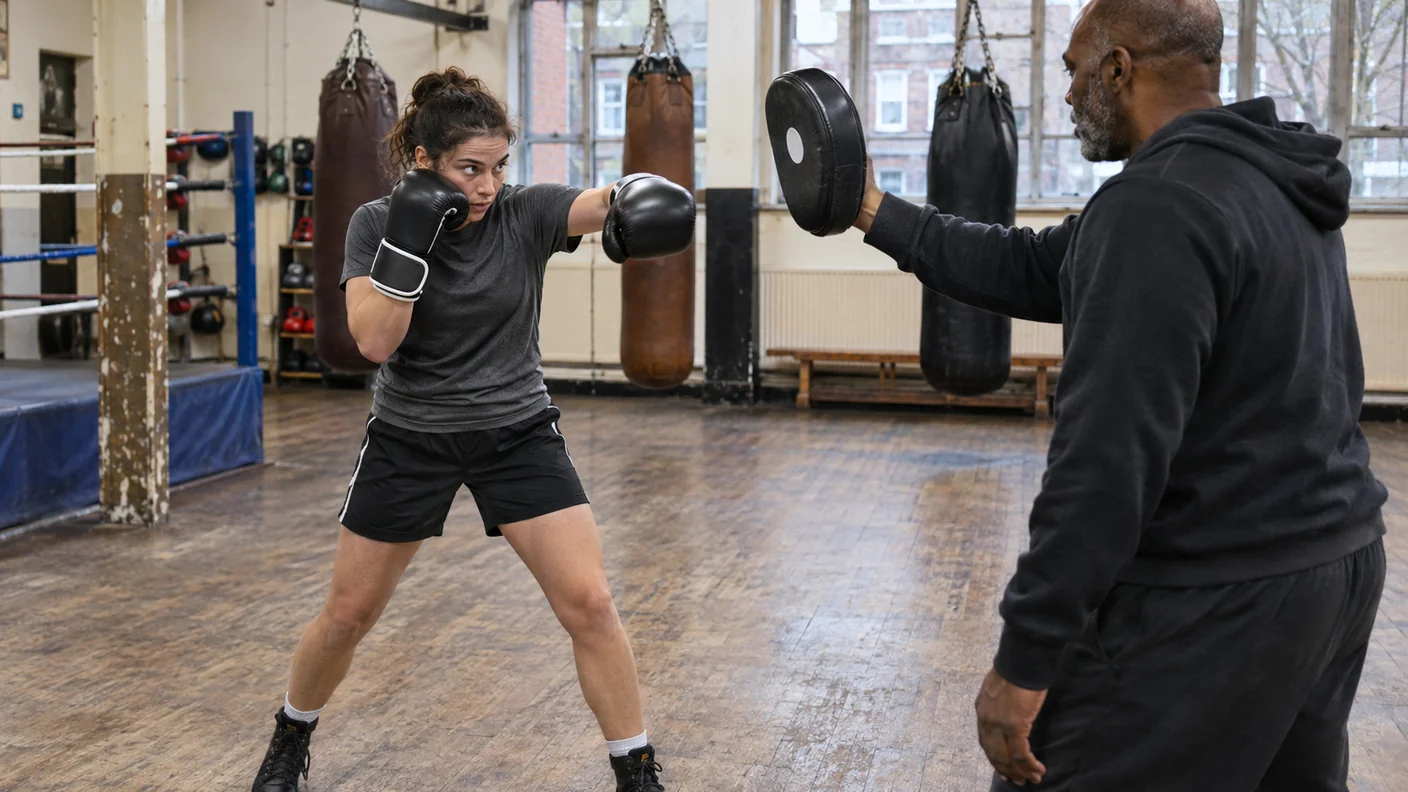
A hook catch can be more than a way of surviving a wide punch. If your feet stay underneath you and the glove stays close to home, it can leave you ready to answer with one short, balanced shot.
That is the point of a catch-and-shoot drill. Catch the agreed hook cue, keep your posture, then return only if a coach has given you a real mitt target. It is not a licence to trade hooks at close range. It is a way to stop defence and offence becoming two separate movements with a pause between them.
For a beginner, the useful lesson is restraint. The catch does not automatically earn a counter. You need to see the target, keep the far glove in place and know that the distance still works. If any of those things have gone, bring both gloves home and reset.
Watch the video once for the overall rhythm, then use the progressions below at a slow, coach-led pace.
What catch and shoot means in boxing
In this drill, the first glove receives or covers a slow hook-shaped cue close to the head. The same hand then returns on a short line to a coach-held mitt, usually as a compact uppercut or hook depending on the agreed target.
The phrase can make it sound automatic. It is not. The catch is defence first. The return exists only because a slow, pre-agreed drill has established the line, range and target. In sparring, the other boxer may be too close, may have another punch coming, or may have stepped away before the return is available.
This is why it belongs after a boxer understands basic guard and hook defence. Our guide to blocking hooks in boxing is the better starting point if you are still learning where the gloves and elbows should sit. The catch-and-shoot version is a next step for someone who can cover without closing their eyes or falling backwards.
For an orthodox boxer facing an orthodox partner, a slow lead-hook cue can be caught on the lead glove while the rear glove stays near the cheek. The lead hand can then take the short centre-line route to a lead uppercut mitt. Southpaws reverse that picture. The side is less important than the order: protect first, see clearly, then place one measured response.
Keep the catch close enough to protect you
The hook catch is small. Bring the glove and forearm into the hook line near your own temple and cheek, with the elbow still able to help cover the ribs. Do not reach sideways in an attempt to meet the punch early. A wide hand gives away the middle and makes it harder to return in balance.
Keep the chin behind the shoulder and glove. Your eyes should stay on the coach or partner rather than following the incoming glove. If your body bends at the waist or your weight falls heavily onto the back foot, you might stop the first cue but you have removed your own punching platform.
England Boxing puts balance, guard and controlled technical progression at the centre of its coaching handbook. That is a practical standard for this drill. After the catch, can you still stand in your usual stance, see the next cue and move either way? If not, make the hook cue slower and smaller.
The far glove matters just as much. When the lead hand is receiving a hook, the rear hand should not drop to admire the catch. A counter that lands on a mitt but leaves the other side of your face empty is not good practice.
Let the return come from a settled stance
The return should feel short and plain. A lead uppercut is a sensible target after a caught lead hook because the other boxer may have opened the middle while their arm travelled around the side. It is not a big scoop from the waist.
Keep the elbow bent, let the legs and hip make a small turn, and send the glove to a mitt held at an honest height. The glove returns to guard as soon as it lands. You are not trying to win a highlight reel. You are trying to prove that the catch left you in a usable position.
A review of boxing biomechanics describes the link between lower-body movement, trunk rotation and punching actions. The gym version is easier to remember: if the feet are stuck, the counter becomes an arm swing. If the stance is still alive, a short punch can be sharp without a dramatic wind-up.
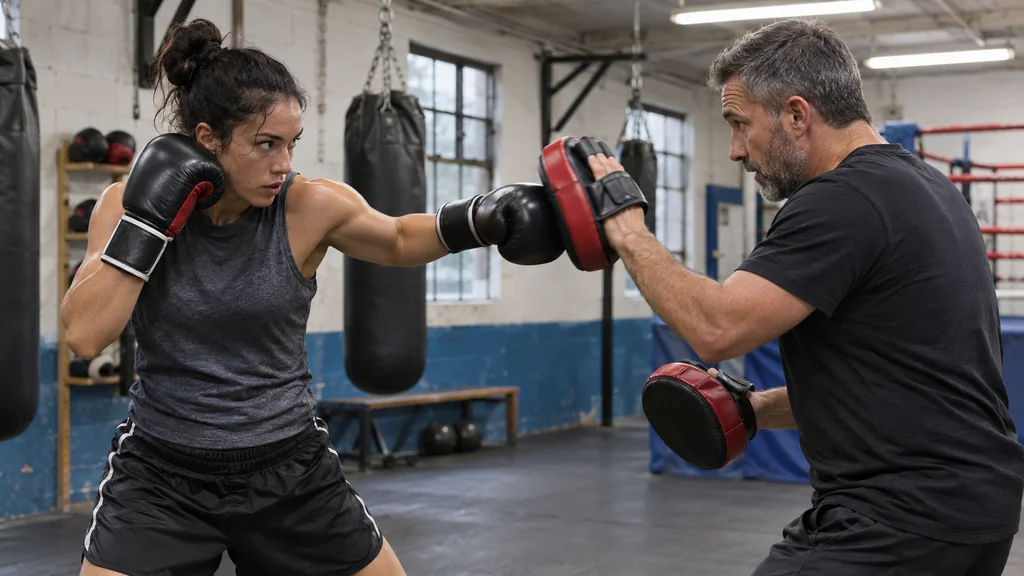
Do not force a same-hand answer every time. If the catch has put you too close, cover and turn out. If the partner is already withdrawing, move your feet before you think about punching. If the coach shows a different target, take the shot that matches the actual picture or reset. The drill is building judgement, not a favourite trick.
Build the catch-and-shoot drill in three rounds
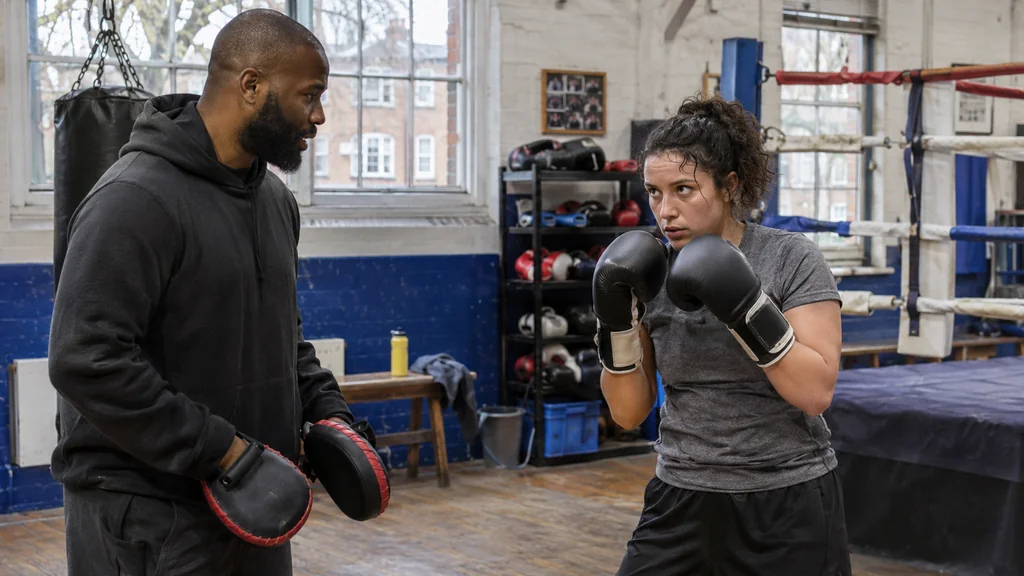
Use a coach with focus mitts, or a trusted partner with clear rules. Work at technical pace. The hook cue should be slow enough that the defender can see it and make a compact decision without flinching. Do not turn this into free sparring or hard hook exchanges.
Round one: catch and hold your shape
The coach presents one slow hook-shaped mitt cue to the agreed side. Catch it close to the head, keep the far glove home and hold the finish for one count.
Check three things before the next repetition. Your feet should still be staggered, your head should be between them, and the catching glove should not be pushed out beyond your shoulder. There is no return punch in this round. Ten tidy catches are more useful than fifty hurried ones.
Round two: catch and touch one mitt
Use the same hook cue. Once the catch has landed, the coach presents one clear mitt for a short uppercut or hook from the catching side. Touch it with control, then bring both gloves back to guard.
The coach should remove the second mitt on some repetitions. When it is not there, do not throw into empty space. Catch, recover and reset. That detail is what separates a coached response from a pre-planned combination.
Round three: add a simple choice
The coach can now show one of three endings after the hook cue: a centre-line mitt, no mitt, or a small step in with both mitts close. The boxer catches and makes one answer.
If the centre-line mitt appears at honest range, use the short return. If no target appears, reset. If the coach closes the distance, cover, take a small exit or follow the next defensive cue. The goal is to finish every repetition able to defend again, not to land a counter on every repetition.
Four mistakes that spoil the drill
The first is treating the catch as a slap. Your glove should close the hook line near home, not chase the glove across the room. Reaching makes you late for the next punch and leaves your centre exposed.
The second is leaning away from the hook. A slight turn is normal, but a big lean shifts the weight beyond the rear foot and makes the return long. Keep the knees ready and the chest over the stance.
The third is pulling the catching glove down before the return. The uppercut or hook begins from a compact position. If the hand drops to the hip first, the counter becomes obvious and the guard disappears.
The fourth is ignoring the next punch. A hook can be the start of a combination, not the end of one. In a technical drill, let the coach decide when the follow-up exists. In sparring, assume another punch may be coming until you have made space or regained a safe guard.
A review of anticipation in combat sports found that experienced performers use early movement information more effectively than novices. You do not need to become a mind-reader. Start by watching the chest, shoulders and lead side rather than staring at one glove. That gives you more time to choose whether the cue is truly a hook, a feint or the start of a longer sequence.
Where this fits in training
Use this drill after basic hook blocks and before any faster partner work. It works well in a short technical section of a recreational session, especially for adults who want to make their defence feel more useful without needing hard sparring.
If you want a simpler defence-first option, our lead-hand catcher mitt drill teaches a light response to the jab. For a different counter picture, see our high guard block to lead hook drill. These are not rival answers. They are different tools for different lines and distances.
For adults in Kidbrooke, Greenwich and nearby, our Recreational Adults boxing classes use pads and controlled partner drills to connect guard, footwork and counter choices without rushing beginners into hard sparring.
The coaching cue is simple: catch close, stay balanced, return only when the target is real.
H&G Team
Writer at Honour & Glory Boxing Club, a community boxing gym in Kidbrooke, South East London.
KEEP READING
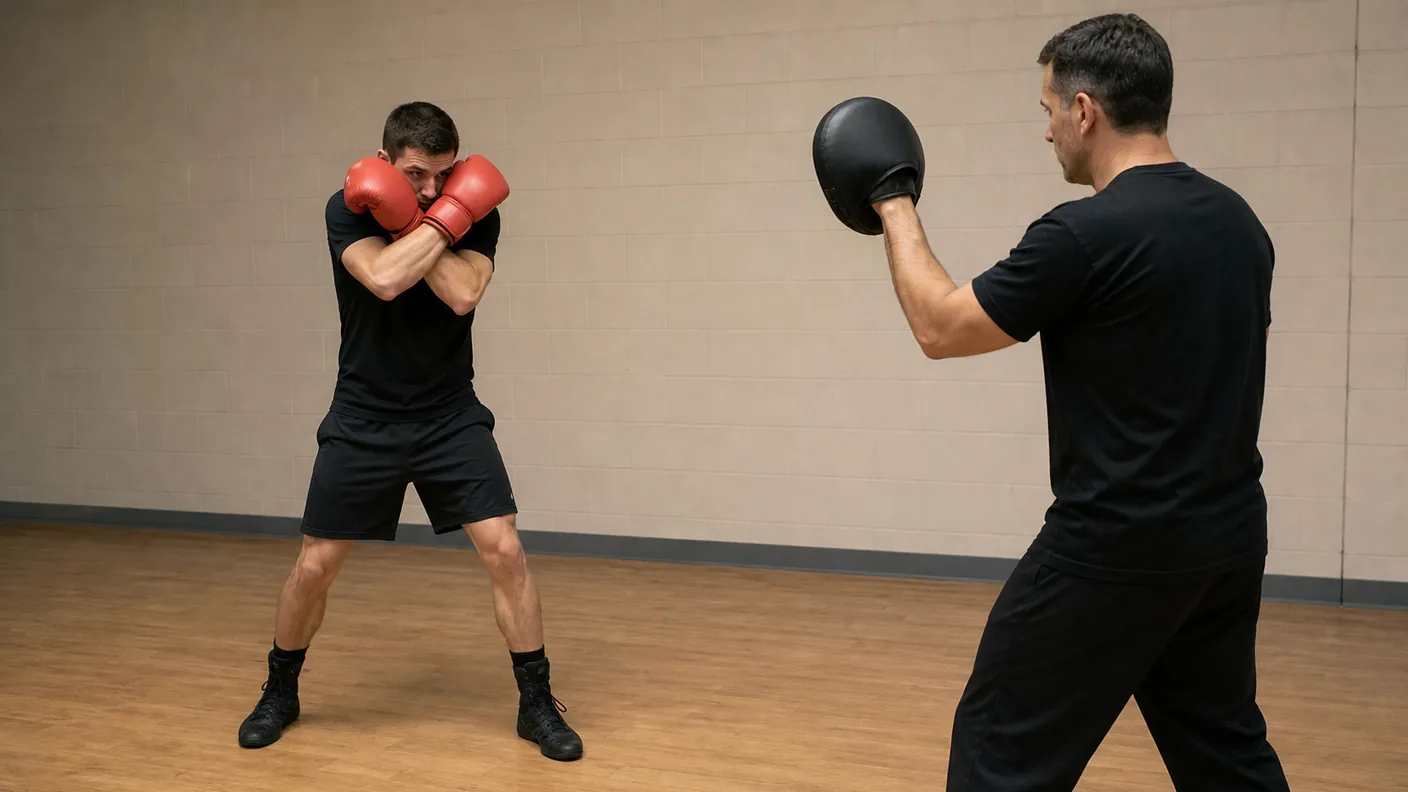
Cross Guard Catch and Return in Boxing
Use a temporary cross guard to cover a straight line, feel the contact and return to a balanced boxing stance.
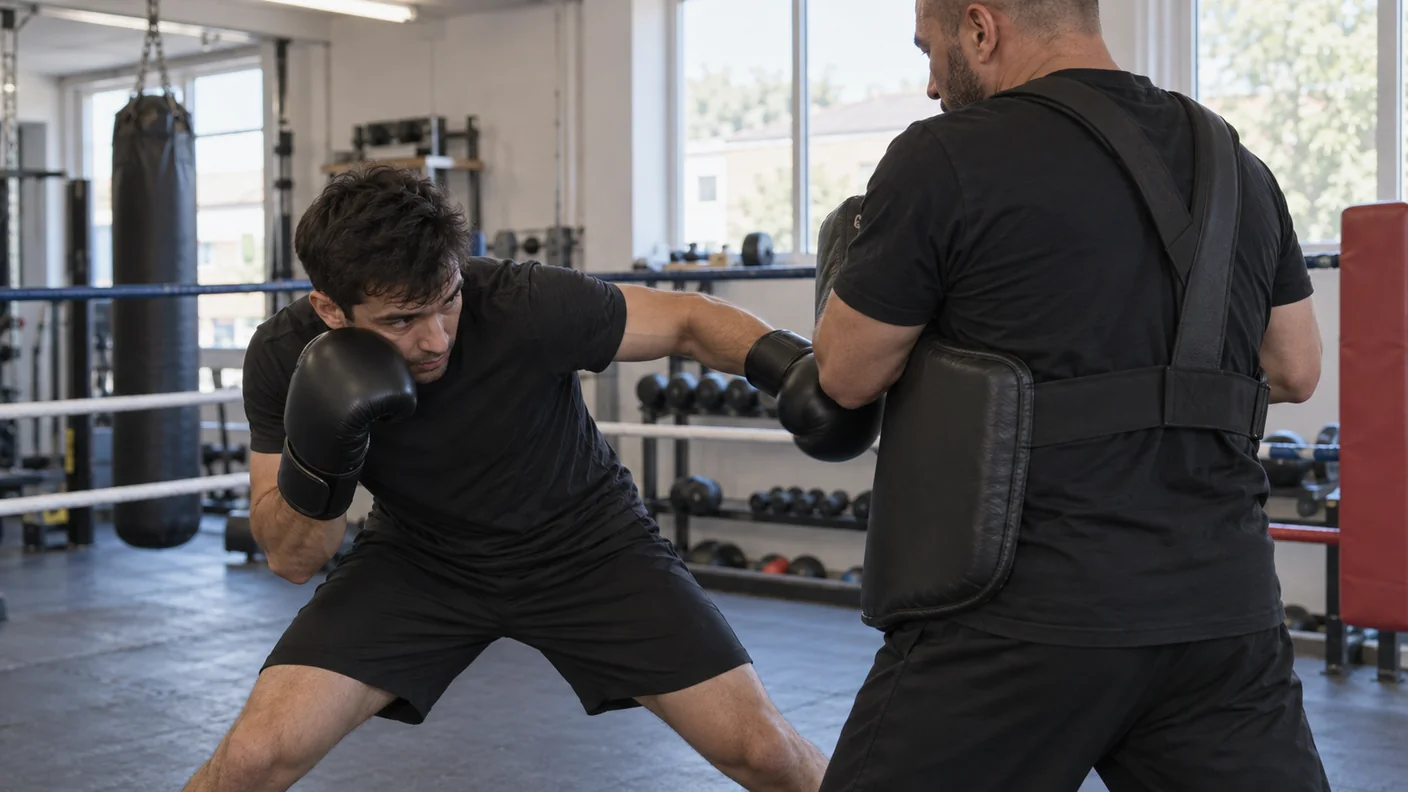
Inside Slip Lead Hook: A Controlled Jab Counter
Use a small inside slip and a compact lead hook only when the jab, range and guard make the counter an honest option.
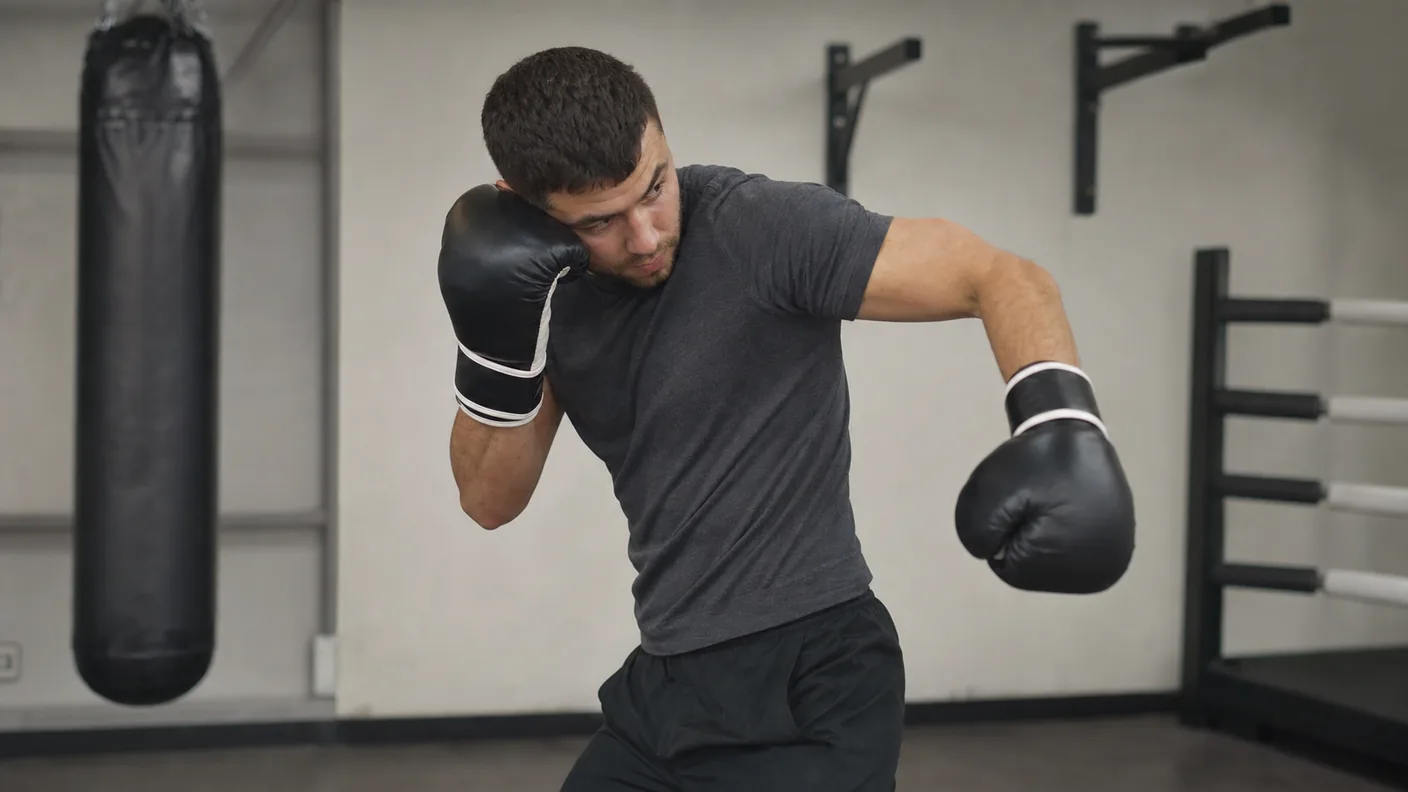
One-Two, Block, Hook: The Next Boxing Answer
Use a compact block after the one-two, then return with a lead hook without losing your stance or chasing the exchange.
Was this page helpful?
It takes one tap, and it genuinely helps.
Choose your next step
Turn this article into the right action
Some readers are ready to book. Some need the class route first. Pick the route that matches what you actually want.