Can You Box With Eczema? Sweat, Gloves and Flare-Ups
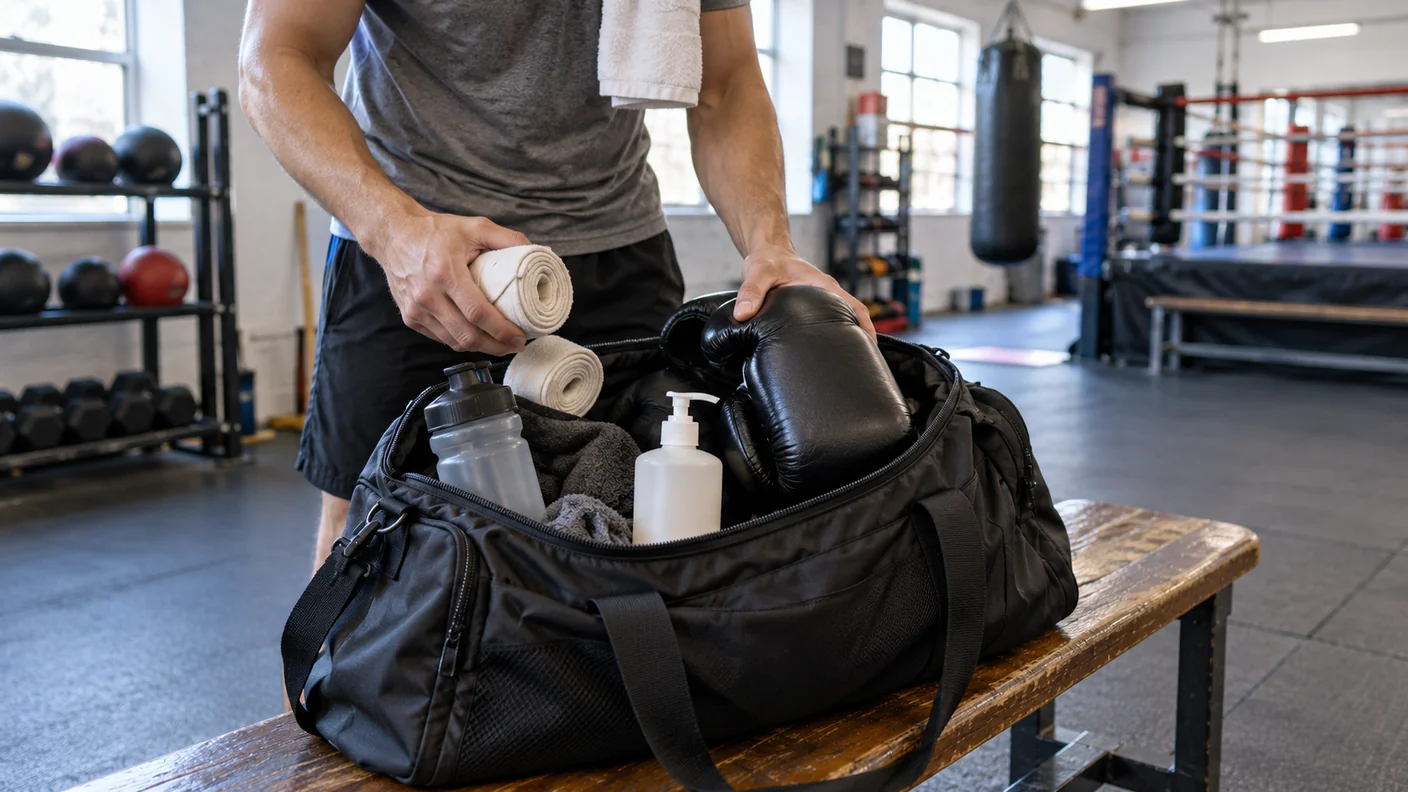
Usually, yes. Eczema does not make boxing off limits, but it does give you a few practical jobs before you throw on the gloves and try to forget about it.
The useful distinction is between training through a manageable skin condition and pretending a bad flare-up is nothing. Boxing brings heat, sweat, glove cuffs, hand wraps, shared surfaces and a fair amount of rubbing. None of those automatically rules you out. They do mean that your kit, your clothing and the way you return after a flare-up deserve more thought than they would for somebody whose skin never complains.
The NHS guide to atopic eczema lists heat, temperature changes, soap, detergent and some fabrics among common things that can make symptoms worse. That is a useful starting point for a boxer. You are not trying to find a perfect gym environment. You are trying to remove the irritants you can control and be honest about the ones you cannot.
Start with the condition you have today
A calm patch of eczema and hot, cracked or weeping skin are not the same training question.
If your skin is settled and you know your usual triggers, a coached non-contact session may be straightforward. You can work stance, footwork, shadowboxing, bags, pads and conditioning without any need for sparring. At Honour and Glory, Adult Recreational boxing classes are built around that kind of coached training, not a requirement to take punches.
If your skin is very sore, split, infected-looking or making normal movement uncomfortable, do not use a hard boxing round as a test. The NHS advises urgent assessment for eczema that becomes blistered, crusty, leaking fluid, painful, swollen or warm, especially if you feel unwell. That is no longer a question for a coach or a blog. It needs appropriate clinical advice.
Eczema is not contagious. An infected skin problem is a different matter. Do not quietly cover it, borrow somebody else's kit and hope a glove will hide it. Tell the coach you need to sit out or change the session, then deal with the skin first.
Sweat and heat are often the real irritants
Many people can handle boxing itself but find that a hot gym, sweat trapped under a sleeve or the rush after hard bag rounds makes their skin sting or itch.
That does not mean you should avoid exercise altogether. Eczema UK notes that sweat can irritate inflamed eczema, while also advising that activity can still be worthwhile with sensible preparation and aftercare (Eczema UK on exercise and eczema). The practical lesson is to stop treating every session as a maximum-effort test.
For the first few sessions, work at a pace where you can notice what your skin does. Keep the warm-up measured. Use neat punches and controlled bag rounds rather than smashing the bag until your top is soaked. Take the break when your skin starts feeling hot or prickly, not twenty minutes later when you are scratching through your sleeve.
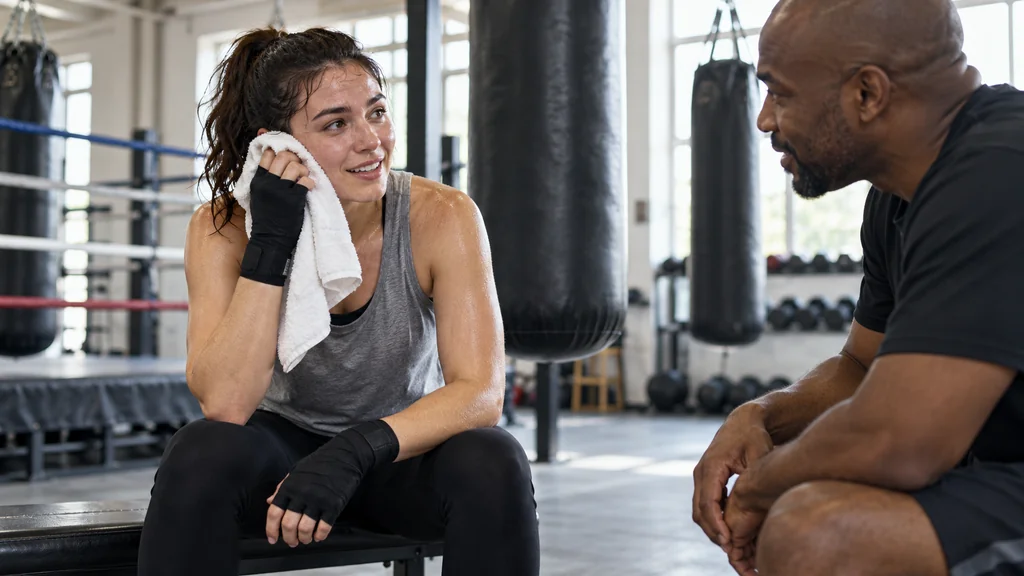
A clean towel helps. Blot sweat rather than rubbing the same patch of skin aggressively. Bring water. If heat is a regular trigger, arrive in a layer you can take off, and avoid turning up in heavy cotton that stays wet against the skin for the journey home.

Choose kit that does not start an argument with your skin
Boxing kit is simple, but it sits close to the parts of the body that often get irritated: hands, wrists, elbows, shoulders and the neck.
Start with the fabric you know you can tolerate. A soft, breathable top that does not rub is more useful than the latest compression layer. If a glove cuff or rough seam reliably bothers your wrist, mention it before class. A coach can alter a drill, pad round or wrap setup. There is no technical benefit in making every punch through a distraction.
Hand wraps deserve attention. They hold sweat, sit directly on the skin and can turn into a problem if they are left damp in a gym bag for days. Have at least two pairs so one can be washed and dried properly while the other is in use. Our guide to washing boxing hand wraps covers the basic routine.
Avoid sharing wraps, towels, emollients or personal gloves. That is ordinary gym hygiene, not a special eczema rule. Keep your own items clean, let gloves air after training and put dry clothes on before you leave. If you use an emollient, follow the plan you have already agreed with a pharmacist or clinician, and make sure it has absorbed before you put on wraps or gloves. Slippery hands inside gloves are not a clever workaround.
Tell the coach early and keep it simple
You do not need to explain your medical history to a room full of strangers. One plain sentence before class is enough: “I have eczema and heat or friction can bother my skin. I may need to take a short break or change a drill.”
That gives the coach useful information. They can avoid putting you straight into a long, frantic bag round, offer a lower-friction alternative, and understand why you might keep a towel and water close. It also removes the temptation to suffer in silence because you do not want to look difficult.
Good coaching is about adapting the work without making it a drama. If a long sleeve, specific wrap position or lighter first round lets you train consistently, use it. The aim is not to win one punishing session. The aim is to keep coming back and get better at boxing.
For people travelling from the area, the Greenwich boxing area guide has the practical first-session details. Bring the kit that works for you, arrive a few minutes early and speak to the coach before the warm-up starts.
Build a short after-training routine
The best time to manage sweat is just after the session, not after a long trip home with damp clothes pressed against your skin.
Pack a clean top, a towel, water and the skin-care products you already use. As soon as practical after training, get out of the sweaty layer. Have a short lukewarm shower or wash in the way that suits your normal eczema routine, then moisturise as directed. The NHS recommends keeping cool, avoiding known irritants and using emollients regularly for atopic eczema. Those habits matter more than buying an expensive “sports” product that may irritate your skin.
Keep the routine boring. Wash wraps. Air gloves. Do not leave a wet towel rolled in the bag. Do not use heavily scented sprays inside gloves and assume that is hygiene. If a product, detergent or fabric has made you itch before, do not introduce it on the day you decide to train hard.
Our guide to boxing gym etiquette has the wider club standard. Clean kit and a little awareness make the gym easier for everyone, including the person next to you on the bags.
When should you pause boxing?
Pause or adjust a session when the skin is too sore for normal kit, when sweating or rubbing is clearly making it worse, or when your usual eczema plan says that training should wait.
Get medical advice rather than guessing if the skin changes quickly, becomes painful or warm, leaks fluid, develops crusting or pus, or you feel feverish or generally unwell. The NHS advice is especially important here because infected eczema can need treatment. Do not diagnose it from a mirror between rounds.
There is a middle ground between “train exactly as normal” and “give up boxing”. A light footwork session, controlled shadowboxing or a rest day can all be sensible. If you have recently had a flare triggered by another skin issue, our guide to boxing after a tattoo makes the same useful point: the session has to fit the skin you have today.
The honest answer
You can often box with eczema if you manage your own triggers, keep kit clean and dry, and give a coach enough information to help you train sensibly. Non-contact beginner training gives you plenty to work on without forcing a skin problem into a harder setting than it needs.
Do not let embarrassment make the decision for you. Tell the coach. Wear what feels right. Start controlled. If the skin is angry, adapt the session or take the day off. Boxing rewards consistency far more than it rewards one heroic round through discomfort.
H&G Team
Writer at Honour & Glory Boxing Club, a community boxing gym in Kidbrooke, South East London.
KEEP READING
How to Clean Boxing Gloves (And Make Them Last)
Most beginners ignore this until the smell becomes unbearable. Here is how to clean boxing gloves properly and extend their lifespan significantly.
Beginner Boxing Gloves UK Buying Checklist
Beginner boxing gloves UK checklist: size, fit, price band, wraps and first-pair mistakes before you buy. Use this after the ranked beginner glove guide.
How Should Boxing Gloves Fit?
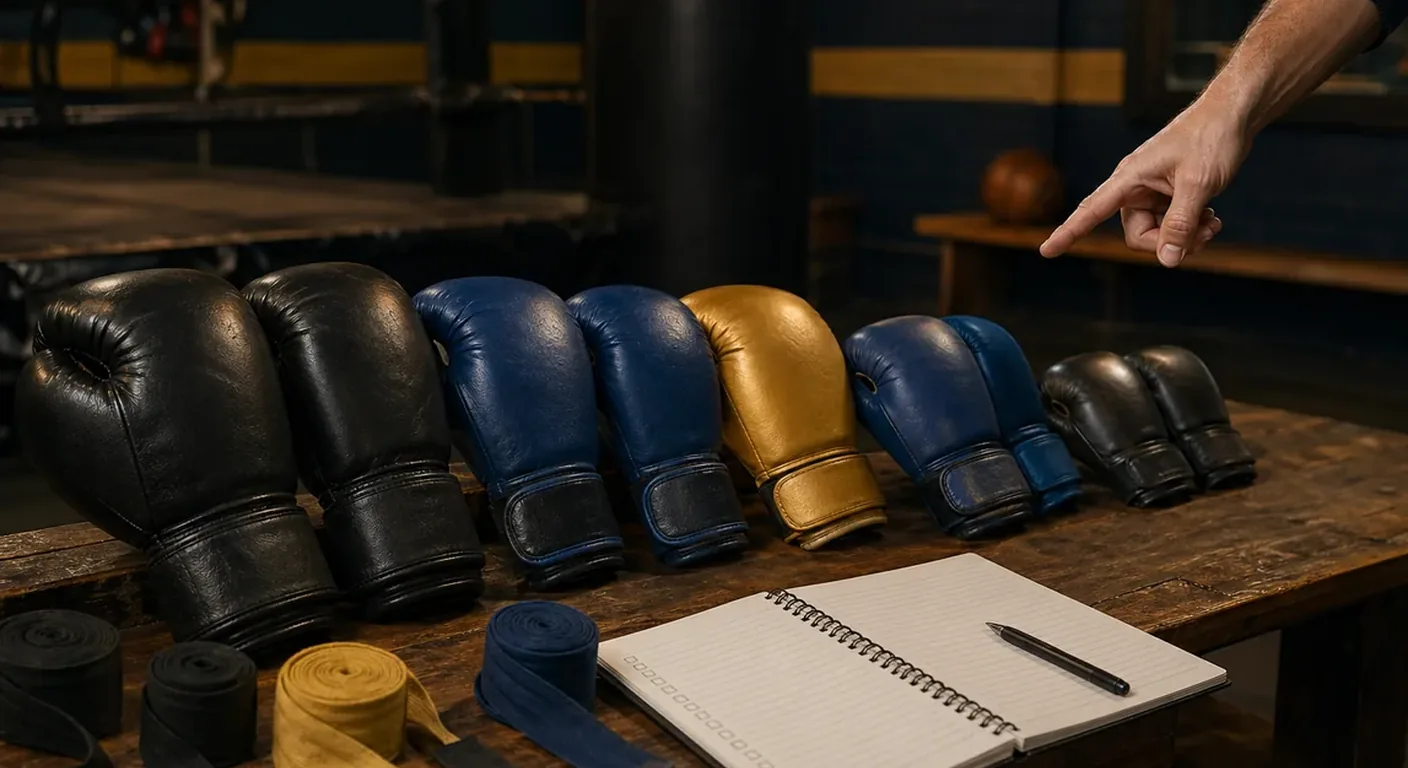
A practical guide to boxing glove fit: snug hands, straight wrists, wraps, weight, and the mistakes beginners make.
Was this page helpful?
It takes one tap, and it genuinely helps.
Choose your next step
Turn this article into the right action
Some readers are ready to book. Some need the class route first. Pick the route that matches what you actually want.