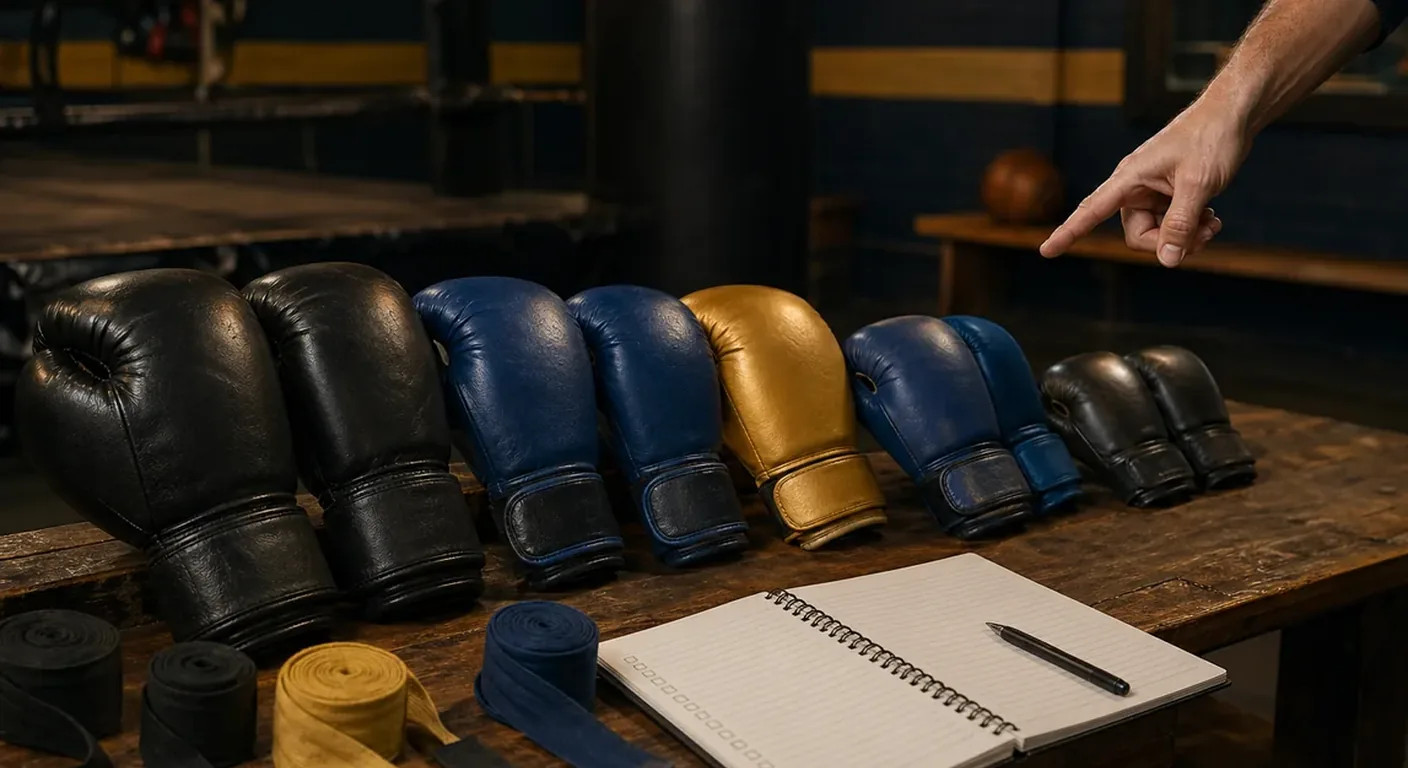
A boxing glove should feel snug with wraps on, not painful, loose or hollow. Your fingers should close naturally into a fist, your knuckles should sit behind the main padding, and your wrist should stay straight when you press the glove into a bag or pad.
That is the short answer. The longer answer matters because beginners often buy gloves by weight alone. They ask whether they need 12oz, 14oz or 16oz, then ignore the hand compartment, wrist strap, thumb position and how the glove feels once a wrap is underneath.
That is backwards. Glove weight is only part of the decision. Fit is what tells you whether the glove will protect your hand or fight against it.
If you are starting boxing in Kidbrooke, this is the fit check I would use before spending money. If the glove fails two or three of these checks, do not talk yourself into it because the colour is nice or the price is low.
The five-second fit test
Put the glove on over a proper hand wrap, close your fist, then press the glove gently into a firm surface. If your wrist bends, your fingers feel jammed, or your hand slides around inside the glove, the fit is wrong.
A good training glove should give you three things at once:
- enough room for a wrap
- a clear fist shape without forcing your fingers
- firm support around the wrist when the strap is closed
Most beginners only notice the first point. They put the glove on without wraps in a shop, wiggle their fingers, and decide it fits. Then they wrap their hands before class and suddenly the glove feels tight across the knuckles or short in the fingers.
Always test gloves with wraps. If you have not bought wraps yet, read our boxing hand wraps guide first. Wraps are not an optional extra. They are the layer that keeps the wrist, knuckles and thumb web organised inside the glove.
Snug does not mean tight
The right fit feels held, not trapped. Your hand should not rattle around inside the glove, but you should also not feel pins and needles, nail pressure, or a cramped finger curl.
A new glove can feel firm. Leather and lining often soften after a few sessions. That is normal. Pain is not normal.
Here is the difference:
- snug: the glove hugs the wrapped hand and the fist closes cleanly
- too tight: the fingers cannot curl, the thumb pulls, or the knuckles feel crushed
- too loose: the hand moves inside the glove and the wrist does not feel connected to the fist
The thumb is a common giveaway. If the thumb pocket twists your thumb outwards or pulls it hard into the glove wall, walk away. A bad thumb position makes hooks and uppercuts feel awkward before your technique has even had a chance.
The Boxfit explanation of boxing glove sizes and weights is useful because it treats weight as a training choice, not a magic fit answer. That is the right way to think. A 14oz glove can still fit badly. A 16oz glove can still have a narrow hand pocket. The number on the cuff does not save you from trying it properly.
What the wrist should feel like
The wrist should feel straight, supported and connected to the fist. If the glove lets your wrist fold backwards when you touch the bag, it is not doing one of its main jobs.
Velcro training gloves should close firmly without leaving a huge spare flap hanging loose. The strap should sit across the wrist, not halfway up the forearm and not down on the hand. When you make a fist, the glove should feel like one unit from knuckles to wrist.
Do not confuse padding with support. Some cheap gloves look bulky but still let the wrist wobble. They feel safe in the hand until you start hitting, then every punch lands with a little bend. That is where sore wrists and bad habits start.
Beginners should be especially picky here. A more experienced boxer can sometimes work around a glove they do not love. A beginner is still learning what a straight punch feels like. Poor wrist support makes that harder than it needs to be.
If you are joining our Recreational Adults boxing classes, you do not need expensive gloves for your first month. You do need gloves that let you make a proper fist and keep the wrist honest.
What size glove should most beginners buy?
Most adult beginners should start with 14oz or 16oz training gloves. Smaller adults may be fine in 12oz for bag and pad work, but 14oz is the safer first answer for many people who want one pair for general training.
Fightgear's training and sparring glove guide explains the usual role of different glove weights: lighter gloves for pad and bag speed, heavier gloves for more padding and sparring use. That matches what you see in real gyms.
A simple club-level guide looks like this:
- 12oz: light bag and pad work for smaller adults, not the default for everyone
- 14oz: sensible all-round training glove for many beginners
- 16oz: common sparring weight and a safer one-pair choice for bigger adults
Competition gloves are a separate subject. Amateur boxing equipment is controlled by governing-body rules, not by what looks good online. England Boxing publishes its current rule book and competition guidance, and beginners should ask a coach before buying anything for competition.
That distinction matters. Training gloves, sparring gloves and competition gloves are not the same purchase. If you are new, buy for training first.
The hand compartment matters more than colour
A good glove puts your hand in a natural fist. The fingers curl without strain, the knuckles sit under the hitting surface, and the wrist does not feel as if it is floating behind the glove.
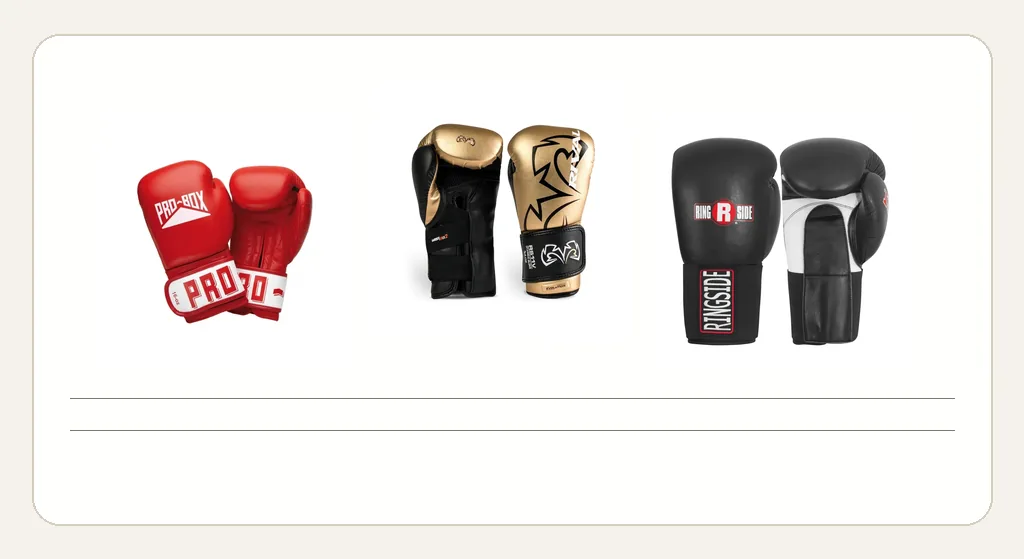
This is where many online buys go wrong. Two gloves can both say 14oz and feel completely different. One may be compact and snug. Another may be wide, roomy and soft. A third may have a long finger pocket that leaves a smaller hand sitting too far back from the knuckle padding.
That is why women, teenagers and adults with smaller hands often struggle with generic beginner gloves. The problem is not always glove weight. It is glove shape. If that sounds familiar, our women boxing gloves fit checklist goes into the smaller-hand problem in more detail.
The same principle applies to bigger hands. Do not cram a large wrapped hand into a compact glove because someone online said that model is fashionable. If the fist cannot close properly, the glove is wrong for you.
The boring test is still the best one: wrap your hand, put the glove on, close your fist, press into a pad, and notice what moves.
Red flags when trying gloves on
A glove is probably wrong if you notice any of these before you have even trained in it:
- your fingertips jam hard into the end of the glove
- your hand slides sideways when you make a fist
- the thumb pocket pulls or twists
- the wrist strap cannot close securely
- the glove feels hollow across the knuckles
- the lining bunches under the fingers
- your wrist bends when you press the glove into a firm surface
One red flag is worth checking. Three red flags means put the glove back.
Beginners sometimes think discomfort is part of boxing. Some effort is part of boxing. Bad kit is not. A glove that feels wrong in the shop usually feels worse after six rounds on the bag.
There is also the hygiene point. Borrowed club gloves are fine for a trial. They are not ideal long term because they are built for many hands, not your hand. Once you are training regularly, your own gloves and wraps are worth it.
Should gloves feel different after breaking in?
Yes, but only slightly. A decent glove will soften, mould a little and feel less stiff after a few sessions. It should not change from painful to perfect.
Do not buy a glove that hurts and hope it will become another glove later. Breaking in usually affects stiffness, not basic shape. If the finger pocket is too short, the thumb is wrong, or the wrist support is weak, time will not fix the real issue.
A better rule is this: the glove should feel acceptable on day one and better by week four. If it feels unacceptable on day one, choose something else.
That applies even more if you are training twice a week. Small problems repeat quickly. A loose wrist or cramped hand becomes annoying fast when every session includes bag work, pads, drills and conditioning.
What to do before you buy
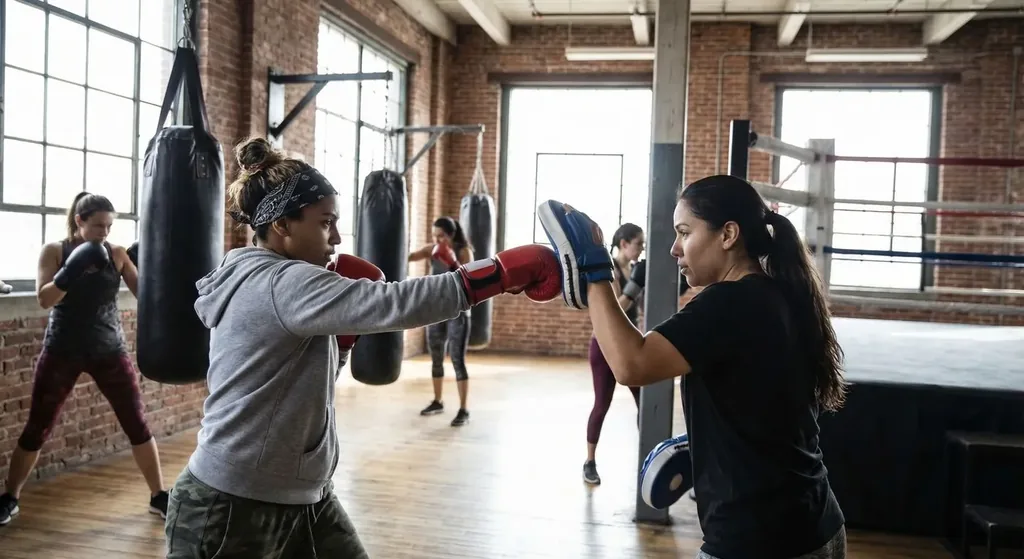
If possible, try gloves in person. If you buy online, use a retailer with sensible returns and do not remove tags until you have tested the fit with wraps.
Use this order:
- Buy wraps first or borrow a pair for sizing.
- Try the glove with wraps on.
- Make a fist and check finger comfort.
- Close the strap and check wrist support.
- Press the glove into a pad, bag or firm surface.
- Ask a coach before spending serious money.
For a fuller buying shortlist, use our beginner boxing gloves UK checklist. If you want the wider kit picture, our boxing equipment for beginners guide covers gloves, wraps, clothing and the bits you can ignore at the start.
The main thing is not to overbuy. A beginner does not need a luxury glove, a fight glove or a famous fighter model. You need a glove that fits your wrapped hand, keeps your wrist straight and lets you train properly.
If you are unsure, bring the gloves to class and ask. A coach can usually spot the problem in ten seconds.
H&G Team
Writer at Honour & Glory Boxing Club, a community boxing gym in Kidbrooke, South East London.
KEEP READING
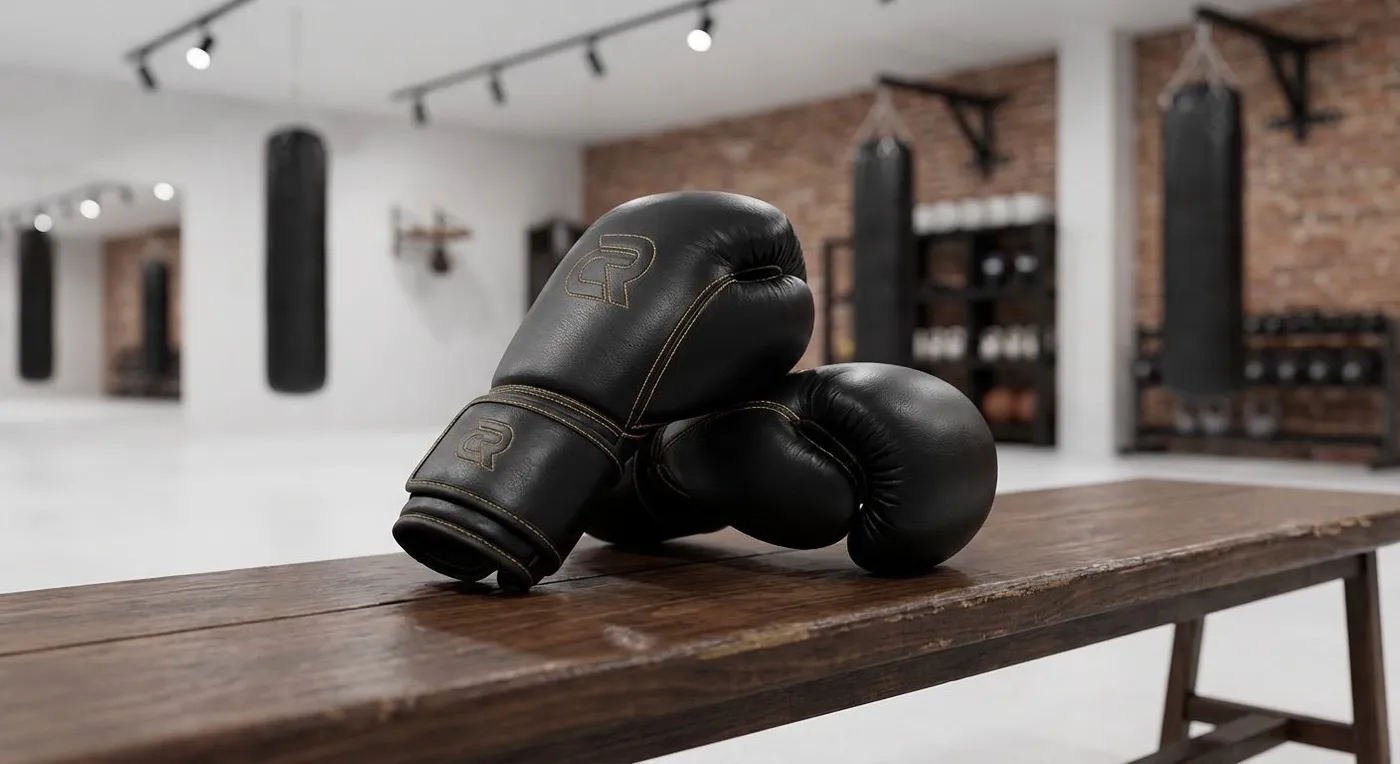
Beginner Boxing Gloves UK Buying Checklist
Beginner boxing gloves UK checklist: size, fit, price band, wraps and first-pair mistakes before you buy. Use this after the ranked beginner glove guide.
How to Clean Boxing Gloves (And Make Them Last)
Most beginners ignore this until the smell becomes unbearable. Here is how to clean boxing gloves properly and extend their lifespan significantly.
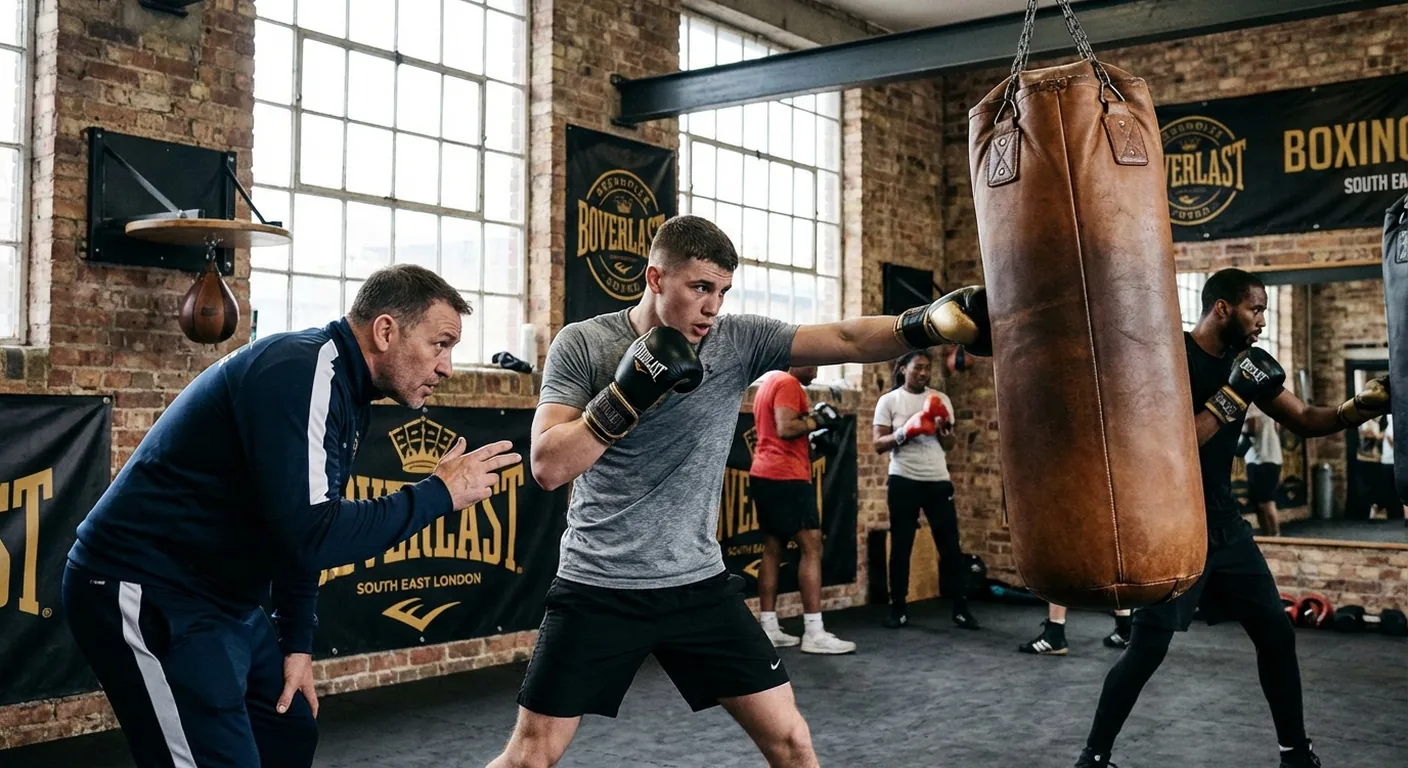
Why Your Wrists Hurt After Boxing
Wrist pain after boxing is usually a technique or equipment problem, not a toughness test. Here is what causes it and what to fix first.
Was this page helpful?
It takes one tap, and it genuinely helps.
Choose your next step
Turn this article into the right action
Some readers are ready to book. Some need the class route first. Pick the route that matches what you actually want.