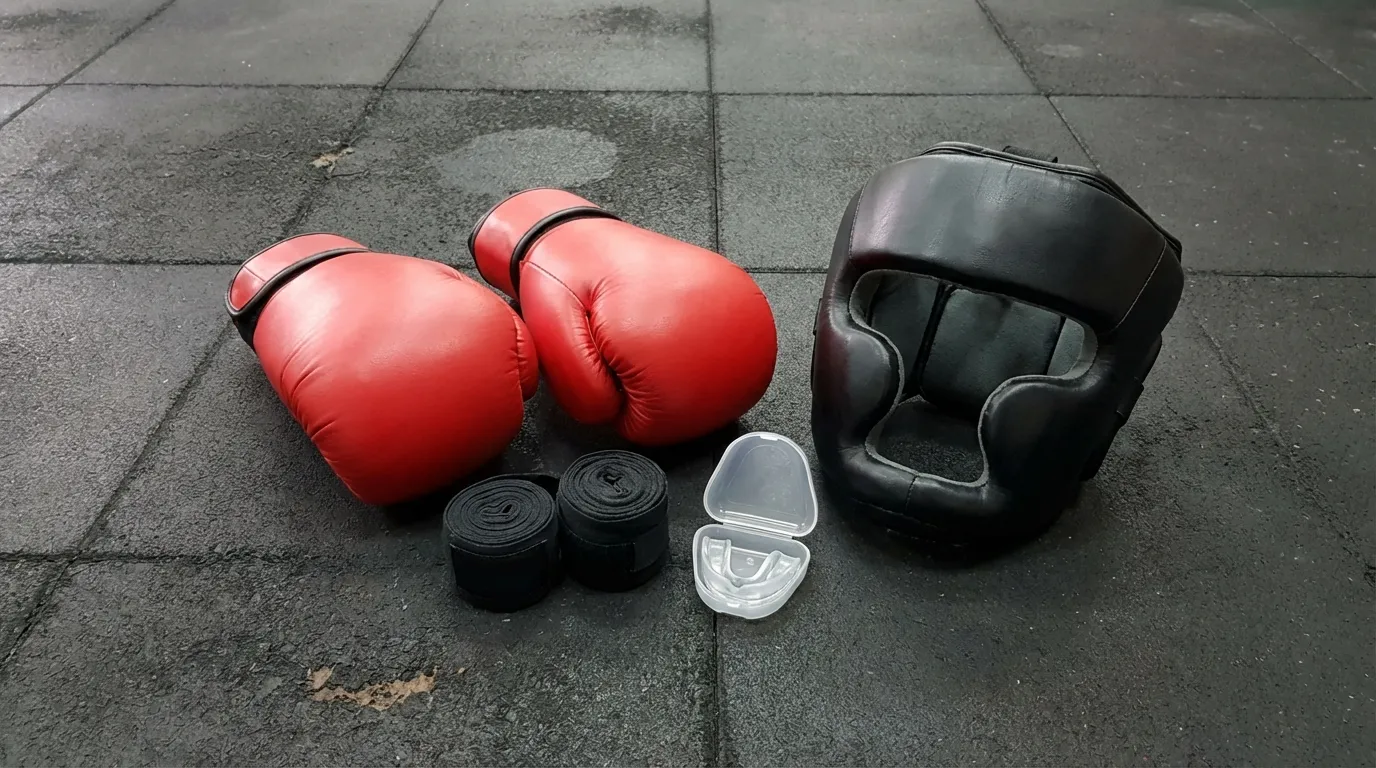
England Boxing's beginner guide lists the minimal equipment needed to start at an affiliated club - most clubs including H&G provide or hire gloves for trial sessions so beginners do not need to invest before they are committed. Decathlon UK's boxing section has entry-level options at accessible prices.
New to boxing and wondering what equipment you need? The internet will try to sell you everything: speed bags, reflex balls, fancy footwork ladders, and fourteen types of gloves. Ignore most of it.
Boxing equipment for beginners is simpler than the marketing suggests. Let us cut through the noise and talk about what actually matters when you are starting out.
What You Need for Your First Few Sessions
Honestly? Almost nothing.
For your first few classes, bring:
- Comfortable workout clothes
- Indoor trainers
- Water bottle
- Small towel
That is the complete list. Most gyms provide gloves and wraps for newcomers to borrow. Take advantage of this while you figure out if boxing is your thing.
Only buy equipment once you have committed to training regularly. Anything before that is premature spending.
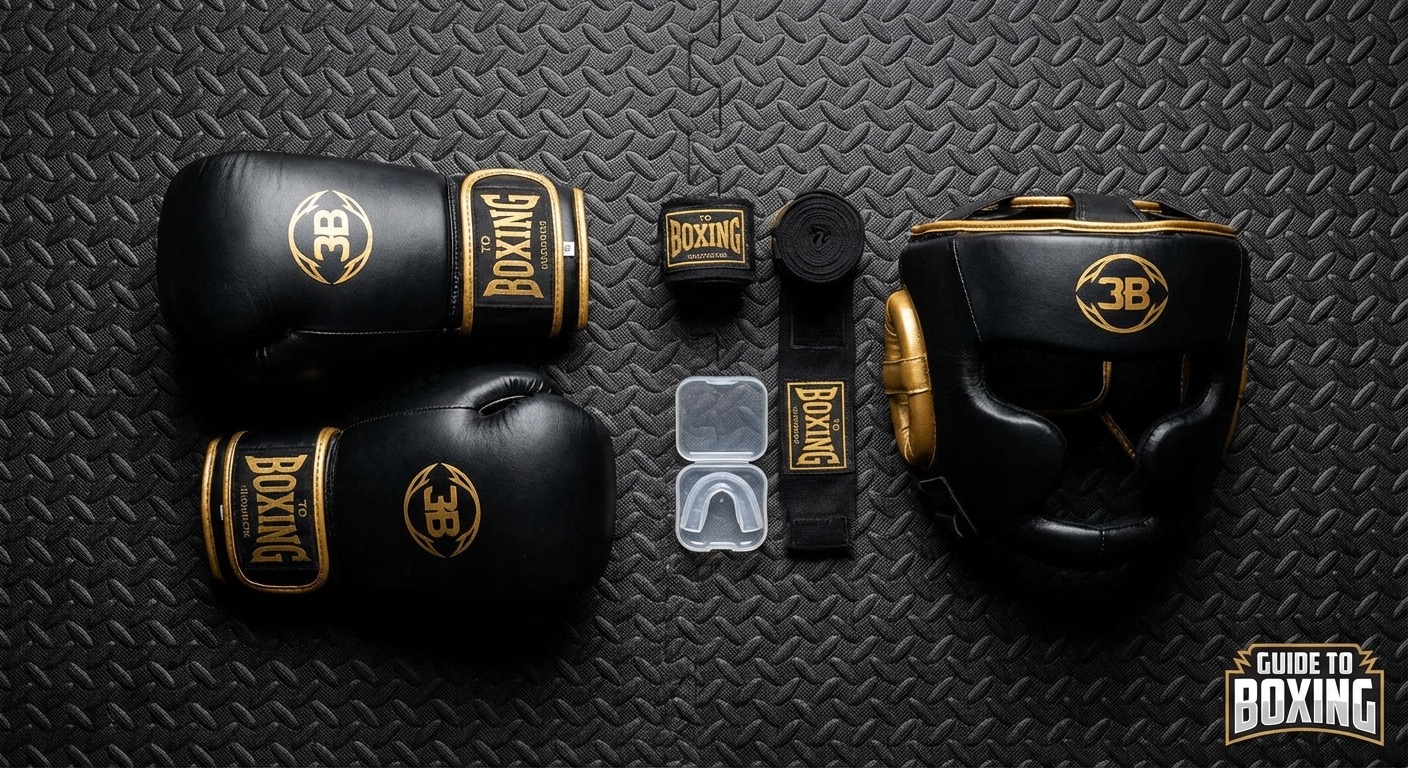
Hand Wraps - Your First Real Purchase
After a few sessions, hand wraps should be your first purchase. Borrowing someone else's sweaty wraps gets old quickly.
Hand wraps protect the small bones in your hands and wrists. They also keep your gloves from getting disgusting inside. Every session, every time.
What to buy:
- Traditional cotton wraps, 4-4.5 metres long
- Semi-elastic wraps are easier for beginners to work with
- Mexican-style wraps have a bit of stretch and mould to your hands nicely
Budget: £5-15 per pair. Buy two pairs so one can be in the wash.
What to avoid:
- Cheap wraps shorter than 4 metres
- Gel inner gloves (they do not support your wrists properly)
- Anything that looks gimmicky
Learning to wrap your hands takes practice. Ask your coach to show you a few times until you get comfortable.
Boxing Gloves - The Big Decision
Once you are committed (usually after a month or two), it is time for your own gloves.
Training gloves vs sparring gloves:
For beginners doing bag work and pad work, you want training gloves. Sparring gloves have more padding to protect your partner, but that is not your concern yet.
Weight matters:
Gloves are measured in ounces. Common weights:
- 10oz: Competition weight, not for training
- 12oz: Lighter training glove, good for pad work and lighter bag work
- 14oz: All-round training weight, most popular choice for beginners
- 16oz: Standard sparring weight, lots of padding
Most beginners should start with 14oz gloves if they are mainly doing pads and bags, or 16oz if sparring may happen later. For a model-by-model shortlist, use our best boxing gloves for beginners UK guide.
Closure types:
- Velcro: Easy to put on yourself, most common for training
- Lace-up: Better fit and wrist support but you need help putting them on
Go with velcro. Lace-up gloves are for fighters with coaching teams.
Budget:
Here is where quality matters. Cheap gloves fall apart and do not protect your hands properly.
- Budget (£30-50): Brands like RDX, Lonsdale. Fine for starting out.
- Mid-range (£50-90): Twins, Fairtex, Title. Noticeable quality improvement, last longer.
- Premium (£90+): Winning, Grant, Cleto Reyes. Beautiful gloves but overkill for beginners.
I'd recommend spending around £50-70 on your first pair. The sweet spot between quality and value.
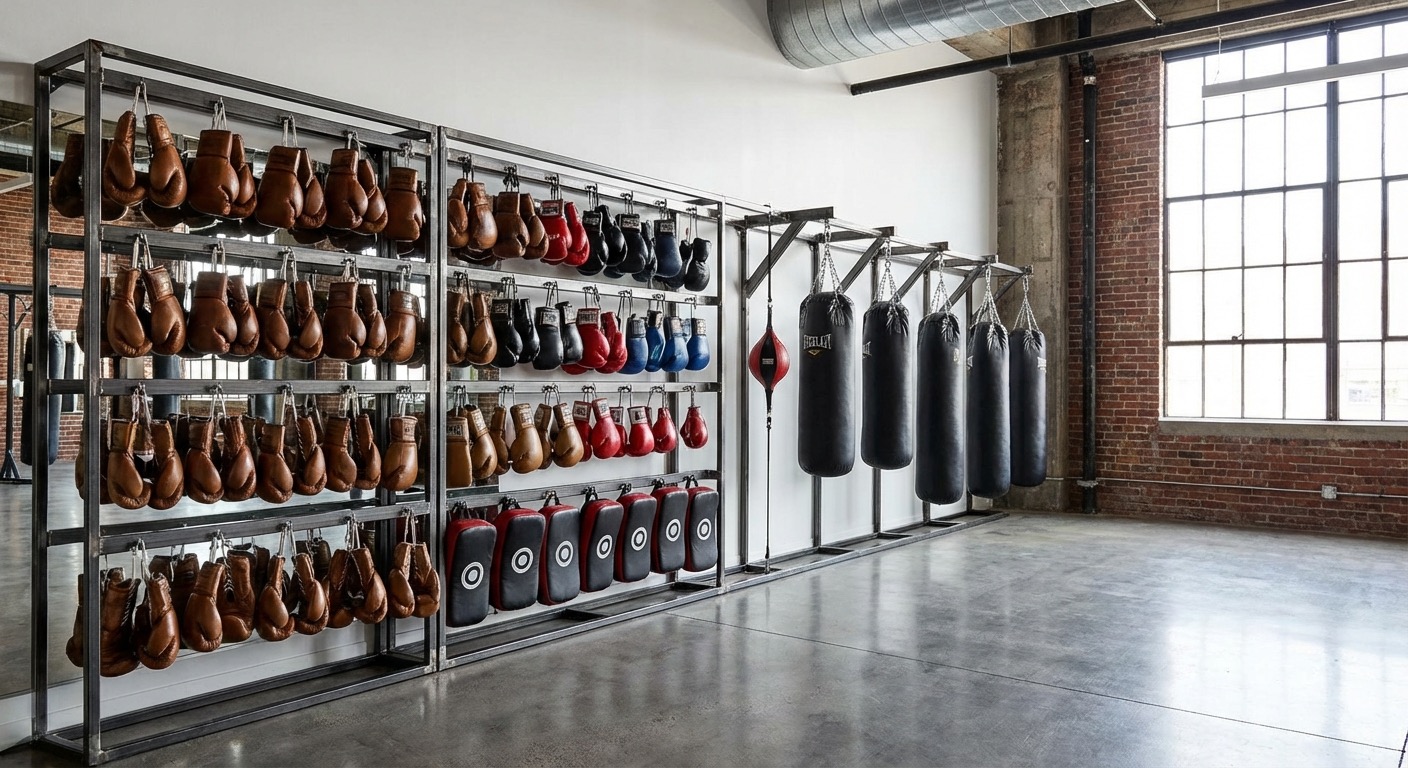
Gumshield - Essential for Sparring
If you plan to spar eventually (not everyone does), you will need a gumshield.
Types:
- Boil and bite: Heat in hot water, bite down to mould. Costs £5-15. Perfectly adequate.
- Custom fitted: Dentist-made from a mould of your teeth. Costs £50-150. Better fit and protection.
Start with a boil and bite. If you get into regular sparring and find it uncomfortable, upgrade to custom later.
Important: Get a proper fit. A loose gumshield is almost worse than none because it can become a choking hazard during intense activity.
Footwear - Keep It Simple
Boxing boots exist and they are great, but you do not need them immediately.
For your first few months, wear:
- Clean indoor trainers with flat soles
- Wrestling shoes if you have them
- Dedicated gym shoes that grip the floor
Avoid running shoes with thick, curved soles. They are designed for forward motion and make lateral movement awkward.
When you are ready for boxing boots (after 6+ months), expect to spend £50-100 for decent ones. Brands like Nike, Adidas, and Title make solid options.
What You Do not Need Yet
The boxing equipment industry loves selling stuff to beginners. Here is what to skip:
- Speed ball and platform. Fun but you need skill to use it properly. Your gym probably has one anyway.
- Reflex ball on a headband. Internet favourite, limited real benefit. Your money goes further elsewhere.
- Heavy bag for home. Great eventually but expensive and needs proper installation. Use the gym's bags.
- Groin guard. Only for sparring. Buy when you need it, not before.
- Headgear. For sparring. The gym often provides it. Do not buy until you are sparring regularly.
- Fancy training gadgets. Most of it is marketing. Basic equipment and consistent training beats gadgets every time.
Taking Care of Your Equipment
Your gear will last much longer with basic maintenance:
Gloves:
- Air them out after every session
- Use glove deodorisers or stuff newspaper inside to absorb moisture
- Never leave them in your gym bag overnight
- Wipe the outside with antibacterial wipes occasionally
Hand wraps:
- Wash them weekly (or more if you sweat heavily)
- Air dry rather than tumble drying
- Replace when they lose elasticity or start smelling permanently
Gumshield:
- Rinse after every use
- Store in a ventilated case
- Replace if it develops cracks or stops fitting well
Buying Sequence for Beginners
If you are wondering what order to buy things in:
- Month 1. Borrow gym equipment, bring workout clothes and water
- Month 2. Buy hand wraps (£10-15)
- Month 3. Buy training gloves (£50-70)
- Month 4+. Consider a gumshield if interested in sparring (£10-15)
- Month 6+. Boxing boots if you want them (£50-100)
- Later. Groin guard, headgear, and other sparring gear if needed
This approach spreads the cost and ensures you only buy what you will actually use.
Where to Buy Boxing Equipment
In person:
- Sports Direct (budget options, worth a look)
- Dedicated boxing shops (better selection and advice)
- Your gym's pro shop if they have one
Online:
- Amazon (convenient but quality varies wildly)
- BoxFit UK
- Made4Fighters
- Geezers Boxing
Trying gloves on in person before buying is ideal. The fit varies between brands and your hands are unique.
A Note on Brand Snobbery
Boxing gyms can be tribal about brands. Some people swear Winning gloves are the only acceptable choice. Others mock anything that is not Cleto Reyes.
Ignore the noise.
At beginner level, the differences between mid-range brands are minimal. What matters is that your gloves fit well, protect your hands, and do not fall apart after six months.
Train hard, buy sensible equipment, and upgrade when you have outgrown what you have.
Ready to Start Training?
The best boxing equipment is the equipment that gets used. Everything else is just stuff collecting dust.
H&G Team
Writer at Honour & Glory Boxing Club, a community boxing gym in Kidbrooke, South East London.
KEEP READING
Boxing Equipment for Home Training UK
What boxing equipment you actually need for training at home, what is worth buying and what is a waste of money. An honest guide from coaches who use this stuff daily.
Beginner Boxing Gloves UK Buying Checklist
Beginner boxing gloves UK checklist: size, fit, price band, wraps and first-pair mistakes before you buy. Use this after the ranked beginner glove guide.
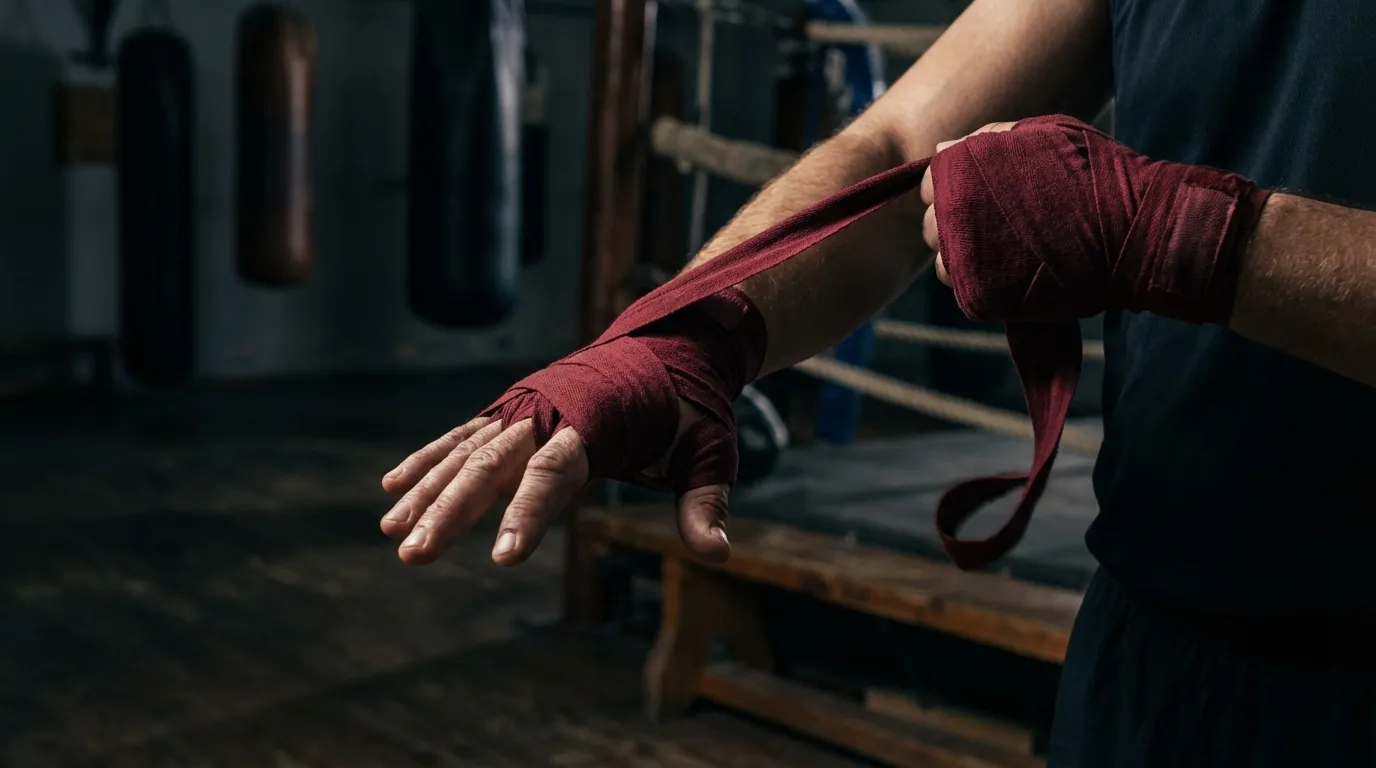
Best Boxing Hand Wraps for Training
Best boxing hand wraps for training: what length to buy, cotton vs Mexican style, beginner mistakes, and how wraps work with your first gloves.
Was this page helpful?
It takes one tap, and it genuinely helps.
Choose your next step
Turn this article into the right action
Some readers are ready to book. Some need the class route first. Pick the route that matches what you actually want.