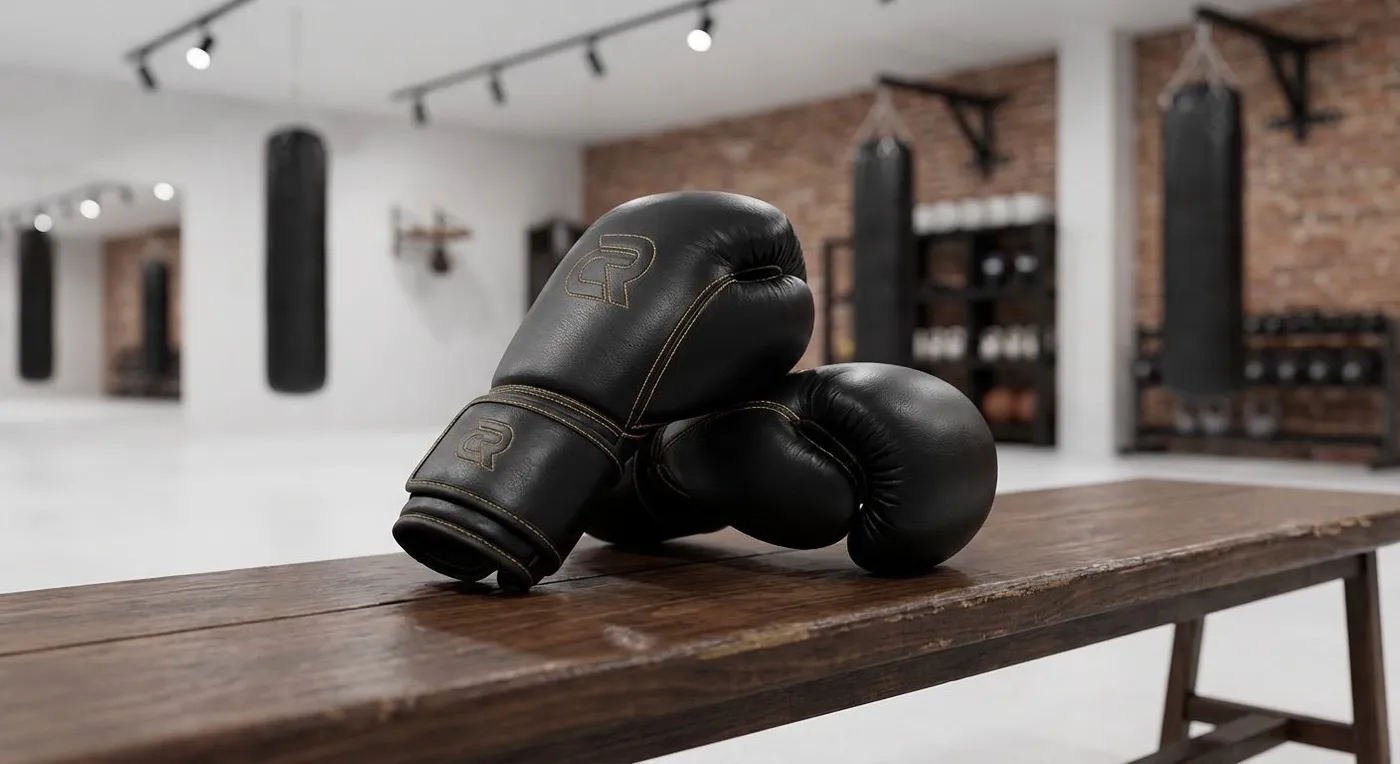
This page is the UK buying checklist for beginner boxing gloves. It is not the ranked product list. If you searched for the best boxing gloves for beginners training, start with our main Best Boxing Gloves for Beginners Training guide. If you are ready to compare current models, use the maintained best beginner boxing gloves UK shortlist or the full best boxing gloves UK hub.
Stay here if you already have a shortlist and need to avoid buying the wrong size, weight or fit. This page is the checklist layer: fit, sizing, UK price bands, wraps and first-pair mistakes. It should help you sanity-check a purchase, not replace the ranking guide.
Beginner boxers make the same mistake over and over again. They shop for gloves as if they are buying trainers.
They pick the pair that looks best, the pair a famous fighter wears, or the cheapest thing on Amazon with next-day delivery. Then they turn up to class with gloves that are too small, too flimsy, badly shaped, or completely wrong for the kind of training they are about to do.
Good gloves matter, but not for the reasons people think. You are not buying status. You are buying hand protection, wrist support, and something that will not fall apart three weeks into bag work.
Fit2Box's own retail advice is refreshingly blunt on this. In his Fit 2 Box gym article on choosing gloves, Carl Sams says beginners should think about frequency of training, whether they plan to spar, and budget before anything else, and specifically warns people not to buy on looks alone (source). That is the right place to start.
If you are in Kidbrooke and thinking about starting at Honour and Glory, here is the honest answer: you probably need less glove than you think, and you definitely need better judgement than the internet usually offers. If the fit is the bit you are unsure about, use our guide to how boxing gloves should fit before ordering.
The first thing beginners need to understand
There is no single "best glove" for everyone.
There is only the best glove for your size, your budget, and the way you are actually going to train.
That matters because boxing gloves do different jobs. Geezers' guide to glove types makes the point clearly: bag gloves, training gloves, sparring gloves, and pro fight gloves are not interchangeable, and using the wrong type for the wrong job wears the padding down or leaves you under-protected (source).
For a beginner, this simplifies things rather than making them more complicated. You are almost certainly not buying fight gloves. You probably do not need a dedicated sparring pair yet either. What you need is one sensible training pair that can handle bag work and pad work without abusing your hands.
What size should a beginner buy?
Most adults starting boxing should be looking at 14oz or 16oz gloves.
That will annoy people who want something smaller and sleeker, but it is still the right advice.
Geezers' size guidance is a useful baseline here. Their charts broadly push lighter athletes towards 12oz to 14oz, mid-range adults towards 14oz to 16oz, and heavier adults into 16oz and above for training and sparring contexts (source). In practical gym terms, this is what usually works:
- under roughly 65kg: 12oz to 14oz can work, though many beginners are still better off in 14oz
- 65kg to 85kg: 14oz is the sensible default
- heavier adults or anyone who wants one pair to cover almost everything: 16oz
At Honour and Glory, if someone says, "I just want one pair to start with," the safe answer is usually 14oz or 16oz depending on their build.
That is not because heavier gloves are glamorous. It is because beginners miss. Beginners hit badly. Beginners let their wrists fold. A bit more padding and support helps.
Why cheap gloves so often disappoint
The problem with very cheap beginner gloves is not just durability. It is shape.
A bad glove can put your hand in a poor position inside the compartment, give you weak wrist support, and let your fist land in a way that teaches bad habits. Fit 2 Box makes exactly this point when warning against high street bargain gloves made to hit a price point rather than fit properly (source).
That is especially true for beginners because you do not yet know what a good glove is supposed to feel like. You might think wrist pain is normal, or that your knuckles always ache, when actually the glove is doing half the damage.
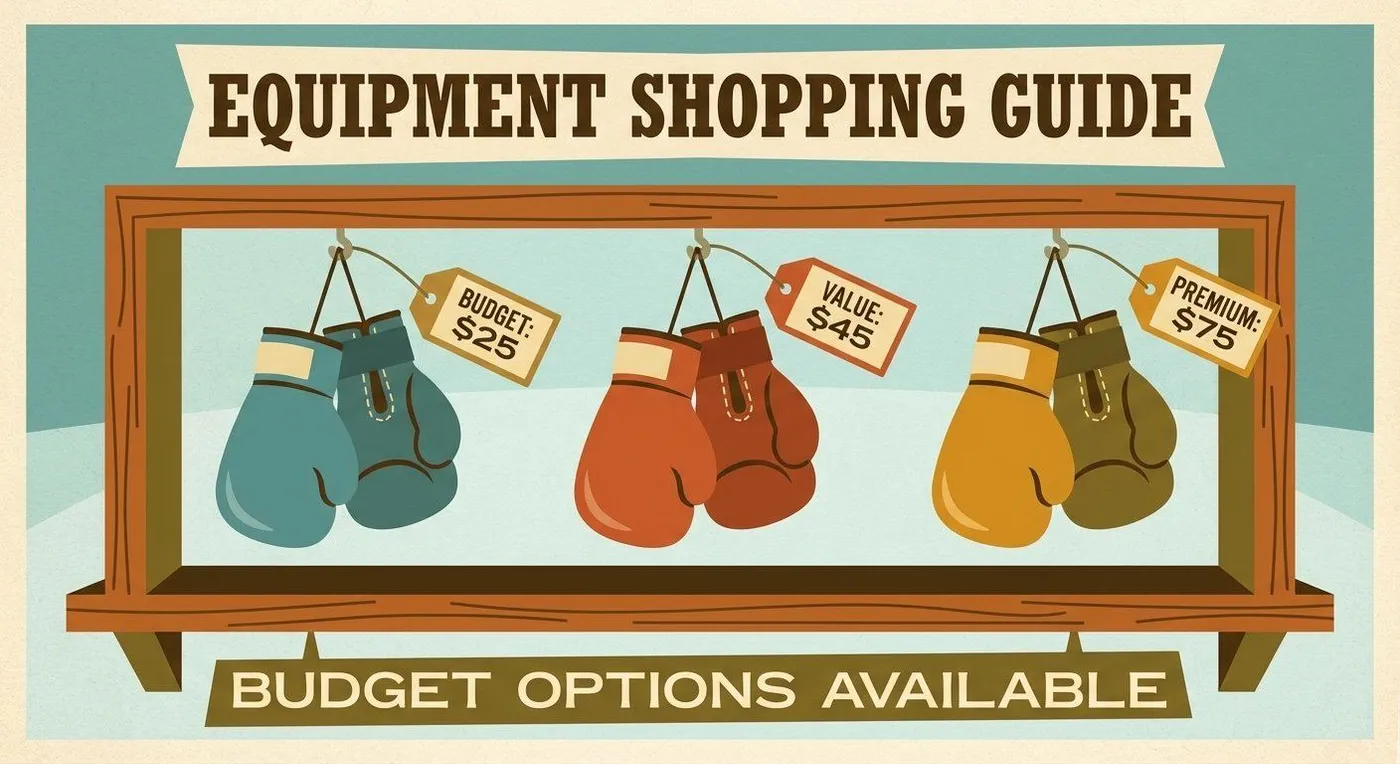
There is also a false economy here. A £20 glove that feels awful and dies quickly is not cheaper than a £40 to £60 glove that protects you properly and lasts.
The best price bands for beginners
Under £35
This is the "I want to start properly but keep it sensible" category.
Fit 2 Box's own beginner recommendations include entry-level Pro-Box and Adidas options around the high twenties to low forties, which tells you roughly where the floor is for decent starter gloves (source).
- secure wrist strap
- decent thumb attachment
- hand compartment that does not feel loose and sloppy
- enough padding for bag and pad work
You are not buying luxury. You are buying a glove that does the job.
£40 to £70
This is the sweet spot for most adult beginners.
You get noticeably better construction, better comfort, and less chance of regretting the purchase. If someone already knows they are likely to stick with classes for a few months, this is the bracket I would point them towards.
A mid-range glove in 14oz or 16oz is enough for most non-sparring beginners and feels far better than bargain-bin kit.
£100 plus
This is where a lot of beginners overspend.
Premium gloves can be excellent, but most new boxers do not need to spend Cleto Reyes money before they have finished a month of training. Good gear is great. Buying top-end gloves before you know whether you actually enjoy boxing is not always smart.
That money is often better spent on a few weeks of classes, proper hand wraps, and learning enough to know what sort of glove you actually like.
Velcro or lace-up?
For beginners, velcro. Almost always.
Lace-up gloves can feel better once they are on, but they are a nuisance unless you have someone around to tie them every time. Velcro lets you train without needing a second person just to get dressed.
That does not make lace-up bad. It just makes velcro practical.
What to check before buying
A beginner should care about five things.
First, wrist support. The strap should hold the wrist firmly without feeling like a tourniquet.
Second, hand compartment shape. Your fist should close naturally inside the glove. If it feels like you are fighting the glove just to make a fist, move on.
Third, thumb position. A badly placed thumb compartment gets old very quickly.
Fourth, padding feel. You do not need a pillow, but you do need enough protection that bag work does not feel sharp and nasty straight away.
Fifth, weight honesty. Some cheap gloves say 14oz and feel like they were invented in a shed. Buy from places that actually know boxing.
The biggest beginner buying mistakes
Buying 10oz gloves for normal training
They look neater. They feel more "boxer-ish". They are also often the wrong choice for ordinary beginners.
Smaller gloves usually mean less protection. Unless you know why you are buying them, you probably should not be buying them.
Choosing by brand myth alone
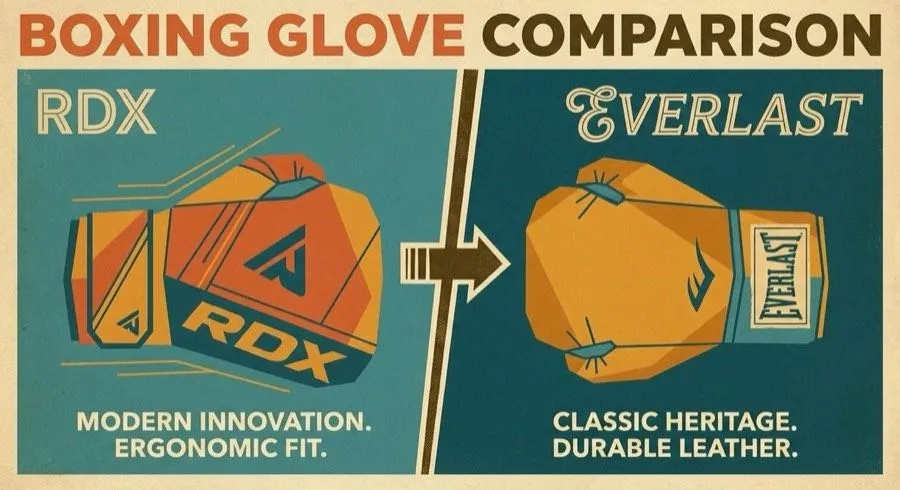
A famous logo does not guarantee a good beginner glove. Some big names produce excellent kit and dreadful entry-level kit under the same badge.
Ignoring wraps
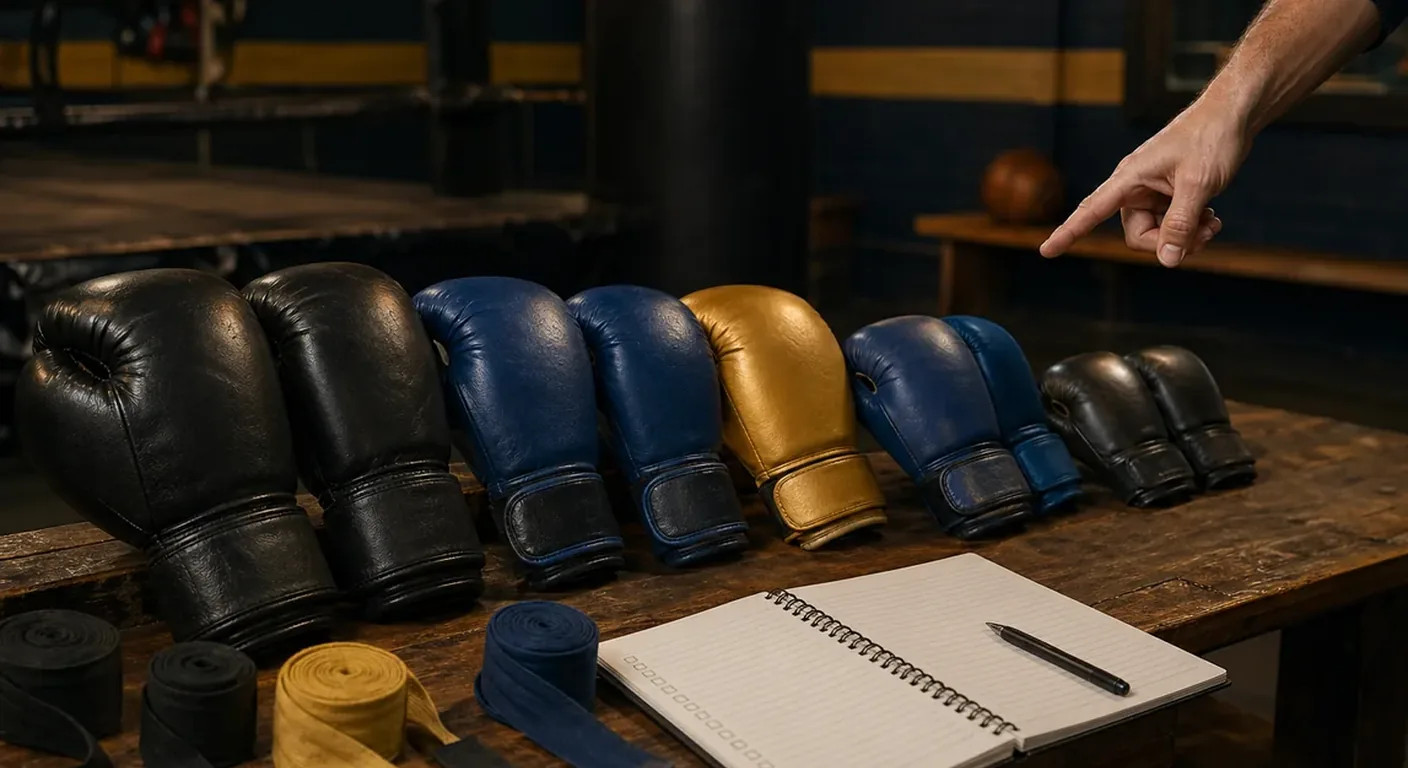
Gloves are not enough on their own. England Boxing's safety guidance is clear that hand bandages are part of proper protective equipment in boxing settings (source). Your gloves do not replace wraps. They work with them.
If your wraps are bad, your gloves have a harder job.
Buying before trying a class
This is the one most people do not want to hear.
If you are completely new, it often makes more sense to try a class first, use loan gloves if the gym provides them, and then buy your own pair once you know you are actually going to carry on. That first session tells you far more than three hours of reading reviews.
At Honour and Glory's Adult Recreational class, beginners get a much clearer sense of what glove weight and feel actually suits them after one proper session than they do from staring at product pages.
So what should most beginners actually buy?
If you want the simple answer, here it is.
Buy a decent velcro training glove from a proper boxing retailer in 14oz or 16oz. Pair it with good wraps. Keep your ego out of it.
If you are smaller, 14oz is usually fine. If you are bigger, want extra protection, or suspect you will end up sparring later, 16oz is a safer one-pair option.
Do not chase pro-level gear too early. Do not buy tiny gloves for the aesthetic. Do not trust a random bargain because it is £12 cheaper.
The truth beginners usually discover anyway
Once you start training properly, you realise gloves are not the hard part.
The hard part is learning stance, timing, range, breathing, and how not to gas out after two rounds. Good gloves help, but they do not teach boxing.
That is why the smartest spend for most beginners is still classes first, equipment second. Learn what your hands need. Learn what kind of training you actually enjoy. Then buy better.
If you want to start without wasting money on the wrong kit, come and try it first.
Book a free trial session at Honour and Glory Boxing Club.
If you want a wider shopping list after that, our Boxing Starter Kit guide and Best Hand Wraps guide fill in the rest.
For the full model-by-model comparison, see our 2026 UK boxing gloves guide. It covers sparring gloves, bag gloves, wrist support, UK price ranges, and every glove we considered.
H&G Team
Writer at Honour & Glory Boxing Club, a community boxing gym in Kidbrooke, South East London.
KEEP READING
How Should Boxing Gloves Fit?
A practical guide to boxing glove fit: snug hands, straight wrists, wraps, weight, and the mistakes beginners make.
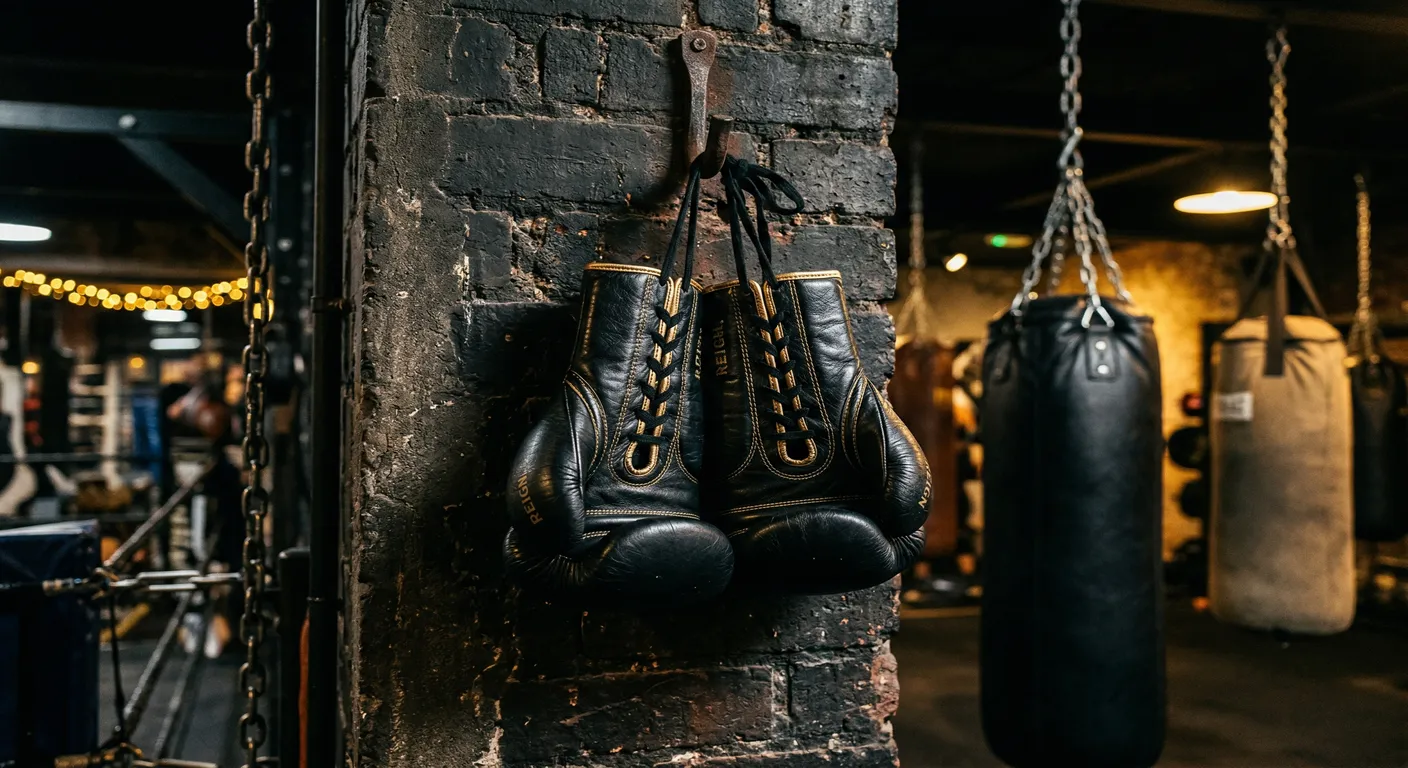
How to Clean Boxing Gloves (And Make Them Last)
Most beginners ignore this until the smell becomes unbearable. Here is how to clean boxing gloves properly and extend their lifespan significantly.
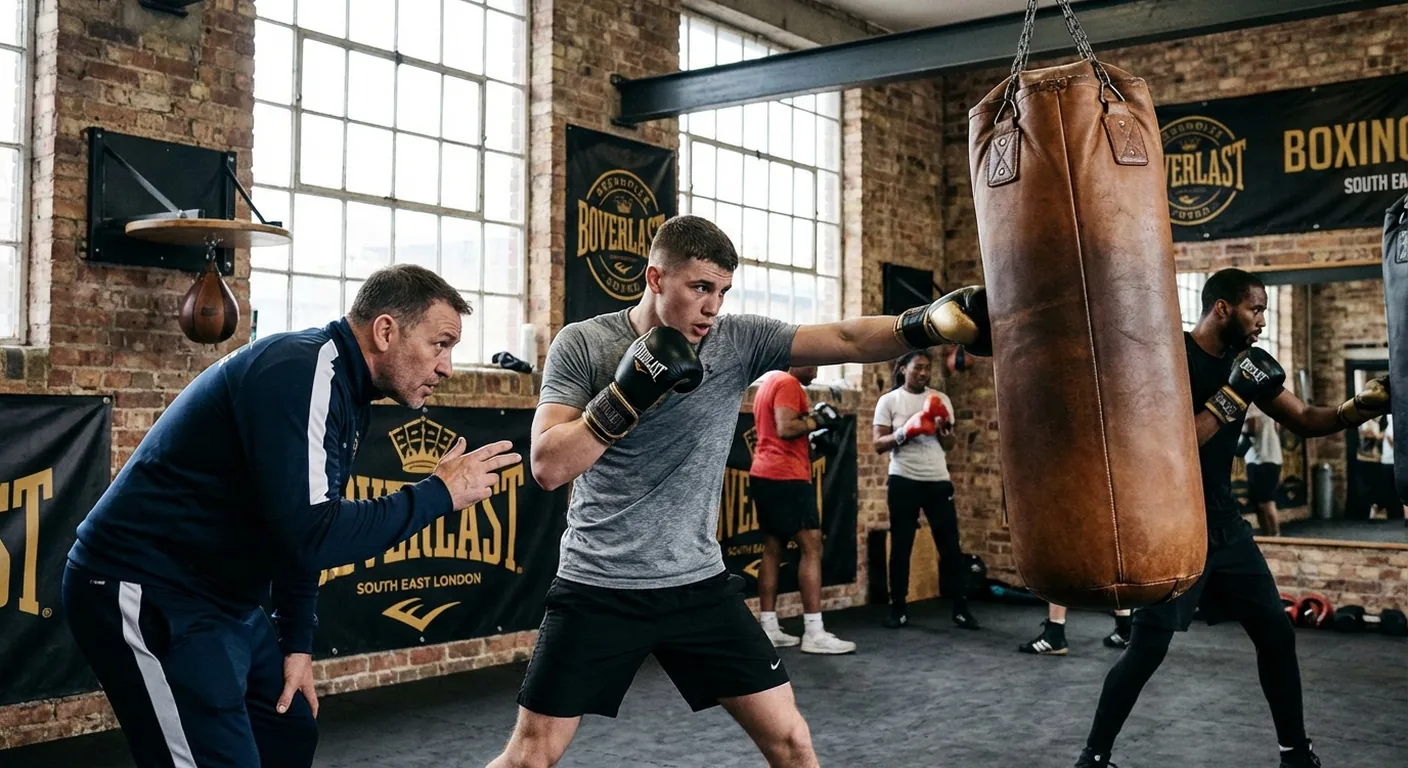
Why Your Wrists Hurt After Boxing
Wrist pain after boxing is usually a technique or equipment problem, not a toughness test. Here is what causes it and what to fix first.
Was this page helpful?
It takes one tap, and it genuinely helps.
Choose your next step
Turn this article into the right action
Some readers are ready to book. Some need the class route first. Pick the route that matches what you actually want.