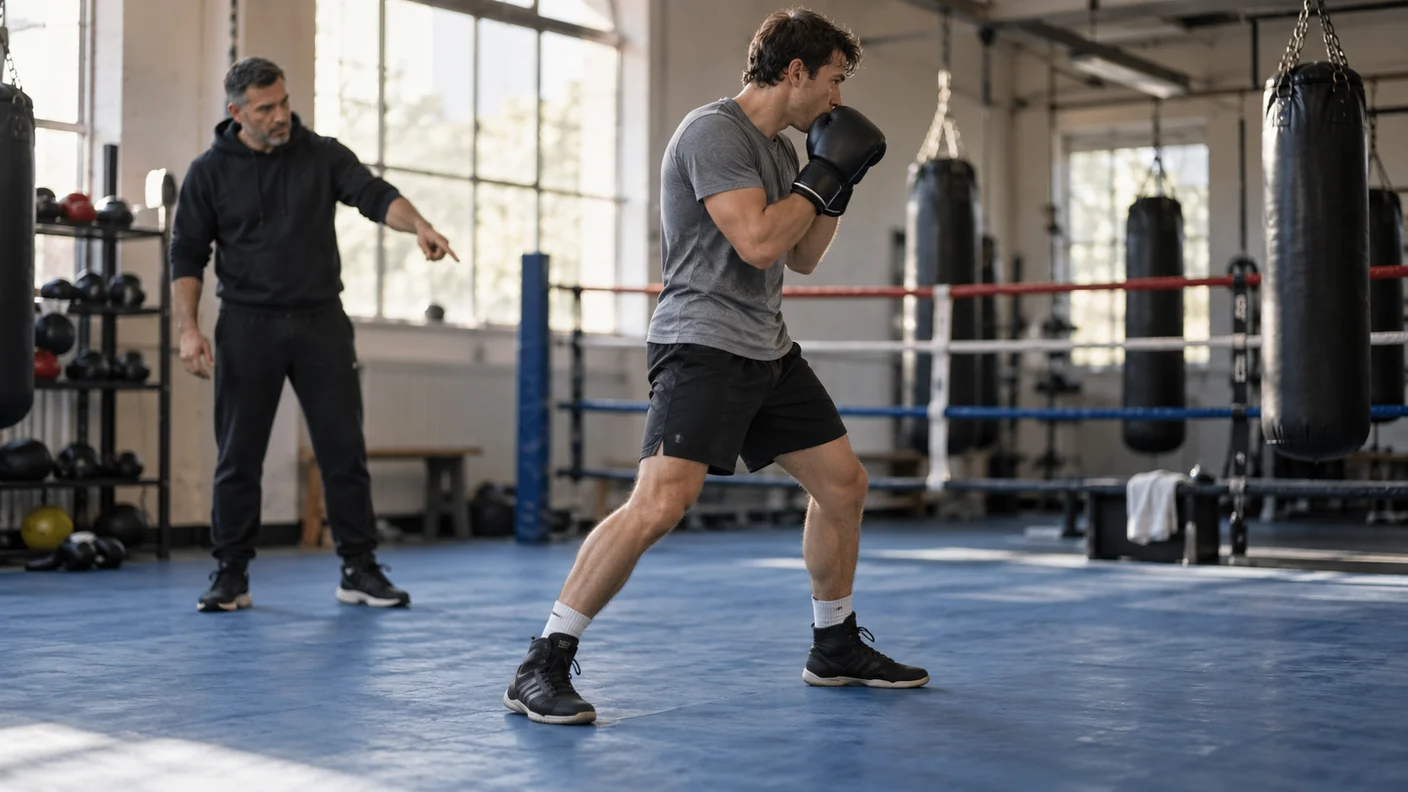
A back foot can look like a tiny detail until it stops you moving.
Newer boxers often copy a stance exactly. The rear foot points sharply out, or it points almost straight ahead, because that is what somebody else looked like in a clip. Then the jab feels stiff, the pivot feels stuck or the back leg burns before the round has properly started.
There is no single rear-foot angle that solves every job. A more turned-out foot can make a boxer feel settled and side-on. A foot angled a little more forward can make it easier to spring, shift weight and recover from a step. The useful question is not which one looks correct. It is whether the position leaves you able to punch, defend and move without first rebuilding your stance.
Watch the short demonstration, then use the checks below to find a sensible starting position with a coach.
Your back foot should support the stance, not dictate it
For an orthodox boxer, the back foot is the right foot. For a southpaw, it is the left. It gives the stance a base, helps the hips turn and gives you something to push from when you step or punch.
That does not mean it should be locked into one angle. Turn it too far out and you may feel planted when you want to move. Turn it too far forward and you may feel square, exposed or as though the knee has nowhere comfortable to travel.
England Boxing puts balance, stance and controlled progressions at the centre of its coaching handbook. That is the useful standard here. A stance is not a pose for a mirror. It is a working position from which you can make a calm next choice.
Start with a position that lets the knee travel naturally
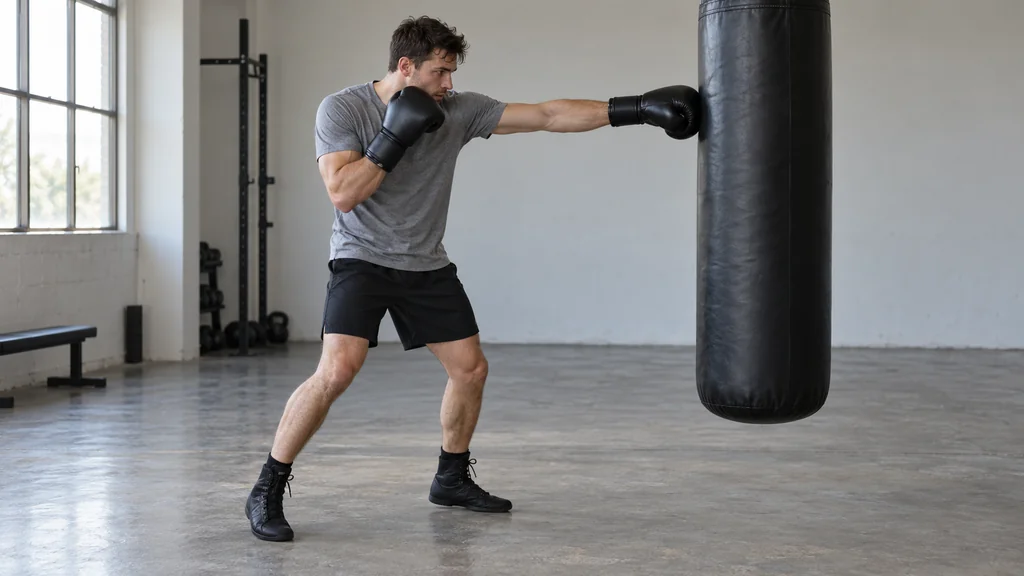
Stand in your normal boxing stance with the feet staggered and the knees soft. Let the rear foot turn out only as much as it needs to feel stable. The heel can be light, but do not force it high if that makes the calf tense or pulls your balance forward.
Now take three small actions: a step forward, a step back and a gentle pivot. The rear knee should follow the line of the toes without twisting or catching. If the knee feels trapped, adjust the foot a few degrees rather than trying to force the joint through a shape it does not like.
The same rule applies to the hips. You should be able to turn the rear hip through a light cross, then bring the hand home without dragging the rear foot across the floor. A review of boxing biomechanics describes punching as work shared between the legs, trunk and upper body. In gym terms, the back foot gives the rest of the body a useful platform. It does not do the whole job alone.
A coach may change the angle slightly for a particular drill. Do not treat that as a permanent command to stand that way for every punch.
A more forward rear foot can help you spring, but it asks more of you
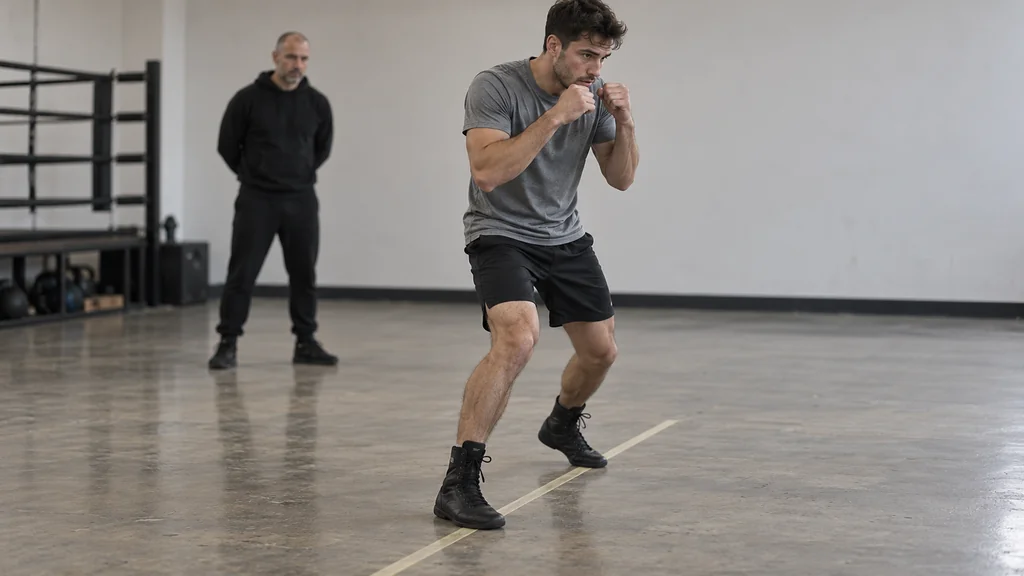
When the rear foot points a little more forward and the heel is lightly raised, many boxers find it easier to shift into a jab, push off for a cross or make a short retreating movement. The leg can feel ready to move rather than settled into the floor.
This version can help when you are working in and out at long range, practising a pull-and-return drill or looking for a quick first step.
The trade-off is tension. If you stay high on the rear toes all round, the calf may tighten and your balance can creep too far forward. A springy stance is only useful if it can still stop. If the lead knee keeps drifting ahead of the toes or the head keeps falling beyond the lead foot, lower the rear heel slightly and make the movement smaller.
A more turned-out rear foot can make it easier to settle and turn
Turning the rear foot out a little more can make the stance feel calmer and more side-on. It can suit basic bag work, slower technical shadow boxing and a first stance lesson. A flatter rear foot can also give the back leg a brief rest between movements.
There is a limit. A foot that turns too far away from the opponent can make the rear hip slow to join the punch. It can also tempt you to lean backwards rather than use a proper step. If your rear heel sticks, your lead foot has to reach or your cross makes you square, bring the foot a little closer to neutral and test again.
This is why boxing stance and guard basics come before fancy footwork. You need a position you can return to, not a stance that only works when you are standing still.
Use the back-foot check before adding speed
A simple technical round can show whether your rear-foot angle is helping.
Round one: move without punches
Shadowbox for one minute with no punches. Take small forward, backward and side steps while keeping the stance gap. Do not bounce for show. Notice whether the rear foot grips, slides or makes you cross your feet.
If the movement feels stuck, make a small adjustment to the angle and repeat. One small change is enough. Do not keep turning the foot until you have become square.
Round two: jab and recover
Work a light single jab to a mitt, bag or open space. After each jab, bring the glove home and pause for one count. Can you put the rear heel down softly if you need to? Can you take a short step back without dragging the front foot? Can you throw the next jab without tightening the shoulders?
The answer matters more than how sharp the first jab looked. A good stance leaves you ready for the second decision.
Round three: cross, reset and move
Add a gentle jab-cross. Do not chase power. After the cross, return both gloves to guard and take one small step in either direction.
If the rear foot spins wildly, the stance is too narrow or the angle is forcing the hip. If the rear foot never helps the turn, it may be too flat or too far out. Make one adjustment, then repeat at half speed. This connects with boxing footwork and floor grip: your shoes and surface affect the feeling, but they should not be used to hide a poor base.
Four habits that make the back foot a problem
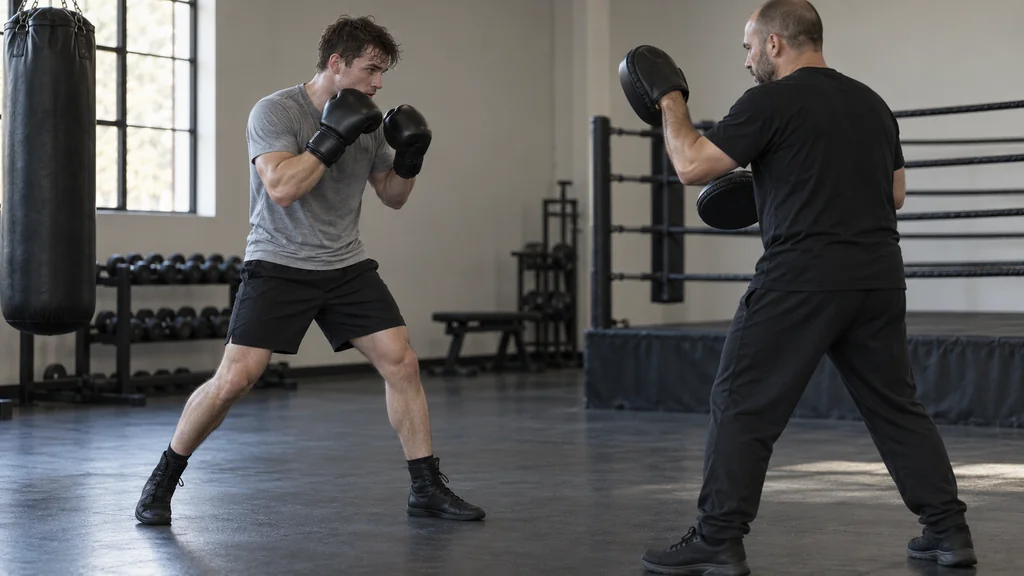
The first is copying a fighter with a completely different build and style. Not every boxer needs the same rear-foot angle.
The second is lifting the rear heel because you think good footwork must look bouncy. The heel can be light, but it does not need to hover in the air every second. Let the leg settle when the exchange has settled.
The third is turning the rear foot so far out that the knee and hip cannot join the punch comfortably. If a cross needs the upper body to wrench around a planted leg, slow down and reduce the angle.
The fourth is treating the back foot as an isolated fix. Check the whole stance before blaming one shoe.
The useful default is the one you can leave and return to
A sound rear-foot position gives you options. You can settle on it, push from it, turn through it and come back to it after the punch.
Start from a comfortable moderate angle rather than an extreme. Use a more forward angle when a coach wants you ready to spring or shift. If either version hurts, twists the knee or makes you lose balance, stop and ask a coach to look at the whole stance.
For adults in Kidbrooke, Greenwich and nearby, our Recreational Adults boxing classes use pads, bags and controlled movement drills to make small stance adjustments useful rather than cosmetic.
The coaching cue is simple: set the foot so you can move, punch and recover.
H&G Team
Writer at Honour & Glory Boxing Club, a community boxing gym in Kidbrooke, South East London.
KEEP READING
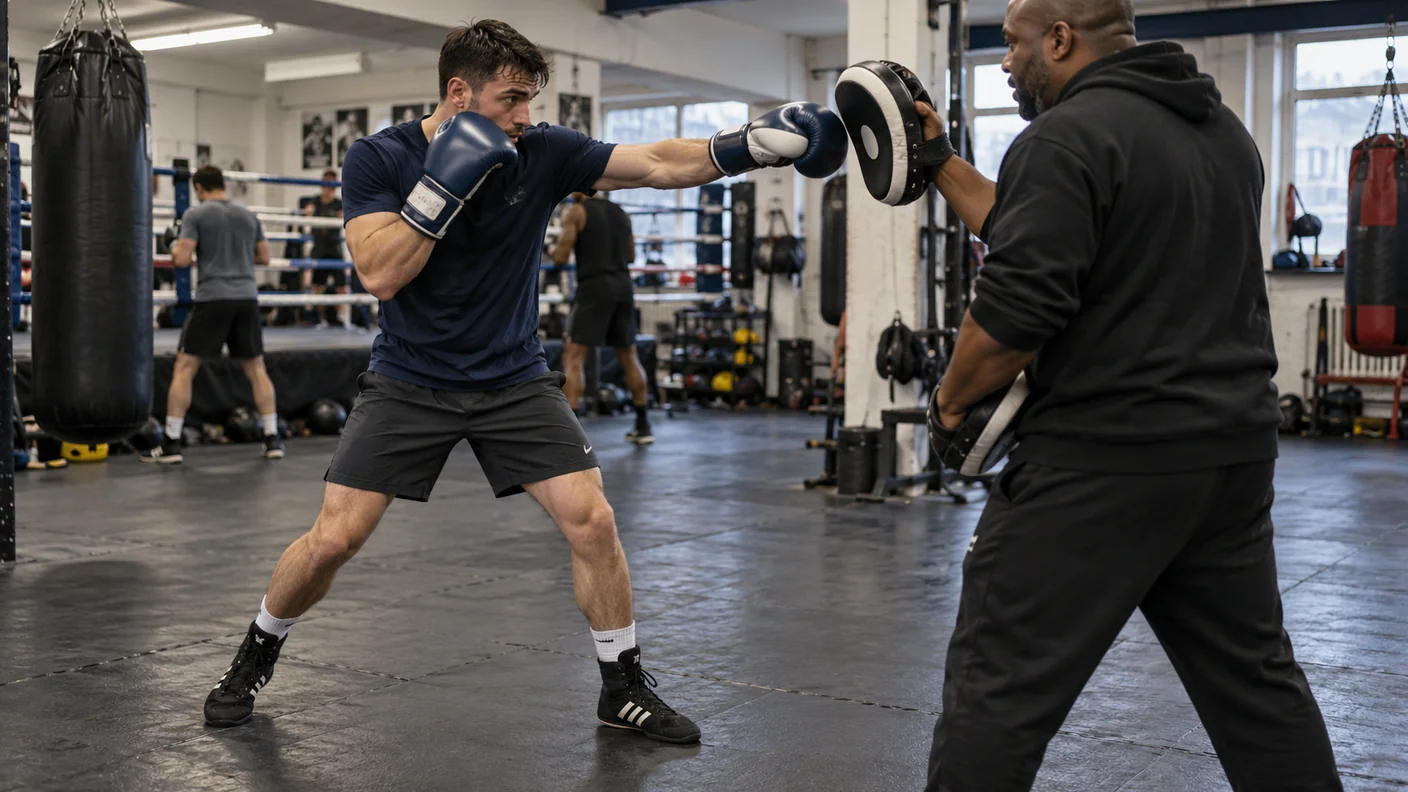
Boxing Back Foot Position: Set It to Move
Your rear foot should support movement, defence and clean punches. Learn how to find an angle that does not trap your stance.
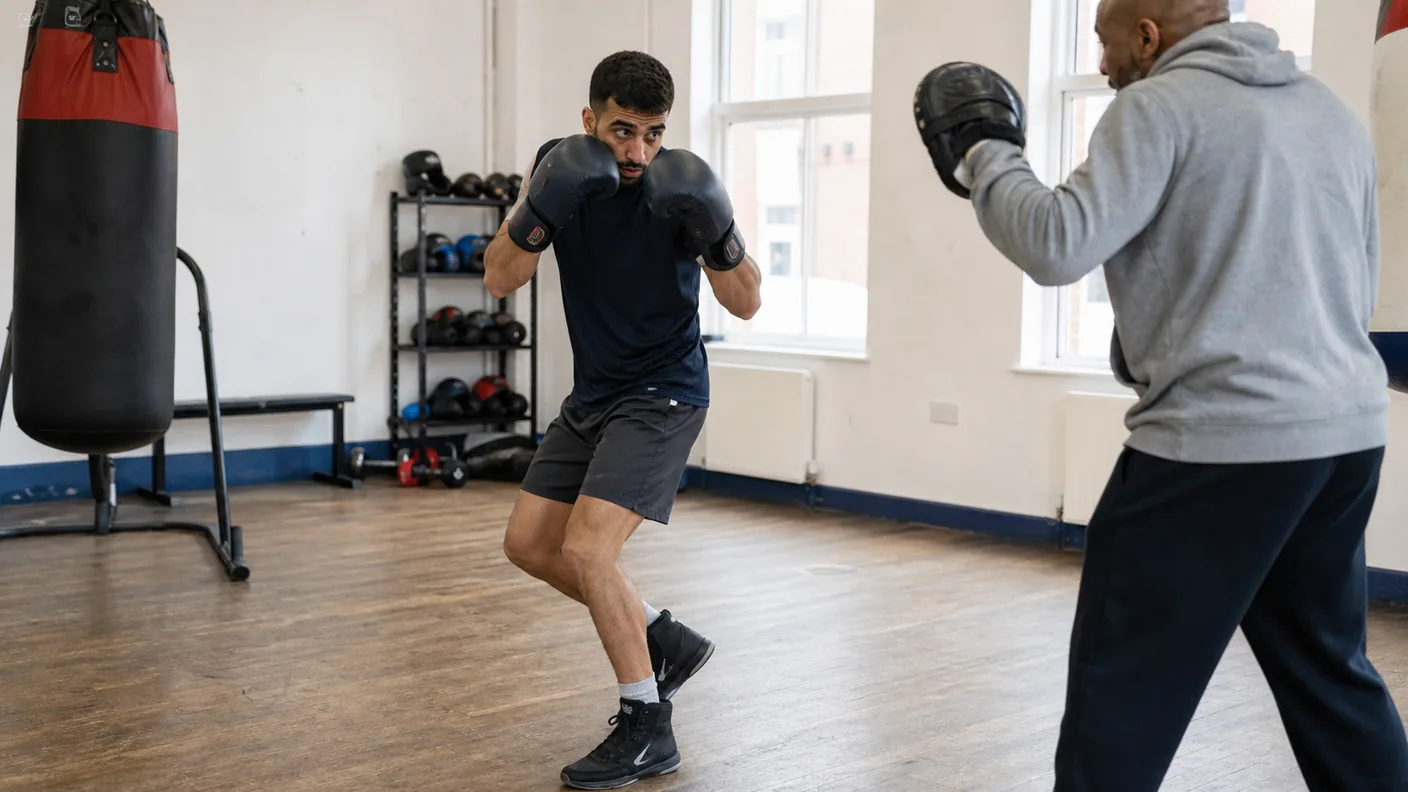
Rear-Foot Pivot and Tuck: A Safer Boxing Angle
Use a compact rear-foot pivot and tuck to leave a straight-punch line without losing your guard, balance or next step.
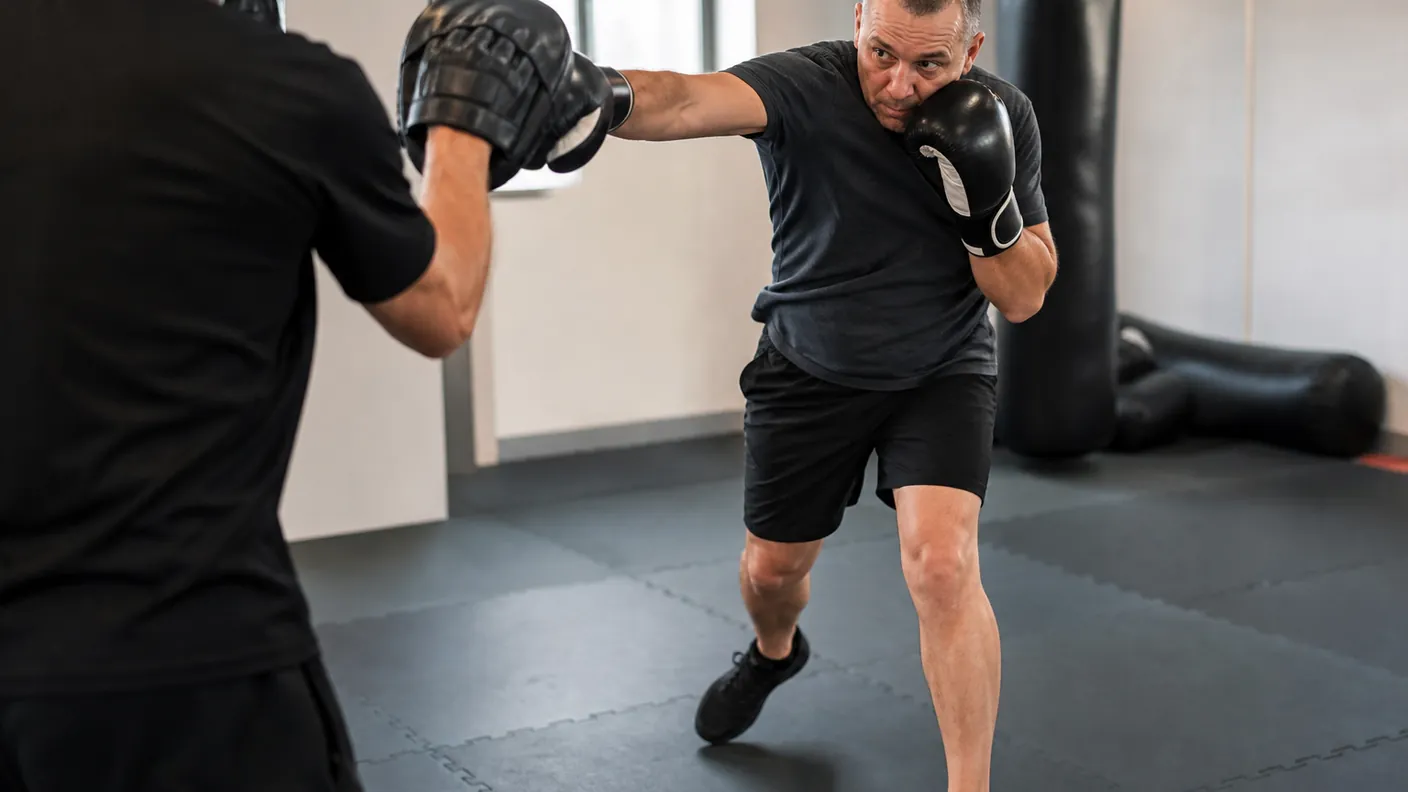
Two-Step Hook Drill for Boxing Balance
Use two small foot adjustments to find range for a compact hook without stretching, spinning or losing your guard.
Was this page helpful?
It takes one tap, and it genuinely helps.
Choose your next step
Turn this article into the right action
Some readers are ready to book. Some need the class route first. Pick the route that matches what you actually want.