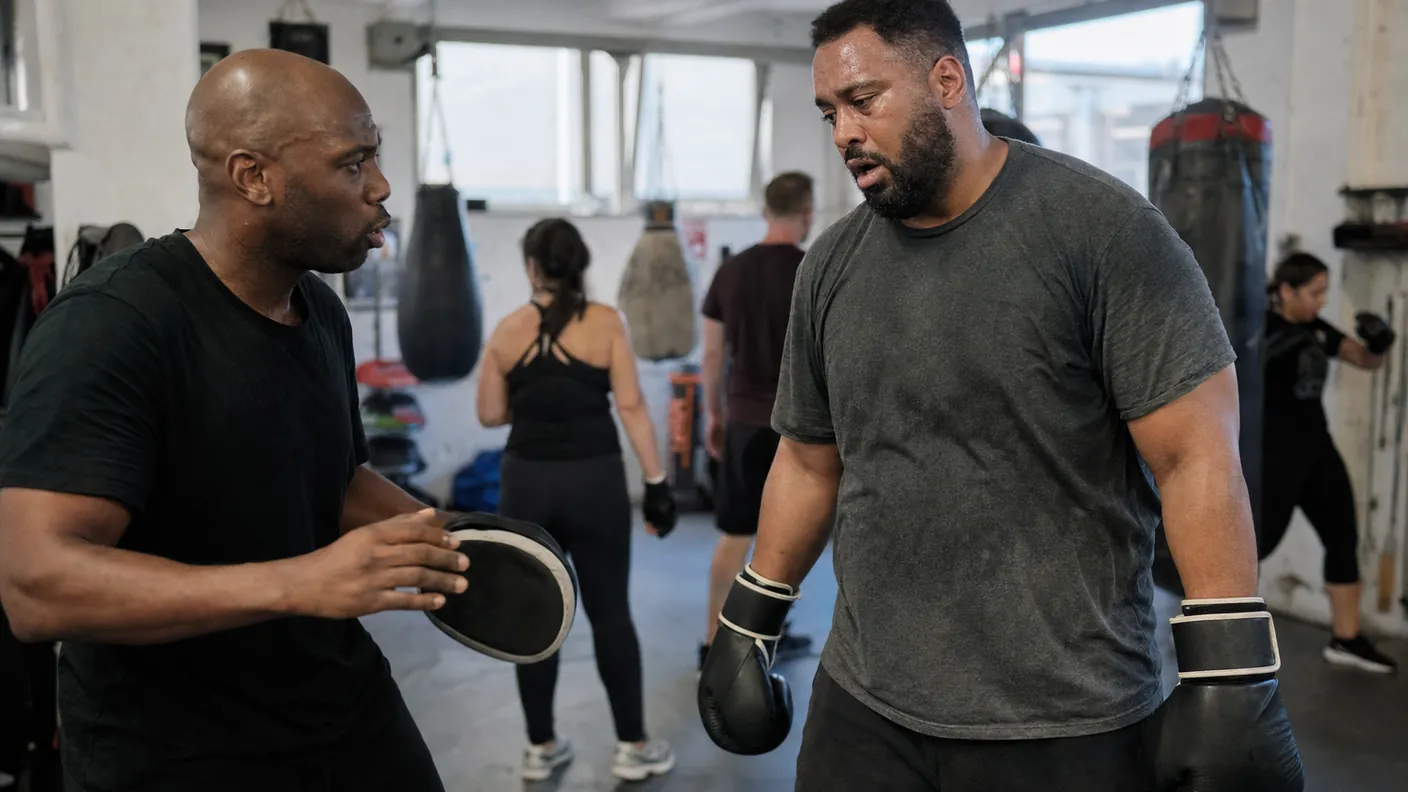
Dropping your hands is one of those boxing mistakes everyone knows about and almost everyone still does.
A beginner can hear "hands up" twenty times in one round and still let the gloves sink as soon as the combination finishes. It is not usually because they are lazy. It is because the guard is being treated as a pose instead of a working position.
The fix is not shouting the cue louder. The fix is understanding why the hands keep dropping, then building a round where the gloves come home automatically.
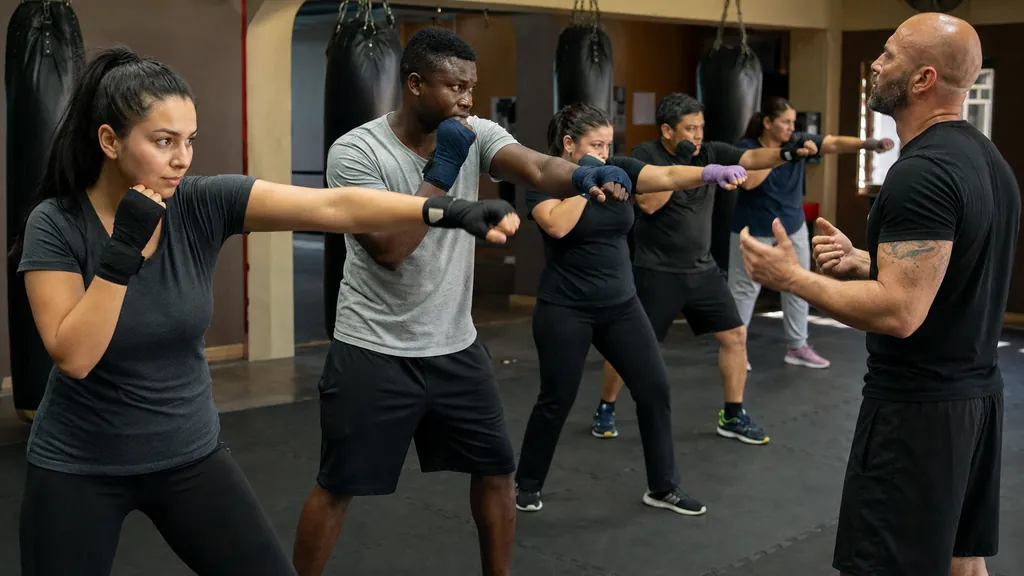
Your hands drop because the guard is too expensive
Most beginners hold their guard with too much tension.
The fists squeeze. The shoulders rise. The elbows drift. The chin lifts slightly because the whole upper body is bracing. For thirty seconds this can feel strong. After a minute, it feels like carrying shopping bags at shoulder height.
That is why the hands drop. The body is trying to save energy from a position that costs too much.
A useful guard is not floppy, but it is also not frozen. The hands sit close enough to protect you, the elbows stay useful, and the shoulders are ready without being permanently switched on. If the guard feels like an isometric shoulder exercise, it will not survive a hard round.
This links closely with our guide to why your shoulders burn in boxing. Many people think they need stronger shoulders when the first correction is usually less unnecessary tension.
Fatigue makes simple skills late
Tired boxers do not only move slower. They also make decisions later.
A 2023 study on striking sports found that upper-body fatigue negatively affected punch response time in amateur karate athletes (PeerJ striking fatigue study). Karate is not boxing, but the lesson carries across well enough for a coach: once the upper body is tired, fast clean reactions become harder.
That is exactly when the guard drops. The punch finishes, the boxer thinks about the next instruction, the coach moves the pad, the feet are late, the breathing is messy, and the hands quietly fall while the brain catches up.
This is why shouting "keep them up" is incomplete coaching. The hands are not an isolated body part. They are attached to breathing, footwork, balance, pacing and attention.
When those pieces are overloaded, the guard is usually the first thing to disappear.
The real mistake is not bringing the hand home
The most important moment is not where your glove starts. It is where it goes after the punch.
A jab that lands and stays out is not finished. A cross that lands and leaves the rear hand floating near the chest is not finished. A hook that swings back low is not finished.
The punch finishes when the hand returns to a useful guard.
That sounds simple, but beginners often train the exciting half of the punch. They care about hitting the pad. They care about the sound. They care about power. The return gets treated as an afterthought.
Good boxing flips that around. The return is part of the punch. If the hand does not come home, the punch was not clean, even if it made a nice noise on the pad.
If this is your main problem, spend time with the basics in Boxing Stance and Guard Basics. The guard is not a static picture. It is the place your hands keep returning to under pressure.
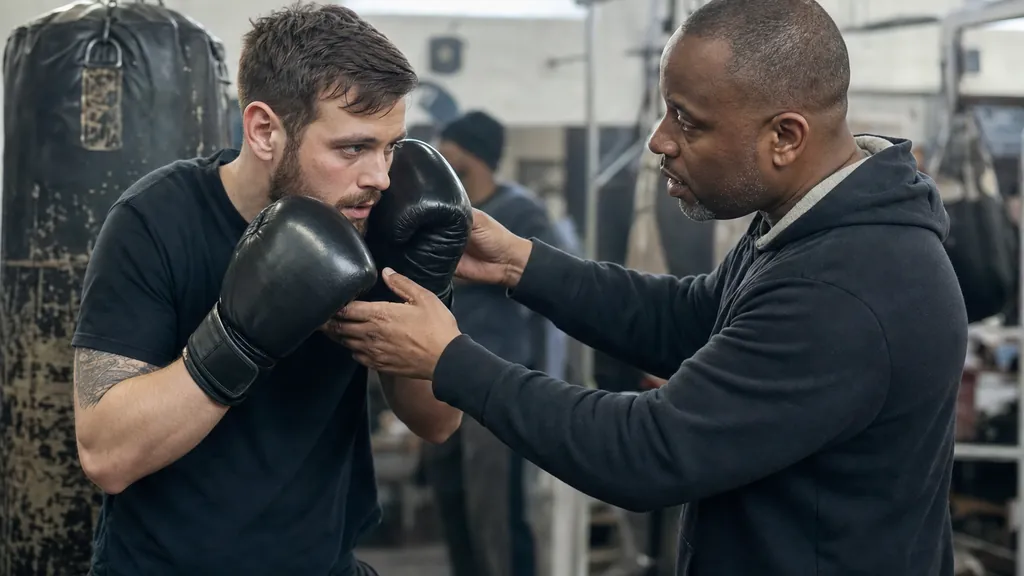
Power makes the habit worse
Beginners often drop their hands because they are trying to hit too hard.
A hard punch creates a bigger recovery job. If the boxer overreaches, leans, loads the shoulder, or turns the shot into a whole-body heave, the hand has a longer route back. That delay is where the guard disappears.
You can see it on the heavy bag. The boxer throws a big right hand, admires the impact for half a second, then resets from scratch. The bag does not punish them. A partner would.
The correction is not to punch weakly. The correction is to earn power through shape. Keep the shot short enough that it can return. Keep the feet under you. Let the hips help, but do not throw the whole body past the target.
A clean punch should feel like it has a built-in return path. If the punch throws you out of position, it was too expensive for your current level.
Breathing affects the guard more than people think
Bad breathing pulls the hands down indirectly.
When beginners hold their breath, the shoulders and neck usually tighten. The combination becomes frantic. Then, after the punches, the boxer drops the hands to gulp air or reset emotionally. The guard goes missing at the exact moment they need order.
A sharp exhale on each punch helps because it gives the combination rhythm. Jab, breathe. Cross, breathe. Hook, breathe. Return, breathe again.
The NHS describes vigorous activity as work where you cannot say more than a few words without pausing for breath, and boxing rounds often sit in that territory for beginners (NHS physical activity guidelines). If the breathing is chaotic, the guard usually follows it.
Our guide to how to breathe properly in boxing gives the basic rhythm. You do not need theatrical noises. You need enough breath that the body stops panicking.
A better cue than hands up
"Hands up" is useful, but it is too vague on its own.
A better cue is: hands home.
That tells the boxer what the hands must do after each action. Jab, home. Cross, home. Slip, home. Step out, home. It also stops the guard becoming a stiff statue. The hands can work, but they must keep returning to a sensible base.
Use these checks during bag or pad rounds:
- after the jab, the lead glove returns near the lead cheek
- after the cross, the rear glove returns near the rear cheek
- after a hook, the elbow does not swing back low
- after a combination, both gloves return before you admire the work
- after a defensive move, the hands are still part of the next action
If your coach has to keep saying the same cue, slow the drill down. Speed is not the goal yet. A fast bad habit is still a bad habit.
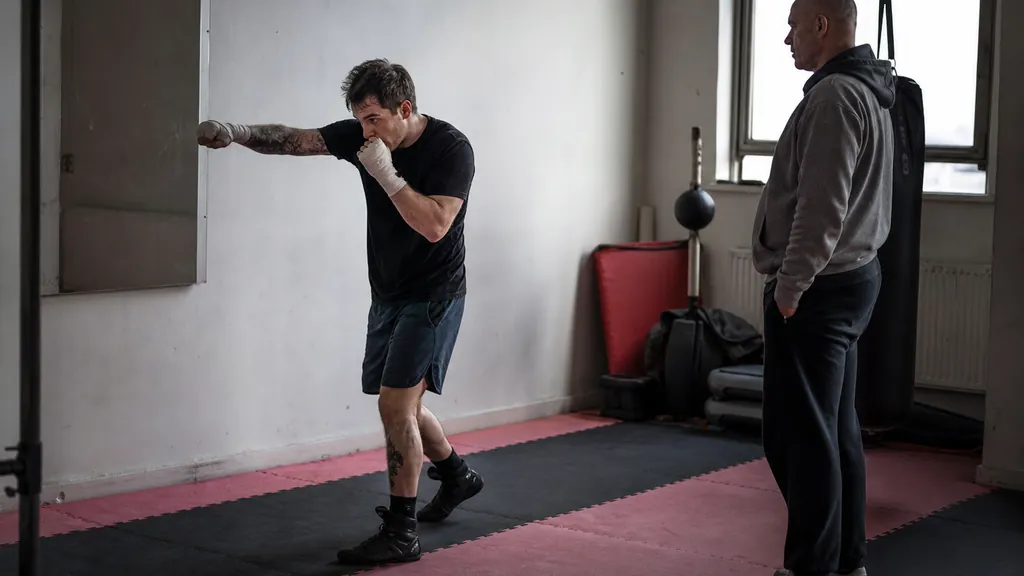
The three-round drill to fix it
Do this before you chase harder rounds.
Round 1: single-shot returns
Work at half speed on the bag or pads. Throw one jab, return the hand, then pause for one second in guard. Throw one cross, return the hand, then pause again.
The pause is important. It makes the finish visible. If the hand drops, you will see it immediately.
Round 2: two punches, one check
Throw jab-cross at calm speed. After the cross, freeze for half a second in your guard. Ask whether both gloves are back near the face and whether the chin is still protected.
Do not add hooks until the straight shots come home properly. Hooks create more ways to lose shape.
Round 3: jab, return, step out
Throw a jab, bring the hand home, then step out to the side. This teaches the habit that defence, movement and guard all belong together.
A lot of beginners punch, then move with the hands low. This drill makes the order clear: punch, return, move.
When it is a fitness problem
Sometimes the answer really is conditioning.
If your technique is calm but the hands still fall every round, you may need more time under sensible boxing work. That does not mean smashing the bag until your arms fail. It means building rounds where the guard stays useful while you are tired.
Start with shorter quality intervals. One minute clean, thirty seconds rest. Then ninety seconds clean. Then two minutes. Add time only if the shape holds.
This is the same logic behind our article on why beginners gas out in boxing. Fitness matters, but boxing fitness is not just a bigger engine. It is learning to spend less fuel on every action.
What beginners should remember
Your hands drop because something in the round is overloaded.
It might be shoulder tension. It might be breath-holding. It might be overreaching. It might be trying to punch too hard too soon. It might be simple fatigue. Most of the time, it is a few of those things together.
The correction is not panic. Build a cheaper guard, punch with a return path, breathe on the work, and slow the drill down until the hands come home without a speech.
At Honour and Glory, our Recreational Adults boxing classes spend time on these small habits because they decide how safe and confident a beginner feels. If you are in Kidbrooke, Greenwich or nearby, we can help you fix the guard before it becomes your normal.
H&G Team
Writer at Honour & Glory Boxing Club, a community boxing gym in Kidbrooke, South East London.
KEEP READING
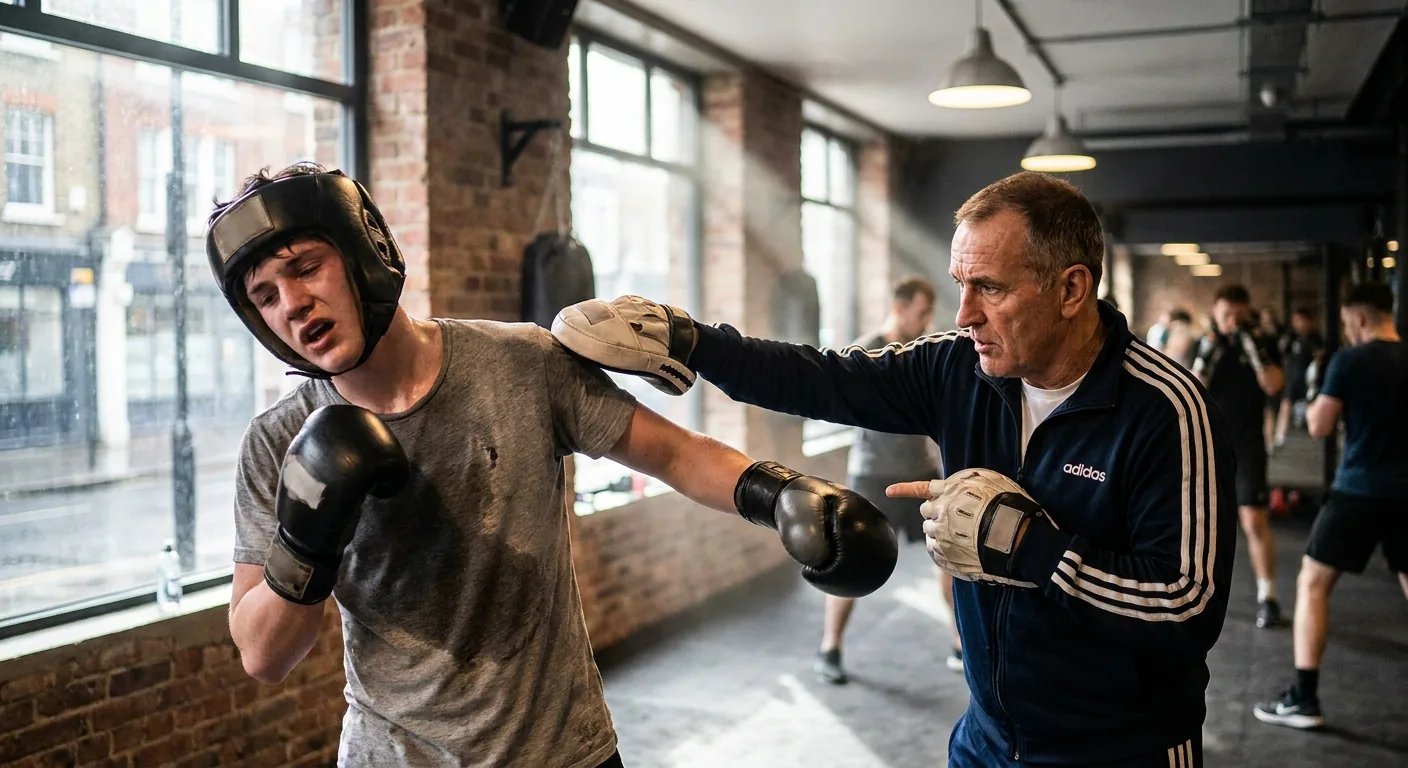
Why Your Shoulders Burn in Boxing
Shoulders burning in boxing usually comes from tension, guard position, and wasted effort. Here is what causes it and what fixes it first.
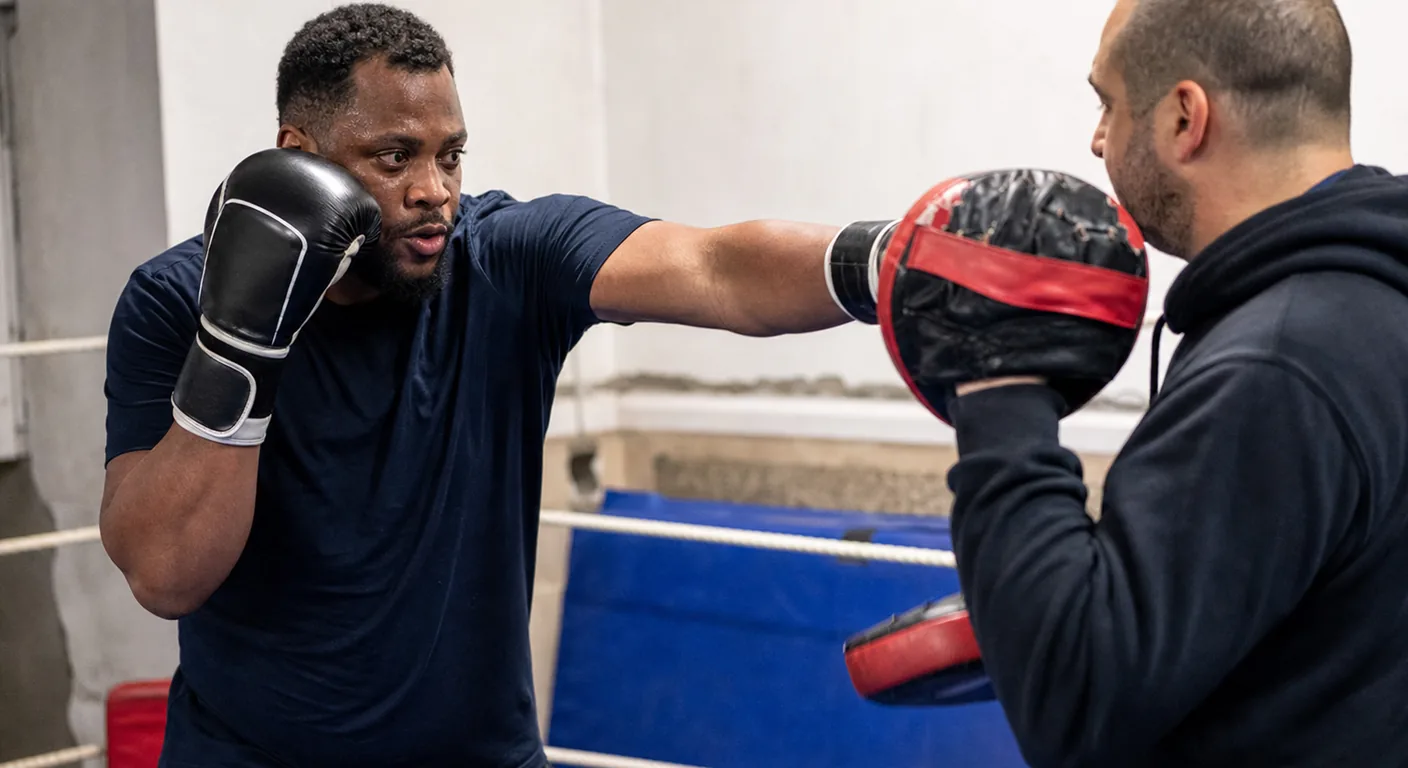
How to Punch Without Dropping Your Guard
Learn how to keep your guard alive while punching, so combinations protect you instead of opening clean counters.
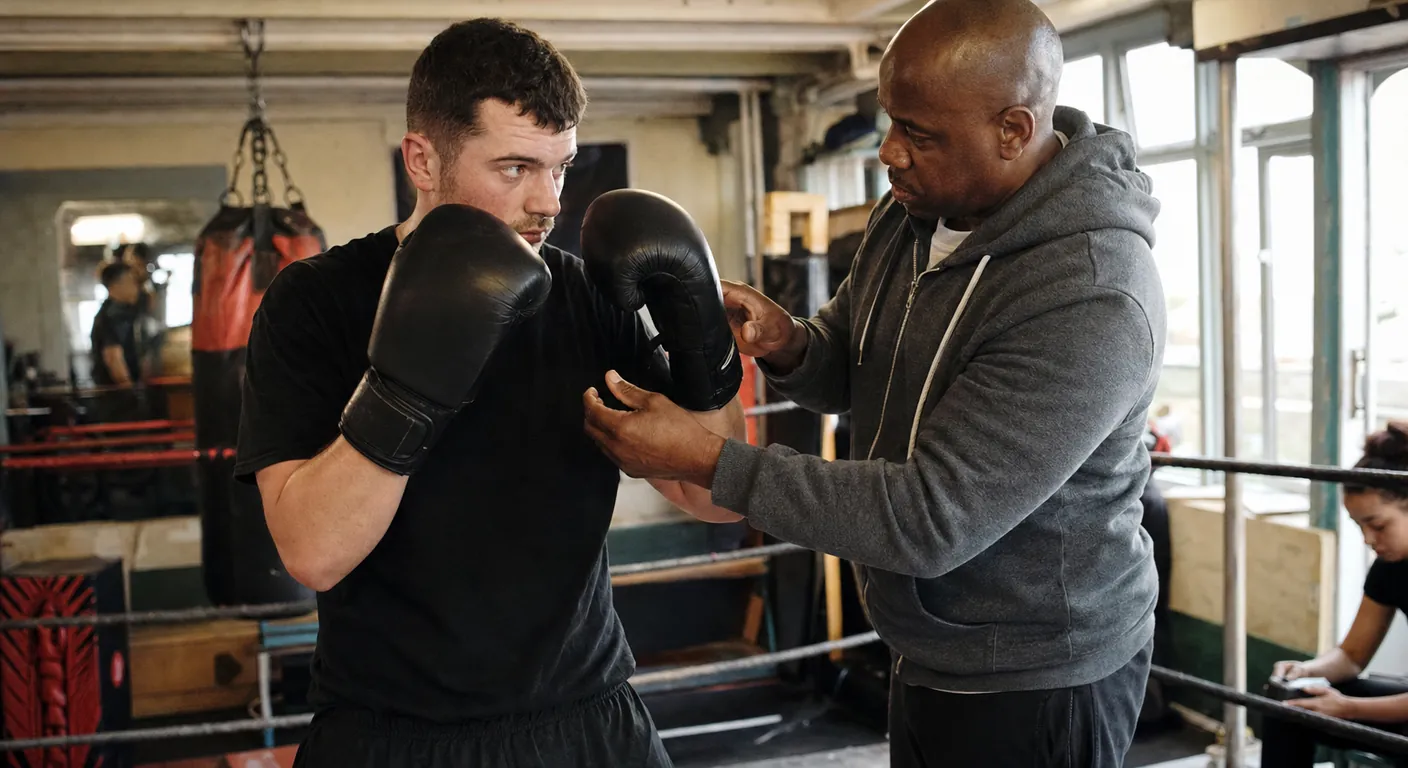
Boxing Guard: Do Not Squeeze Your Hands Together
A practical guard lesson for boxers who keep their gloves too narrow and lose shoulder position when they punch.
Was this page helpful?
It takes one tap, and it genuinely helps.
Choose your next step
Turn this article into the right action
Some readers are ready to book. Some need the class route first. Pick the route that matches what you actually want.