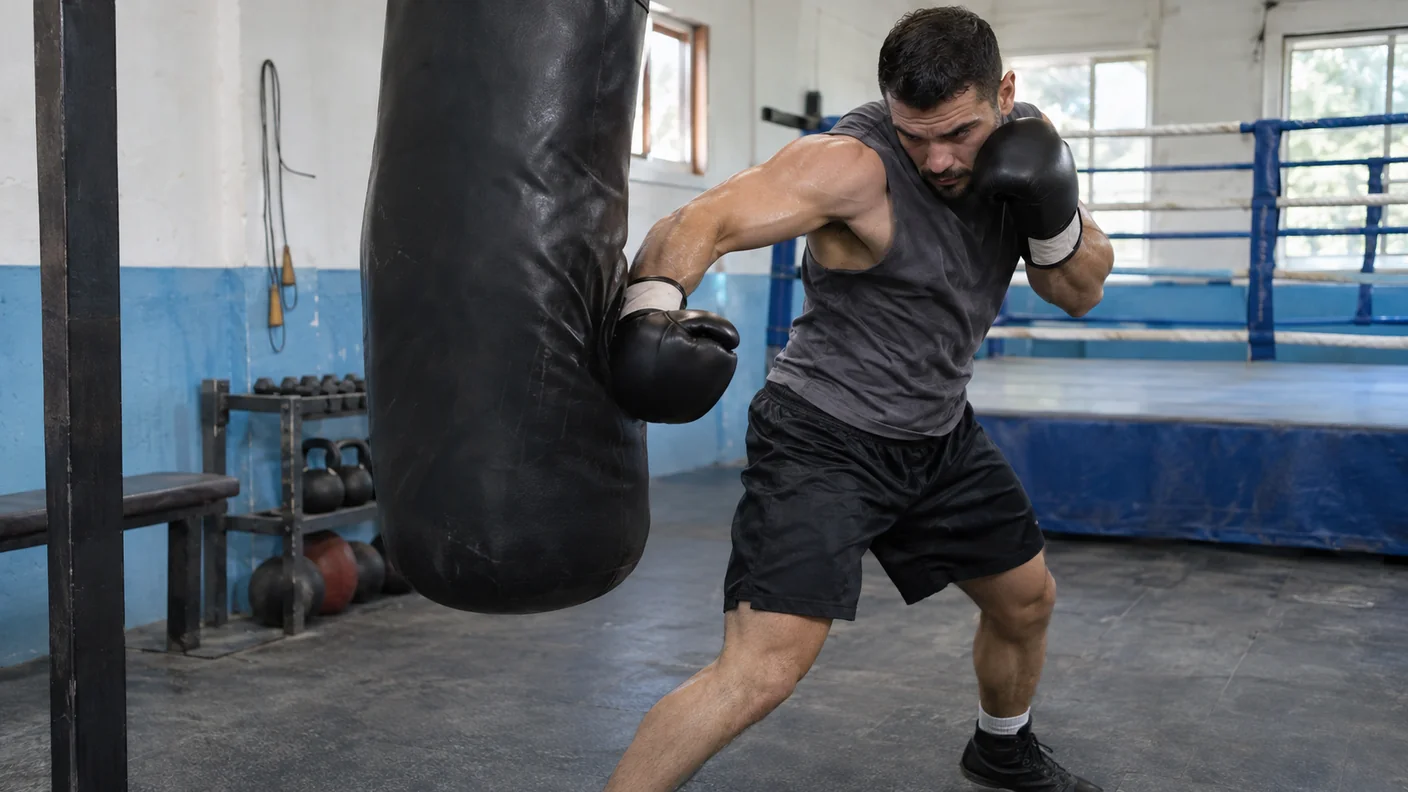
The swivel jab is an advanced lead-hand entry that arrives after a rear punch. As the rear hand finishes and your weight has travelled forward, the lead jab uses that motion to cover a little more distance.
It can catch someone who has reacted to the one-two and expects the exchange to be over. It can also leave you stretched, square and easy to counter. That second outcome is far more common when a boxer tries to add the jab before they can finish an ordinary one-two in stance.
This is not a beginner combination. Learn the standard jab, step jab and power jab first. Then use the swivel jab as an occasional variation when you have space in front of you and a clear idea of what happens after the final jab lands.
The jab starts with the rear hand finishing
A normal jab begins from a settled lead side. The swivel jab is different. It comes after a rear straight, when the body has already rotated forward and the weight has travelled towards the lead leg.
The sequence is usually a one-two-jab. The first two punches ask the opponent to read a familiar rhythm. The final jab arrives as the lead side comes back into play, often when the opponent has pulled away from the cross or begun to reset their guard.
That makes the jab a surprise, not a magic trick. If the cross has missed by a mile, landed with you off balance or forced the rear foot to drag behind, there is no position left for a useful final jab. Bring the hands home and reset instead.
England Boxing's coaching handbook treats a balanced stance and controlled footwork as the foundation of both attack and defence. This is the right standard for judging the movement. The final jab only belongs there if it leaves you able to cover, step or change direction.
Let the feet carry the extra distance
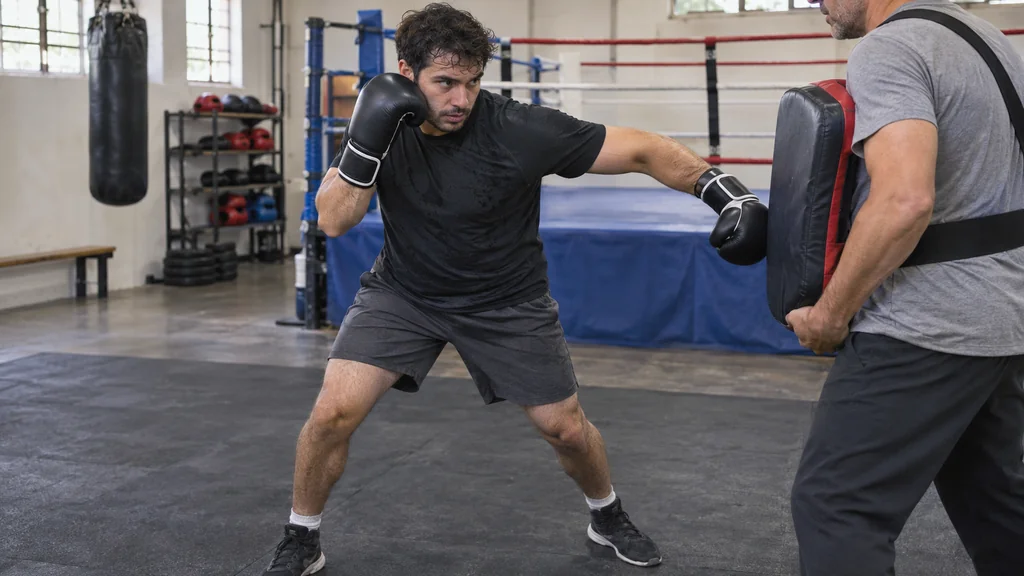
The aim is not to throw yourself after the opponent. The lead hand extends as the lead foot takes a small amount of ground, using the momentum left by the rear hand. The rear foot must still follow enough to restore the stance.
Think of the movement as a short continuation, not a jump. Your head should stay behind the lead knee, the rear glove should remain ready and the lead shoulder should help protect the chin as the jab travels. If your feet land together or your chest goes past your front foot, you have turned a surprise punch into a fall.
The jab does not need to be hard. Its first job is to arrive in a place the other boxer has not expected. A clean touch that brings you back to stance is more useful than a heavy final shot that leaves you watching for a counter with your hands apart.
A study of boxing punch kinematics found that punch speed and delivery time change with punch type and the sequence around it. The relevant gym lesson is simple: a three-punch action is not three separate arm movements. The feet and trunk have to remain connected from the first jab to the last.
Do not chase a retreating opponent
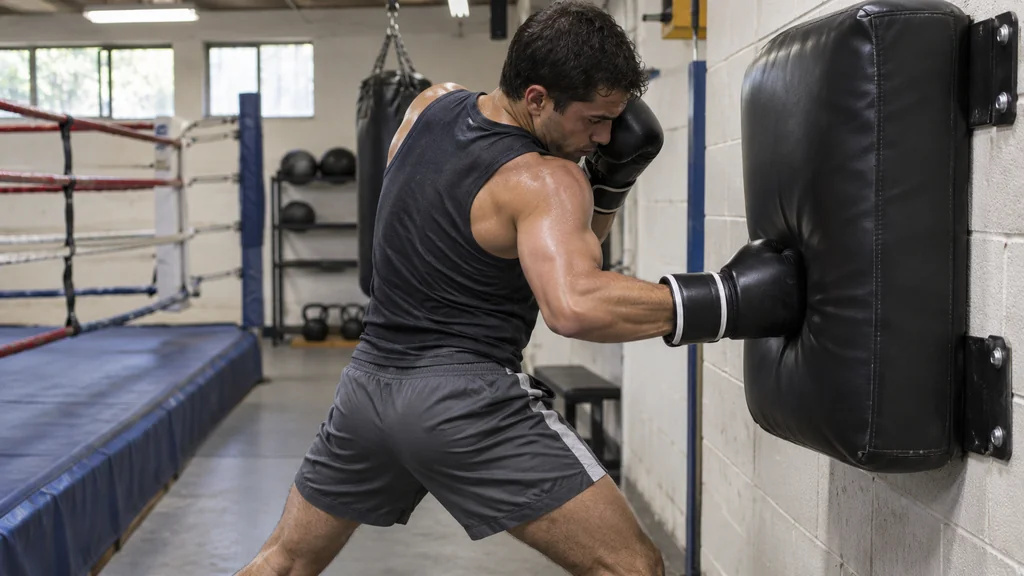
The swivel jab is most useful when the opponent has only moved enough to avoid the cross. If they have taken a full step back, turned off line or shown a clear counter, the final jab can become a reach.
This is why controlled pad work is useful. A coach can show three different responses after the rear hand: stay present, take a small pull back or remove the target. The final jab is only thrown when the distance is honest. When the target goes, the boxer resets.
Do not add the jab just because the combination has a name. The first skill is reading whether the other boxer is still there. The second is accepting that a good one-two can finish the exchange by itself.
For the more stable version of a forward lead hand, read our guide to the power jab in boxing. A power jab starts from a more settled position. It is a better starting point before you use the lead hand after a rear punch.
A three-round swivel-jab drill
Use a coach with focus mitts or a heavy bag with a marked head-height target. Keep the force light. You are building a route through the feet, not trying to make every final jab a power shot.
Round one: one-two, freeze
Throw a calm jab and rear straight, then stop. Hold the finished stance for one count. The coach checks the simple things: both gloves can return to guard, the head has not travelled over the lead knee and the rear foot has not been abandoned behind the body.
If the one-two does not finish in balance, do not add the third punch. Shorten the step, slow the cross and rebuild the base first.
Round two: one-two-jab to a present target
The coach now gives a third mitt only when they remain at an honest distance after the cross. Let the lead hand travel with a small controlled step, touch the mitt and bring it back to guard.
The third jab should not pull the body further forward than the first two punches have earned. Finish with the feet staggered and enough space to either cover or take a small step out.
Round three: learn not to throw it
Now the coach varies the final picture. Sometimes the target is there. Sometimes it disappears with a small step back. Sometimes a raised mitt gives a return-jab cue.
When the target is present, use the final jab and recover. When it disappears, do not chase. When the return cue arrives, bring the gloves together in a compact guard or take a small angle. This is the round that makes the movement useful rather than automatic.
Four mistakes that make the swivel jab expensive
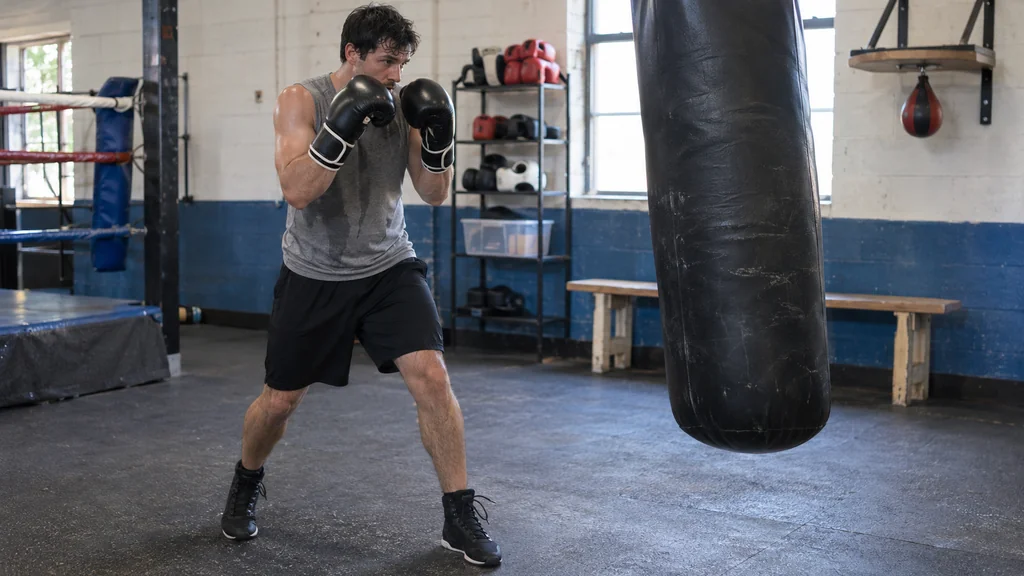
The first is adding it before you have balance after the cross. A rear hand that has pulled you forward does not create a clever jab. It creates a longer fall.
The second is making the extra step too large. A small step can finish the entry. A large leap usually leaves the rear foot trailing and the head exposed down the middle.
The third is dropping the rear glove because the lead hand is busy. The rear hand needs to be dependable during the final jab, particularly because you are moving into the opponent's range.
The fourth is repeating the pattern until it becomes obvious. A good opponent notices the same count. Mix ordinary one-twos, pauses, feints and exits into your training so the long final jab remains a choice rather than a promise.
Our guide to the L-step as a calm angled exit is useful once you have finished the entry. You do not need an L-step after every combination, but the principle matters: an attack is only complete when your feet can still work.
Where this fits in training
Use the swivel jab after you are comfortable with a stable one-two and a power jab. It works on pads, a bag and technical partner drills where the range can be controlled. It does not need hard sparring, and it is not a shortcut around the basic jab.
For adults in Kidbrooke, Greenwich and nearby, our Recreational Adults boxing classes teach entries, guard recovery and exits together, so an advanced variation does not become a habit of falling forward.
The coaching cue is simple: finish the cross in stance, then let the jab borrow only the distance your feet can recover.
H&G Team
Writer at Honour & Glory Boxing Club, a community boxing gym in Kidbrooke, South East London.
KEEP READING
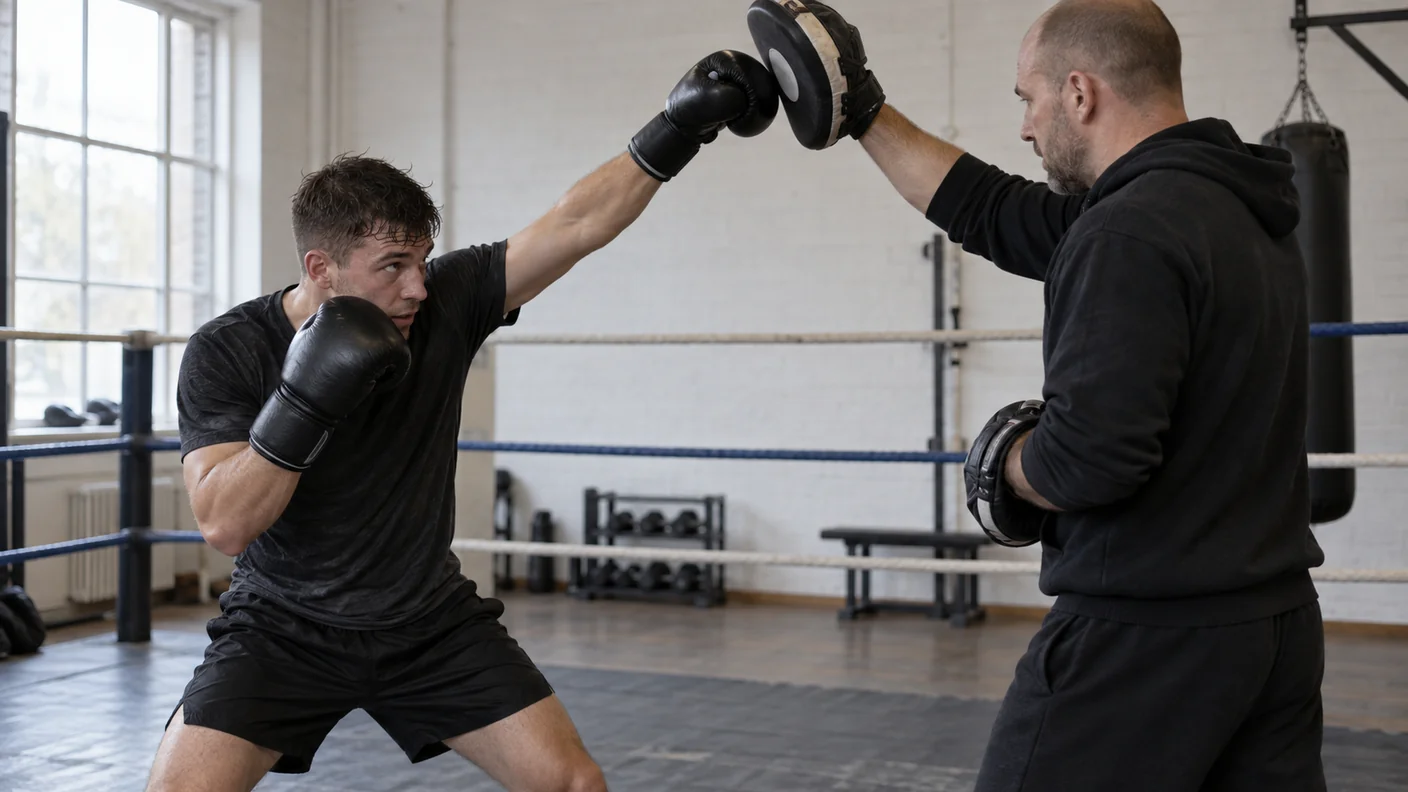
How to Use an Up Jab in Boxing
Use a compact up jab to change the line, test a high guard and keep your stance ready for the next decision.
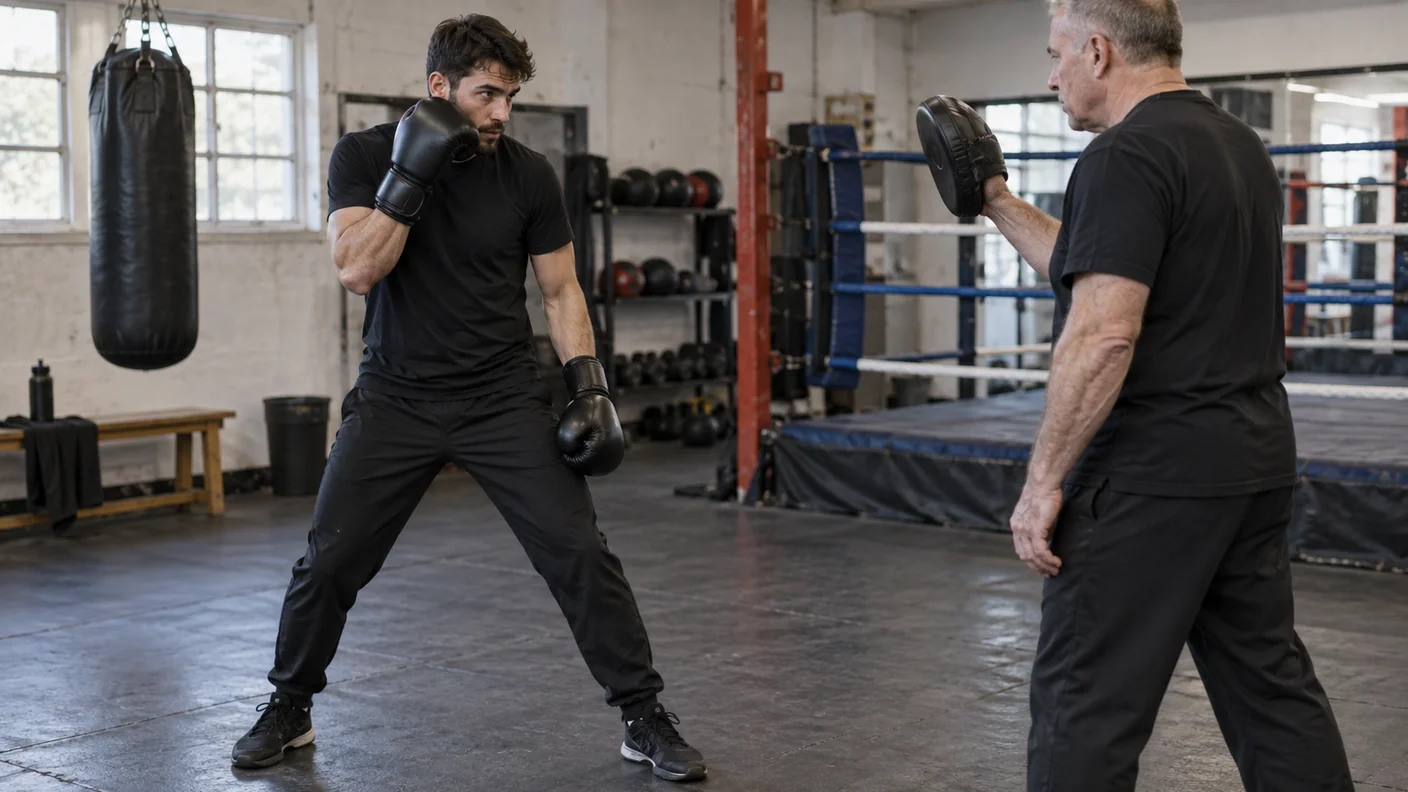
Hip Jab Boxing: An Advanced Range Drill
Use a low-to-high lead-hand jab only when a coach has confirmed that your guard, range and recovery already hold up.
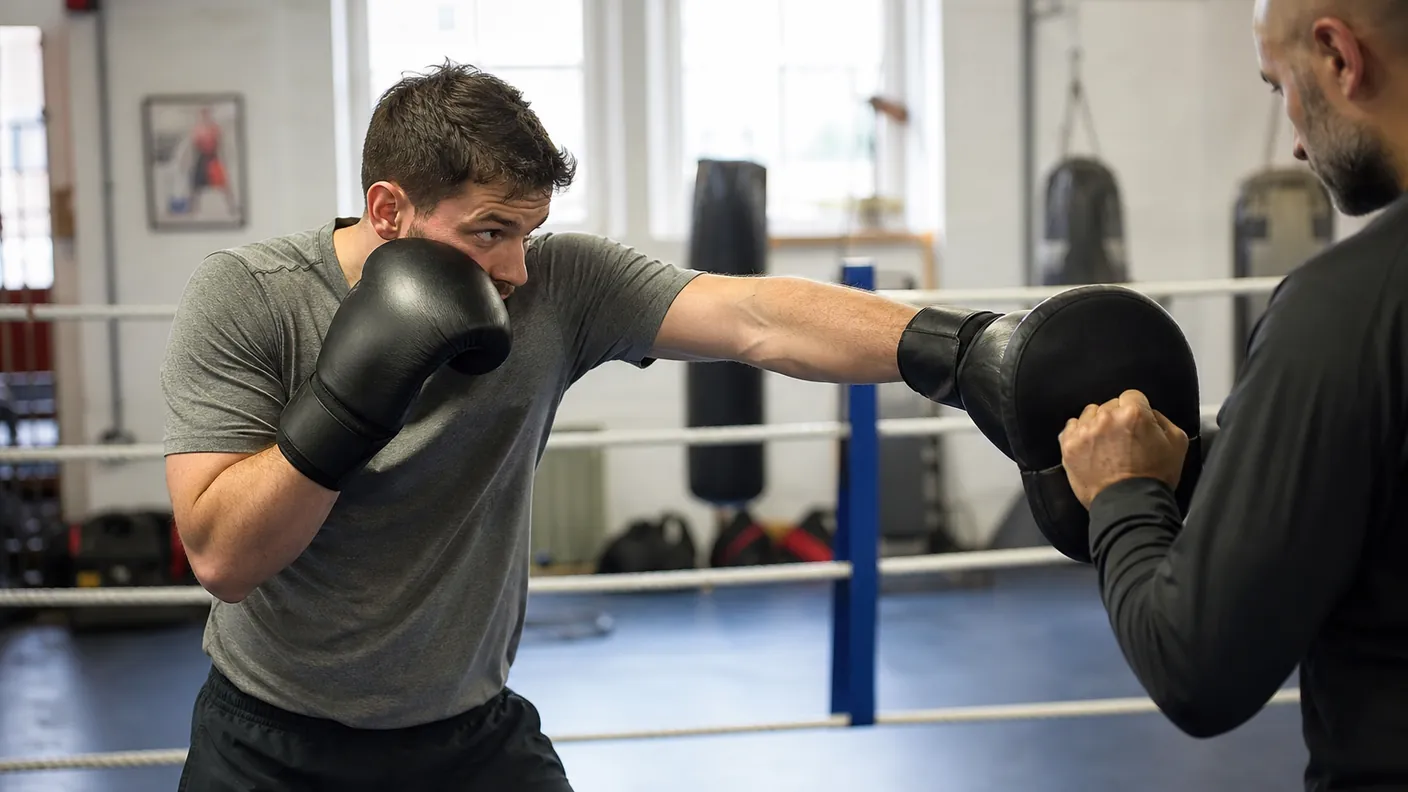
The Body Jab: A Safe Boxing Setup
Use a compact body jab to change the target, check range and set up the next decision without falling over your front foot.
Was this page helpful?
It takes one tap, and it genuinely helps.
Choose your next step
Turn this article into the right action
Some readers are ready to book. Some need the class route first. Pick the route that matches what you actually want.